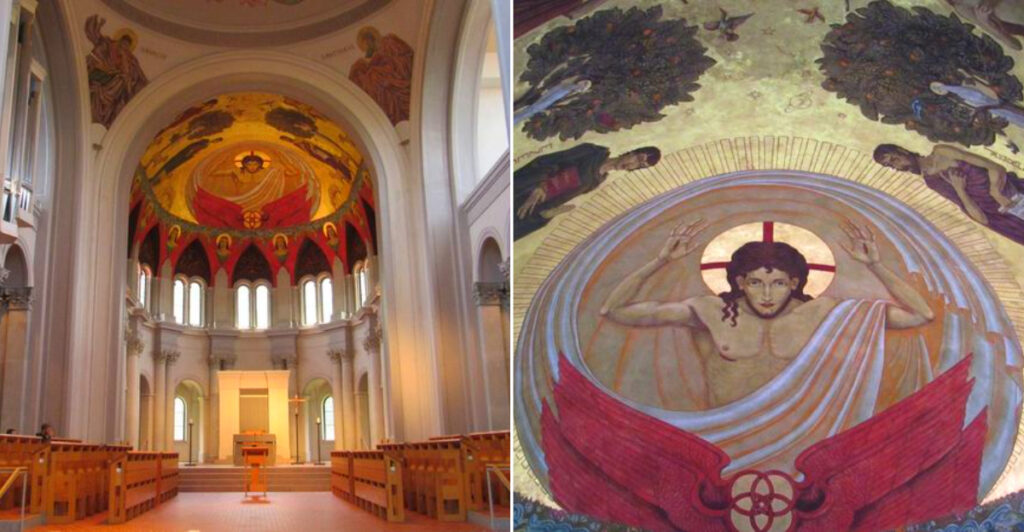
Silence inside a church is expected. Color this intense is not. I walked through the front door of this abbey and stopped mid-step because every wall, every arch, and every ceiling panel carries a mural painted by one man over the course of years.
The monk lived here, prayed here, and filled the space with biblical scenes rendered in warm reds and deep blues that look closer to Renaissance frescoes than anything I expected in rural Louisiana.
The scale is hard to photograph and harder to describe. I tried both and gave up. You simply stand underneath it and rotate slowly. Light shifts through the windows and changes which figure catches your eye first.
My neck was sore from looking up, and I still missed half the details. A Benedictine monk spent years painting murals across every surface of this Louisiana abbey, and the result swallows you whole.
Picture The Church Before The Paint
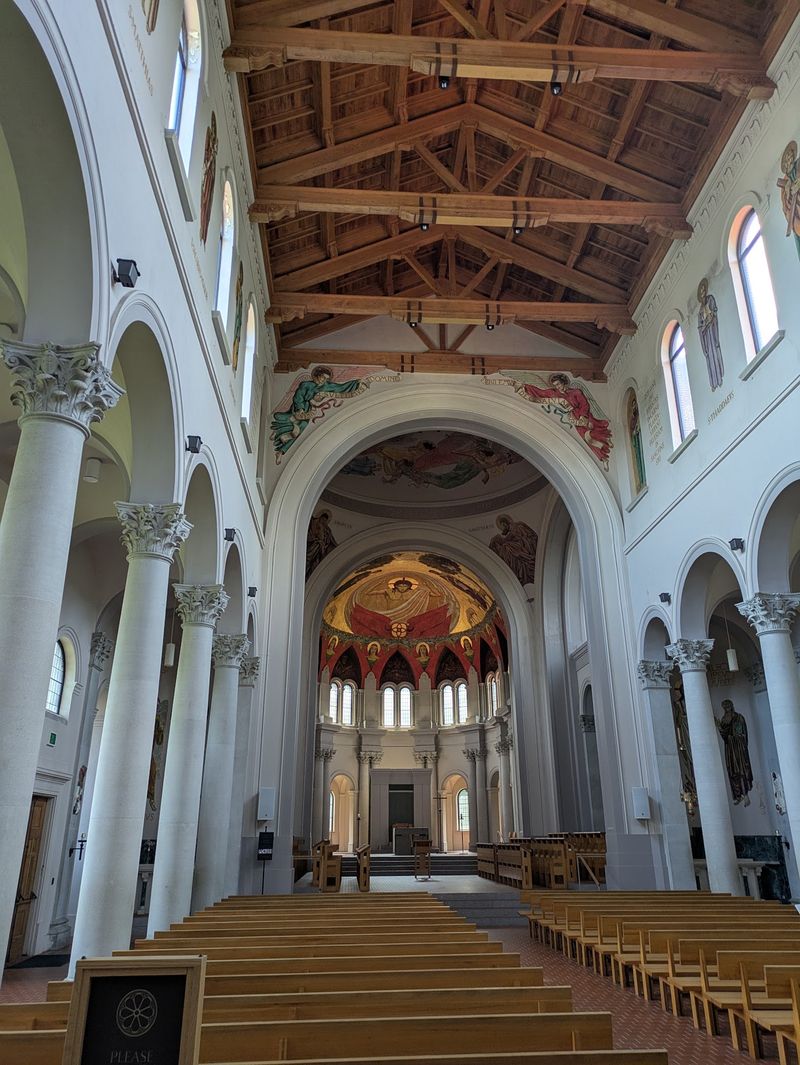
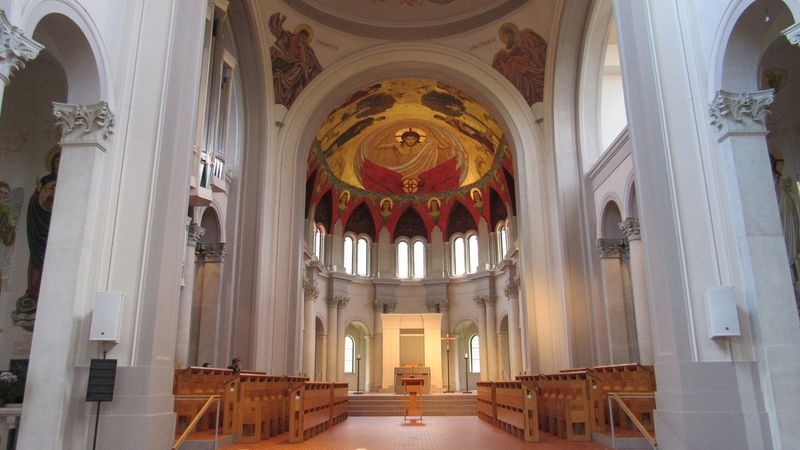
Step back and picture the church before the paint went up. Built in 1929 in a Romanesque style and dedicated in 1932, the Abbey Church originally had plain white walls and translucent windows, a look some monks felt was too bare for such a sacred room.
Dom Gregory’s murals changed the entire building without changing its bones, and that contrast is part of the fun of visiting.
Try looking at the arches, wall curves, and long surfaces before focusing on the figures. You begin to see how the artist used the architecture as a giant frame, letting stories stretch across the room instead of sitting in neat little panels.
The result feels bigger than a gallery show. It feels like the church itself learned how to speak in color, shape, and movement for anyone willing to pause and really notice.
River Road Makes The Final Turn Toward The Abbey
Saint Joseph Abbey is located at 75376 River Road in St. Benedict, Louisiana, north of Covington. From I-12, take US-190 west for about four miles, then bear right onto LA-437, also known as North Lee Road.
Follow LA-437 for about a mile, then turn left onto River Road. Continue for roughly 2.6 miles through the wooded countryside until the Saint Joseph Abbey and Seminary College grounds appear on the right.
Turn into the abbey grounds and follow campus signs toward your destination. Most visitors are asked to stop first at the Welcome Center inside Benet Hall to check in before exploring the church and grounds.
Save Time For The Giant Last Supper
Nothing prepares you for the Monks’ Refectory once you learn what hangs on its walls. The room contains a huge “Last Supper” mural by Dom Gregory de Wit, measuring about 98 by 21 feet and often described as the largest of its kind in the world.
He finished that central work by Christmas Eve in 1946, and many other painted figures in the room were arranged to face toward it, which gives the whole space a sense of order.
If you join a scheduled tour, pay attention to where your eyes travel first. Mine kept drifting back to the center because the mural quietly pulls the room together, even when you try to study side details.
A dining hall is already about shared meals, so placing that scene there makes artistic sense and spiritual sense at the same time too.
Notice How The Paint Survived Louisiana Weather
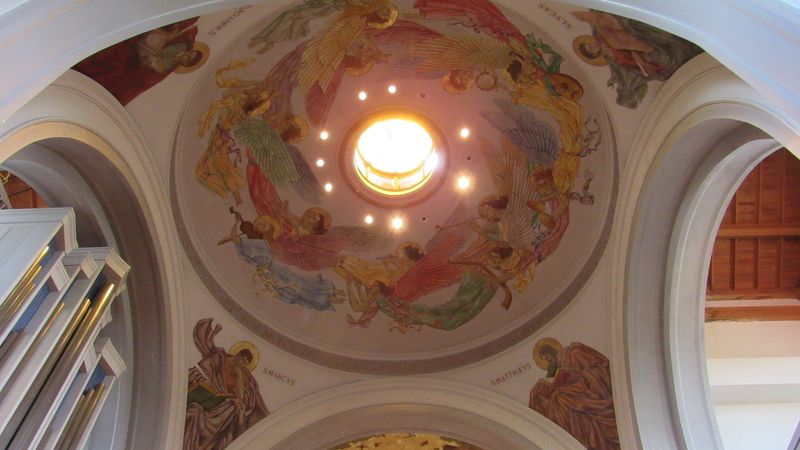
Louisiana humidity is no friend to delicate wall art, which makes Dom Gregory’s method even more impressive. Instead of painting quick decorations, he developed a durable mixture using powdered pigments and potassium silicate so the murals could handle the South Louisiana climate.
They are murals painted directly onto dry walls, not frescoes laid onto wet plaster, and that technical choice helps explain why the work still looks so vivid.
Even if chemistry is not your thing, this detail matters when you stand inside the abbey. The colors do not feel timid or faded.
They still carry a kind of brave energy, almost as if the walls are fresh from the studio. Remembering the climate adds a practical layer to the beauty, because you realize the paintings survived not by luck, but by planning, skill, and long-tested craft for future visitors.
Do Not Expect Polite Little Paintings
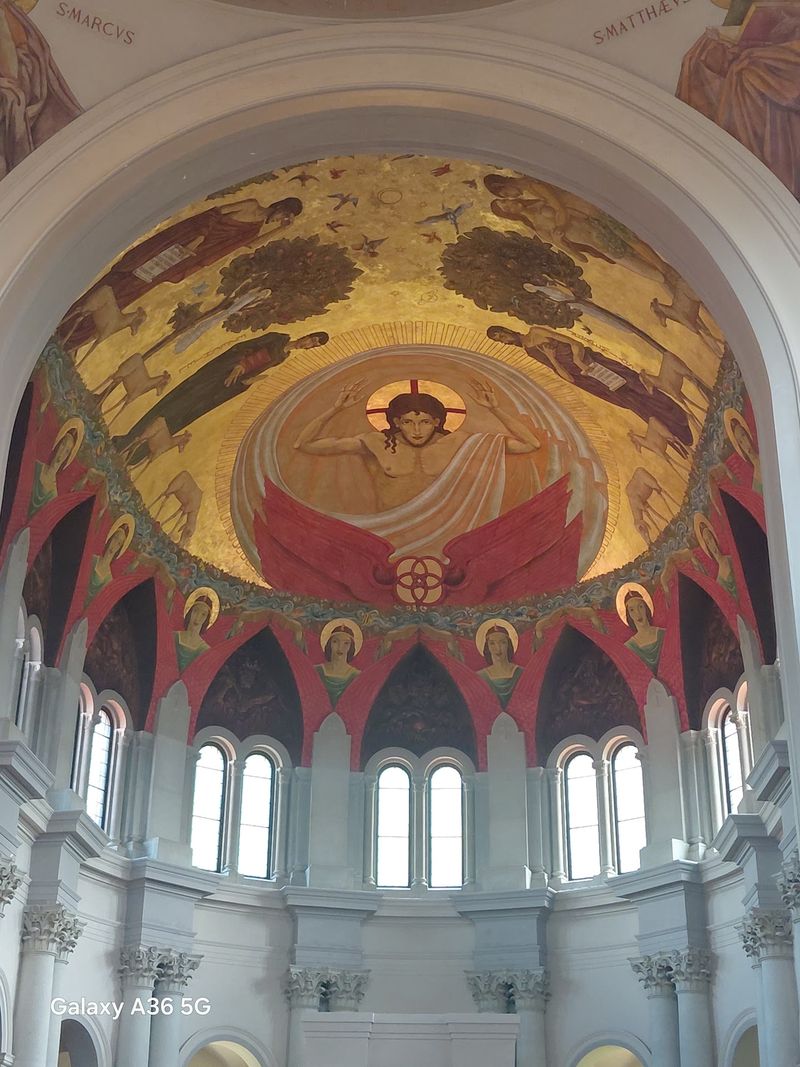
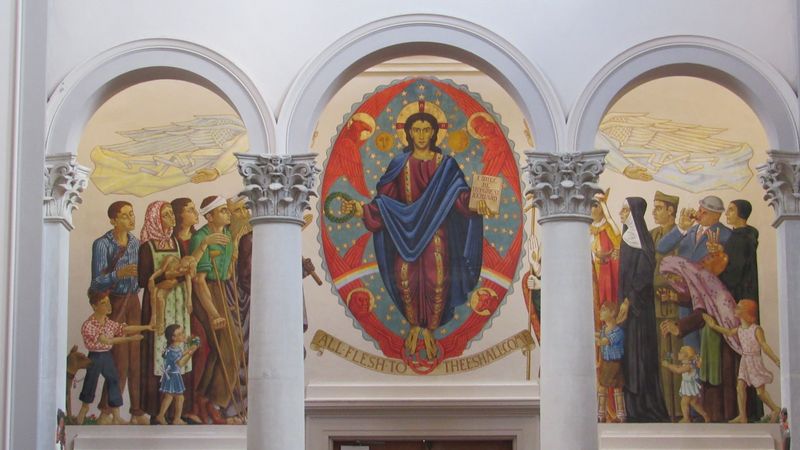
Some visitors expect gentle church art and get a jolt instead. Dom Gregory de Wit’s style uses brilliant colors, bold outlines, and figures that can look slightly distorted, especially in the hands.
Rather than seeing that as a mistake, treat it as his artistic fingerprint. The abbey becomes more interesting when you stop asking whether the paintings are pretty in a tidy way and start asking what they are trying to emphasize.
Stand still long enough and the style begins to feel purposeful, even dramatic. Bright reds, blues, and gold tones push stories forward, while the strong lines keep large scenes readable from a distance.
I liked that the work did not behave politely. Sacred art can soothe, but it can also wake you up, and these walls do a bit of both if you give them patient attention there.
Attend Prayer Before You Study The Art
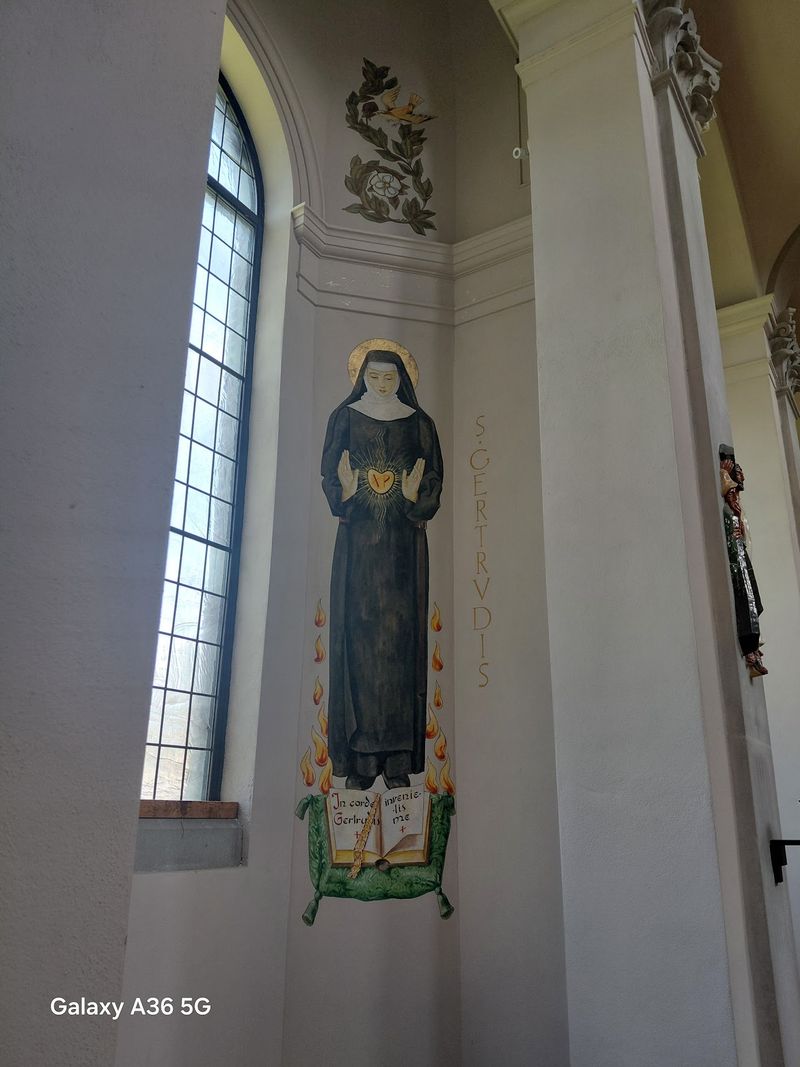
Silence works like a second guide at Saint Joseph Abbey. Long before you notice painted detail, you notice the rhythm of the monastery itself, shaped by the Rule of Saint Benedict and the phrase “Ora et Labora,” prayer and work.
The monks gather for communal prayer times a day, and visitors are welcome at liturgies, which makes the art feel tied to living practice rather than preserved as a museum piece.
If your schedule allows, attend a service before wandering off to inspect murals. Hearing prayer in the same building where the stories are painted gives the images a setting.
You understand that the walls were made for a praying community, not for rushing. That shift matters.
Instead of collecting snapshots and leaving, you begin to absorb the place at its pace, and the visit settles into something calmer.
Plan Ahead For A Better Tour
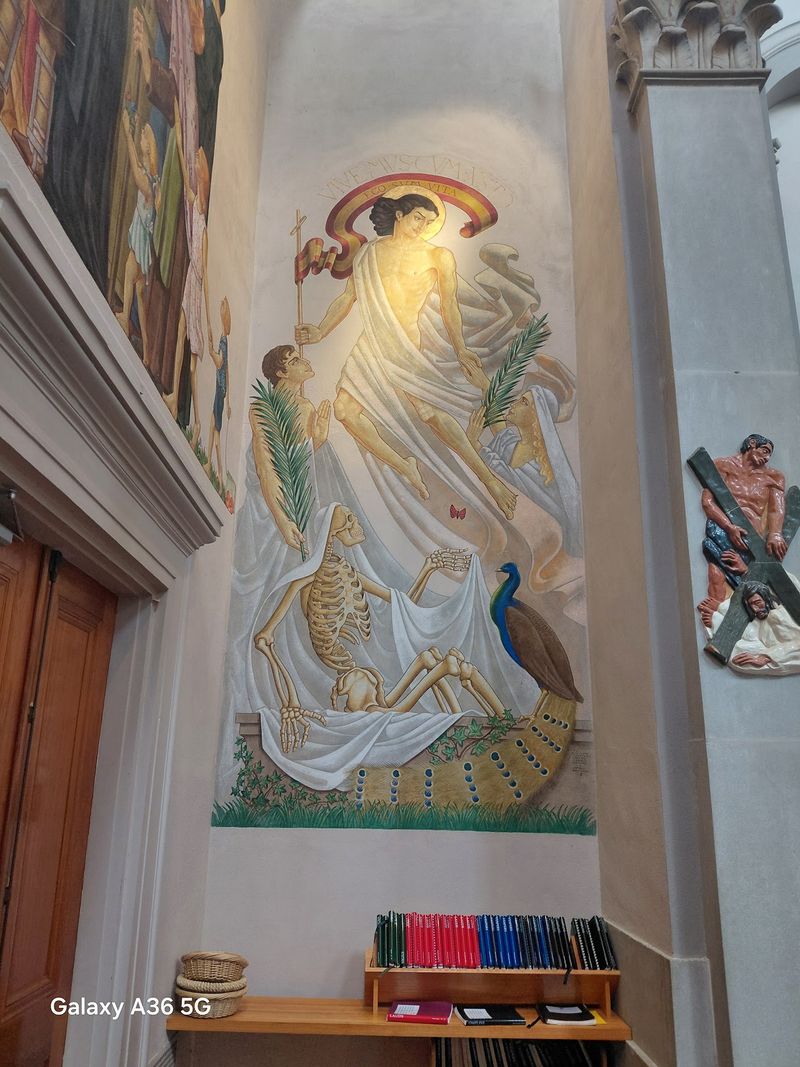
A little planning saves you from the common mistake, showing up ready for a art visit without checking the abbey’s schedule. Group tours need to be arranged in advance so they fit around the monks’ daily prayer times, and guests are asked to check in at the Welcome Center in Benet Hall when they arrive.
That structure may sound formal, but it keeps the place peaceful and respectful.
Call ahead or use the abbey website before making the drive to St. Benedict. If you are traveling with friends, a scheduled tour can help you understand the murals, sculptures, and history in a way that wandering alone might not.
Even a practical step makes the visit smoother. Monasteries run on rhythm, not hurry, and the abbey is easiest to enjoy when you follow that rhythm instead of pushing against it.
Visit The Gift Shop With Curious Eyes
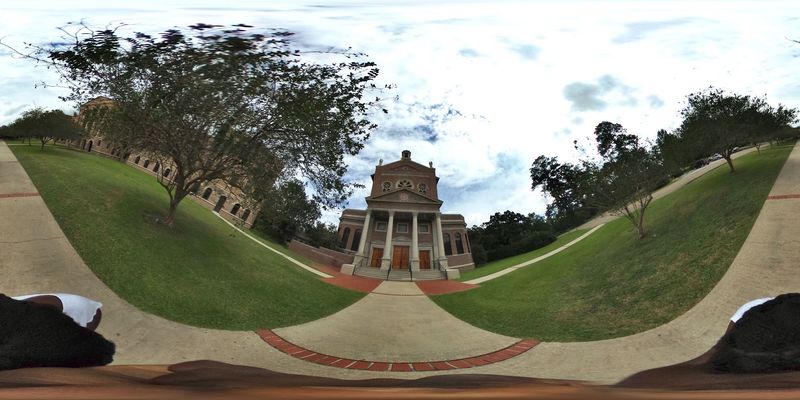
After so much color and quiet, the gift shop feels like a gentle return to ordinary life. Saint Joseph Abbey’s shop carries items made by monks and volunteers, including honey, soaps, religious art, books, and baked goods that visitors seek out.
The abbey is also known for handmade wooden caskets, an unusual craft that somehow fits the monastic setting better than you might think. Work here is not a side note.
It is part of Benedictine life.
Stop in, but do it with the unhurried mood you bring to the church. Buying something small supports the community and gives you a practical memory of the visit.
I found that even the shelves told a story about prayer joined to labor. That old Benedictine idea becomes easier to understand when it is sitting there in jars, loaves, soap bars, and woodwork.
Walk The Grounds Before You Leave
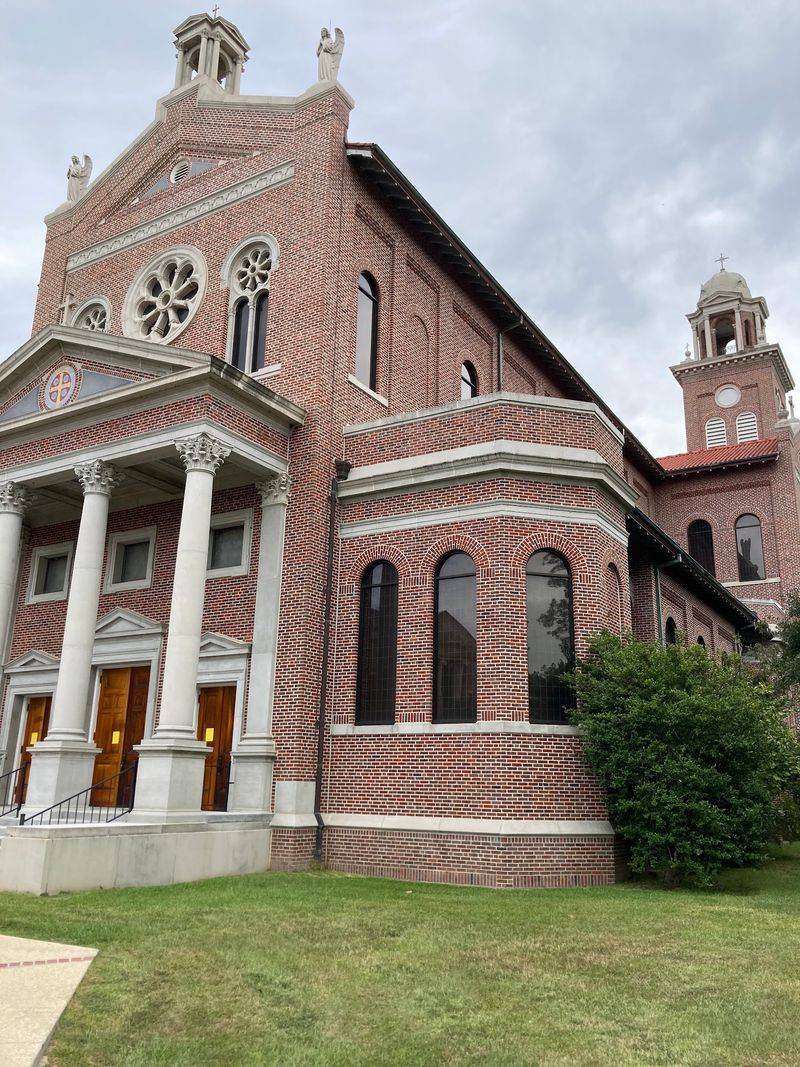
The grounds do some of the storytelling before you ever reach a painted wall. Saint Joseph Abbey sits on a large campus, often described as spanning well over a thousand acres, with pine woods, open space, and the kind of quiet that makes car doors sound too loud.
By the time you cross onto the property and walk toward the church, your pace has changed. That matters more than it sounds.
Give yourself time to walk a little before or after seeing the murals. The contrast between the busy colors inside and the soft greens outside makes both experiences sharper.
You do not need a grand plan here. A short stroll, a bench, or a few minutes near the grounds can clear your head and help you understand why monks chose this setting for prayer, study, work, and daily life.
Remember That Preservation Is Part Of The Story
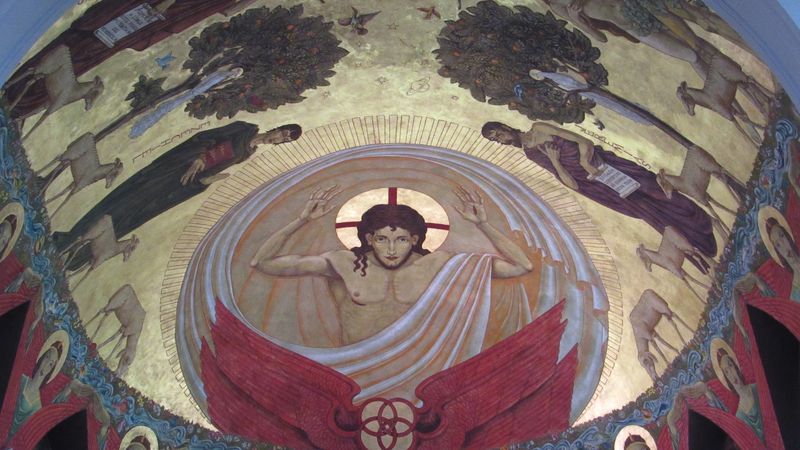
Age shows up here as care, not decay. The Abbey Church and Monks’ Refectory were placed on the National Register of Historic Places in 2007, and the murals have also been carefully preserved through conservation work, including a major renovation effort that began in 1996.
Specialists cleaned and treated the paintings so their strong colors and details could last. That effort deserves a visitor’s attention, because preservation is part of the story you are seeing.
When you look closely, remember that beauty this large does not simply survive on its own. Somebody had to protect it from time, dust, and climate.
I like places where maintenance is treated as respect rather than backstage labor, and Saint Joseph Abbey fits that idea well. The murals are powerful because they are old, but also because people decided they were worth saving there.
Follow The House Rules And The Place Opens Up
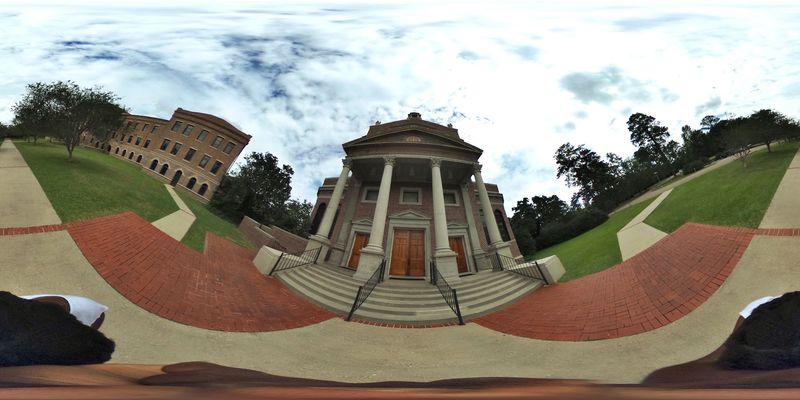
One of the best tips is also the simplest, act like you are entering someone’s home, because you are. Saint Joseph Abbey welcomes guests for prayer, retreats, and even overnight stays, but it asks for respectful dress and a thoughtful approach to silence, especially in the mornings, after Compline in the evening, and from Friday Vespers until after breakfast on Saturday.
Those customs are not fussy rules. They protect the atmosphere people come here to find.
Wear long pants, a proper shirt, and suitable shoes if you plan to join communal prayer or meals. Keep your voice low and your phone tucked away.
The reward for that small effort is big. You get to experience the abbey on its own terms, which is far more interesting than forcing it to behave like an ordinary tourist stop for a little while.