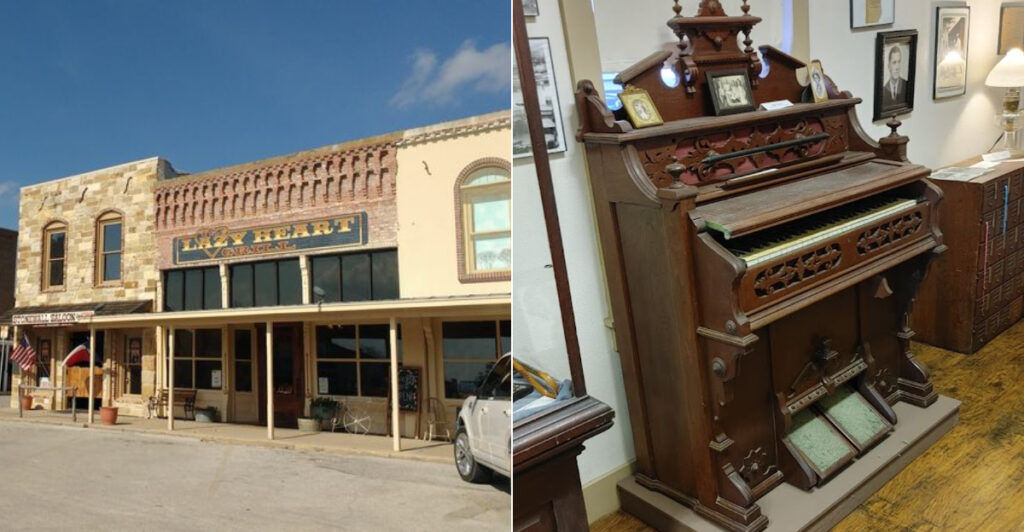
Wild West history has never felt more alive. Texas holds onto a frontier-era landmark that has been standing strong since 1873, carrying the scars, stories, and raw character of a time when cowboys ruled the open trail.
Sitting right on a small-town Main Street, it looks exactly like a time capsule dropped straight out of the 1800s. Walls worn smooth by history. Original floors creaking with every single step. Artifacts, old photos, and pieces of the past scattered in every corner.
Riders of the legendary Chisholm Trail once passed through these very doors, and those echoes absolutely still linger in the room. Every detail adds another chapter to an already incredible story.
Treating yourself to a real history adventure belongs on every traveler’s list. Cameras ready. Curiosity unlocked. Texas is ready to show off the Wild West in full color. One visit, and the stories follow travelers home for life.
Born On The Chisholm Trail
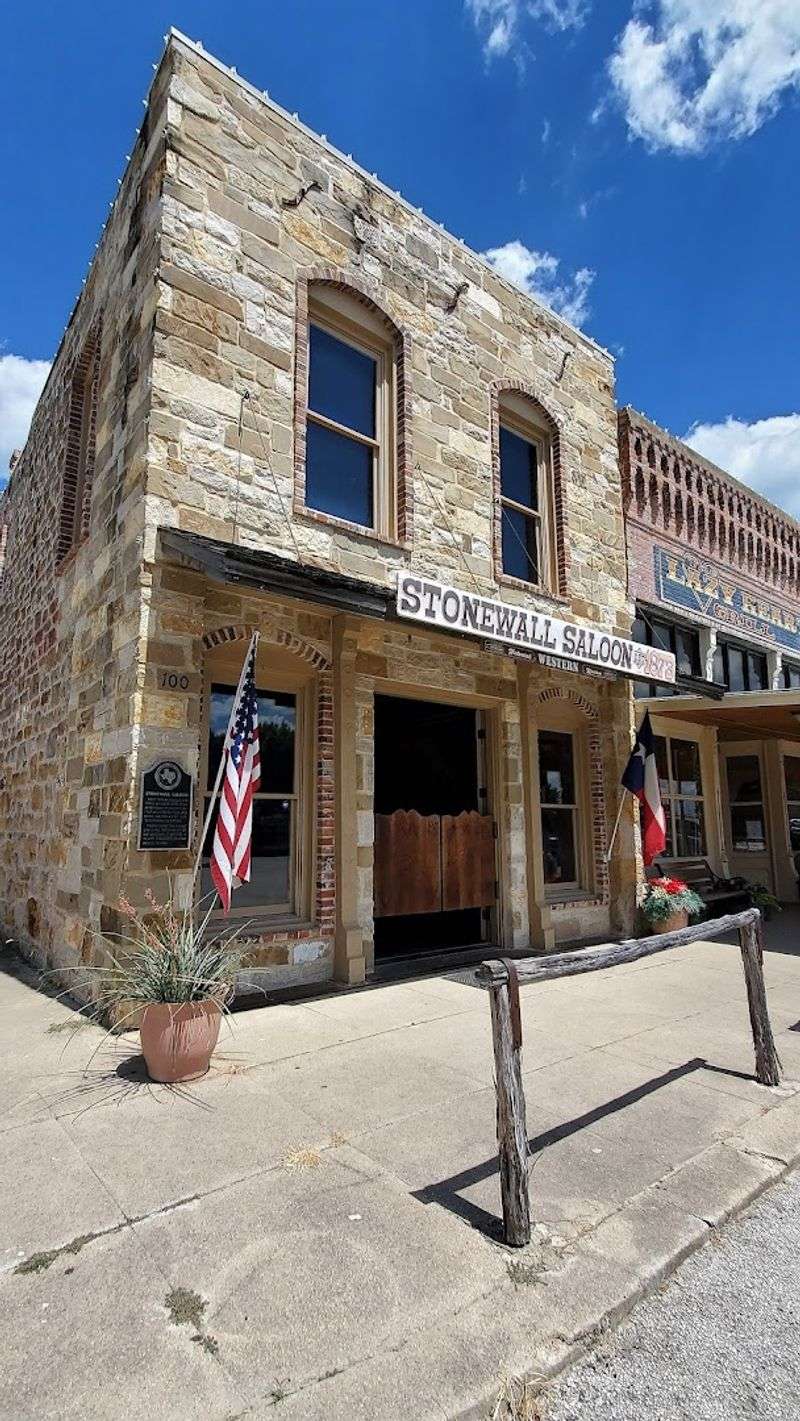
Back in 1873, the Stonewall Saloon opened its doors in St. Jo, Texas, and the timing could not have been more perfect. The Chisholm Trail ran right through this part of Texas, and cowboys driving cattle north needed a place to rest their boots and their weary legs.
The Stonewall Saloon at 100 S Main St, St Jo, TX 76265 was that building for countless cowboys during the late 1800s. The Chisholm Trail itself stretched from Texas all the way to Kansas, and it was one of the most important cattle routes in American history.
Millions of longhorn cattle moved along that trail between 1867 and 1884, and the towns along the way became legendary. St. Jo was one of those towns, and the Stonewall Saloon was its heartbeat.
Today, visitors can stand in the same spot where trail-worn cowboys once stood and feel the weight of that history under their feet. That kind of connection to the past is rare, and it makes the Stonewall Saloon a truly special stop on any Texas road trip.
The Walls That Took The Hits
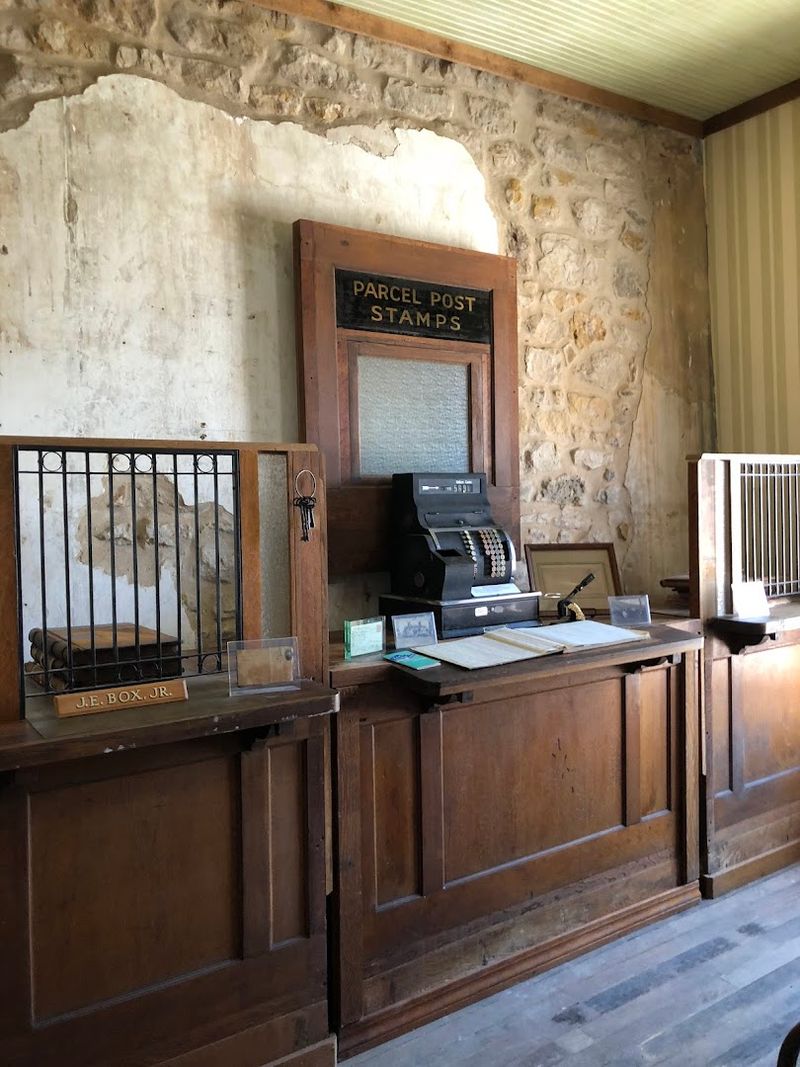
Walk inside the Stonewall Saloon and the first thing you notice is that the walls have stories written all over them, literally. The battle marks left behind from Wild West confrontations are still visible, and they are not decorations.
Those marks are real, and they make the place feel less like a museum and more like a living piece of history. It takes a moment to process that you are standing in a room where actual frontier-era events took place.
The wooden surfaces carry the kind of character that no renovation could ever recreate, and thankfully, nobody tried to cover it up. What makes a place truly historic is not just its age but what it survived, and the Stonewall Saloon survived plenty.
Frontier life in Texas was rough, unpredictable, and often dramatic, and this saloon witnessed all of it firsthand. The marks on the walls serve as a physical record of a time when the West was still being figured out, one hard day at a time.
Visitors often stop and run their fingers along the old wood, trying to connect with the people who were here before them.It is one of those rare moments where history stops being something you read about and starts being something you experience with your whole body.
When Prohibition Changed Everything
Prohibition hit the United States hard starting in 1920, and saloons across the country faced a serious identity crisis. Many closed their doors permanently, but the Stonewall Saloon had other plans.
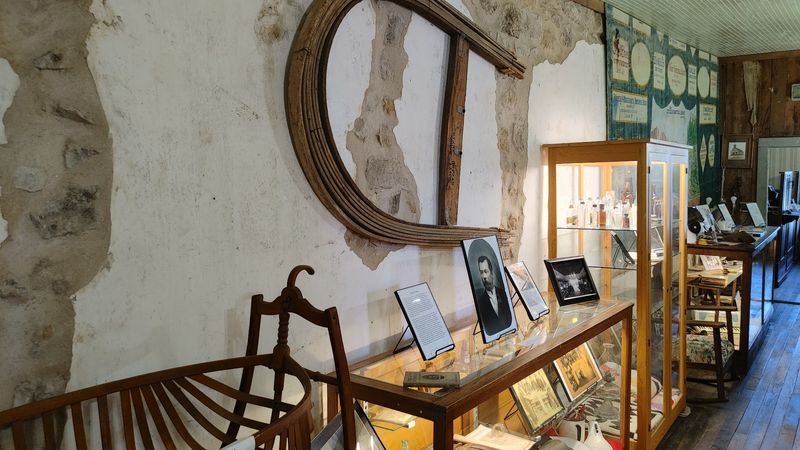
Rather than disappear, it reinvented itself as a museum, preserving everything that made it special in the first place. The original bar fixtures stayed right where they had always been, and frontier-era exhibits were added to tell the full story of the saloon and the trail life that surrounded it.
That decision to preserve rather than abandon turned out to be one of the best choices anyone ever made in St. Jo. Think about how many historic buildings were lost during that era simply because no one thought to protect them.
The Stonewall Saloon became a keeper of memories when most places were letting theirs go. The exhibits inside paint a vivid picture of what life was like for cowboys, settlers, and the communities that grew up along the Chisholm Trail.
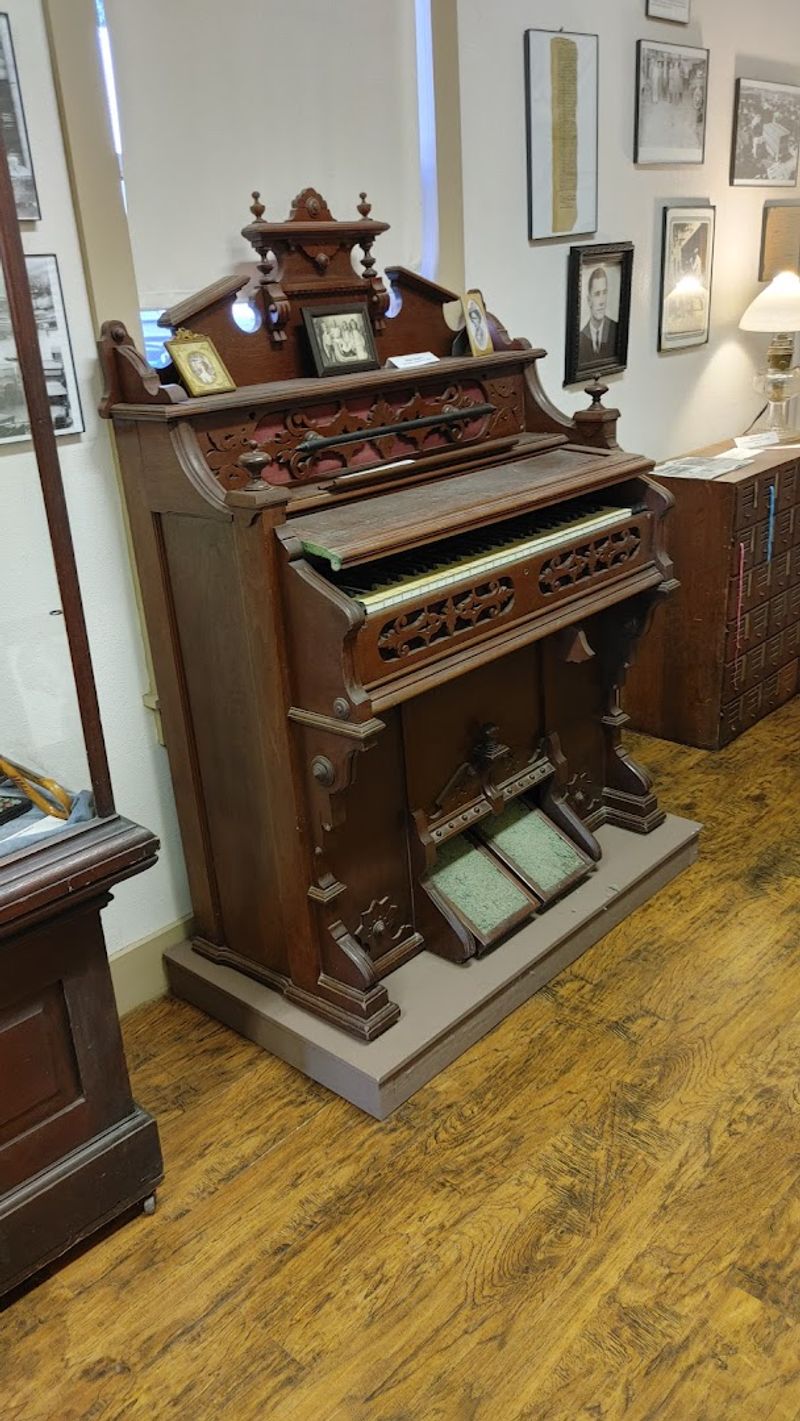
Personal items, tools, photographs, and artifacts from the frontier period fill the space with genuine historical weight. Every corner of the museum offers something new to look at, and every object has a story attached to it.
Visitors who take their time moving through the exhibits often leave with a completely different understanding of what life in 1800s Texas actually looked like. That kind of education is hard to find anywhere else.
Original Bar Fixtures That Refused To Leave
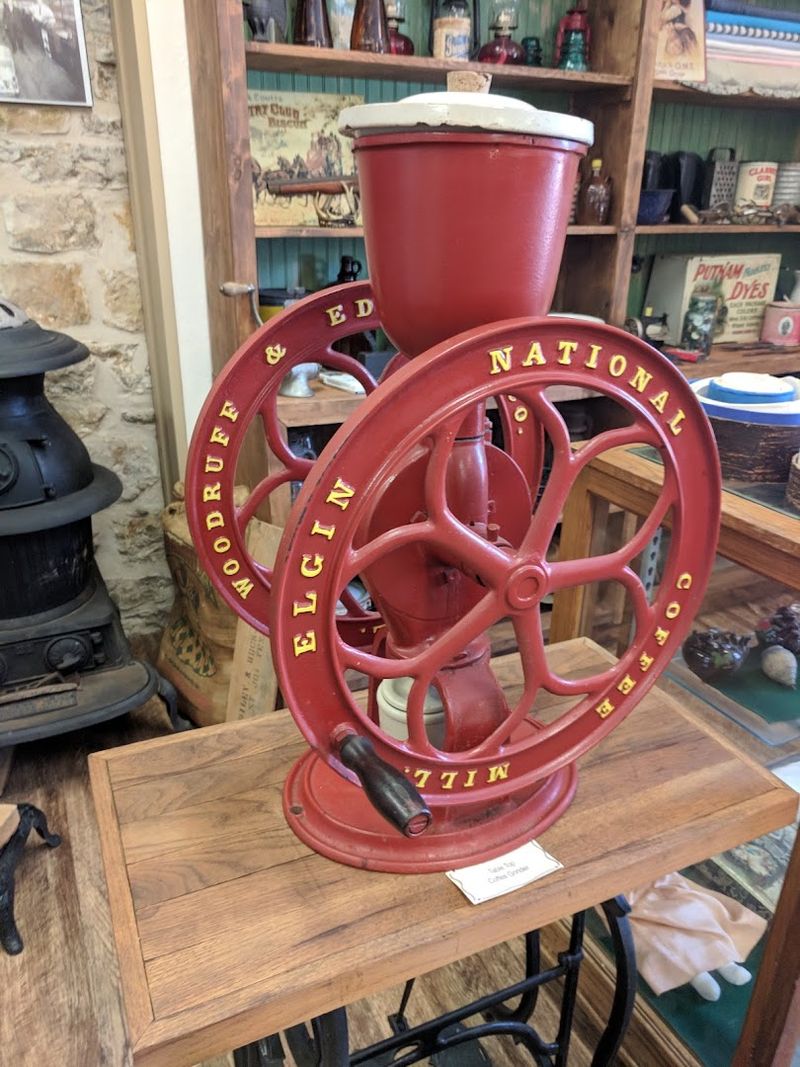
Some things are too good to replace, and the original bar fixtures inside the Stonewall Saloon prove that point beautifully. They have been standing in that same spot since the 1800s, and they look exactly like something out of a Western film, except they are completely real.
The craftsmanship that went into building these fixtures reflects the pride that people took in their work during the frontier era. There was no mass production, no flat-pack assembly, just skilled hands building something meant to last.
And last it did, surviving Prohibition, changing ownership, and more than 150 years of Texas weather.
Running your eyes over the old woodwork and imagining the scenes that played out in front of it is almost impossible to resist.
The fixtures themselves cannot answer those questions, but they hold the energy of all of it in their grain and wear. Museum visitors consistently mention the bar as one of the most striking features inside the building, and it is easy to understand why.
It anchors the entire space and gives the exhibits around it a sense of context that no replica could ever provide. Authenticity is something that cannot be faked, and the Stonewall Saloon has it in abundance, starting right at that original bar.
The Town That Keeps Its Past Close
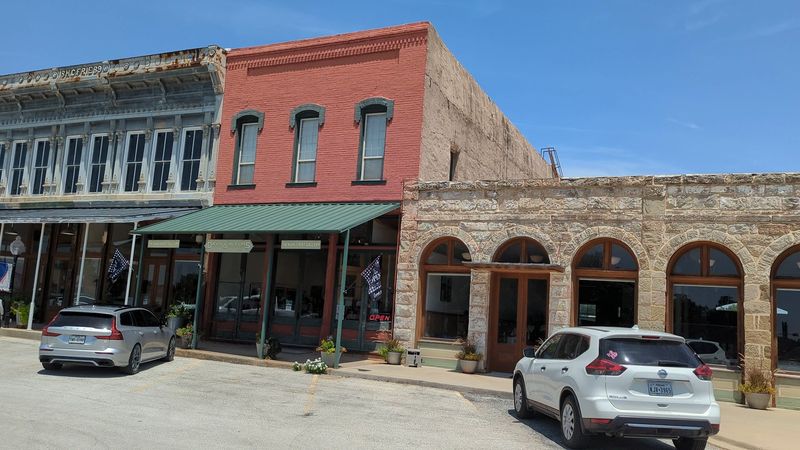
St. Jo, Texas, is the kind of town that wears its history like a favorite old jacket, comfortable, familiar, and full of character. Located in Montague County in North Texas, it sits in a landscape of rolling hills and wide open skies that have not changed much since the cattle drives rolled through.
The town itself is small, quiet, and proud, and the Stonewall Saloon is one of its most treasured landmarks.
Visiting St. Jo feels like a deliberate choice, and that is actually part of its appeal. You do not stumble through St. Jo on the way to somewhere else. You choose to go there, and that choice rewards you.
The pace is slower here, the people are friendly, and the history is everywhere you look. Main Street still has that old-town feel that so many places have lost, and the saloon building anchors it with authority.
For history lovers and road trip enthusiasts, St. Jo offers something genuinely different from the big Texas tourist cities. There are no enormous crowds, no long lines, and no corporate gift shops blocking your view of the past. Just a real Texas town with a real Texas story, sitting right there waiting for you to show up and pay attention.
What The Frontier Exhibits Actually Show You
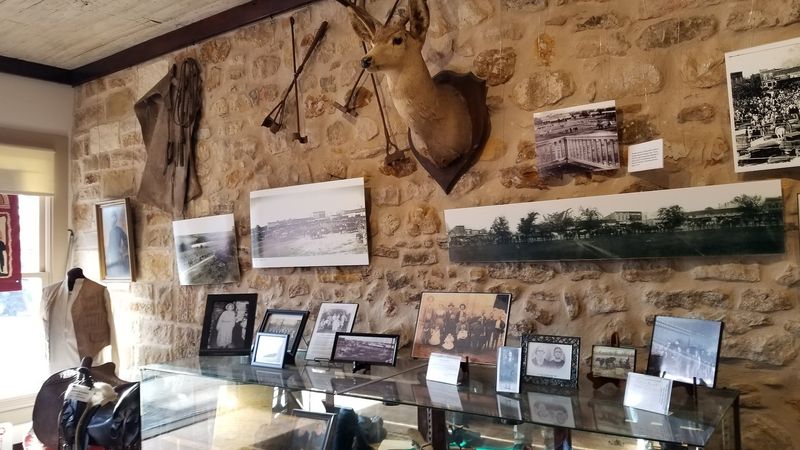
The exhibits inside the Stonewall Saloon are not the kind you walk past without stopping. They pull you in with real objects from a real time period, and each one tells a specific story about life on the Texas frontier.
Saddles, tools, photographs, maps, and personal belongings from the 1800s are displayed throughout the space, giving visitors a tangible sense of what daily life looked like for the people who shaped this region.
One of the most fascinating aspects of the collection is how personal it feels. These were not items owned by famous generals or politicians. They belonged to ordinary people who lived extraordinary lives by necessity.
Cowboys, settlers, merchants, and families all left pieces of themselves behind, and the museum has gathered those pieces with care.
What was a typical day like for a cowboy resting in St. Jo after weeks on the trail? The exhibits help answer that question in ways that a textbook never quite manages.
Seeing the actual tools and objects that people used makes history feel immediate and personal rather than distant and abstract. The museum has earned a 4.5-star rating from visitors who clearly appreciate the authenticity and depth of what is on display.
That kind of consistent praise does not happen by accident. It happens when a place genuinely delivers on its promise to connect people with the past.
Planning Your Visit To The Stonewall Saloon
Before you pack your bags and point your car toward St. Jo, there are a few practical things worth knowing about visiting the Stonewall Saloon. The saloon is listed as closed for regular hours, which means it operates as a museum rather than a daily open business.
Checking ahead before your visit is a smart move, because the last thing you want is to drive all the way to North Texas and find a locked door. A quick look at the official website at stonewallsaloonmuseum.com will give you the most current information on visiting hours and any special events.
The address is 100 S Main St, St Jo, TX 76265, and it is easy to find once you are in town.
St. Jo is located in Montague County, roughly two hours north of the Dallas-Fort Worth area, making it a very doable day trip from the Metroplex.
The drive itself is pleasant, with open Texas countryside keeping you company most of the way.
Bringing a camera is highly recommended, because the building and its surroundings are genuinely photogenic in a way that feels completely unposed.
History lovers, photography enthusiasts, and road trip collectors will all find something to appreciate here. Is a two-hour drive worth it for a place this unique? Ask anyone who has already made the trip, and the answer will almost certainly be yes.
Why This Place Deserves A Spot On Your Texas Bucket List
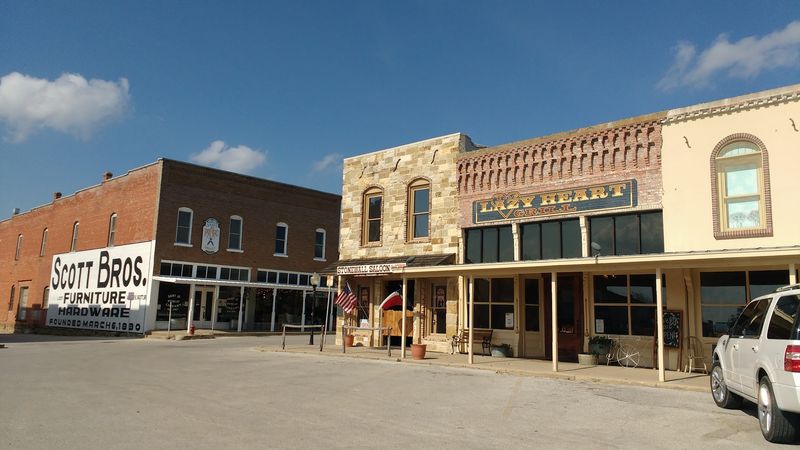
Texas has no shortage of historic sites, but the Stonewall Saloon offers something that most of them cannot match: the feeling that nothing has been cleaned up for your benefit. The battle marks are still there. The original fixtures are still there.
The raw, unpolished energy of the frontier is still there. That kind of authenticity is increasingly rare in a world where history often gets smoothed over and made comfortable for modern audiences.
The Stonewall Saloon refuses to do that, and visitors love it for exactly that reason. There is something deeply satisfying about standing in a space that has not been sanitized or reimagined for tourism.
What you see is what was, and that honesty makes the experience far more powerful than any Hollywood recreation could ever be. For anyone building a Texas travel itinerary, this saloon deserves serious consideration alongside the bigger, more famous attractions.
It is the kind of place that surprises you, not with spectacle, but with sincerity. The people of St. Jo have protected this building and its history for generations, and that dedication shows in every detail.
A visit here is also a small act of support for a community that has worked hard to keep its story alive.