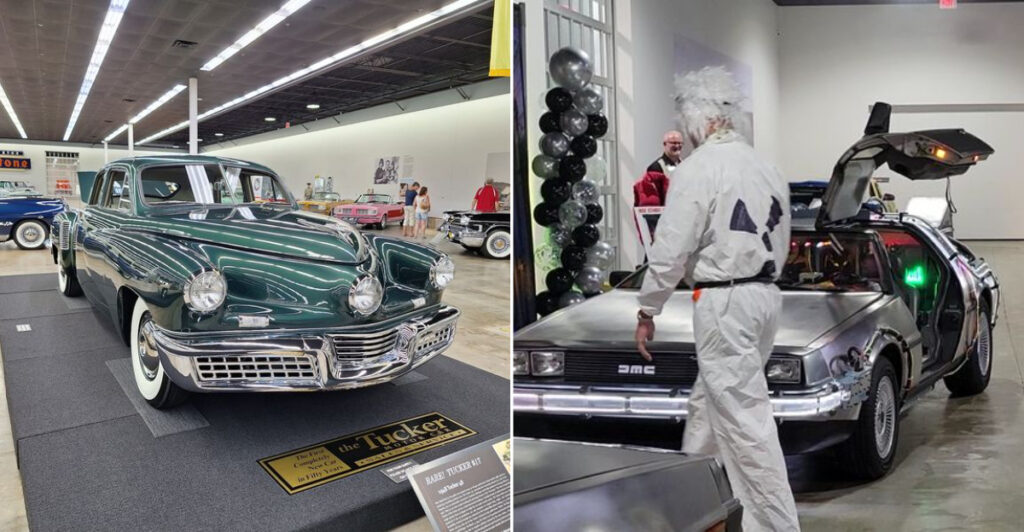
You walk in thinking you will spend half an hour. Then one hood opens, another car catches your eye, and the clock quietly becomes irrelevant.
That is the danger of a secret car museum in Kansas. It does not need flashing attractions or a packed schedule to keep people interested.
The collection itself does the work, especially when every turn brings another machine with a story, a shape, or a detail worth stopping for.
Even visitors who are not serious car people can get pulled into the rhythm. You start comparing eras, noticing tiny design choices, and wondering how certain cars ever looked normal on the road.
I know how this goes because I have made the mistake of saying, “I will just look around quickly.” That sentence never survives a good museum.
Before long, I am reading every plaque, doubling back to something I missed, and wondering how an entire afternoon disappeared between one set of headlights and the next.
A Modest Building Hiding A Serious Collection
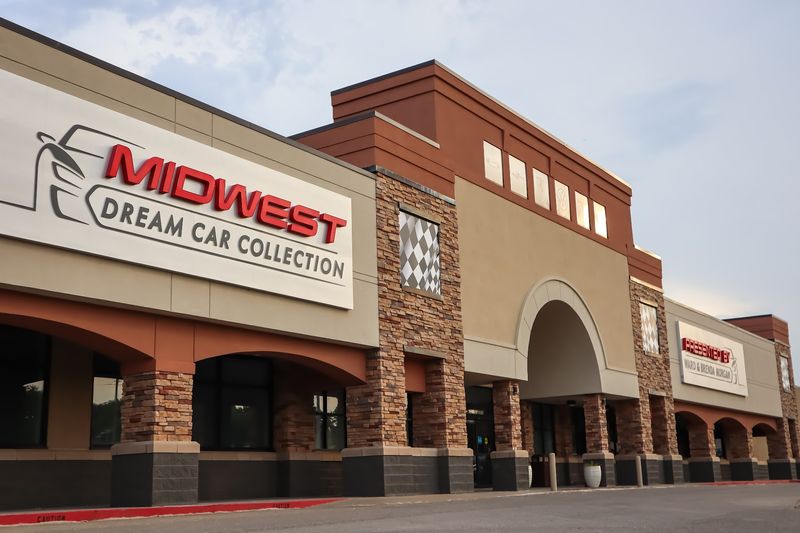
Driving along Anderson Avenue, I nearly rolled right past the entrance.
The building looks calm and businesslike, the sort of place you assume holds offices or a medical practice. Inside, the ceiling opens up and rows of polished machines stretch farther than the exterior suggests.
The address, 3007 Anderson Ave in Manhattan, Kansas, sits close to campus traffic and shopping, which makes it easy to combine with other errands.
Parking is free and simple, with spaces right by the door, so nobody has to hike across a lot. I appreciated the wide, flat floors too, since strollers and wheelchairs move through without any trouble.
My advice is to trust your map app rather than your eyes, because the low profile fools first-timers constantly.
Once you step through the doors, the modest exterior becomes part of the fun. Few places in the state manage to look this quiet outside and this loud inside.
The Tucker 48 That Stops Everyone Cold
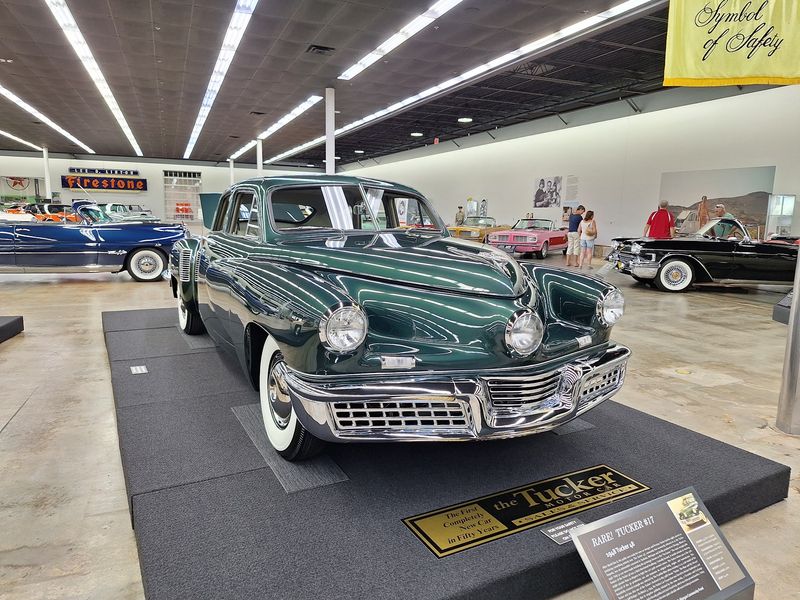
Only 51 Tucker 48 sedans were ever built, and one of them lives right here in Kansas.
I stood in front of it far longer than I planned, staring at that third center headlight that turns with the steering.
The Tucker display has been expanded, with panels explaining how the car briefly challenged Detroit before production ended. Reading that story next to the actual metal hits differently than reading it in a book.
Car folks travel considerable distances specifically for this vehicle, and I understand why. It represents a moment when a small company genuinely tried to rewrite the rules of automobile design.
If you know nothing about cars, ask a volunteer to explain the Tucker’s safety features. They light up telling that tale, and suddenly a 1940s sedan feels bold and modern.
Bring a camera with decent low-light settings, because the paint reflects those overhead lamps beautifully.
Getting Nose-To-Grille Close Without Ropes
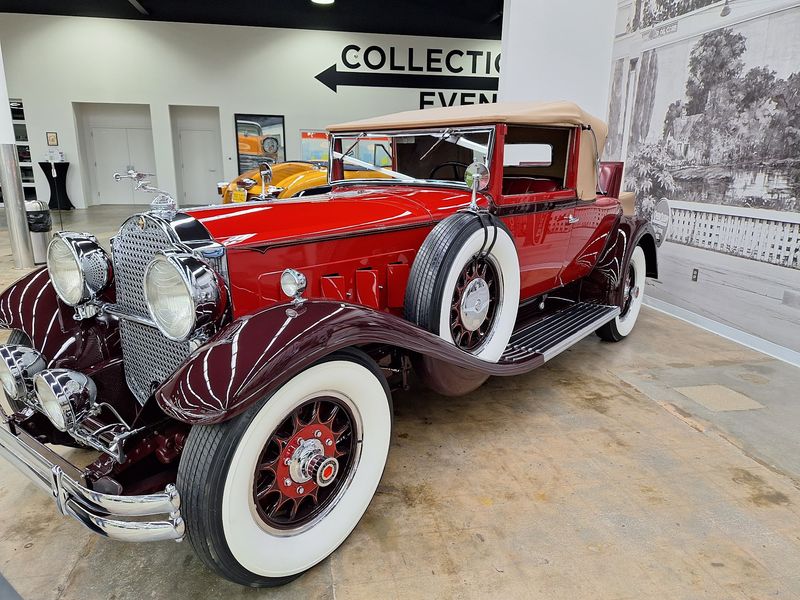
Most car museums keep you at arm’s length behind velvet cords and stern signage.
Here, I leaned in and studied stitching on a leather seat from about a foot away.
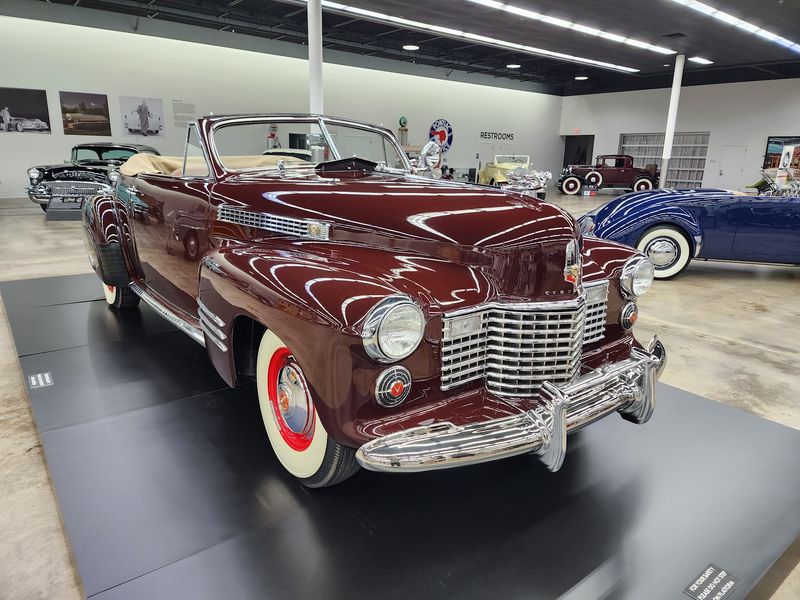
That closeness changes the whole visit. You notice tiny details like hand-painted pinstripes, chrome switches, and odometer readings that tell their own quiet stories.
Only one specific car is meant for touching or sitting in, and everything else stays hands-off so the finishes remain flawless. Respecting that keeps the collection looking factory fresh for the next family walking through.
I found the lack of barriers made photography much easier, with fewer poles and posts cluttering my shots. Reflections are the only real challenge, so a lens hood or a steady angle helps.
Kids especially love pressing their faces near the glass to spot steering wheels and gear shifters. Just remind small hands that eyes do the exploring here.
Regular Rotation Keeps The Collection Changing
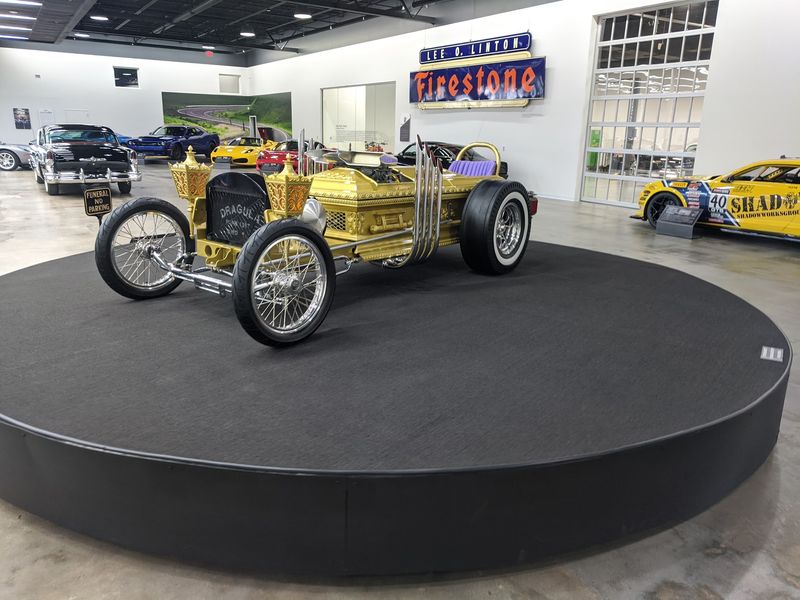
Repeat visitors have a real reason to return, and it comes down to rotation.
The museum says its active loaner network allows exhibits to change regularly, but it does not publish fixed changeovers in March and September.
That means the muscle car parked near the entrance on one visit might be replaced by something different later. Returning guests can still find unfamiliar vehicles as loans and displays change.
My suggestion is to check the vehicle directory before driving over, especially if a particular car drew your interest. Nothing stings quite like arriving to find your favorite is not currently on display.
The upside of regular change is variety across decades, brands, and price ranges. Antiques, vintage sedans, sports cars, muscle machines, and modern exotics all share the same roof.
Treat each trip as a fresh lineup rather than a rerun, and the museum stays interesting for years.
Supercars That Once Lived On Bedroom Walls
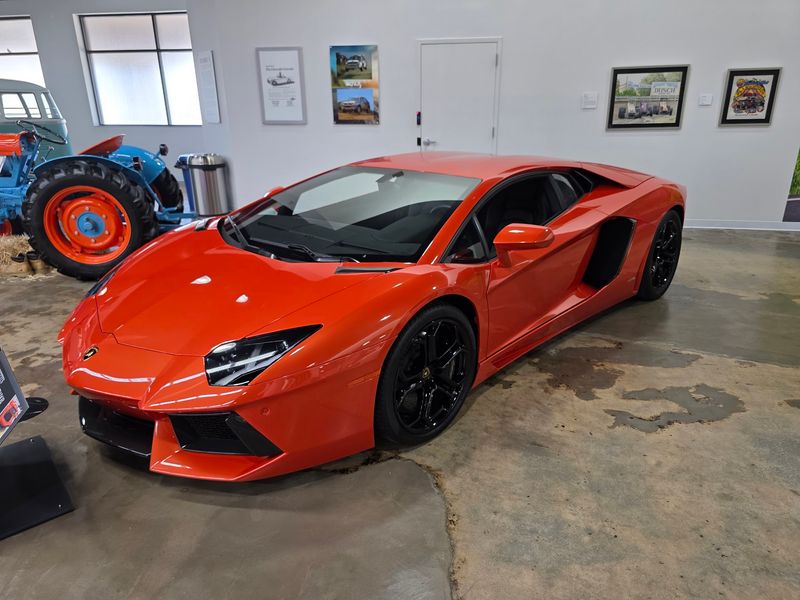
A 1987 Lamborghini Countach sits here, wedge-shaped and unapologetic, exactly like the posters kids taped up decades ago.
Seeing one in person made me grin like a twelve-year-old.
The exotic side of the floor has included a Lamborghini Aventador and a modern Ford GT, machines that rarely appear outside major coastal shows.
Finding them in Kansas feels wonderfully unexpected.
Custom builds from legendary designer George Barris have also appeared, adding wild flourishes to the mix. Barris shaped some of the most recognizable television and movie cars ever made.
What struck me was the contrast. You can turn from a hand-cranked antique to a mid-engine supercar in about ten steps.
For photographers, the low-slung exotics reward crouching down to capture their long, flat profiles. Get near floor level and those angles look absolutely enormous.
It is a lineup that satisfies both nostalgia and modern horsepower cravings.
Two DeLoreans Keep Movie Magic On Display
The Route 66 display celebrating the highway’s 100th anniversary was a temporary 2026 exhibit, running from April 12 through September 1 with character-inspired vehicles and roadside touches.
Families could hunt for familiar animated-movie-inspired cars while adults lingered over the Mother Road theme. It was designed as a limited-time celebration rather than a permanent gallery.
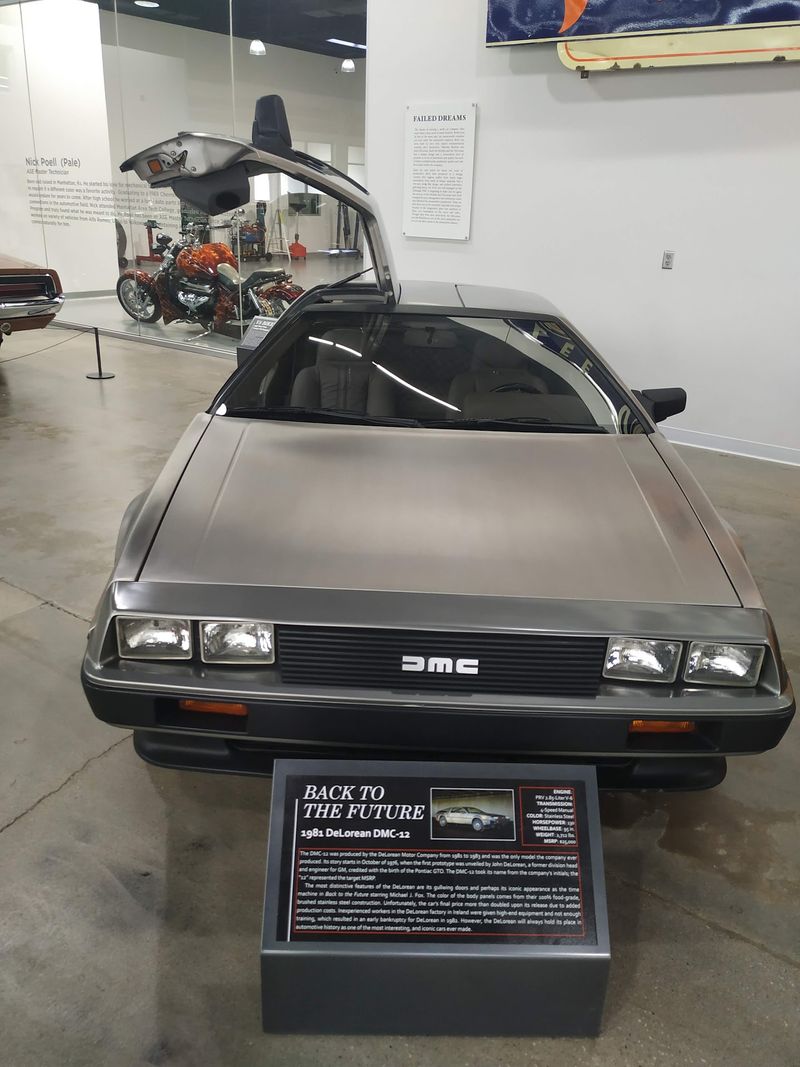
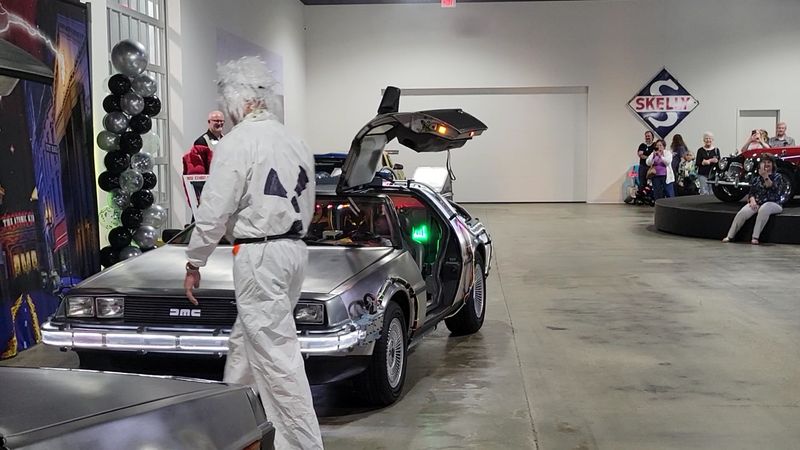
The DeLoreans are different. The collection has a standard 1981 DMC-12 plus a screen-accurate 1982 Back to the Future Time Machine replica in its dedicated gallery.
I geeked out completely, walking circles around those brushed panels and gullwing doors. If you grew up with that trilogy, prepare for a happy jolt of childhood.
A quick heads-up for families: the Time Machine is specifically described by the museum as screen-accurate, while the Route 66 character cars were inspired displays rather than exact movie vehicles.
Either way, the DeLorean gallery photographs brilliantly.
Volunteer Docents Who Know Every Bolt
Ask one question and you may get a fifteen-minute story you never knew you needed.
The volunteer docents roam the floor, ready to explain engines, ownership histories, and odd design choices.
These are genuine enthusiasts rather than scripted guides. One walked me through a car’s restoration details with the enthusiasm of someone describing an old friend.
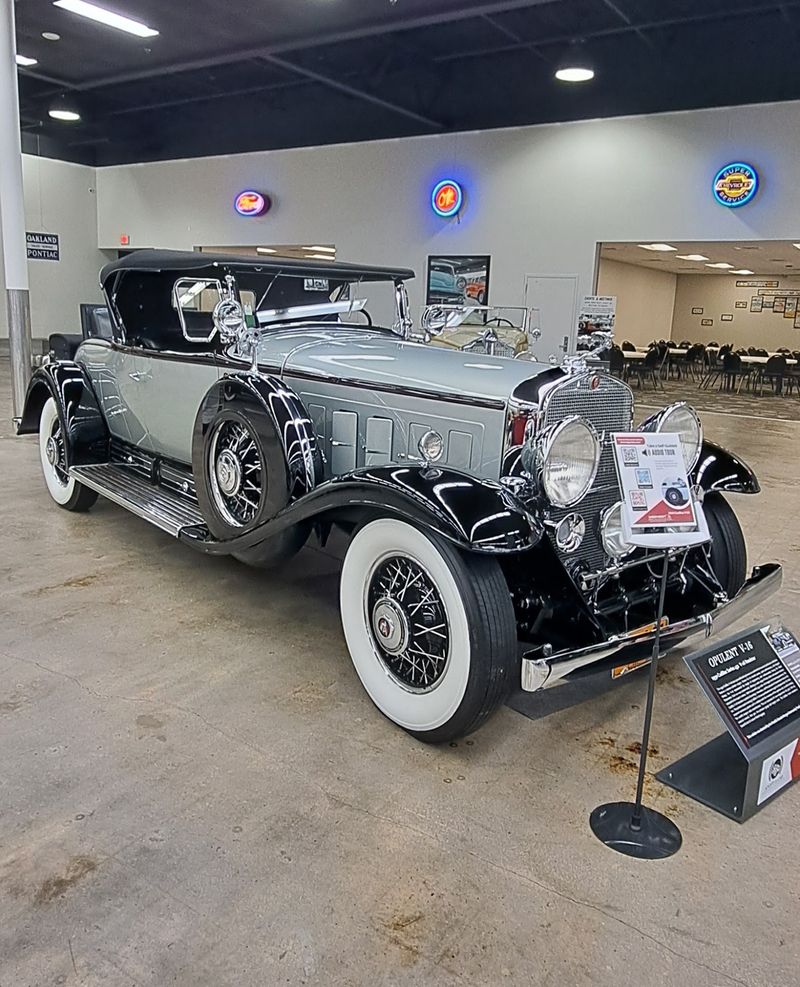
Because they know the collection so thoroughly, they can point you toward the rarest pieces on the floor that day. Without them, I would have breezed past a Peerless without realizing its significance.
My best tip is to speak up early in the visit. Mention what you like, whether that is prewar engineering or modern turbo power, and they will tailor the tour on the spot.
Even visitors with zero mechanical knowledge come away understanding why certain cars matter. That human element turns a walk-through into an actual education.
Built For Families, Not Just Gearheads
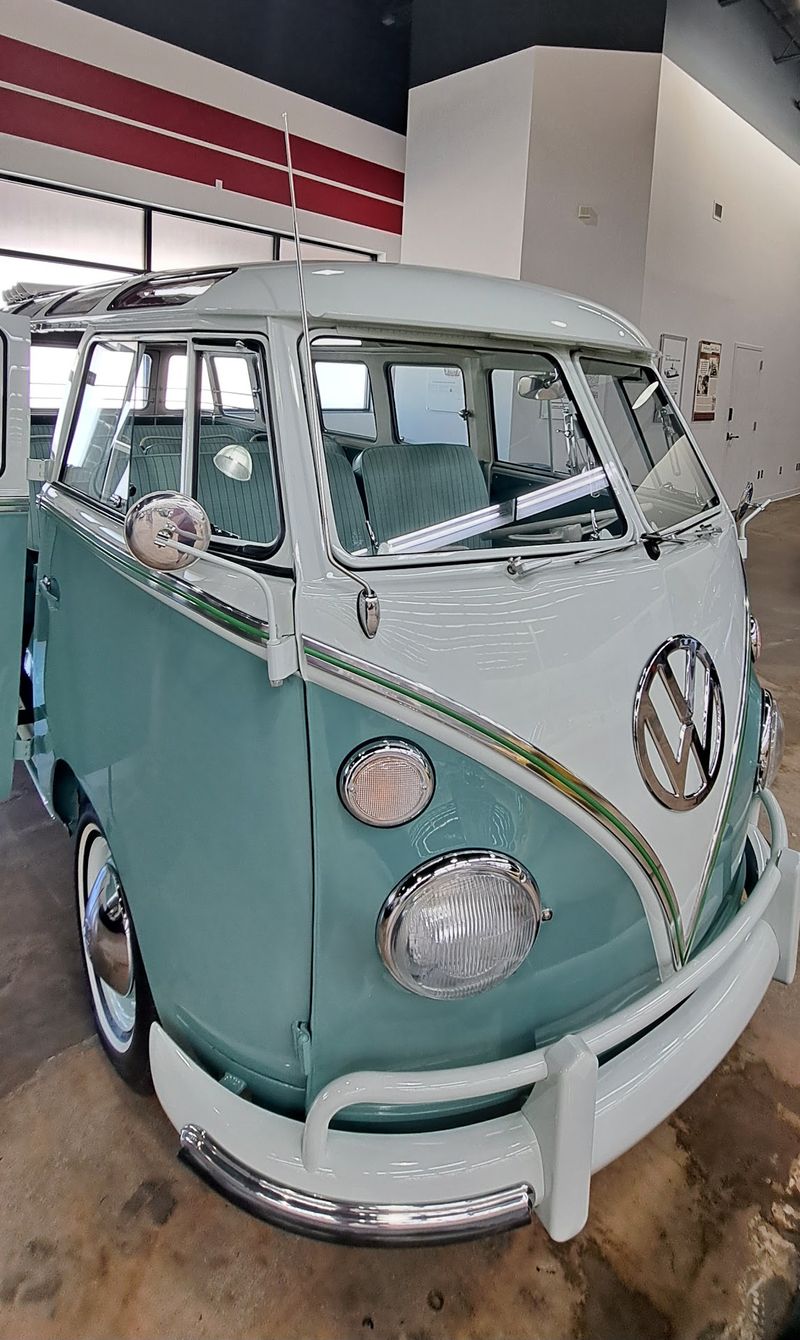
Parents worried about restless toddlers can relax a little.
A dedicated kids play area sits inside the museum, stocked so little ones can burn energy while grown-ups read display placards.
Families with children as young as one and three report smooth visits, which says plenty about the layout. The wide aisles help too, since strollers glide instead of squeezing.
One car, affectionately known as the Larry car, serves as a touching memorial and doubles as something kids genuinely enjoy. It softens the museum’s polished-metal formality in the nicest way.
Admission prices stay modest, which matters when you are buying tickets for four or five people. I heard the word reasonable used repeatedly, and my wallet agreed.
Plan roughly ninety minutes to two hours for a family visit, longer if your crew reads every sign. Snacks in the car afterward are strongly recommended.
Multi-generational groups seem to fare best here.
An Event Venue With Horsepower Décor
Graduation parties, banquets, weddings, and corporate gatherings all happen inside these walls.
The event space uses the surrounding cars as built-in atmosphere, which beats a plain ballroom by a mile.
Conference rooms sit on site, and the open floor plan handles music setups, lighting, and dance floors without fuss. Licensed caterers of your choice handle the food.
I noticed how naturally the layout separates gathering areas from display areas. Guests can drift between conversation and rare automobiles all evening.
For anyone planning a celebration in the region, this ranks among the more distinctive Kansas venues available. Photo backdrops basically design themselves when a Countach sits nearby.
Booking well ahead makes sense, since local demand for something different runs high. Ask about which spaces suit your headcount and setup needs.
Visitors touring during a private event may find portions of the floor reserved, so calling ahead saves disappointment. Otherwise, expect a venue with genuine personality.
Planning Your Visit Around The Hours
Timing trips up more visitors than anything else here.
Doors stay closed Monday, Tuesday, and Wednesday, so a midweek road trip needs careful scheduling.
Thursday, Friday, and Sunday hours run 1 PM to 5 PM, while Saturday opens early at 9 AM and runs until 5 PM. Saturday gives you the longest window and the most flexibility.
I arrived shortly after opening on a weekend morning and had comfortable space around each vehicle. Later afternoons feel busier, particularly during university events in Manhattan.
Allow at least two hours. Plenty of guests report losing track of time entirely, which is exactly the risk you sign up for.
A small gift shop near the front handles souvenirs, and there is even an adopt-a-car program supporting the collection. Nonprofit operations rely on that kind of backing.
Cool, clean, and well lit, the space works fine on hot Kansas afternoons or grey winter days alike.