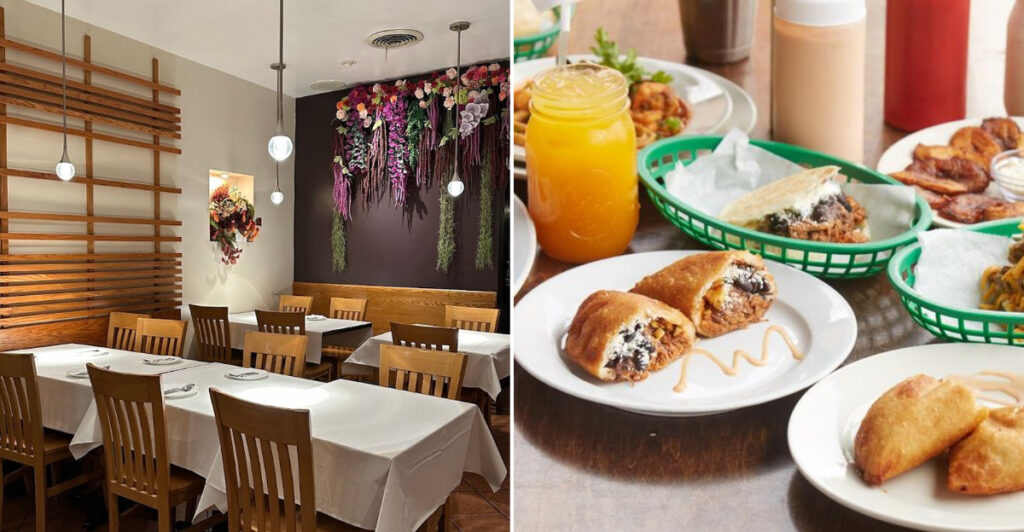
New York dining does not always require a special occasion, a dress code, or a nervous glance at the bill.
These eleven beloved tables prove that great food can still arrive with honest value and enough character to make the meal memorable.
You are here for places that have earned loyalty through consistency, generosity, and a clear sense of purpose, not passing hype.
Call it a fare deal in a city famous for testing every budget. The appeal reaches beyond low prices, because each stop offers the kind of satisfaction that turns first visits into dependable traditions.
You may cross a borough, change a subway line, or rearrange lunch plans, but the reward never depends on extravagance.
New York moves quickly, yet these kitchens keep serving meals that invite people back without making their wallets recover afterward. That balance is rare, delicious, and worth celebrating across the entire city today.
1. Shopsin’s
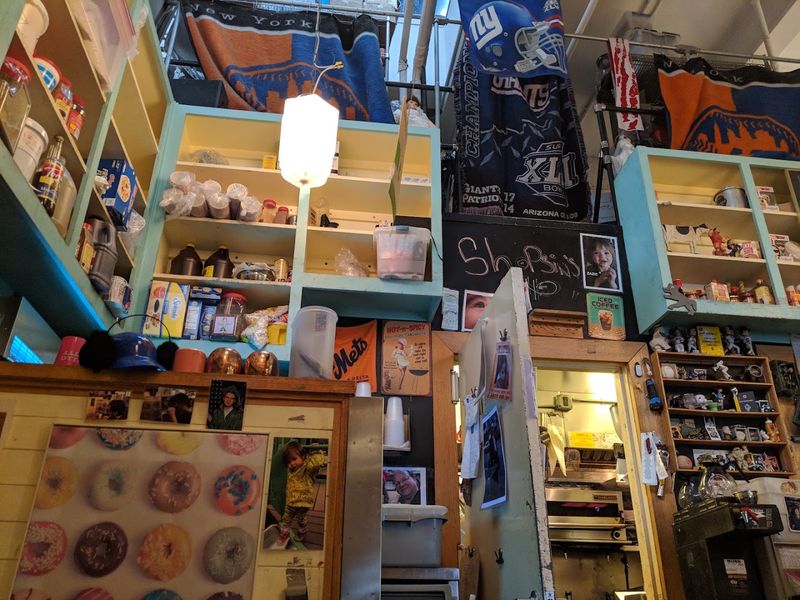
Shopsin’s approaches diner food with a menu so enormous that choosing lunch can become its own activity.
Hundreds of options move through pancakes, soups, sandwiches, eggs, and combinations that sound invented during a very productive kitchen argument. Mac and cheese pancakes capture that spirit perfectly.
The portions bring enough weight to justify the long menu inspection. Ingredients are treated seriously, even when the final dish sounds playful.
Shopsin’s is located at 88 Essex Street, New York, New York, inside Essex Market.
The late Kenny Shopsin built the restaurant around personal rules, strong opinions, and a refusal to cook like an ordinary diner. That unconventional energy still shapes the experience.
I like menus that reward curiosity while gently punishing indecision. One page may solve breakfast, then another creates six new lunch problems.
Soups, egg dishes, and sandwiches pull from several culinary traditions without flattening them into generic diner food. Even the strangest combinations arrive with enough structure to seem intentional.
Mac and cheese pancakes may attract the first visit, but the wider menu makes returning almost unavoidable. A person could eat here repeatedly and still order like a newcomer.
2. Vanessa’s Dumpling House
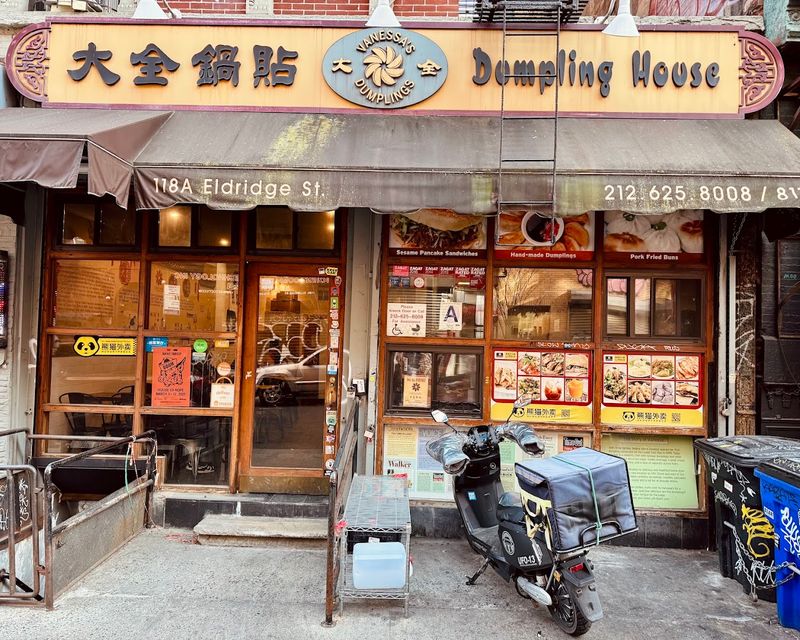
Vanessa’s Dumpling House built its reputation around handmade dumplings served quickly, with crisp edges and prices encouraging another plate. Sesame pancakes also provide crunch without competing with the dumpling wrappers.
Pork and chive dumplings bring a juicy filling inside thin wrappers. Pan-frying gives the bottoms color while leaving the upper dough tender.
Sesame pancake sandwiches add another strong reason to stay. Duck or beef fillings turn the crisp, layered bread into a compact meal.
The room stays compact and direct, with the kitchen controlling nearly all the attention. Decorative distractions would only slow the line.
Dough is prepared in-house, giving the wrappers a softer texture than frozen alternatives. Each dumpling is sealed by hand with enough filling to keep every bite balanced.
I like places where four dumplings can become eight without creating a financial crisis. The short menu makes that escalation especially easy.
The original shop still draws steady lines, but orders move quickly once the kitchen reaches its rhythm. Vanessa’s Dumpling House is located at 118A Eldridge Street, New York, New York.
3. Mamoun’s Falafel
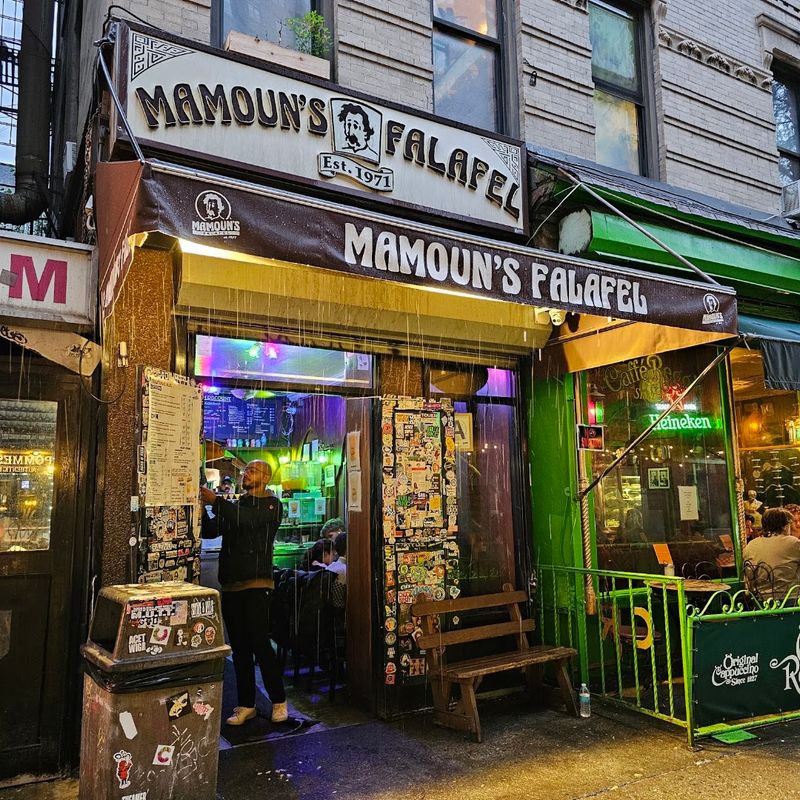
Mamoun’s Falafel opened in 1971 and became one of the city’s longest-running falafel shops.
Mamoun’s Falafel is located at 119 MacDougal Street, New York, New York.
The falafel uses seasoned ground chickpeas fried until the outside firms and the herb-filled center stays soft. That contrast gives the pita sandwich its strongest texture.
Tahini and fresh toppings add moisture without burying the falafel. The house hot sauce brings enough heat to earn its own loyal following.
Greenwich Village has changed dramatically around this small counter, but the central recipe has stayed recognizable. The narrow shop keeps orders moving and conversation brief.
Shawarma, hummus, and baba ghanoush widen the menu for larger appetites. The falafel pita still provides the clearest introduction.
I love places that survive because one inexpensive sandwich keeps doing its job. More than fifty years on MacDougal Street makes a convincing argument before the first bite.
4. Punjabi Grocery & Deli
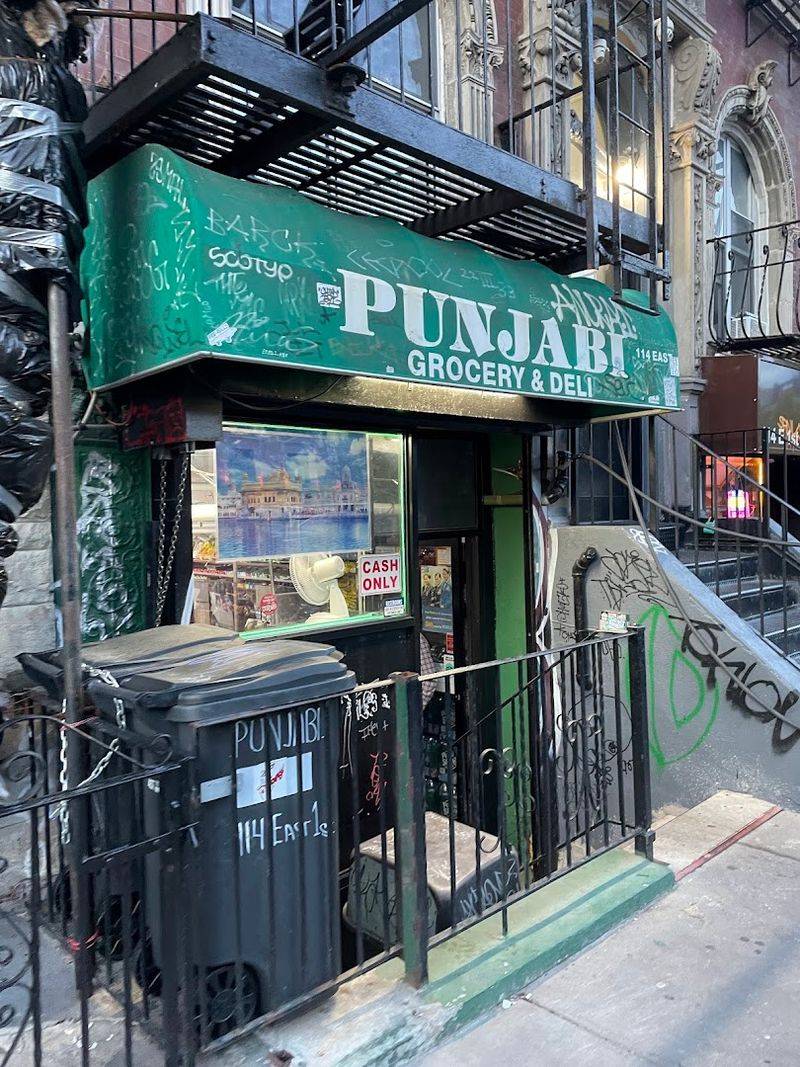
Punjabi Grocery and Deli has long served vegetarian food through a simple counter lined with steaming trays.
Dal, chana masala, saag, rice, and vegetable curries rotate through the selection. The point-and-pick system keeps ordering quick and wonderfully uncomplicated.
The cooking follows Punjabi home-style traditions, with direct seasoning and portions designed to satisfy working appetites. The steam trays make choosing by aroma almost unavoidable.
Punjabi Grocery and Deli is located at 114 East 1st Street, New York, New York.
Taxi drivers working late shifts helped establish the shop as a dependable stop when many nearby kitchens had closed. That practical role still defines its character.
The grocery shelves carry Indian pantry staples, spices, and packaged snacks beside the prepared food counter. One room handles dinner, groceries, and tomorrow’s snack supply.
I like restaurants where plastic containers hold food tasting far more generous than the presentation suggests.
A combination of dal, rice, and vegetables can provide warmth, spice, and enough substance for the rest of the night. Manhattan needs more counters this useful.
5. Wah Fung No. 1 Fast Food
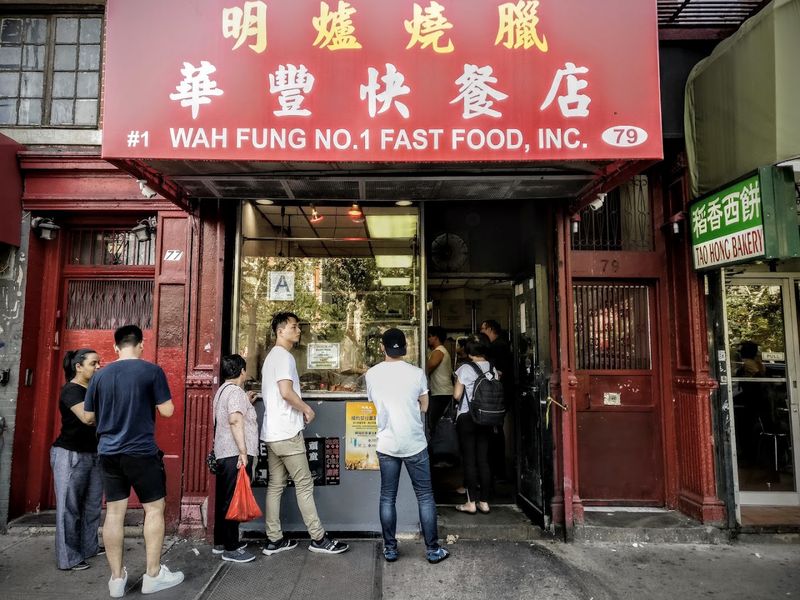
Roasted duck, char siu pork, and soy sauce chicken hang in the window at Wah Fung No. 1 Fast Food.
Wah Fung No. 1 Fast Food is located at 79 Chrystie Street, New York, New York.
The roast pork over rice delivers caramelized edges, rendered fat, and tender slices over a generous bed of rice. Meat juices soak downward and improve everything beneath them.
The menu stays short because daily preparation determines what is available. When one roast sells out, the decision has already been made for everyone else.
High turnover keeps the counter moving and the food from sitting unnoticed. The line may look serious, but the ordering system works quickly.
I love meals where rice becomes better by simply waiting under properly roasted meat. Roast duck offers a richer alternative when it survives the rush.
House sauce adds another savory layer without competing with the char. There are no complicated sides demanding attention.
The portions make the price especially difficult to argue with. One container can handle lunch confidently and may still create leftovers.
6. B&H Dairy
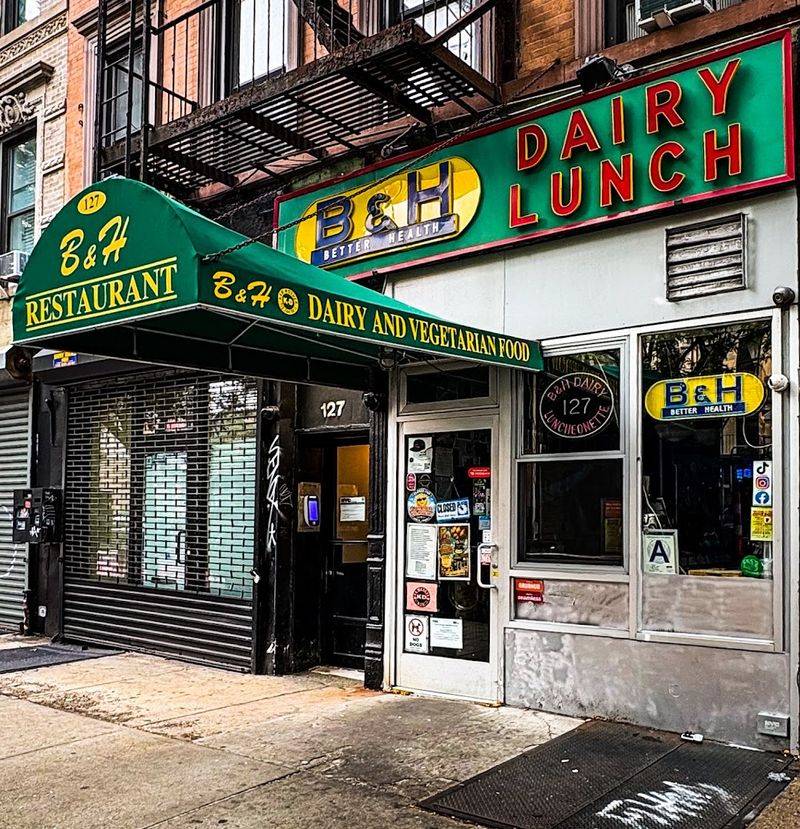
B&H Dairy has operated in the East Village since 1938, surviving decades of neighborhood change. Bread turns each soup order into something sturdier than a snack.
The kosher dairy menu excludes meat and gives soups, blintzes, pierogies, and vegetable dishes the central role.
Mushroom barley soup and borscht arrive with thick bread, turning a simple bowl into a full meal. Challah or rye handles the final spoonful properly.
The narrow counter seats only a small group, keeping diners close to the visible kitchen. That layout gives every order an immediate connection with the people cooking it.
Eastern European Jewish traditions shape the food without turning the menu into a museum display. These dishes still function as practical, warming meals.
I like counters where the room seems built around soup, conversation, and efficient elbow placement.
B&H belongs to a shrinking category of dairy restaurants that once appeared more widely across downtown neighborhoods. B&H Dairy is located at 127 2nd Avenue, New York, New York.
7. Casa Adela
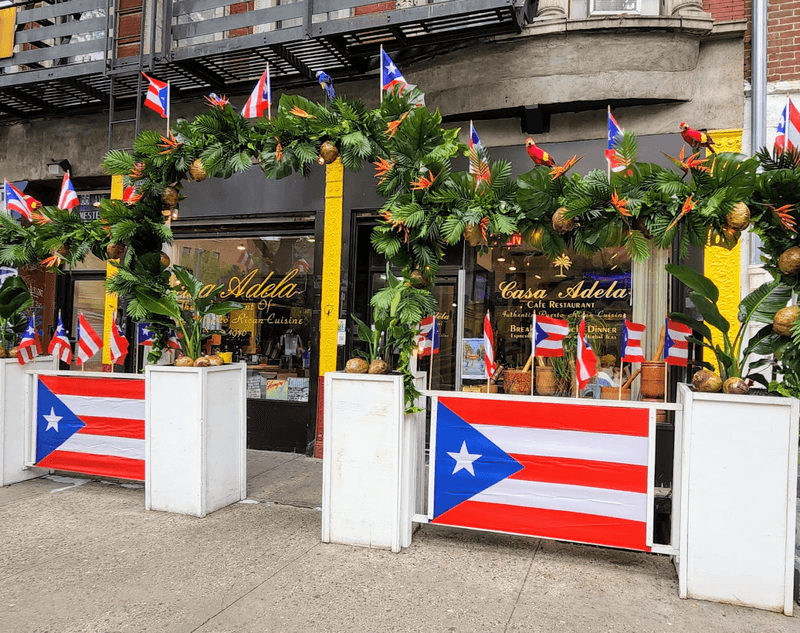
Casa Adela has served Puerto Rican food on Avenue C since 1974. Plantains bring the plate a sweetness that never becomes dessert.
Pernil leads the menu through slow-roasted pork shoulder seasoned with adobo. The skin crisps into chicharron while the meat beneath stays tender enough to pull apart.
Rice, beans, maduros, and tostones complete plates without acting like decorative extras. Each side contributes sweetness, salt, texture, or comfort.
Casa Adela is located at 66 Avenue C, New York, New York, in Loisaida.
The neighborhood’s Puerto Rican identity is closely connected with kitchens that survived decades of rising costs and cultural change.
Stewed chicken, seafood dishes, and rotating soups broaden the choices. Nothing drifts far from the home-style cooking that established the restaurant.
I love plates where every component seems designed to support the next forkful. Rice catches sauce, plantains soften the savory edges, and pork carries the center.
Five decades from one kitchen suggest more than nostalgia. They show what steady seasoning and patient roasting can accomplish.
8. Patacon Pisao
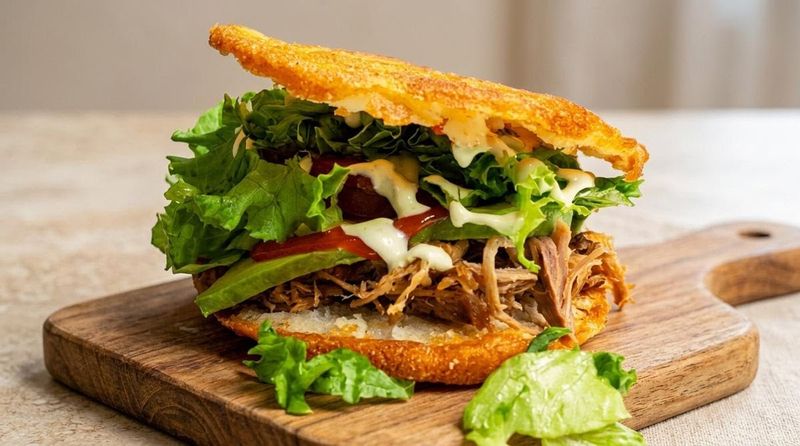
Patacon Pisao builds sandwiches with two flattened green plantains instead of bread. Shredded meat settles neatly between the crisp plantain halves.
Each plantain is fried, smashed, and fried again until golden and sturdy. The result holds shredded beef, chicken, pork, beans, avocado, or cheese.
Patacon Pisao is located at 85-22 Grand Avenue, Elmhurst, New York.
The plantain base brings crisp edges and a dense interior that handles juicy fillings surprisingly well. A standard bun would create an entirely different meal.
This Venezuelan street-food format has existed for generations, so the plantain is far more than a novelty.
Arepas add another corn-based option using many of the same fillings. Both arrive quickly and provide enough substance for a serious appetite.
I like food that changes one structural element and transforms the whole experience. Here, replacing bread creates the first crunch, the final bite, and most of the personality.
Elmhurst’s broad Latin American dining scene gives this concept an especially fitting home.
9. SriPraPhai
SriPraPhai has earned a strong reputation among diners seeking regional Thai dishes beyond the usual short list. Boat noodles bring concentrated broth and another route through the menu.
Crispy watercress salad, boat noodles, and papaya salad with fermented crab show the menu’s wider range. Each dish brings a different balance of texture, heat, sourness, and sweetness.
Fresh herbs appear throughout the cooking and help keep richer dishes lively.
The crispy watercress salad deserves particular attention. Fried greens meet a tangy dressing in a combination that is difficult to duplicate elsewhere.
Spice levels can be adjusted, although the kitchen’s standard approach does not flatten the food for cautious diners.
I like menus that allow repeat visits to move in completely different directions. One meal might focus on noodles, while another belongs to salads and curries.
Woodside’s Thai community gives the restaurant a neighborhood connection stronger than destination dining alone.
The trip from Midtown is short enough to weaken every excuse. SriPraPhai is located at 64-13 39th Avenue, Woodside, New York.
10. Arepera Guacuco
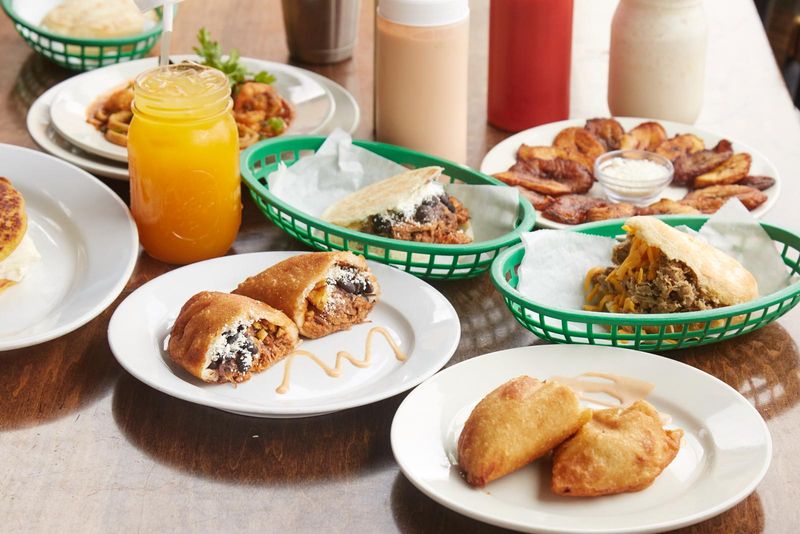
Arepera Guacuco centers its menu on Venezuelan arepas made from precooked white corn flour. The corn shell stays sturdy even under the juiciest combinations.
Arepera Guacuco is located at 44 Irving Avenue, Brooklyn, New York.
Each corn cake is griddled until a thin crust forms, then finished so the interior cooks without drying. Splitting the arepa creates a sturdy pocket for generous fillings.
Pabellón combines shredded beef, black beans, and sweet plantains. Reina pepiada brings chicken and avocado into a cooler, creamier direction.
Tequeños add fried cheese-filled dough for anyone who considers one handheld meal insufficient.
I like how arepas work equally well at breakfast, lunch, or dinner. Their everyday role in Venezuela gives the menu an easy confidence.
The focused approach avoids unnecessary reinvention. Good corn dough, proper griddling, and balanced fillings carry the experience.
Bushwick’s wider Latin American dining presence gives the restaurant a natural audience. One crisp-edged arepa can make standard sandwich bread seem temporarily unambitious.
11. S’MAC
S’MAC built its identity around macaroni and cheese as a complete meal instead of a supporting side. Cast iron also gives every order a satisfying table presence.
The menu begins with a core cheese-and-pasta format, then moves through distinct combinations. Napoletana adds tomatoes and basil, while Masala brings Indian-spiced vegetables.
Each serving bakes in a cast-iron skillet, creating a lightly crisp top over creamy pasta. The skillet keeps cooking briefly after reaching the table.
S’MAC is located at 197 1st Avenue, New York, New York.
Portions range from a small nosh to larger skillets suitable for sharing. The middle size usually handles one hungry diner without assistance.
Gluten-free pasta and dairy-free preparations expand access without changing the restaurant’s central idea.
I love concepts built around one familiar dish and enough variation to prevent repetition. Macaroni may be simple, but the mix-ins change its entire direction.
Nearly two decades of skillet service prove the idea had more staying power than a passing comfort-food trend. The crisp top still makes the strongest opening argument.