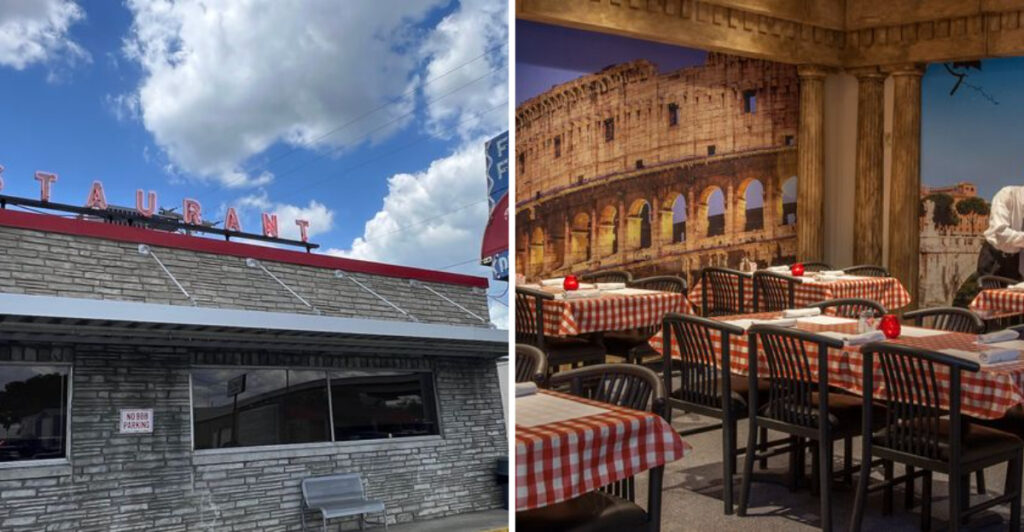
Some Tennessee restaurants know your order before you finish sliding into the booth.
That kind of loyalty does not come from an old sign or a long history alone. It comes from biscuits that still taste right, burgers that need no explanation, and desserts people remember long after the plate is cleared.
Many of these places began with modest ambitions. A roadside stop fed travelers. A neighborhood market added a counter.
A family recipe slowly became the reason cars kept filling the same parking lot.
Their stories are not identical. One dining room may hold a century of conversation, while another built its reputation below street level or behind a cafeteria line.
Generations returned, new diners followed, and the kitchens kept earning another visit. Which Tennessee classic would you trust with your next order?
1. The Loveless Cafe
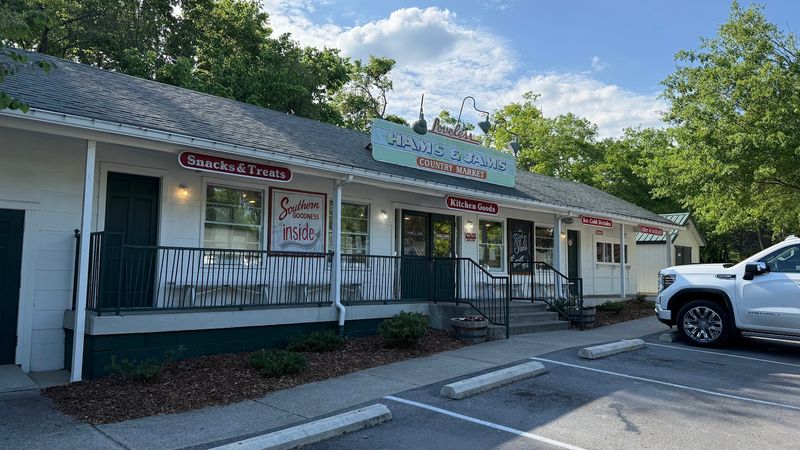
Follow Highway 100 west of downtown Nashville, and a glowing roadside sign eventually announces that biscuits are close.
Warm biscuits and preserves usually reach the table before many diners settle on a main order. You can follow them with country ham, fried chicken, eggs, barbecue, or another plate from the breakfast and supper menus.
That biscuit tradition began in 1951, when Lon and Annie Loveless served travelers from their home along the highway. Annie handled the biscuits and preserves, while Lon cured and smoked country ham.
Demand grew quickly enough that the home became a restaurant. The couple added a 14-room motel in 1952, turning the property into a recognizable stop for people traveling through the area.
Those former motel rooms now contain shops, but the cafe remains closely connected to the recipes that built its reputation. The kitchen produces thousands of biscuits during busy periods, keeping a roadside tradition moving long after the motel stopped receiving overnight guests.
Weekend mornings and holidays can bring long waits. A weekday visit may give you a better chance of reaching the dining room before the hunger begins making decisions on your behalf.
Once the first biscuit breaks open and the steam escapes, the Highway 100 detour needs very little further explanation.
Address: 8400 Highway 100, Nashville, Tennessee.
2. Wendell Smith’s Restaurant
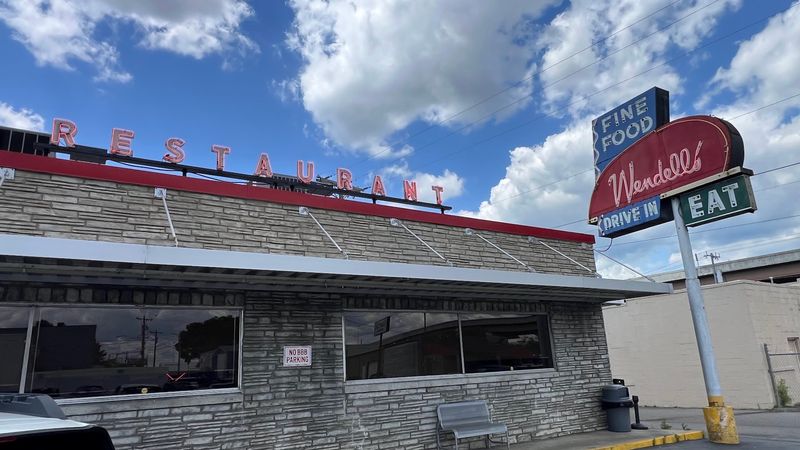
Wendell Smith’s does not need to reinvent itself every season. Its dining room has spent decades proving that a neighborhood restaurant can build a future by remembering what brought people through the door.
You can arrive early for eggs, biscuits, country ham, and other breakfast standards or visit later for fried chicken, roast beef, pork chops, catfish, vegetables, and daily selections.
The menu supports the rhythm of a working neighborhood restaurant. Some diners come in for a full plate, while others already know exactly which breakfast order they want before reaching the table.
Founded in 1952, the family-owned Nashville institution now connects third- and fourth-generation family members to the business. That continuity has helped the restaurant hold its place while the surrounding city has changed.
Regulars have eaten here for years, but the dining room also brings in newer residents and visitors looking for a restaurant that existed before Nashville’s latest building boom.
Can a simple plate tell you something about a neighborhood? Here, the answer appears in familiar greetings, repeated orders, and tables occupied by people who do not need extra time with the menu.
Wendell Smith’s keeps the arrangement direct. You sit down, choose something familiar, and join a routine that has been repeating for more than seven decades.
Address: 407 53rd Avenue North, Nashville, Tennessee.
3. Swett’s Restaurant
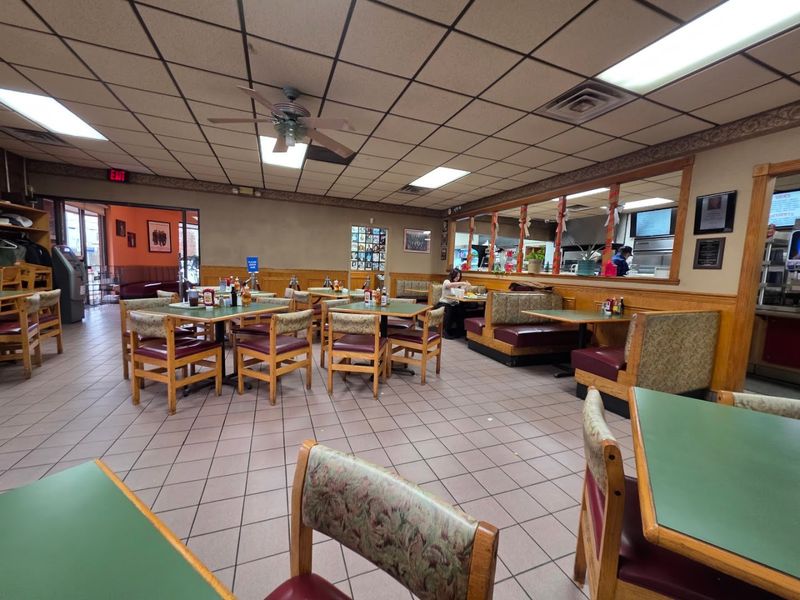
Fried chicken, pork chops, meatloaf, fish, greens, yams, macaroni and cheese, beans, cornbread, and desserts can appear along the cafeteria line. The exact choices may vary, but the format remains central to the experience.
You select the main dish, then watch the available sides shape the rest of the meal. Two people standing next to each other can leave the line with completely different plates.
The Swett family’s Nashville business history reaches back to the 1930s, when Walter and Susie Swett entered grocery and tavern ownership. They later opened Swett’s Dinette at 28th Avenue and Clifton in 1954.
Their son David helped continue the family operation, and a larger restaurant was built on the same site in 1988.
The dining room has served university students, public officials, neighborhood families, and travelers during its long run. Its cafeteria structure keeps the meal practical while preserving a strong connection to Southern home cooking.
There is little time for a lengthy internal debate when another tray is moving behind yours. Keep your eyes on the vegetables, but do not let the dessert section escape unnoticed.
Address: 2725 Clifton Avenue, Nashville, Tennessee.
4. The Arcade Restaurant
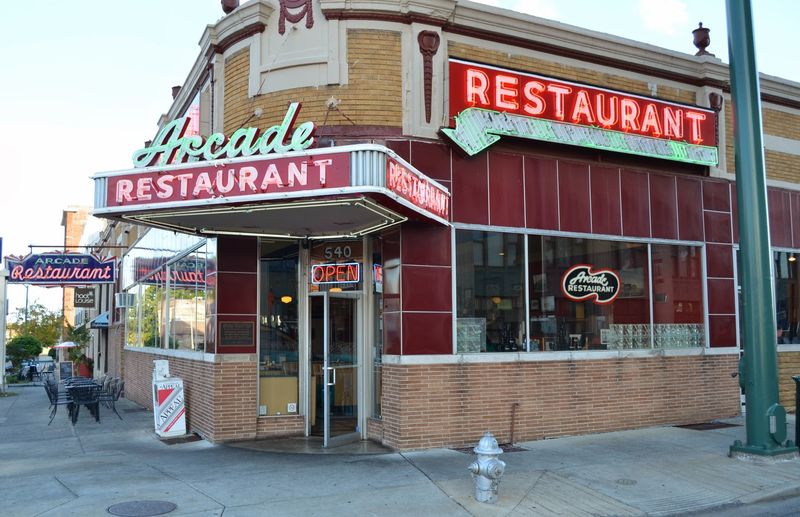
Memphis history comes with neon trim and a breakfast menu at this South Main Street corner.
Sweet potato pancakes have become one of the best-known orders, but the all-day breakfast menu also includes eggs, biscuits and gravy, breakfast casseroles, and familiar diner plates. Lunch adds sandwiches, salads, and Southern selections.
The interior adds another layer to the meal. Original storefront details, neon signs, and boomerang-patterned tables preserve the restaurant’s mid-century character.
That look developed over several generations. Greek immigrant Speros Zepatos founded The Arcade in 1919, making it the oldest restaurant in Memphis.
The original wooden building was replaced in 1925 with the Arcade Building. Under Speros’ son Harry, the restaurant received the 1950s design that still shapes its appearance.
The Arcade also maintains a documented connection to Elvis Presley, who frequented the diner. A booth near the back remains associated with his visits.
You can finish breakfast and continue exploring South Main on foot, but take one last look at the tables before leaving. Their worn edges were earned through decades of coffee cups, plates, elbows, and conversations.
Address: 540 South Main Street, Memphis, Tennessee.
5. Coletta’s Italian Restaurant
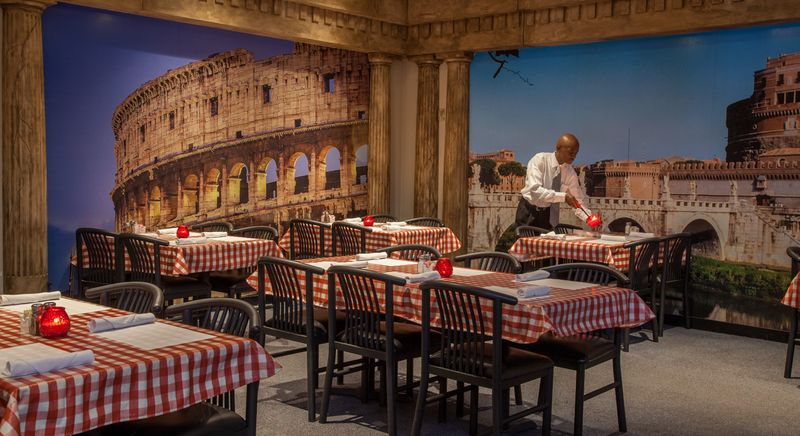
At Coletta’s, the experiment became a signature.
You can still order the barbecue pizza at the South Parkway restaurant, where smoked pork and sauce meet an Italian-American base. Pasta, ravioli, manicotti, lasagna, and other family dishes fill out the menu.
The unusual pizza grew from a practical challenge. During the early 1950s, many Memphis diners were unfamiliar with pizza, so the Coletta family paired it with a flavor the city already understood.
Horest Coletta had traveled to Chicago to learn pizza-making before bringing the technique back to the family restaurant. Adding barbecue helped the dish gain local attention.
The business itself began much earlier. Emil Coletta opened the original operation in 1923 as the Suburban Ice Cream Company, serving ice cream, sandwiches, and pasta.
Over time, the menu shifted toward Italian food, and sailors from a nearby naval base began requesting pizza. The restaurant eventually became one of Memphis’ longest-running family-owned dining establishments.
Lift the first slice, and two local food traditions arrive together. A dish once used to introduce Memphis to pizza now carries more than a century of family history behind it.
Address: 1063 South Parkway East, Memphis, Tennessee.
6. The Four Way
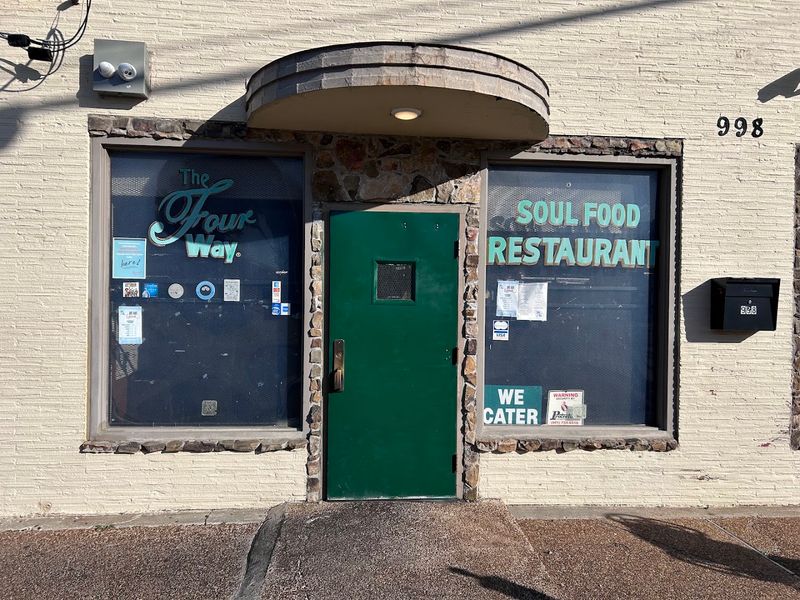
Before choosing between fried chicken and another daily entrée, take a moment to understand where you are sitting.
The menu includes Southern entrées, vegetables, breads, and desserts. Fried chicken, catfish, baked chicken, meatloaf, greens, black-eyed peas, macaroni and cheese, candied yams, cornbread, and cakes may appear among the selections.
You can build a plate around one main dish and several sides, but the dining room carries a history that extends beyond the menu.
Clint and Irene Cleaves opened the Four Way Grill in 1946 to serve the South Memphis community. During the early 1960s, the restaurant became one of the city’s establishments where Black and white diners regularly ate together.
Neighborhood residents shared the room with Stax musicians, visiting public figures, and leaders of the Civil Rights Movement. Martin Luther King Jr., Jesse Jackson, and other prominent guests are included in the restaurant’s documented history.
The Four Way was a place where people ate, gathered, organized, and returned during a defining chapter in Memphis history.
The restaurant currently operates Wednesday through Sunday, making a schedule check important before heading across the city.
The history deserves your attention, but the kitchen keeps the visit grounded in the plate directly in front of you.
Address: 998 Mississippi Boulevard, Memphis, Tennessee.
7. Charlie Vergos’ Rendezvous
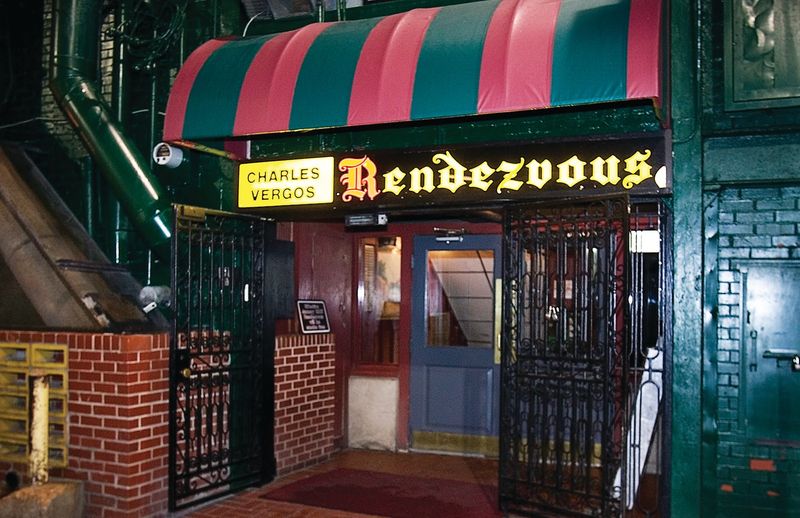
First, find the alley. Then take the stairs down.
The basement dining rooms unfold beneath downtown Memphis, with photographs, signs, instruments, and decades of memorabilia covering the walls. Every turn reveals another table, corridor, or object.
Ribs remain the main order, but the menu also includes pork shoulder, brisket, barbecue nachos, and the cheese-and-sausage plate.
The cooking method distinguishes the ribs from many low-and-slow barbecue styles. The racks are cooked close to the fire, brushed with a vinegar wash, and finished with a dry seasoning influenced by Greek and New Orleans flavors.
That approach developed through Charlie Vergos’ work in the basement beginning in 1948. After separating from a restaurant he had co-owned, Vergos started a snack operation in the space.
He converted an old elevator shaft into a smoker and began with ham sandwiches. Ribs joined the menu later, when they were still viewed as an inexpensive cut.
The Vergos family continues serving the dish that emerged from those early experiments.
By the time the ribs reach your table, the alley, staircase, basement, and crowded walls have already completed the opening course.
Address: 52 South Second Street, Memphis, Tennessee.
8. The Bar-B-Q Shop
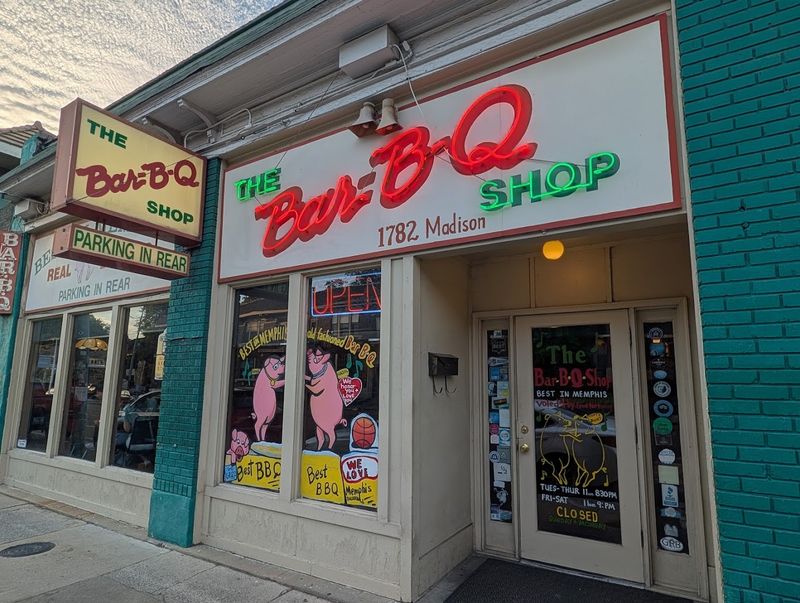
Thsi spot gives you an immediate decision: traditional ribs, glazed ribs, or half of each.
A pulled-pork sandwich on buttered Texas toast offers another house specialty, especially when paired with original or hot Dancing Pigs sauce.
Then there is barbecue spaghetti, a Memphis dish that combines pasta, barbecue sauce, and smoked meat. It gives you a reason to look beyond the expected rib and sandwich orders.
The restaurant’s current identity developed from Brady and Lil’s Bar-B-Q. Brady Vincent taught Frank and Hazelteen Vernon the business before retiring in 1981.
The Vernon family eventually renamed the operation The Bar-B-Q Shop, which opened under that name in November 1987.
Its sauces and seasonings later developed their own following. The family introduced the Dancing Pigs product line in 1995 after customers began seeking the restaurant’s flavors outside the dining room.
Brisket, smoked sausage, ribs, sandwiches, and meat served on Texas toast give you several ways to approach the menu.
You may arrive prepared to judge the ribs and leave telling someone about spaghetti. That shift in attention is part of what separates this Midtown stop from the next barbecue address.
Address: 1782 Madison Avenue, Memphis, Tennessee.
9. Litton’s Market, Restaurant & Bakery
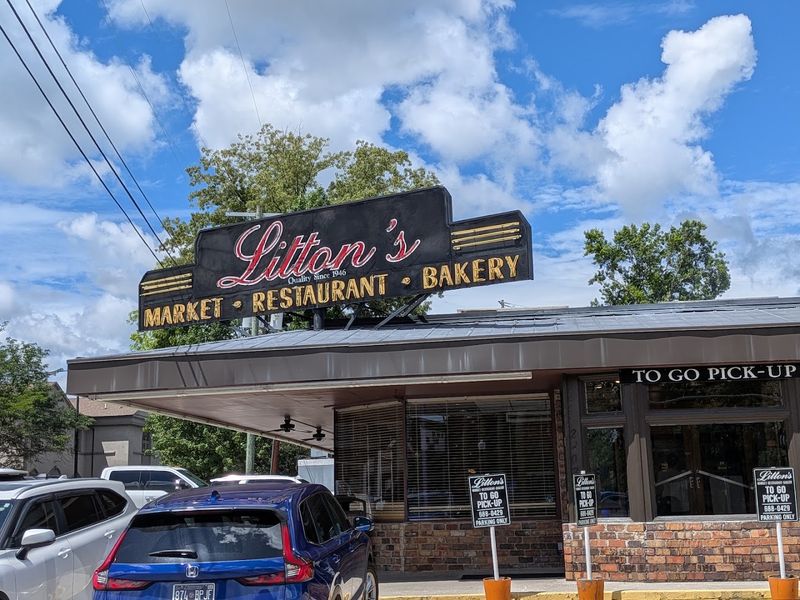
Litton’s places a serious obstacle between your burger and the exit: a bakery case filled with cakes, pies, brownies, cookies, and cheesecake.
The burgers use beef ground and shaped in-house before being charbroiled and placed on buns from the restaurant’s own bakery.
That connection between grill and bakery gives the burger its full structure. The patty brings the sear and beef flavor, while the freshly baked bun has to manage juices, cheese, toppings, and every attempt to keep the meal under control.
The Fountain City institution began as a market in 1946 before developing into the restaurant and bakery Knoxville knows today.
Its menu has grown beyond burgers to include sandwiches, salads, meatloaf, chicken, vegetables, and other plates. Still, many visits naturally become a two-stage operation.
First comes the burger. Then comes the decision over coconut cream pie, layer cake, cheesecake, brownies, or another bakery selection.
You can order dessert at the table or carry something home when lunch has already used every available inch.
Willpower tends to weaken when the bakery case is positioned within sight. Litton’s has had decades to observe the pattern.
Address: 2803 Essary Drive, Knoxville, Tennessee.
10. The Original Louis’ Restaurant
Do not arrive expecting a breakfast diner.
Spaghetti, ravioli, baked lasagna, veal Parmigiana, chicken Parmigiana, steaks, seafood, salads, and family-style Italian-American dishes anchor the menu.
The hand-breaded onion rings deserve early attention. They are prepared in the kitchen each day and can be ordered separately or substituted for another side.
House-made spaghetti sauce and salad dressings also remain part of the restaurant’s identity.
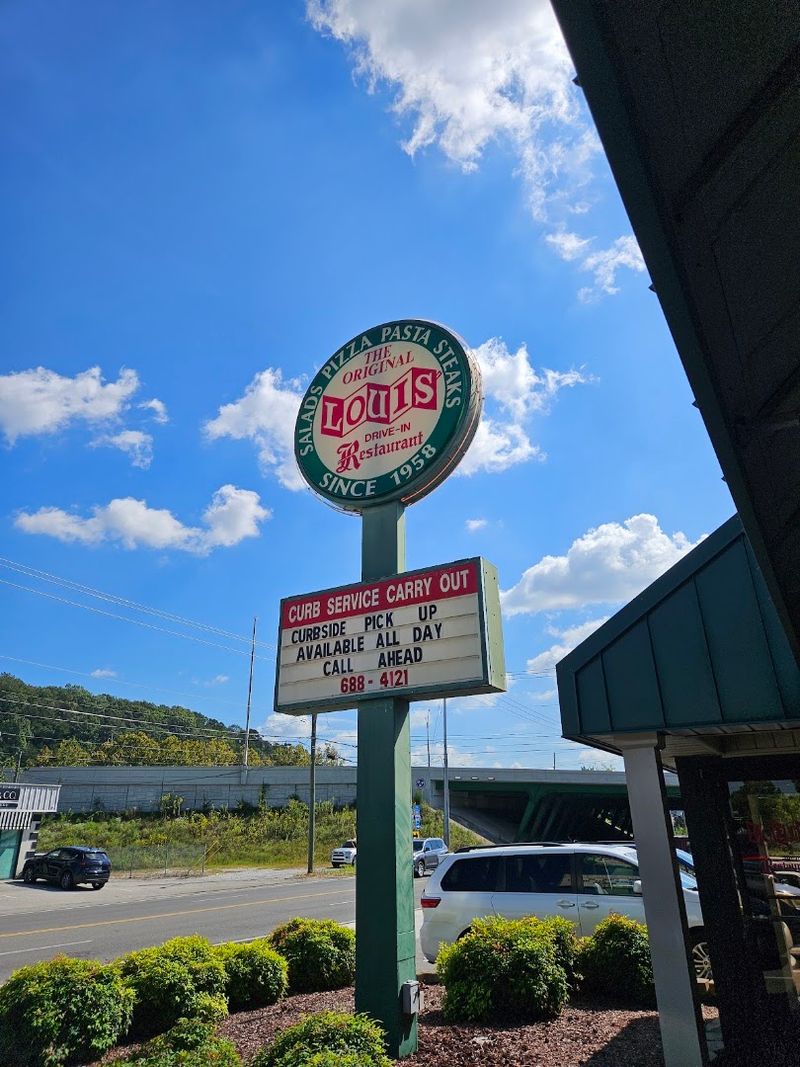
The Original Louis’ opened in Knoxville in 1958 and continues as a family-owned and operated business. Its long run has kept Italian-American cooking connected to the Old Broadway address for more than six decades.
You can eat in the dining room, arrange a banquet, or use the restaurant’s curb service. Calling ahead allows the kitchen to prepare the order before you drive up.
That service model existed long before modern ordering apps made curbside pickup common.
The restaurant does not need to imitate the newest dining format. Its appeal rests in familiar recipes, generous meals, and service patterns Knoxville families have used for generations.
Begin with the onion rings, move toward the pasta, and reconsider any idea that Tennessee’s enduring food story belongs only to biscuits and barbecue.
Address: 4661 Old Broadway, Knoxville, Tennessee.