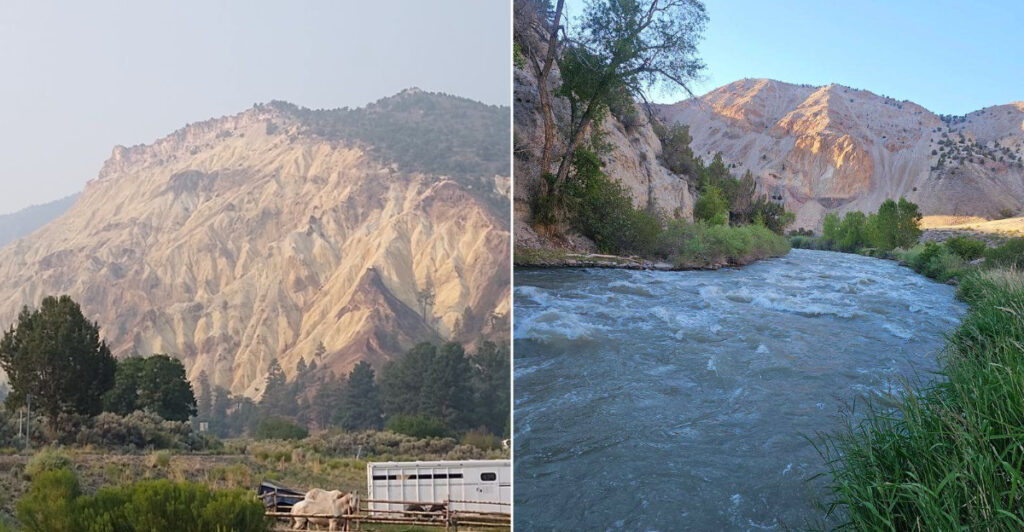
The ground gets a lot more interesting once you realize it might be hiding something worth keeping. Here, chunks of volcanic rock can contain bixbyite, rutile, and amethyst, giving every careful search a little suspense.
In central Utah, that makes an ordinary stretch of rocky terrain feel more like a puzzle waiting to be solved. You do not need an elaborate itinerary or expensive equipment to enjoy the hunt.
What matters most is patience, curiosity, and the willingness to inspect the details other people might walk straight past. Some finds announce themselves quickly, while others reward the person willing to keep looking when nothing obvious appears.
That unpredictability is half the fun. Rockhounding turns a few quiet hours outside into something surprisingly absorbing, especially when the geology has this much personality.
And beneath the wide-open skies of Utah, even a small mineral find can feel like uncovering your own piece of the landscape.
A Canyon Stop Where The Plan Gets Simple
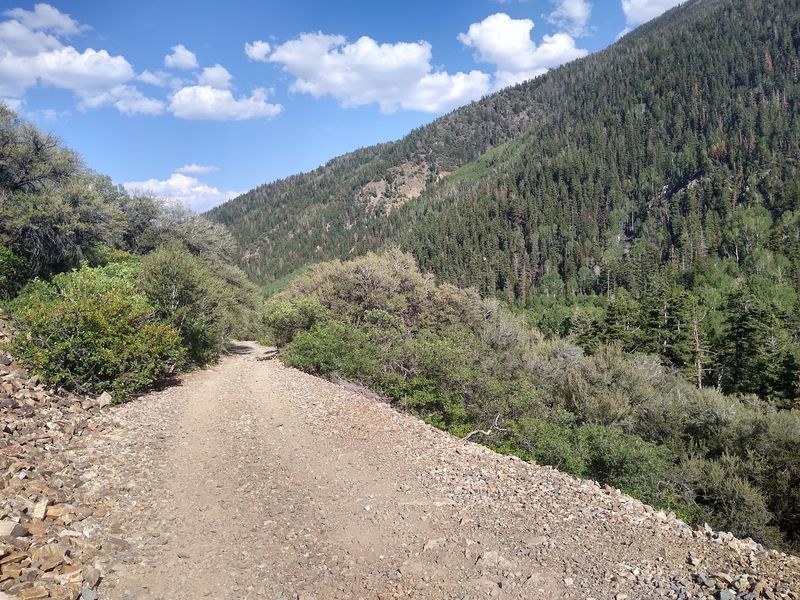
Some outings get better when they stop trying so hard. Marysvale Canyon Rockhounding Area, near Marysvale in Piute County, Utah, is one of those places where the activity is clear before anyone has time to overthink lunch, schedules, or whose turn it is to navigate.
The collecting area is known for rhyolite boulders that may contain bixbyite, rutile, and amethyst in small cavities. That gives visitors a focused reason to look, tap, sort, and slow down.
The main rockhounding access is commonly described as north of Marysvale along US Route 89, then west on an unmarked gravel road, so visitors should confirm current public land access and conditions before going.
Marysvale Canyon Rockhounding Area works best for people who enjoy a hands on outdoor stop rather than a polished attraction. Bring safety glasses, a rock hammer, gloves, water, and realistic expectations.
Not every rock hides a prize, which is annoying in the same way fishing is annoying: the waiting is part of the point.
Bixbyite Gives The Search Its Rare Prize
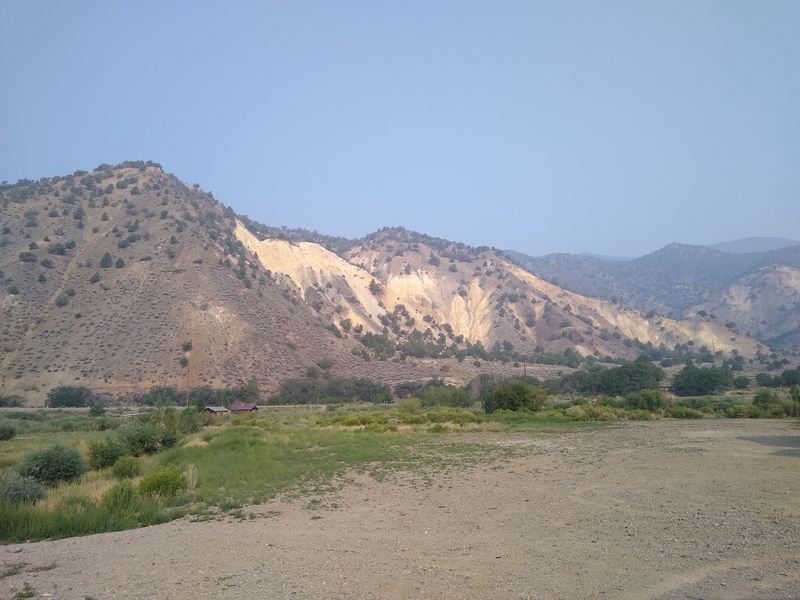
Bixbyite is the mineral that gives Marysvale Canyon Rockhounding Area a little extra bragging power. It is a rare iron manganese oxide, and collectors prize it because it can form sharp, dark, metallic looking cubes that seem almost too tidy for something pulled from rough volcanic rock.
At this central Utah area, bixbyite is associated with rhyolite, a volcanic rock formed from silica rich lava. As the rock cooled, gas pockets could become tiny rooms where crystals grew.
That is why rockhounds spend time studying boulders instead of simply scooping loose gravel into a bucket and calling it a day.
Patience matters. Look for promising rhyolite pieces with cavities, lighter coloring, or textures that suggest open spaces inside.
Use eye protection before breaking anything, because flying chips are not a souvenir anyone wants. Marysvale Canyon Rockhounding Area rewards careful searching more than speed, which is a useful lesson for adults and kids alike.
The best finds may be small, but a sharp bixbyite cube has a way of making a humble rock suddenly feel like it had a secret office job.
Rutile Adds Tiny Needles To The Rock Story
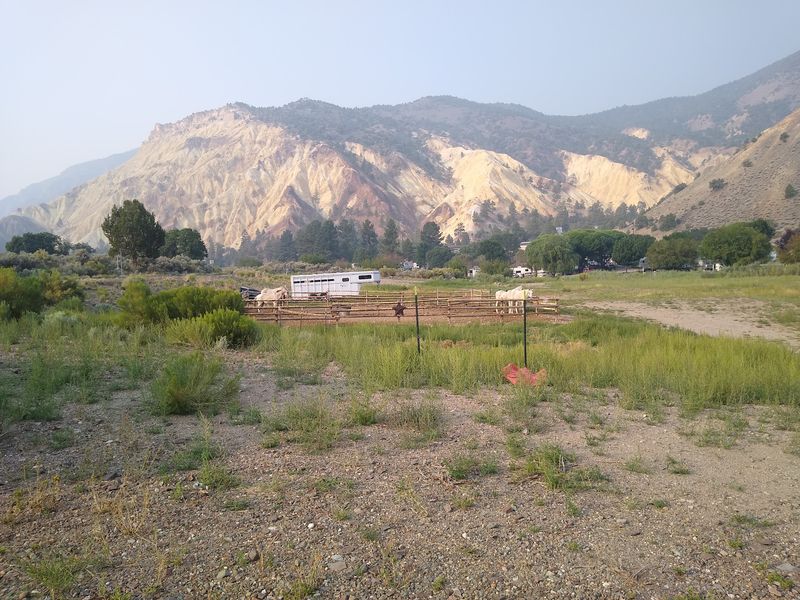
Rutile does not always arrive with the obvious confidence of a purple amethyst point or a dark bixbyite cube. It can appear as slender needle like crystals, which means the reward may be subtle enough to test both eyesight and patience.
Reading glasses suddenly become adventure gear, which feels honest.
In the Marysvale Canyon Rockhounding Area, rutile is part of the same volcanic story that makes the area appealing to collectors. Rhyolite cooled with small open cavities, and those spaces allowed different minerals to form.
Rutile is titanium dioxide, and while it occurs in many places around the world, finding it alongside bixbyite and amethyst gives this Utah site a more layered collecting appeal.
A practical approach helps. Break rock carefully, inspect fresh surfaces, and keep smaller pieces that show crystal lined openings.
A hand lens can make the difference between missing a fine mineral and spotting a delicate formation. Marysvale Canyon Rockhounding Area is not about hauling away giant display pieces.
Often, the satisfaction comes from noticing what would be easy to overlook, which is a useful skill in rockhounding and, frankly, grocery store parking lots.
A Practical Outing For Different Kinds Of Travelers
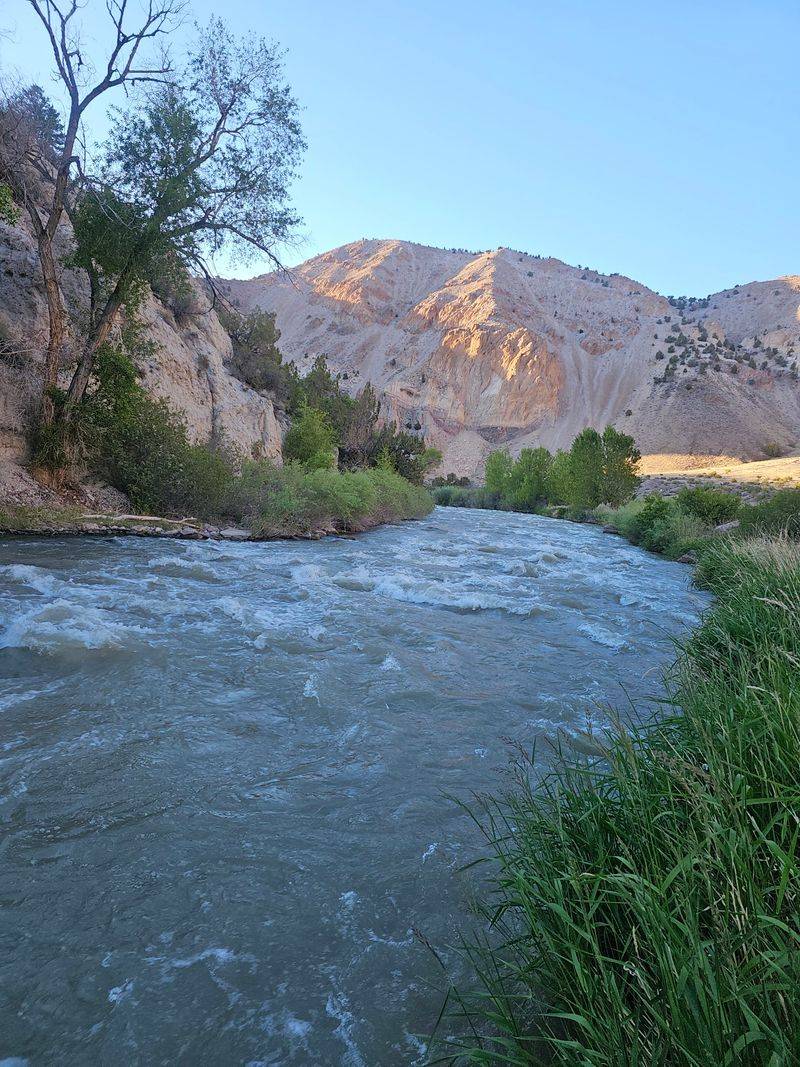
Different travelers can use Marysvale Canyon Rockhounding Area in different ways, which is helpful when one person wants discovery and another person mainly wants the day not to become a logistical puzzle. A couple can share the search.
A solo visitor can focus quietly. A family can turn the ground itself into a lesson.
The activity is physical, but it does not need to become extreme. Visitors are generally looking through rhyolite pieces and carefully breaking selected rocks, not joining a major expedition.
That makes the area a reasonable simple Saturday detour for road trippers already moving through central Utah, provided they bring water, sun protection, sturdy shoes, and basic tools.
Expect uneven ground and outdoor conditions rather than built facilities at the collecting area. That matters for anyone bringing children, older relatives, or visitors who prefer predictable footing.
Marysvale Canyon Rockhounding Area suits people who are comfortable with a natural setting and a little dust on their plans. The payoff is not guaranteed, but the process is clear enough for beginners and still interesting for collectors who know exactly why bixbyite gets people leaning closer.
Amethyst Brings The Color People Notice First
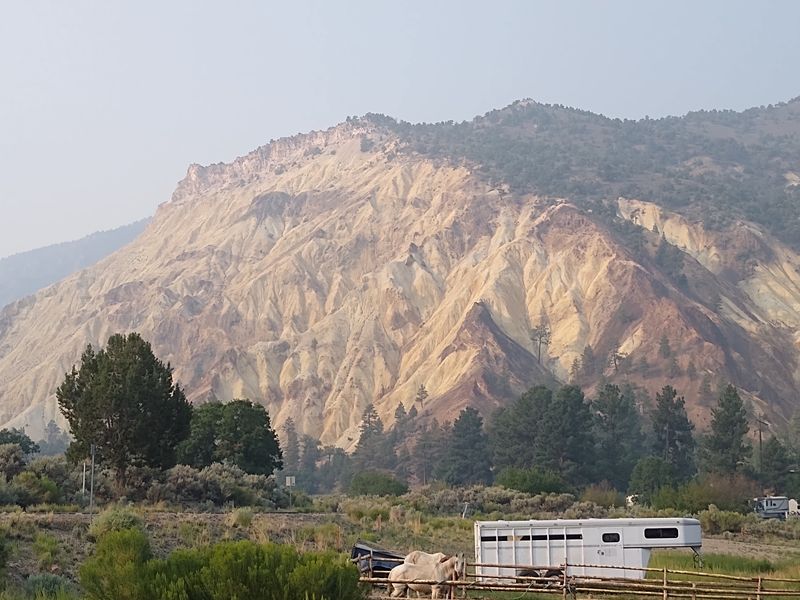
Amethyst is usually the mineral that gets newcomers interested first, because purple does not require a geology degree to appreciate. At Marysvale Canyon Rockhounding Area, amethyst may occur as quartz crystals inside rhyolite cavities, adding color to a collecting day that otherwise involves a respectable amount of gray rock judgment.
The amethyst found in this part of Utah is connected to the area’s volcanic past. Quartz crystals formed in open spaces within the rhyolite, and iron related coloring can give amethyst its purple shade.
Some pieces may show only a light wash of color, while others may offer clearer crystal form. Either way, the search teaches visitors to look closely rather than expect every broken stone to perform.
Families often understand the amethyst appeal quickly. A small purple crystal gives younger rockhounds a visible goal, while adults can appreciate the geology behind it.
Still, careful collecting matters. Wear safety glasses, avoid over collecting, and follow Bureau of Land Management rules for recreational rockhounding where public land applies.
Marysvale Canyon Rockhounding Area feels especially approachable because the prize can be beautiful without being huge, flashy, or expensive.
Rhyolite Boulders Are The Real Treasure Boxes
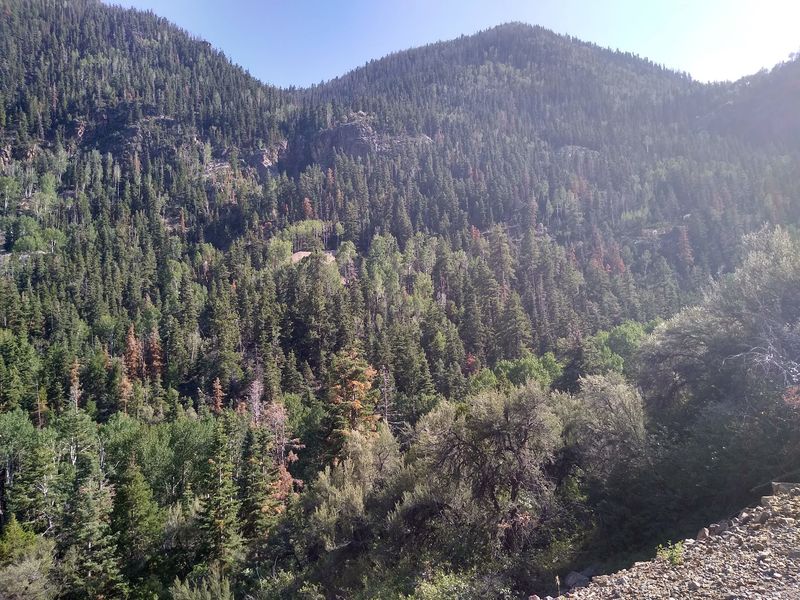
The humble rhyolite boulder deserves more credit here. Without it, Marysvale Canyon Rockhounding Area would not have the same mineral pull.
Rhyolite is the host rock, the container, the plain looking package that may hide crystal pockets inside. It is basically geology’s version of wrapping paper from a store that has seen better lighting.
This volcanic rock formed from high silica lava, and gas bubbles left small openings as it cooled. Those openings, called vugs by collectors, are where bixbyite, rutile, and amethyst can appear.
The trick is learning which rocks look promising. Pieces with porous texture, lighter tones, or visible cavities may deserve closer attention, though no surface clue is a guarantee.
Good technique keeps the outing safer and more productive. Place rocks on stable ground before striking them, keep others at a sensible distance, and use a hand lens to inspect small crystals.
Marysvale Canyon Rockhounding Area is not a race. The landscape asks for a slower pace, and the best collectors tend to develop a quiet rhythm: look, choose, tap, inspect, repeat.
It is simple, but never quite mindless.
Why This Central Utah Search Stays Memorable
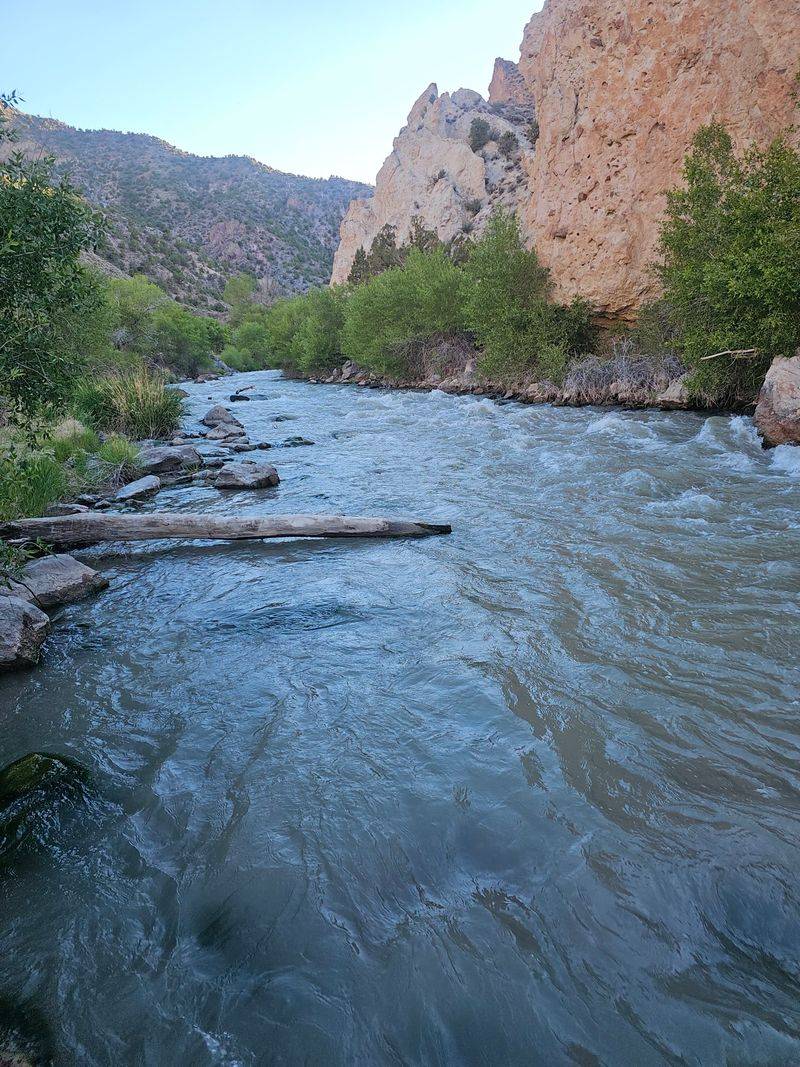
Marysvale Canyon Rockhounding Area stays in the mind because it makes geology feel practical. The story is not locked behind museum glass or explained only on a sign.
It is sitting in rhyolite, waiting for someone patient enough to wonder what might be inside.
The mix of bixbyite, rutile, and amethyst gives the area its character. Each mineral asks visitors to notice something different: a dark cube, a fine needle, a purple crystal face.
That variety keeps the search from becoming repetitive, even when many rocks turn out to be ordinary. Ordinary rocks, as it happens, are very committed to their role.
Respect is part of the visit. Check current access, follow public land collecting rules, take only reasonable amounts, and leave the area cleaner than you found it.
Marysvale Canyon Rockhounding Area is best understood as a low fuss outdoor classroom with better souvenirs than worksheets. For travelers crossing this part of Utah, it offers a grounded reason to pause near Marysvale and pay attention to the volcanic past underfoot.
Bring a hammer, bring patience, and do not underestimate the quiet drama of a gray rock with purple hiding inside.