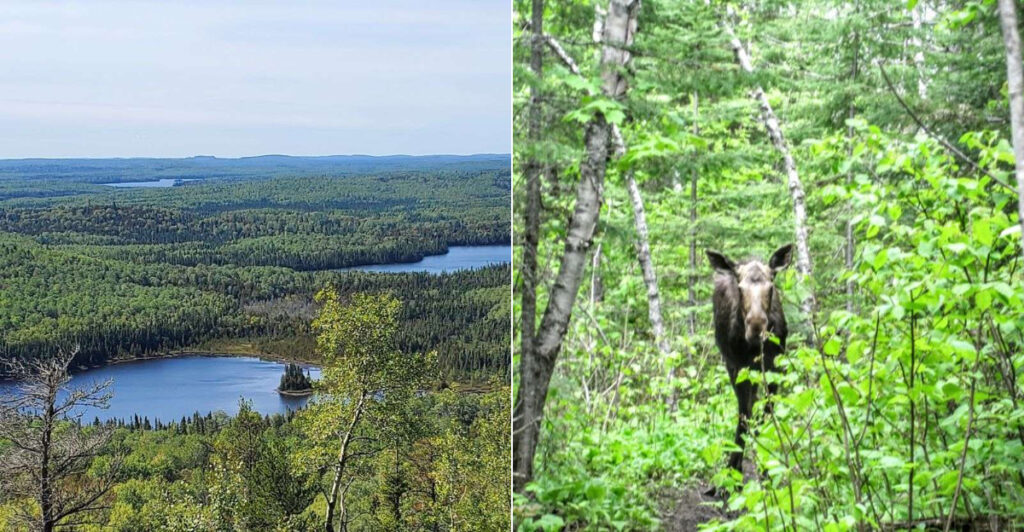
Reaching the highest point in an entire state comes with serious bragging rights. Minnesota offers exactly that kind of adventure, and the reward at the top is absolutely worth every step.
Pine trees, rocky paths, wooden boardwalks, and a quiet lake along the way. Every twist in the trail adds another reason to keep climbing.
The summit delivers panoramic wilderness views that hikers talk about for years afterward. Photos never quite capture the feeling.
Being up there, with the wind on your face and the whole state stretched out below, belongs on every adventurer’s personal bucket list. It really is that good.
Treating yourself to a hike this rewarding should happen more than once in a lifetime. Lace up the boots and let Minnesota show off its wild side. A little sweat, a lot of fresh air, and a memory that sticks around long after the drive back home.
Minnesota’s Highest Point Awaits You
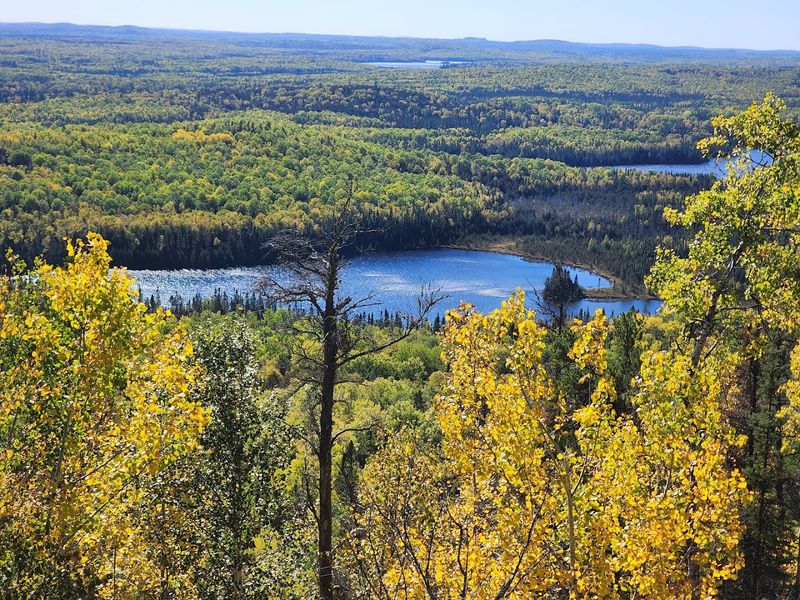
Not every trail leads to a state high point, but Eagle Mountain Trailhead gives you exactly that. Standing at 2,301 feet above sea level, Eagle Mountain is the crown of Minnesota, and the trail to the top is a rewarding mix of challenge and beauty.
The round trip covers roughly 6.3 to 7 miles depending on your route, and most hikers finish in about 3.5 to 4 hours. That is a solid half-day adventure that fits perfectly into a weekend road trip or a planned outdoor excursion.
At the actual summit, there is a geological marker and a historical sign laid on the ground that tells the story of the spot. Many visitors walk right past it, so keep your eyes open once the trail flattens out near the top.
Have you ever been able to say you stood at the highest point of an entire state? Eagle Mountain hands you that bragging right with a side of stunning scenery.
The Boardwalks That Add A Little Adventure
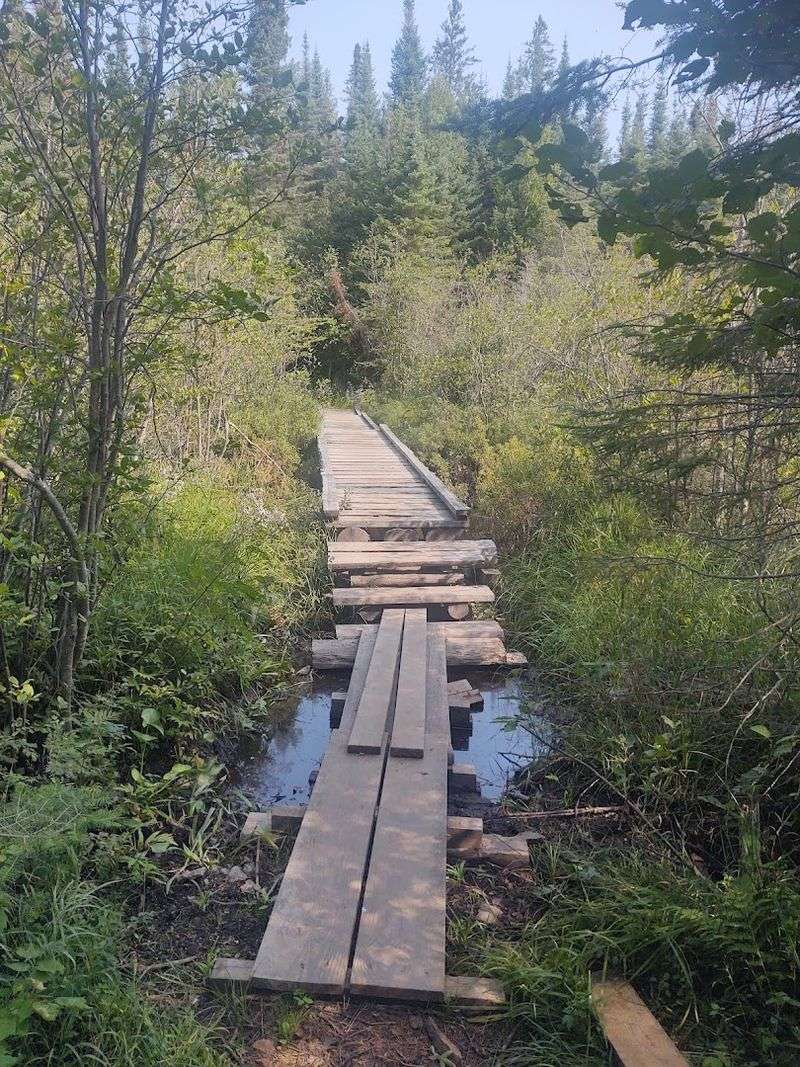
Wooden boardwalks over marshy swampland sound peaceful until you are actually standing on one that wobbles a little with every step. Eagle Mountain trail has a few boardwalk sections that cross wetland areas, and they add a genuinely exciting element to the hike.
Hikers in reviews have noted that some of the boards are aging and can be slippery or uneven, especially during wet seasons or after heavy rain. In high water season, parts of the first boardwalk have even been known to sit under a few inches of water, turning a simple crossing into a small puzzle.
Does that mean you should skip them? Absolutely not.
It means you should watch your step, move with intention, and enjoy the fact that you are literally walking over a swamp in the middle of a boreal forest.
Wearing proper hiking boots with grip is a smart move for these sections. Some hikers have chosen to remove their boots and wade rather than risk soaking them for the rest of the hike.
Either way, the boardwalks are crossable and add a memorable chapter to the overall trail experience that flat, paved paths simply cannot match.
Rocky Terrain That Keeps You Focused
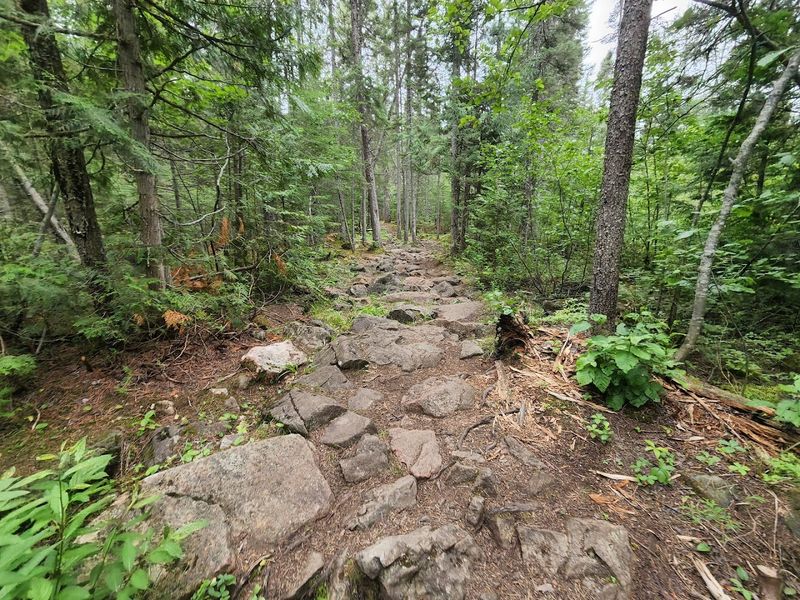
Forget scrolling your phone on this trail. Eagle Mountain demands your full attention from the first step to the last, and that is honestly part of what makes it so satisfying. The path is covered in rocks, tree roots, and uneven ground that require careful foot placement throughout.
Reviewers describe it as technical rather than brutally strenuous, meaning the challenge is more about balance and focus than raw physical endurance. Every single step needs to be placed with care.
That kind of mindful movement actually forces you to slow down and take in the forest around you.
The final mile ramps up noticeably with a steep elevation gain of around 500 to 600 feet. Your legs will know about it, but your lungs will handle it just fine if you take your time and rest when needed. Are you the type of hiker who likes trails that feel like a real journey rather than a casual stroll? This is your trail.
Hiking poles are recommended by many who have done it, especially for the descent when tired legs and loose rocks can be a tricky combination. Good footwear is non-negotiable here.
Wildlife And The Wild World Around You
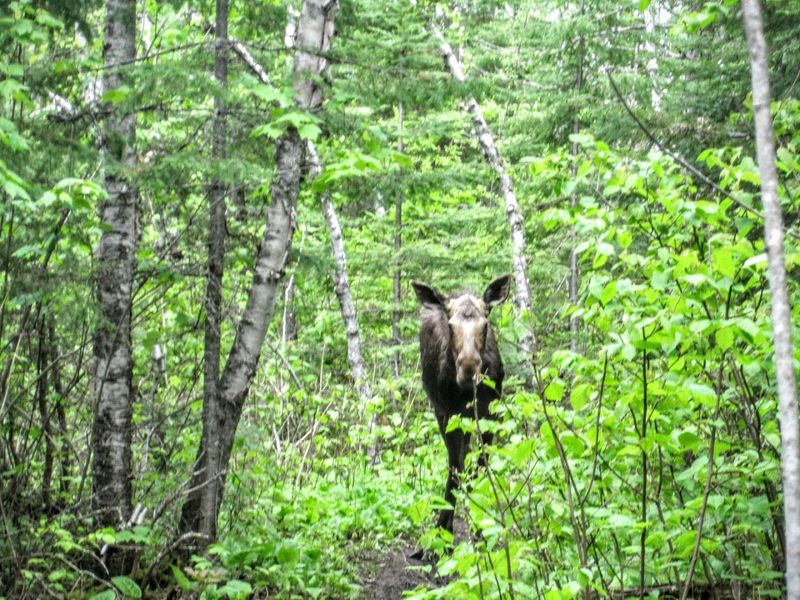
The forest surrounding Eagle Mountain is part of the Boundary Waters Canoe Area Wilderness, one of the most protected and ecologically rich landscapes in the entire country. That means the wildlife here is not shy, and the chances of spotting something memorable are genuinely high.
Birds are plentiful along the trail, especially in the early morning hours when the forest is quiet and active. The boreal forest ecosystem supports species like the common loon, various woodpeckers, and migratory songbirds that pass through during spring and fall seasons.
Deer are frequently spotted near the trailhead and along the lower sections of the trail. Smaller creatures like red squirrels and chipmunks are almost guaranteed to make an appearance, often getting surprisingly close to hikers who stop to rest on a rock.
What would it feel like to hike through one of America’s most untouched wilderness areas and have it completely to yourself at dawn? The BWCAW surrounding this trail is vast, wild, and genuinely awe-inspiring.
Tread lightly, pack out everything you bring in, and let the forest stay exactly as wild as it is.
The Panoramic Views At The Top
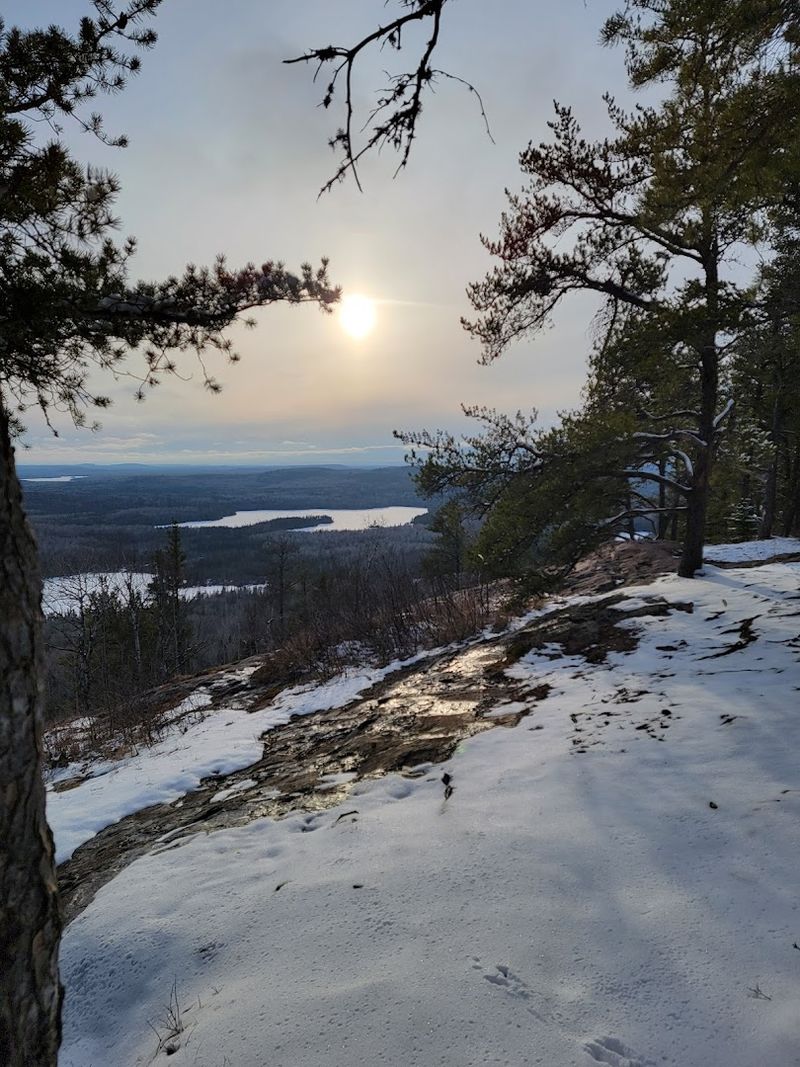
After miles of rocks, roots, and boardwalks, the summit of Eagle Mountain opens up in a way that genuinely stops you in your tracks. The views from the top are described by hikers as panoramic, breathtaking, and absolutely worth every step of the journey.
The actual high point sits a little further up from the main rocky outcropping that most people stop at. Keep walking uphill until the trail runs out, and you will find the true summit marker. Many visitors miss it entirely, so knowing to look for it ahead of time makes a real difference.
On a clear day, the wilderness stretches out in every direction with no buildings, no roads, and no signs of human life interrupting the view. It is one of those rare moments where Minnesota shows off just how wild and enormous it really is.
Sunsets from the summit are spectacular. The view is well worth the entire drive and hike. If you time your hike right and start before noon, you can enjoy the golden hour light from the t op before making your way safely back down while daylight is still on your side.
The Quiet Lake Halfway Through
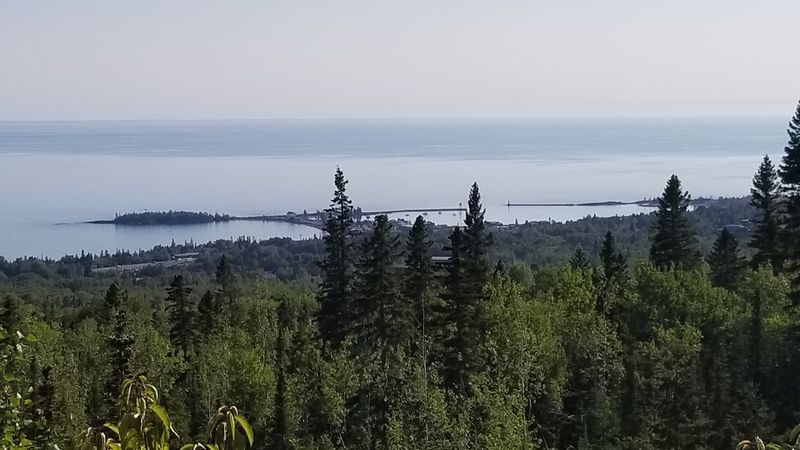
Somewhere between the trailhead and the steep final climb, the trail passes by a calm and quiet lake that feels like a natural rest stop designed by the forest itself. The water is still, the trees frame it perfectly, and the silence there is the kind that actually makes you pause.
Many hikers choose this spot to eat a snack, refill their mental energy, and appreciate the scenery before tackling the more demanding upper section of the trail. The terrain around the lake is comparatively easier than the rocky sections before and after it, making it a natural checkpoint in the journey.
Once you pass the lake, the trail gets noticeably steeper and the real climbing begins. Have you ever sat beside a backcountry lake in a protected wilderness area with no crowds, no noise, and nothing to do except enjoy where you are?
That experience is available to anyone willing to walk 3.3 miles into the Minnesota forest. Bring a small snack, sit on a rock by the water, and let the moment actually land before heading uphill for the finale.
What To Pack And How To Prepare
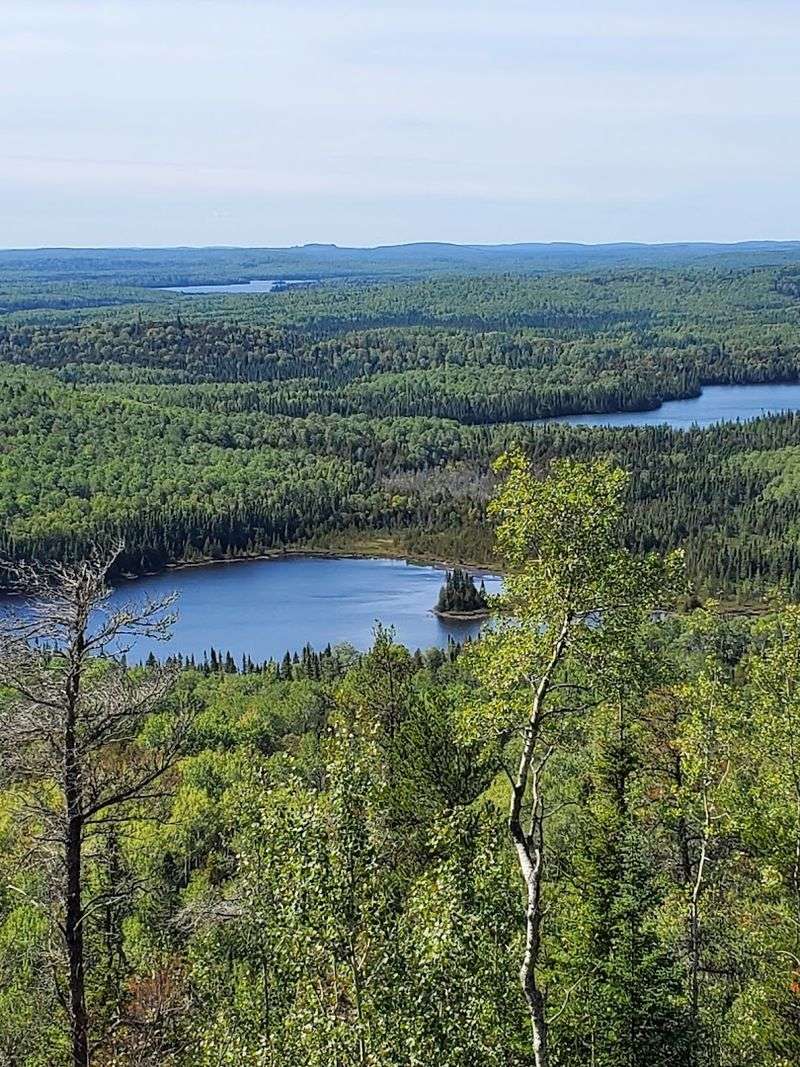
Preparation makes the difference between a great hike and a miserable one, and Eagle Mountain has a few specific needs that are worth knowing before you head out. Bug spray is seriously important. Mosquitoes at the trailhead and in the first mile can be relentless, especially in summer.
Water is essential. The hike is around 6.3 to 7 miles round trip, and the terrain is demanding enough that your body will need hydration throughout.
Bring more than you think you need and carry snacks or a full meal if you plan to spend time at the summit.
Hiking boots with solid ankle support are strongly recommended by experienced hikers who have navigated the rocky sections. Hiking poles are also a popular choice, particularly for the descent when fatigue sets in and the rocks feel less forgiving than they did on the way up.
There is no cell service at the trailhead or along most of the trail, though some hikers have reported getting a usable signal at the summit. Plan accordingly and let someone know your schedule before you go. A free day-use permit is required at the entrance kiosk, and overnight or canoe permits require a purchase.
Best Times To Visit And Getting There
Timing your visit to Eagle Mountain can shape the entire experience. Mid-May is considered a sweet spot by several hikers who found the trail in excellent condition, the trees freshly green, and the mosquito population still manageable.
Late September also delivers beautiful fall colors and cooler temperatures that make the rocky climb much more comfortable. Summer visits are absolutely doable but come with bugs and crowds.
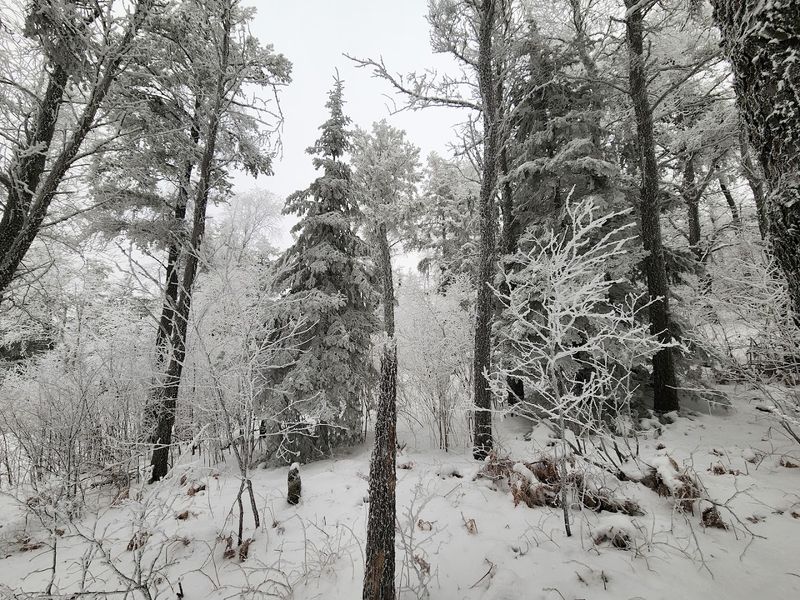
Arriving early in the morning on a weekday gives you a far more peaceful experience. Winter and early spring bring their own challenges, including early sunsets and cold temperatures. If you visit in November, starting before noon is a smart move to ensure you make it back before dark.
The trailhead is located in Grand Marais, MN 55604, and the parking lot is maintained with a hiking registry kiosk on site. Road conditions can change seasonally, and at least one approach road has been affected by construction, so checking current access routes before your trip is a practical step.
The trail is open 24 hours a day, every day of the week, which gives you plenty of scheduling flexibility.