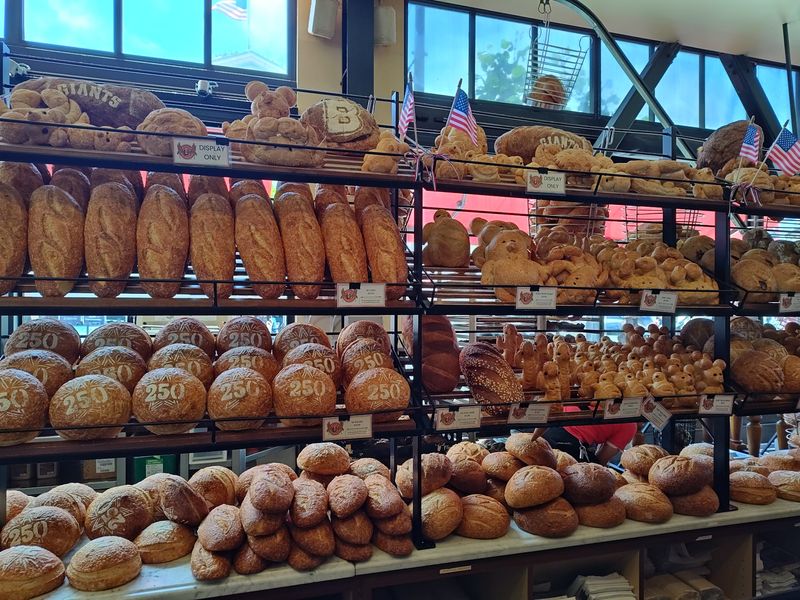
A basket of warm bread rolled right over my head on a little overhead track, and I stopped walking mid-sentence. I had only wandered in because the smell of baking crust drifted onto the sidewalk, and I figured I would grab a quick snack.
Instead I found a bakery that has been shaping loaves in California since the Gold Rush, with bakers working behind glass and a starter older than most of the state’s towns. Come hungry, because this is one stop that turns a casual walk into a real memory.
A Sourdough Landmark at 160 Jefferson Street
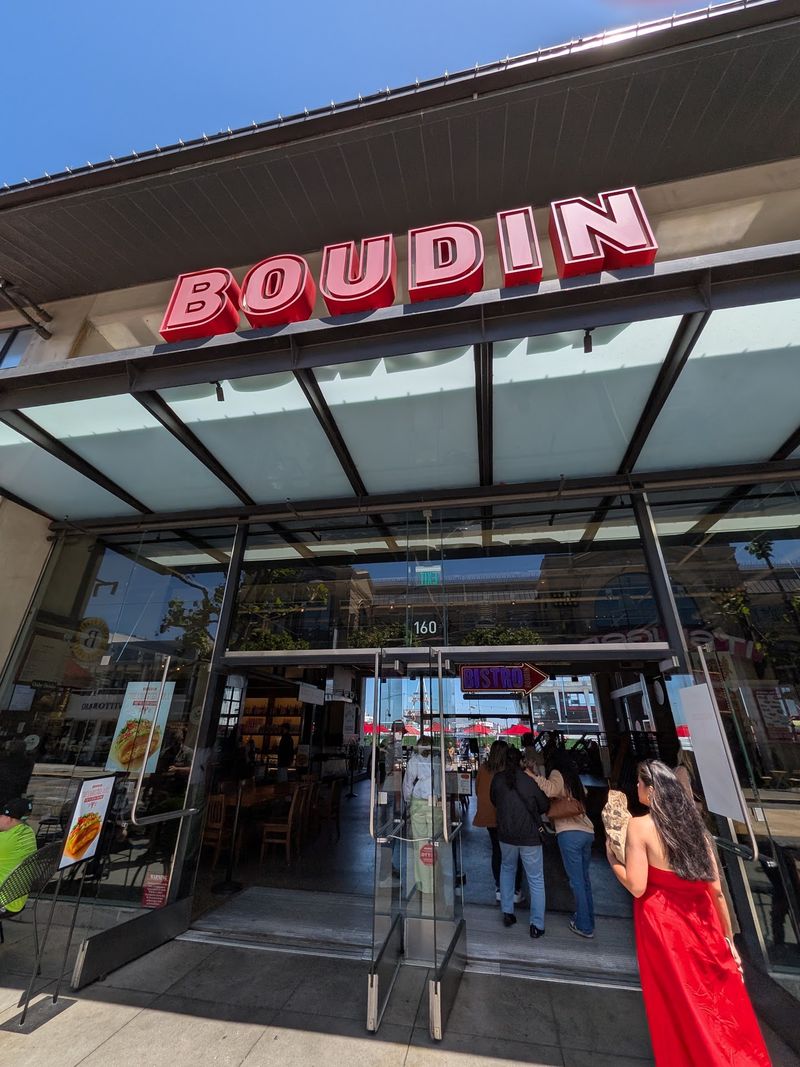
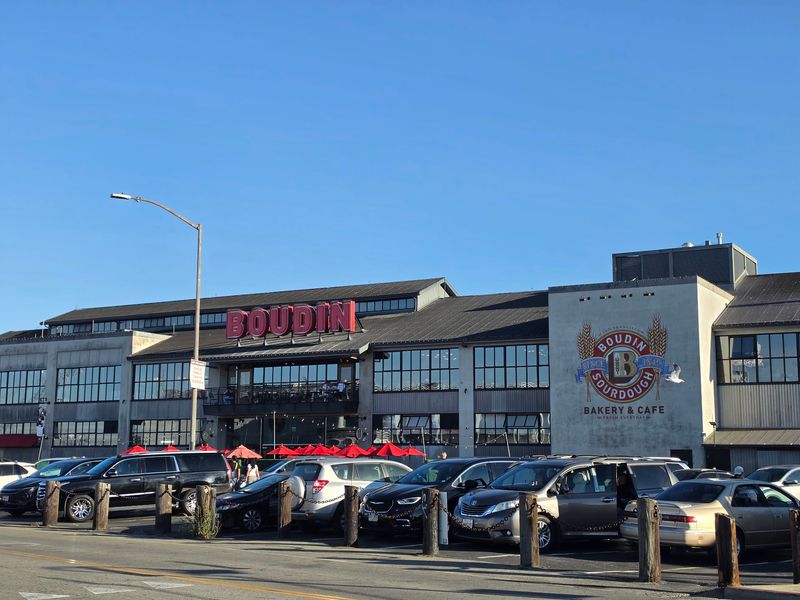
Right on Jefferson Street, in the busy heart of Fisherman’s Wharf, sits the flagship of San Francisco’s most famous bakery. Boudin opened this big waterfront home in 2005, and it quickly became a must-stop for anyone exploring the northern edge of the city.
Calling it a bakery barely covers it. Under one roof you will find a working production bakery, a small museum, a market hall packed with breads and treats, a casual cafe, and a full-service restaurant upstairs called Bistro Boudin.
Visitors often describe the layout as surprisingly easy to understand once inside, with a self-service side, a bakery side, and a more relaxed dining room on the second floor.
Walking along the Wharf, it is hard to miss. Big windows face the sidewalk, and people constantly stop to watch bakers shaping dough.
Many guests admit they never planned to go in at all. The smell of fresh bread simply pulled them through the door.
Nearby, Pier 39 and the Embarcadero are within easy strolling distance, so the flagship fits naturally into a day on the waterfront. Think of it as both a meal and a small attraction rolled into one warm, crusty package.
Isidore Boudin and the Gold Rush Beginning
Back in 1849, while fortune seekers poured into California hunting for gold, a master baker from Burgundy, France, had a different kind of treasure in mind. Isidore Boudin set up shop in San Francisco and started baking.
His timing was clever. Miners had already been using sourdough starters, since commercial yeast was hard to come by out West.
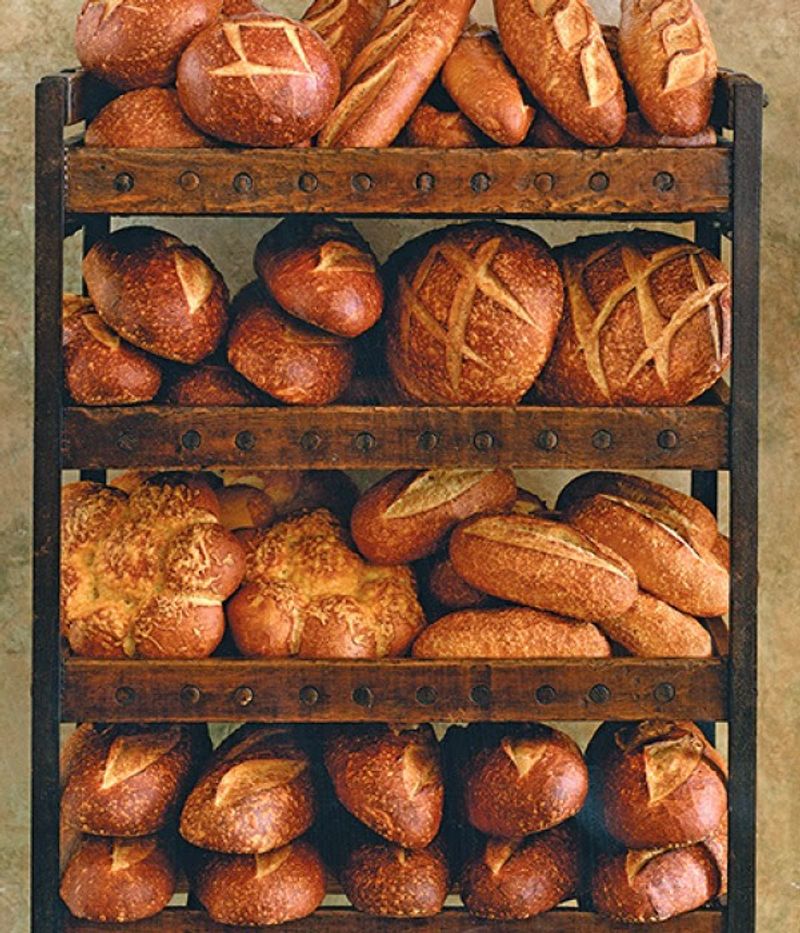
Isidore combined those rugged frontier habits with the careful techniques he had learned in France. The result was a loaf with a crackly crust, a chewy center, and a tangy flavor that stood apart from anything else in town.
That blend of old-world skill and Gold Rush grit gave birth to what the company now trademarks as The Original San Francisco Sourdough. It also made Boudin the oldest continuously operating business in the city, a title few places anywhere can claim.
Fun fact: the bakery has been running longer than California has been a state. Statehood arrived in 1850, a year after Isidore fired up his ovens.
So when you bite into a slice here, you are tasting a recipe that predates the Golden State itself.
The Mother Dough That Survived 1906
Every loaf at Boudin carries a little piece of history, and that is not just a nice slogan. A portion of the original mother dough from 1849 is still worked into the bread baked today.
So what exactly is mother dough? It is a living starter made of flour and water that captures wild yeast and friendly bacteria.
Bakers feed it, keep a bit, and use the rest to raise new loaves. Done carefully, one starter can keep going for generations.
The most famous chapter came in 1906, when the great San Francisco earthquake and fires swept through the city. Louise Boudin, Isidore’s wife, rescued the precious starter and carried it to safety.
Thanks to her quick thinking, the same culture kept going when the bakery rebuilt.
Since then, the business has weathered more fires, earthquakes, recessions, and even pandemics without abandoning its traditional methods. Today the mother dough is cared for right here at the Fisherman’s Wharf flagship.
Staff even mention it proudly when guests rave about the bread. It is a small bucket with a very big story, and it makes each bite feel a bit more meaningful.
Fog, Wild Yeast, and That Famous Tang
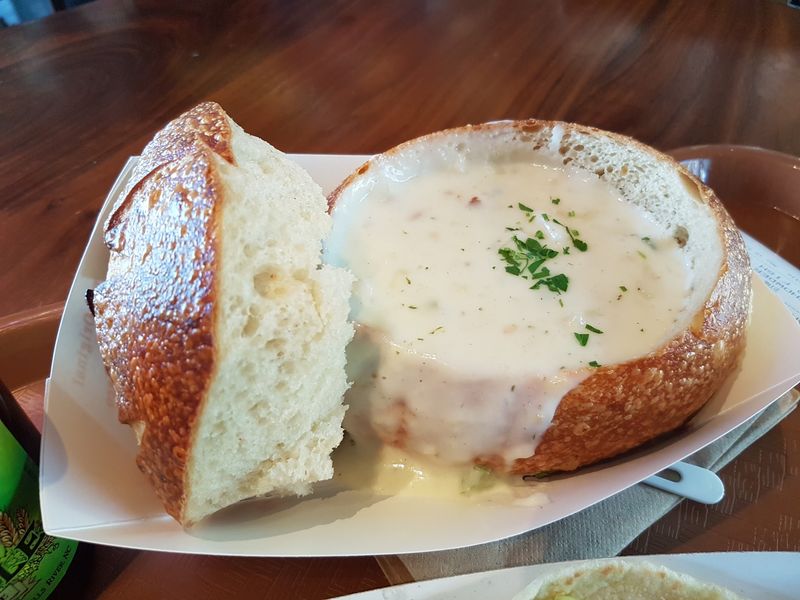
Blame the fog. Or better yet, thank it.
San Francisco’s cool, damp climate plays a surprising role in the flavor of Boudin’s bread.
The recipe itself is almost shockingly short: flour, water, salt, and mother dough. No fancy additives.
The magic comes from tiny living helpers inside the starter, including local wild yeast and a bacteria called Lactobacillus sanfranciscensis. Yes, it is literally named after the city.
That bacteria thrives in the local climate and produces the sharp, tangy taste people associate with real San Francisco sourdough.
According to the bakery, this exact flavor cannot be copied elsewhere. Bakers in other places can make good sourdough, of course, but the particular mix found in the Bay Area gives this bread its signature personality.
Guests describe the results in happy detail. Many call the crust crispy and the inside soft and full of flavor.
Some say it is among the best bread they have ever tasted. The chewiness holds up to hearty soups, too, which becomes important when you see what the kitchen does with it.
Science class never tasted this good.
Bakers on Display Behind 30 Feet of Glass
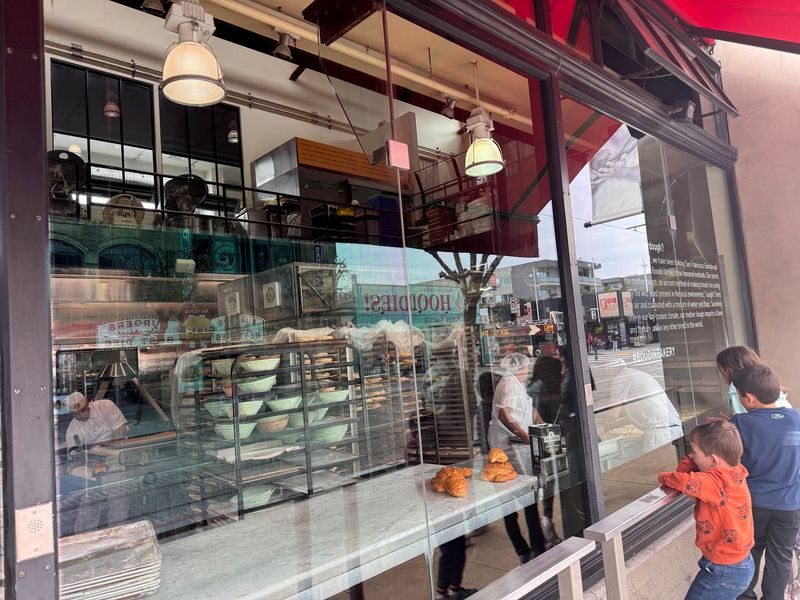
Forget velvet ropes and guided tours. At Boudin, the show happens right through the window, and admission is free.
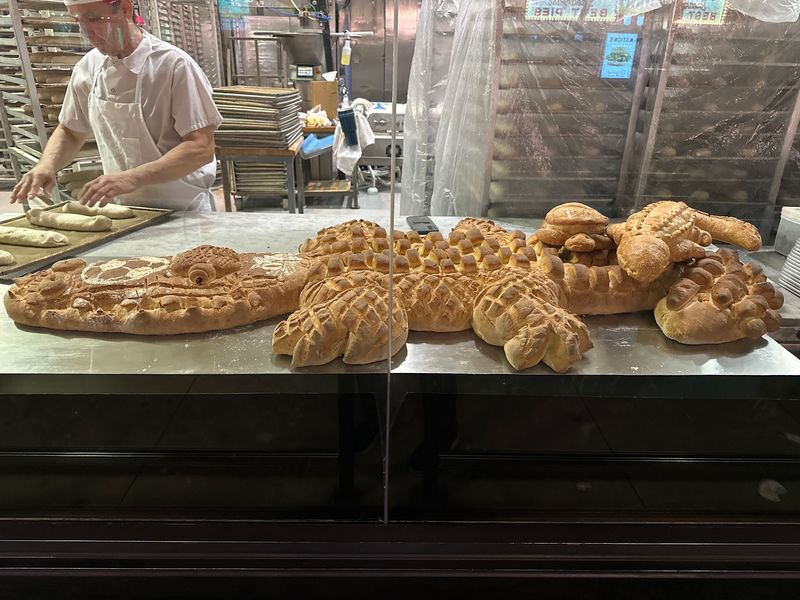
A 30-foot observation window lets passersby watch bakers shape dough by hand, from simple rounds to playful animal shapes. Kids press their noses to the glass while parents snap photos.
Plenty of visitors say this window is exactly what lured them inside in the first place.
Even better, there is a two-way intercom system, so you can actually chat with the bakers and ask questions while they work. Curious how they form a turtle loaf?
Wondering how long the dough rises? Just ask.
From the waiting area, guests can also see the bakers at work while reading historical details posted on the walls. It makes a short wait feel less like standing around and more like a mini lesson in bread making.
What stands out is the honesty of it all. Nothing is hidden in a back room.
You see flour flying, hands folding dough, and trays heading toward the ovens. Watching skilled people do their craft up close has a way of making the finished loaf taste even better.
Overhead Bread Baskets on the Move
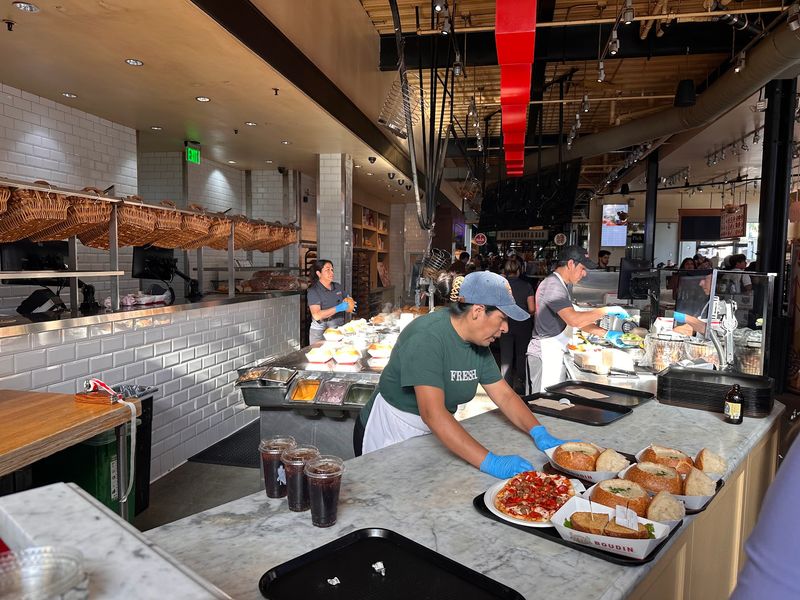
Look up. Seriously, do it.
One of the quirkiest sights inside the flagship is happening above your head.
A rail system carries baskets of freshly baked bread through the shop and bakery, gliding along like a tiny delivery train. Loaves travel from the ovens toward the market hall and cafe, giving guests a real-time look at how bread moves through a working bakery.
Visitors love it. People describe the building as full of interesting and eye-catching things, and the moving baskets top most lists.
There is something oddly charming about watching a crusty loaf sail past while you are waiting for lunch.
For younger visitors, it can feel a bit like an amusement park ride for bread. Children point, count baskets, and try to guess where each one is headed.
Adults, honestly, do the same thing.
Beyond the fun, the system shows off how much bread this place produces every day. It is not a gimmick added for decoration.
The baskets are doing real work, keeping shelves stocked and kitchens supplied. Still, it is hard not to smile when your future sandwich rolls by overhead on a little metal track.
Clam Chowder in a Sourdough Bowl
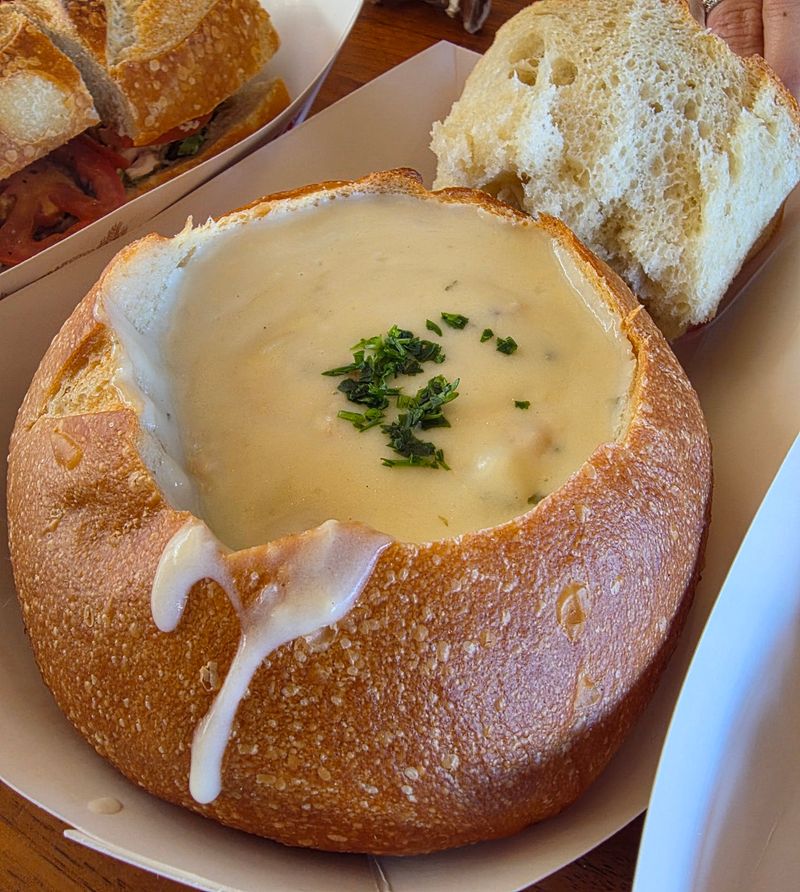
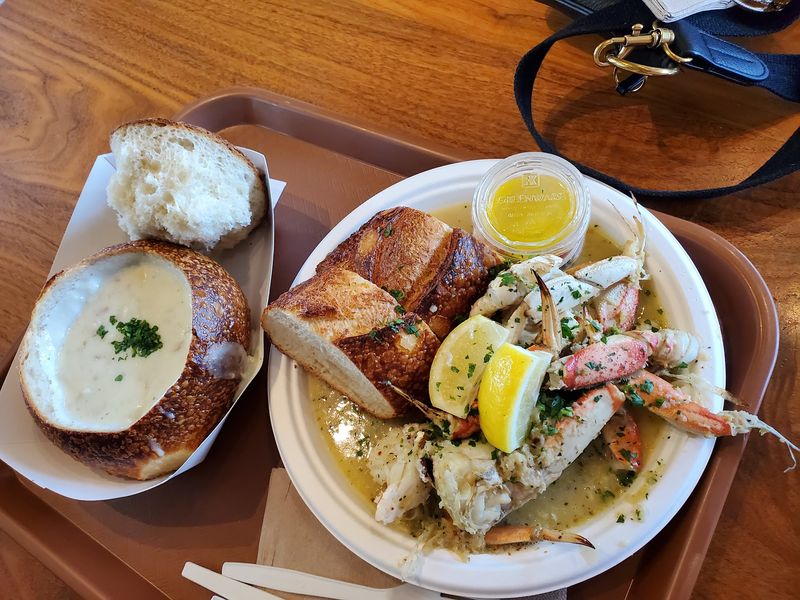
Ask almost anyone what to order here and you will hear the same answer. Clam chowder in a sourdough bread bowl is the star, hands down.
The idea is simple and brilliant. Bakers hollow out a round loaf, fill it with creamy chowder, and pop the bread lid on the side for dipping.
Guests describe the soup as rich and comforting, while the chewy crust holds its shape and soaks up flavor without falling apart too fast.
On a chilly, windy Wharf day, a warm bowl can turn the whole afternoon around. Many visitors call it one of the most iconic meals in the city and say it never fails to impress them.
Not a clam fan? No problem.
Other soups fill the bowls too. Diners mention crab soup, crab and corn, crab cheddar, rustic tomato, and chili.
One guest crowned the crab soup the best thing they tried. Opinions on the tomato soup vary, while the chowder remains the crowd favorite.
Tip: portions are big. Some people share one bowl, especially if a sandwich comes along in a combo meal.
Crab Sandwiches, Cioppino, and Waterfront Flavors
Fisherman’s Wharf practically begs for seafood, and the kitchen answers with plenty of it. Dungeness crab shows up across the menu in a variety of forms.
The crab sandwich earns especially warm praise. One diner who came mainly for bread said the sandwich surprisingly became the favorite, describing it as light, creamy, and full of fresh, sweet crab.
Others enjoyed a Dungeness crab cake appetizer before digging into their soup bowls.
Cioppino, the tomato-based seafood stew with deep San Francisco roots, is another dish guests bring up often. Upstairs, diners also mention garlic clams, fried calamari, pizza, and even a well-cooked rib eye steak, so the menu stretches well beyond soup.
Not every item wins universal applause. A lobster roll, priced at around $36 according to one visitor, left that guest wishing for a bigger portion.
Some experiences upstairs have been uneven, too.
The smart move seems clear. Lean into what the place does best: crab, sourdough, and anything that pairs those two together.
A crusty loaf on the side of a seafood dish just feels right when the bay is sparkling nearby.
Brownies, Cookies, and Bread in Funny Shapes
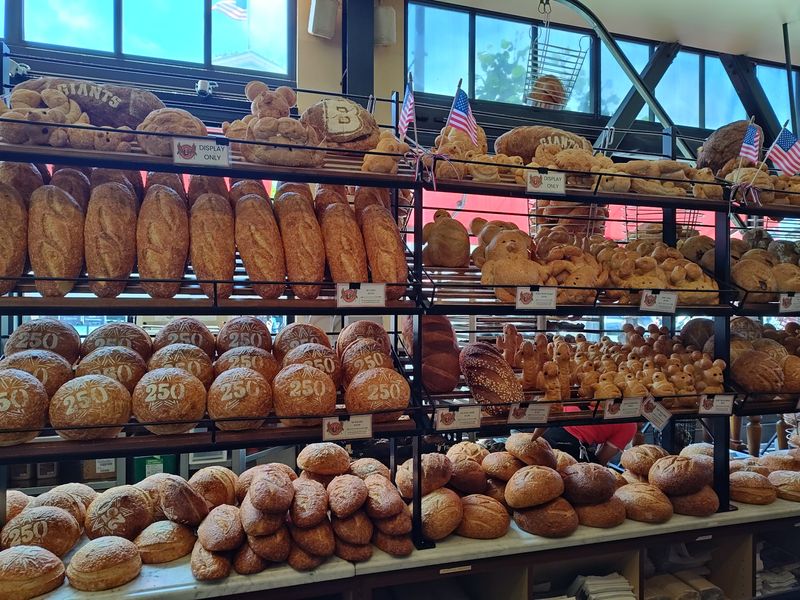
Save room. That is the best advice for anyone heading to the bakery counter, where the treats can wreck even the firmest plans.
Brownies get a lot of love, including a peanut butter version one family called amazing. Chocolate chip cookies arrive warm, and one guest who almost skipped dessert said the cookie was worth squeezing in.
Coffee cake, croissants, and tomato focaccia also make appearances on happy trays.
Then there are the shaped loaves. Bakers form sourdough into playful animals and fun designs, and kids go wild for them.
One parent shared that the children loved the shaped breads more than anything else they tried.
The market hall also carries meats and cheeses, making it easy to build a casual picnic. Pair a loaf with a few selections and head outside to enjoy the waterfront.
One visitor joked that her bakery-obsessed husband tried to buy everything in sight. Honestly, it is an understandable reaction.
With glass cases full of fresh bakes and pastries lined up beside the observation window, the temptation is real. Go ahead and grab something extra for the walk to Pier 39.
Museum Walls, Souvenirs, and Bread to Fly Home
History buffs, this part is for you. The flagship houses a museum that tells the intertwined story of sourdough and San Francisco, from Gold Rush days onward.
Historical details also line the walls of the waiting area near the bakers, so even a short wait becomes a chance to learn something. You might discover how starters traveled with miners or how the bakery bounced back after the 1906 disaster.
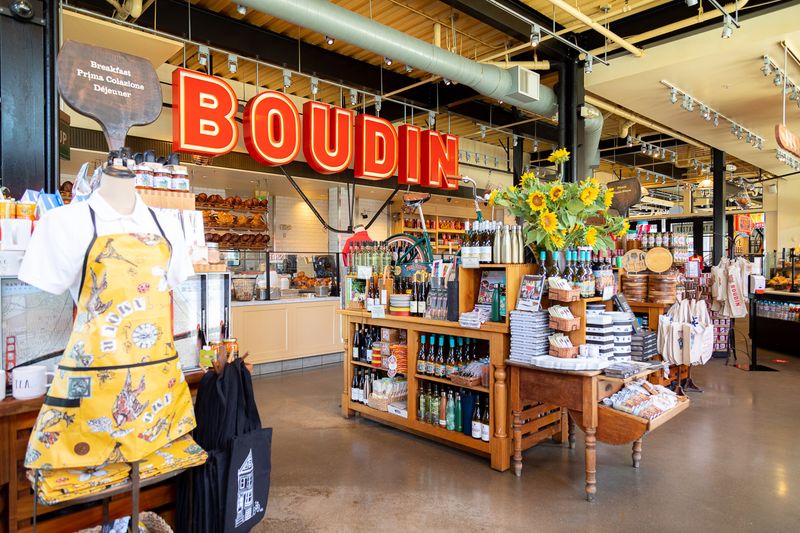
Once your curiosity is satisfied, the souvenir shop is ready. Guests describe it as fantastic, filled with unique gifts that go beyond typical tourist trinkets.
It is an easy spot to pick up presents for friends back home.
Perhaps the cleverest offering is bread designed for travel. One group happily took advantage of the bread to travel idea, carrying loaves home on the plane.
Imagine unpacking your suitcase to find real San Francisco sourdough waiting inside.
For day-trippers from elsewhere in California, a fresh loaf makes the perfect edible souvenir. It tastes better than a keychain, and your family will definitely thank you at breakfast the next morning.
Just try not to eat it all in the car.
Busy Energy and Seagull Company
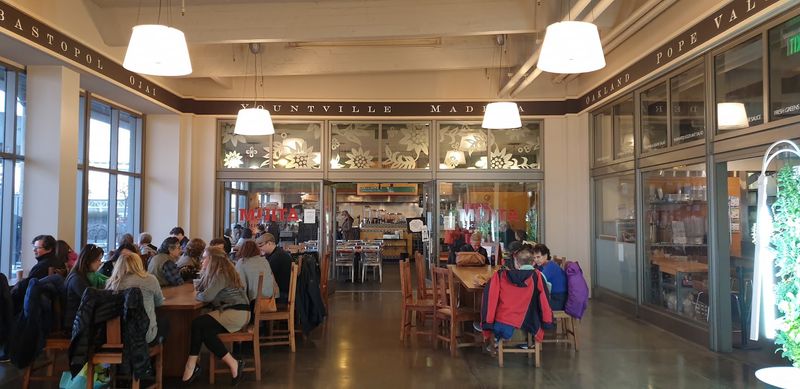
Expect a buzz. The flagship is lively, loud in a cheerful way, and full of people from all over the world who came for the same crusty reason.
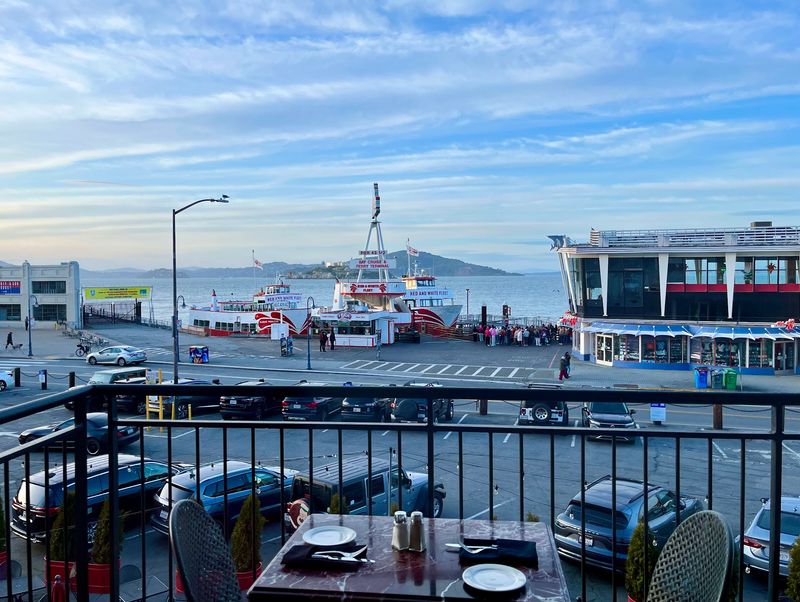
Guests often describe the vibe as fun and very San Francisco, with views of the bay and a sense that the whole Wharf is humming around you. The first floor splits into a self-service cafe on one side and a bakery on the other.
Upstairs, Bistro Boudin feels calmer and more comfortable for a proper sit-down meal, and diners call the room beautifully decorated.
It suits nearly everyone. Families appreciate kid-friendly bread shapes, couples enjoy the upstairs dining room, and solo travelers can grab a quick lunch between sights.
Outdoor seating is popular when indoor tables fill up. A friendly warning, though: seagulls and other birds notice food fast.
Keep an eye on your bread bowl, or a feathered neighbor might try to share it.
Staff generally earn praise for being friendly and quick, even during rushes. Most guests find a table without much trouble, since the building is large with plenty of seating throughout.
Hours, Prices, and Getting There
Planning ahead makes a big difference here. The flagship opens daily at 11:30 AM.
It closes at 9 PM Sunday through Thursday and stays open until 10 PM on Friday and Saturday.
Lunchtime crowds can be serious. Some guests walked right in on a weekend and got seated immediately, while others waited around 25 minutes for the upstairs restaurant.
In the cafe, you order at the register, then collect food at a pickup counter when your number is called. One visitor noted the pickup area sits at the far end of the building, so listen carefully and head there directly.
Prices lean toward the higher side, which fits the Wharf location. One group of three spent about $65 on food and drinks at the cafe.
Many visitors still feel the experience justifies the cost, especially for the signature bread bowls.
Getting there is easy if you are already exploring the waterfront. The address is 160 Jefferson Street, a short walk from Pier 39 and the Embarcadero.
Arriving right at opening or during a mid-afternoon lull can help you dodge the biggest lines.
Worth a Warm Loaf This Weekend
Some meals fill you up. Others leave you with a story.
A visit to Boudin manages to do both, which is a rare trick for a spot sitting in one of the busiest tourist areas in California.
Is every dish perfect? Not quite.
A few menu items get mixed reactions, and the crowds can test your patience. But the bread itself rarely disappoints.
Visitors keep coming back for the sourdough, the chowder bowls, and the crab sandwich, and that consistency speaks volumes.
What truly sets the flagship apart is the whole package. You watch bakers through the glass, spot baskets gliding overhead, learn about a starter rescued in 1906, and then taste bread made from that very culture.
Few places let you see, hear, and eat history in a single hour.
Cool, foggy weekends are ideal, when a steaming bread bowl feels like a hug. Pair it with a stroll to Pier 39 or along the Embarcadero, grab a loaf for the drive home, and you have a simple, satisfying day trip.
The ovens will be warm and waiting.