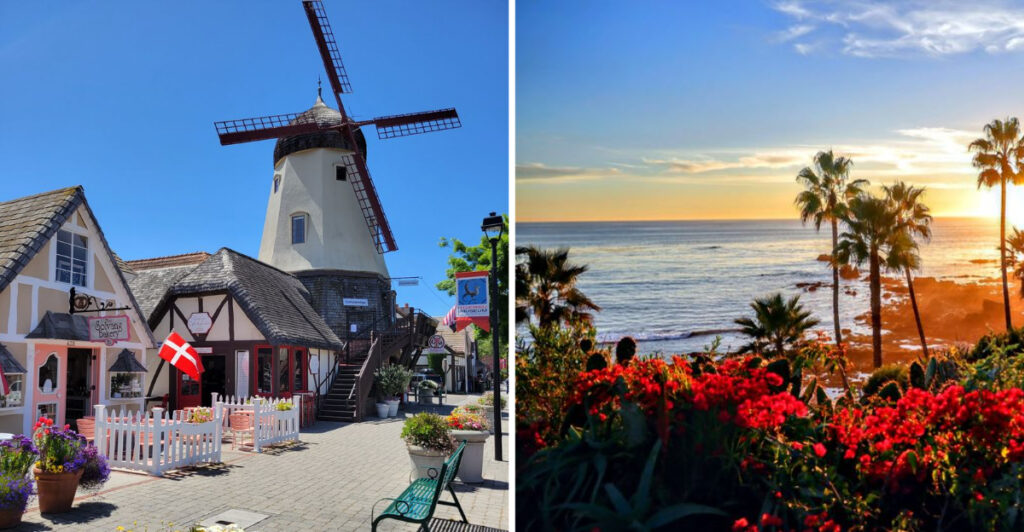
Pack the bag. Los Angeles has ten weekend escapes within three hours.
That is close enough to trade the city for a completely different setting before dinner. One route can bring mountain air, another can lead toward the coast, and a short getaway can feel much bigger than the mileage suggests.
Traffic still likes to interfere, especially on Fridays and holiday weekends, so leaving early helps. Mountain weather and roadwork can also stretch the drive.
The good news is that California gives you plenty of directions to choose from without sacrificing the whole weekend to the highway.
You can keep the plan simple. Pick the mood, grab a small bag, and go.
The hardest part is not getting there. It is deciding which escape gets this weekend.
1. Ojai
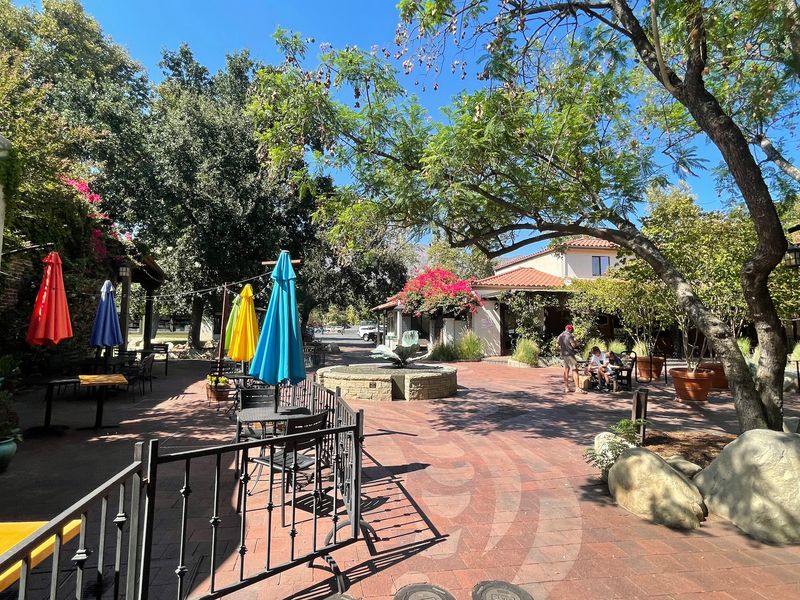
Orange groves begin replacing freeway scenery as the road moves deeper into the valley.
Spanish-style architecture, independent shops, bakeries, galleries, and a landmark post office tower gather around a compact downtown that is easy to explore without much of a plan.
This is Ojai, a small Ventura County escape where Pixie tangerines become a local specialty during their spring harvest season.
For a slower morning, the Ojai Valley Trail offers an easy way to move through the valley, while surrounding foothill routes climb toward the Topatopa Mountains. Summer afternoons can run hot, so earlier walks leave more room for a long lunch afterward.
Downtown is small enough that you can browse without turning the outing into a project. Stop for coffee, look through a bookstore, wander under the arcade, and then decide whether the next hour belongs to the trail or another bakery counter.
The surrounding valley also gives the town room to breathe. Citrus groves, dry hills, and quiet roads appear only minutes from the center, so a short drive can quickly move you away from the shops and back into open scenery.
Then comes the light show.
The town is known for the “Pink Moment,” when sunset can wash the surrounding mountains in rosy color. That is a good time to stop checking the clock.
2. Santa Barbara
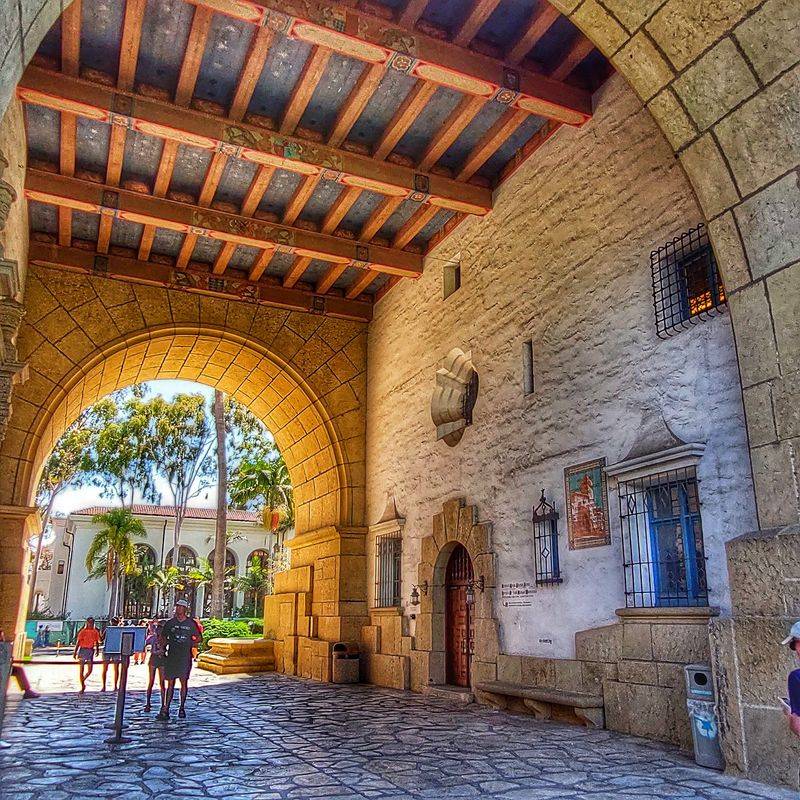
Red tile roofs appear first.
Then comes the white stucco, the palms, and finally the Pacific stretching beyond the end of downtown.
About 95 miles from Los Angeles, Santa Barbara combines a walkable center with beaches, a working harbor, and some of Southern California’s most recognizable Spanish Colonial Revival architecture.
State Street runs toward the waterfront, while the historic courthouse offers tower views across the city and toward the mountains.
Stearns Wharf extends over the water at the end of State Street, and Butterfly Beach sits farther east in Montecito. The Santa Barbara Botanic Garden adds native California plants and shaded trails when you want a break from the waterfront.
The city also makes it easy to split a day into different moods. Morning can belong to downtown, lunch can move toward the harbor, and the final hours can disappear at the beach without much driving between stops.
If you want a little more history, the Mission and courthouse area add another layer beyond the shoreline. If you would rather keep things simple, a walk between State Street and the waterfront can fill more of the afternoon than expected.
Parking can tighten during busy periods, so arriving earlier leaves more of the day for wandering.
Two hours on the road can put the Pacific back in charge of the schedule.
3. Solvang
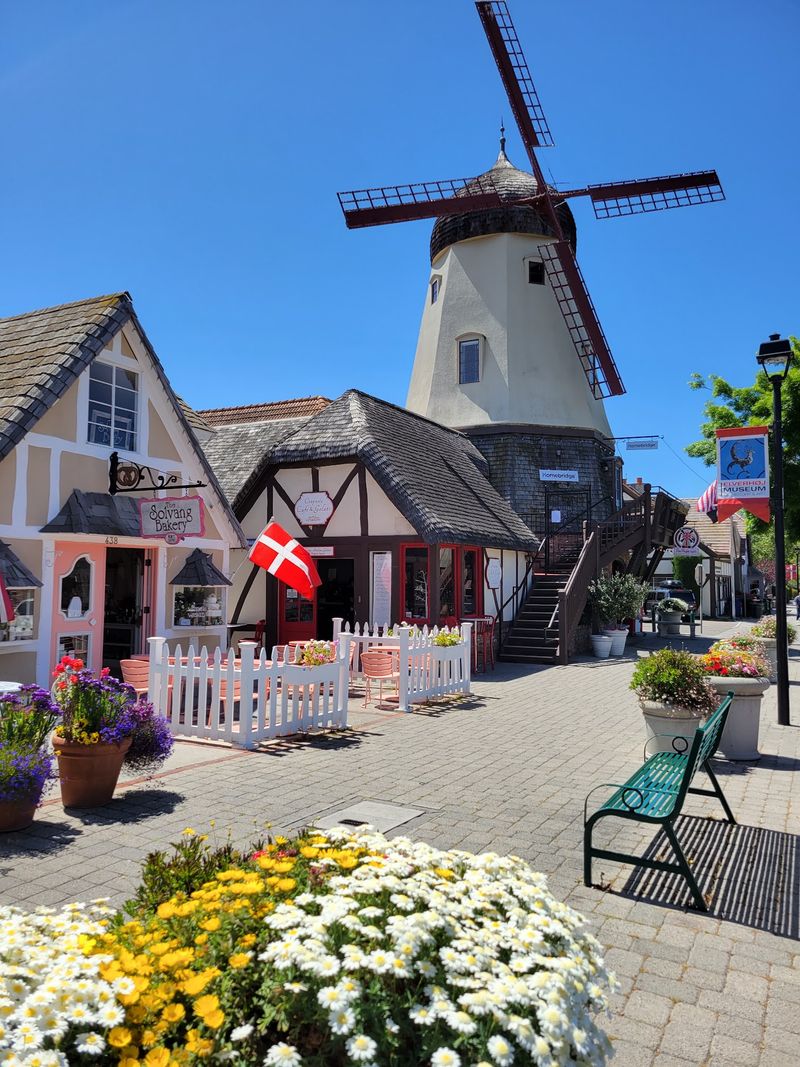
A working windmill beside a California road is usually a clue that the weekend has taken an interesting turn.
Half-timbered buildings follow, then bakery windows, Danish flags, and streets where pastries are considerably harder to ignore than traffic signs.
Founded by Danish Americans in 1911, Solvang keeps that heritage visible across its architecture, museums, shops, and food traditions.
Æbleskiver remain one of the signature treats, served as round Danish pancake balls commonly paired with powdered sugar and jam.
Copenhagen Drive is an easy place to start, but the town’s history reaches beyond pastry windows. Elverhøj Museum explores local heritage, while the Hans Christian Andersen Museum adds another Danish connection.
You can also slow the pace by simply walking. The compact center rewards short detours, and the next windmill, bakery, garden, or small museum is rarely far away. That makes it easy to spend an hour doing almost nothing planned and still see plenty.
The surrounding Santa Ynez Valley quickly shifts from compact streets to ranch roads, oak-covered hills, and open countryside.
A short walk downtown can turn into a scenic drive before you have finished debating the next bakery stop.
Stopping at one pastry is technically possible.
4. Palm Springs
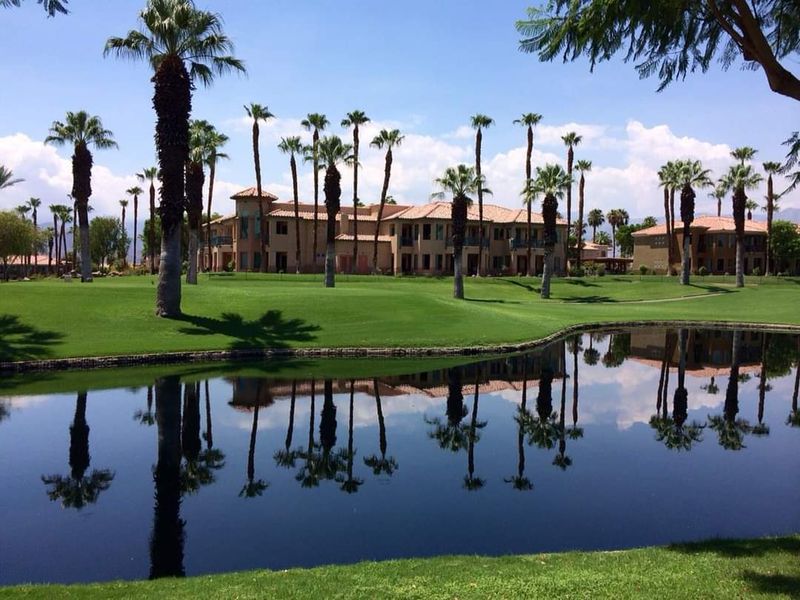
The architecture gives this one away before the road signs do.
Low-slung homes, sharp rooflines, desert landscaping, and mountain backdrops start appearing as the Coachella Valley opens around you.
Palm Springs has made midcentury modern design one of its signatures, with self-guided architecture routes running through neighborhoods filled with distinctive homes and landmarks.
Palm Canyon Drive keeps restaurants, galleries, shops, and downtown attractions close together.
Then there is the Palm Springs Aerial Tramway. It travels more than two miles through Chino Canyon and reaches Mountain Station in about ten minutes, trading desert heat for significantly cooler mountain air.
Indian Canyons adds palm oases and hiking routes, while Palm Springs Art Museum offers another downtown stop.
The change in elevation gives you two very different landscapes in one day. You can begin beneath palms on the desert floor, ride into cooler mountain air, and be back downtown before dinner.
Early mornings are useful for desert walks during warmer months, while the afternoon can shift toward museums, shops, or a slower meal indoors.
Spring and fall usually make outdoor exploring easier, but even a hotter weekend can work if the schedule follows the temperature.
Breakfast, architecture, a mountain ride, and a desert trail can all fit comfortably into the same weekend.
The desert may be warm. Your jacket may still get the last laugh.
5. Joshua Tree National Park
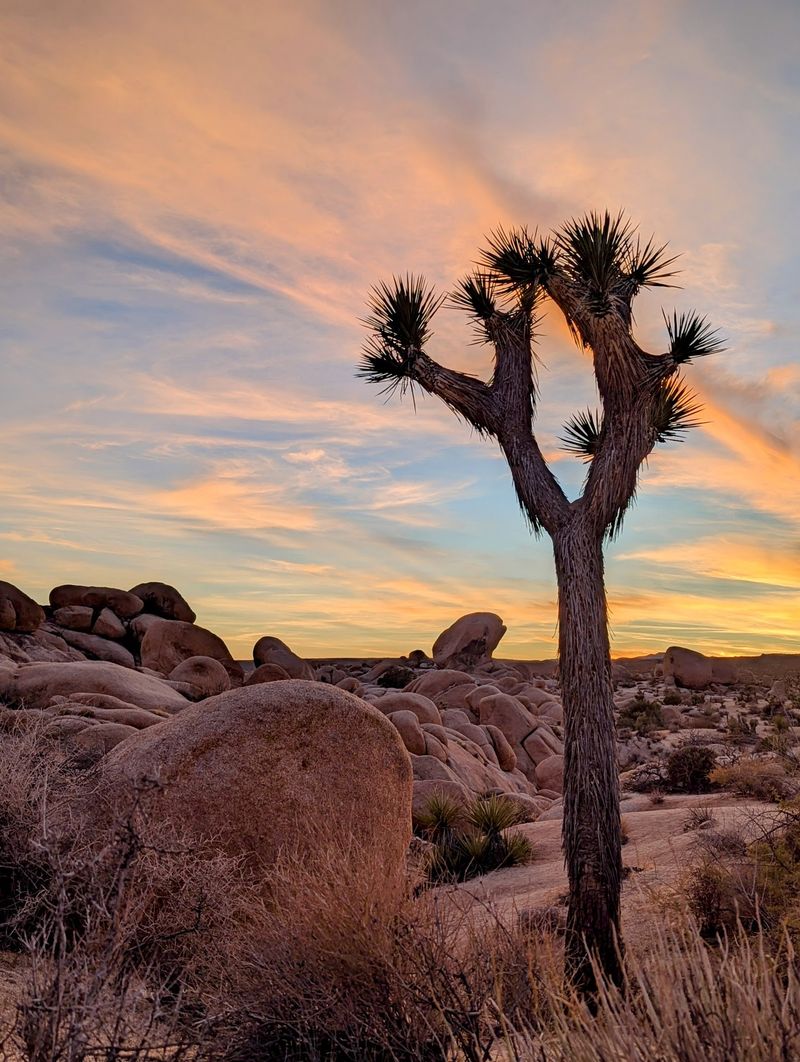
Boulders arrive first, stacked in formations that look almost too deliberate to be natural.
Then the trees begin appearing, with twisted branches and spiky leaves giving the landscape its unmistakable silhouette.
By the time Joshua Tree National Park fully surrounds the road, Los Angeles seems considerably farther away than the mileage suggests.
Hidden Valley offers a short loop through boulder formations, while Barker Dam combines desert scenery with a historic water feature. Farther south, Keys View opens across the Coachella Valley and surrounding desert.
Short trails make it possible to see several different corners of the park in one day, but the distances between major stops add up quickly. Leaving extra time between hikes keeps the drive from becoming a race from one parking area to the next.
Sunrise and late afternoon also change the rocks dramatically, with shadows stretching between boulders and the desert taking on warmer color. Even travelers who are not serious hikers can build a full day around scenic stops and shorter walks.
The practical side matters here.
Food, fuel, lodging, and most services are unavailable inside the park, cell coverage is limited across much of it, and water is not available through the interior. Supplies need to come with you.
That preparation pays off after sunset, when the desert sky becomes another reason to stay past the final hike.
Download the map first. The rocks are not going to provide directions.
6. Big Bear Lake
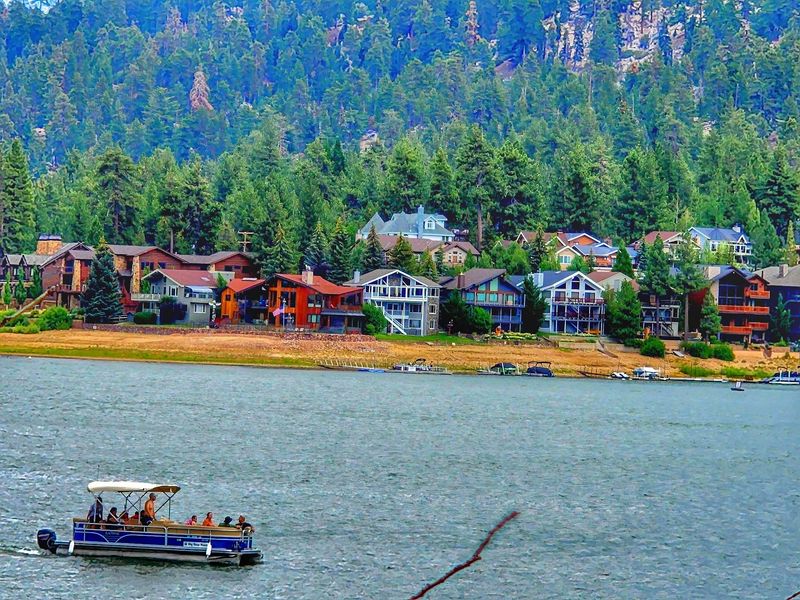
Roll down the window on the mountain road.
The air changes first, followed by pine trees, higher elevations, and glimpses of water between the slopes.
Eventually, Big Bear Lake comes into view and the weekend starts looking very different from the one you left behind in Los Angeles.
Warm-weather trips bring boating, paddling, hiking, and time beside the lake. Winter changes the entire picture with skiing, snow play, and cold-weather mountain activities.
The Village serves as the walkable center for shops and restaurants, while Castle Rock remains one of the area’s better-known hiking routes. Seasonal trolley service also connects the Village with several trailheads during warmer months.
A summer weekend can stay entirely near the water, or you can mix lake time with a morning hike and an evening walk through the Village. In autumn, cooler air and changing foliage give the same streets a different look before winter arrives.
Wildlife adds another seasonal reason to pay attention. Bald eagles winter around the lake, and the surrounding forest remains a big part of the experience even when you are not on a trail.
Winter requires more preparation. Road conditions can change quickly during storms, and approved traction devices may be required on mountain highways.
A beach bag will not help much here in January. That is exactly the point.
7. Idyllwild
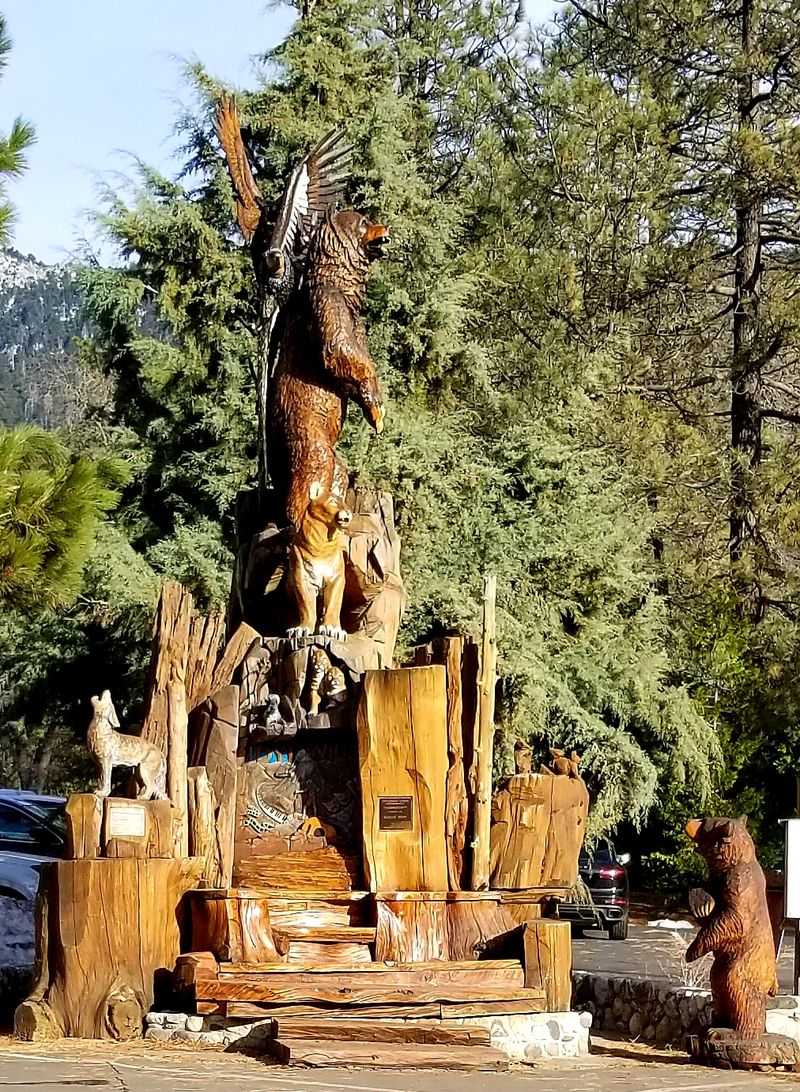
Nothing rushes to introduce itself here.
The road winds upward through cedar and pine forest, storefronts stay small, and the mountains do most of the decorating.
High in the San Jacinto Mountains, Idyllwild keeps its focus on hiking, climbing, art, cabins, and a compact town center.
Tahquitz Rock and Suicide Rock rise nearby and have long-standing connections to Southern California climbing. Trails range from gentler forest walks to more demanding mountain routes, with wilderness permits required for some areas.
The center of town stays easy to wander, with galleries, small shops, places to eat, and mountain-town storefronts clustered close together. You can spend the morning on a trail and still have plenty of afternoon left for a slower walk through town.
Cabins and wooded roads are part of the appeal too. This is the kind of getaway where a porch, a mug of coffee, and a quiet hour can take up just as much space on the schedule as a hike.
Then there is the mayor.
The town’s honorary mayor is a golden retriever, continuing a canine mayoral tradition that began with a local fundraising election in 2012.
Winter can bring snow and changing road conditions on Highway 243, so weather deserves a check before departure.
Some weekends need a full itinerary. This one is perfectly comfortable without one.
8. Ventura
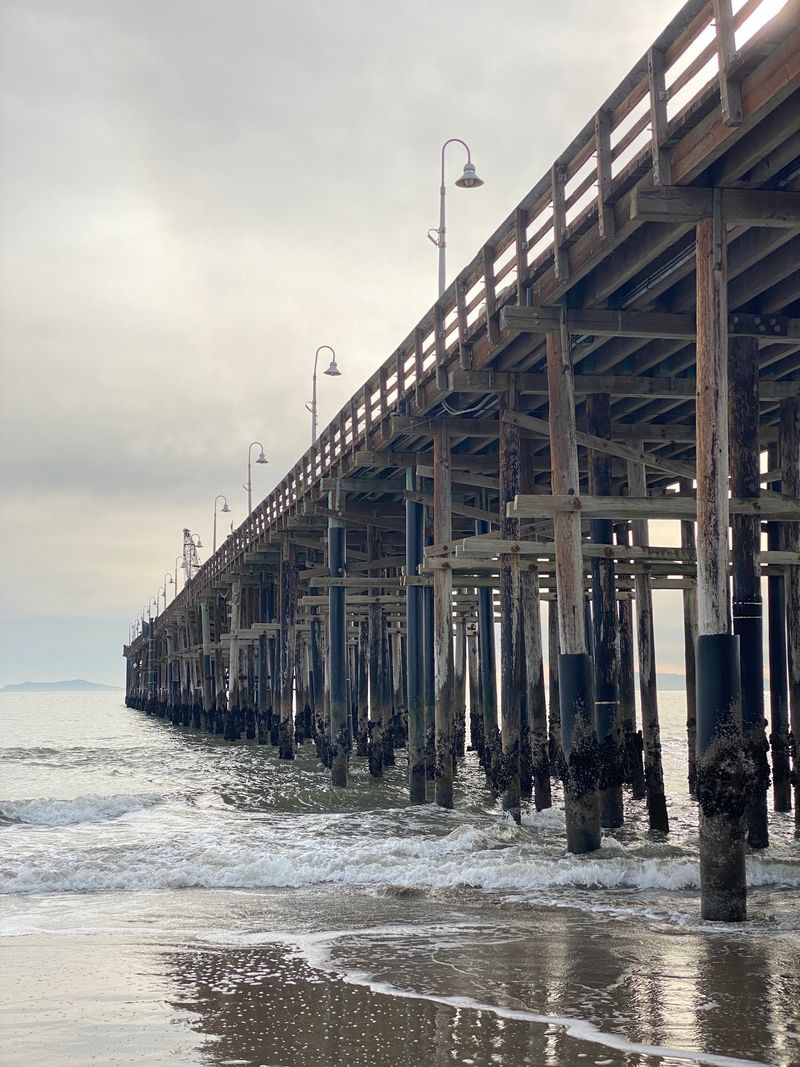
Start with the wooden pier.
Walk toward downtown, let Main Street pull you past shops and historic buildings, then decide whether the harbor deserves the rest of the afternoon.
That loose coastal rhythm belongs to Ventura, where downtown and the Pacific sit close enough together to share the same walking day.
Mission San Buenaventura anchors part of the historic center, while Surfers Point offers another easy place to watch the shoreline.
The harbor opens a much stronger possibility.
Ventura serves as a mainland gateway to Channel Islands National Park, with authorized passenger boats departing for islands including Anacapa and Santa Cruz.
Those trips require advance planning because schedules vary and transportation options on the islands are limited.
Staying on shore still leaves plenty to do. The pier, promenade, harbor, and downtown can fill a relaxed weekend without adding another major drive, and the beach is never far from the next coffee stop or meal.
The downtown farmers market brings regional produce into the city, while the waterfront and harbor keep seafood close to the route.
You can keep the weekend entirely on the mainland. Or let a boat completely rewrite Saturday.
9. Laguna Beach
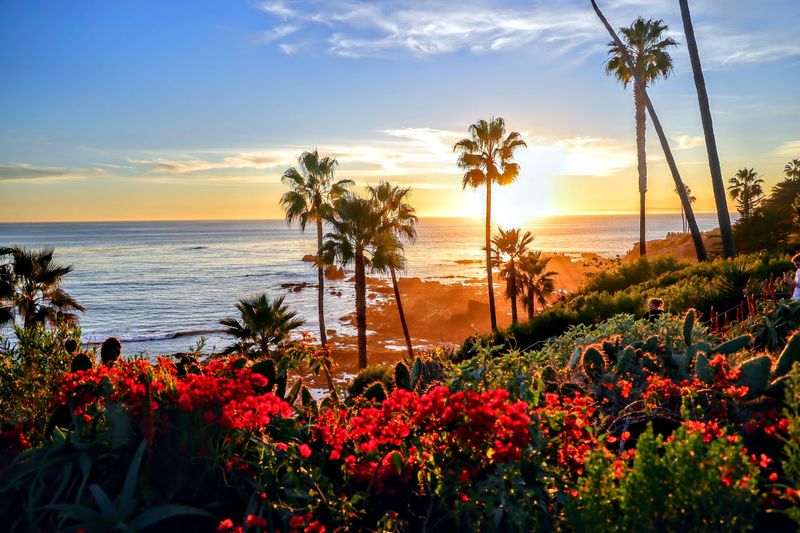
Start above the water instead of beside it.
Cliffside paths at Heisler Park look across coves, beaches, and sections of rocky coastline where the ocean keeps finding new angles.
Farther down, tide pools reveal another side of Laguna Beach when conditions allow, with Crescent Bay, Diver’s Cove, and Shaw’s Cove among the local coastal stops.
Downtown stays compact enough to explore on foot, with galleries, shops, restaurants, and Main Beach close together.
The city’s artistic identity reaches back more than a century, and summer art festivals continue that tradition today.
The shoreline changes character from cove to cove, which makes walking between viewpoints part of the experience. One stop may be better for tide pools, another for swimming, and another simply for sitting above the water.
Heisler Park also makes an easy transition between beach time and downtown, so you do not have to choose one or the other for the entire day. A slow afternoon can move from a gallery to the bluff and back again without ever feeling tightly scheduled.
Parking can fill quickly during peak periods, but free trolley routes connect downtown with beaches and other parts of the coast.
Let the car rest once you find a spot. Your feet have better scenery ahead.
10. San Juan Capistrano
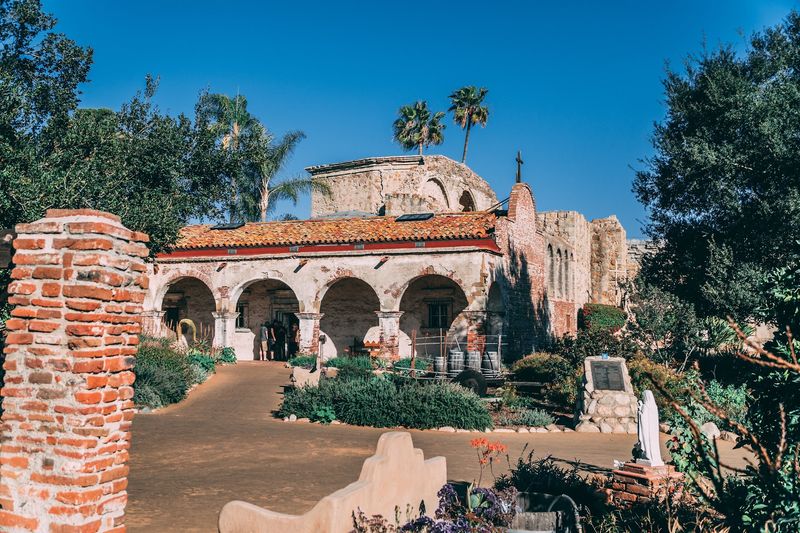
A train rolls past.
A few minutes later, you are standing beside adobe walls and stone ruins dating back to the eighteenth century.
That collision of eras is part of what makes San Juan Capistrano such an easy weekend change of pace.
Mission San Juan Capistrano was permanently founded in 1776 and remains the city’s best-known historic landmark, with gardens, adobe structures, and the ruins of the Great Stone Church.
A short walk away, the Los Rios Historic District preserves some of California’s oldest residential structures, now mixed with small businesses and gardens.
The compact historic center makes it easy to take the day slowly. You can move between the mission, Los Rios, the train depot area, and nearby cafes without repeatedly getting back in the car.
The mission’s famous swallow tradition remains part of the local calendar each spring, even though actual nesting and return patterns vary.
Downtown is compact enough to explore largely on foot, and Doheny State Beach lies a short drive away if the afternoon needs an ocean ending.
That beach detour changes the trip again. One part of the day can revolve around eighteenth-century history, while the last hours belong to sand and Pacific water only a short drive away.
One hour can move the scenery fast. Here, it also moves the calendar.