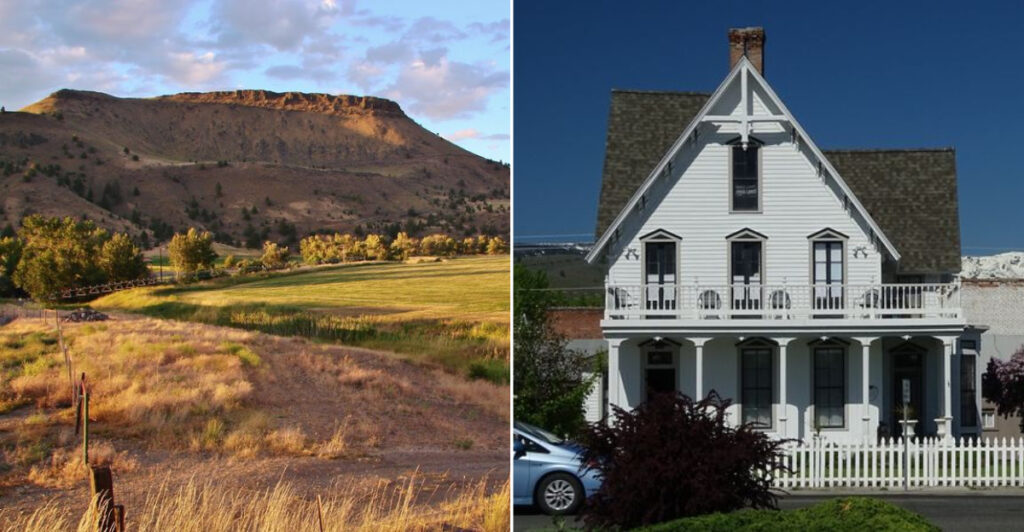
Oregon does not just offer scenery. It offers a genuine reason to rethink everything and start completely fresh. Beyond the bigger cities and headline-making coast, there are small towns where life moves slower and your money can stretch a lot further.
That matters when retirement is on your mind or you are simply looking for a place that feels calmer, easier, and less expensive day to day. These towns do not all offer the same lifestyle, and that is part of the appeal. Some bring open high desert views.
Others come with farmland, historic streets, or a close-knit community feel. What they share is a pace that feels easier to settle into. If affordability is part of the picture, these Oregon towns are worth a closer look.
1. Heppner
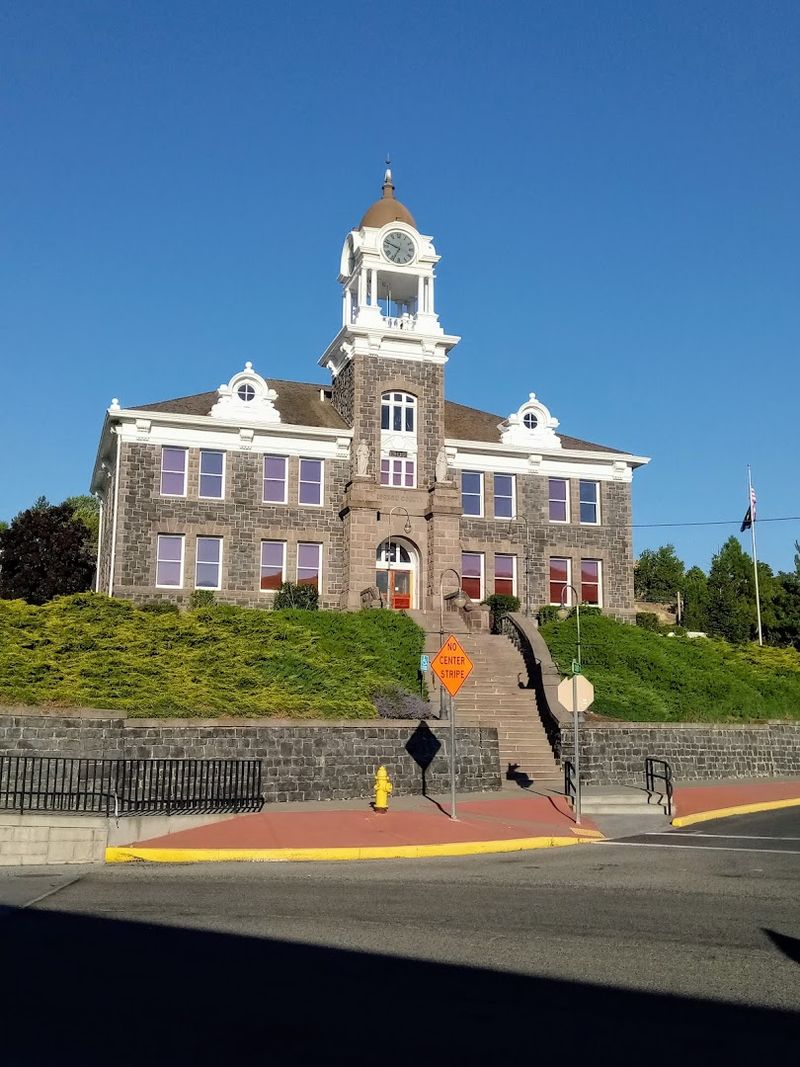
Lower costs and a gentler pace make this town easy to like. There is a quiet confidence to Heppner that you notice the moment you arrive.
Sitting in Morrow County in northeastern Oregon, this small town of around 1,300 people has a personality much bigger than its size suggests.
The cost of living here is well below the Oregon state average, which makes it especially appealing for retirees watching their budgets. Housing prices are low, property taxes are manageable, and everyday expenses like groceries and services stay reasonable compared to larger cities.
Heppner sits along Willow Creek and is surrounded by canyon lands and wheat fields that shift color with the seasons. Outdoor lovers find plenty to do here, from hiking and fishing to simply watching the landscape change throughout the year.
The town has a genuine small-community feel where neighbors know each other and local events bring people together. The Morrow County Fair each August is a beloved tradition that draws families from across the region.
History runs deep in Heppner. The town was nearly destroyed by a flash flood in 1903, and that story is preserved thoughtfully at the Morrow County Museum.
It is a sobering and fascinating piece of Oregon history that most visitors do not expect to find. Healthcare access is available locally, and the town is within reasonable driving distance of larger services in Pendleton.
2. Burns
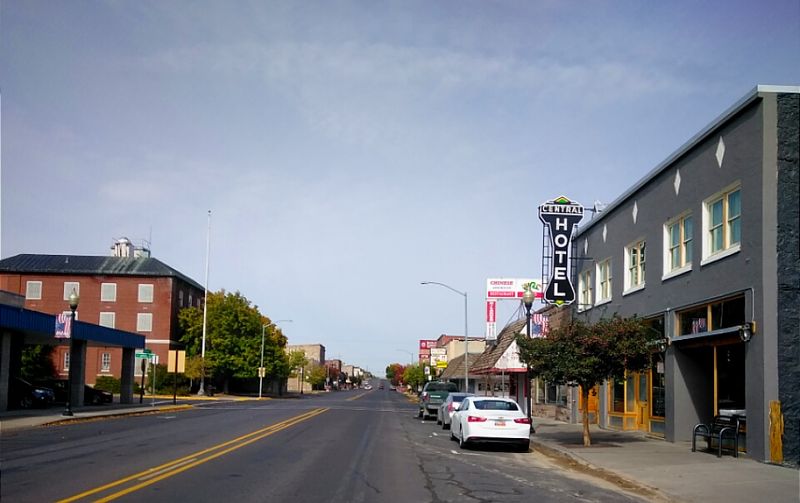
A simpler, steadier retirement fits well here. High desert living has its own kind of appeal, and Burns delivers it in full. Located in Harney County in southeastern Oregon, Burns is one of the most remote small towns in the state, and for many retirees, that remoteness is exactly the point.
The population hovers around 2,700, and the wide-open space surrounding the town is almost hard to believe. Harney County is one of the largest counties in the entire United States, yet it holds fewer residents than many city apartment buildings.
Burns is known as the gateway to the Malheur National Wildlife Refuge, a paradise for birdwatchers. Over 320 bird species have been recorded there, making it a genuine destination for nature enthusiasts from across the country.
The cost of living in Burns is among the lowest in Oregon. Home prices are accessible, and day-to-day expenses stay very manageable. Retirees on fixed incomes often find that their money stretches noticeably further here than in western Oregon.
The town has a strong ranching heritage, and that culture shows up in local events, rodeos, and the friendly, no-fuss attitude of the people who live there. Community bonds run strong, and newcomers are welcomed warmly. Winters can be cold and snowy, so come prepared for real seasons.
3. Reedsport
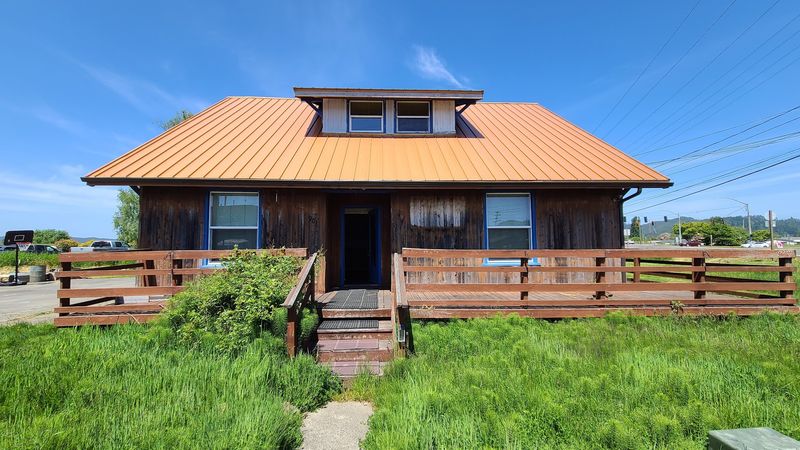
This one makes stretching a budget feel a lot easier. Sitting right where the Umpqua River meets the Oregon Coast, Reedsport offers a lifestyle that many people spend years dreaming about.
Ocean air, river views, towering sand dunes, and a modest cost of living all come together in one compact coastal town.
The Oregon Dunes National Recreation Area is practically in the town’s backyard. Stretching for about 40 miles along the coast, the dunes offer hiking, wildlife watching, and some of the most unusual scenery in the Pacific Northwest. It is hard to find anything quite like it.
Reedsport has a population of around 4,000, which keeps things manageable and personal. Local shops, a public library, and community events give the town a rhythm that feels sustainable and real rather than rushed.
Housing costs here are noticeably lower than in popular coastal towns like Newport or Florence. That price difference can make a significant impact for retirees working within a fixed income, and many have discovered that coastal living does not have to be expensive.
The Dean Creek Elk Viewing Area just outside town is a favorite local attraction. Roosevelt elk graze in an open meadow that is accessible year-round, offering a front-row seat to wildlife without any effort at all. Fishing, crabbing, and kayaking on the Umpqua River keep outdoor enthusiasts busy across every season.
4. Ontario
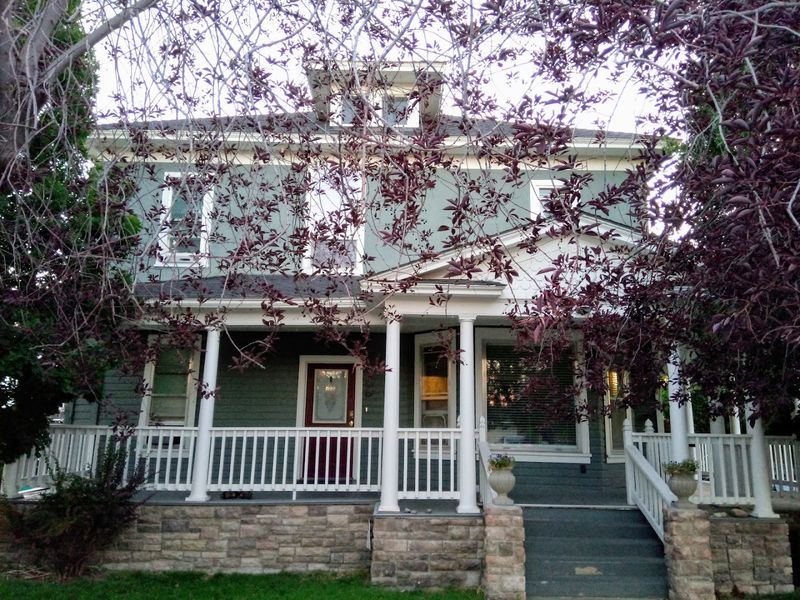
If calm and affordable sounds good, start here. Ontario sits right on the Idaho border in the Treasure Valley, and it brings a unique mix of agricultural heritage, cultural diversity, and genuine affordability to the table.
With around 11,000 residents, it is the largest town on this list, but it still carries that small-town warmth that makes daily life feel personal.
The cost of living in Ontario is among the most budget-friendly in all of Oregon. Housing is affordable, and the proximity to Boise, Idaho, which is just about an hour away, means access to major shopping, medical centers, and airport services without paying big-city prices to live there.
Ontario has a rich Basque heritage and a notable Japanese American history tied to the internment era of World War II. The Malheur County Historical Society and local museums preserve these stories with care and respect.
The Snake River runs along the eastern edge of town, offering fishing, boating, and riverside walks that feel like a reward after a busy week. Warm summers and mild springs make outdoor time enjoyable for most of the year.
Local farmers markets and fresh produce from surrounding farms make grocery shopping feel like an event rather than a chore. Ontario is genuinely a place where community pride shows up in the small details. Retirees often appreciate the slower pace and the friendly faces at every corner.
5. Milton-Freewater
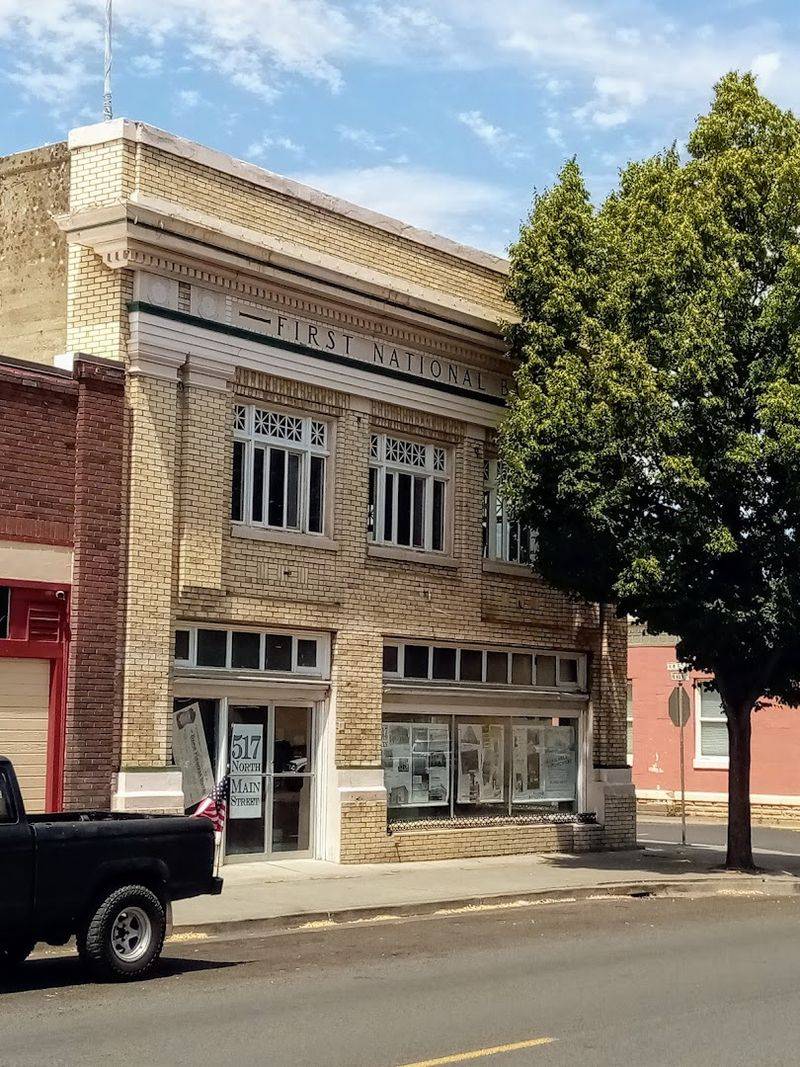
Just a few miles south of the Washington state border, Milton-Freewater sits in the Walla Walla Valley and is surrounded by some of the most productive farmland in the Pacific Northwest. The town is known locally as the peach capital of Oregon, and during harvest season, that reputation is very easy to believe.
With around 7,000 residents, Milton-Freewater has enough services to feel convenient while still holding onto the character of a true small town. Local shops, parks, and a welcoming community make daily life feel easy and unpretentious.
The cost of living is well below Oregon averages. Housing prices are some of the most accessible in the state, and the town’s location near Pendleton means that larger services, including medical care and retail, are only a short drive away.
Hat Rock State Park is within easy reach, offering trails along the Columbia River and scenic views that reward even a casual afternoon walk. The surrounding landscape is open and wide, giving the area a sense of breathing room that urban life rarely provides.
The town celebrates its agricultural roots with community events and seasonal festivals that bring neighbors together in a genuinely fun way. Retirees who value fresh air, fresh produce, and a close-knit community tend to feel right at home here very quickly.
6. Baker City
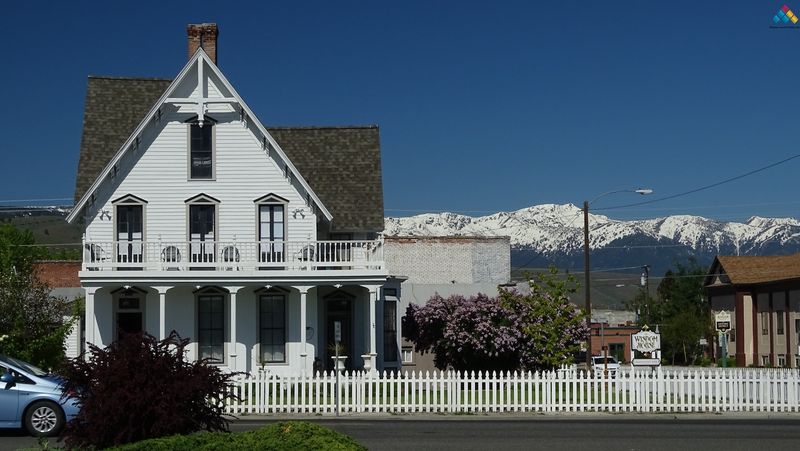
A more relaxed chapter could begin somewhere like this. Baker City carries the spirit of the Old West without making it feel like a theme park. This town of around 10,000 people has a downtown historic district filled with beautifully preserved Victorian architecture that tells the story of its gold rush past.
The National Historic Oregon Trail Interpretive Center sits just outside town and is one of the finest museums in the Pacific Northwest. It brings the pioneer era to life in a way that is educational, moving, and genuinely impressive for visitors of all ages.
Outdoor recreation surrounds Baker City on all sides. The Elkhorn Mountains offer hiking, camping, fishing. The nearby Wallowa-Whitman National Forest provides hundreds of miles of trails. Anthony Lakes Mountain Resort is just an hour away for winter activities.
Housing in Baker City is very affordable by Oregon standards. Retirees frequently cite the combination of low home prices, accessible healthcare, and a vibrant arts and culture scene as reasons they chose to settle here rather than in a larger city.
The local food scene has grown in recent years, with farm-to-table restaurants and a Saturday market that draws producers from across the region. Baker City feels like a town that is proud of where it came from and excited about where it is heading.
7. John Day
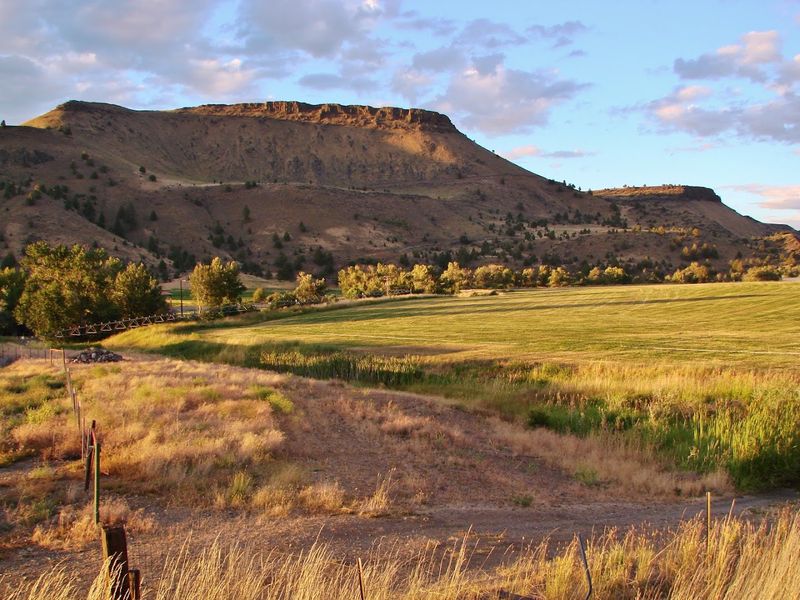
A place like this can make retirement feel less stressful. Surrounded by some of the most dramatic fossil beds in North America, John Day is a town that rewards the curious. Located in Grant County in central Oregon, this small community of around 1,700 people is the place that gets better the longer you stay.
The John Day Fossil Beds National Monument, just a short drive from town, contains one of the world’s most complete records of plant and animal life spanning over 40 million years.
The Painted Hills unit alone is worth making the trip for, with its layered bands of red, gold, and black stretching across the hillsides in stunning silence.
The cost of living in John Day is low even by rural Oregon standards. Property is affordable, and the surrounding landscape of canyon lands, rivers, and pine forests provides endless free recreation. The John Day River is a beloved destination for fishing and rafting.
The town has a genuine community feel that is hard to manufacture. Local events, a public library, and a regional hospital make John Day more self-sufficient than many towns its size, which matters a great deal for retirees planning for the long term.
Grant County is also known for exceptional dark skies, making stargazing a regular evening activity rather than a rare treat. You really do not need much to feel rich out here.
8. Pendleton
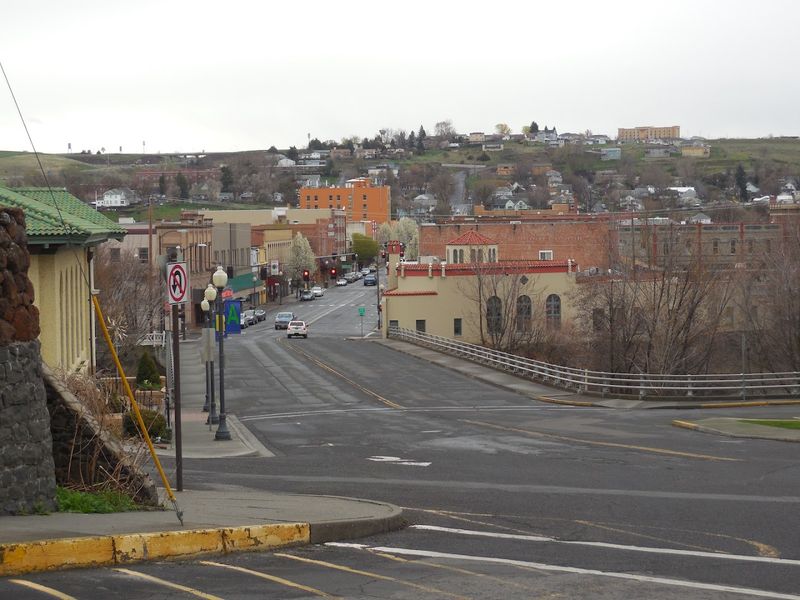
Lower costs are only part of the appeal here. Pendleton punches well above its weight for a town of around 17,000 people. Located in Umatilla County in northeastern Oregon, it is best known worldwide for the Pendleton Round-Up. That is one of the most celebrated rodeos in North America, held every September since 1910.
The cultural depth here goes beyond the rodeo. The Tamastslikt Cultural Institute, operated by the Confederated Tribes of the Umatilla Indian Reservation, offers one of the most thoughtful presentations of Indigenous history in the entire Pacific Northwest.
Pendleton Woolen Mills has been producing its iconic blankets and clothing right here in town since 1909. Tours of the mill are available and give visitors a fascinating look at a craft that has been refined over more than a century.
The cost of living in Pendleton is moderate and very manageable compared to Oregon’s western side. Healthcare options are solid, with a regional hospital and specialist services that give retirees real confidence in choosing to live here long-term.
The Umatilla River runs through town and offers a pleasant trail system for walking and cycling. The surrounding landscape of wheat fields and canyon breaks changes beautifully with every season, giving the area a visual rhythm that never quite gets old.
Restaurants, local shops, and a growing arts scene round out a lifestyle that feels full without being frantic.
9. La Grande

Small town charm shows up strong here. Sitting in the Grande Ronde Valley and ringed by the Blue Mountains, La Grande offers a lifestyle that feels both active and grounded.
It is the county seat of Union County in northeastern Oregon, and with around 13,000 residents, it has enough amenities to feel comfortable without losing its small-town character.
Eastern Oregon University calls La Grande home, and that academic presence adds a cultural energy to the town that you might not expect. Art exhibitions, public lectures, theater performances, and a well-stocked library give the community an intellectual pulse that retirees often find deeply satisfying.
Outdoor recreation is abundant and genuinely world-class. The Wallowa-Whitman National Forest surrounds the valley, offering trails for hiking, mountain biking, cross-country skiing, and snowshoeing. The Grande Ronde River is popular for fishing and provides beautiful scenery along its banks.
Housing costs in La Grande are well below the Oregon state average, and the town has solid healthcare infrastructure including a regional hospital. For retirees prioritizing access to medical services alongside natural beauty, that combination is hard to beat.
The downtown area has locally owned restaurants, coffee shops, and boutiques that give the main street a genuine personality. Farmers markets during the warmer months bring the community together in a way that feels like a weekly celebration rather than just a shopping trip.
10. Madras
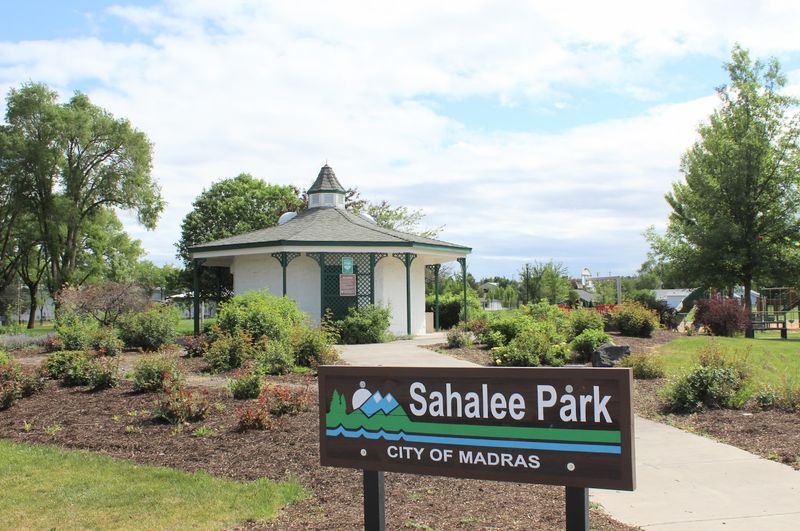
This is where affordable starts looking pretty appealing. Madras sits on a high plateau in Jefferson County in central Oregon, and it enjoys more than 300 sunny days per year on average.
For retirees who have spent years under gray skies, that statistic alone can feel like a very compelling argument.
The town of around 7,500 people is positioned within easy reach of some extraordinary natural landmarks. Lake Billy Chinook, formed by the confluence of three rivers behind Round Butte Dam, is a stunning reservoir popular for boating, fishing, and swimming during the warm months.
The Crooked River Gorge cuts through the landscape just outside town and offers dramatic views that reward even a short detour. Smith Rock State Park, one of Oregon’s most photographed destinations, is about 30 minutes away and draws rock climbers and hikers from around the world.
Madras has seen steady growth in recent years, and that growth has brought improved services, new restaurants, and expanded retail options without erasing the town’s relaxed and approachable character. Housing remains affordable, and the cost of living stays well below what you would find in Bend, which is just 45 minutes to the south.
The annual Solartown USA Solar Eclipse Festival in Madras drew tens of thousands of visitors in 2017, putting this small town on the national map in a memorable way. That kind of community spirit is still very much alive here.