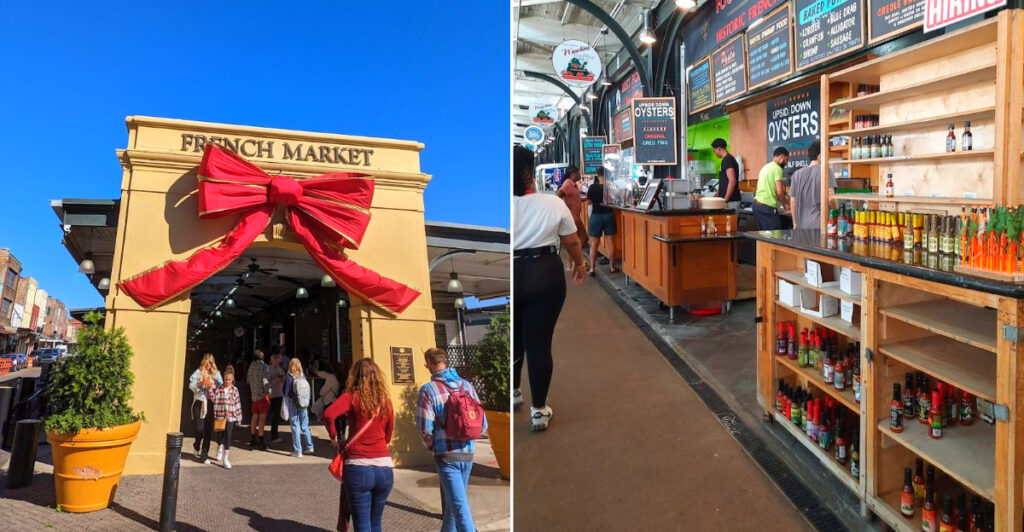
Block after block of open-air stalls stretching along the riverfront is the kind of setup that makes planning unnecessary and watches irrelevant.
You arrive for coffee and beignets in the morning, wander past produce vendors stacking mangoes and sugar cane in pyramids, then realize three hours have disappeared into tasting hot sauce samples, watching a praline maker fold caramel into pecans.
Plus debating whether to eat a po-boy now or save room for the crawfish boil that just started across the aisle.
The market has been running in some form since the eighteenth century, which means the vendors who set up shop here have had generations to figure out exactly what people want to eat while they walk around.
The very first block is more than enough to fill a day. The last block is where you realize you need a much bigger bag in Louisiana.
Taste A Muffuletta
The muffuletta at the French Market is a study in balance and heritage: an Italian-style round loaf soaked with olive salad, piled with meats and cheese into a satisfying, portable feast. I recommend seeking out Alberto’s style vendors or any stall advertising hot muffulettas; the versions warmed to meld flavors are the most memorable.
Historically it’s a sandwich born of Sicilian immigrants and market culture, built for workers who needed dense calories and bold taste.
Eat it slowly near a bench so the olive salad doesn’t overrun your hands, and consider sharing halves to leave room for more sampling. A muffuletta is both meal and storytelling device; you can taste New Orleans’ immigrant roots with every balanced bite.
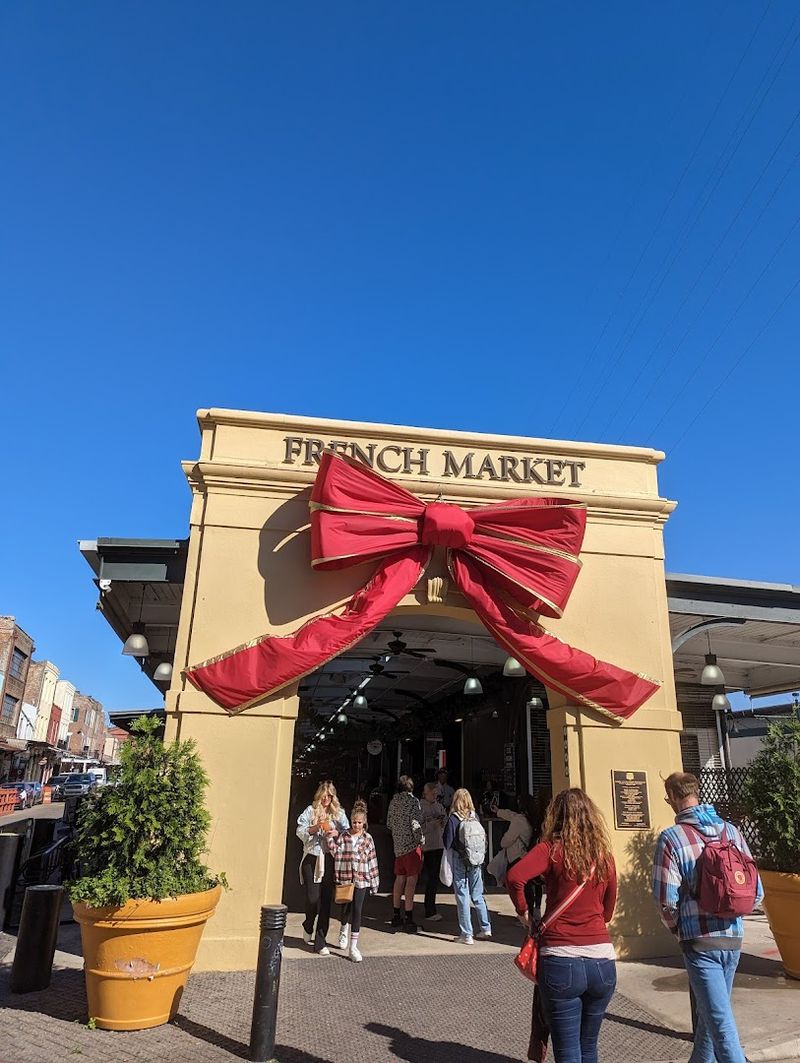
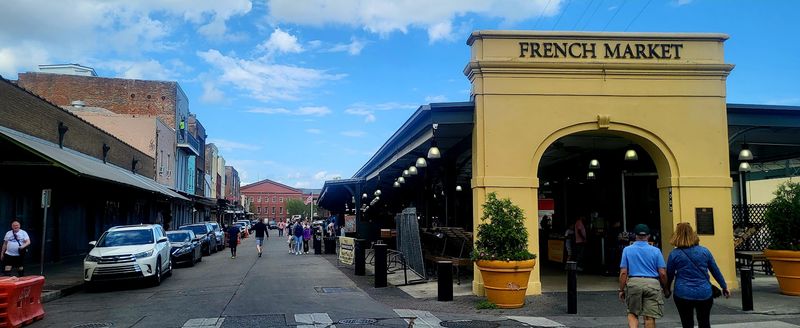
When The Yellow Arch Appears, The Search Is Over
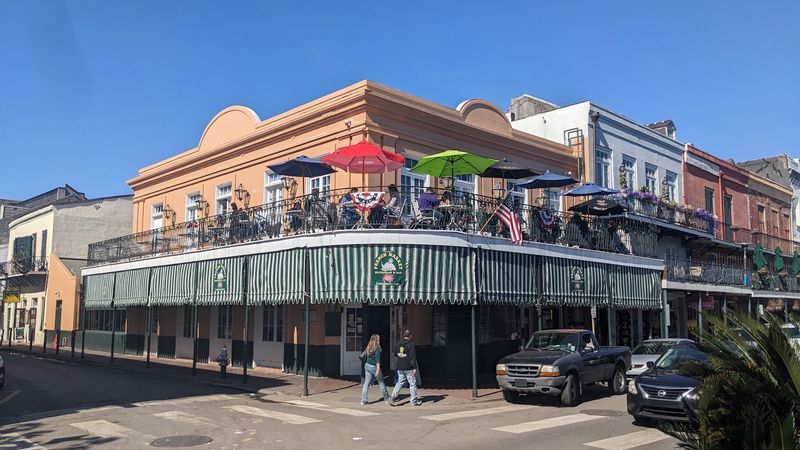
French Market District sits at 1100 North Peters Street in New Orleans, Louisiana, along the Mississippi River edge of the French Quarter. From Canal Street, follow Decatur Street downriver as the route passes Jackson Square and continues toward the market.
Travelers arriving from Marigny or Bywater can take Elysian Fields Avenue toward the river, then turn onto Decatur Street. Keep navigation running through the final blocks, since several streets around the Quarter are one-way.
For the closest practical parking, look for the paid Farmers Market and Annex lots at 2150 and 2135 Decatur Street. Leave the car there, then walk toward the market’s distinctive yellow entrance arch.
Sample Pralines And Candies
Loretta’s Pralines and Evans Creole Candy Factory represent an essential sweet stop where sugarcraft meets local pecan pride. The praline’s crystalline-sugar exterior and creamy interior offer a chewy-snap contrast that tastes like Louisiana wrapped in a wrapper.
Vendors will let you sample small pieces so you can decide between traditional, chocolate-dipped, or specialty flavors like rum-less king cake praline variations.
Buying a praline to enjoy as you stroll is a good habit because heat and humidity can soften the texture quickly. Consider packaged boxes for the journey home, and ask about production times to get the freshest pieces.
These candies are portable, storied, and a simple way to bring market flavor back to your hotel room.
Eat Fresh Gulf Oysters
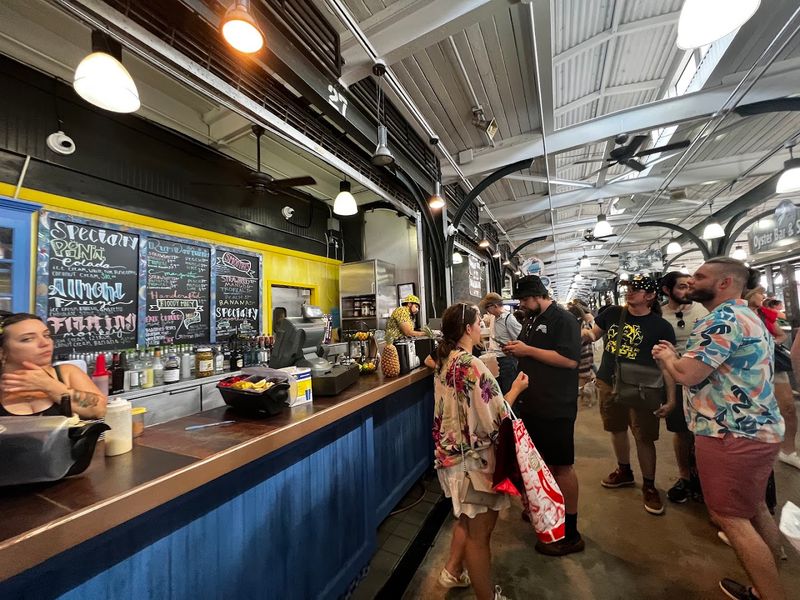
Fresh Gulf oysters at the French Market arrive both raw and charbroiled, and each preparation reveals a different side of the sea. J’s Seafood Dock style stands often post oysters on beds of ice or pop them out from a hot grill, brushed with garlic butter and breadcrumbs.
The raw ones are briney and mineral, a bright reminder of the nearby Gulf, while the charbroiled versions are smoky and rich.
Ordering a small plate lets you move on to other stalls without overcommitting, and it’s smart to eat oysters near seating so you can savor the sequence. The oysters are seasonal and local when available, making them a highlight for seafood-minded visitors who like to time their visits around freshness.
Try A Vegetarian Beignet
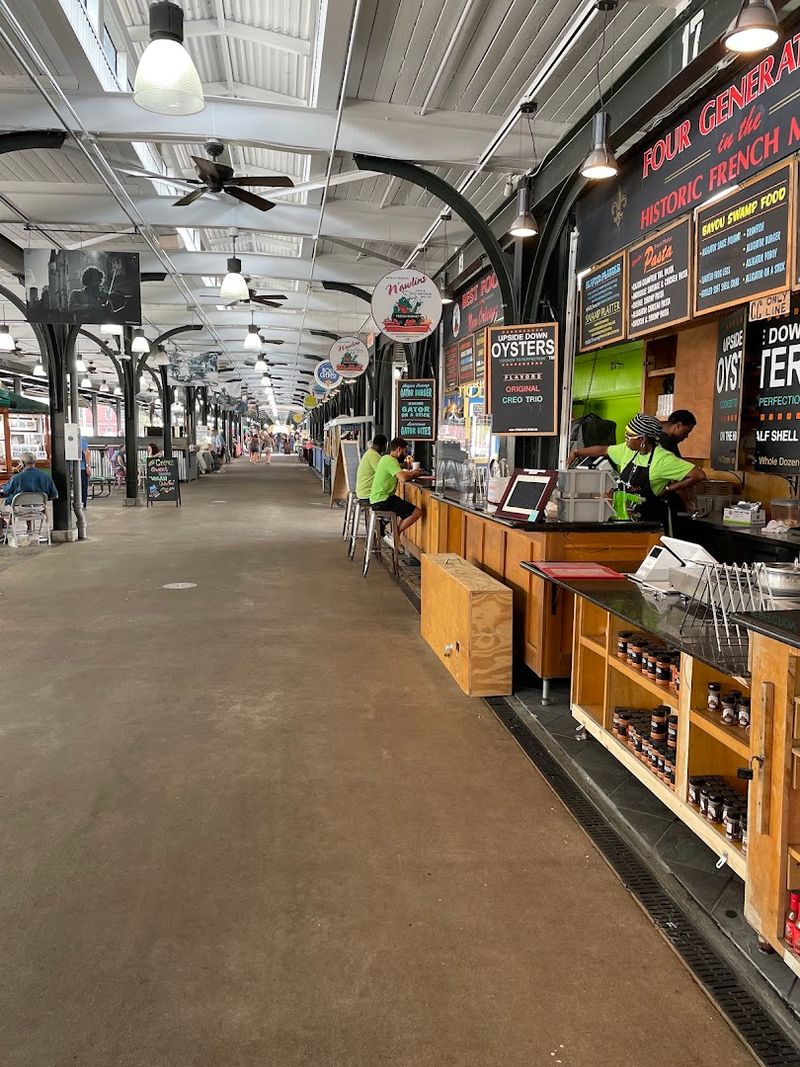
It’s easy to assume beignets are only a fried dairy-laden pleasure, but the market’s vegan and gluten-free options prove ingenuity wins. Meals From the Heart Cafe and other vendors offer versions that swap traditional dairy and eggs for plant-based ingredients while keeping that ideal airy interior.
Texture and frying technique matter more than a secret ingredient; a light hand with the oil produces the best puff.
Ask vendors about ingredients if you have sensitivities and time your snack after a savory bite so the sweetness shines. You might be surprised how close these alternatives come to the classic, and they’re a thoughtful way to include everyone in the powdered-sugar ritual.
Savor Creole Tomato Festival Finds
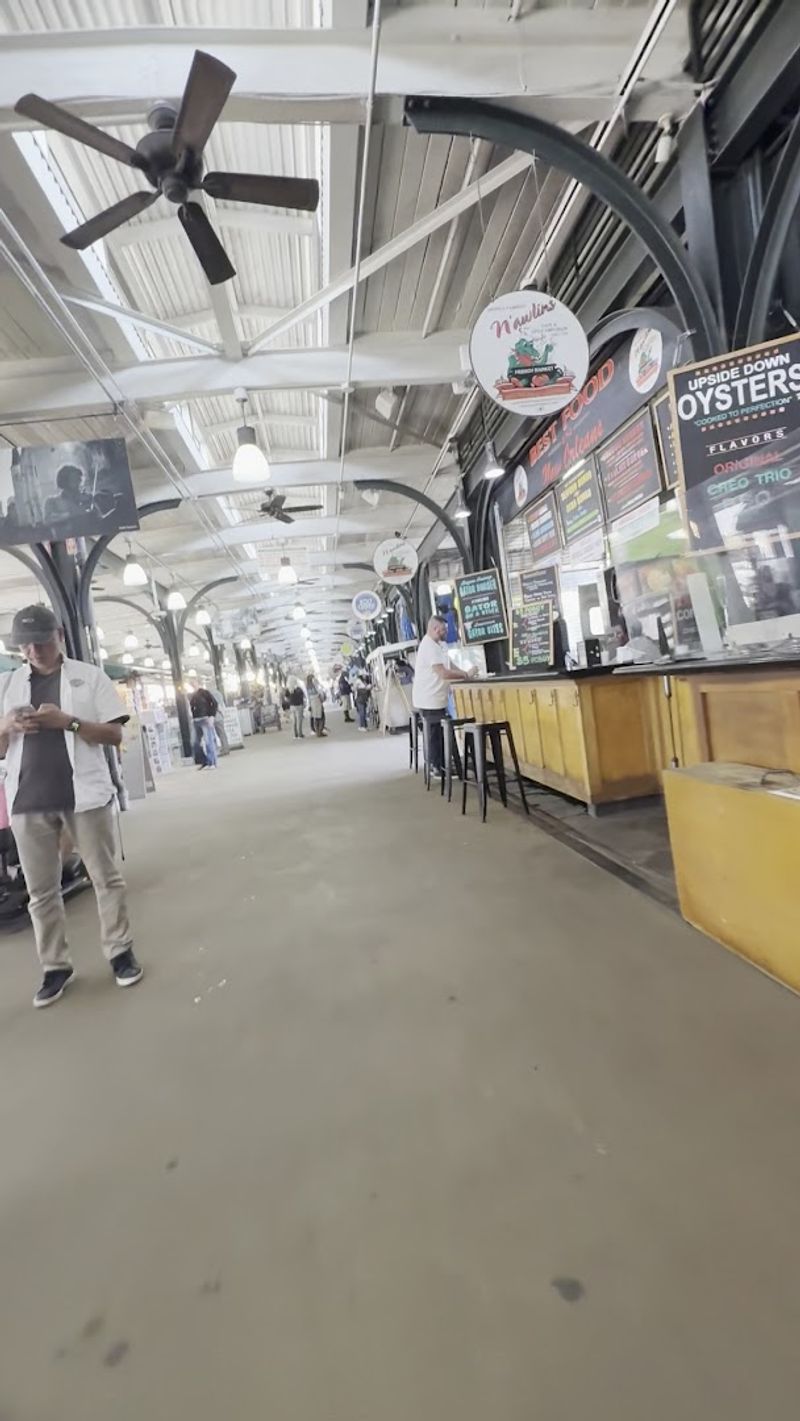
Timing a visit around the French Market Creole Tomato Festival changes the entire tasting itinerary. Heirloom tomatoes appear in salads, relishes, and demonstrations that celebrate the fruit’s regional history.
The festival showcases varieties with distinct textures and acidity, and vendors often offer small samplings alongside recipes. This seasonal quirk elevates simple produce into a culinary conversation about soil, heat, and generations of gardening knowledge.
Seek out vendors who will explain their growing methods and ask for a cut sample to taste the difference. Festival days are busier, so arrive early and plan to linger by the farmers pavilion to absorb the variety.
The tomato-focused selections make a light, bright counterpoint to heavier market fare.
Find Authentic Po’Boys
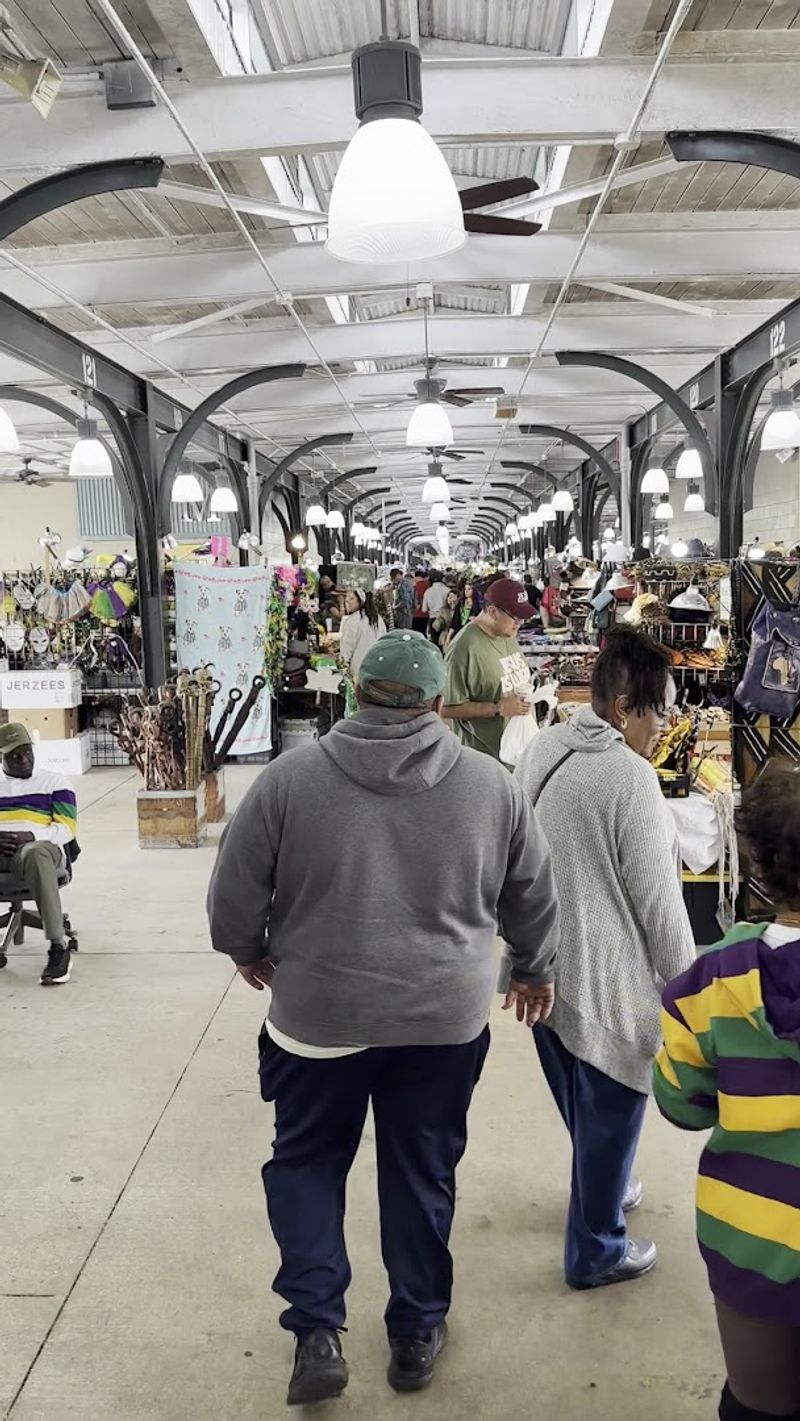
The po’boy at the French Market can be a compact tour of New Orleans technique: fried shrimp, roast beef with gravy, or oyster fillings layered into crusty French bread. Vendors vary, but the best versions balance a crisp exterior with a soft interior and a dressing that ties everything together.
Historically rooted in local worker meals, the sandwich remains a satisfying midday choice for visitors exploring vendor rows.
I recommend splitting a po’boy and sharing to sample other stalls; that habit keeps your palate adventurous. Eat it seated or on the move, but tuck napkins and expect a delightful mess.
A well-made po’boy is comfort and craft in one hand.
Explore The Farmers Market Pavilion
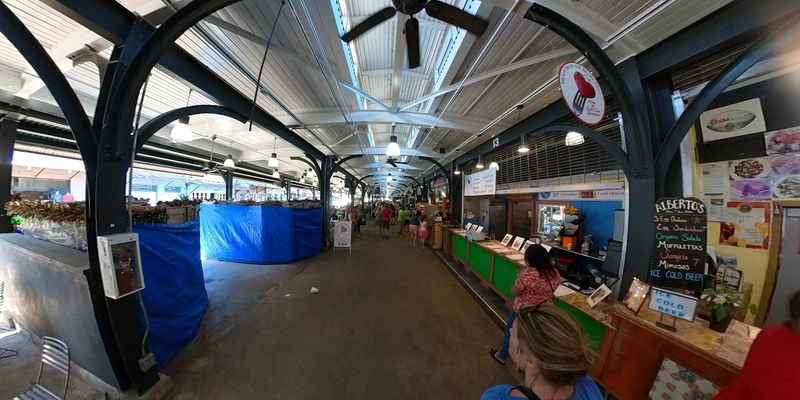
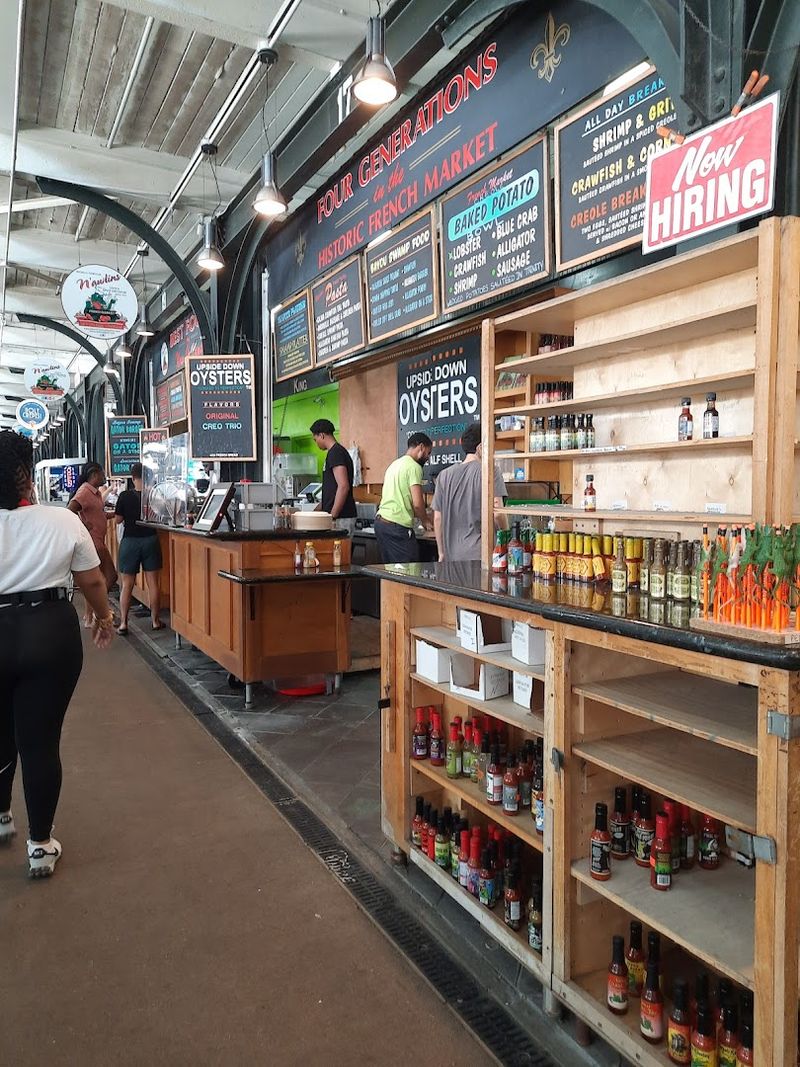
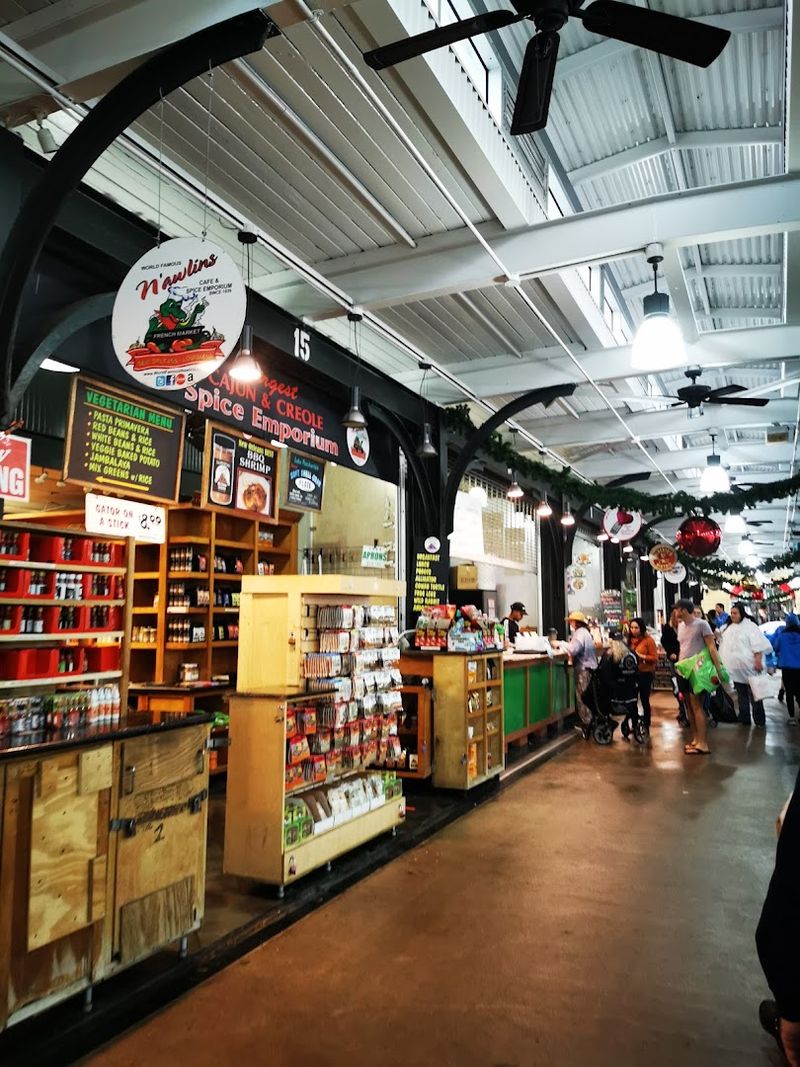
The Farmers Market pavilion is where ingredient shopping becomes a sensory class; stalls of fresh produce, local honey, and Creole spice blends invite tasting and conversation. I like to pause here for small purchases that become edible souvenirs, such as a jar of hot sauce or a sachet of seasoning for home gumbo.
Vendors often share cooking tips, which is useful if you plan to recreate market flavors later.
Bring a reusable bag and check vendor hours since some close earlier than the market canopy. Comparing prices across stalls rewards patience, and buying something small supports local producers.
The pavilion is an excellent place to breathe between richer samples and to plan the next taste stop.
Catch Live Jazz Between Bites
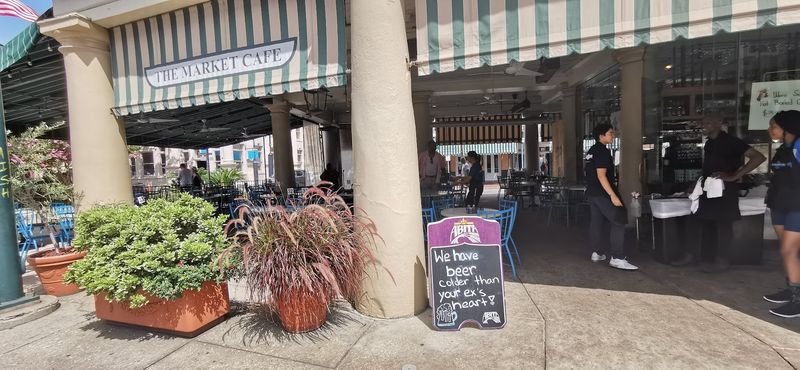
Live jazz threads through the French Market and turning toward a bandstand between stalls can feel like stepping into a soundtrack meant for chewing. The Gazebo Cafe and Market Café often contribute music that blends seamlessly with the food scene, lending a pace to the meal that encourages lingering.
Hearing a trumpet hold a note while you bite into something savory makes the flavors feel cinematic.
If you want a quieter table, aim for seating slightly away from the primary music spots; otherwise, let the rhythms guide your tasting order. Music can also signal vendor clusters to visit, since performers attract crowds and energy.
Take a seat, listen, and let the notes shape your appetite.
Try Local Seafood Specials
The French Market’s seafood offerings extend well beyond oysters; look for daily specials featuring Gulf shrimp, crawfish, and seasonal fish prepared simply to highlight freshness. Vendors who specialize in seafood often post a daily board listing catch times and prep styles, which is handy for deciding what to order.
Simple preparations, grilled, steamed, or lightly sauced, showcase the natural flavors of the region.
Ordering a small sampler keeps the day moving and lets you compare techniques. Ask about sourcing to learn whether the catch is local that morning.
Seafood at the market feels immediate in a way restaurant menus rarely match, it’s food with a clear line to the Gulf.
Buy Creole Spice Blends To Take Home
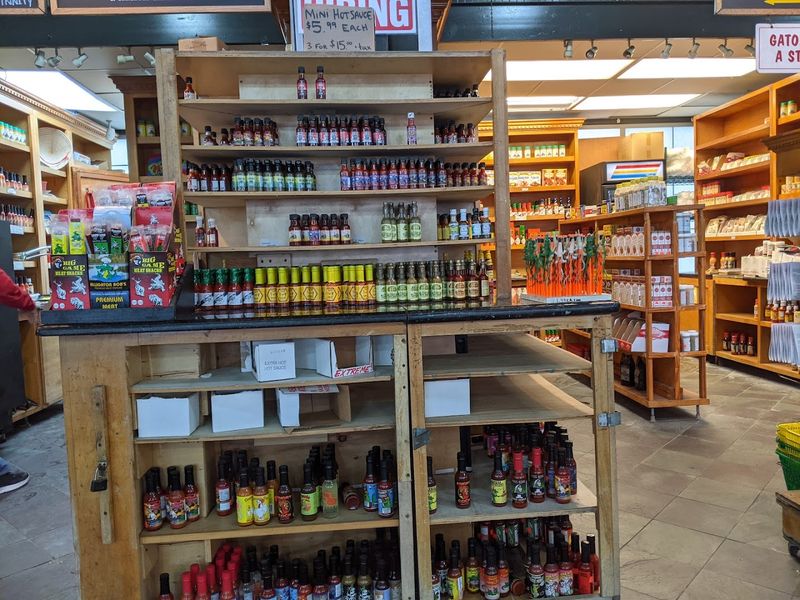
A jar of Creole spice from a French Market stall is one of the best souvenirs because it condenses a region into a single pinch. Sellers often grind their blends on-site and will explain the heat level and recommended dishes: jambalaya, red beans, or a simple pan-seared fish.
I advise asking for a small sample sachet to test at breakfast before committing to a full jar.
Packaging varies, so choose a durable container for travel and note any storage tips vendors offer. Bringing home spices invites recreating the market’s flavors in your kitchen, and sharing a pinch with friends is an uncomplicated way to retell the day.
It’s a practical memento that keeps giving.
Leave Time For People Watching
Sometimes the best course at the French Market is simply to sit and watch the current of people, chews, and conversation flow under the canopy. Benches near the market center offer prime vantage points to observe accents, fashion, and the small rituals of vendor interactions: bargaining, sample passing, and the shared delight of discovering a new flavor.
People watching deepens the sense of place in a way tasting alone cannot.
Plan at least one long rest in your schedule so you can digest and reflect; those quiet minutes often lead to the next food discovery. Treat observation as an active part of the menu, you’ll notice vendors rotating their offerings and can return to a stall you nearly missed.