More than 1,900 dinosaur footprints line a single riverbank in southeastern Colorado. They were pressed into mud about 150 million years ago, and they still sit there in the open air.
Those tracks form roughly 130 separate trackways. Some show big plant-eaters walking side by side, which hints that they may have traveled in groups.
I love that a muddy shoreline managed to save a dinosaur road trip.
Rivers are amazing fossil hunters. Year after year, moving water slices through rock and exposes layers that stayed buried for ages.
That means old seabeds, swamps, and dinosaur stomping grounds can show up right beside a hiking trail or a raft launch.
So what counts as treasure when the rarest bones must stay put? Sometimes it’s a legal shell fossil in your pocket.
Sometimes it’s a photo of a footprint bigger than your boot. Which river would you explore first?
1. Purgatoire River
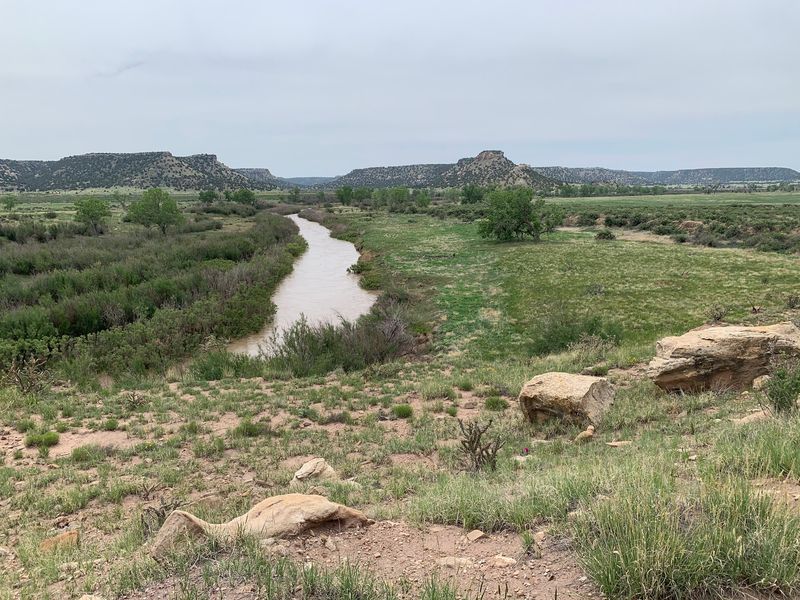
Bring your hiking shoes, because the biggest dinosaur tracksite in North America isn’t parked beside a gift shop. It waits along the Purgatoire River in Picket Wire Canyonlands, part of the Comanche National Grassland.
More than 1,900 footprints stretch across about 130 trackways here. Long-necked sauropods, relatives of Brontosaurus, left many of them, while meat-eating theropods like Allosaurus added their own steps.
Scientists find these tracks extra exciting for a simple reason. Several sauropod trails run side by side, which suggests the animals may have moved together as a group.
Getting there takes real effort. The round-trip hike from the Withers Canyon Trailhead covers about 11.2 miles, so pack plenty of water and start early.
Not feeling that much walking? On select Saturdays from May through October, the Forest Service runs guided auto tours that need advance reservations and a high-clearance four-wheel-drive vehicle.
Along the way, you can also spot the remains of an old mission and a historic ranch. The canyon packs a lot of stories into one long day.
Here’s the catch with treasure hunting at this spot. The footprints are protected, so you can look, measure with your eyes, and snap photos, but you can’t chip, cast, or carry anything away.
Honestly, standing next to a footprint wider than a trash can lid feels like a prize anyway. Your camera roll will thank you.
Address: Withers Canyon Trailhead, Comanche National Grassland, near La Junta, CO 81050, USA. Guided tours start at the Forest Service office, 1420 East 3rd St., La Junta, CO 81050, USA.
2. Green River
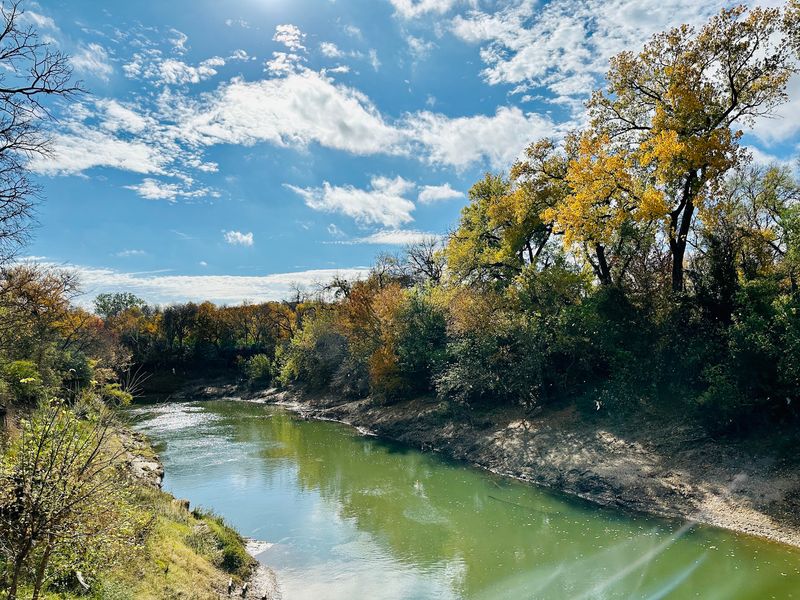
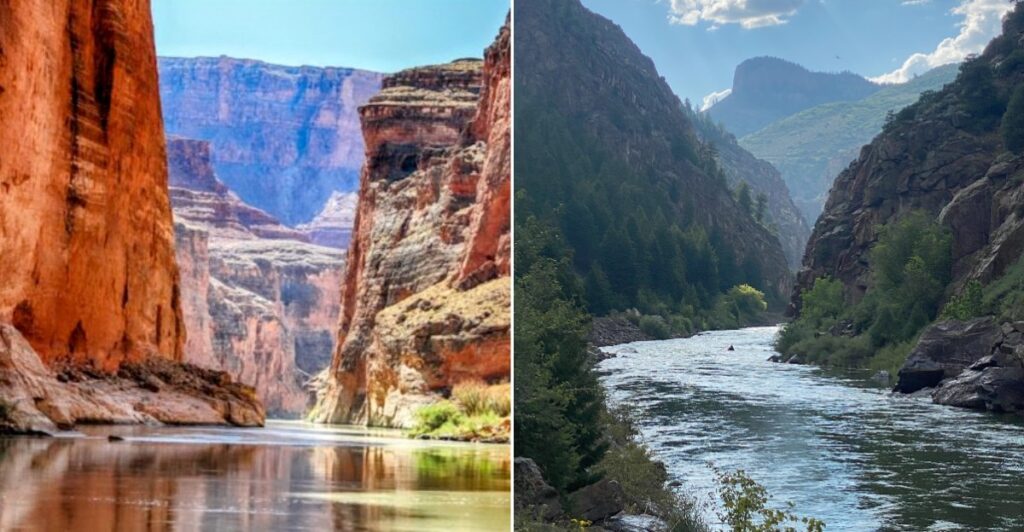
Red cliffs rise straight up from the water at the Gates of Lodore, where the Green River pushes into a dramatic canyon. It’s one of the most famous river doorways in the West.
The rock walls here belong to some of the oldest layers found in Dinosaur National Monument. Reading them is like flipping to the very first chapters of a really thick history book.
Dinosaur National Monument earned its name from a wall of dinosaur bones. That famous quarry sits on the Utah side, but the Colorado section protects big stretches of the same ancient story.
Many visitors meet the Canyon of Lodore by raft. Multi-day river trips launch from the Gates of Lodore, and private boaters need a permit from the National Park Service.
If floating isn’t on your schedule, a short nature trail near the Lodore campground offers great views. You can watch the river vanish between towering walls without getting wet.
So what can you take home? In a national monument, fossils and rocks stay exactly where they are, so collecting is off the table.
Your treasure here is the view and the story. Ask a ranger about the rock layers, and you’ll leave knowing how to read a canyon wall like a timeline.
Address: Canyon Area Visitor Center, 4545 E Highway 40, Dinosaur, CO 81610, USA. The Gates of Lodore area is reached by road from the north side of the monument.
3. Yampa River
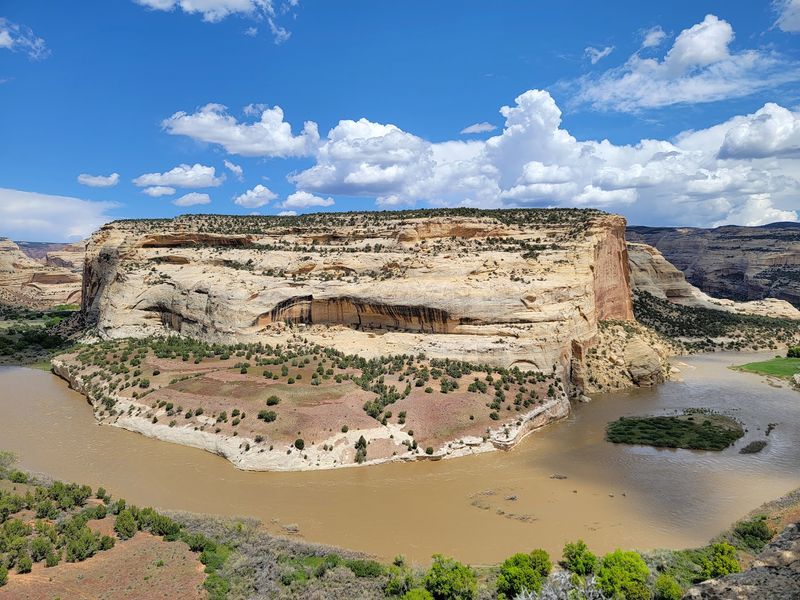
Shout across the water at Echo Park, and the cliffs might shout back. The spot earned its name from the echoes bouncing off giant Steamboat Rock.
Echo Park is where the Yampa River joins the Green River inside Dinosaur National Monument. The Yampa is one of the last big rivers in the Colorado River system with a mostly natural flow.
That wild flow helps carve deep canyons through layers of ancient rock. Each band of color marks a different time, from old seas to sandy deserts.
The road down to Echo Park is part of the fun. It’s steep and unpaved, and the park service warns that it can become impassable when wet.
Check road conditions before you go, and bring a vehicle with good clearance. A rainy afternoon can turn a fun drive into a sticky mess fast.
Rafters can also float the Yampa through the monument with a permit. Spring brings the highest water, so trips often fill up quickly.
Remember the golden rule here. Collecting fossils, rocks, or artifacts isn’t allowed anywhere in the monument, so leave each find for the next curious explorer.
Look for ancient rock art on cliff walls in the area too. People carved and painted images long before anyone named this river.
Address: Canyon Area Visitor Center, 4545 E Highway 40, Dinosaur, CO 81610, USA. Echo Park is reached by Echo Park Road off Harpers Corner Road.
4. Colorado River
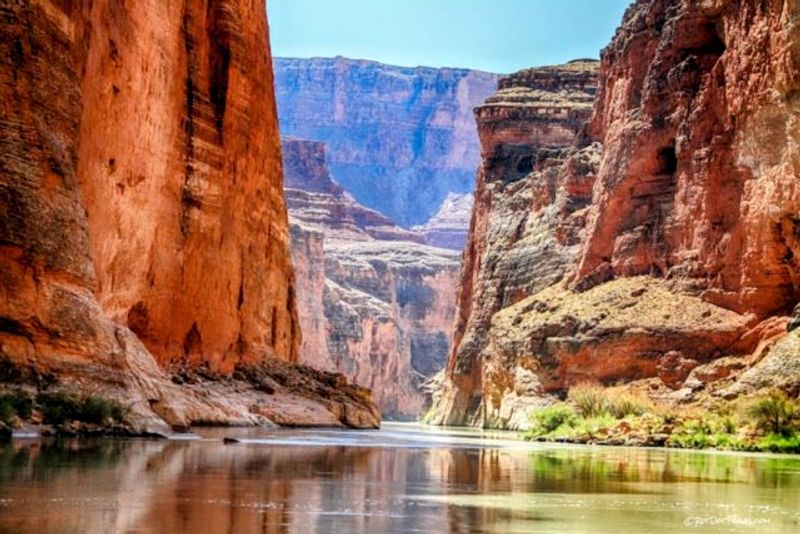
Fruita takes its dinosaurs seriously, and the Colorado River valley gives it good reason. Some major fossil finds in American history came out of the hills nearby.
Start at Dinosaur Journey Museum, run by the Museums of Western Colorado. The collection includes more than 15,000 fossil specimens, many from western Colorado.
Inside, you can check out dinosaur skeletons and robotic dinosaurs that move and roar. A working paleontology lab lets you watch scientists clean fossils that came straight from the field.
Want dirt under your fingernails? Dinosaur Journey offers public Dino Dig programs, including trips to the Mygatt-Moore Quarry, one of the richest dinosaur sites in the West.
You’ll work beside real paleontologists and help uncover actual bones. Those fossils go into the museum’s science collection, so your treasure is the memory of finding one.
Next, head to Dinosaur Hill just outside town. In 1901, paleontologist Elmer Riggs dug up an Apatosaurus there, and a short trail now tells that story.
Signs along the loop explain the rock layers and the dig. It’s an easy walk that kids can handle without much grumbling.
Fossils at these sites are protected, so keep your hands in your pockets on the trail. Save your digging energy for the guided programs.
Address: Dinosaur Journey Museum, 550 Jurassic Ct, Fruita, CO 81521, USA.
5. Dolores River
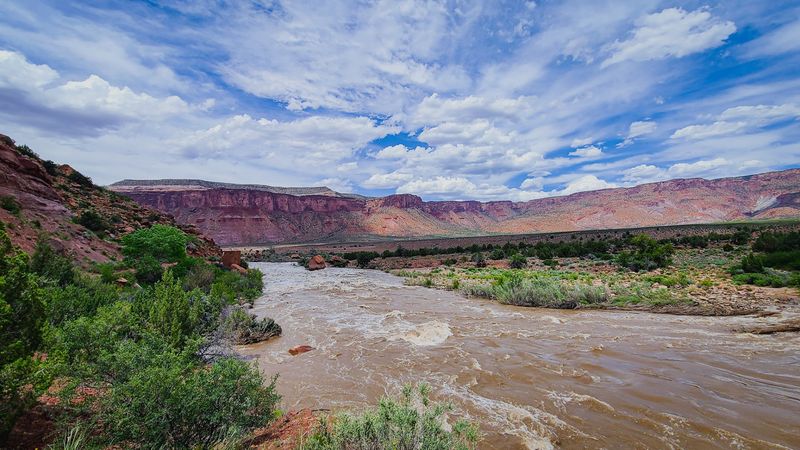
Anglers know the Dolores River for trout, but rock fans should keep their eyes up. The canyon walls downstream of McPhee Reservoir show off layer after layer of old sediment.
The Dolores River State Wildlife Area sits along this stretch in Montezuma County. Colorado Parks and Wildlife manages it mainly for fish, wildlife, and the people who enjoy them.
Farther downstream, the Dolores cuts through some of the same rock families found in dinosaur country. Sandstones and shales like these formed in rivers, deserts, and shallow seas long ago.
That makes the canyon a great outdoor classroom. You can spot where one layer stops and another begins, then guess what the land looked like at the time.
Before you pick up anything, learn the rules. State wildlife areas have their own regulations, and rules can change, so check with Colorado Parks and Wildlife first.
A state wildlife area usually requires a valid fishing or hunting license, or a State Wildlife Area pass, for visitors 16 and older. Grab the right one before you go.
The safest treasure here might be a rubbing or a sketch. Draw the rock layers in a notebook and label what you think each one means.
Visit Mesa Verde National Park nearby for ancient human history too. Just remember collecting isn’t allowed there either.
Address: Dolores River State Wildlife Area, approximately 5 miles northeast of Dolores along Highway 145, Montezuma County, Colorado, USA.
6. Gunnison River
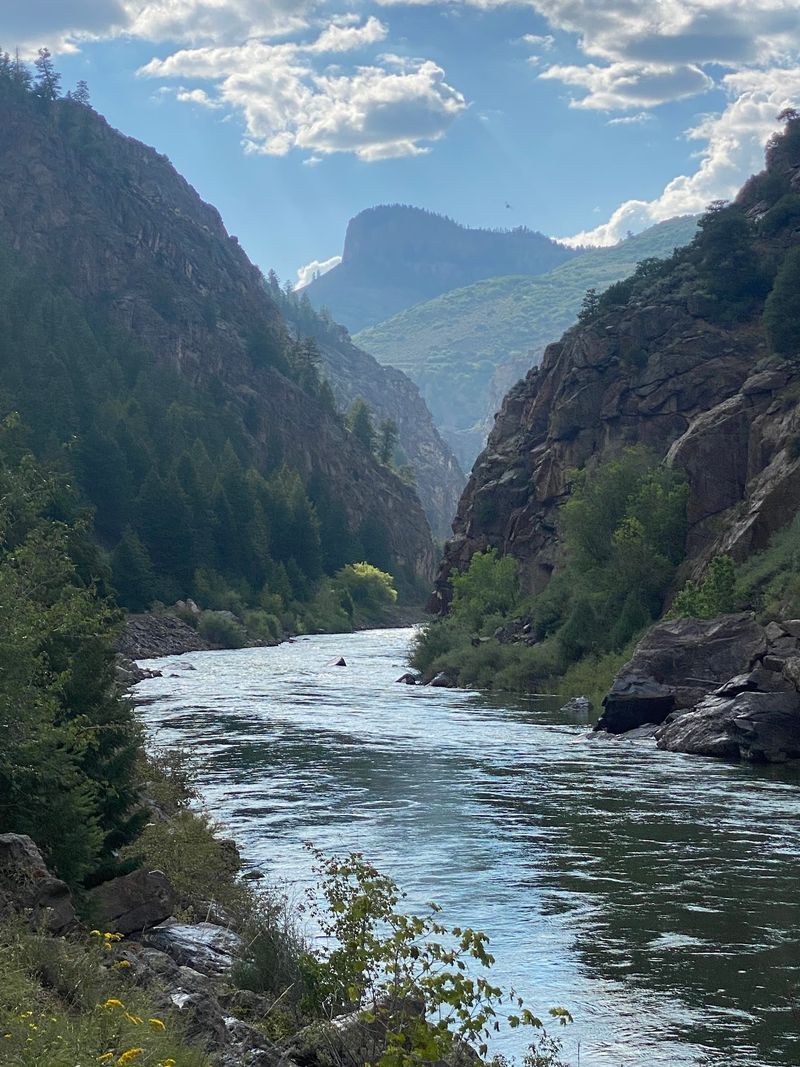
Grand Junction got its name from rivers meeting, and the Gunnison River is one half of that famous handshake. It flows into the Colorado River right here in town.
In 1900, paleontologist Elmer Riggs found bones on a ridge now called Riggs Hill. They belonged to Brachiosaurus, and the find became the first named specimen of that giant plant-eater.
Today a short trail climbs the hill with signs explaining the discovery. You get history, a little exercise, and wide views of the valley in one quick outing.
Want to see more? The Museum of the West downtown is part of the Museums of Western Colorado, the same group behind Dinosaur Journey in Fruita.
It covers the people and places of the region with plenty of hands-on exhibits. Pair it with Riggs Hill, and you’ve got a full day without leaving the area.
Here’s a smart tip for future fossil hunters. On Bureau of Land Management land, you can usually collect reasonable amounts of common plant and invertebrate fossils for personal use.
Collecting dinosaur bones and other vertebrate fossils on Bureau of Land Management land is prohibited without a research permit. Specimens collected under such permits remain public property and must be placed in approved scientific collections.
That rule keeps sites like Riggs Hill special for the next generation. Think of it as sharing the dinosaur.
Address: Museum of the West, 462 Ute Avenue, Grand Junction, CO 81501, USA.
7. Piedra River
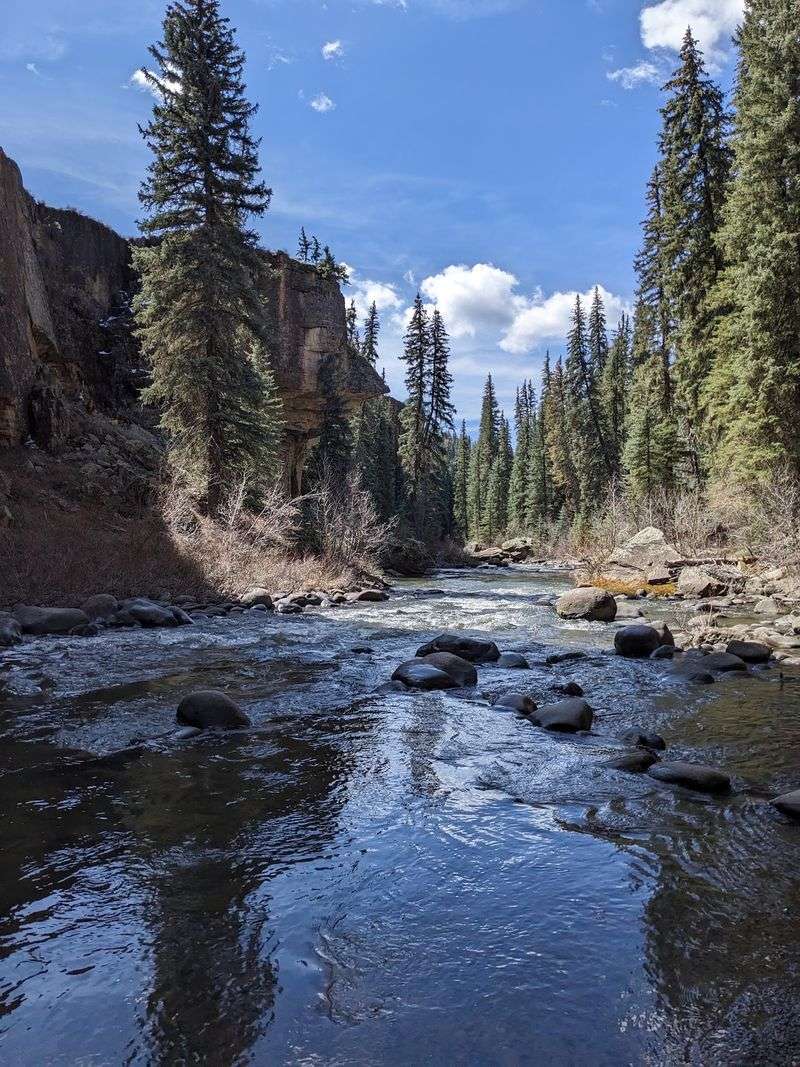
Piedra means stone in Spanish, so this river practically begs you to look down. It winds through rugged country in the San Juan National Forest near Pagosa Springs.
The Piedra River Trail follows the water through a scenic canyon. It’s popular with hikers and anglers who want a quieter stretch of forest.
Much of the land around Pagosa Springs sits on dark gray Mancos Shale. That rock formed on the floor of a shallow sea that once split North America in two.
Shale from that old seaway can hold shells of clams and other sea creatures. Finding a seashell fossil this far from any beach is a pretty wild feeling.
Here’s where you might actually pocket a treasure. National Forest rules generally allow hobby collecting of reasonable amounts of common invertebrate and plant fossils.
You’ll need to use hand tools only, and you can’t sell what you find. Any bones or teeth should stay put, and you should report them to the Forest Service.
Wilderness areas and some special sites may have tighter rules. Stop by the Pagosa Ranger District office if you’re unsure.
After hiking, the town’s famous hot springs make a great reward. Tired legs and a fossil in your pocket?
That’s a pretty good day.
Address: Piedra River Trailhead, Piedra Road (Forest Road 631), San Juan National Forest, near Pagosa Springs, CO 81147, USA.
8. Elk River
Steamboat Springs is famous for ski slopes, yet the valleys below once sat under seawater. The Elk River flows through that old story north of town.
The river runs out of the mountains of the Routt National Forest before joining the Yampa River west of Steamboat. Along the way it crosses wide meadows and gravel bars.
Gravel bars are great places to slow down and scan. Rivers tumble rocks from upstream, so you never know what got carried down from higher slopes.
Much of northwest Colorado holds marine shale from the same ancient seaway found near Pagosa Springs. Keep an eye out for flat gray rocks with shell shapes.
Before collecting, figure out whose land you’re standing on. Large chunks of the Elk River valley are private ranches, so stick to public access points.
On Routt National Forest land, hobby collecting of common invertebrate and plant fossils is generally allowed in reasonable amounts. Bones and teeth, though, need to stay in place.
Steamboat Lake State Park and Pearl Lake State Park sit up the same valley. They make easy bases for camping and exploring.
A good field kit is simple. Pack a hand lens, a notebook, and a small bag for any legal finds.
Then let the river do the hard work. After a few hundred thousand years of sorting rocks, it has earned a little credit.
Address: Elk River Road (County Road 129), near Steamboat Springs, CO 80487, USA.