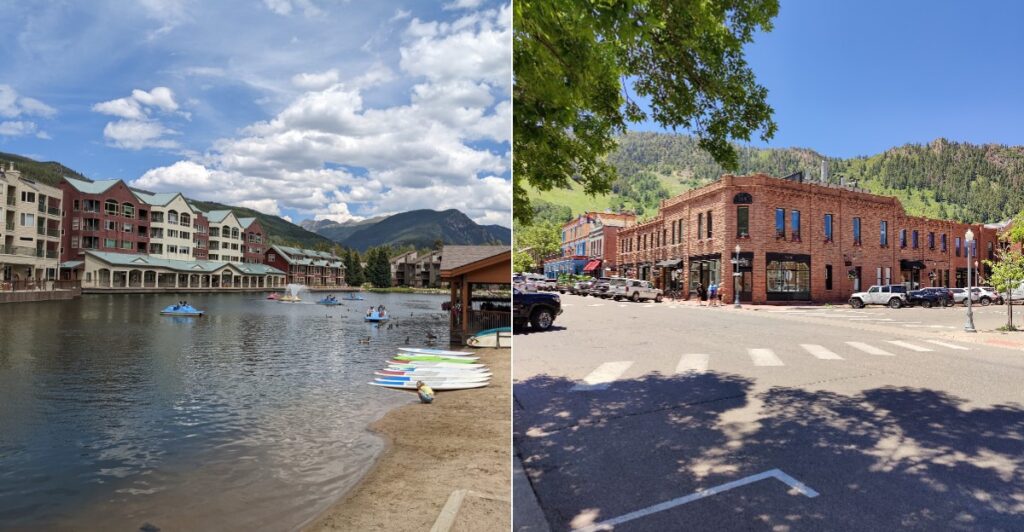
Vail was a sheep pasture before it became a famous ski resort in the 1960s. I love that detail, because today you’d have a hard time finding a quiet patch of grass there on a holiday weekend.
That pasture-to-party story shows up again and again in Colorado. Old mining camps turned into shopping streets.
Railroad stops turned into postcard towns with lines out the door.
The result is a lot of beautiful downtowns that locals happily share on Tuesdays. Saturdays are a different story.
Parking gets tricky, sidewalks fill up, and the folks who live there often run errands somewhere else.
I find that kind of funny and a little sweet. These towns are so loved that their own neighbors give them room to breathe.
So which mountain downtowns earn that kind of weekend dodge, and how can you visit them without becoming part of the traffic jam?
1. Breckenridge
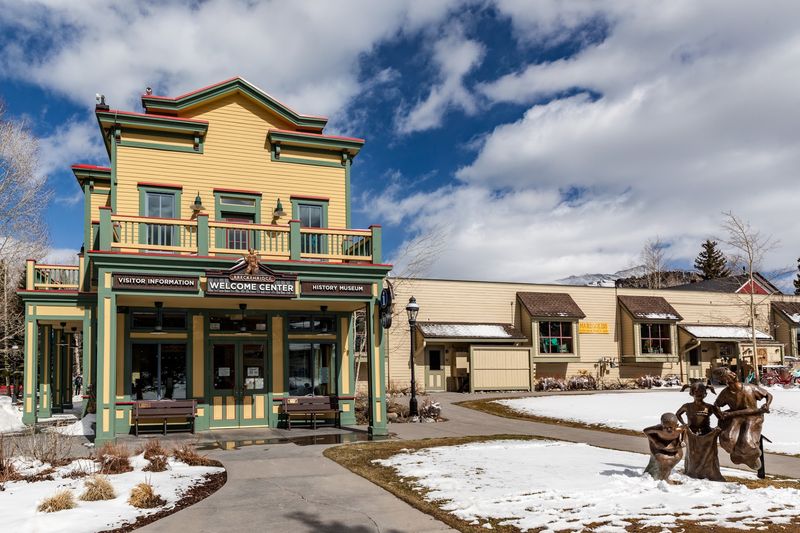
Gold seekers built this town in the 1800s, and the shopping crowds have been prospecting ever since. These days, the treasure is a parking spot near Main Street on a sunny Saturday.
Breckenridge sits in Summit County with the Tenmile Range rising behind its downtown. The historic Main Street area is lined with Victorian buildings and more than 200 shops and restaurants.
That number explains a lot. When a street packs that many places to browse and snack, visitors tend to stay for hours instead of minutes.
The town also has one of the largest historic districts in Colorado. It was designated in 1980 to protect the old buildings that give downtown its charm.
Inside that district, you’ll find the Arts District. It’s a campus of studios, galleries, and performance spaces set inside restored historic buildings.
So what’s the smart move? Show up early, before the sidewalks fill and the lunch rush starts.
Morning is a great time to walk Main Street and actually see the old trim and painted fronts. Later in the day, you’ll mostly see the backs of other people’s jackets.
You can also split your visit into two parts. Spend the busy midday hours at the Arts District or on nearby trails, then come back downtown later.
Breckenridge rewards patience and good timing. Plan a weekday trip if you can, and you’ll understand why folks fell for this place in the first place.
Address: Breckenridge, CO 80424
2. Estes Park
Rocky Mountain National Park has a front porch, and Estes Park is it. Guess where a lot of park visitors stop for snacks, souvenirs, and a stretch?
The downtown here centers on a compact strip along Elkhorn Avenue. Compact sounds cute until thousands of road trippers try to use it at the same time.
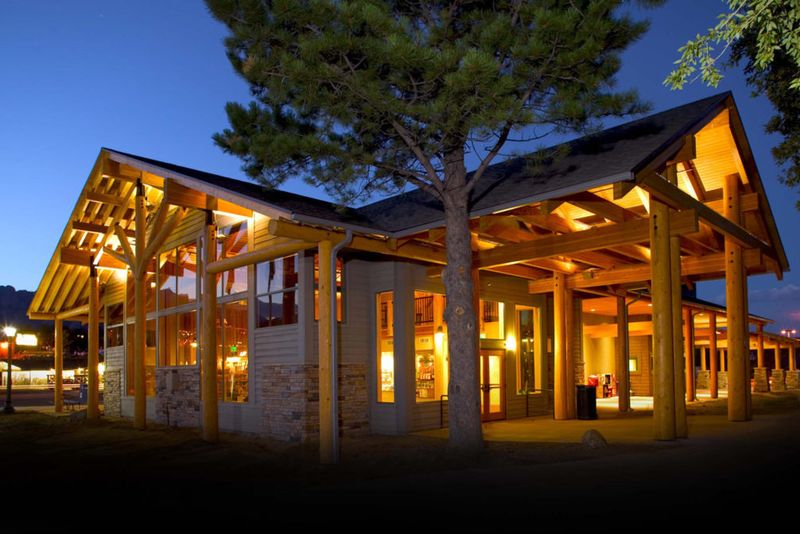
Just outside town, the Beaver Meadows Visitor Center serves as a main gateway into the park. You can talk with rangers, grab maps, and watch an orientation film there.
Kids can pick up the Junior Ranger program too. There’s also a three-dimensional relief map that helps you picture the mountains before you drive them.
The building itself is pretty special. It’s a National Historic Landmark designed by students from Frank Lloyd Wright’s Taliesin studio, with low lines and native stone and timber.
History runs deep around here. Rocky Mountain National Park was designated in 1915, and people have lived in this area for about 11,000 years.
So how do you beat the Elkhorn Avenue squeeze? Try visiting downtown early in the morning, then head into the park.
Another option is flipping the plan. Explore the park first, and save the downtown stroll for the evening when day trippers start heading home.
Visitor center hours can change by season. Check ahead before you go so the trip runs smoothly.
Address: Estes Park, CO 80517
3. Frisco
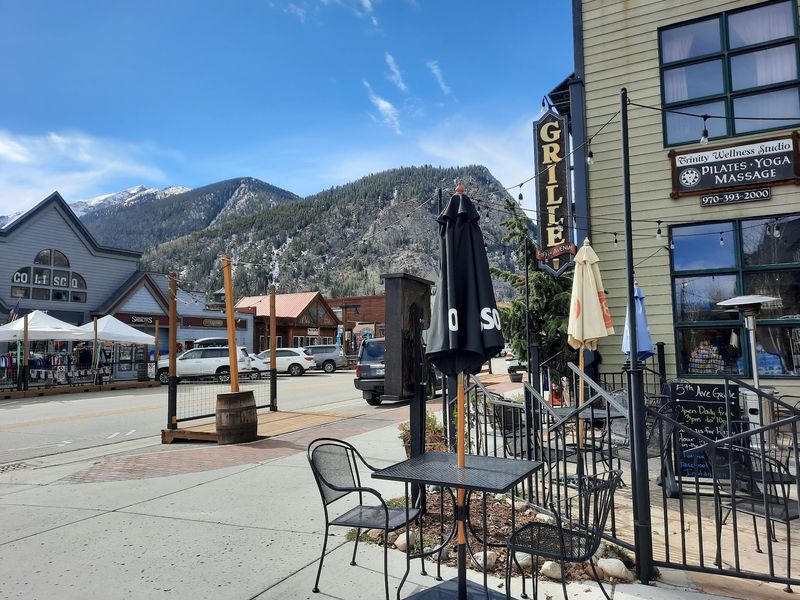
Small towns don’t usually have rush hour. Frisco’s Main Street might argue with that on a busy weekend.
Frisco sits in Summit County, the same mountain neighborhood as Breckenridge and Keystone. That location makes it a handy stop for travelers bouncing between ski areas, lakes, and trails.
The town keeps a small Rocky Mountain footprint. Its historic downtown Main Street is the main business corridor, so a lot of activity lands on one stretch of road.
Think about what that means on a Saturday. Hungry skiers, cyclists, and road trippers all aim for the same few blocks at once.
The upside? Frisco feels easy to explore on foot once you’re actually there.
You can park once and wander. Main Street works best when you treat it like a slow walk instead of a quick errand.
Timing matters here more than you might expect. Arriving before lunch can save you a lot of circling and sighing.
It also helps to think beyond downtown. Summit County has plenty of outdoor options, so you can spread your day around instead of stacking it all on Main Street.
Frisco is a great base for exploring this part of Colorado. Just remember that a small downtown fills up quickly, and plan your visit like a local would.
Address: Frisco, CO
4. Aspen
Two of the most photographed peaks in North America live just outside town. Naturally, half the continent wants a picture.
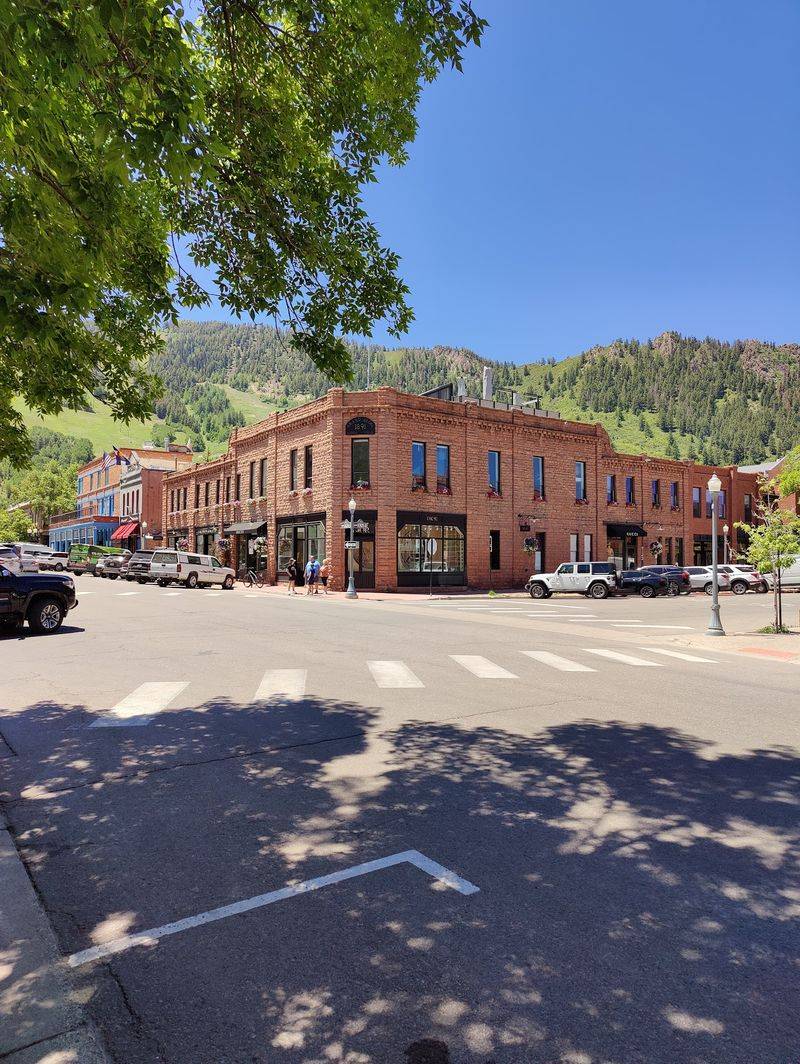
Aspen keeps a compact downtown with mining-era character and brick-paved pedestrian malls. Those walkable streets are lovely, and they fill up fast when visitors pour in.
The famous Maroon Bells sit off Maroon Creek Road near town. Maroon Peak reaches 14,163 feet, and North Maroon Peak stands at 14,019 feet.
Their reddish color comes from oxidized iron in the mudstone. Basically, the mountains are a little bit rusty, which is a fun fact to share on the trail.
The peaks sit in the Maroon Bells-Snowmass Wilderness, which covers 181,973 acres. It has about 100 miles of trails crossing nine passes above 12,000 feet.
Summer brings wildflowers, and fall turns the aspen trees bright gold. Those seasons pull big crowds both to the lake and back into downtown.
The Ute people were the first known inhabitants of this land. They used it for hunting and spiritual retreats long before ski lifts showed up.
So where does that leave you? Plan your Maroon Bells trip early, and save downtown for a quieter time of day.
Aspen is worth the effort. Just bring patience, comfortable shoes, and a camera with plenty of room.
Address: Aspen, CO 81611
5. Vail
Sheep used to graze where skiers now line up for gondolas. That’s quite a glow-up for one mountain valley.
Vail grew into a ski resort in the 1960s and became an official town in 1966. Today, it works as a compact, pedestrian-friendly alpine village with a small year-round population.
That last part matters. When the number of visitors far outnumbers the people who live there, weekend crowds feel extra big.
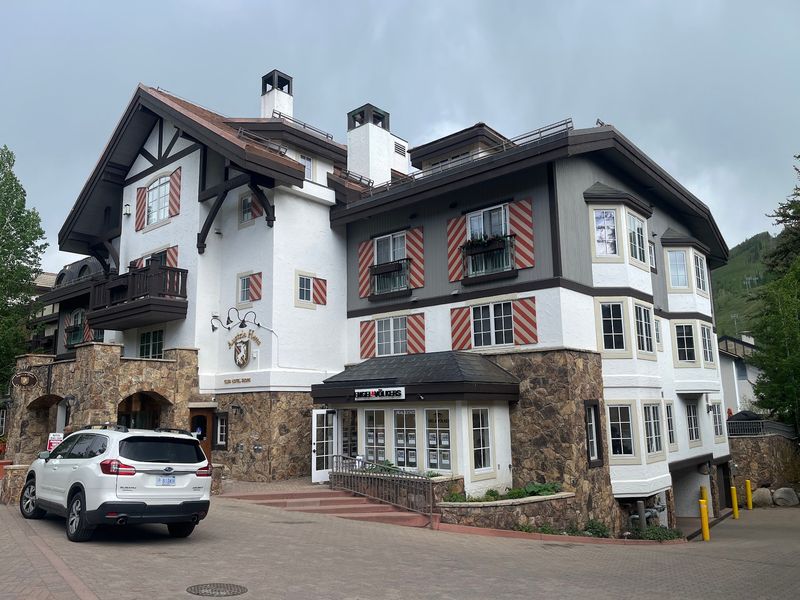
Vail Village is the heart of the action. Its cobblestone streets and European-style buildings make it feel like a little slice of the Alps.
You’ll find high-end shops, art galleries, cafes, and many places to eat. The village also gives direct access to gondolas heading up Vail Mountain.
Winter adds ice skating, and the village hosts seasonal festivals and live music. Fun, sure, but that’s also a recipe for packed walkways.
Here’s a helpful tip. Visit the village early in the day, before the ski crowd wraps up and heads into town.
Summer can be a smart choice too. You still get mountain views and village charm, often with a little more elbow room.
Vail rewards visitors who plan ahead. Pick your timing well, and those cobblestones will feel a lot more relaxing.
Address: Vail, CO 81657
6. Keystone
Keystone officially became an incorporated town on February 8, 2024. Yet it still manages to draw the kind of weekend crowds that big cities might envy.
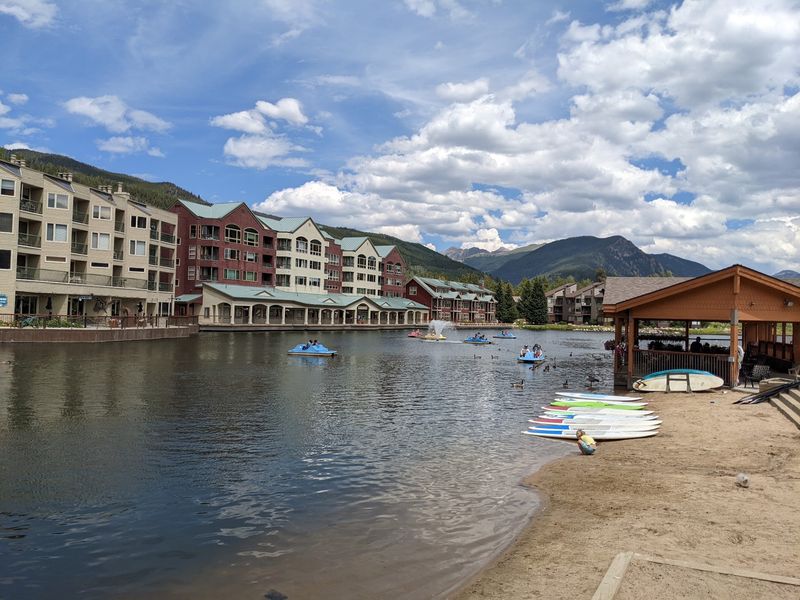
This is an incorporated mountain town in a high-altitude valley. Instead of one classic downtown, life here centers on compact resort village hubs.
That setup changes how crowds work. Visitors tend to gather in a few small areas, so those spots can feel busy very quickly.
Keystone sits in Summit County, close to Frisco and Breckenridge. That means a lot of travelers pass through the area while hopping between mountain stops.
So why do people pick Keystone? Its village hubs keep things simple, with shops and dining clustered close together.
That convenience is exactly why weekends get packed. When most activity sits in compact spaces, the lines and sidewalks fill up fast.
Smart timing makes a big difference. Try exploring the village areas early, then spend the busiest hours outdoors.
Weekdays are even better if your schedule allows it. You’ll get a calmer version of the same mountain scenery.
High altitude is worth thinking about too. Drink plenty of water and pace yourself, especially if you’re coming from lower ground.
Keystone shows that even a newly incorporated mountain town can draw big crowds. Plan well, and you’ll enjoy the views without the traffic stress.
Address: Keystone, CO 80435
7. Telluride
Free public transportation that floats through the sky? Telluride made that happen, and visitors love it a lot.
The Telluride Gondola connects the town with Mountain Village at no cost. It’s a rare system in the United States.
The ride takes about 12 to 13 minutes. You get sweeping 360-degree views of the San Juan Mountains on the way.
It opened on December 20, 1996. One goal was cleaner air, since fewer cars would need to climb between the two areas.
Cabins carry ski racks in winter and bike racks in summer. Some cabins are dog-friendly and wheelchair accessible too.
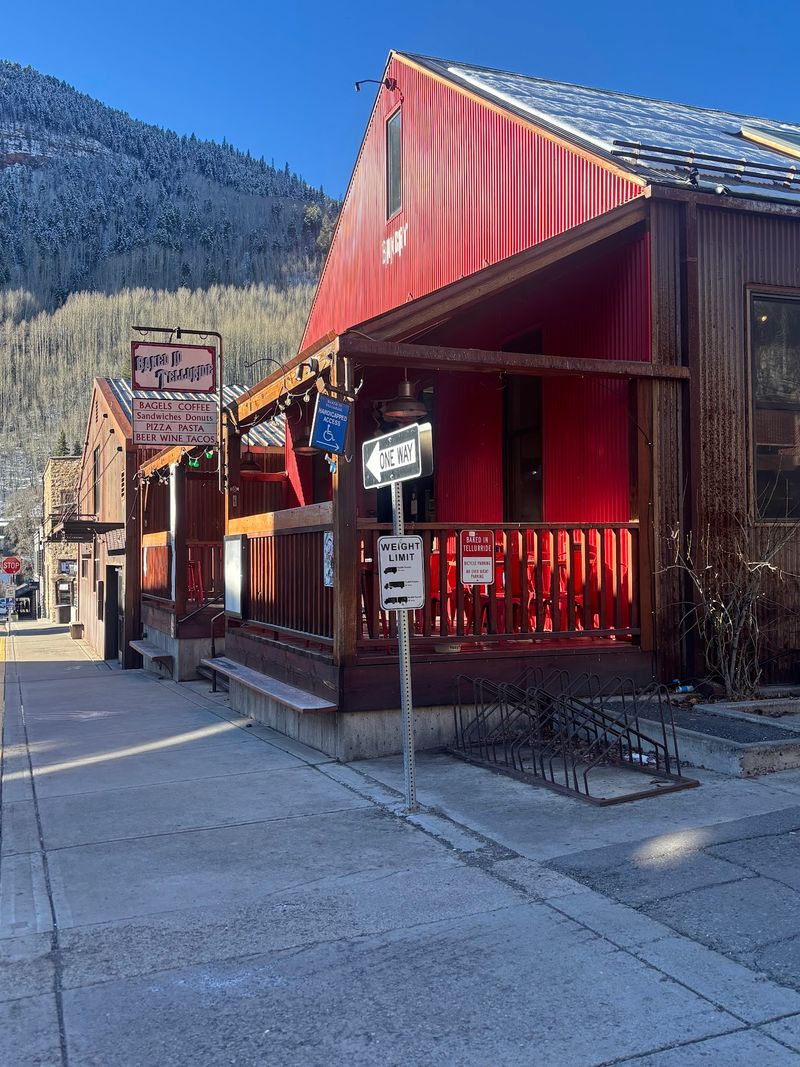
Telluride itself sits in a dramatic box canyon. Its downtown is a National Historic Landmark district, which makes it a magnet for curious travelers.
That remote canyon setting has a catch. There’s only so much space, so busy weekends feel crowded quickly.
The gondola usually runs daily from 6:30 a.m. to midnight during its main seasons. It closes for maintenance in late spring and fall, with buses filling in.
A good plan is riding early in the morning. You’ll enjoy calmer cabins and better chances for clear photos.
Telluride feels like a storybook town tucked in the mountains of Colorado. Give yourself extra time, and you’ll enjoy the view instead of the wait.
Address: Telluride, CO 81435
8. Steamboat Springs
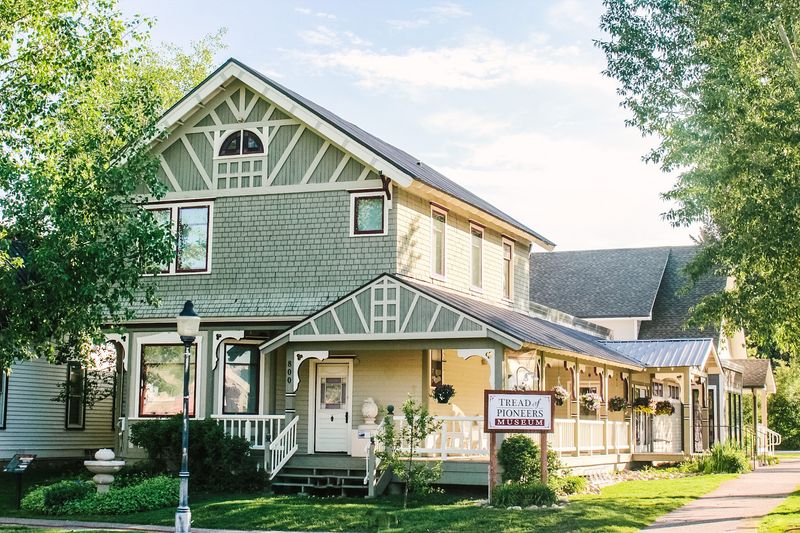
Soaking in a steaming pool while snow falls around you sounds dreamy. Steamboat Springs makes that daydream real, so of course people show up in droves.
The town keeps a traditional Western mountain feel along downtown Lincoln Avenue. That main road becomes a busy spot when visitors roll in for the weekend.
About seven miles north of town, Strawberry Park Hot Springs sits in a narrow canyon. It has five stone-lined mineral pools with sandy bottoms.
The water ranges from about 100 to 106 degrees. Cottonwoods and pines surround the open-air pools.
You’ll need a reservation before you go. The springs accept cash only on-site, so plan ahead.
Daytime is family-friendly, and swimwear is required. After dark, the pools switch to adults-only.
The road is part of the adventure. The last two miles are unpaved, steep, and winding.
From November 1 to May 1, you’ll need four-wheel drive with snow tires. Shuttles from town are available if your car isn’t ready for that climb.
Overnight stays are possible too. Options include rustic cabins, tent sites, summer covered wagons, and even a renovated train caboose.
The springs joined the Routt County Register of Historic Places in 2013. Book early, stay patient downtown, and enjoy the steam.
Address: Steamboat Springs, CO 80487
9. Crested Butte
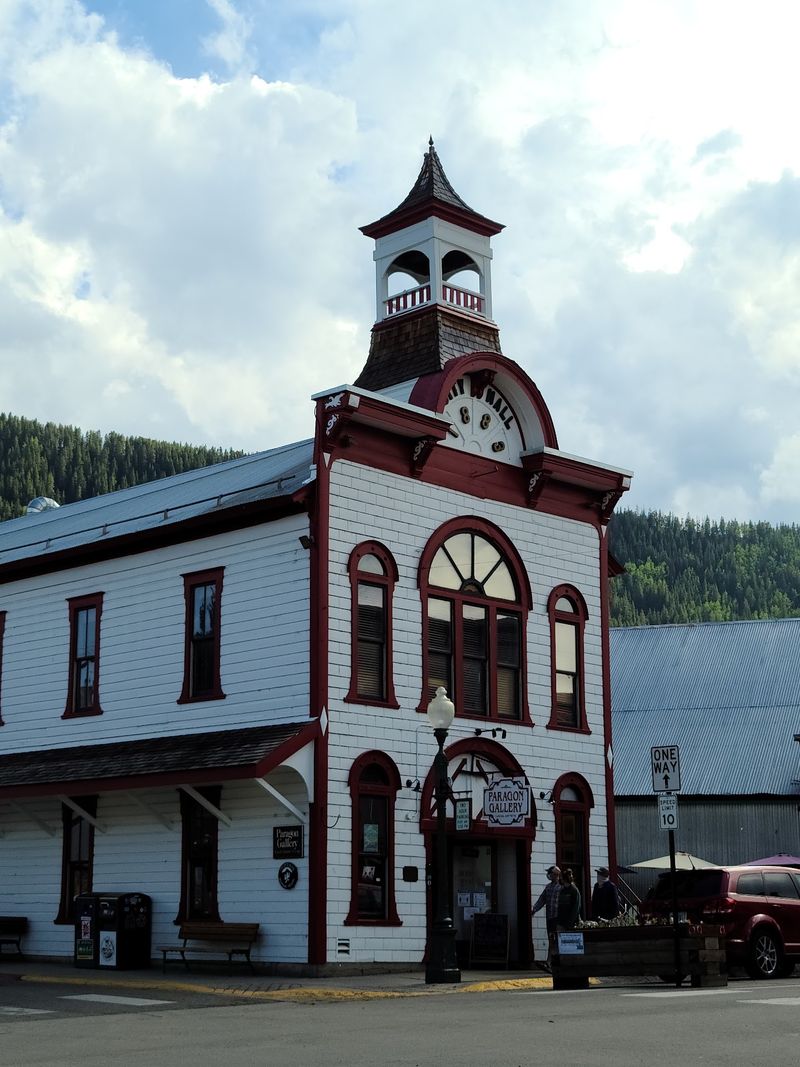
Coal once paid the bills in Crested Butte. Today, bright paint and old storefronts do most of the heavy lifting.
This small former mining town is known for its colorful, preserved Victorian main street. That street is Elk Avenue, and it’s the busy center of downtown.
Many buildings along the avenue have been carefully restored. They give you a peek at the town’s mining past while you browse.
Elk Avenue features local galleries, shops, and restaurants. That mix gives the town an artsy, one-of-a-kind personality.
Foot traffic stays steady here. On busy weekends, the sidewalks can feel more like a parade route.
Good news for drivers, though. Free public parking is available along the avenue, though finding an open space on a Saturday takes luck.
So how should you visit? Try heading downtown early, when shops are opening and the street feels calmer.
Another idea is a slow evening stroll. The colorful buildings still shine, and you’ll often have more room to enjoy them.
Crested Butte is one of the most charming small towns in Colorado. Take your time, look up at those old rooflines, and enjoy a downtown that loves its history.
Address: Crested Butte, CO 81224