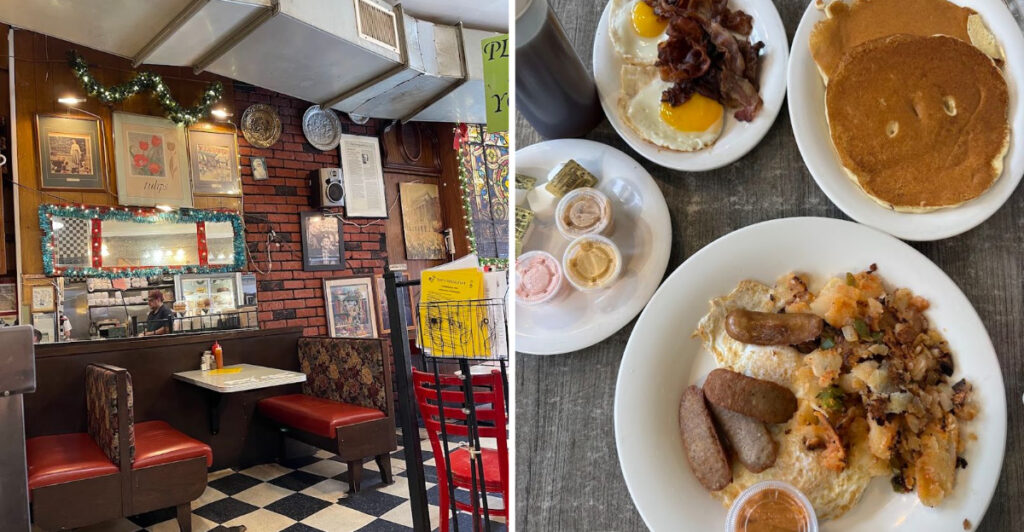
Breakfast has been called to the witness stand, and Brooklyn brought pancakes as evidence.
Since 1936, one Washington Avenue diner has kept the griddle busy enough to make alarm clocks look useful.
The line may form outside, but coffee, small snacks, and the promise of lemon-ricotta pancakes keep impatience from winning.
New York breakfast can be loud, expensive, and determined to reinvent the egg. This place answers with family history and a menu that lets chocolate cake qualify as French toast.
You may arrive planning a sensible plate. Then homemade flavored butter reaches the table, and every responsible decision asks for a recess.
New York has watched neighborhoods change, trends disappear, and brunch become a competitive sport. This diner simply kept pouring coffee.
Ninety years later, the verdict remains deliciously inconvenient: the full house is not leaving, and neither is your appetite once the pancakes take the stand.
Prospect Heights Has Kept The Griddle Busy Since 1936
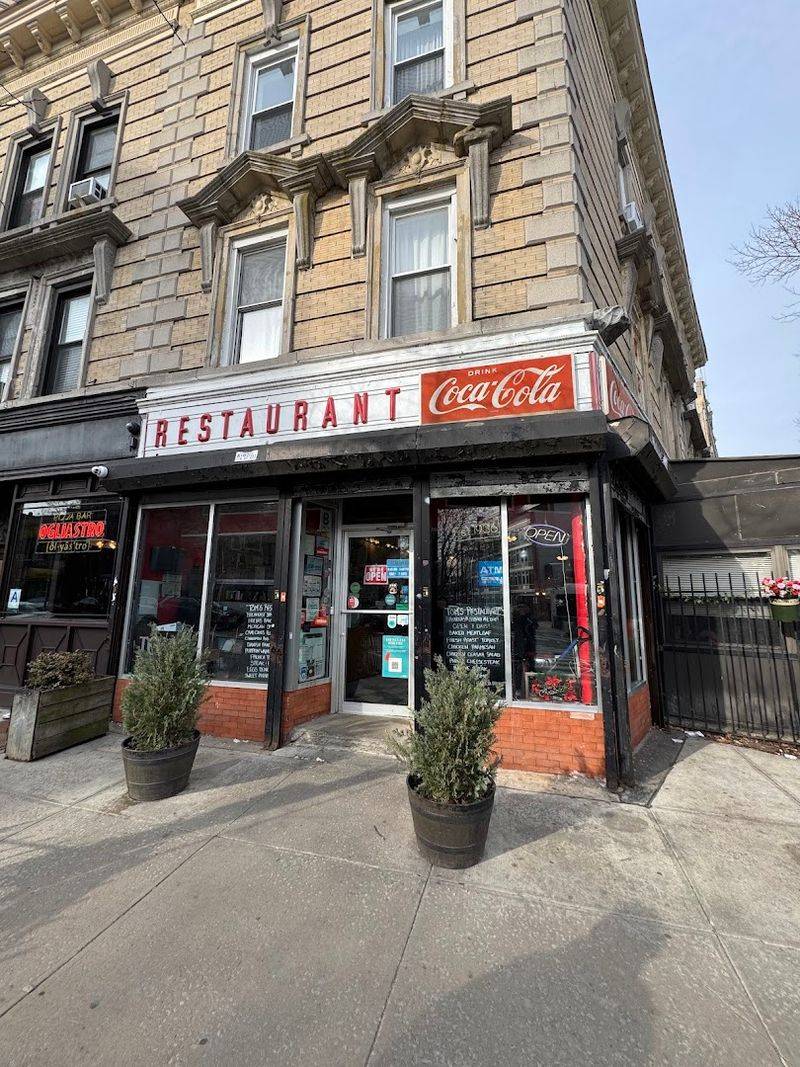
Ninety years is a long shift, even for a coffee pot.
Tom’s Restaurant began serving New York diners in 1936 and remains a family-owned breakfast-and-lunch institution in Prospect Heights.
The business started as an ice cream parlor before growing into the neighborhood institution now known for pancakes, egg plates, counter chatter, and weekend lines.
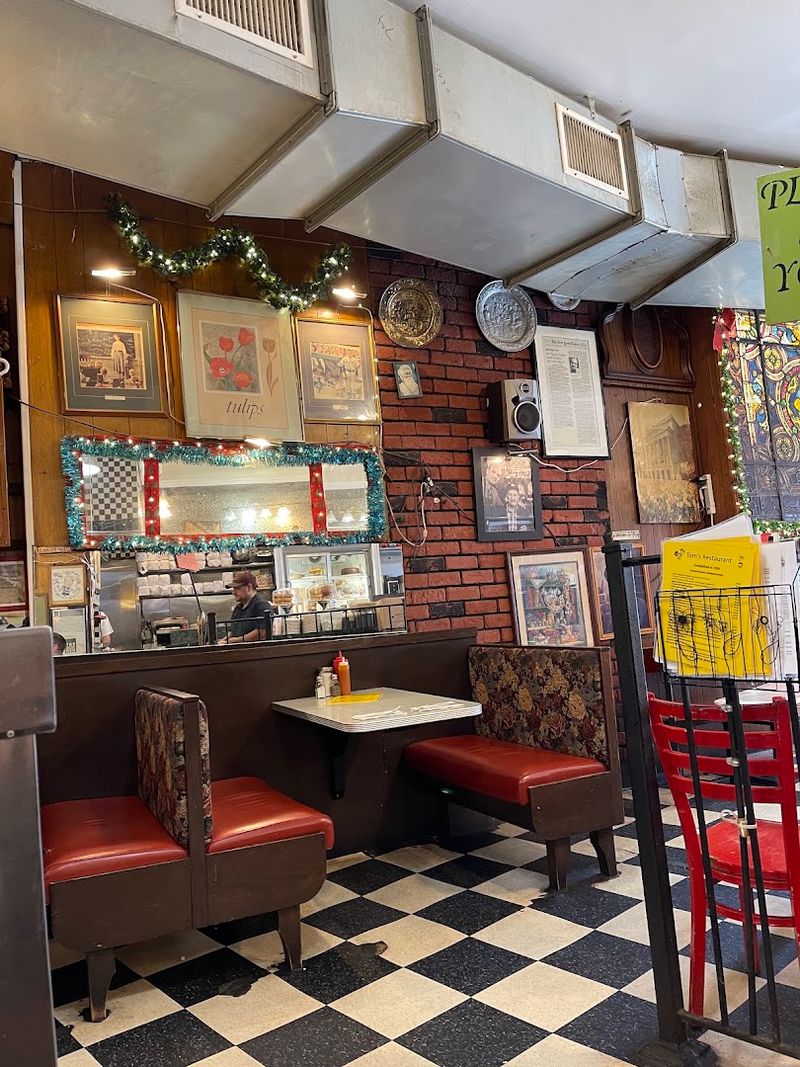
That history never requires you to study a timeline before ordering. It appears through the old-fashioned room, the steady rhythm of service, and the way regulars settle in without needing to inspect every page of the menu.
The diner has also stayed rooted while Washington Avenue changed around it. New restaurants arrived, neighborhood habits shifted, and brunch became an event with waiting lists and camera-ready plates. Tom’s kept doing the work over a hot griddle.
Its longevity comes with a practical lesson. A restaurant does not reach nine decades because one generation liked the wallpaper. It keeps going because the next generation still wants breakfast there.
The calendar says 1936 was another era, but the pancakes keep treating it like yesterday’s opening shift.
Danish Pancakes Turn Breakfast Into A Plot Twist
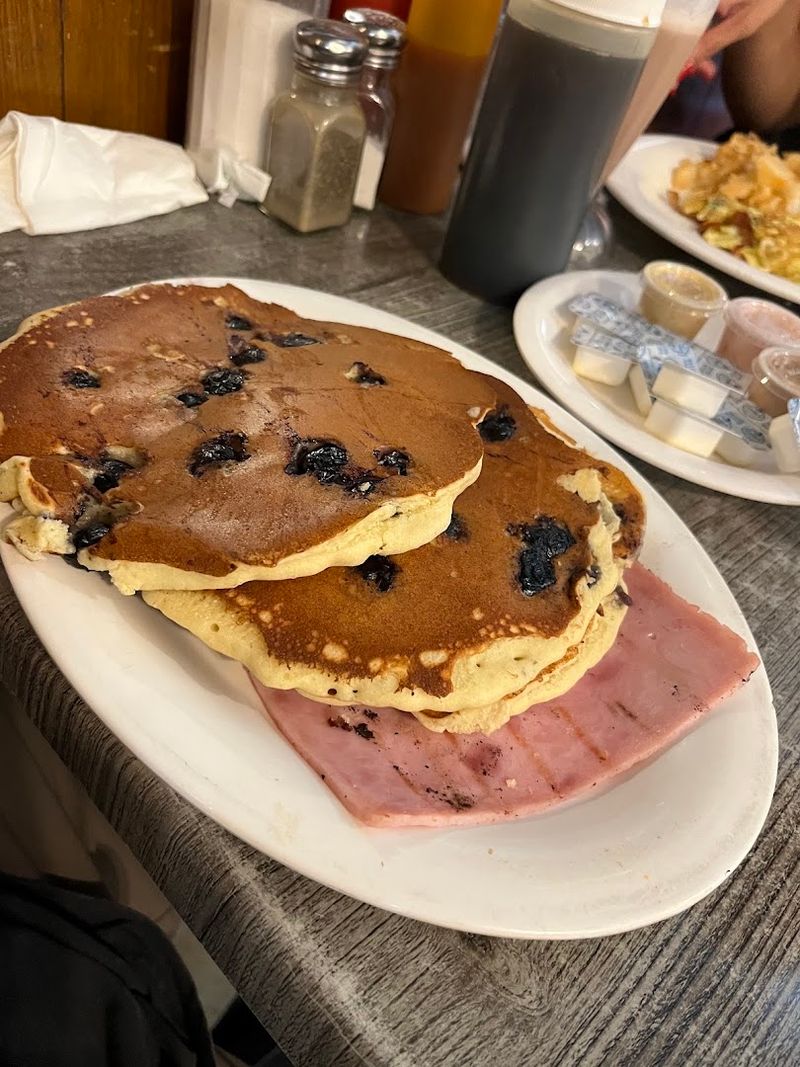
Blueberries expected a quiet morning. Parmesan changed the script.
The Danish pancakes combine ricotta, blueberries, lemon zest, and a touch of sharp Parmesan, creating the diner’s most famous argument against ordering an ordinary stack.
The ingredients sound like they wandered in from different meals, yet the griddle turns them into one convincing plate.
At 782 Washington Avenue in Brooklyn, New York, the dish has become a reason to cross neighborhoods before lunch. The ricotta softens the pancakes, lemon brightens each bite, and blueberries provide sweetness without requiring the entire syrup pitcher.
Parmesan supplies the surprise. It does not turn breakfast into pasta night. Instead, its saltiness keeps the fruit and ricotta from becoming too sweet, giving the stack a finish that stays interesting beyond the first forkful.
You may offer to share before the plate arrives. That generosity becomes harder to maintain once the first pancake reveals why regulars remember the order by name.
Many breakfast menus promise a twist and deliver a topping. This one puts the plot inside the batter.
Homemade Butters Make Syrup Defend Its Job
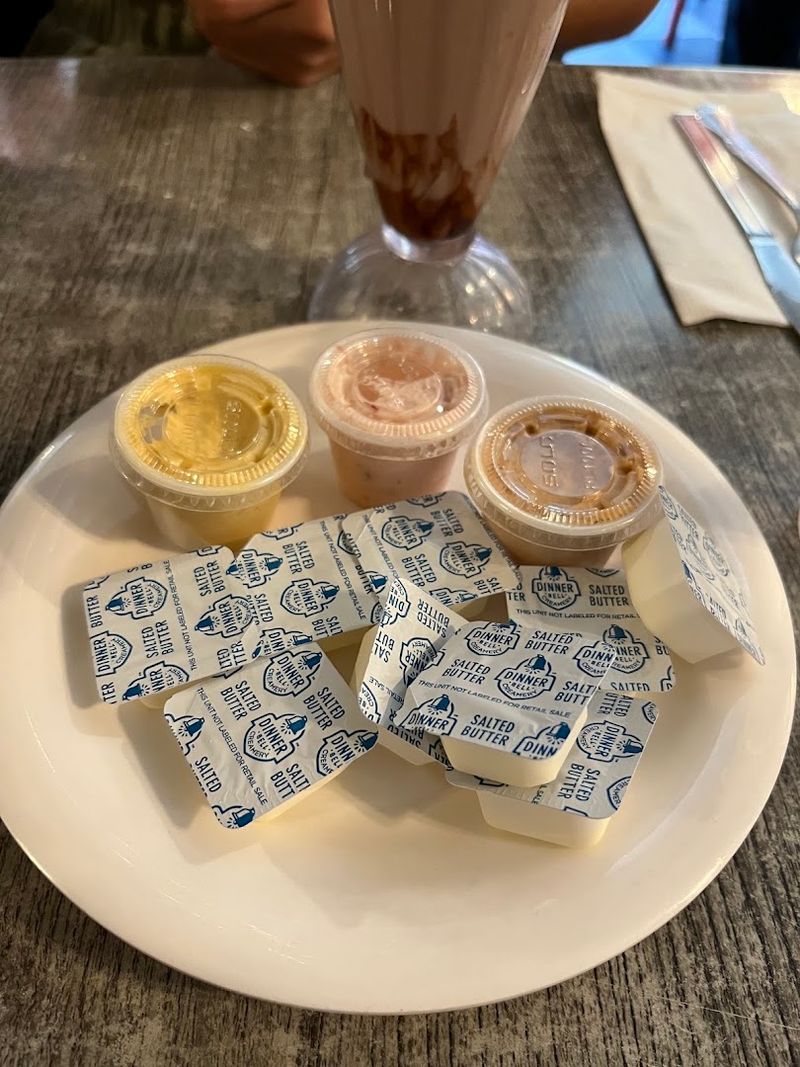
Syrup arrived confident. Then the flavored butter opened its little ramekin.
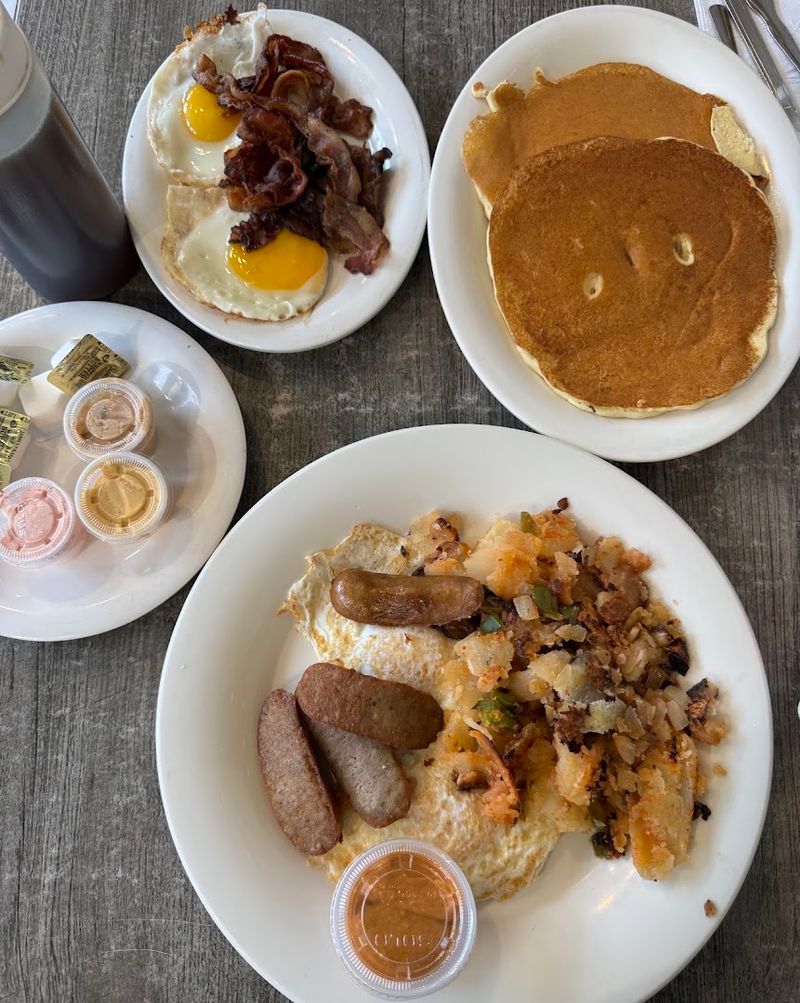
Tom’s serves pancakes and French toast with homemade flavored butters, a small house touch that changes how you approach the plate. Instead of covering everything immediately, you can spread a little butter across one corner and let the warm surface do the rest.
The butters add sweetness and spice without forcing every bite into the same direction. One forkful can lean toward syrup, another toward the house spread, and a third can combine both after restraint has officially left the booth.
That flexibility matters on a large stack. Pancakes can become repetitive when every layer tastes identical. Changing the topping keeps the plate moving and gives you an excellent excuse to conduct unnecessary comparisons.
The detail also reflects the diner’s personality. Tom’s built its name through familiar breakfast food, yet the kitchen still finds room for extras that make the meal unmistakably its own.
You may forget which mug held your coffee. The flavored butter usually keeps its place in the memory.
Syrup remains employed, but it no longer controls the department.
Chocolate Cake French Toast Rewrites The Morning Rules
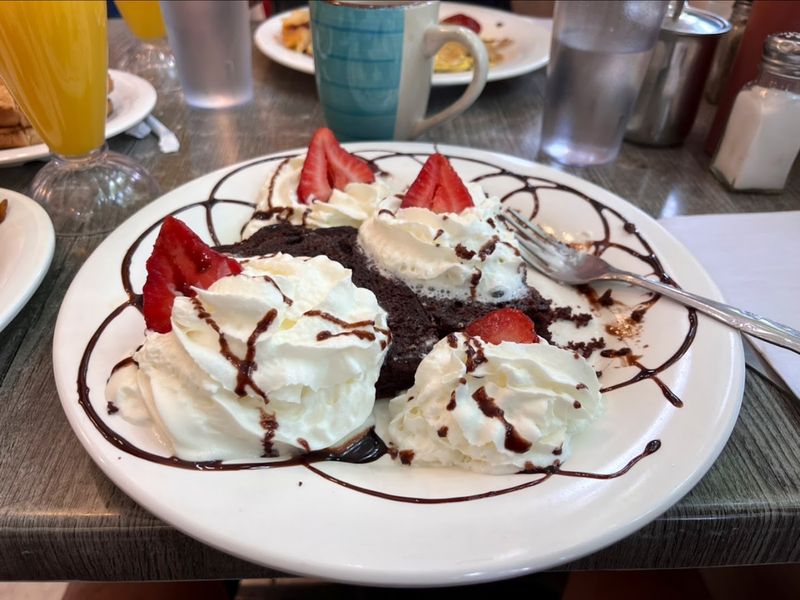
Chocolate cake reported for breakfast, and nobody had the authority to send it home.
The chocolate cake French toast takes one of the menu’s most unexpected turns. It brings a dessert-like richness into the morning while keeping the structure of a diner plate, complete with a browned exterior and a softer center.
This is not the order for pretending breakfast remained strictly practical. It is the order for accepting that a fork, powdered sweetness, and a generous portion can make the clock irrelevant for several minutes.
The dish also works because Tom’s already understands French toast. Bread needs enough soak to become tender without collapsing, and the surface needs enough heat to develop contrast.
Add chocolate cake to that equation, and the usual breakfast boundaries begin filing complaints.
Sharing helps, especially if pancakes or eggs are already occupying the table. Still, one offered bite can become two, followed by a suspiciously large third sample.
Some mornings begin with discipline and end with accomplishment. This one ends with chocolate crumbs and an excellent lack of remorse.
Breakfast wrote the rules, and Tom’s brought an eraser.
The Weekend Line Comes With Its Own Snack Service
Most lines test patience. This one starts feeding it.
Weekend crowds have long been part of the Tom’s routine, especially when pancakes and late breakfast plans collide. Staff have been known to bring coffee and small snacks to people waiting outside, turning the sidewalk into a preview rather than a holding area.
That gesture says more than a sign promising quick service. It acknowledges that hunger has already arrived and gives the line a little of the hospitality waiting indoors.
The offerings have included simple bites such as fruit, cookies, or small breakfast samples over the years. The exact treat matters less than the idea: you are not ignored merely because a table has not opened yet.
Once inside, the room moves with practiced efficiency. Orders travel, coffee returns, plates land, and the next group gets closer to the door without making your meal seem hurried.
A wait still requires time, so arriving earlier can help on busy mornings. Yet the line has become part of the restaurant’s story because the staff refuses to let it become the entire experience.
Third-Generation Ownership Keeps The Welcome Personal
A family tree stands behind the counter, and it knows how you take breakfast.
Tom’s has remained in family hands through three generations, with the diner’s hospitality shaped by the Vlahavas and Kokotas families. That continuity gives the New York diner a memory longer than many of the buildings surrounding it.
Second-generation owner Gus Vlahavas became closely identified with Prospect Heights through decades of work at the diner. His nephew Jimmy Kokotas later carried that tradition forward, preserving the idea that recognizing customers matters alongside serving them.
You do not need to be a regular to benefit from that approach. The room is built around quick greetings, steady coffee, and a style of service that can make a first visit less anonymous.
Family ownership also explains why the diner’s quirks survived. The goal was never to sand away every old detail and replace it with a concept. The goal was to keep the business useful, welcoming, and worthy of another generation.
A corporate handbook can teach table numbers. It cannot easily teach a neighborhood’s history.
Decades Later, Washington Avenue Still Knows How To Fill A Room
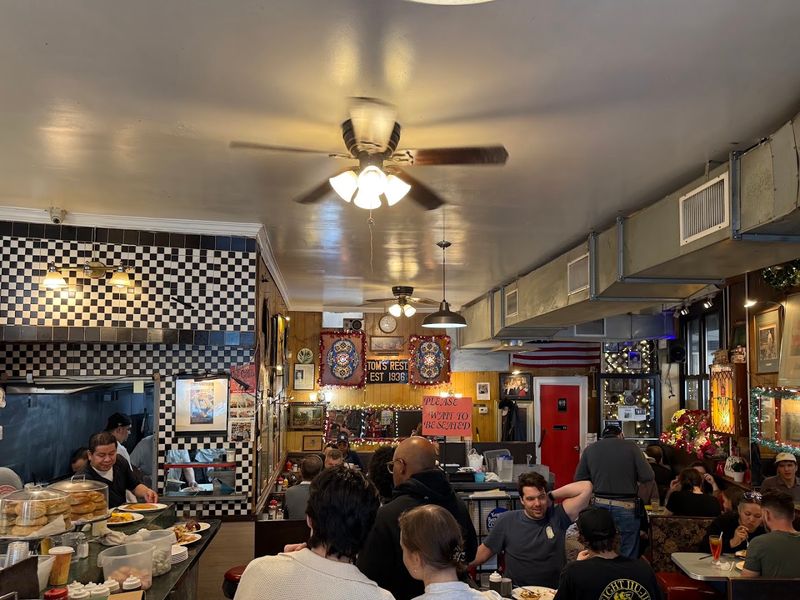
The final coffee refill arrives with one difficult message: eventually, you must surrender the booth. Tom’s continues drawing diners because its history never became the only reason to visit.
The restaurant remains useful in the present, serving breakfast and lunch to regulars, museum visitors, neighborhood families, and anyone willing to let pancakes interrupt the day.
The old-fashioned atmosphere helps, but the food keeps the room active. Danish pancakes deliver the signature surprise, flavored butter gives the table a house tradition, and chocolate cake French toast makes moderation sound like an issue for another morning.
A full room also proves that familiarity can stay exciting. Diners return to known favorites while first-timers study nearby plates and quietly change their orders before the server comes back.
The neighborhood outside will keep evolving. Washington Avenue has already shown that change does not require erasing every place that remembers an earlier Brooklyn.
You leave with less coffee in the cup, more breakfast than planned, and a strong suspicion that waiting once will not prevent returning.