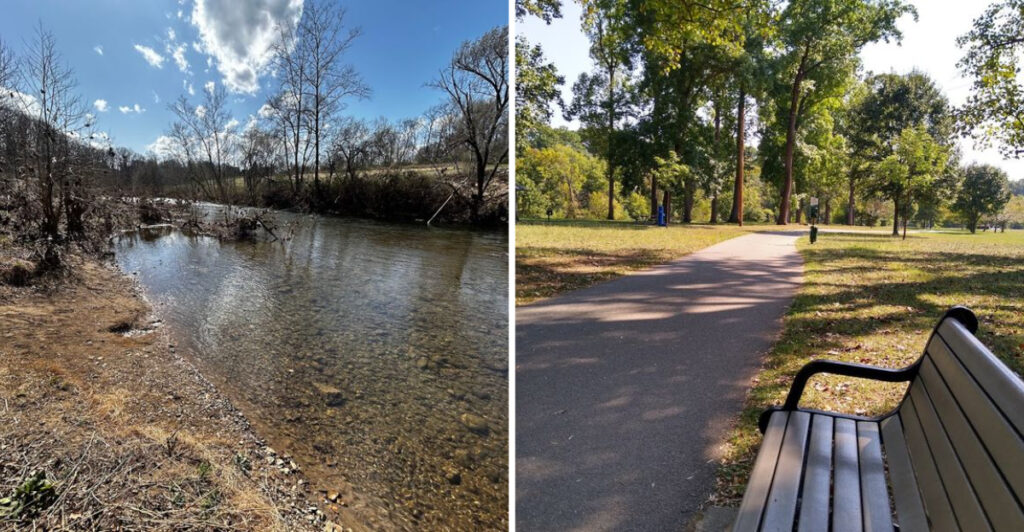
What if the paddling spot you have been dreaming about was hiding in plain sight all along? Virginia has a way of tucking its best-kept outdoor secrets behind city limits and everyday scenery, and this one is no exception.
A hidden kayak park that every paddler talks about in hushed, excited tones sits along a living river winding right through the heart of the state. The setup is clean, the access is easy, and the water has a pull that is hard to explain until you feel it yourself.
Wildlife, scenery, and miles of mapped trail make it far more than a simple launch spot. Virginia outdoor lovers who discover it rarely keep it quiet for long.
Pack your gear, check the water levels, and let the river do the rest.
What Makes Wasena Park A Paddler’s Starting Point
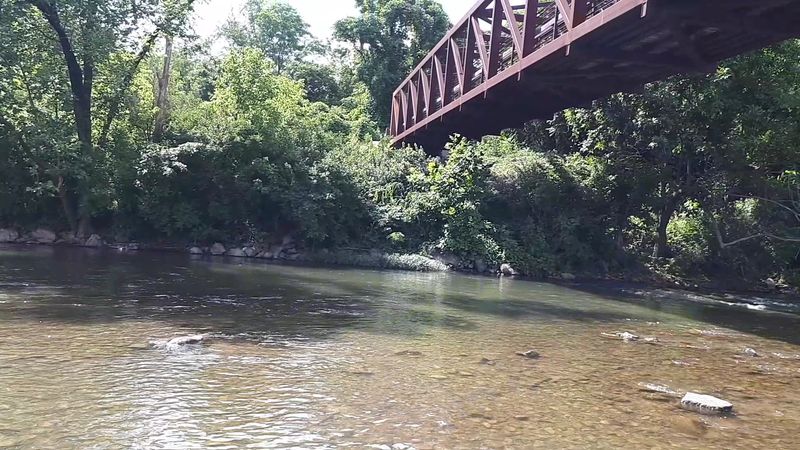
Paddlers who pull up to Wasena Park for the first time are often surprised by how organized and accessible the whole setup feels.
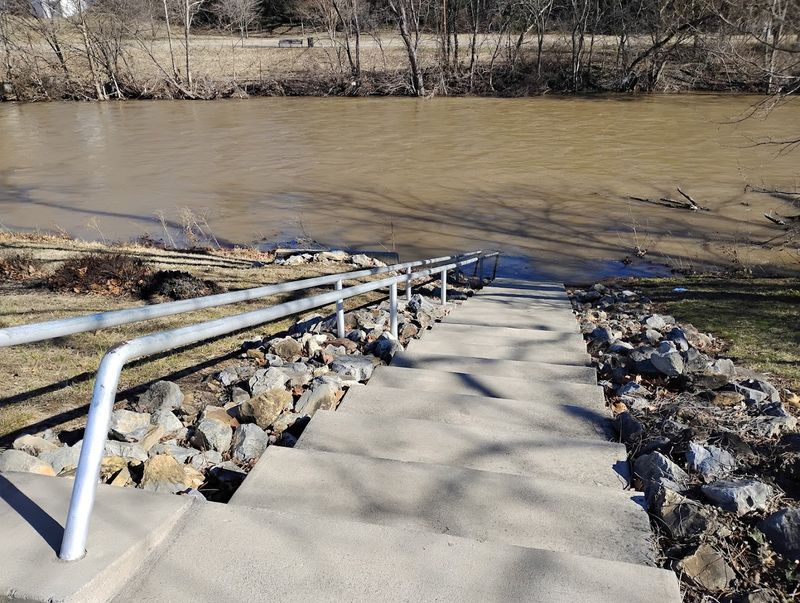
The park sits right along the Roanoke River, and the put-in spot makes launching a kayak or canoe a straightforward process without the usual scramble down a muddy bank.
Parking is available nearby, and the surrounding park grounds give visitors a comfortable place to gear up before hitting the river.
For first-timers, this kind of setup removes a lot of the stress that can come with trying a new paddling spot. The gentle current near the launch area also gives newer paddlers a chance to get their bearings before moving further downstream.
The location at 1201 Prillaman Avenue NW in Roanoke, Virginia, puts it close to city amenities while still feeling connected to open water
The Roanoke River Blueway Trail Explained
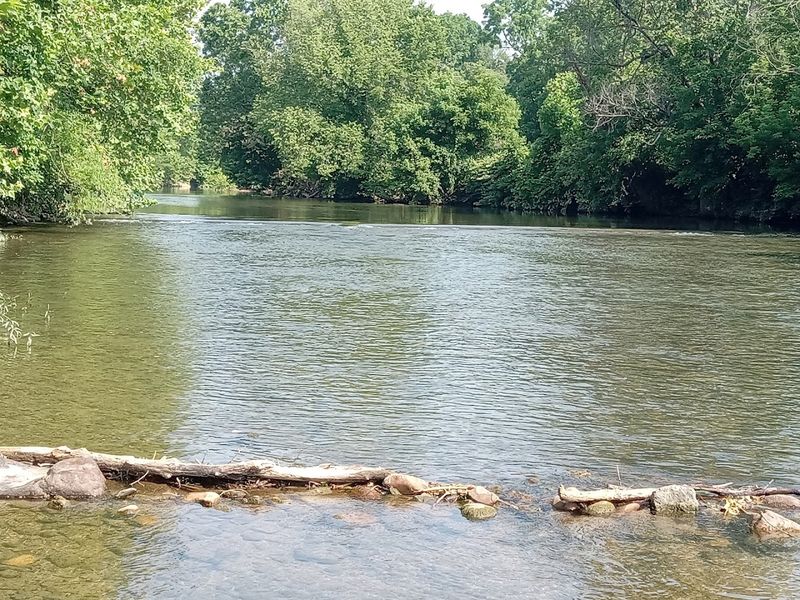
The Roanoke River Blueway is a designated water trail that follows the Roanoke River through the heart of Virginia.
It connects multiple access points across the city, giving paddlers the freedom to plan short trips or longer journeys depending on their skill level and available time.
A blueway trail is essentially a mapped paddling route, similar to a hiking trail but on water.
Signs, landmarks, and marked access points help paddlers navigate without needing to guess where they are on the river.
Wasena Park serves as one of the most popular starting points along the entire route.
The trail passes through a mix of natural and urban scenery, which makes each section feel a little different from the last.
Paddlers can choose their own pace and distance, making the blueway flexible enough to suit a casual afternoon float or a more dedicated multi-hour adventure on the water.
Wasena Park serves as one of the most popular paddling access points along the Roanoke River Blueway, and the city’s first in-river whitewater park is currently under construction nearby, with completion planned for late 2026.
Water Conditions And Current
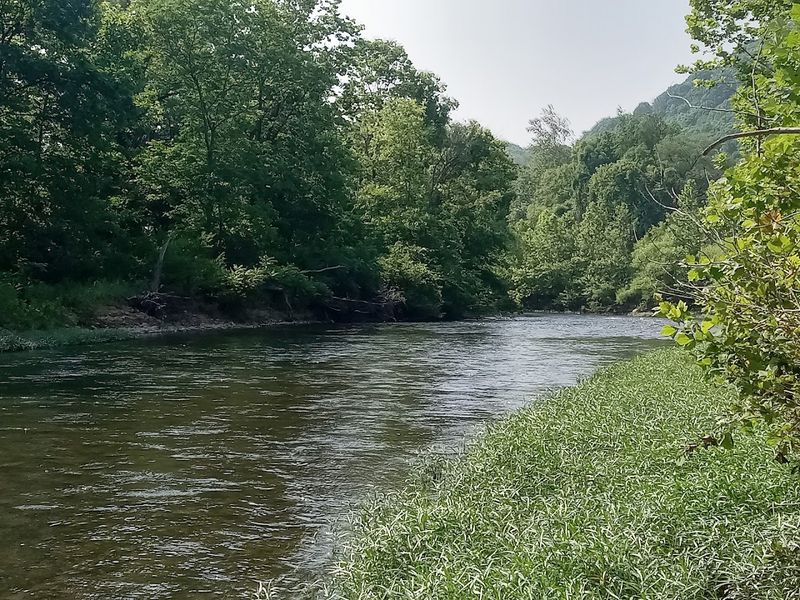
The Roanoke River near Wasena Park tends to run at a manageable pace for most of the year, but water conditions can shift depending on recent rainfall and seasonal changes. Checking current water levels before heading out is always a smart move, especially after heavy rain when the current can pick up noticeably.
During drier months, the river often settles into a calm, flat stretch that suits beginners and casual paddlers perfectly. The water clarity can vary, but the experience of floating along a living river system is consistently rewarding no matter the season.
Paddlers who pay attention to the river’s behavior tend to have a much better time on the water. Understanding how the current behaves around bends and near shallow sections helps with steering and keeps the trip running smoothly.
Virginia waterways can be unpredictable, so preparation always pays off in the long run.
Wildlife Along The Riverbanks Worth Watching For
One of the quiet rewards of paddling the Roanoke River is the wildlife that shows up without warning. Great blue herons are a common sight, often standing completely still along the shoreline as kayaks drift past within surprisingly close range.
Turtles sunning themselves on logs, kingfishers darting low over the water, and the occasional deer at the river’s edge all add to the sense that this urban waterway still belongs to the natural world.
Birders who bring binoculars tend to find the experience especially satisfying during the spring and fall migration seasons.
The riverbanks support a healthy mix of vegetation that provides habitat for a wide variety of species throughout the year. Paddling quietly and staying patient rewards observers with sightings that would be impossible to catch from a trail or road.
Virginia’s urban rivers often hold more wildlife than most people expect.
What To Bring On The Water
Heading out on the Roanoke River without the right gear is a gamble that rarely ends well. A properly fitted personal flotation device is non-negotiable, and most experienced paddlers treat it as the single most important item on the packing list.
A dry bag keeps phones, keys, and snacks safe from splashes and unexpected dips. Sun protection matters more on the water than most people realize, since sunlight reflects off the river surface and can cause burns faster than a day on land would.
Water and snacks are easy to overlook when planning a short float, but even a two-hour paddle can leave someone dehydrated and hungry. Wearing quick-dry clothing and securing footwear that can handle wet conditions rounds out a solid kit for a day on the Roanoke.
Preparation is what separates a great trip from an uncomfortable one, and Virginia summers especially demand it.
Wasena Park Beyond The Water
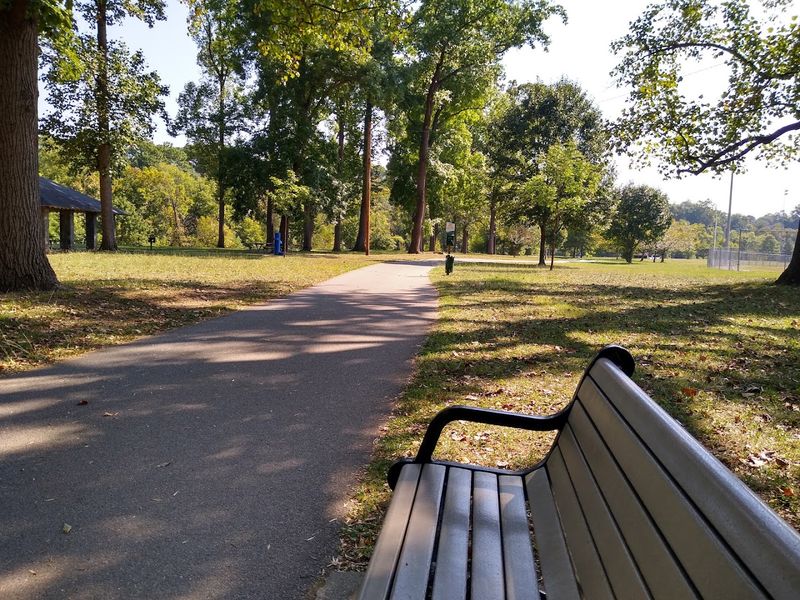
The river is the main attraction, but Wasena Park offers a lot more than just a place to launch a kayak. The surrounding park grounds include open green spaces, walking and cycling paths, and views of the river that are worth enjoying even from dry land.
Families often use the park as a full-day destination, with some members paddling while others explore the trails or relax on the grass. The Roanoke River Greenway runs through this area, connecting the park to a larger network of trails that stretches across the city.
Picnic areas near the water make it easy to extend a paddling trip into a proper outdoor meal with a view. The park has a comfortable, community-friendly atmosphere that feels welcoming rather than crowded.
For visitors who want to explore Virginia’s outdoor culture without leaving the city, Wasena Park consistently delivers more than expected.
Seasons On The Roanoke And When To Plan Your Trip
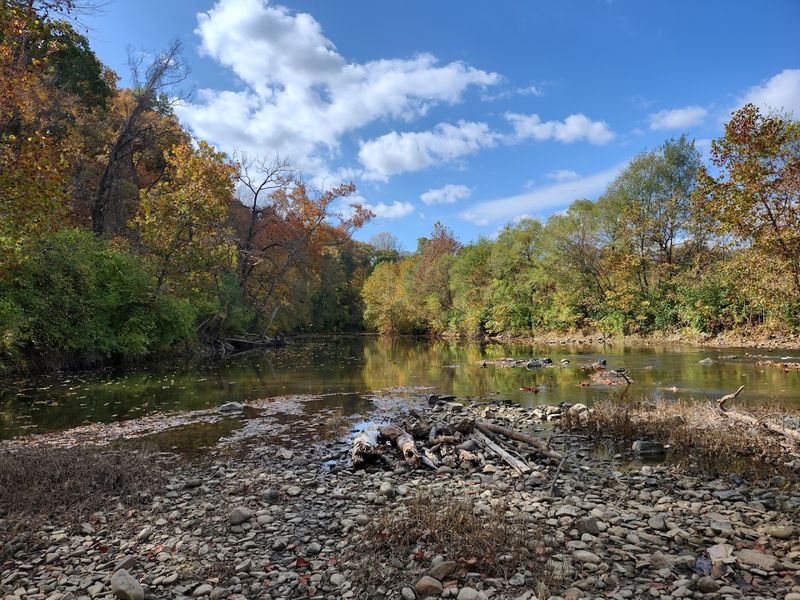
Spring and fall tend to be the most popular seasons for paddling the Roanoke River, and for good reason. Mild temperatures, lower humidity, and the visual payoff of blooming trees in spring or fiery foliage in fall make both seasons genuinely special on the water.
Summer brings warmer water temperatures that make an accidental splash far less unpleasant, but the heat and humidity in Virginia can be intense.
Early morning paddles during summer months offer cooler conditions and calmer river surfaces before the afternoon wind picks up.
Winter paddling is possible for those who dress appropriately in layers designed for cold water exposure, though it draws a much smaller crowd.
Each season changes the look and feel of the river in ways that make repeat visits feel fresh rather than repetitive. Planning around the seasons rather than just convenience tends to produce the most memorable experiences on this stretch of water.
Who This River Is Really For
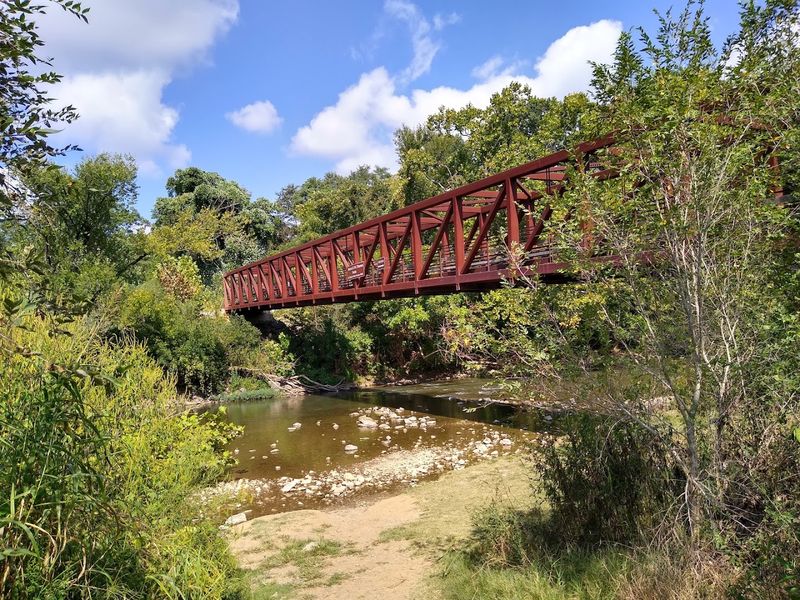
The Roanoke River near Wasena Park has a reputation for being approachable, and that reputation is well earned.
The flat water sections near the launch area make it one of the more forgiving urban paddling spots in Virginia for people who are still building their confidence on the water.
Beginners tend to find the experience manageable without feeling like they have been thrown into something beyond their ability.
Intermediate paddlers can push further downstream to find sections with a bit more character and challenge, depending on current conditions.
Families with younger children often choose this stretch specifically because the calmer water reduces the stress of keeping everyone safe and having fun at the same time.
Experienced paddlers who want a relaxed float rather than a technical challenge also find value here. The river accommodates a wide range of ability levels without making anyone feel out of place.
Paddling Through A Living City
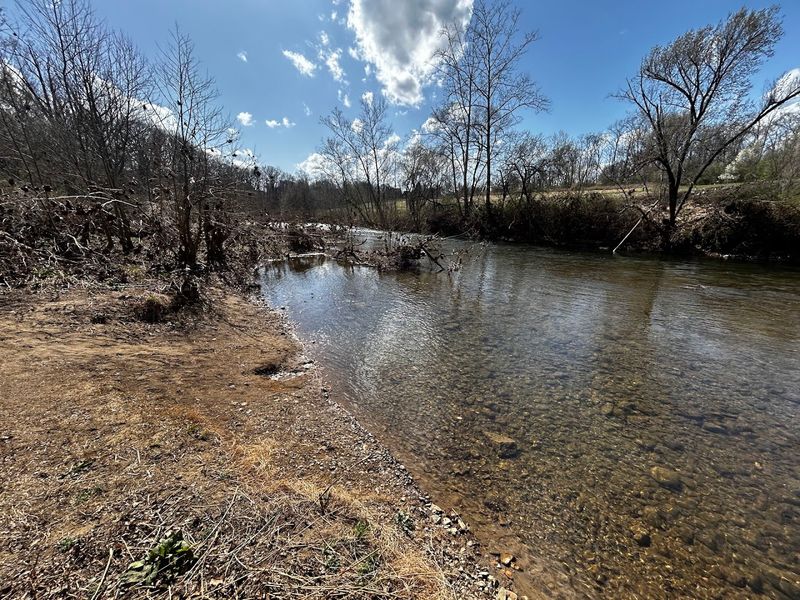
Paddling the Roanoke River through the city offers a perspective on urban Virginia that is genuinely hard to get any other way.
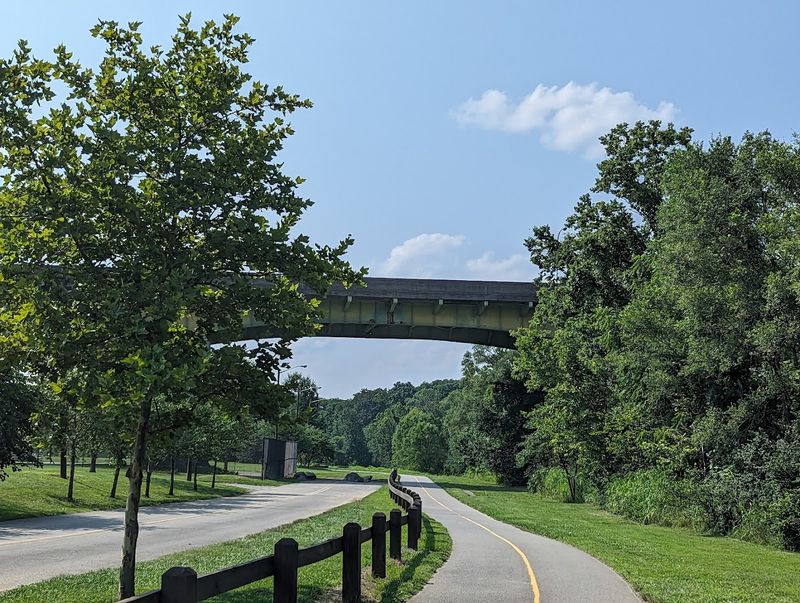
Bridges pass overhead, city sounds drift across the water, and the mix of built infrastructure with natural riverbanks creates a visual contrast that feels surprisingly compelling.
This is not a wilderness experience, and it does not try to be.
The urban setting is part of the appeal, giving paddlers a front-row view of how a city and a river can coexist and even complement each other.
Roanoke has invested in its riverfront over the years, and that investment shows in the quality of the greenway, the maintained launch areas, and the overall sense that the river is valued as a public resource.
Paddling through a living city has its own kind of energy, and the Roanoke River delivers that energy in a way that feels authentic rather than manufactured.
Practical Tips Before You Go
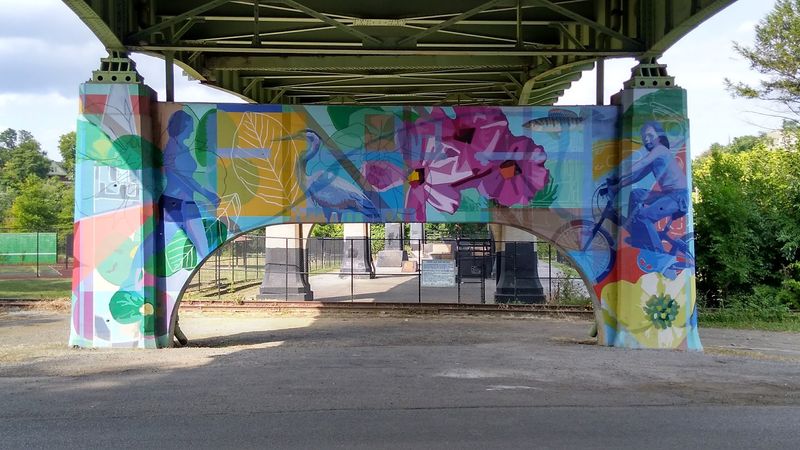
Getting to Wasena Park is easy to find with standard navigation apps. Arriving early on weekends is a good habit, since the park attracts a steady crowd of walkers, cyclists, and paddlers especially during warmer months.
Kayak and canoe rentals are available in the Roanoke area for visitors who do not own their own equipment, though checking current availability in advance saves time and frustration.
Carrying a charged phone in a waterproof case is a simple safety measure that most experienced paddlers consider standard practice.
Letting someone know the planned route and expected return time is a basic but often overlooked precaution worth building into any paddling routine.
Virginia parks can get busy on holiday weekends, so midweek visits tend to offer a quieter and more relaxed experience. A little advance planning goes a long way toward making the trip genuinely enjoyable from start to finish.