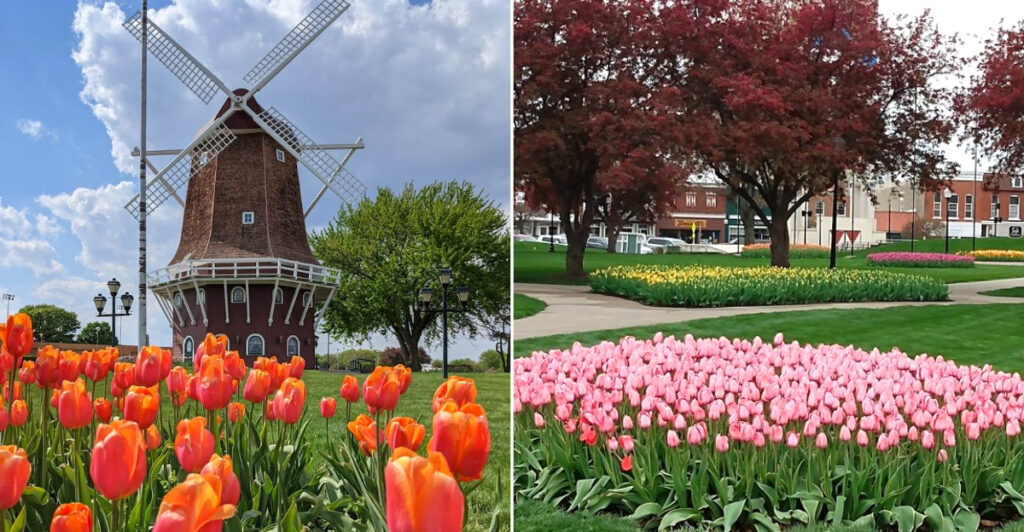
Iowa does not always show off at first glance. A quick drive may give you open roads, farm fields, and big skies, but the real magic often appears when you turn toward the river bluffs, historic squares, and quiet main streets that still know how to charm a traveler.
That is where these small towns come in. One might greet you with Dutch windmills and tulips, another with covered bridges, limestone storefronts, or Mississippi River views that make you forget what time it is.
I have passed through enough Iowa towns to know the best ones usually do not need much noise to make an impression.
These 13 postcard-worthy places each bring something different to the trip, with local history, scenic streets, and a sense of character that feels easy to enjoy.
They are the kind of towns that make a simple afternoon drive feel like a small discovery.
1. Decorah
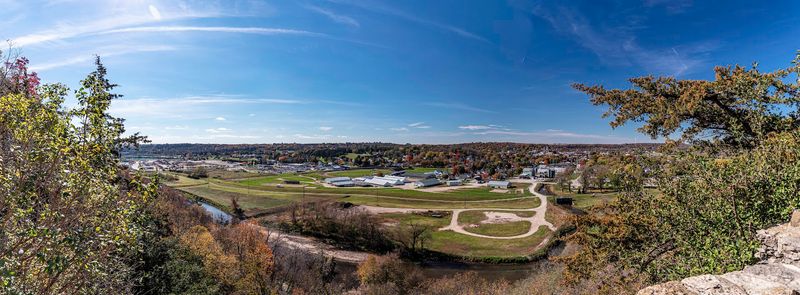
Nestled into the bluffs of northeast Iowa along the Upper Iowa River, Decorah is the kind of place that makes you pull over just to take it all in.
The town sits in a valley so picturesque that it honestly looks like someone painted it from memory.
Decorah is home to a thriving Norwegian heritage, and the Vesterheim Norwegian-American Museum is one of the most impressive ethnic museums in the entire country.
You can spend hours exploring its collection of folk art, textiles, and handcrafted furniture that tell the story of Scandinavian settlers who made this corner of Iowa their home.
Outdoors, the Trout Run Trail loops for over 11 miles through forested bluffs and along the river, making it a favorite for cyclists and walkers alike.
Bald eagles are a common sight here in winter, drawing wildlife enthusiasts from across the Midwest.
Decorah also has a lively downtown with local bakeries, bookshops, and coffee spots that give it a genuinely warm, small-town energy you will not forget.
2. Pella
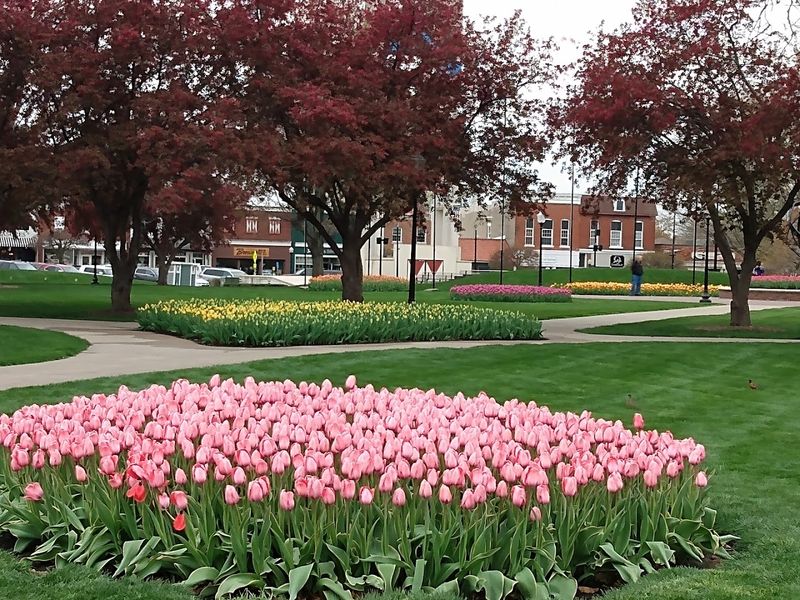
Every May, Pella transforms into something that looks borrowed straight from the Netherlands, and it is absolutely worth planning a trip around.
The Pella Tulip Time Festival draws huge crowds each year, filling the streets with blooming flowers, Dutch costumes, parades, and the sound of wooden shoes on the move.
But Pella is not just a one-weekend wonder. The town’s Dutch roots run deep, and its historic downtown features authentic Dutch architecture, a working windmill called the Vermeer Mill, and the Scholte House Museum.
The Vermeer Mill is the tallest working windmill in North America, which makes for a seriously impressive photo op any time of year.
Pella is also connected to Wyatt Earp, who grew up there, adding a fun layer of frontier history to its Dutch charm.
The town square is lined with flower boxes and tidy storefronts that feel genuinely European without the transatlantic flight.
Spring is the prime time to visit, but Pella’s character shines in every season.
3. Winterset
Madison County’s covered bridges are famous for a reason, and Winterset is their home base.
Six historic covered bridges are scattered across the rolling countryside surrounding this town, and they are among the most photographed landmarks in all of Iowa.
The bridges date back to the 1800s and were built from local timber, and each one has its own personality, from the cedar-shingled Hogback Bridge to the beloved Cedar Bridge that was restored after a fire.
Winterset is also the birthplace of John Wayne, and the John Wayne Birthplace Museum is a must-stop for fans of classic Hollywood and American history.
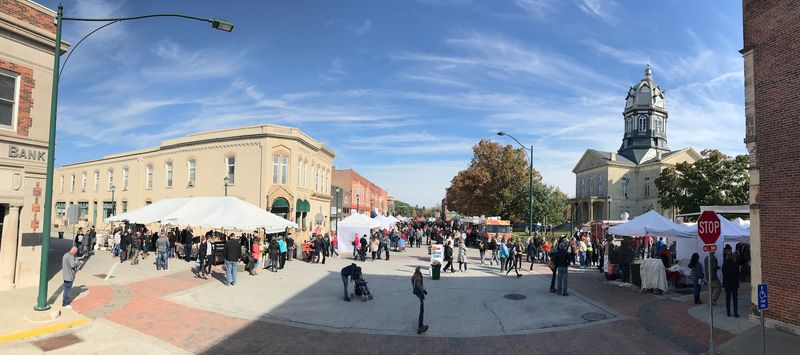
Downtown Winterset has a classic courthouse square surrounded by locally owned shops, restaurants, and a welcoming small-town atmosphere that feels genuine rather than staged.
The best time to visit is autumn, when the trees surrounding the bridges turn brilliant shades of orange and red, making every snapshot look like a painting.
A self-guided bridge tour map is available at the local visitor center, so you can explore at your own pace.
4. McGregor
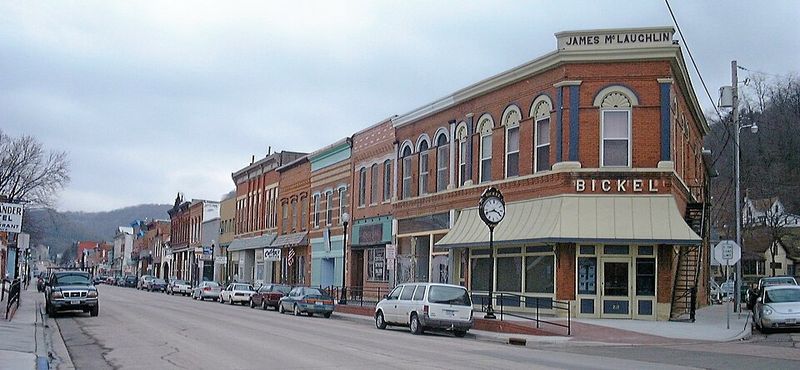
Perched on the western bank of the Mississippi River, McGregor is one of those towns where the scenery does most of the talking.
The bluffs rise dramatically above the town, and from Pikes Peak State Park just south of downtown, you get one of the most breathtaking overlooks of the Mississippi River in the entire Midwest.
McGregor itself is a tiny town with a big personality. Its Main Street is lined with antique shops, art galleries, and historic storefronts that have barely changed in decades.
The town was once a bustling river port and trading hub, and that history is still visible in its 19th-century architecture and the stories locals love to share.
Effigy Mounds National Monument, located nearby in Iowa, adds a fascinating layer of Native American history to any visit.
McGregor is also a popular destination for leaf-peepers in the fall, when the bluffs above the Mississippi explode with color.
It is small, quiet, and genuinely stunning in every direction.
5. Elkader
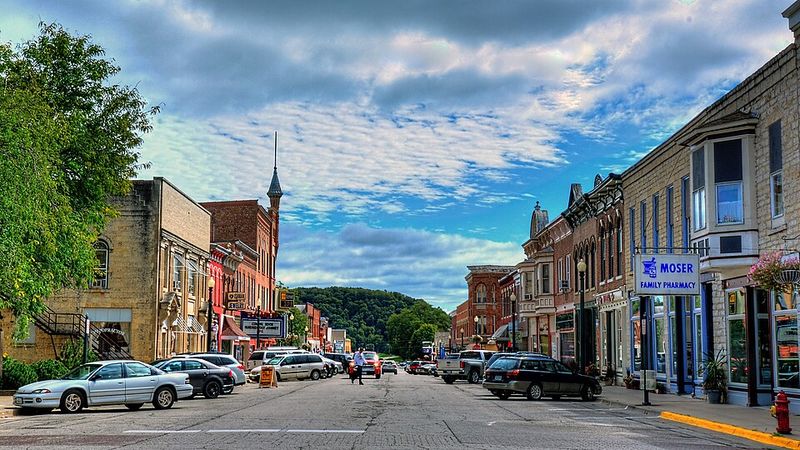
Elkader holds a pretty remarkable distinction: it is the only city in the United States named after a Muslim leader, Algerian Emir Abdelkader.
That backstory alone makes Elkader worth a visit, but the town’s physical beauty is what will really catch you off guard.
Sitting along the Turkey River in the Driftless Area of northeast Iowa, Elkader is surrounded by limestone bluffs, wooded valleys, and clear-running water that feels almost cinematic.
The historic Keystone Bridge, built in 1888-89, arches gracefully over the Turkey River and is one of the most photographed spots in the region.
Downtown Elkader has a quiet, unhurried charm with locally owned shops and a restored opera house that still hosts live performances.
The Motor Mill Historic Site, a short drive from town, features an enormous limestone mill complex from the late 1860s that looks like it belongs in a European countryside.
Kayaking and tubing on the Turkey River are popular summer activities that draw outdoor lovers from across the state.
6. Mount Vernon
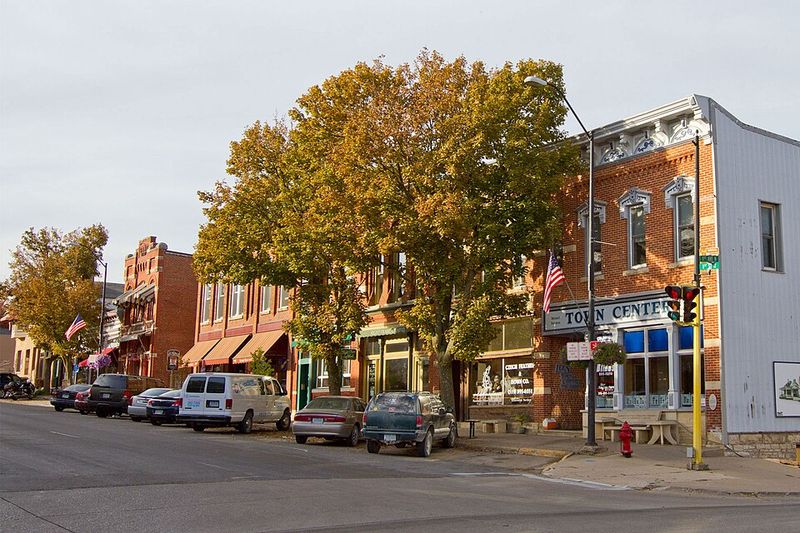
Mount Vernon is the kind of college town that feels like it was designed specifically to be admired on a slow Sunday afternoon walk.
Cornell College sits at the heart of the community, and its hilltop campus with red-brick buildings and sweeping lawns adds an academic elegance to the town’s already considerable charm.
The entire Cornell campus is listed on the National Register of Historic Places, making it one of the most architecturally significant college campuses in Iowa.
First Street, Mount Vernon’s main commercial strip, is filled with independently owned boutiques, coffee shops, restaurants, and galleries that cater to both students and curious visitors.
The town hosts a popular farmers market and various arts events throughout the year that keep its creative community buzzing.
Mount Vernon is also conveniently located just a short drive from Cedar Rapids, making it an easy half-day trip or a peaceful overnight stay.
The mix of intellectual energy, historic architecture, and small-town friendliness gives Mount Vernon a character that is entirely its own.
7. Le Claire
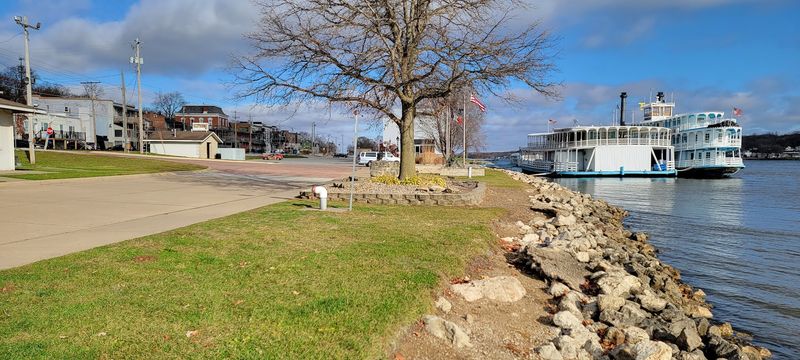
Fans of the TV show “American Pickers” will recognize Le Claire immediately, since it is the hometown of Mike Wolfe and the location of his Antique Archaeology shop.
But even if you have never seen the show, Le Claire is worth a stop for its stunning position along the Mississippi River and its beautifully preserved 19th-century downtown.
The town sits at a natural narrowing of the Mississippi where rapids once made navigation tricky, and it grew into a thriving river community because of the skilled pilots who called it home.
Today, Le Claire’s riverfront is a lovely spot for a stroll, with views of the water, historic buildings, and a relaxed pace that feels worlds away from the city.
The Buffalo Bill Museum, dedicated to the famous frontiersman who was born nearby, adds another layer of history to the visit.
Antique hunters will be in heaven here, with multiple shops packed with treasures from across the decades.
Le Claire is proof that small towns along the Mississippi have stories worth slowing down for.
8. Bentonsport
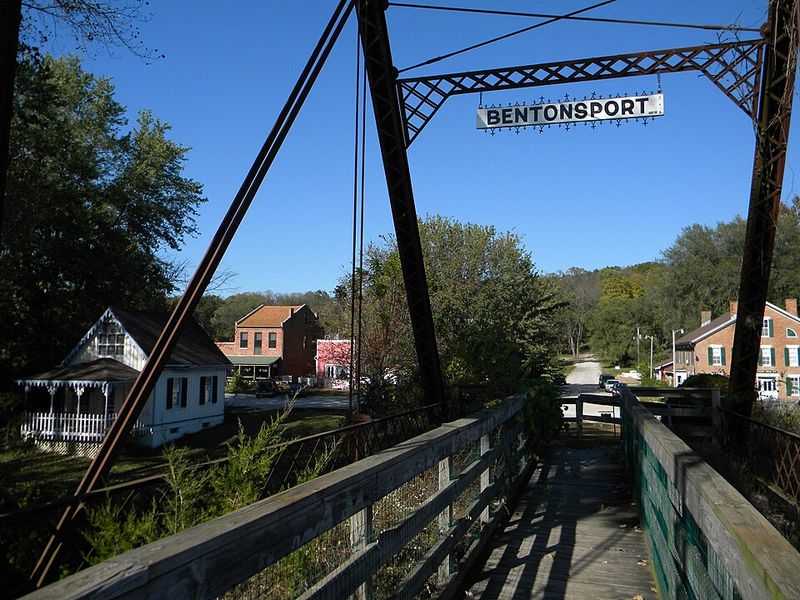
Bentonsport might be one of the smallest towns on this list, but it packs more history and charm into its few blocks than most cities manage in miles.
This tiny village along the Des Moines River in Van Buren County is part of the Villages of Van Buren, a collection of historic communities that have been carefully preserved since the 1800s.
Bentonsport’s stone buildings, many dating to the 1840s, line the riverbank and create a scene that feels genuinely frozen in time.
The Mason House Inn, an 1846 steamboat hotel, still operates as a bed and breakfast, offering one of the most atmospheric overnight stays in Iowa.
Local artisans have set up studios in the historic buildings, so you can watch potters, jewelers, and weavers at work while you browse their handmade goods.
The covered bridge nearby and the quiet river views make Bentonsport a favorite for photographers and anyone who appreciates unhurried, authentic travel.
It is small, yes, but that is exactly the point.
9. Bonaparte
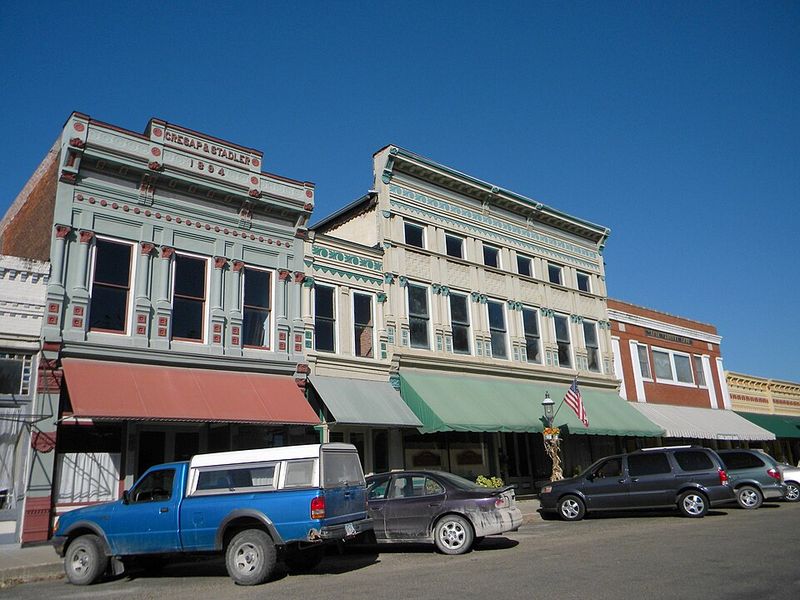
Named after Napoleon Bonaparte, this tiny river town in Van Buren County carries its grand name with a surprisingly quiet confidence.
Bonaparte sits along the Des Moines River, and its collection of 19th-century limestone and brick buildings along the riverbank is one of the most intact historic streetscapes in all of Iowa.
The old Bonaparte Pottery building and the historic mills along the river give the town a rugged, working-class beauty that feels honest and unpretentious.
Bonaparte Retreat, a beloved local restaurant, operates out of a beautifully restored 1878 mill and serves hearty meals in an atmosphere that feels straight out of another century.
The town is part of the Villages of Van Buren, a scenic byway that connects several charming communities along the river valley, making Bonaparte a natural stop on a longer road trip through the region.
Fishing, canoeing, and birdwatching are popular along this stretch of the Des Moines River.
Bonaparte rewards slow travelers who are willing to wander without a strict agenda.
10. Bellevue
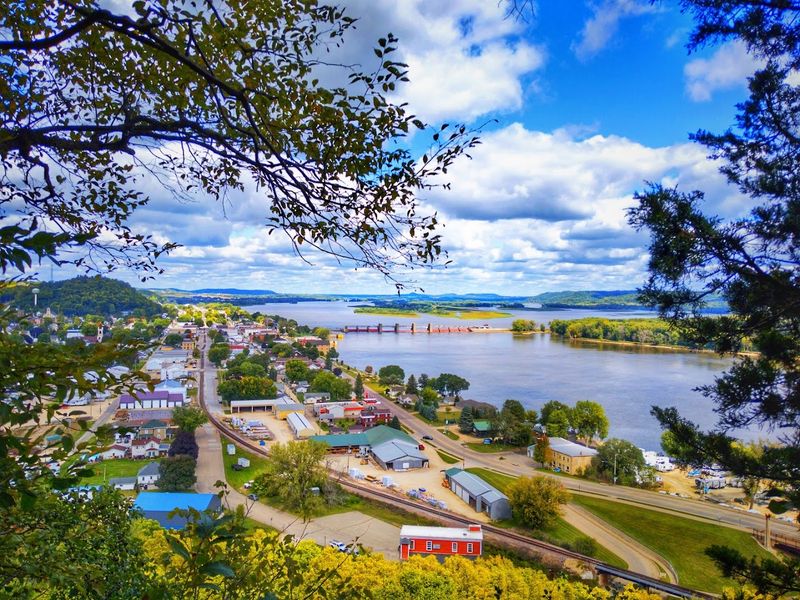
Sitting pretty on the bluffs above the Mississippi River in Jackson County, Bellevue is one of those towns that earns the word “picturesque” without even trying.
The river views from the upper streets are genuinely jaw-dropping, with wide blue water, wooded islands, and the occasional barge drifting past in a scene that feels timeless.
Bellevue State Park, just south of town, offers hiking trails through forested bluffs with overlooks that rival anything you will find at a national park.
The town itself has a welcoming, unhurried character with historic homes, a small marina, and a riverfront that invites long afternoon walks.
Lock and Dam No. 12 is right in town, and watching massive river barges navigate the lock system is surprisingly entertaining for all ages.
Spring and fall are particularly beautiful here, when wildflowers bloom along the bluffs or the trees turn gold and red above the river.
Bellevue is a town that rewards visitors who take their time and look closely at what the Mississippi Valley has to offer.
11. Guttenberg
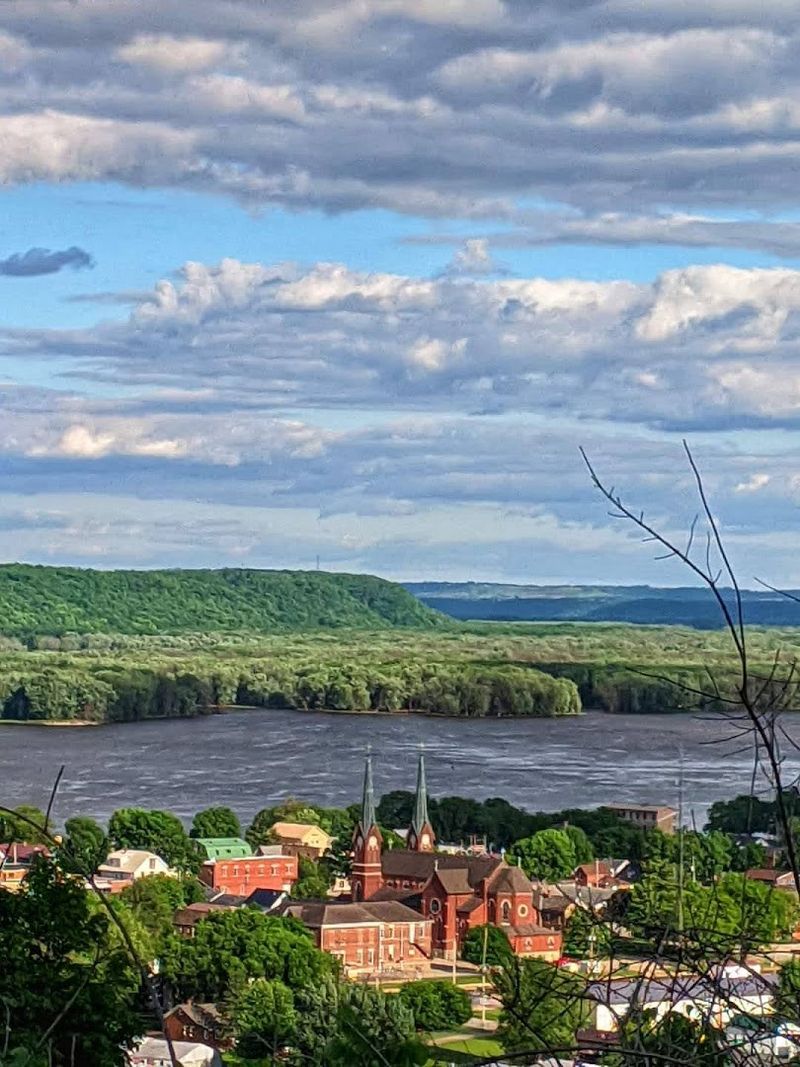
Guttenberg’s Main Street runs parallel to the Mississippi River, and the views from nearly every block are enough to make you stop mid-stride and just stare.
The town was settled by German immigrants in the 1840s and named after Johannes Gutenberg, the inventor of the printing press, giving it a bookish distinction that feels fitting for such a well-preserved historic community.
The architecture here is striking, with thick limestone buildings constructed by German stonemasons lining the streets in a style that feels more European river town than typical Midwestern main street.
Lock and Dam No. 10 sits right in town, giving visitors a close look at Mississippi River traffic and the engineering that keeps boats moving along this stretch of water.
The local Guttenberg Aquarium and Hatchery is a hidden gem worth an hour of your time, with displays of native fish, mussels, and turtles from the Mississippi River, streams, and lakes.
The river walk along the Mississippi offers gorgeous sunset views that photographers absolutely love.
Guttenberg is quiet, beautiful, and deeply proud of its heritage.
12. Elk Horn
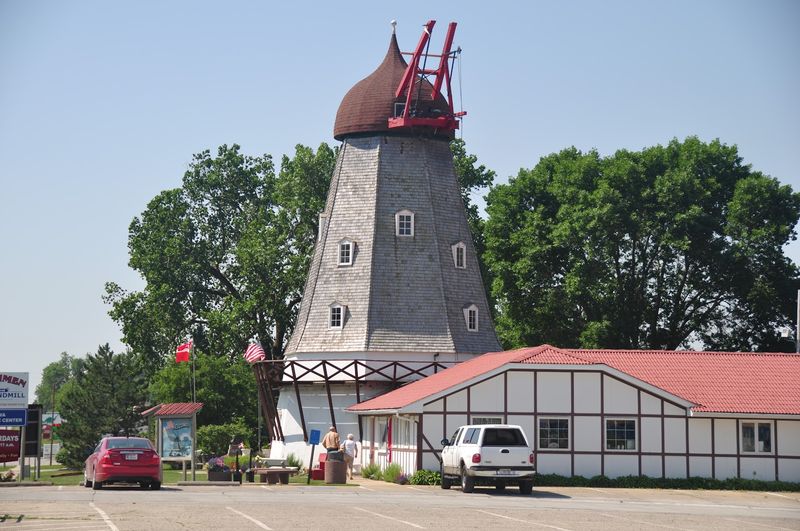
A working Danish windmill rising above the Iowa prairie is not something you expect to stumble across, but Elk Horn delivers exactly that kind of wonderful surprise.
The Danish Windmill in Elk Horn is America’s only authentic working Danish windmill, and it was originally built in Nørre Snede, Denmark in 1848 before being dismantled, shipped across the Atlantic, and reassembled here in 1976 by local volunteers who wanted to honor their heritage.
Elk Horn is the heart of Danish-American culture in the Midwest, and the Museum of Danish America nearby is a beautifully curated institution that explores the immigrant experience through art, artifacts, and personal stories.
The town is small and wonderfully quiet, but it hosts Danish heritage events that fill the streets with folk dancing, traditional food, and community pride.
The surrounding farmland creates a pastoral backdrop that makes the windmill look even more dramatic against the open sky.
Elk Horn is a place where cultural identity has been lovingly maintained across generations, and that dedication is visible in every corner of this tiny Iowa town.
13. Orange City
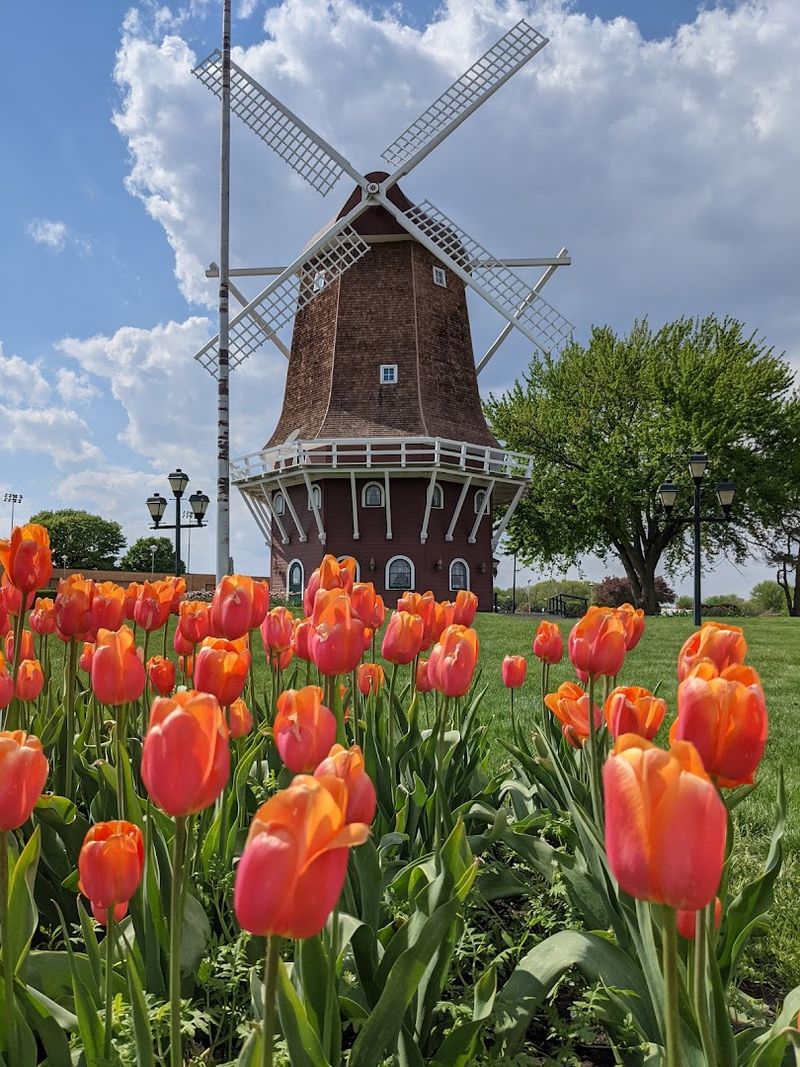
Orange City takes its Dutch heritage seriously, and the result is one of the most visually distinctive small towns in the entire state.
The annual Tulip Festival, held every May since 1936, is one of the longest-running festivals in Iowa, drawing enormous crowds for three days of parades, street scrubbing ceremonies, Dutch costumes, and thousands of blooming tulips planted throughout town.
The street scrubbing tradition, where residents literally wash the streets in a nod to Dutch cleanliness customs, is one of those uniquely charming rituals you will not find anywhere else.
Beyond festival season, Orange City’s downtown features Dutch-inspired architecture, flower-filled planters, and a windmill that anchors the town square with old-world flair.
Northwestern College, a small liberal arts school, brings a youthful energy to the community and hosts cultural and arts events throughout the year.
The town is located in the rolling hills of northwest Iowa, and the surrounding countryside has a wide-open beauty that feels expansive and peaceful.
Orange City is proud, colorful, and endlessly welcoming to anyone curious enough to visit.