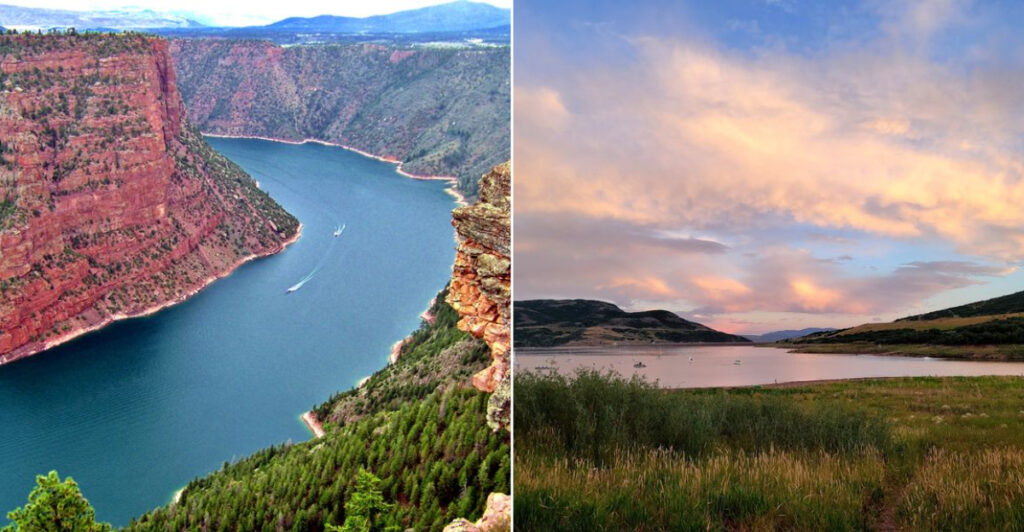
Utah may be famous for red-rock scenery, but its water landscape deserves far more attention. Across the state, enormous lakes and reservoirs create a completely different side of the scenery, with broad horizons, mountain backdrops, and plenty of room for a summer adventure.
Some stretches of shoreline feel surprisingly peaceful, while others become lively hubs for boating, paddling, fishing, and swimming once temperatures climb. That variety is what makes a lake-hopping trip so much fun.
One afternoon might call for a paddleboard and calm water; the next could be all about finding a scenic picnic spot and watching the light change across the surface. Summer brings the best conditions for exploring, and Utah offers enough watery escapes to keep an entire season interesting.
So pack the cooler, charge the camera, and leave some room in the itinerary. There is a lot more to this state than desert landscapes.
1. Utah Lake – Utah Valley
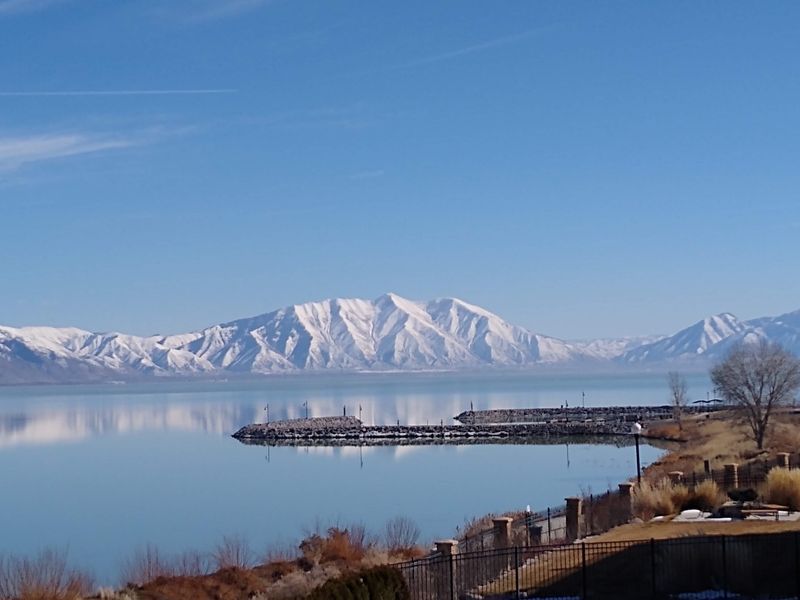
At roughly 148 square miles, Utah Lake is the undisputed heavyweight of freshwater in the state, and it carries that title with surprising warmth. Literally.
Summer water temperatures here get genuinely comfortable for swimming, which is not something you can say about every Utah lake sitting at this elevation. That warm water is a big part of why families keep coming back.
Boating and paddleboarding are the headline acts, but the fishing scene deserves real attention. Walleye, white bass, and catfish are all in the mix, making it a solid stop for anglers who want action without driving three hours into the backcountry.
The Utah Valley backdrop adds scenery without requiring any effort on your part.
My honest take: Utah Lake gets underestimated because it sits so close to urban sprawl, but that accessibility is actually the point. You can be on the water in under an hour from most Wasatch Front cities.
For a low-planning, high-reward summer outing with the family, this lake punches well above its reputation.
2. Bear Lake – Garden City
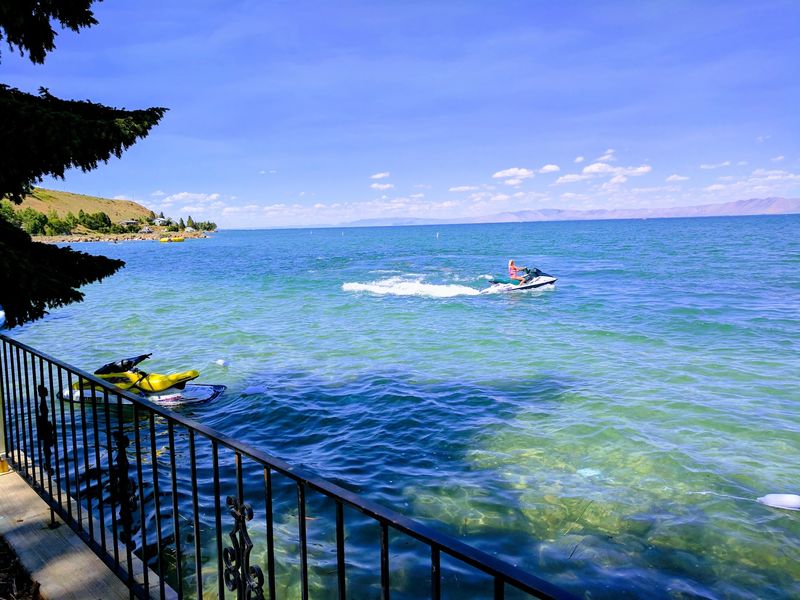
Bear Lake has a color problem, and by that I mean it is almost unreasonably blue. The turquoise water comes from calcium carbonate particles suspended in the lake, giving it a Caribbean-adjacent look that stops first-timers dead in their tracks.
Covering 112 square miles and stretching 20 miles long, this lake earns every bit of its reputation.
The Utah side offers several beaches, marinas, and recreation areas, so you are never hunting long for a good entry point to the water. Boating here feels like a genuine event rather than a casual paddle, especially when the afternoon light hits the surface just right.
Families tend to set up for the whole day rather than a quick visit.
Garden City is the charming little hub nearby, known locally for raspberry shakes that have developed a cult following. I have eaten one while sitting on the beach watching boats disappear into that ridiculous blue water, and I can confirm it is a quality life experience.
Bear Lake rewards an early arrival and a slow afternoon, so resist the urge to rush it.
3. Lake Powell – Glen Canyon
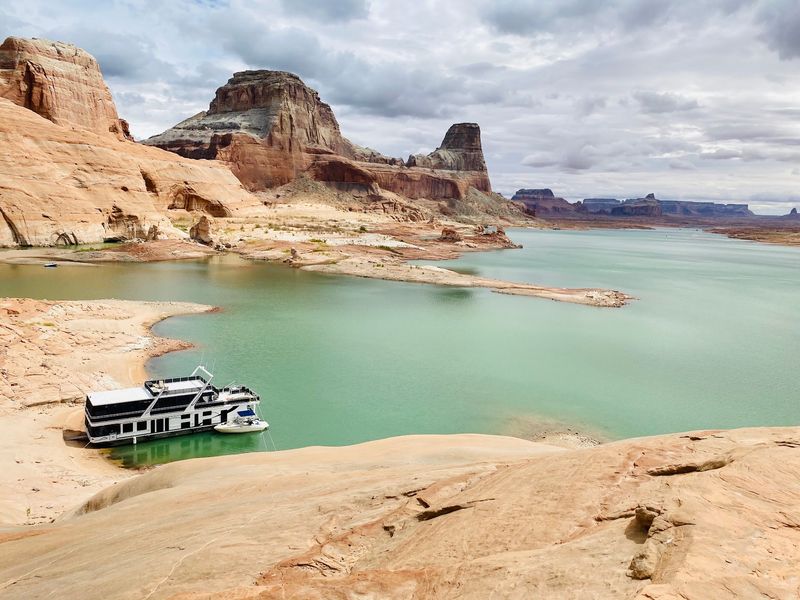
Lake Powell operates on a scale that genuinely resets your sense of what a reservoir can be. At full pool it stretches 186 miles and claims roughly 1,960 miles of shoreline, with more than 90 major side canyons threading off the main channel.
Describing it as big feels almost comically inadequate.
Multi-day boating trips are where this lake really shines. You can spend days exploring canyon-lined water and barely scratch the surface of what is here.
The combination of deep blue water against burnt-orange sandstone walls creates scenery that feels more like a painting than a real place, even after you have seen it several times.
One important heads-up for 2026: water levels are running unusually low, and some boat ramps and marina access points have been affected. Check current conditions before locking in any boating plans, because the logistics can shift quickly when levels drop.
That said, even at reduced levels, Lake Powell delivers an experience that has no real equivalent anywhere in the region. Go prepared and go flexible.
4. Flaming Gorge Reservoir – Manila
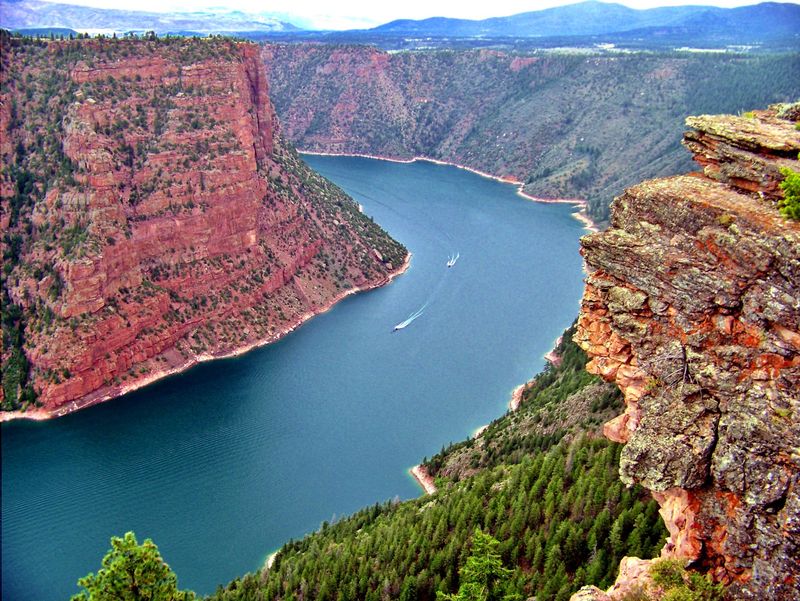
Flaming Gorge has a name that oversells the drama and then the scenery quietly delivers anyway. More than 350 miles of shoreline wind through northeastern Utah, creating a recreation area that feels almost impossibly varied.
Red rock walls, forested ridgelines, and deep blue water share the same frame, which is a combination that keeps photographers busy all summer long.
Boating and fishing are the main draws, but the camping situation here is genuinely excellent. You can set up close to the water and wake up to views that would cost serious money at a resort.
Paddling the quieter coves gives a completely different experience from the open water runs, and both are worth your time.
What I appreciate most about Flaming Gorge is how it rewards repeat visits. The first time you are mostly just absorbing the scale.
The second time you start finding your favorite spots. By the third visit you are giving confident recommendations to strangers in the parking lot, which is the highest form of travel accomplishment.
Manila is a small town with a big lake attached, and that combination is hard to beat.
5. Strawberry Reservoir – Heber City Area
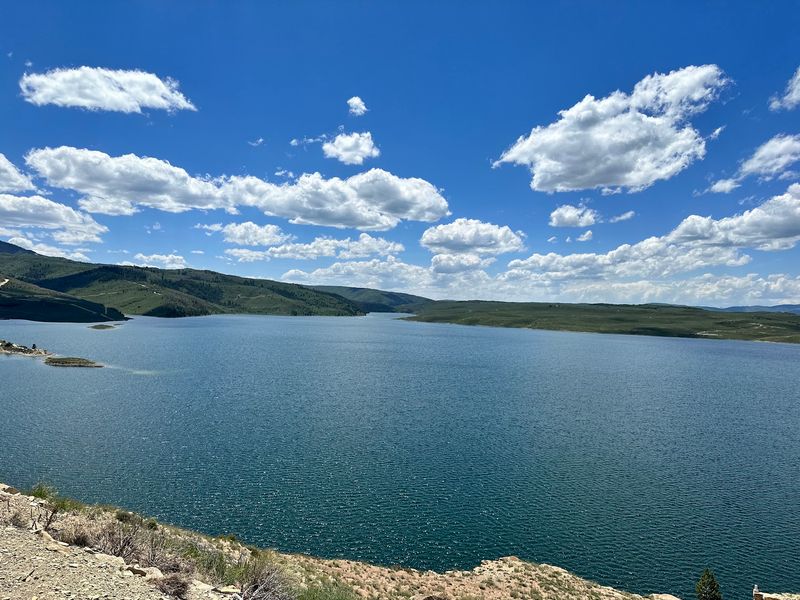
Strawberry Reservoir sits in the mountains southeast of Heber City and carries itself with the quiet confidence of a place that knows exactly what it is good at. High-country fishing is the headline, and the reservoir has built a strong reputation over decades for producing quality catches.
Serious anglers make dedicated trips here the way other people plan vacations to beach resorts.
The surrounding mountains give the whole scene an expansive, breathable quality that flat-country reservoirs simply cannot replicate. Summer brings boating, camping, and hiking alongside the fishing, so non-anglers in your group will not be sitting around waiting for someone else to have fun.
The elevation keeps temperatures reasonable even in the hottest summer weeks.
Camping near Strawberry is one of those experiences that reminds you why you own a tent. Mornings are cool and quiet, the kind of quiet that city noise drowns out completely until you are suddenly sitting in it again.
Heber City is close enough for a supply run without breaking the wilderness mood. For a high-country weekend that checks multiple boxes without requiring military-level planning, Strawberry Reservoir is a genuinely reliable choice.
6. Great Salt Lake – Northern Utah
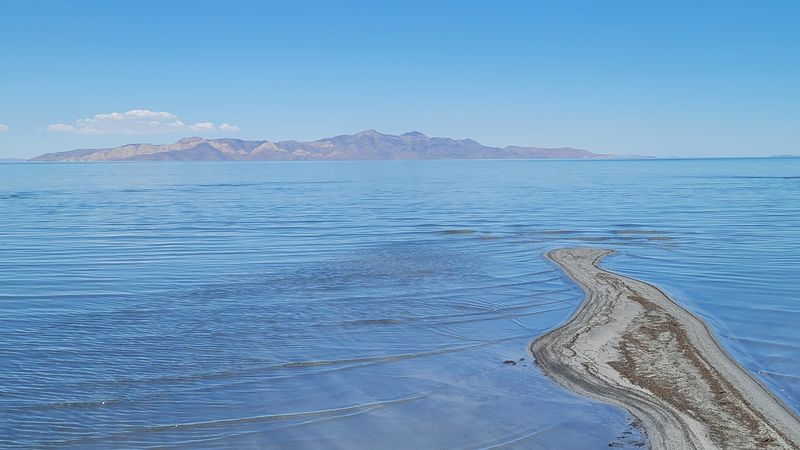
The Great Salt Lake is the largest saline lake in the Western Hemisphere, and spending even an hour near its shores makes that fact feel completely believable. The scale is disorienting in the best way.
Nothing about this place fits the template of a typical lake visit, and that is precisely what makes it worth the trip.
The ecosystem here is unlike anything else in Utah. Brine shrimp and brine flies support enormous populations of migratory birds, turning the lake into one of the most significant bird-watching sites in North America.
If you have never watched a massive flock of shorebirds move across a saline flat, add it to the list immediately.
Swimming in the Great Salt Lake is a genuinely strange and memorable experience. The salinity keeps you bobbing at the surface like a human cork, which is funny and fascinating in equal measure.
It is not a conventional beach day, but it is a story you will tell for years. Syracuse and the surrounding northern Utah communities offer good access points.
Go in the morning before the heat builds and stay long enough to let the weirdness of the place sink in properly.
7. Fish Lake – Richfield Area
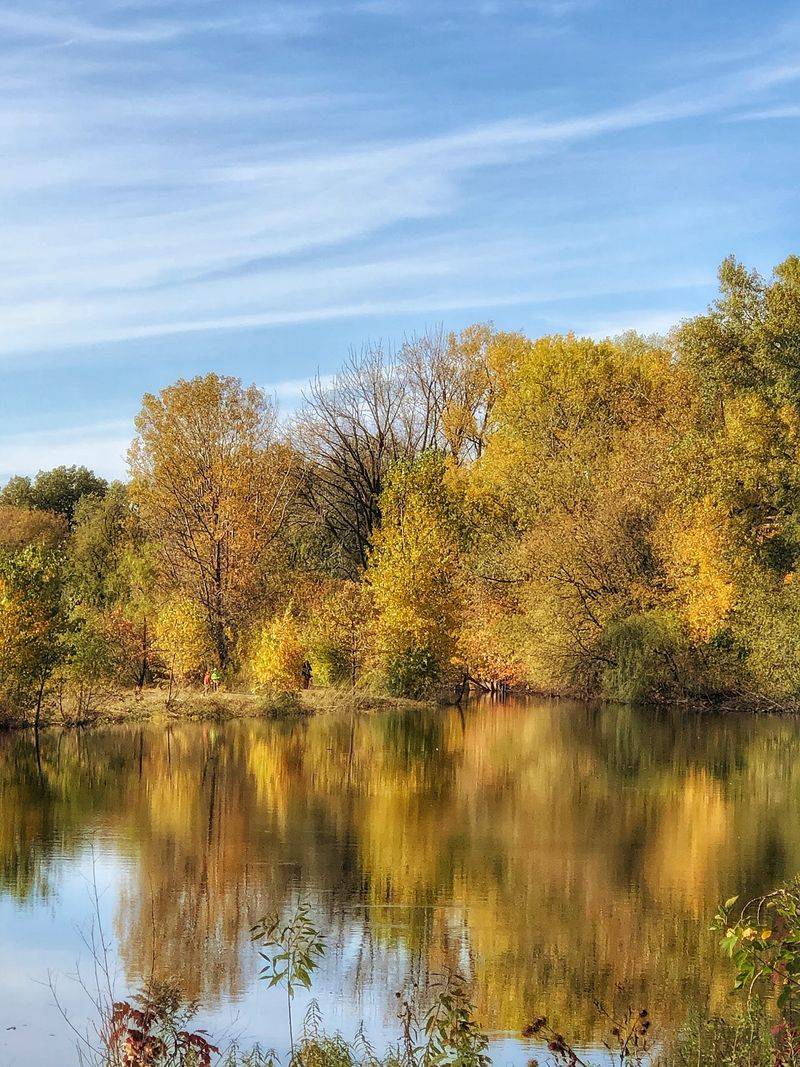
Fish Lake sits above 8,800 feet in the Fishlake National Forest, making it the largest natural mountain lake in Utah by a comfortable margin. The roughly six-mile-long lake is ringed by aspen groves and conifers that shift from deep green in summer to something spectacular in fall.
Arriving here for the first time feels like finding a secret that was hiding in plain sight.
The fishing reputation is serious and well-earned. Lake trout, rainbow trout, kokanee, and splake are all present, giving anglers real variety without having to move between locations.
The altitude keeps summer temperatures cooler than most Utah destinations, which makes midday hours on the water genuinely pleasant rather than something to survive.
Fish Lake is the kind of place that attracts a loyal repeat crowd, the people who have been coming every July for fifteen years and have strong opinions about which cabin is best. I find that kind of devotion reassuring rather than territorial.
It signals that a place delivers consistently. The Richfield area gives you a reasonable base if you prefer a bed to a sleeping bag.
Either way, Fish Lake earns the drive without hesitation.
8. Jordanelle Reservoir – Heber City
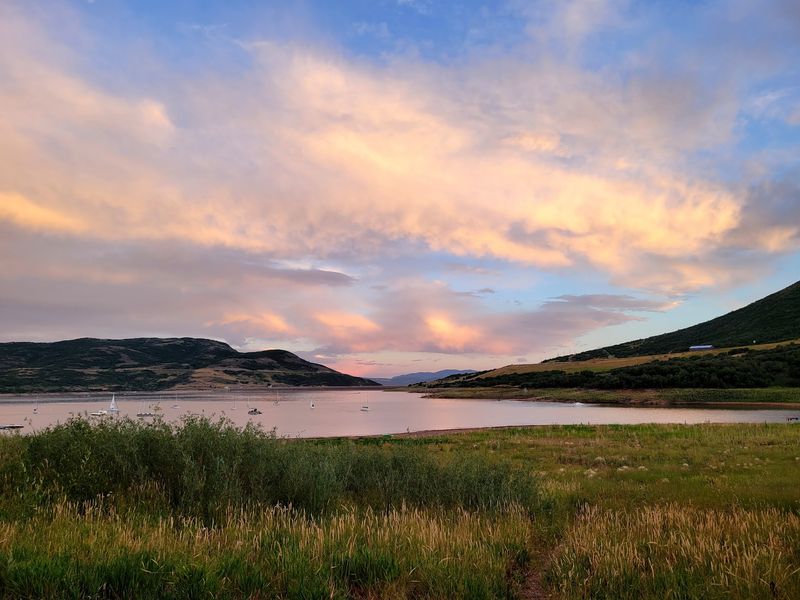
Jordanelle Reservoir is the kind of place that makes weekend planning feel effortless. Broad water expanses sit against mountain scenery that looks like someone arranged it specifically for photographs, and the summer activity list covers almost every outdoor interest a group could have.
Boating, fishing, paddling, swimming, and camping are all on the menu here.
Its position near the Wasatch Front is a genuine advantage. You are not committing to a major expedition to get here, which lowers the planning threshold considerably.
Families and couples who want a full day on the water without a four-hour drive treat Jordanelle as a reliable anchor for summer weekends, and the reservoir handles the traffic well.
The state park infrastructure is solid, with boat ramps and facilities that work the way they are supposed to, which sounds like a low bar until you have dealt with crowded ramps and broken equipment elsewhere. I particularly like the late afternoon light here when the mountains catch the gold of early evening and the water goes glassy.
It is the kind of scene that makes you feel like you planned something brilliant even when the whole trip came together on a Thursday night. Jordanelle is dependably good.
9. Deer Creek Reservoir – Heber Valley
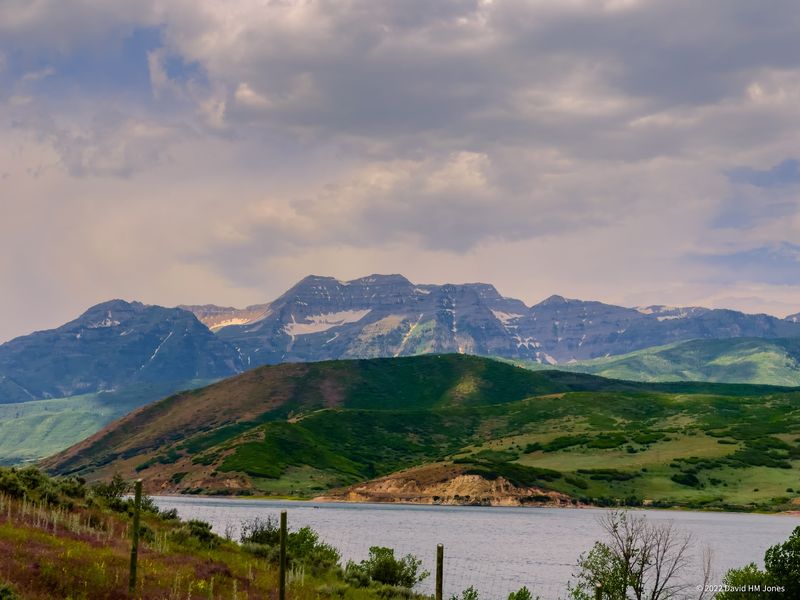
Deer Creek covers about 2,965 acres, stretches roughly six miles, and has 18 miles of shoreline that keeps the recreation options spread out enough that crowding rarely becomes the story of your visit. The reservoir has a strong wind reputation that makes it a genuine destination for sailors and windsurfers, which gives it a slightly different energy than the typical motorboat-dominated Utah reservoir.
Water skiing is popular here, and the wide open stretches of water give skiers the room they need without the constant negotiation of congested channels. Swimming and fishing round out the list, making Deer Creek a workable choice even when your group cannot agree on a single activity.
The surrounding Heber Valley scenery adds backdrop without requiring any extra effort.
What I find charming about Deer Creek is how it serves both the casual visitor and the dedicated water sports enthusiast with equal competence. You can show up with a kayak and a sandwich and have a completely satisfying day, or you can trailer a boat and spend eight hours on the water and feel equally rewarded.
Heber City is close enough to handle any supply needs. Deer Creek is reliably underrated, and I say that as a compliment of the highest order.
10. Willard Bay – Willard
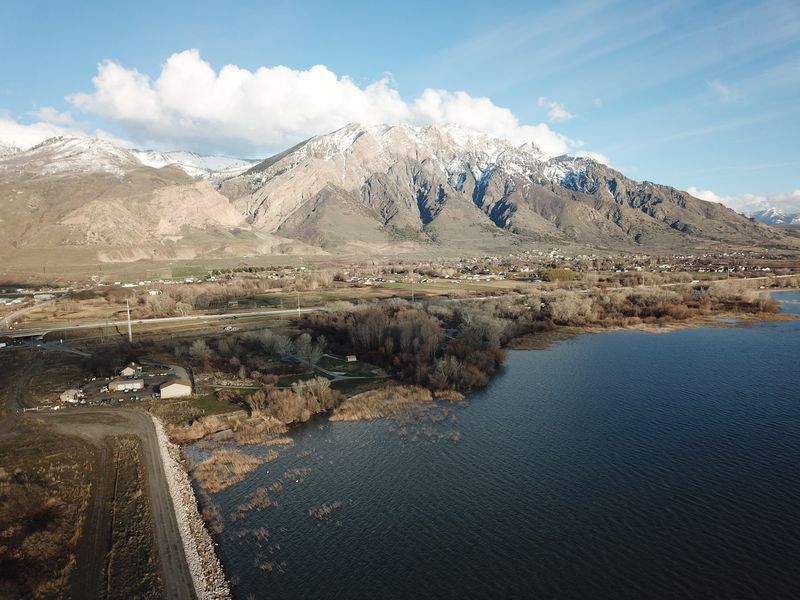
Willard Bay earns its spot on this list by being consistently warm, genuinely accessible, and seriously fun for a wide range of water activities. Utah State Parks highlights the warm water specifically, which matters more than people realize when you are planning a swimming-heavy day with kids or a group that wants to stay in the water rather than just near it.
Both the north and south marina areas offer recreation facilities, giving visitors flexibility in where they set up and how they access the water. Boating, waterskiing, and fishing all work well here, and the marina infrastructure keeps things organized without feeling overly managed.
The northern Utah location puts it within easy reach of the Salt Lake metro area.
Willard Bay tends to fly under the radar compared to the bigger-name reservoirs on this list, and that works in your favor on busy summer weekends. You get a large, warm, well-facilitated lake without necessarily fighting the same crowds that descend on more famous destinations.
The town of Willard is small and quiet, which sets a relaxed tone before you even reach the water. As a final-summer-weekend destination, Willard Bay is the kind of find that makes you wonder why you did not come sooner.