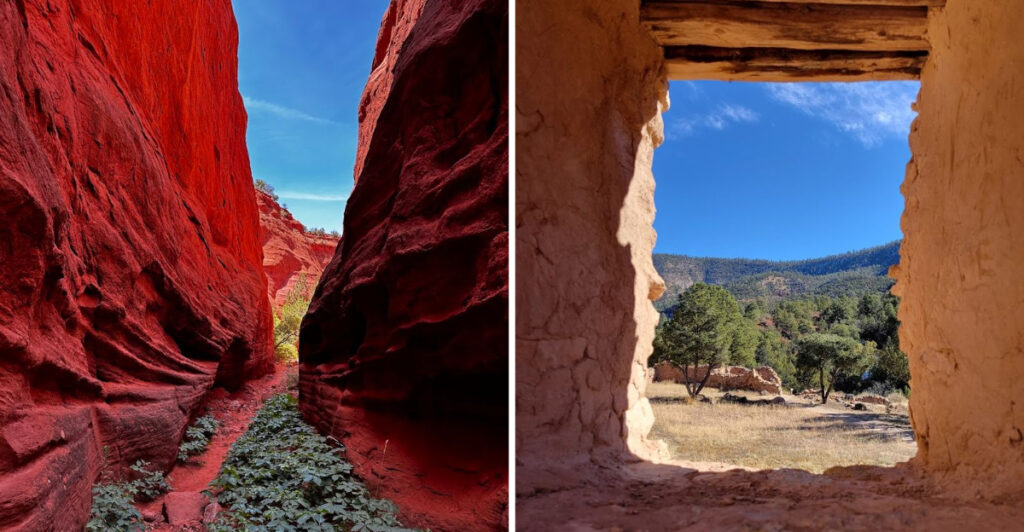
Hidden mountain town sounds like the kind of phrase people throw around too easily, but New Mexico makes it feel completely believable when a place like this shows up.
The beauty here is not loud or overly polished. It pulls you in with red rock canyon views, then keeps the momentum going with hot springs, good food, ancient ruins and the quiet charm.
Everything about the place builds that feeling of satisfaction, as if it keeps revealing one good thing after another without ever needing to force the experience.
New Mexico does that beautifully here, turning one small mountain town into the kind of find that stays on your mind long after the road home.
The Canyon That Sets The Stage
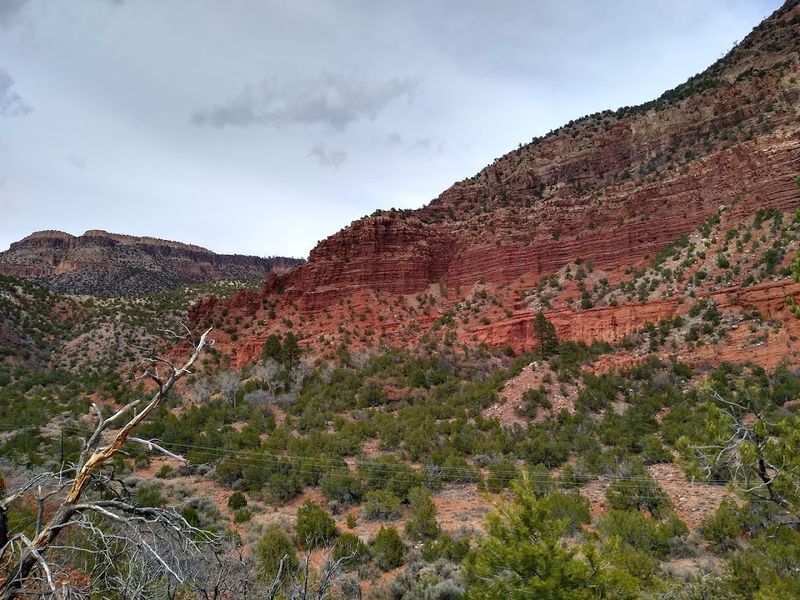
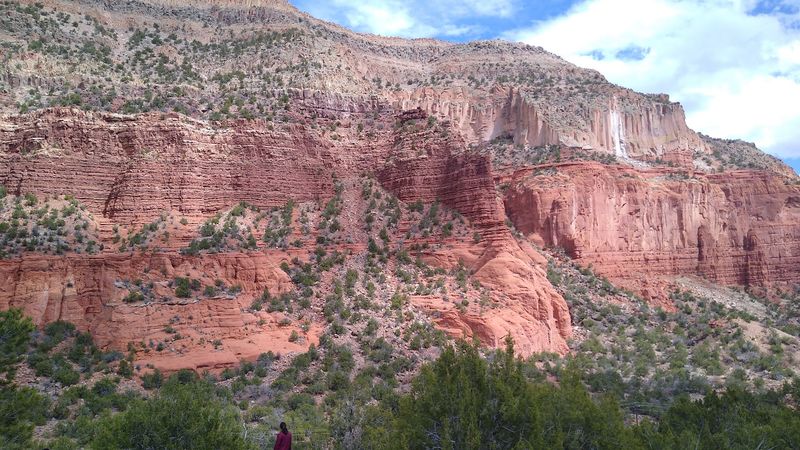
Red canyon walls rising on both sides of the road are the first thing that signals something special is ahead. The drive into Jemez Springs along New Mexico Highway 4 is genuinely jaw-dropping, and that is before even reaching the village itself.
The Jemez River cuts through layers of volcanic rock and ancient sandstone, creating a corridor of color that shifts from rust to amber depending on the time of day.
Cottonwood trees line the riverbanks, and in autumn, their leaves turn a brilliant gold that contrasts sharply against the dark basalt cliffs above.
This canyon is not just pretty scenery. It is a geological record book, telling the story of volcanic eruptions, ancient seas, and millions of years of erosion.
Geologists and casual hikers alike find something to appreciate in these layered walls.
The canyon also acts as a natural funnel for wildlife. Mule deer, wild turkeys, and even the occasional black bear have been spotted moving through the corridor at dawn and dusk.
A Village With Deep Roots
Before the Spanish arrived, this valley was already home to the Towa-speaking Jemez people, one of the most resilient and culturally rich Pueblo nations in the American Southwest.
Spanish missionaries followed in the 17th century, building churches and missions that left a permanent mark on the landscape. The blending of Pueblo and Spanish colonial culture created a unique local identity that persists to this day.
The village of Jemez Springs, New Mexico 87025, grew up alongside and around that deep indigenous presence.
The Jemez people still live nearby at the Pueblo of Jemez, and their traditions remain very much alive. Feast days, ceremonial dances, and community gatherings connect the present to a past stretching back centuries.
Walking through the village, you pick up on this layered history in small details: the shape of a doorway, the color of an old wall, the way the land itself seems to hold memory. Few places in New Mexico carry that kind of quiet depth.
Jemez State Monument And Its Ancient Walls
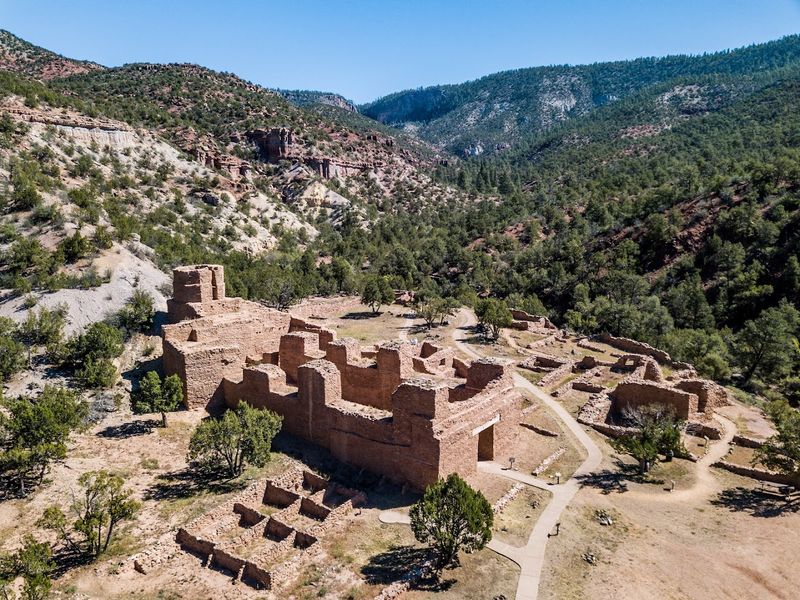
The centerpiece of history in this tiny village is Jemez Historic Site, a place that packs an enormous amount of story into a compact and beautifully preserved area.
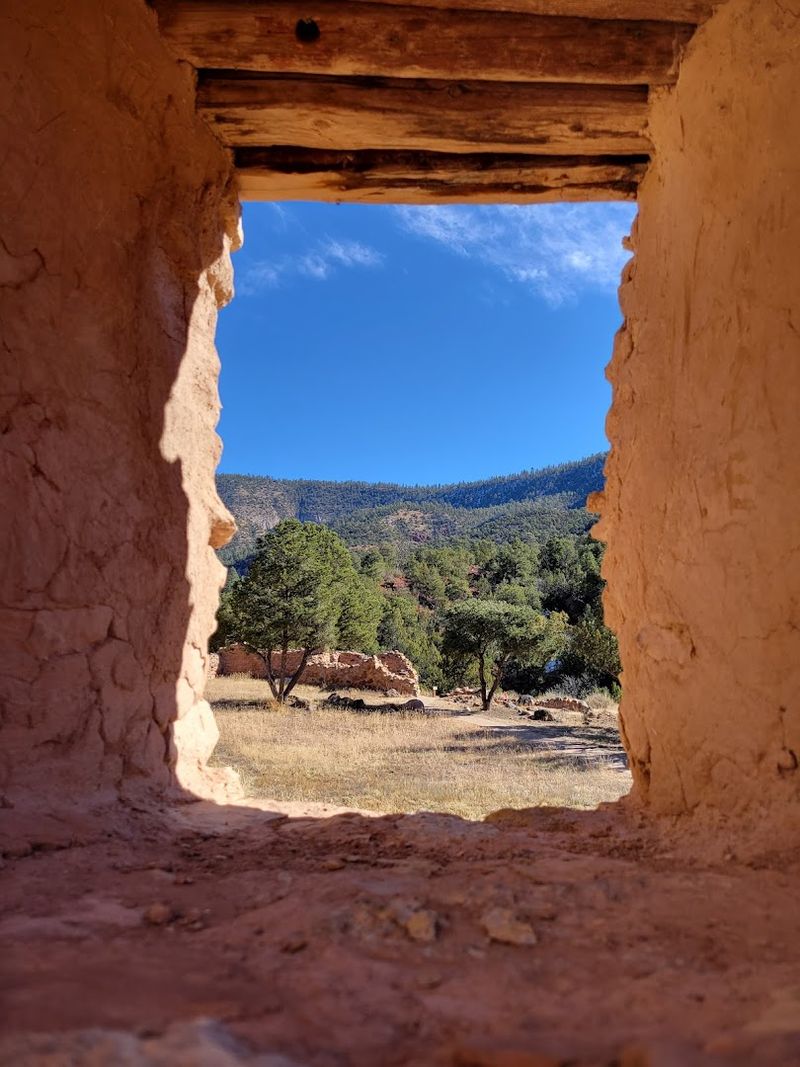
Ancient Pueblo ruins and a 17th-century Spanish mission church share the same ground here, which is a combination you rarely see so clearly laid out anywhere.
The ruins belong to the ancestral Jemez Pueblo village of Giusewa, which was occupied for centuries before Spanish contact.
When missionaries arrived, they built the Mission of San Jose de los Jemez directly on top of and alongside the existing settlement, creating an architectural palimpsest that archaeologists still study today.
The monument includes an interpretive museum that explains the site without oversimplifying it. Exhibits cover Pueblo daily life, the Spanish colonial mission system, and the complex relationships between the two cultures.
The standing walls of the church are remarkably tall and imposing, giving visitors a real sense of the ambition behind the original construction. Sunrise and late afternoon light make the stone glow in a way that feels almost cinematic.
Hot Springs Hiding In Plain Sight
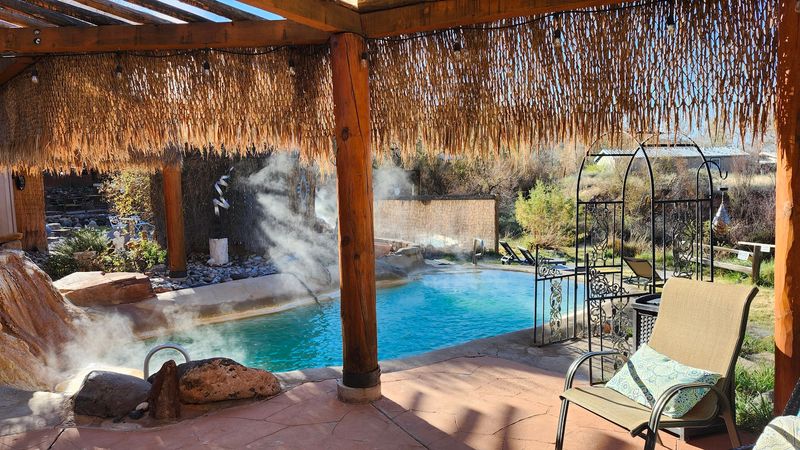
Geothermal activity under this part of New Mexico pushes warm mineral water up through the earth in several spots around Jemez Springs, and locals have known about these pools for generations.
The hot springs here are not a manufactured resort experience. They are raw, earthy, and deeply relaxing in a way that no spa can replicate.
Jemez Springs Bath House is the most accessible option for visitors who want a soak without scrambling down a canyon trail. The bathhouse has been operating for a long time and offers both private and communal soaking options using natural geothermal water.
For those willing to explore a bit, there are additional natural pools along the river corridor that require a short hike to reach. Water temperatures vary, so testing before fully committing is always a good idea.
The mineral content of the water is notably high, and regular soakers swear by its restorative qualities. Whether or not you believe in the healing properties, sitting in warm water surrounded by canyon walls while listening to the river is hard to argue with.
Hiking Trails That Go From Easy To Epic
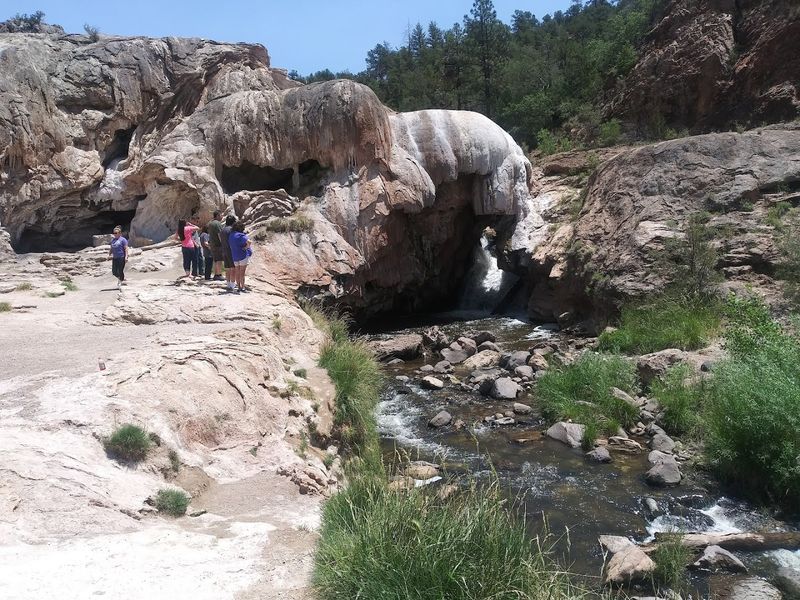
The Jemez Mountains surrounding this village offer a trail system that ranges from gentle riverside walks to serious backcountry routes that gain thousands of feet of elevation.
The variety means almost anyone can find a hike that suits them, regardless of fitness level or experience.
The East Fork Trail along the Jemez River is one of the most popular routes in the area. It follows the water through a canyon with dramatic rock formations, pools, and enough shade from cottonwood and pine to make summer hiking bearable.
For those craving elevation, the trails climbing toward the Valles Caldera National Preserve deliver sweeping views of a landscape shaped by one of the most powerful volcanic eruptions in geologic history.
The caldera itself is a broad, grassy bowl that seems almost impossibly large.
Fall is arguably the best season for hiking here.
The aspen groves turn a fierce yellow-gold, the crowds thin out, and the air carries that crisp, high-altitude clarity that makes every breath feel like a small reward.
A Volcano’s Quiet Aftermath
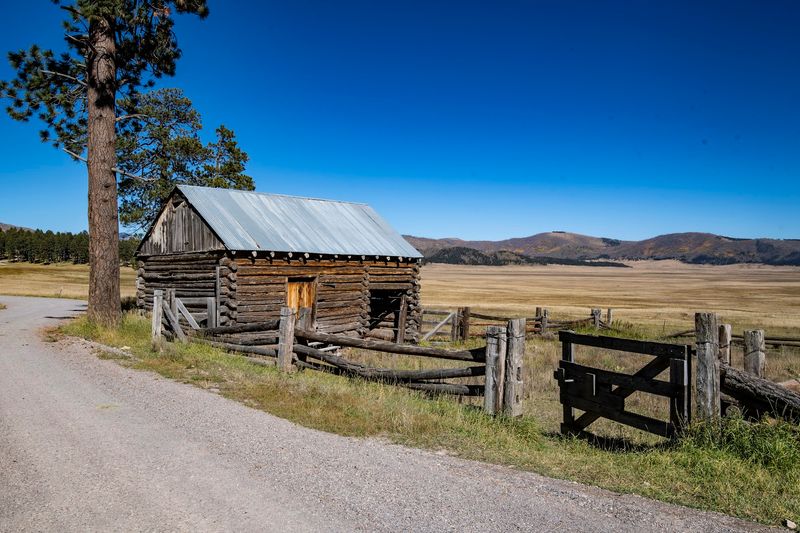
Just a short drive up the mountain from Jemez Springs sits one of the most geologically dramatic landscapes in the entire American Southwest. The Valles Caldera National Preserve is the remnant of a supervolcano that erupted over a million years ago, leaving behind a circular valley roughly 13 miles across.
Today the caldera floor is a sweeping grassland dotted with elk herds, wildflowers, and wandering streams. It looks almost pastoral until you remember you are standing inside the collapsed throat of an ancient supervolcano.
The preserve offers hiking, cross-country skiing in winter, and ranger-led programs that explain the volcanic and ecological story of the landscape. Wildlife viewing is genuinely excellent here, particularly in the early morning hours when elk move through the meadows in large groups.
The scale of the caldera is disorienting in the best way. The surrounding rim of mountains makes the whole thing feel like a hidden world, and in a sense, it is.
New Mexico does not advertise this place nearly enough, and that is part of its charm.
The Surprising Food And Local Culture Scene
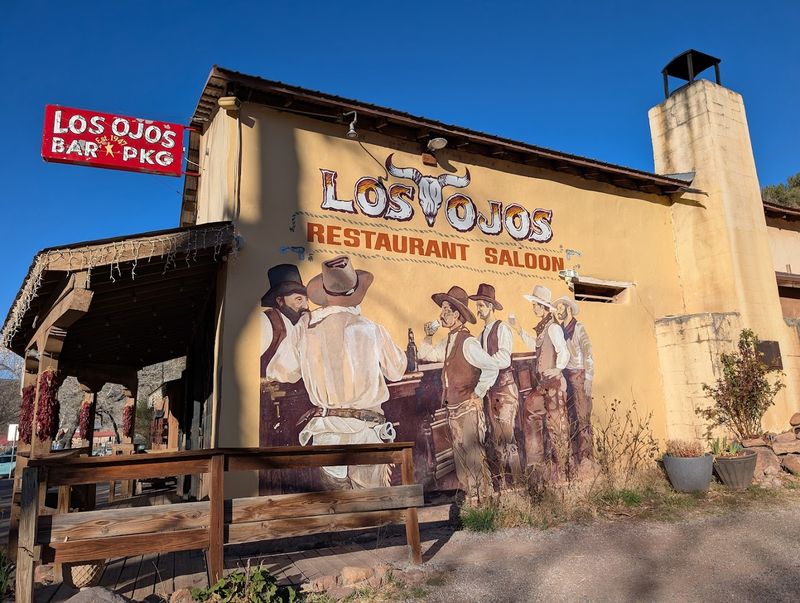
For a village with fewer than 200 residents, Jemez Springs manages to support a handful of genuinely good places to eat and a local culture that feels lived-in rather than performed for tourists. That is a balance that many small towns never quite achieve.
Green chile is the local currency, as it is throughout most of New Mexico, and the versions served here tend to be the real deal: roasted, earthy, and with a heat level that demands respect.
Breakfast burritos and enchiladas smothered in chile are the kind of fuel that makes a long hike feel manageable.
The village also has a small but interesting arts community. Painters, potters, and sculptors have been drawn to the canyon light and the relative quiet for decades, and their work shows up in small galleries and studios scattered along the main road.
On weekends, the village gets a modest influx of day-trippers from Albuquerque and Santa Fe, but it never tips into overwhelming. The locals are generally friendly and proud of the place they have chosen to call home.
Winter In The Canyon Is A Different Kind Of Beautiful
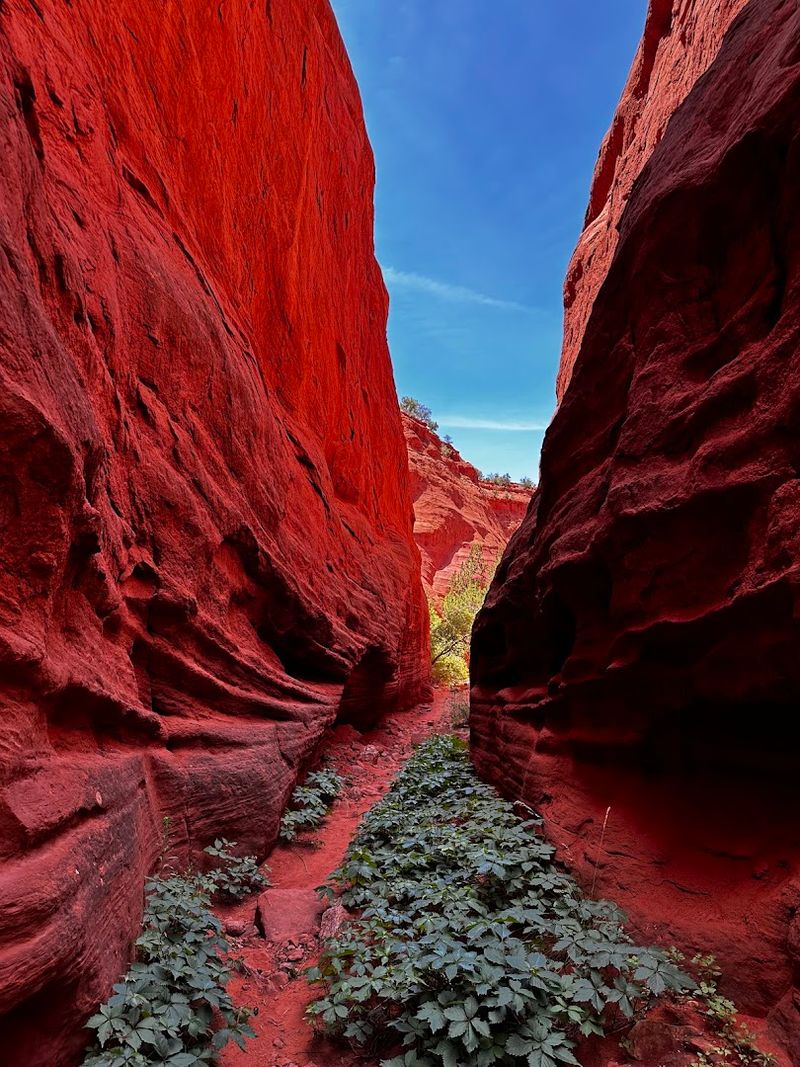
Most travel content about Jemez Springs focuses on summer and fall, which means the winter version of this place is almost entirely undiscovered. That is a genuine opportunity for travelers who do not mind a bit of cold.
Snow transforms the canyon in a way that feels almost theatrical. The red and orange rock walls pick up the white coating in patches, creating a color contrast that photographers would plan entire trips around if they knew about it.
The river runs lower and quieter, and the whole place settles into a deep stillness.
Cross-country skiing and snowshoeing are both possible in the Jemez Mountains during a good snow year, and the trails near the Valles Caldera are particularly well-suited to both activities.
The caldera meadows become a vast, silent white bowl that feels genuinely remote.
The hot springs are, predictably, even more appealing in cold weather.
Sitting in warm mineral water while snow dusts the canyon rim above is the kind of experience that converts casual visitors into repeat guests who quietly hope the secret stays quiet.
Practical Tips For Making The Most Of Your Visit
Getting to Jemez Springs from Albuquerque takes about an hour, and the drive itself is part of the experience.
New Mexico Highway 4 through the canyon is one of those roads that makes you slow down, not because of the speed limit, but because you genuinely do not want to rush past it.
Accommodation options in the village are limited, which is honestly part of the appeal. A small number of cabins, bed and breakfast properties, and retreat centers serve visitors who want to stay overnight.
Booking ahead is strongly recommended, especially for fall weekends when the foliage draws bigger crowds.
Cell service in the canyon can be unreliable, so downloading maps and any needed information before leaving the main highway is a practical move.
The spotty signal is also, depending on your perspective, a feature rather than a bug.
Bringing layers is essential no matter the season. The elevation here means temperatures can shift quickly, and the difference between a sunny afternoon and a shaded canyon trail can be surprisingly significant.