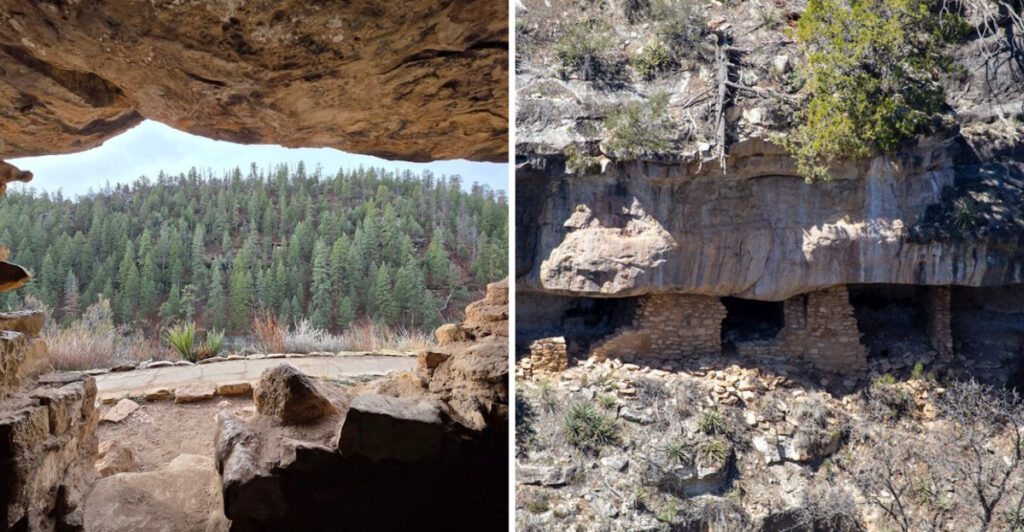
Somewhere in the high desert landscape in Arizona, this ancient cliff dwelling village is one of those places that wakes up an explorer within you. It’s mind-blowing how beautiful it is.
About 800 years ago, the people carved out homes directly into the canyon walls, and those homes are still standing today. They are well-preserved in a peaceful setting.
The trail, a roughly 1-mile loop, takes visitors right past dozens of these ancient cliff dwellings, putting you face-to-face with history in a way that few other places can match.
With stunning canyon views, fascinating archaeology, and a trail that almost anyone can tackle, this is a hike worth planning your whole road trip around.
Arizona never failed to amaze hikers. Grab your hiking shoes and hit the trail.
The Sinagua People And Their Remarkable Story
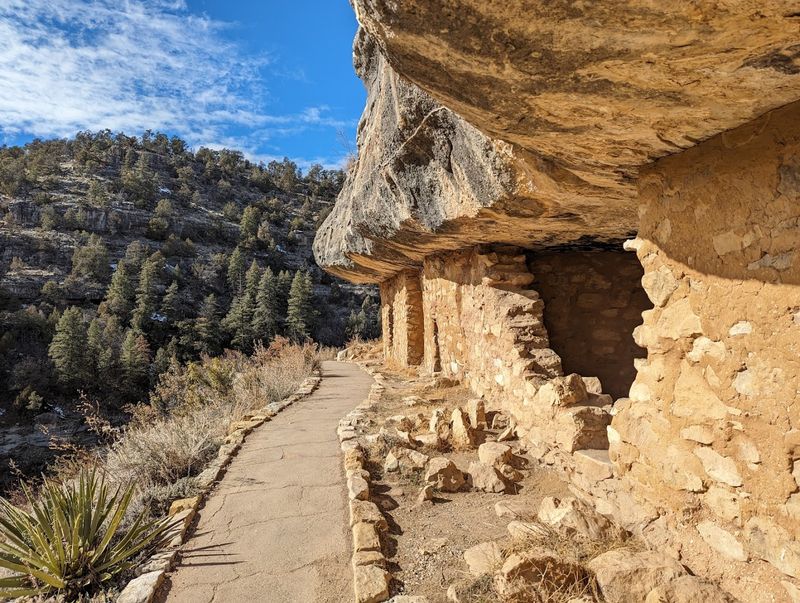
Looking at this ancient village teaches you a lesson no teacher can.
Long before anyone paved a road through northern Arizona, the Sinagua people had already figured out something extraordinary: the canyon walls were the perfect place to build a home.
The Sinagua, whose name comes from the Spanish phrase meaning “without water,” were a resourceful group who thrived in this region from roughly 600 to 1425 CE.
At Walnut Canyon, they constructed more than 80 rooms tucked beneath natural limestone overhangs, using the canyon itself as both shelter and protection.
What makes their story so gripping is how much they accomplished with simple tools and materials.
Walls were built from local limestone, mortared together with mud, and shaped to fit the natural contours of the rock.
Archaeologists have found pottery, tools, and plant remains that paint a surprisingly detailed picture of daily life here.
The Sinagua farmed the canyon rim, hunted game, and traded with neighboring cultures across the Southwest.
Visiting today, it is easy to feel the weight of that history pressing gently against you as you walk past doorways that have stood for centuries in Arizona.
What Makes The Island Trail So Special
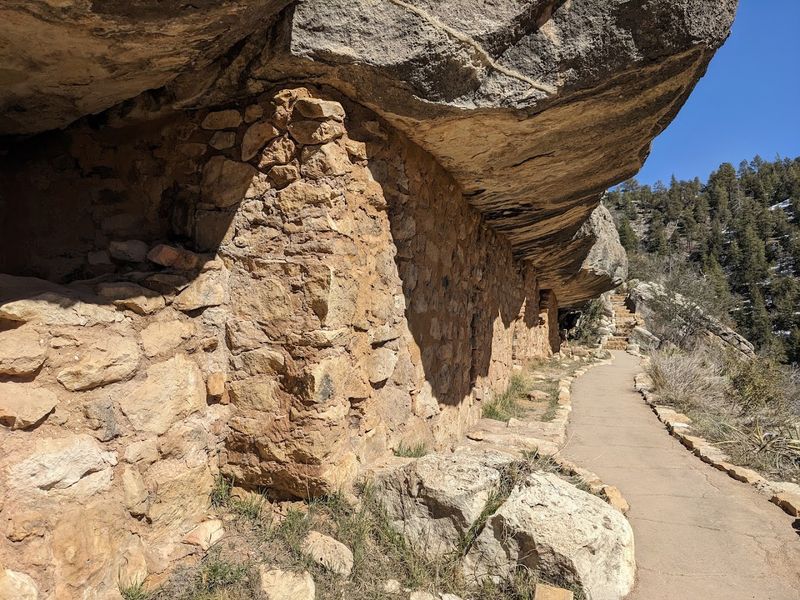
The Island Trail offers a short but unforgettable hike right into the heart of Arizona’s ancient cliff dwellings.
The trail loops around a peninsula of land that juts into the canyon, dropping about 185 feet below the canyon rim before curving back up to the visitor center.
Along the way, visitors pass 25 cliff dwelling rooms that are right on the trail, close enough to peer inside and imagine the daily routines of the families who once lived there.
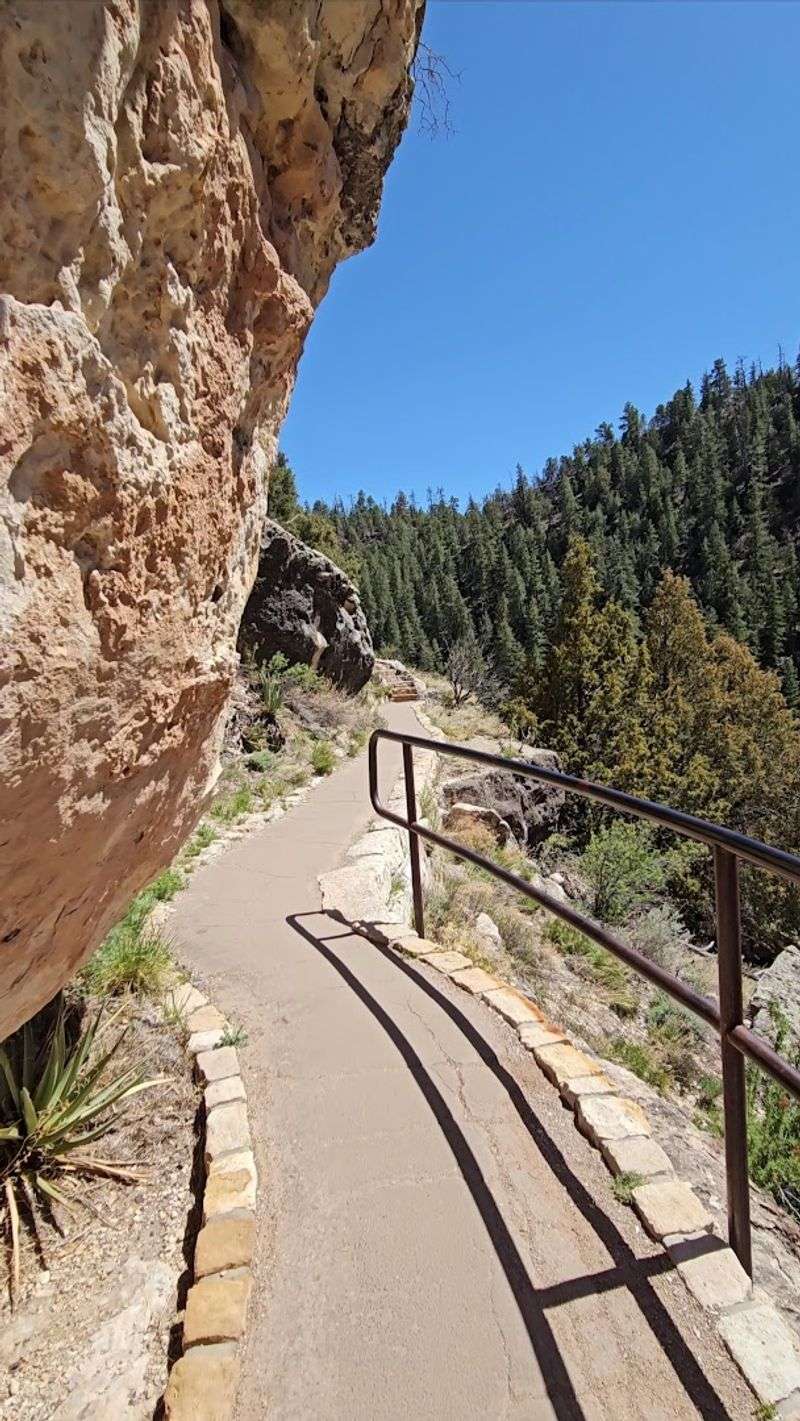
The path is paved and well-maintained, which makes it accessible to a wide range of visitors.
That said, the 240-plus steps on the return climb will remind your legs that you are, in fact, at an elevation of over 6,600 feet in Arizona.
Informational signs are placed throughout the trail, offering context about the dwellings, the people, and the canyon ecology without overwhelming you with text.
Most visitors complete the loop in about 45 minutes to an hour, though rushing through it would mean missing the quiet magic that makes this trail so worth every step.
A Canyon That Looks Like It Was Painted
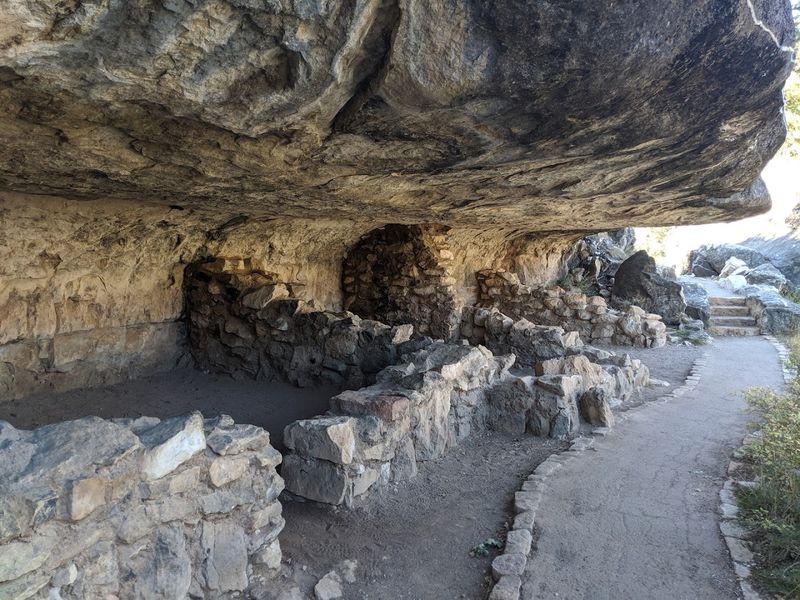
Before you even start thinking about ancient history, the canyon itself demands your full attention.
Walnut Canyon cuts through the Colorado Plateau near Flagstaff, Arizona, dropping nearly 400 feet into a dramatic gorge lined with layered limestone walls in shades of rust, tan, and cream.
A dense ponderosa pine forest crowds the rim, and Douglas fir trees grow along the shadier north-facing slopes far below, creating a patchwork of green that contrasts beautifully with the warm tones of the rock.
Walnut Creek runs along the canyon floor, and in wetter seasons it brings a surprising burst of life to what might otherwise seem like dry terrain.
The canyon supports an unusually diverse range of plant and animal species precisely because of these varied microclimates stacked on top of each other.
Standing at the overlook near the visitor center, the view stretches across the canyon in a wide, sweeping arc that rewards anyone willing to pause and take it in.
Photographers will find the light especially beautiful in the morning hours, when it catches the canyon walls at just the right angle and turns everything golden.
The Visitor Center Experience Before You Hike
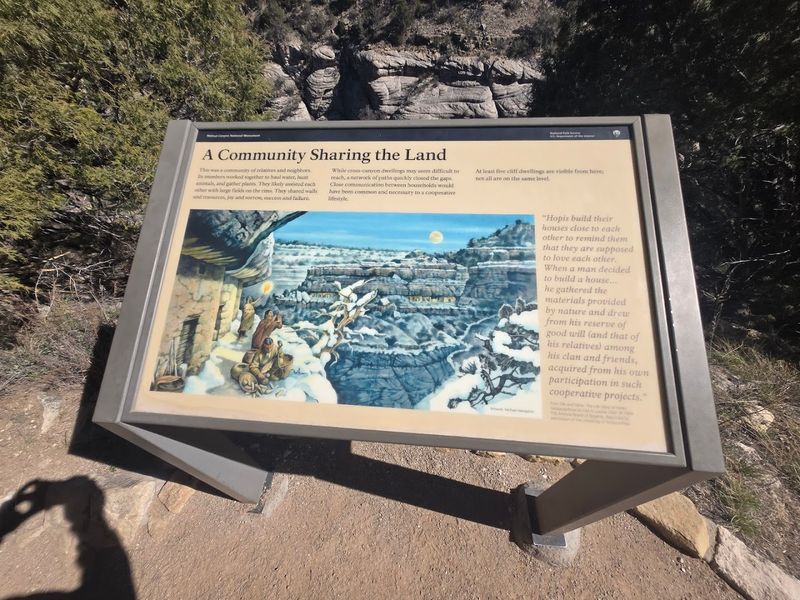
A good visitor center can make or break your understanding of a place, and the one at Walnut Canyon National Monument genuinely adds to the experience.
Positioned right at the canyon rim, it offers an immediate preview of the dramatic landscape below through large windows before you even step outside.
Inside, a compact but thoughtful exhibit area covers the history of the Sinagua people, with artifacts, timeline displays, and explanatory panels that are written clearly enough for younger visitors to follow along.
Rangers and volunteers are stationed here and are genuinely enthusiastic about sharing what they know.
Multiple reviews from visitors highlight staff members by name, noting how patient and informative they were, which says a lot about the culture of this place.
The visitor center also has restrooms, water fountains, and a small gift shop where you can pick up books, snacks, and locally made art pieces.
Young visitors can ask about the Junior Ranger program, which gives kids a structured way to engage with the history as they explore.
Starting your visit here means you will walk the trail with context, and that context transforms the experience completely in Arizona.
The Rim Trail For A Different Perspective
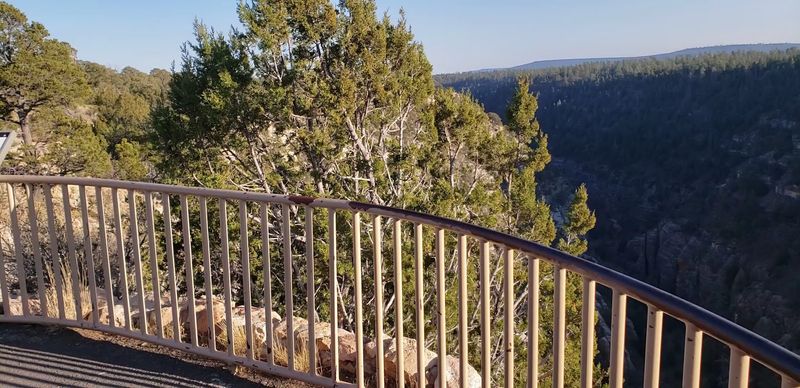
Not everyone is up for 240 steps, and that is perfectly fine because the Rim Trail offers its own rewards without asking much from your knees.
This shorter, mostly flat path runs along the top of the canyon and provides sweeping elevated views of the landscape below.
You can also notice distant cliff dwellings visible across the gorge.
It is an ideal option for visitors who want to enjoy the scenery without tackling the staircase descent of the Island Trail.
The Rim Trail also passes several overlook points where you can spot cliff dwellings on the far canyon walls that you would not see from below.
Families with strollers, older visitors, or anyone simply short on time will appreciate how much the trail delivers in a compact distance.
There is also a picnic area near the rim with canyon views that make even a simple lunch feel like a special occasion.
Combining both trails is entirely possible and gives you the most complete picture of Walnut Canyon, with the total distance for both remaining under two miles.
Arizona has no shortage of scenic overlooks, but few put ancient history and natural beauty together quite this neatly.
What It Actually Feels Like To Walk Past The Dwellings
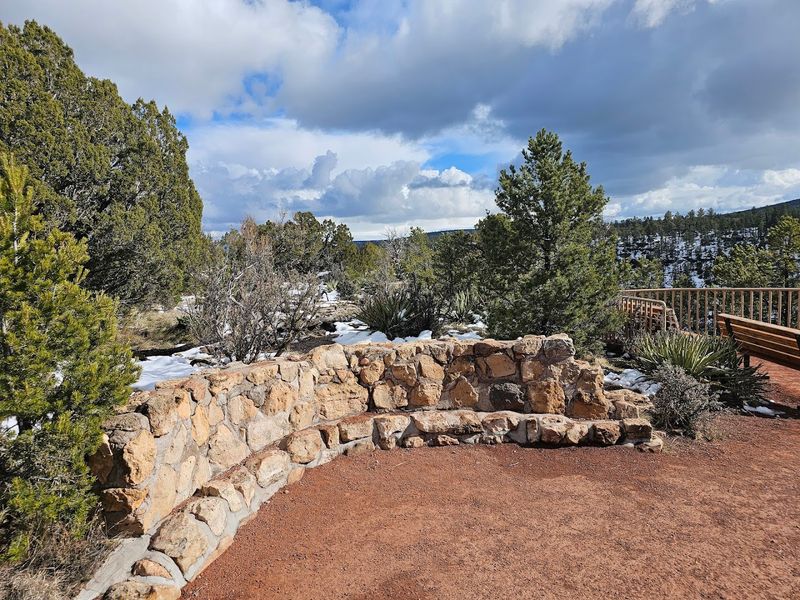
There is a particular feeling that comes over you when you round a bend on the Island Trail and suddenly find yourself face-to-face with a doorway that someone walked through 800 years ago.
The cliff dwellings at Walnut Canyon are not roped off at a frustrating distance. They sit right alongside the path.
That is close enough to observe the individual stones in the walls and the blackened ceilings left by ancient cooking fires.
Some rooms still have intact plaster on the walls, and the craftsmanship involved in fitting irregular stones together so precisely is genuinely impressive.
The natural overhangs that shelter these rooms were not accidental choices; the Sinagua selected locations where the rock above would protect their homes from rain and snow.
Walking the trail, you pass through both sun and shade, warm and cool air, in a way that mirrors the layered complexity of the canyon itself.
One visitor described imagining the smell of wood smoke and the sounds of families talking during an afternoon visit, and that kind of imaginative connection is exactly what this place invites.
Few short hikes anywhere in Arizona deliver this level of immersive, up-close historical encounter.
Planning Your Visit And What To Bring
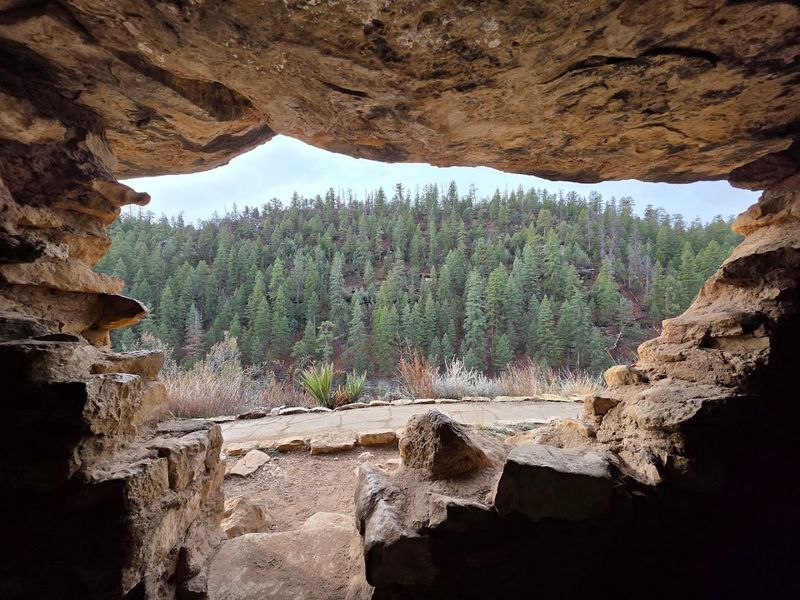
A little preparation goes a long way at Walnut Canyon, especially because the monument sits at over 6,600 feet of elevation in northern Arizona.
If you are traveling from a lower elevation, your body may feel the thinner air more than you expect, so taking the stairs slowly on the Island Trail is not a sign of weakness but a smart strategy.
Water is essential, even on a short hike, and the visitor center has water fountains if you need to refill before heading down.
The monument is open daily and arriving early is strongly recommended since the parking lot is small and fills up quickly, particularly on weekends.
The entrance fee is standard National Park Service pricing, and an America the Beautiful annual pass covers admission entirely.
Comfortable, closed-toe shoes with good grip are a practical choice since the steps can be slippery in wet weather.
Winters at Walnut Canyon bring snow that transforms the canyon into something almost otherworldly, though you should call ahead to confirm trail conditions before visiting.
The Wildlife And Plants You Might Encounter
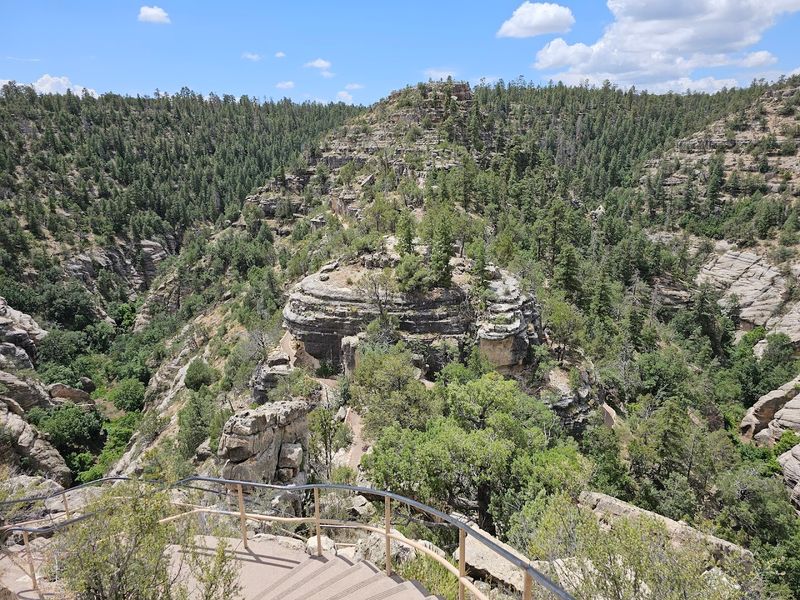
Walnut Canyon is not just a history lesson; it is also a surprisingly rich natural environment with a variety of plants and animals that call the canyon home.
The canyon’s microclimates support an unusually diverse range of species for a single location, from sun-loving cacti on the south-facing slopes to moisture-loving ferns tucked into shaded crevices below.
Ponderosa pine and Douglas fir dominate the upper portions of the canyon, while cottonwood and willow trees grow near the creek at the bottom.
Mule deer are commonly spotted near the rim, especially in the early morning and late afternoon hours when they venture out to feed.
Smaller creatures like Abert’s squirrels, with their distinctive tufted ears, are practically trail companions and seem entirely unbothered by hikers passing through.
Birdwatchers will find plenty to appreciate here too, with ravens, white-throated swifts, and various raptors soaring above the canyon walls.
The Sinagua people relied on this biodiversity for food and medicine, which adds another layer of meaning to every plant and creature you spot along the trail.
Arizona’s canyon country rarely disappoints when it comes to wildlife, and Walnut Canyon is no exception.
How Walnut Canyon Compares To Better-Known Ruins Sites
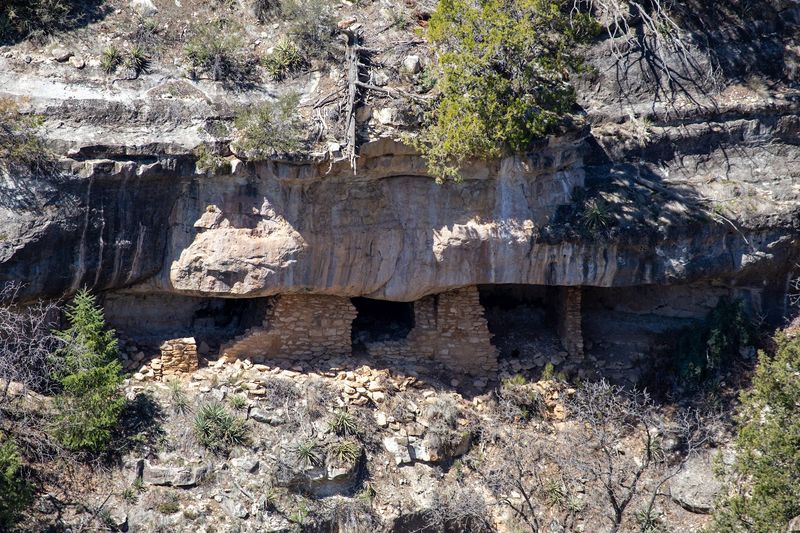
The cliff dwellings here are not observed from a lookout platform or admired from a respectful distance; they are right there beside you as you walk, within arm’s reach of the path.
That closeness creates a different kind of connection to the past, one that feels personal rather than monumental.
Walnut Canyon also tends to be less crowded than its more famous counterparts, which means you can actually pause, breathe, and absorb the atmosphere without feeling rushed along by a tour group.
The monument is conveniently located just off Interstate 40, about 7.5 miles east of Flagstaff, Arizona, making it an easy addition to any road trip without requiring a major detour.
Several visitors have noted that they almost skipped it in favor of bigger parks and were genuinely glad they did not.
For the time investment required, roughly 90 minutes to two hours total, the return in history, scenery, and sheer wonder is exceptionally high.
The Magic Of Visiting In Winter
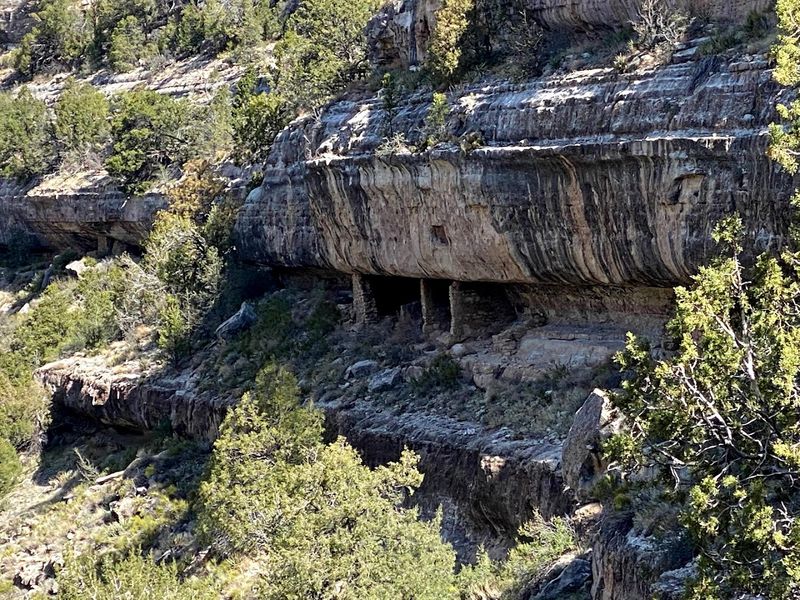
Most people think of canyon hikes as a warm-weather activity, but winter at Walnut Canyon National Monument offers an experience that longtime visitors describe as genuinely unforgettable.
When snow falls on the canyon, the red limestone walls take on a completely different character, with white dusting every ledge and overhang and turning the cliff dwellings into something that looks almost dreamlike.
The contrast of ancient stone against fresh snow is the kind of visual that stays with you long after the visit.
Winter also brings fewer visitors, which means the trails feel quieter and more contemplative, allowing the historical weight of the place to land more fully.
One visitor described hiking the Island Trail during a snowstorm and calling ahead to confirm the trail was open before setting out, a smart move for any winter visit.
The steps can become slippery in icy conditions, so traction devices or sturdy hiking boots with good grip are a practical choice for cold-weather visits.
Arizona is not typically associated with snowy landscapes, but Flagstaff and the surrounding high desert regularly receive significant snowfall, making winter visits to Walnut Canyon a genuinely special option.
Tips For Families And Young Hikers
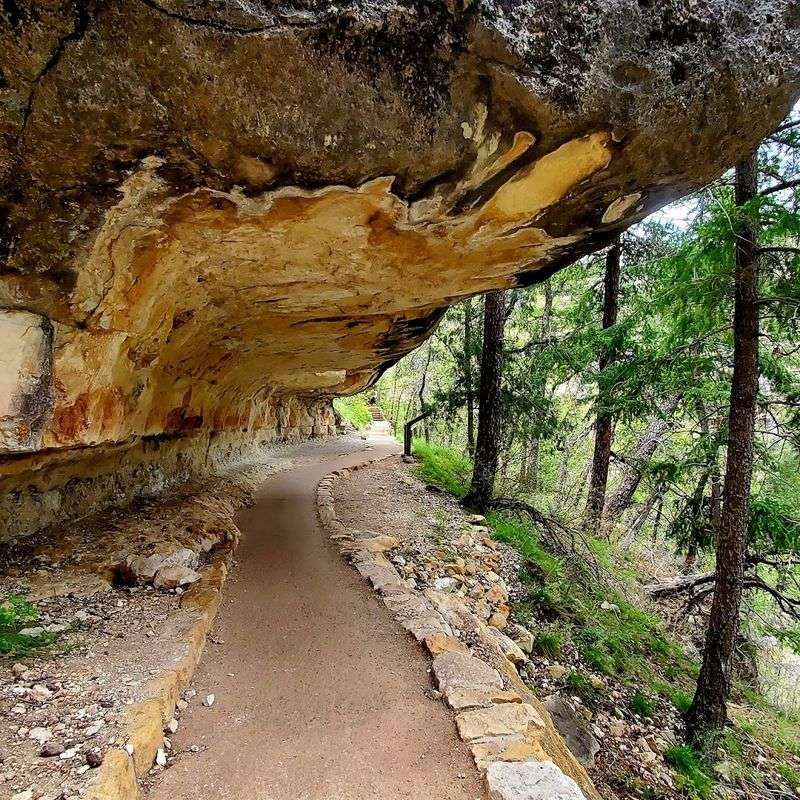
Walnut Canyon National Monument is one of those rare places that manages to genuinely excite both adults and kids without anyone feeling like they are compromising.
The cliff dwellings have an undeniable wow factor for younger visitors, and the tangible history of people who actually lived inside the canyon walls tends to spark real curiosity rather than polite interest.
The Junior Ranger program is a particularly well-received feature, with kids receiving a booklet of activities to complete during the visit before being officially sworn in by a ranger.
The Island Trail, while featuring a significant number of steps, is paved and clearly marked, which makes it manageable for older children and teens who are reasonably active.
Younger children or those who need a gentler option will enjoy the Rim Trail, which is flat and still offers excellent views.
Bringing snacks and water for the family is a practical must, especially given the elevation in northern Arizona.
The visitor center restrooms are clean and well-maintained, which parents with young kids will appreciate more than almost any other amenity on the list.
Few hikes in Arizona pack this much family-friendly discovery into such a short and accessible distance.
Why This Place Deserves A Spot On Your Arizona Itinerary
Some places earn their reputation through sheer scale, and others earn it through the kind of quiet, concentrated wonder that sneaks up on you.
Located just a short drive from Flagstaff, Arizona, it is the kind of stop that can anchor a road trip or serve as a memorable detour on the way between bigger destinations.
Pairing it with nearby Wupatki National Monument and Sunset Crater Volcano National Monument makes for a full day of Sinagua history and dramatic volcanic scenery without covering much additional ground.
The entrance fee is modest, the trails are well-maintained, and the staff are consistently praised for their warmth and knowledge.
For visitors who have never stood beside an 800-year-old doorway and tried to picture the family that once passed through it daily, this is the place to have that experience.
Arizona has many extraordinary landscapes, but Walnut Canyon offers something rare: a place where ancient human ingenuity and natural beauty exist in the same unforgettable square mile.