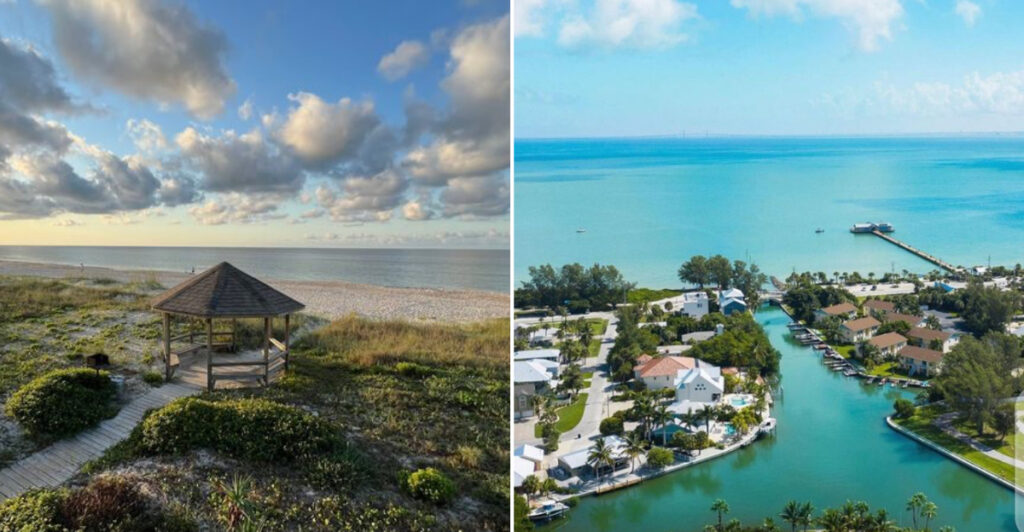
Why go through all the passport drama when a gorgeous vacation awaits in Florida?
Old Florida charm does not need to shout when it can drift in on salty air, pastel cottages, fishing docks, shell paths, and streets that still remember how to move at vacation speed.
The fun here is the mix.
These islands keep their coastal soul while modern streets hum gently around it, like a beach radio playing low enough for the waves to stay in charge.
This state turns the whole route into a breezy little treasure hunt, where every curve feels ready to hand over a view, a story, or a reason to slow down without making a big speech about it.
The suitcase may start looking suspiciously underpacked for this much charm.
1. Gasparilla Island
Old money meets old Florida on this narrow barrier island, and the combination is quietly stunning.
Gasparilla Island stretches about seven miles along the southwest Gulf Coast, with the small town of Boca Grande sitting at its southern end.
Boca Grande has been a winter retreat for the well-heeled since the early 1900s. Trains once carried visitors directly to the island, and that golden-era elegance never fully left.
The downtown is compact and walkable, with restored historic buildings housing boutiques, galleries, and restaurants. Nothing feels rushed or commercialized here.
Gasparilla Island is world-famous for tarpon fishing.
Every spring, enormous tarpon gather in Boca Grande Pass, drawing serious anglers from across the globe. The pass is considered one of the best tarpon fishing spots on the planet.
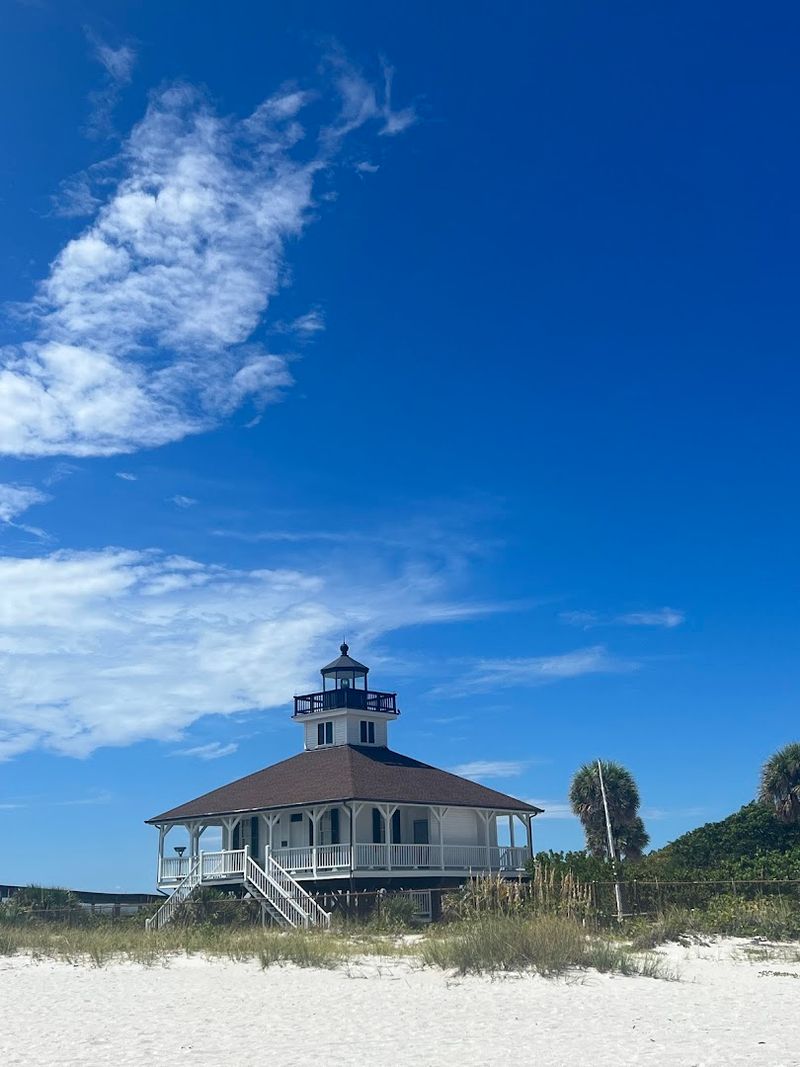
Beyond fishing, the island offers beautiful beaches, a historic lighthouse, and miles of paved paths ideal for cycling. The Gasparilla Island State Park protects the southern tip and its pristine shoreline.
The lighthouse at the park’s edge dates back to 1890 and still stands as a proud symbol of the island’s maritime heritage. Guided tours offer rich historical context.
Wildlife is abundant here. Gopher tortoises wander freely, and shorebirds patrol the beach in impressive numbers.
Gasparilla Island is located in Lee County, on the southwest Gulf Coast, accessible via a causeway from Placida.
2. Amelia Island
Eight flags have flown over this island, and every one of them left something behind.
Amelia Island sits at the northeastern tip of Florida, separated from Georgia by the St. Marys River and bordered by the Atlantic Ocean on its eastern shore.
Fernandina Beach, the island’s main town, is home to one of the most intact Victorian-era downtowns.
The historic district spans over 50 blocks of beautifully preserved 19th-century architecture.
Centre Street runs through the heart of it all. Brick sidewalks, gas-style lampposts, and storefronts that have been trading for generations give it an atmosphere that feels genuinely earned.
Fort Clinch State Park anchors the northern end of the island. The well-preserved Civil War-era fort offers living history demonstrations and sweeping views of the Cumberland Sound.
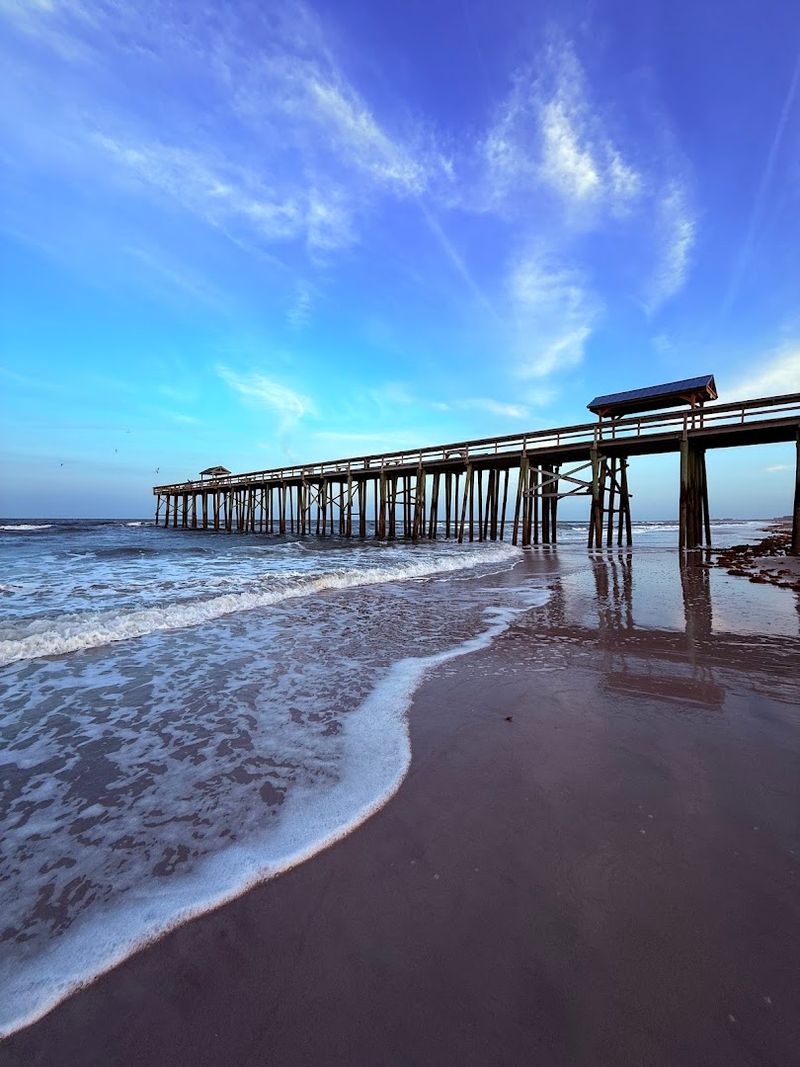
The beaches here stretch for 13 miles along the Atlantic coast. They are wide, uncrowded, and backed by sea oats and dunes that have barely changed in decades.
Horseback riding on the beach is a beloved local tradition. Several outfitters lead rides along the shoreline, offering one of the more memorable ways to experience the island’s natural beauty.
Shrimping has deep roots in Fernandina Beach. The town actually claims to be the birthplace of the modern shrimping industry in the United States.
Amelia Island is located in Nassau County, in the far northeastern corner of Florida.
3. Cedar Key
Time moves slower here, and that is exactly the point.
Cedar Key sits about 50 miles southwest of Gainesville on the Gulf Coast, perched at the end of a chain of tiny islands connected by a single road.
This was once one of this state’s busiest port cities in the 1800s. Pencil manufacturing and fishing kept it humming for decades.
Today, Cedar Key is a working fishing village with serious artistic soul. Clam farming is a big local industry, and fresh seafood here is as honest as it gets.
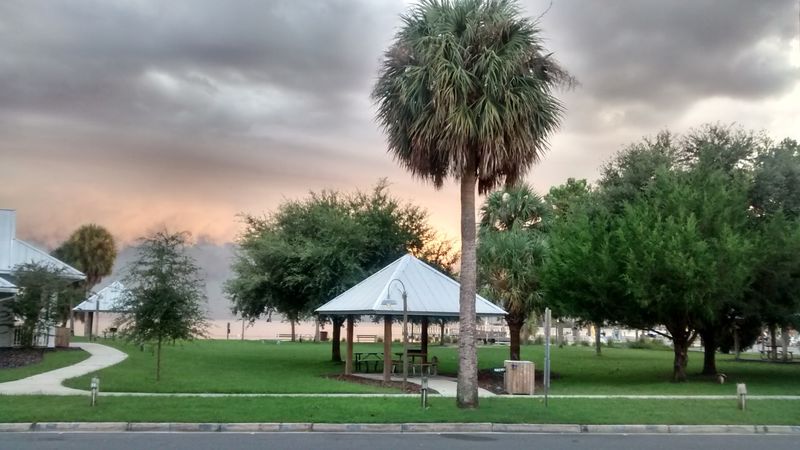
The historic downtown sits right on the water, lined with art galleries, small cafes, and shops that feel genuinely local.
Wildlife refuges surround the island, making it a prime spot for kayaking through mangroves and watching shorebirds in their natural habitat. Roseate spoonbills and bald eagles are regular visitors.
The Cedar Key Museum State Park offers a solid window into the island’s layered history. Artifacts, photographs, and exhibits walk you through centuries of life on this small spit of land.
Come during the annual seafood festival and you will see the whole community come alive. It is one of the most authentic small-town celebrations in the state.
Cedar Key sits in Levy County, on the Gulf Coast of north-central Florida.
4. Anna Maria Island
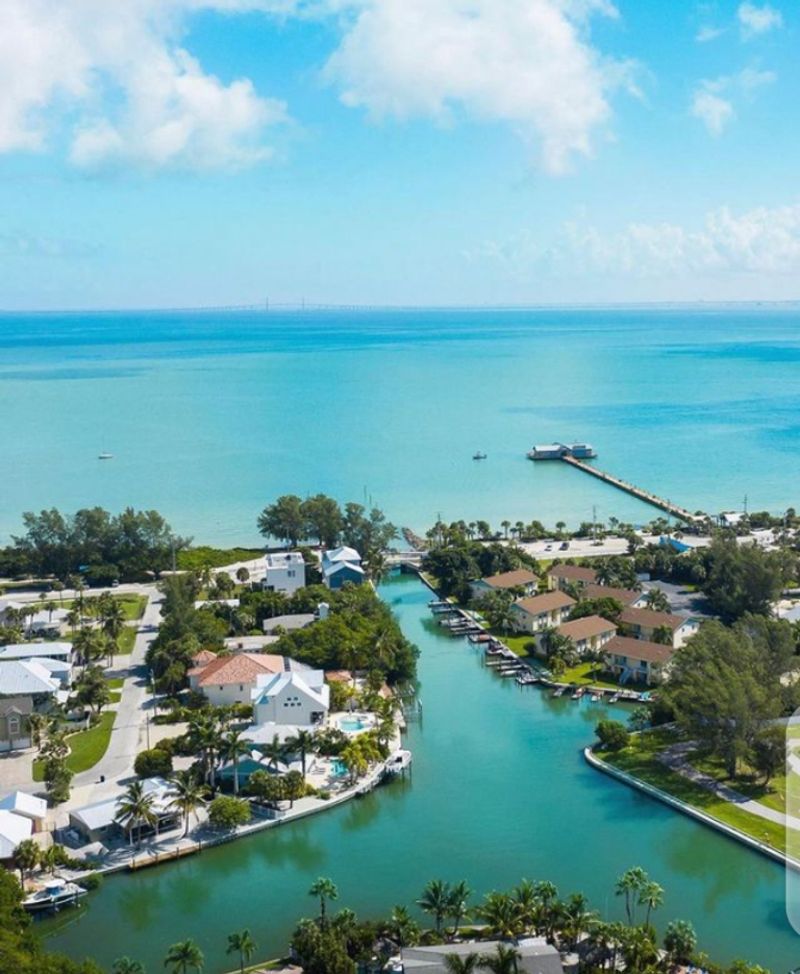
Can a seven-mile island feel like an entire world? Anna Maria Island makes a strong case.
Tucked just north of Sarasota on the Gulf Coast, this barrier island runs through three small towns: Anna Maria, Holmes Beach, and Bradenton Beach.
The vibe here is deliberately unhurried. Golf carts outnumber cars on many streets, and that tells you everything about the pace of life.
Colorful 1950s beach cottages still line the roads, many of them lovingly preserved. The island has resisted the overdevelopment that swallowed so many Florida coastlines.
Pine Avenue in the northern village is a walkable stretch of boutique shops, bakeries, and waterfront restaurants. It has the energy of a small town that knows exactly what it wants to be.
The beaches here consistently rank among the best in the country. The sand is powdery white, the water runs clear and calm, and sunsets on the Gulf side are genuinely spectacular.
Fishing is deeply woven into island culture. The historic City Pier offers a classic fishing experience, and local guides lead inshore trips through the surrounding flats and bays.
Manatees and dolphins frequent the waters around the island, making boat tours a popular and rewarding activity for families.
Anna Maria Island is located in Manatee County, on the central Gulf Coast, just west of Bradenton.
5. St. George Island
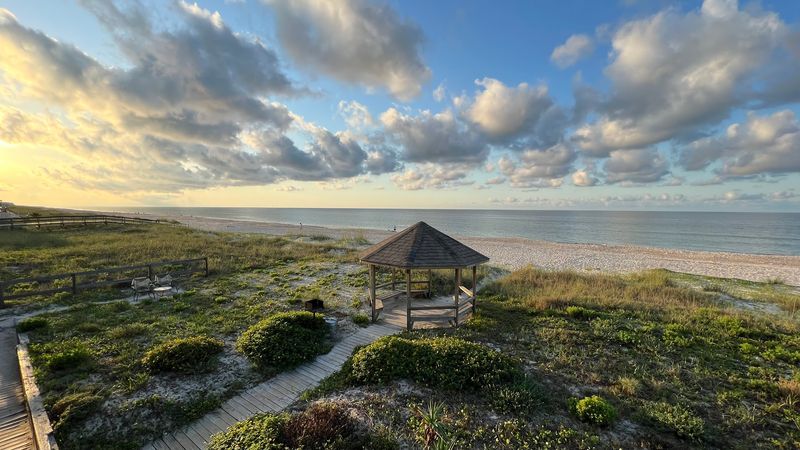
Few places in this state feel this untouched, and that is a rare and precious thing. St. George Island sits in the Florida Panhandle, about 100 miles southwest of Tallahassee, separated from the mainland by Apalachicola Bay.
Nearly half the island is protected as Dr. Julian G. Bruce St. George Island State Park.
That means miles of undeveloped beach where the Gulf of Mexico meets pure white sand without a hotel in sight.
The park’s eastern end is especially wild and remote. Getting there requires a short hike or bike ride, and the reward is a stretch of coastline that feels genuinely off the grid.
St. George Island is part of the Forgotten Coast, a stretch of Panhandle shoreline that deliberately avoided the mass tourism development seen elsewhere. The name fits perfectly.
Apalachicola Bay, just across the bridge, has a celebrated oyster-fishing heritage.
Its oysters were once harvested in enormous numbers and became nationally known for their distinctive flavor, though today’s wild harvest is limited as the bay continues to recover.
The small village on the island has a handful of restaurants, shops, and rental cottages that cater to visitors who want peace over pageantry. Repeat visitors here are fiercely loyal.
Birding is exceptional in both the park and the surrounding wetlands. Migratory species pass through in impressive numbers during spring and fall.
St. George Island is located in Franklin County, on the Panhandle Gulf Coast.
6. Sanibel Island
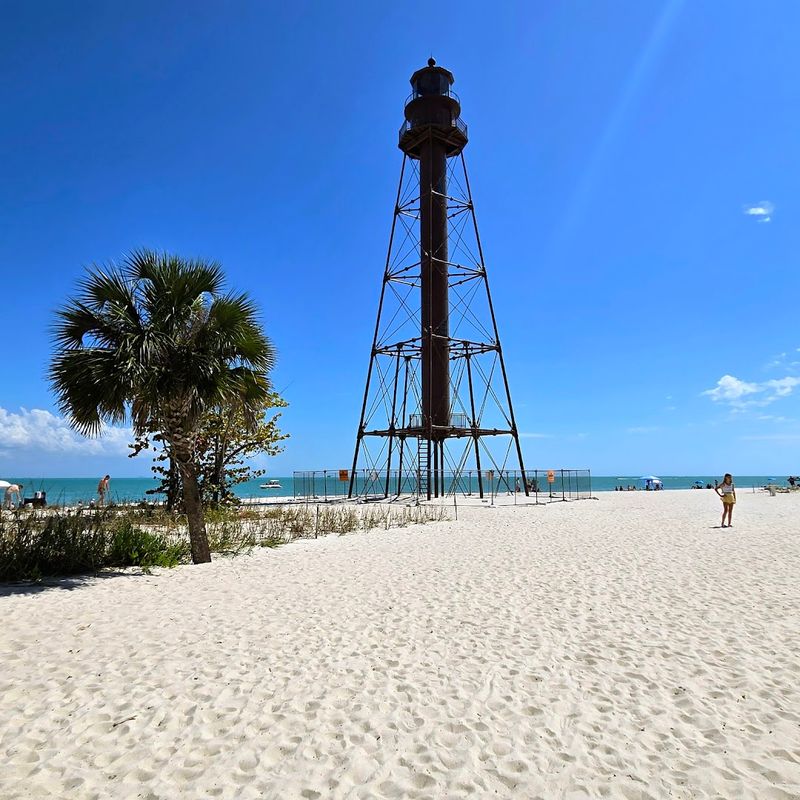
The shells here are so plentiful that visitors develop a condition locals call the Sanibel Stoop. That is the bent-over posture you adopt when you cannot stop picking up shells from the beach.
Sanibel Island sits just off the southwest Gulf Coast, connected to Fort Myers by a long causeway. Its unusual east-west orientation causes shells to funnel directly onto its shores from the Gulf floor.
The J.N. Darling National Wildlife Refuge covers about a third of the island.
It protects one of the largest undeveloped mangrove ecosystems in the United States and supports an extraordinary range of bird species.
Roseate spoonbills, ospreys, and manatees are regulars here. The refuge’s Wildlife Drive is a popular route for cyclists and slow-rolling vehicles wanting a close look at the ecosystem.
The Sanibel Historical Museum and Village preserves the island’s story through restored buildings and rotating exhibits. It offers genuine insight into how early settlers built a life on this remote barrier island.
Biking is one of the best ways to get around. An extensive network of paved paths winds through the island’s interior and along the coast, keeping cars at a comfortable distance.
The island has strict building height limits and lighting ordinances designed to protect sea turtle nesting. That commitment to conservation shapes the whole character of the place.
Sanibel Island is located in Lee County, on Florida’s southwest Gulf Coast, west of Fort Myers.
7. Estero Island
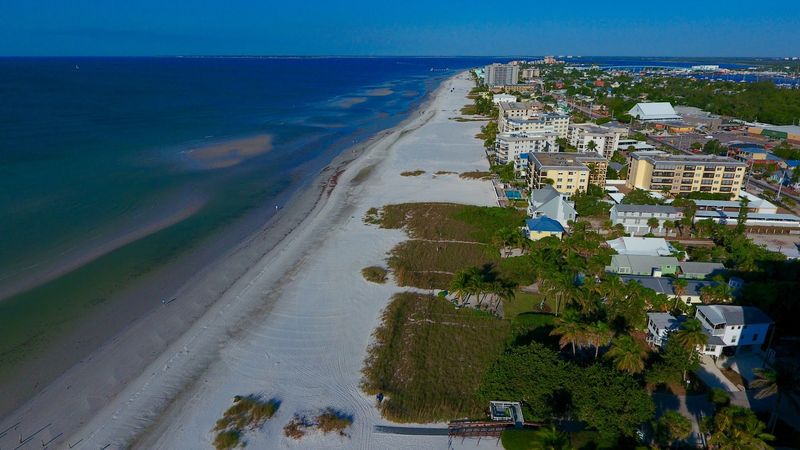
Fort Myers Beach sits on Estero Island, and it carries two personalities at once.
The northern end buzzes with energy around Times Square, while the southern stretch quiets down into something much more laid-back and residential.
Estero Island runs about seven miles along the southwest Gulf Coast in Lee County, just south of Fort Myers.
The Matanzas Pass connects the bay side to the Gulf, creating a waterway that sees constant boat traffic.
The beach here is wide and gently sloping, making it one of the more family-friendly stretches of Gulf Coast shoreline. The calm, warm water is easy to wade into at any age.
Fishing is central to island life. The pier at Lynn Hall Memorial Park is a local institution, drawing anglers at all hours with rods, coolers, and serious patience.
Dolphins are a near-daily presence in the waters around Estero Island. Boat tours, paddleboard rentals, and kayak outfitters all operate out of the local marinas, making water access easy.
Lovers Key State Park sits just south of the island and offers a quieter beach experience with nature trails, canoe routes, and excellent shelling. Black skimmers and least terns nest in the area.
Estero Island is located in Lee County, on Florida’s southwest Gulf Coast, south of Fort Myers.
8. Casey Key
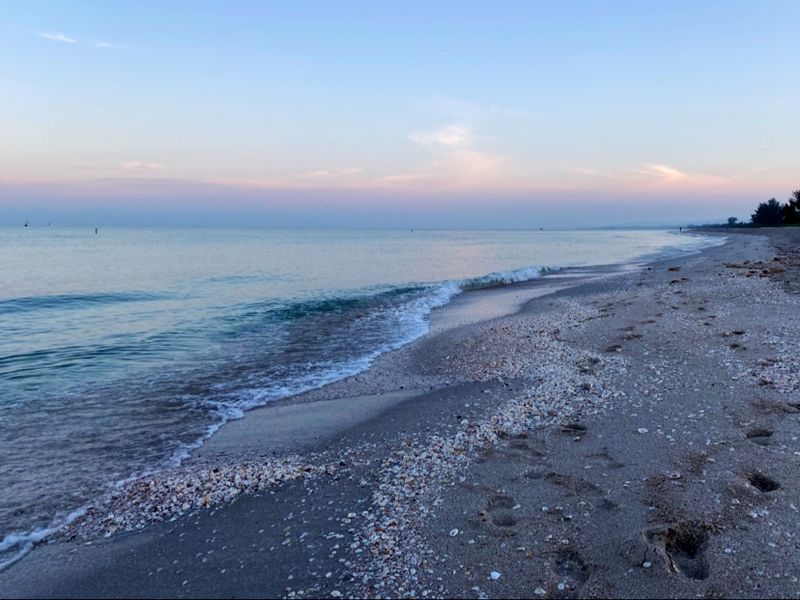
Only about a thousand people live on Casey Key, and most of them prefer it that way. This slender barrier island stretches about eight miles along the Sarasota County coastline, bookended by Nokomis to the north and Osprey to the south.
There is only one road through the island. North Casey Key Road winds past old Florida estates, towering Australian pines, and properties that have stayed in the same families for generations.
Casey Key has no traffic lights, no chain restaurants, and no resort complexes. That is entirely by design, and the residents guard that simplicity fiercely.
The Gulf side offers some of the most uncrowded beach access in the entire Sarasota area. Wide sandy shores and clear water make it ideal for swimming, shelling, and watching pelicans cruise the shoreline.
The Intracoastal Waterway runs along the bay side of the island, making it a popular route for boaters and kayakers exploring the mangrove-lined shores. Dolphin sightings here are almost routine.
Several public beach access points are tucked along the road, easy to miss if you do not know where to look. Finding them feels like discovering a small, quiet reward.
Casey Key has attracted writers and artists for decades. Its seclusion and natural beauty have a way of inspiring creative work in people who spend time here.
Casey Key is located in Sarasota County, on the central Gulf Coast, between Nokomis and Osprey.
9. Pine Island
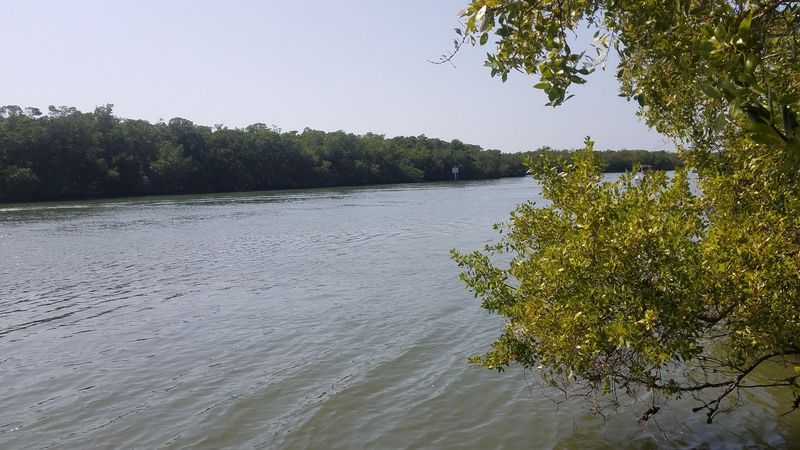
Pine Island is the largest island on Florida’s Gulf Coast, and it has no classic beach.
Located in Lee County just west of Cape Coral, Pine Island is ringed entirely by mangroves. The shoreline is wild, tangled, and deeply productive as a marine nursery habitat.
The island is actually a collection of small communities, including Matlacha, Pine Island Center, Bokeelia, and St. James City. Each has its own distinct character and loyal local population.
Matlacha is the most photographed of the bunch. Its funky waterfront is lined with colorful bait shops, art galleries, and fish houses that look like they were painted by someone with a very cheerful imagination.
Commercial fishing still drives the local economy here more than tourism does. Stone crab, grouper, and snook are pulled from these waters by generations of working fishing families.
Pine Island Sound, which wraps around the island’s western shore, is a world-class destination for kayaking and paddleboarding. The shallow grass flats are home to manatees, sea turtles, and redfish.
The Calusa people lived on Pine Island for thousands of years before European contact.
Archaeological sites and shell mounds scattered across the island are physical reminders of that deep history.
Pine Island is located in Lee County, on the southwest Gulf Coast, west of Cape Coral.