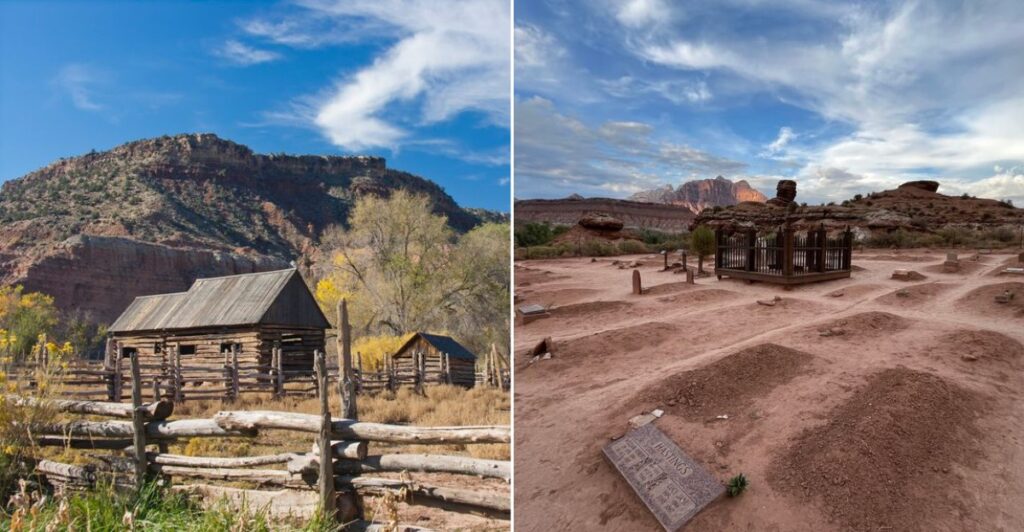
Some road trips hand you scenery. Others hand you a town that seems to have stopped answering the clock.
Along a quiet stretch of southern Utah, an old pioneer settlement still holds weathered buildings, a cemetery, and red rock views in the same remarkable scene. There is no need for elaborate attractions here because the history does the heavy lifting.
Walk slowly, look closely, and the place begins to explain itself through empty rooms, worn paths, and the tough landscape surrounding them. Life in this corner of Utah demanded patience, stamina, and a serious tolerance for isolation.
That makes the silence more interesting, not less. You are not just looking at old structures.
You are seeing evidence of people who tried to build ordinary lives in an extraordinary setting. For travelers who like history with a little atmosphere, this detour turns a short stop into something that stays with you.
A Quiet Rockville Detour With A Real Address
Some outings become easier the moment the map offers a place with a clear story. Grafton Trail and Grafton Ghost Town, connected with 284 W 250 S, Rockville, UT 84763, gives travelers that kind of decision relief near the Zion area without demanding a full day or a heroic supply list.
The site is a preserved historic settlement associated with pioneer families who lived along the Virgin River valley. Today, visitors come for the remaining buildings, the cemetery, the open landscape, and the slightly spooky feeling that comes from standing where a town once tried to hold its ground.
Grafton Ghost Town is not a theme park version of history. It is managed through preservation efforts connected to the Grafton Heritage Partnership, and the experience is mostly self guided.
That means you should arrive ready to read signs, walk carefully, and let the quiet do some of the work.
For road trippers, couples, families, and solo travelers, the appeal is practical as much as historic. You get a focused Utah stop that feels specific, not overbuilt, and nobody has to schedule the afternoon with military precision.
The Ghost Town Story Is Easy To Grasp
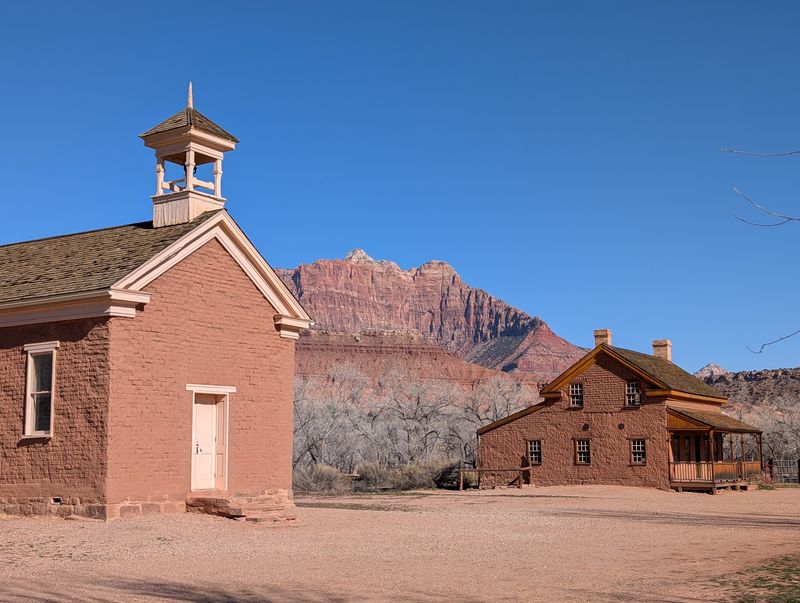
Not every historic place explains itself quickly, which is how innocent travelers end up staring at a plaque like it is a tax form. Grafton Ghost Town avoids that problem because its main pieces are direct: a former settlement, restored structures, a schoolhouse and church building, homesteads, and a cemetery.
The town was first settled by Latter day Saint pioneers in the 1800s, with the wider Grafton story shaped by farming, the Virgin River, and the difficult work of building a community in southern Utah. The remaining site helps make those facts visible instead of leaving them trapped in a textbook.
Grafton Trail and Grafton Ghost Town works well because visitors can understand the visit almost immediately. You are not decoding a complicated attraction.
You are looking at where people lived, learned, gathered, and were buried, all in a landscape that still shows why survival required patience.
That clarity matters for mixed groups. A history fan can linger over details, while someone with a shorter attention span can still connect the dots.
Grafton Ghost Town lets the past stay approachable, which is no small favor when vacation planning already has enough moving parts.
Red Rock Country Frames The Old Buildings
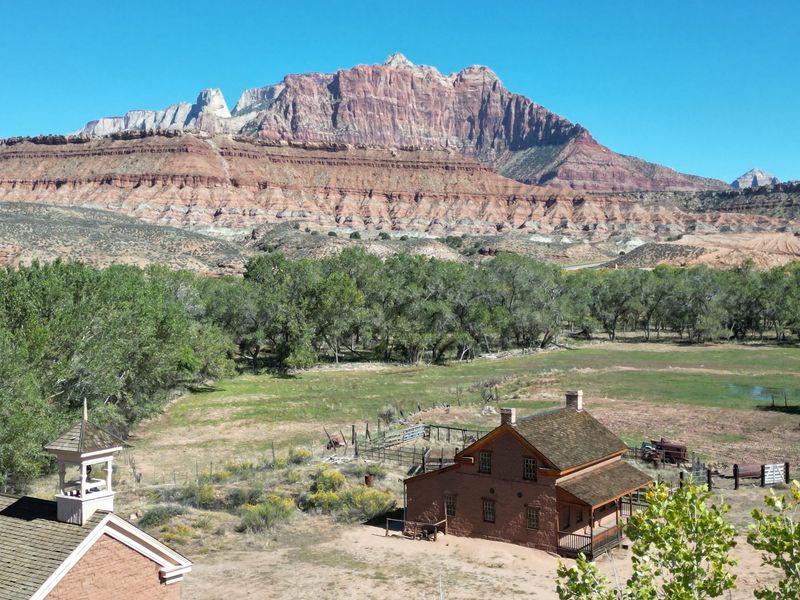
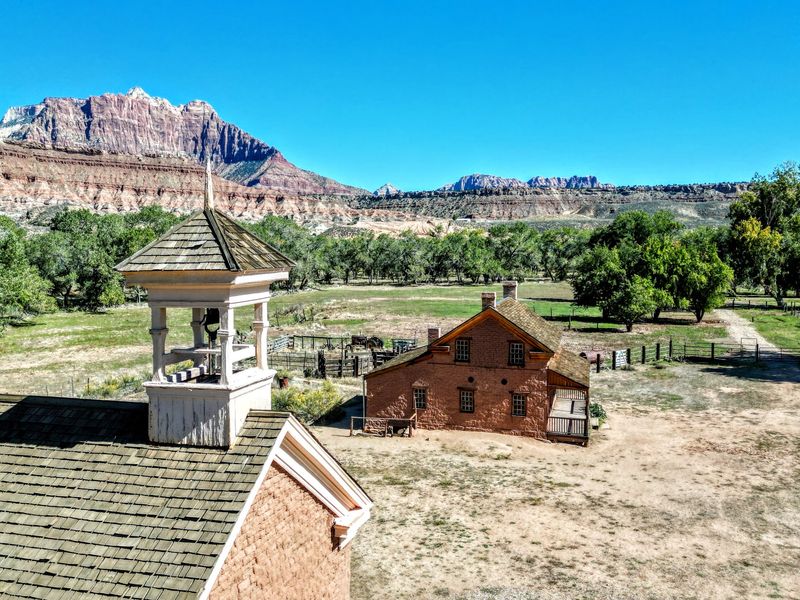
The setting does half the explaining before anyone reads a sign. Grafton Ghost Town sits in the Virgin River valley near Rockville, where open ground, historic structures, and the broader Zion landscape meet in a way that feels distinctly southern Utah.
Reaching the site generally involves leaving the more developed travel corridor and following a road that becomes unpaved near the historic area. Conditions can change, so sensible shoes and a vehicle suited to ordinary dirt road travel are smarter than pretending flip flops have frontier courage.
The preserved townsite is modest in scale, with a small group of buildings rather than blocks of storefronts. That smaller footprint helps visitors slow down.
The schoolhouse and church building, old homes, and cemetery are easier to understand when you can see how close daily life would have been to fields, river, weather, and work.
Grafton Trail and Grafton Ghost Town also has a visual identity many Utah travelers recognize from photos: pale historic walls, rough wood, open desert, and cliffs beyond. Nothing needs to be dressed up.
The place already carries the plain evidence of settlement, abandonment, and preservation.
A Cemetery Gives The Haunted Trail Its Weight
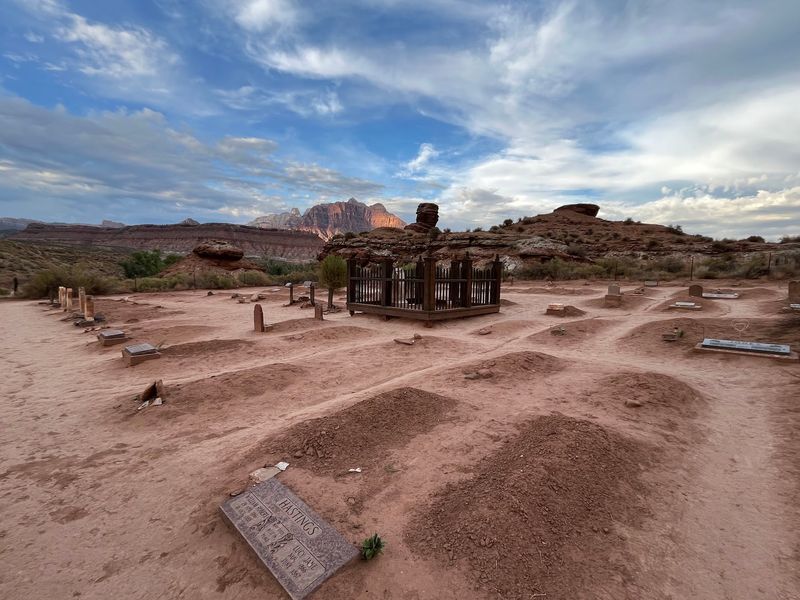
The haunted reputation here is not built from plastic skeletons or jump scares, thank goodness. Grafton Ghost Town feels eerie because the cemetery and buildings point to real lives, real families, and the hard limits of living in a remote settlement during the 1800s.
The cemetery is one of the most important stops connected with Grafton Trail and Grafton Ghost Town. Its markers help visitors understand that the ghost town is not just a photo backdrop.
It was a community where people faced illness, isolation, floods, and the everyday strain of frontier life.
Good To Know: move slowly, stay respectful, and treat the cemetery as a historic place rather than a spooky prop for social media. That advice sounds obvious, but travel has a way of making otherwise normal adults behave like hats with legs.
The site also has a small place in film history, since Grafton appeared in scenes from the 1969 movie Butch Cassidy and the Sundance Kid. That pop culture footnote brings some visitors in, but the cemetery is what gives Grafton Ghost Town its deeper pull.
The past here is visible, named, and close enough to change the mood of the visit.
Different Travelers Can Read The Place Their Own Way
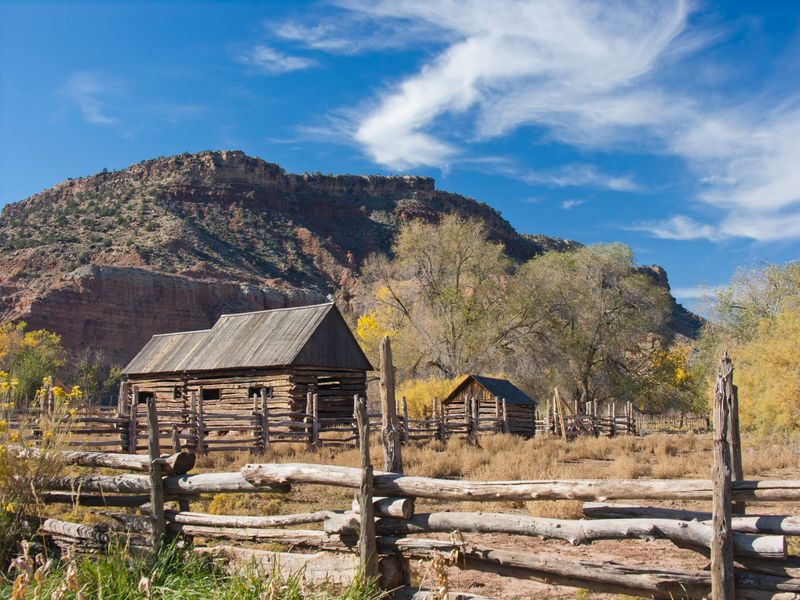
A family may see Grafton Ghost Town as an open air history lesson where kids can connect old buildings with real people. That is far easier than asking them to admire one more scenic view while everyone pretends the snack bag is not running the schedule.
Couples may find the slow pace useful because the site encourages conversation without requiring a formal tour. Solo travelers can take their time with signs, photographs, and the cemetery, while weekend planners can add Grafton Trail and Grafton Ghost Town to a broader southern Utah trip without building the whole day around it.
The practical side is important. The main historic area is compact enough for a manageable visit, though visitors should still expect uneven ground, desert conditions, and limited services.
Bringing water, sun protection, and shoes made for walking is plain common sense, not wilderness drama.
Grafton Ghost Town suits people who like places where the story is visible. You can stand near a restored building, look toward the surrounding valley, and understand why settlement here was both hopeful and difficult.
That mix gives the stop enough substance for adults while remaining simple enough for younger travelers.
A Simple Saturday Detour Without A Complicated Plan
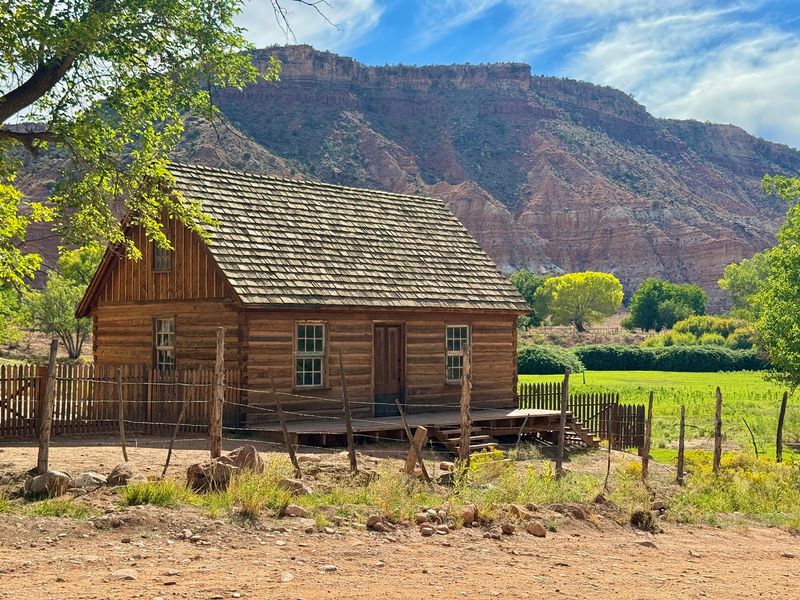
A quick stop while already in the Rockville or Zion area can be the right scale for Grafton Trail and Grafton Ghost Town. Use 284 W 250 S, Rockville, UT 84763 as the address connected with the visit, then confirm current road conditions before heading toward the historic townsite.
The outing is best treated as simple, not careless. Grafton Ghost Town is largely self guided, and visitors should not expect a staffed museum experience with every convenience waiting politely in the dust.
Check current access information from official or local sources, especially after storms or seasonal changes.
Plan for a short walk, time at the buildings, and a respectful stop at the cemetery. Keep the schedule loose.
This is not the kind of place that improves when squeezed between three reservations and a committee debate over lunch.
Because the site is preserved rather than heavily commercialized, small choices matter. Stay on appropriate paths, avoid climbing on fragile structures, and pack out what you bring in.
Grafton Trail and Grafton Ghost Town rewards visitors who arrive with curiosity and a little patience. The less you try to turn it into an attraction checklist, the better it works.
Why This Utah Ghost Town Stays With You
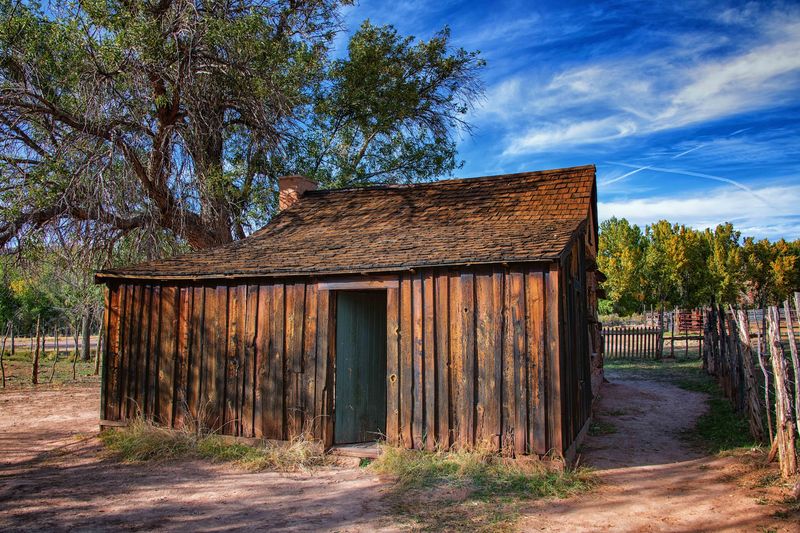
Grafton Ghost Town lingers because it does not have to shout. The remaining buildings, cemetery, and open valley tell a compact story about people who tried to make a settlement work in a demanding corner of Utah, then left behind enough for later visitors to understand the outline.
The strongest reason to follow this haunted trail is not fear. It is perspective.
Grafton Trail and Grafton Ghost Town gives the spooky label some backbone by tying atmosphere to documented history, preserved structures, and the visible evidence of a community that once had homes, school lessons, worship, work, and burials.
That makes the visit useful for more than ghost town collectors. It gives families a grounded history stop, couples a quiet shared detour, solo travelers a place to think, and road trippers a break from scenery that sometimes becomes almost too grand to process.
Utah has plenty of dramatic views, but Grafton adds human scale.
Leave room for the place to stay plain. No big finale is required.
Grafton Ghost Town works because the details are still there, waiting in the dry light near Rockville. Text a friend the simple version: go slowly, read the signs, and do not skip the cemetery.