South Carolina cravings do not care how far away you are.
You may leave feeling confident, adventurous, and ready for new flavors. Then somebody mentions barbecue hash, and suddenly you are calculating how many hours it would take to drive home.
That is the trouble with South Carolina food. It does not politely stay in the past. It shows up in cravings, family arguments over recipes, and the firm belief that nobody outside the state quite understands how the dish should taste.
A familiar smell can bring back Sunday lunches faster than any photograph. One bite can remind you of roadside counters, paper plates, and relatives who never measured a single ingredient.
You can find excellent food almost anywhere, but that does not mean it tastes like home.
These dishes have a habit of turning calm adults into extremely opinionated people with detailed instructions for the cook.
The first craving is already warming up. Try not to book a trip before dessert.
1. Chicken Bog
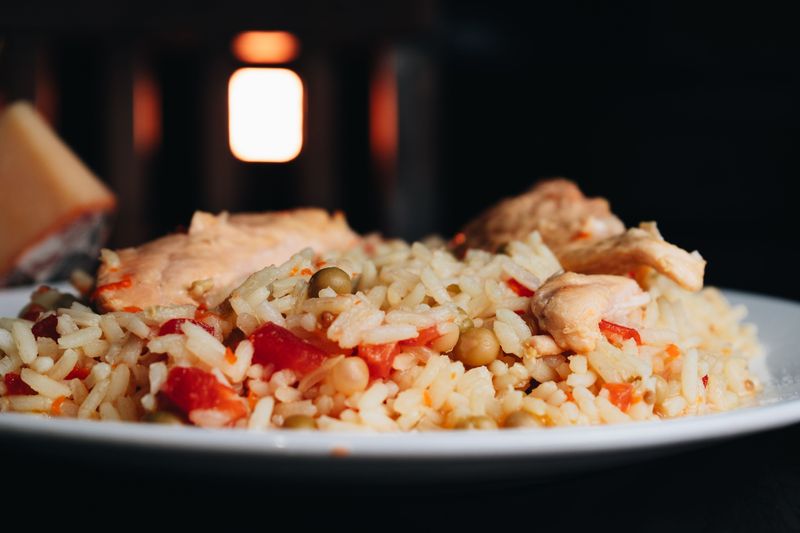
Nobody talks about chicken bog the way Pee Dee locals do. The passion behind it tells you everything you need to know.
This is not a fancy dish. It is a one-pot wonder built from shredded chicken, long-grain rice, and smoked sausage. It is slow-cooked until everything melts into something deeply satisfying.
The name likely comes from the texture, because the rice absorbs enough cooking liquid to become moist and almost boggy without turning mushy.
Every family in Horry County seems to have a slightly different version, and each one swears theirs is the original. That friendly argument is part of the tradition.
Chicken bog shows up at church fundraisers, high school football tailgates, and community cookouts across the region. The smell alone can transport a South Carolinian back to a folding table under a tent on a warm October night. Can you picture it already?
The town of Loris even hosts the annual Loris Bog-Off Festival, which began as a chicken bog cooking contest in 1980.
If you have never eaten chicken bog straight from a massive iron pot at a community gathering, you have truly missed something special.
2. Barbecue Hash And Rice
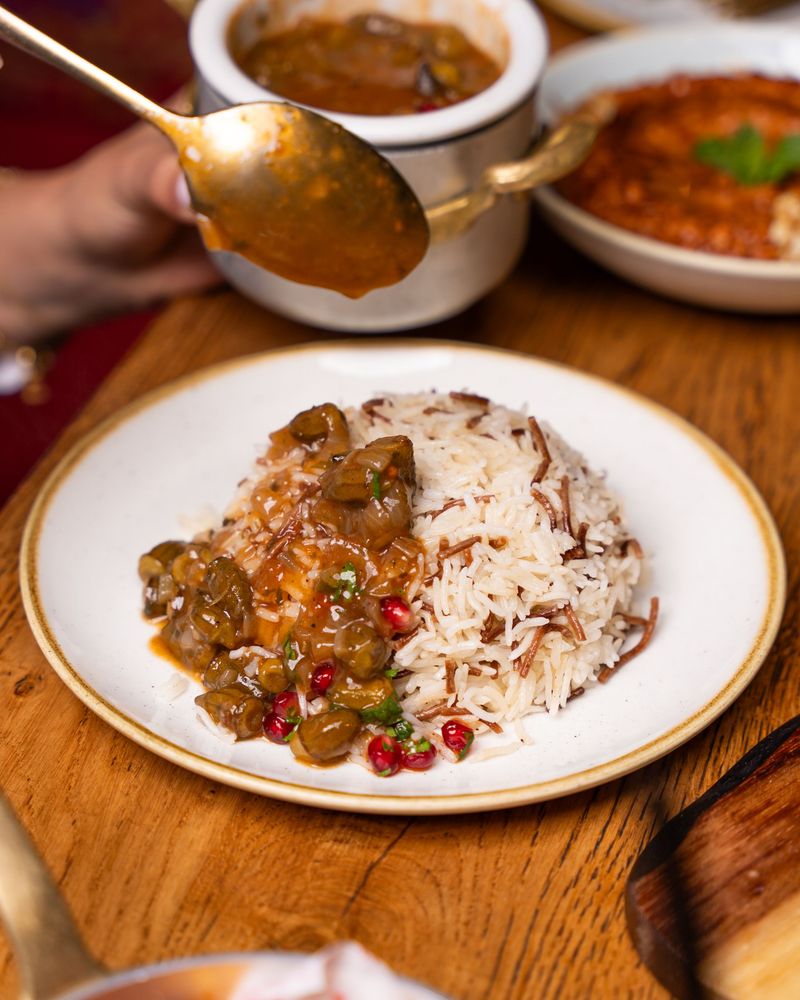
Pull up a chair at many old-school South Carolina barbecue joint, and you will notice something sitting beside the pulled pork. It is usually something that visitors often overlook.
That thick gravy dipped over a mound of white rice is hash. It is one of the state’s most fiercely regional culinary traditions.
Traditional South Carolina hash often made use of pork cuts and organ meats that could be cooked slowly until tender. Slow-cooked with seasonings that vary from one cook to another, the remaining meat transforms into something thick and deeply savory.
Every pitmaster has a slightly different recipe, and the variations between counties can be dramatic enough to spark genuine debate. Some versions turn yellow with mustard, while others stay darker and more meat-forward.
The rice underneath soaks up every drop, turning each bite into something almost impossibly comforting.
For South Carolinians living far from home, spotting hash and rice on a menu anywhere outside the state feels like finding buried treasure.
It rarely happens, which makes the craving sharper. This is the dish that truly cannot be replicated anywhere else without losing something essential.
3. Mustard-Sauced Pulled Pork Barbecue
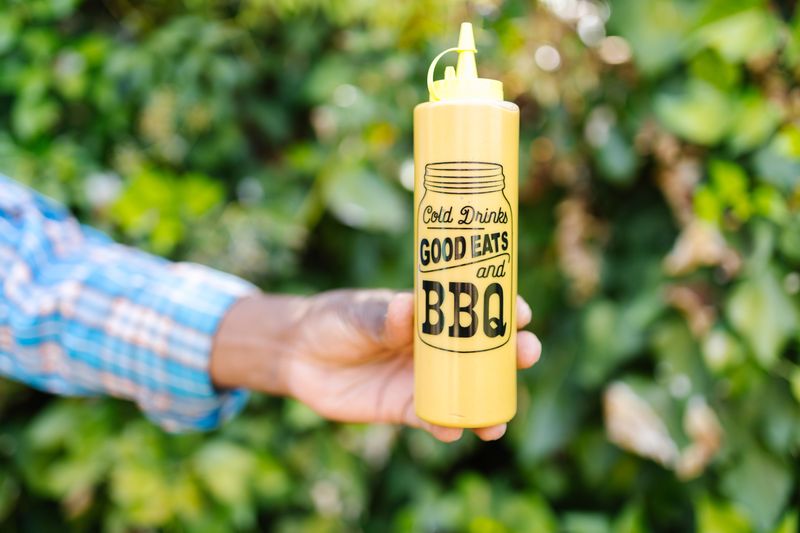
Forget everything you think you know about barbecue sauce for a moment. South Carolina runs on gold.
The bright yellow mustard sauce that gets drizzled over pulled pork here is more closely identified with South Carolina than with anywhere else in the country. Once you grow up eating it, every other style feels like it is missing a note.
The mustard base softens with vinegar and a touch of sweetness. This creates a sauce that cuts through the richness of slow-smoked pork without overpowering it. It brightens the whole plate.
The combination of smoky meat and that golden tang creates a balance that takes years of practice to perfect.
South Carolina is commonly described as having four primary barbecue sauce styles. This means the mustard belt in the center of the state has company.
But ask a Midlands native which sauce belongs on pulled pork, and you will get a very confident answer delivered without hesitation.
Homesickness over this particular flavor hits hard, especially when you are sitting somewhere that only offers ketchup-based sauce. The pull toward that gold is real.
Which version of barbecue sauce did you grow up defending at the dinner table?
4. Frogmore Stew
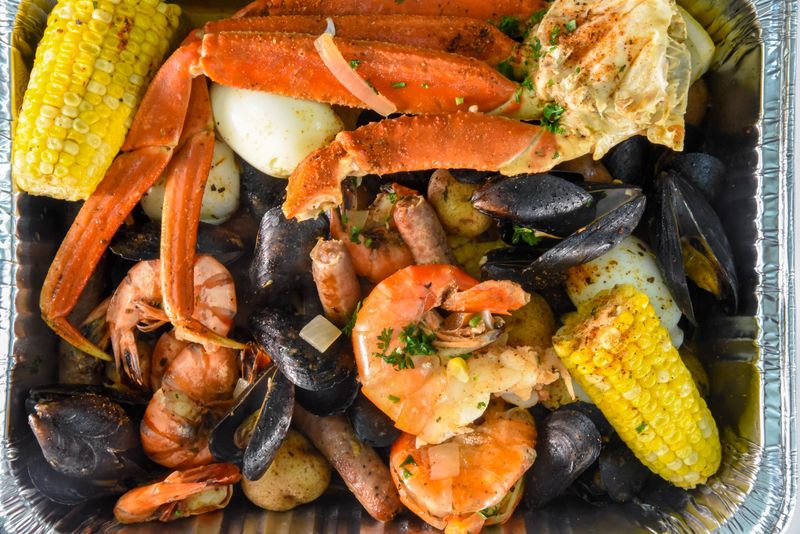
Frogmore stew does not arrive at the table in a bowl. It lands on a newspaper-covered surface in a gloriously messy pile. It consists of shrimp, corn, sausage, and potatoes. Most importantly: everyone reaches in together.
That communal chaos is exactly the point, and it captures something essential about Lowcountry coastal culture.
The name Frogmore stew is widely credited to Richard Gay of Gay Fish Company. He began using it in the 1960s in reference to the Frogmore community on St. Helena Island.
Seafood seasoning and other spices seep into every ingredient. They create a layered, briny warmth that smells like salt air and summer evenings rolled into one.
Also called Lowcountry boil by many, this dish thrives at outdoor gatherings where the table is long and nobody is worried about keeping their hands clean.
Traditionally, the potatoes, corn, and sausage cook first, while the shrimp are added near the end so they remain tender. The sausage adds a smoky richness that ties everything together.
For South Carolinians who have moved inland or up north, recreating Frogmore stew becomes a kind of ritual. It is a way of bringing the coast wherever life has taken them.
5. Boiled Peanuts
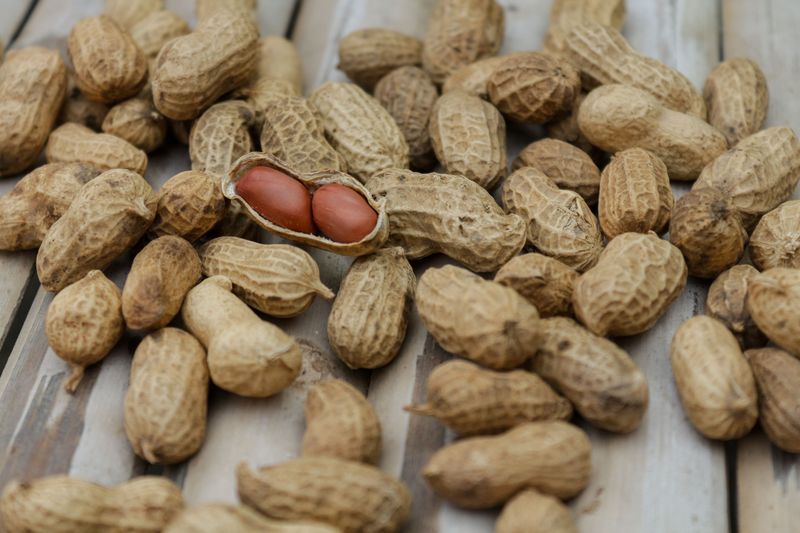
Long before you spot the stand, the smell reaches you through the car window. That warm steam rising from a roadside pot of boiled peanuts is one of the most specific sensory experiences.
It is tied to summer in South Carolina, and it hits differently when you have been away for a while.
South Carolina officially named the boiled peanut its state snack in 2006. This felt like the state finally acknowledged what everyone already knew.
Fresh green peanuts go into salted water and cook low and slow for hours. When the shells soften and the nuts inside become tender, the texture should be almost creamy and savory.
You eat them warm, peeling each shell with your fingers and slurping out the brine along with the peanut. It sounds messy because it absolutely is.
Cajun-seasoned versions have become popular in recent years, adding heat and spice to the classic formula. Still, the locals will tell you the original salt version needs nothing extra.
Finding a bag of properly boiled peanuts outside of the South requires either serious luck or a specialty store.
The craving tends to arrive without warning, usually on a hot afternoon when nothing else will do.
6. Charleston Red Rice
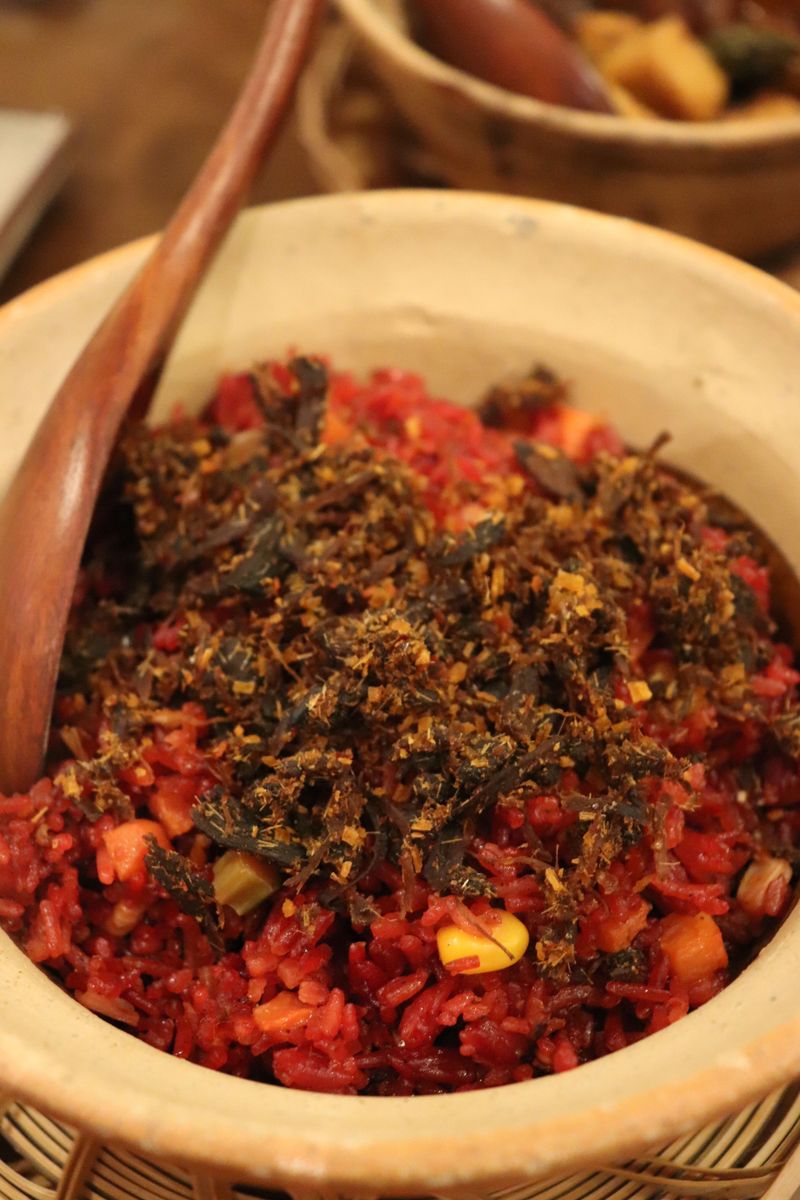
One spoonful of red rice, and you understand why Lowcountry cooks have been making it for generations.
Tomatoes, onions, bell peppers, and smoked pork or sausage are commonly cooked with the rice. Still, family recipes can vary.
Every grain turns that unmistakable reddish-orange color and soaks up every bit of flavor in the pot.
The dish carries deep West African roots, brought to the Lowcountry through the Gullah Geechee culinary tradition.
Rice was central to that culture in ways that shaped the entire coastal South Carolina food identity. Charleston red rice is a direct line to that history, and eating it feels like more than just a meal.
Some versions include shrimp, while others rely on smoked pork or sausage. A few add a touch of hot sauce that gives the whole thing a gentle heat.
Served as a side or as the centerpiece of the plate, it pairs well with practically everything coming off a Southern stovetop. The smell of it cooking is enough to make any South Carolinian pause mid-step.
What would your grandmother add to her version? Every family seems to have one secret ingredient they never quite write down.
7. Shrimp And Grits
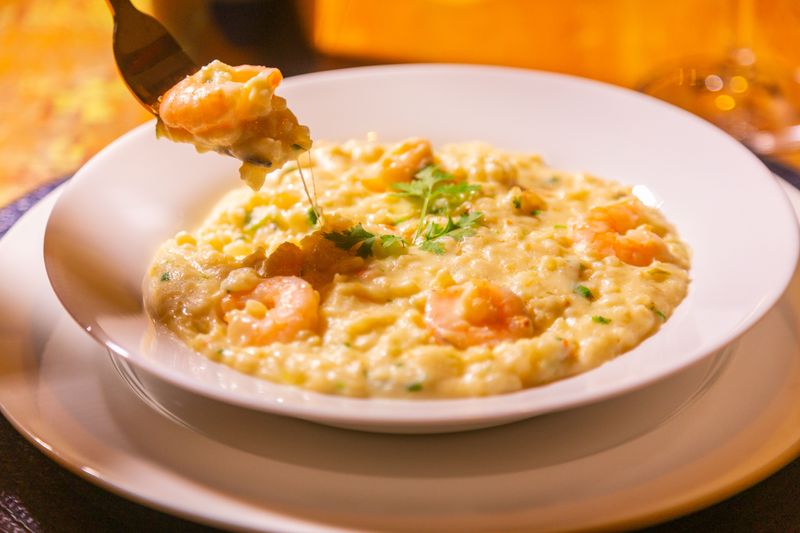
Yes, shrimp and grits have spread to menus across the country. Yes, some of those versions are genuinely good.
But there is something about eating it in the Lowcountry that makes every other version feel like a rough draft.
The grits matter enormously here. Stone-ground varieties cooked low and slow develop a richness that instant grits simply cannot replicate. South Carolinians know the difference even before the first bite.
The shrimp may be sautéed with butter, bacon, garlic, or other seasonings, depending on the cook and the recipe.
Historically known around Charleston as shrimp and hominy, the dish began as a simple Lowcountry breakfast. Then it became one of the South’s most recognized restaurant plates.
Every household and every kitchen puts its own stamp on the recipe. This means the version you grew up eating feels deeply personal.
Moving away and ordering shrimp and grits somewhere new can be a wonderful experience. It often leads to the same quiet thought: mine is better.
That loyalty to a specific bowl, made a specific way, is exactly what makes this dish a homesickness trigger every single time.
8. She-Crab Soup
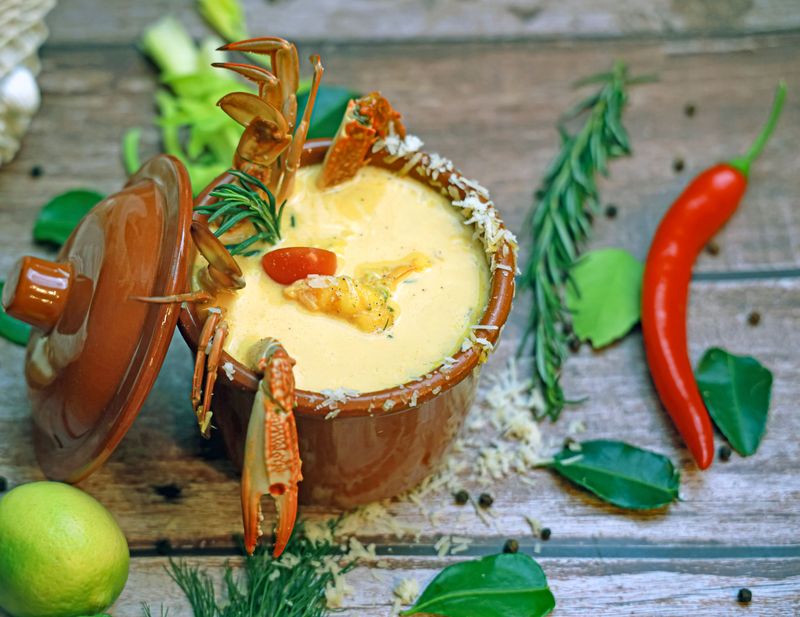
She-crab soup arrives at the table looking almost deceptively simple. It is a pale, creamy bowl with a swirl of cream on top.
Then you take the first spoonful and realize it is one of the most layered things you will eat in Charleston. Made with blue crab, the soup traditionally included roe from female crabs, which inspired its name, though many modern versions leave the roe out.
The dish’s best-known origin story reaches back to the early twentieth century. According to that story, chef William Deas added crab roe to a pot of crab soup while working for Charleston mayor R. Goodwyn Rhett.
By the 1930s, the richer version had spread through Charleston homes and restaurants.
Restaurants across the Holy City have their own takes on the recipe, but the soul of the dish stays consistent.
The sweet crab flavor, balanced against the richness of the cream base, makes it something you remember long after the bowl is empty.
For anyone who has left Charleston behind, a cold evening and a craving for this soup can feel genuinely aching.
Some flavors become inseparable from a particular place, and she-crab soup will always be closely tied to Charleston.
9. Benne Wafers
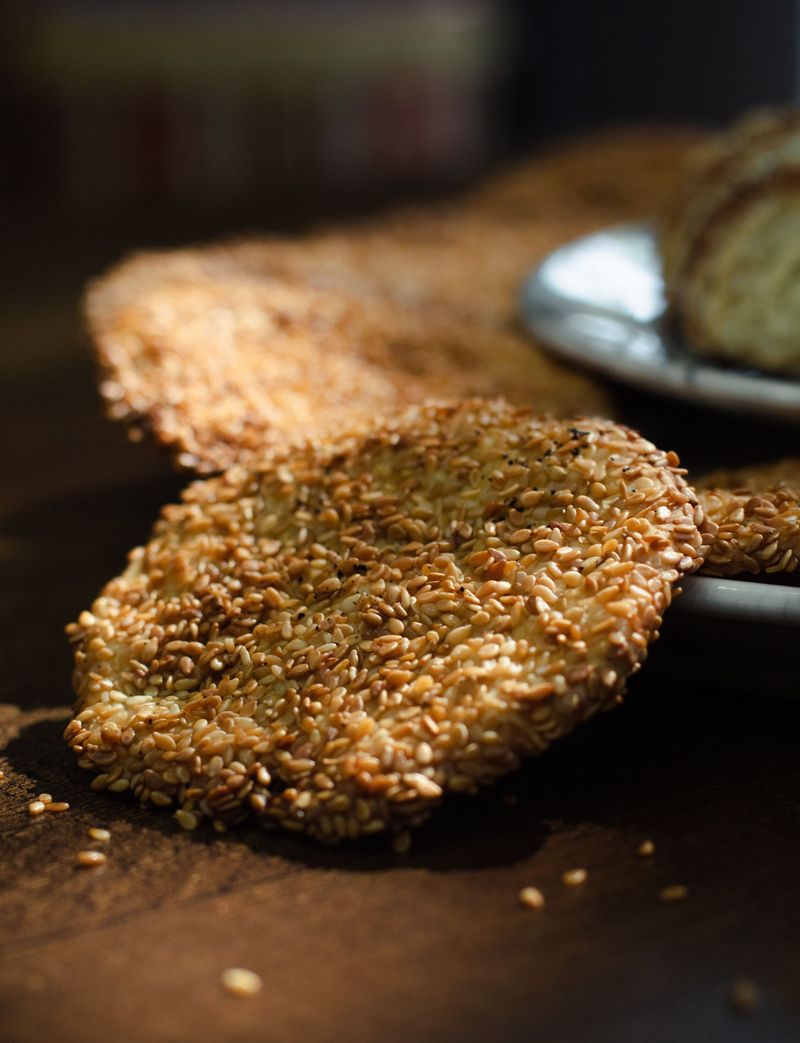
Benne wafers are easy to underestimate. They are small and look almost fragile, sitting in their paper bag from a Charleston candy shop or market stall.
But bite into one, and the flavor surprises you. It is toasted sesame balanced with butter and just enough sweetness to make the savory notes sing without competing.
Benne is a West African name for sesame that became part of the Gullah Geechee language and cooking traditions.
They became deeply embedded in Lowcountry cooking and folklore, with some traditions holding that benne seeds brought good luck. That history gives this small cookie a weight far beyond its size.
You will find benne wafers in Charleston gift shops, historic markets, and specialty bakeries. They are often wrapped in simple packaging that feels old-fashioned.
For South Carolinians, the combination of buttery, slightly crisp texture offers a very specific kind of nostalgia.
Think you could stop at just one? Nobody ever does, which is probably why they come in generous quantities. These are the cookies that quietly outlast every other souvenir.
10. South Carolina Peach Cobbler
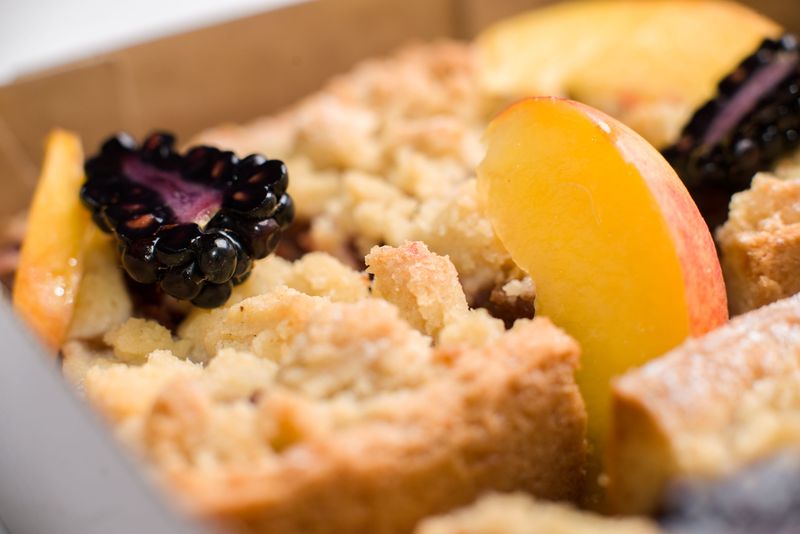
No dish closes out this list more fittingly than a warm peach cobbler. Especially when South Carolina-grown fruit fills the dish.
The state ranks among the top peach-producing states in the country. That makes locally grown peaches the star of the cobbler rather than an afterthought. They are the whole reason the dessert works as well as it does.
South Carolina peaches ripen through the summer months with a sweetness and fragrance that store-bought fruit rarely matches.
When those peaches bubble under a golden biscuit crust, the kitchen fills with a smell so good it should be considered a public service.
The contrast of the soft, juicy filling against the slightly crisp topping is exactly what a proper cobbler should deliver.
Family recipes for peach cobbler get passed down with the same care as any heirloom. A pinch of cinnamon here, a bit of vanilla there, makes each version someone’s own.
Eating a bowl with a scoop of vanilla ice cream is one of those moments that carry you no matter where you end up.
Some tastes are impossible to leave behind, and South Carolina peach cobbler is absolutely one of them. Here is your sign to make a batch this weekend.