West Virginia is one of those states that quietly holds more history than most people realise. Between its rolling mountains and winding rivers, time has slowly reclaimed old buildings that still have stories to tell.
While putting together the list, I kept thinking how easily these places turn a simple drive into something memorable. What I love most is how accessible many of these locations are.
You don’t need special gear or complicated plans, just curiosity and a bit of time to wander. Some sit within parks, others along scenic backroads, and a few feel like unexpected discoveries.
That mix of history, nature, and quiet exploration is exactly what makes West Virginia so rewarding to explore.
Trans-Allegheny Lunatic Asylum
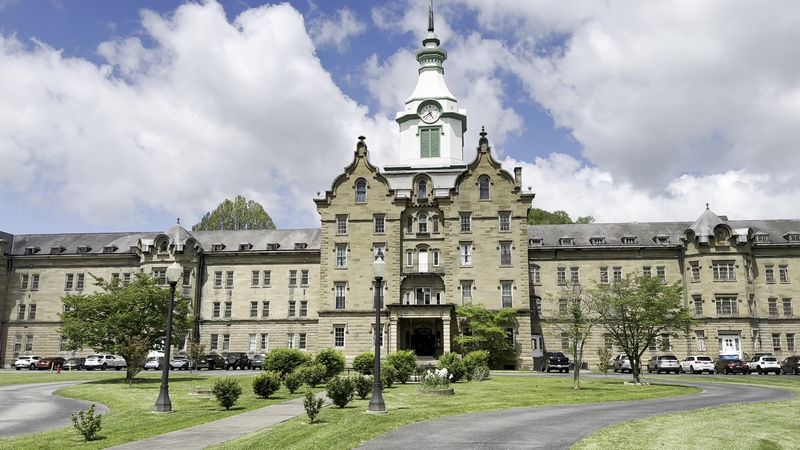
Some buildings don’t just stand there, they make you pause the second you see them. That’s exactly the feeling you get approaching the Trans-Allegheny Lunatic Asylum, located at 50 S River Ave in Weston, West Virginia.
The sheer size of it is hard to ignore, and knowing it was built between 1858 and 1881 using hand-cut stone makes it even more impressive. It’s one of those places that feels bigger in person than you expect.
What really stayed with me, though, is the history behind it. The asylum operated for over a century, and its story reflects how mental health care changed over time in the United States.
Today, it’s no longer a place of treatment but one of learning. Guided tours walk you through long hallways, old patient rooms, and carefully preserved spaces that feel frozen in time.
The experience feels structured and safe, and the staff does a great job making the visit informative without feeling overwhelming.
Nuttallburg
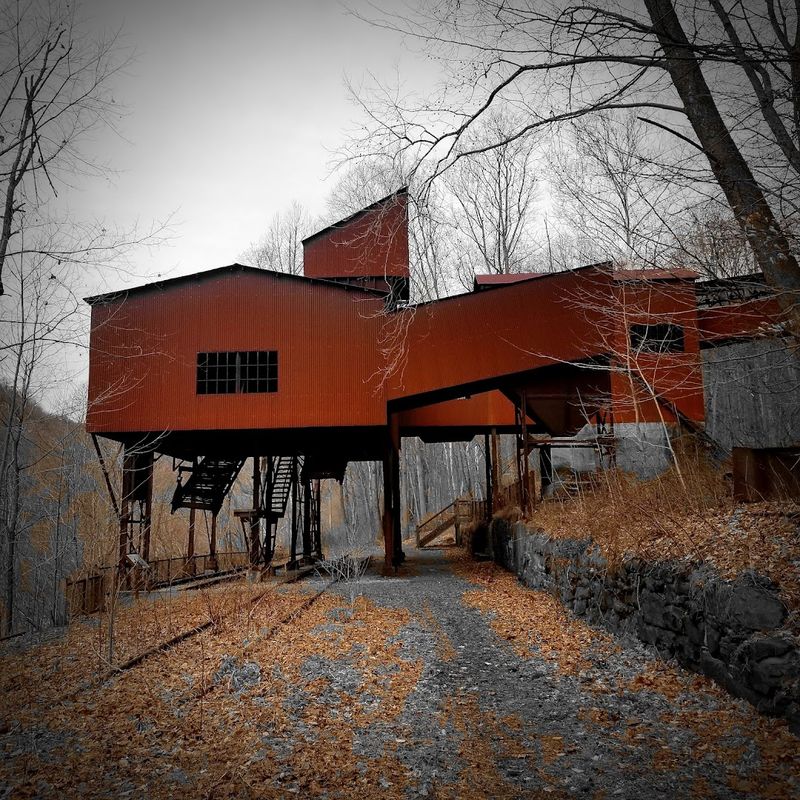
Perched high above the New River Gorge, Nuttallburg sits at the end of County Rte 85/2 in Fayetteville, West Virginia, and is one of those places that immediately makes you stop and take it all in.
This former coal mining town dates back to the 1870s, and even though it shut down in the mid-20th century, what remains today is surprisingly intact.
The standout feature is the massive coal tipple, a wooden-and-steel structure that still towers over the site. The hike down to see it is moderately challenging, adding a sense of adventure to the visit.
That effort makes the experience feel even more rewarding, giving a clear sense of how the operation once worked.
You’re not just pulling up to a viewpoint, you’re earning it. Once you arrive, the area is well cared for by the National Park Service, with clear paths and informative signs that explain both the mining process and the lives of the people who lived here.
Standing near the edge of the gorge, with the river far below and the old structures around you, it’s easy to picture how remote and demanding daily life must have been in this part of West Virginia.
Thurmond
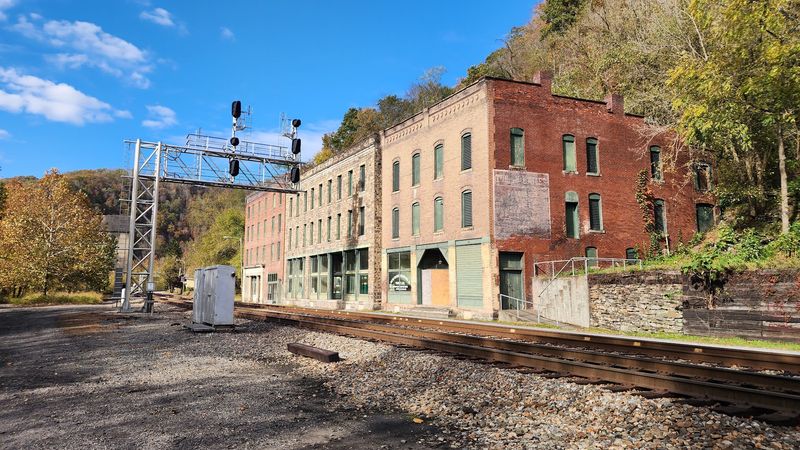
At its peak in the early 1900s, Thurmond, located at 174 Main St in Thurmond, West Virginia, was one of the busiest coal and rail hubs in the entire country. Hard to believe, right?
Today, the population hovers around five people, making it one of the most genuinely ghostly ghost towns you will ever set foot in. The streets are quiet, the old bank and depot still stand, and the whole place feels frozen in another era.
The National Park Service has restored the Thurmond Depot and serves as a visitor center, giving the town a safe and welcoming entry point. Rangers are on hand to share the fascinating history of this once-booming community.
Walking along the quiet streets and past empty storefronts, it’s easy to imagine the sound of steam engines once passing through. Thurmond sits beside the New River, where scenic views meet a strong sense of history.
Kaymoor Mining Town
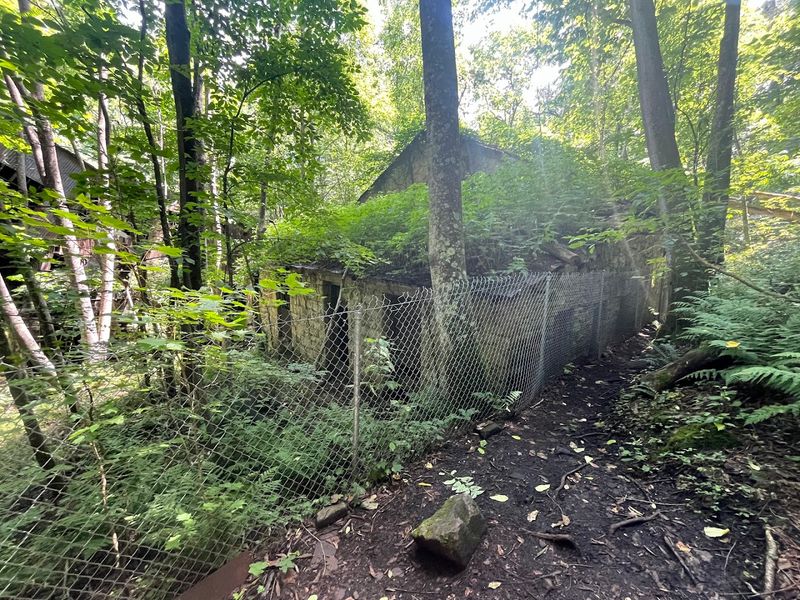
Kaymoor, located at 877 Kaymoor Miners Trail in Fayetteville, West Virginia, is one of those places that makes you slow down without even realizing it.
Tucked deep inside New River Gorge National Park, this abandoned mining town takes a bit of effort to reach.
The trail drops nearly 800 steps, and by the time you get to the bottom, it feels like you’ve left the present behind and stepped into something older and quieter. The mine operated from 1899 until 1962, and what’s left today is still easy to recognize.
You’ll see stone foundations, rusted machinery, and sections of old rail lines weaving through the trees.
It’s not just scattered debris; it actually feels like a place where people worked and lived. The site is managed by the National Park Service, so everything is clearly marked and safe to explore.
Signs along the way explain how the mine operated and what daily life looked like for workers and their families, which helps bring more meaning to what you’re seeing.
Standing there, surrounded by the remains, gives you a clearer sense of how demanding life once was.
St. John’s Episcopal Church Ruins
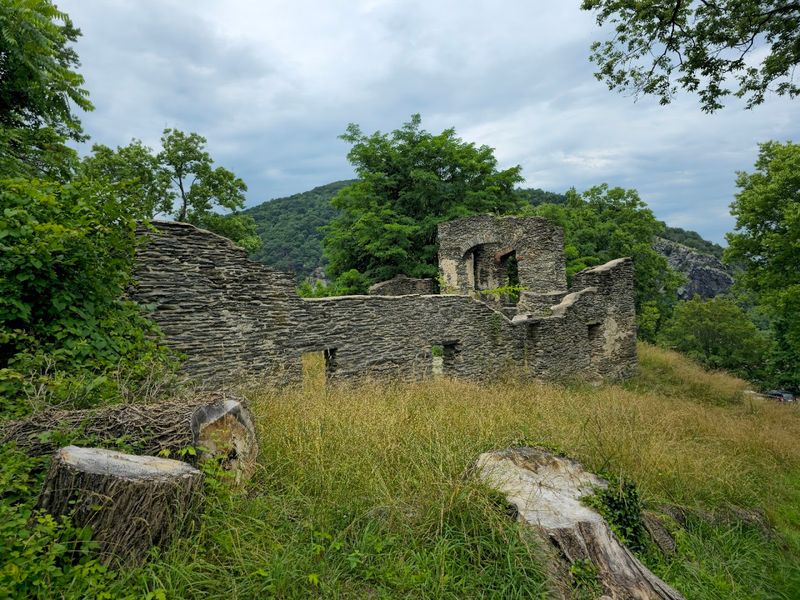
Harpers Ferry already feels layered with history. The ruins of St. John’s Episcopal Church, located in Harpers Ferry, West Virginia 25425, add a quieter, more reflective side to that experience.
Built in 1852, the church later served as a hospital, guardhouse, and even a stable during the Civil War. Knowing that gives a bit more weight to what you see today.
What remains are the original stone walls and tall arched windows, now open to the sky and partly covered in ivy. It’s not a large site, but it stands out in a simple, striking way.
Set within Harpers Ferry National Historical Park, it’s easy to reach on foot and completely safe to explore at your own pace.
There, you can feel a sense of calm, an almost stillness in the space. Even with visitors around, it stays quiet enough to take in the details and imagine how much the building has seen over time.
Silver Run Tunnel
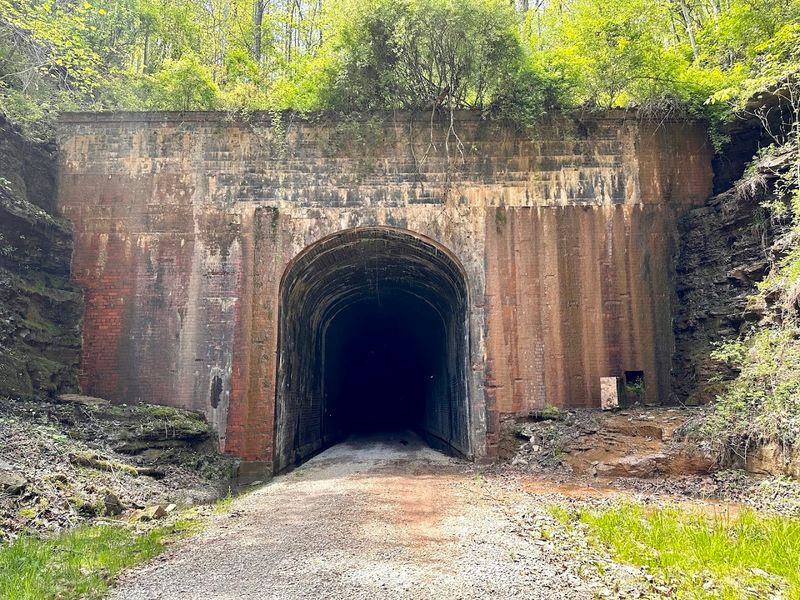
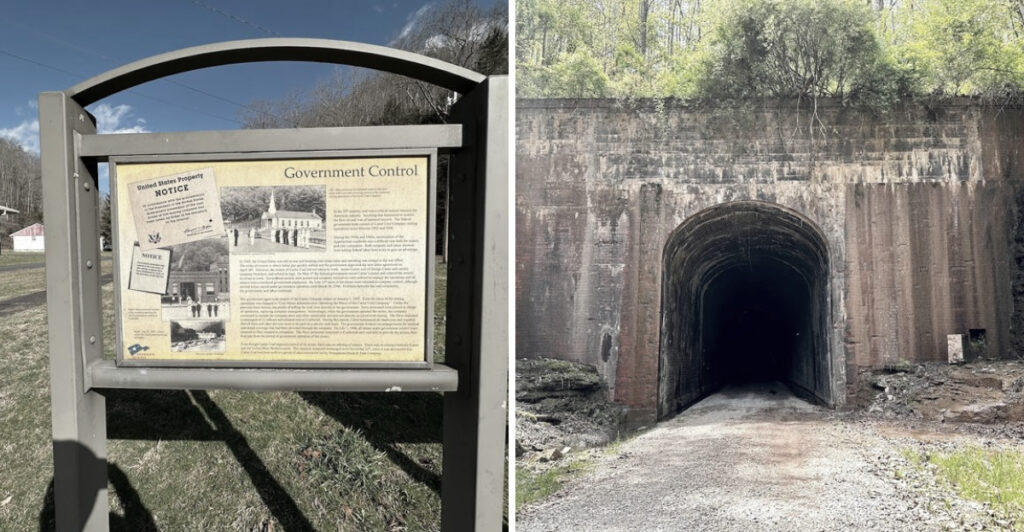
There is something undeniably thrilling about walking through a century-old railroad tunnel carved straight through a mountain. Silver Run Tunnel, located along the North Bend Rail-Trail near Cairo, West Virginia 26337, offers exactly that kind of experience.
Built in the 1880s as part of a narrow-gauge railroad line, the tunnel stretches roughly 1,100 feet through solid rock, and walking its length is one of the most atmospheric things you can do in West Virginia.
The old rail line has since been converted into the North Bend Rail Trail, a multi-use recreational path that runs for 72 miles through the heart of the state.
This means Silver Run Tunnel is not just accessible, it is part of a well-maintained trail system used by hikers, cyclists, and equestrians year-round.
Bring a flashlight, because the tunnel gets very dark in the middle. The cool air, the dripping stone walls, and the circle of light at each end create an experience that is equal parts adventure and history.
Brandy Gap Tunnel
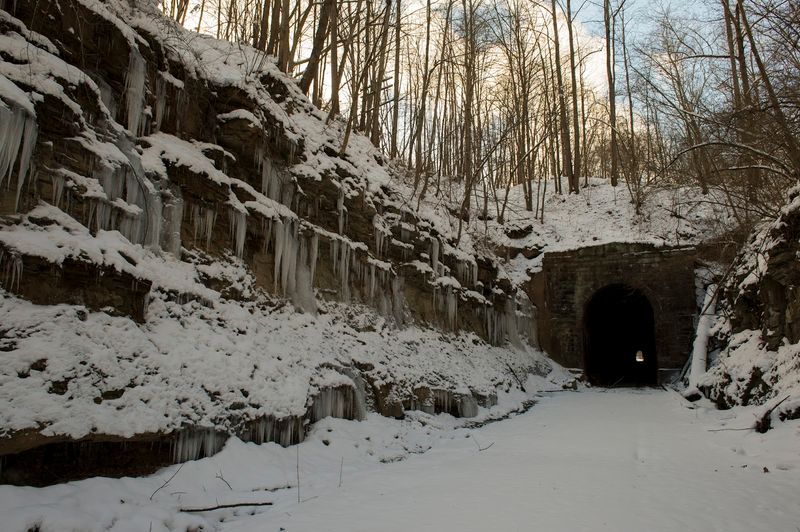
Brandy Gap Tunnel is a lesser-known gem along the North Bend Rail Trail, and that relative obscurity is actually part of its charm.
The tunnel, located near Salem, West Virginia 26426, cuts through a wooded hillside and sits in a stretch of trail that feels genuinely off the beaten path.
On a quiet weekday, you might have the whole place to yourself. The tunnel is shorter than Silver Run but no less atmospheric, with its rough-hewn stone portal and the cool, damp air that greets you as you step inside.
Because it sits along the official rail trail, it is a safe and legal destination for hikers and cyclists without any need for special permits or gear beyond a flashlight.
Brandy Gap pairs beautifully with other stops along the North Bend Rail Trail, making it easy to build a full day of exploration around it. The surrounding forest scenery is peaceful and photogenic in every season.
Lake Shawnee Amusement Park
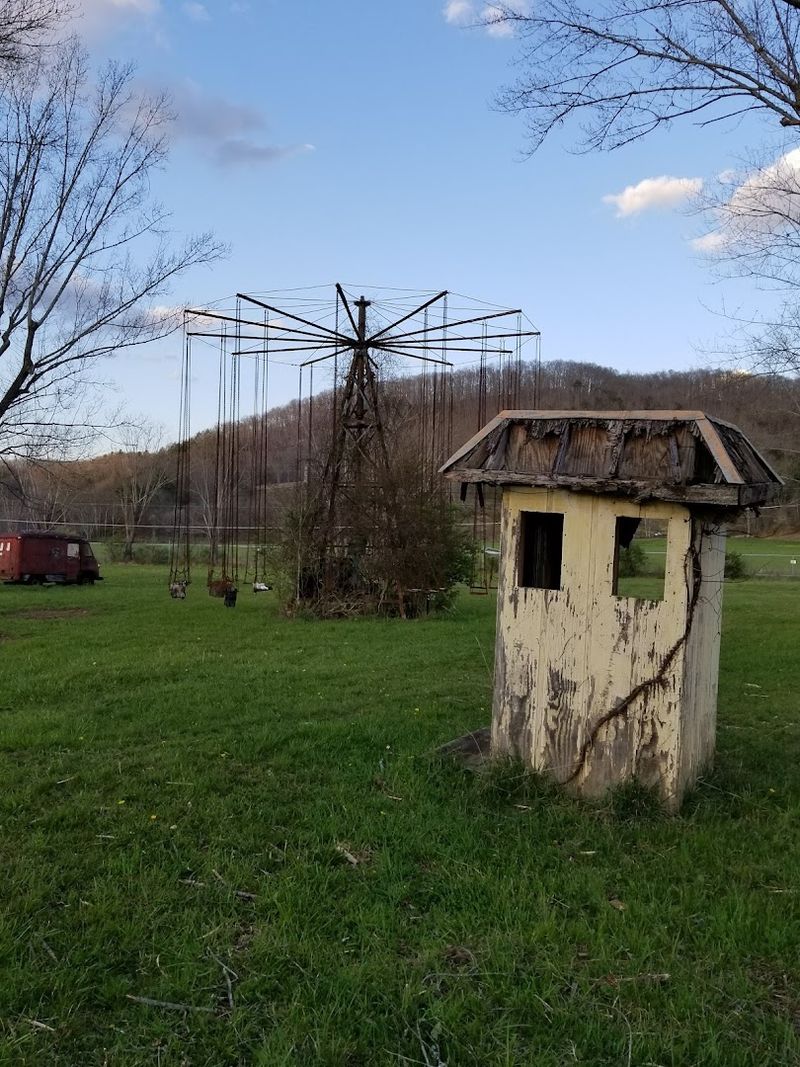
Lake Shawnee Amusement Park, located at 470 Matoaka Rd in Rock, West Virginia 24747, is known for much more than its abandoned carnival rides. The land has a long and complex past, with a Native American burial history that stretches back centuries.
In the 1920s, an amusement park was built on the property, bringing rides, games, and visitors looking for summer fun.
However, the park’s story took a darker turn after several tragic incidents, and it eventually closed in the late 1960s. Today, the site is remembered as one of the most unusual and haunting historic locations in the state.
What remains today is one of the most photographed abandoned sites in the entire country. Rusted swing rides, a collapsed pool, and overgrown carnival structures sit in a meadow that feels both beautiful and deeply melancholy.
The property is privately owned, and the owners offer ticketed tours and seasonal ghost tours, meaning your visit is completely legitimate and safe. They take good care of the grounds and welcome curious visitors regularly.
Standing beside one of those old swing seats, still hanging from its rusted chains, you feel the weight of time in a very personal way.
Coalwood Machine Shop
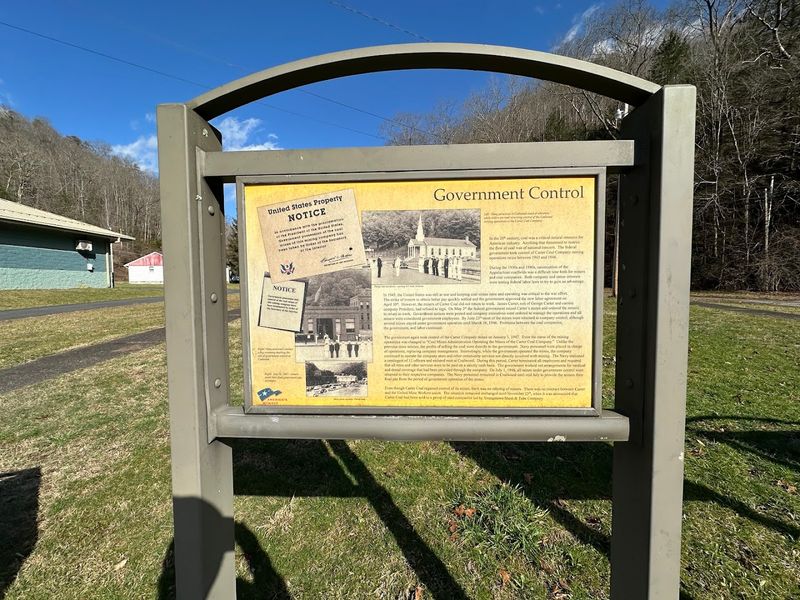
Coalwood might be a small community in McDowell County, but it punches well above its weight. The town, located at 1500 Frog Level Rd in Coalwood, West Virginia 24801, is best known as the childhood home of Homer Hickam.
In the late 1950s, he and his friends began launching handmade rockets here, a story later immortalized in the beloved film October Sky.
The Coalwood Machine Shop, once the beating industrial heart of the company-owned coal town, still stands as a powerful reminder of that era. The building is weathered and quiet now.
The community members and volunteers have worked hard to preserve and honor its place in local and national history.
The town hosts an annual October Sky Festival that draws visitors from across the country. The event celebrates both the film and the real story of ambition and curiosity that emerged from these hills.
Even outside festival season, visiting Coalwood is a genuinely moving experience.
The landscape, the architecture, and the community pride all work together to tell a story worth knowing.
Storer College Ruins
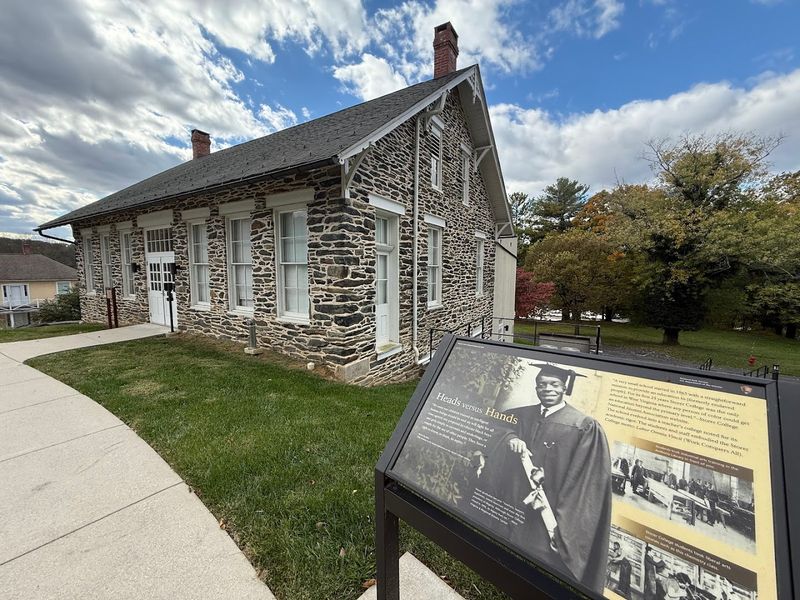
Founded in 1867, Storer College, located at 51 Mather Pl in Harpers Ferry, West Virginia 25425, played a crucial role in educating formerly enslaved people. The school also provided learning opportunities for their children in the years following the Civil War.
Perched on a hill above Harpers Ferry, the campus remains an enduring symbol of that mission. Although the school closed in 1955, its legacy continues to resonate in the community.
Walking through the area, you’ll notice a mix of preserved buildings and quiet ruins, each offering a glimpse into a meaningful chapter of West Virginia history. The site is now part of Harpers Ferry National Historical Park, and it’s easy to explore on foot.
Informational markers help connect the remaining structures to the people and purpose behind them, giving more context to what you’re seeing.
It doesn’t feel like a typical abandoned place; it feels more like a space that’s still being remembered. One detail that stands out is its connection to the 1906 Niagara Movement meeting, led by W.E.B.
Du Bois. Knowing that adds another layer to the visit and makes the experience feel even more significant.
Coke Ovens At Cunard
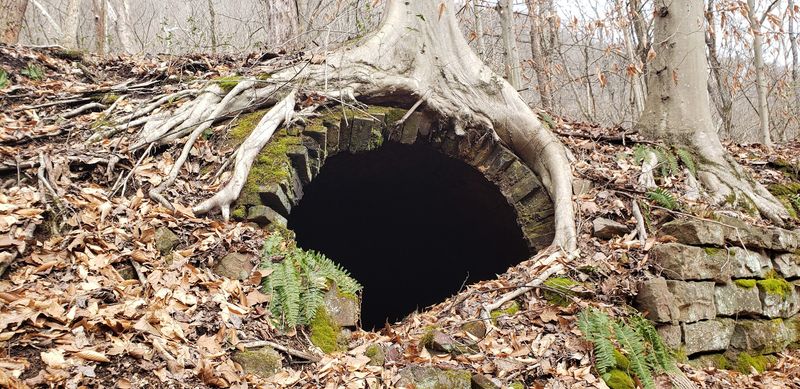
Tucked into the woods near Cunard, the Coke Ovens are the kind of place you could pass by without ever realizing what is there. But once you find them, they leave a lasting impression.
These dome-shaped stone ovens were once used to turn coal into coke, a fuel essential to steel production, and they stand as a reminder of the industrial history that once shaped this region of southern West Virginia.
What makes the site so striking is how well the ovens have endured. More than a century later, their thick stone walls, arched openings, and repeating forms are still clearly visible.
Standing beside them, you can easily imagine the heat, labor, and constant activity that once filled this quiet stretch of forest.
Today, the ovens are part of New River Gorge National Park and Preserve, making them both protected and accessible.
Reached by a short walk from the Southside Trail, they offer visitors the chance to get close and experience a rare surviving piece of Appalachian industry in its original setting.
There is something unforgettable about seeing the ovens lined up in silence, nearly identical and weathered by time. For history lovers and photographers alike, it is a fascinating and rewarding stop.