The signs of lives once lived are everywhere if you know where to look.
Crumbling stone walls, rusted machinery, pioneer cemeteries, ancient rock art painted above abandoned buildings, and the occasional beehive kiln rising from a desert floor that has barely changed in a century.
Utah has been holding onto these forgotten ghost towns for generations, quietly preserving more layers of human history per square mile than most travelers take time to notice.
From towns swallowed by floodwater in living memory to silver boomtowns that geological science once said could never exist, the variety here is genuinely stunning.
Seven of the most fascinating are waiting off the main roads. Utah rewards the curious traveler who takes the exit.
1. Frisco Ghost Town
Silver, crime, and chaos built Frisco. The Horn Silver Mine drew the first settlers to this Beaver County site along US-21 in 1875. At its peak, thousands of residents packed into a boomtown with a jaw-dropping frontier reputation.
The town was wild, loud, and unapologetically rough around every edge. The town reportedly had over 23 saloons and vice establishments, drawing in a rough crowd from across the region.
Miners, opportunists, and drifters all found their way to this remote desert settlement. When the Horn Silver Mine collapsed in 1885, the boom ended fast.
People left almost as quickly as they had arrived, and silence moved in just as swiftly. By the 1920s, most of the town had disappeared entirely.
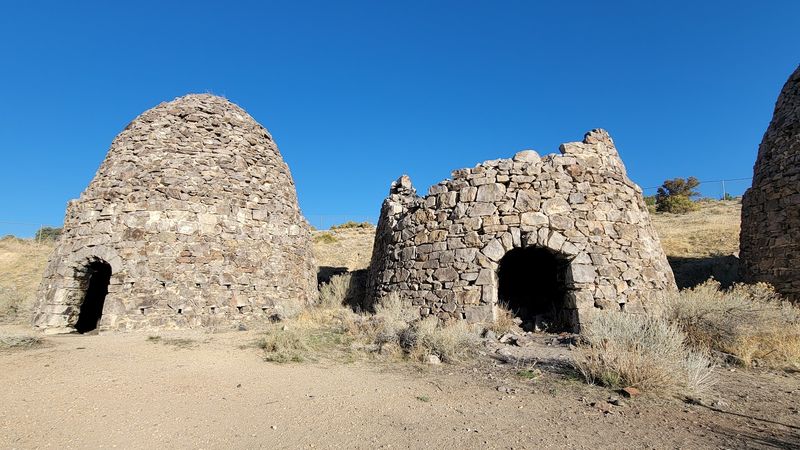
What the desert spared, time quietly finished off, leaving almost no trace of the original settlement. Today, stone kilns that once processed ore draw visitors out to this remote location.
These impressive circular structures rise from the flat desert floor like something from another century entirely. Each kiln stands as a reminder of how industrial and ambitious this forgotten place once was.
A historic cemetery also survives on the site, offering a sobering look at the lives played out here. The drive to Frisco itself feels like an adventure worth taking.
Wide-open desert stretches in every direction, and almost no other tourists appear in sight. Frisco rewards the curious traveler who does not mind dust and a detour off the main road.
The experience is raw and atmospheric in ways that polished tourist sites simply cannot replicate. Pack water, bring a camera, and set aside plenty of time to wander.
The silence and scale of this place make history feel surprisingly close.
2. Silver Reef Ghost Town
Geologists said it was impossible, but Silver Reef proved them completely wrong. Near Leeds in Washington County, this site made history as the first place miners extracted silver from sandstone.
That discovery turned a quiet corner of southern Utah into the most populous region almost overnight. Merchants, miners, and families poured in, each chasing a piece of an extraordinary geological accident.
During the silver boom of the late 1870s and early 1880s, Silver Reef hummed with energy and ambition. The small settlement briefly became the beating commercial heart of the entire region.
A fire in 1879 rattled the community hard, but residents rebuilt and pushed forward. The silver veins eventually ran too thin to justify continued mining, and the population drifted away.
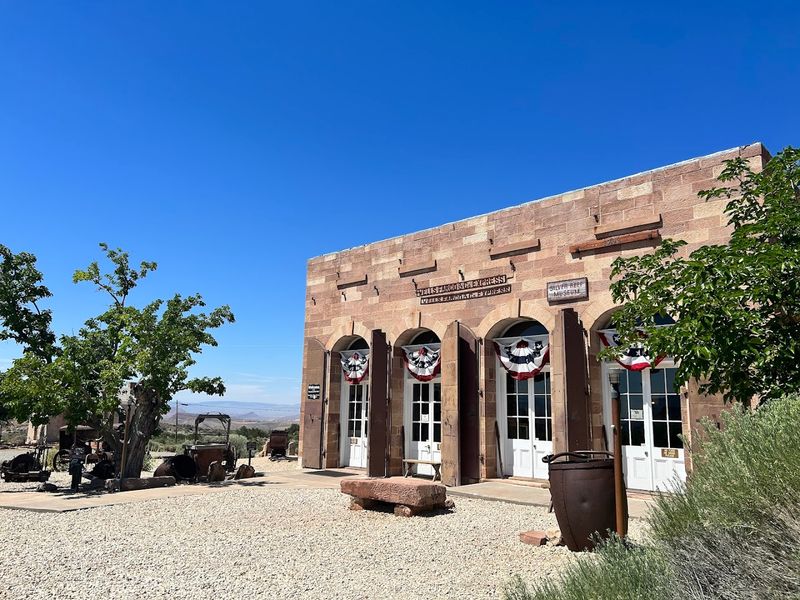
The old Wells Fargo building still stands, its stone walls holding up remarkably well against the desert climate. Foundation remnants of other structures dot the landscape, giving the site an almost archaeological feel.
A small museum nearby provides historical context and helps visitors understand the geological significance of the site. Silver Reef sits close enough to St. George to make a very easy half-day side trip.
History enthusiasts will appreciate the layered story here, from geological impossibility to commercial boom to quiet ruin. Each phase left something visible behind, which makes exploring the site feel genuinely rewarding.
Stand next to the old Wells Fargo walls on a clear morning and picture streets packed with merchants, mule teams, and miners. The landscape has barely changed, which lets the imagination do most of the heavy lifting.
Silver Reef is proof that the most surprising chapters of history happen exactly where no one expected them. That quality alone makes it worth every minute of the drive.
3. Grafton Ghost Town
Can you imagine a town that survived floods, conflict, and decades of neglect? Grafton Ghost Town, located along Grafton Road near Rockville in Washington County, is exactly that place.Mormon pioneers first settled here in 1859, hoping to grow cotton in the warm southern Utah climate.
The fertile riverbanks and desert sun made the location feel full of genuine promise.Tensions with local Native American tribes forced settlers to temporarily abandon the site early on. They returned in 1868 and rebuilt the community from scratch.The Hurricane Canal later brought water to nearby Hurricane City, pulling residents steadily away.
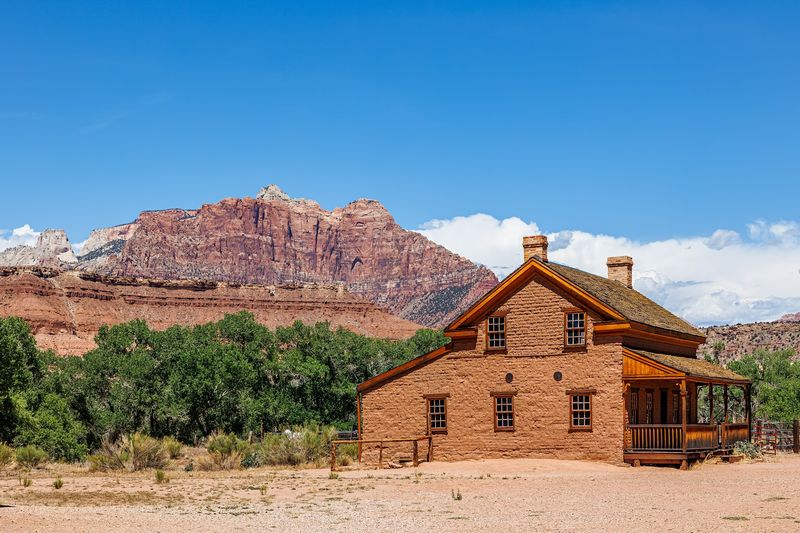
Grafton sat empty by the early 1900s, leaving its buildings to the wind and the desert.An adobe schoolhouse, a pioneer cemetery, and several original structures still stand in remarkable condition. Walking between them feels less like a day trip and more like stepping genuinely backward in time.Filmmakers shot parts of “Butch Cassidy and the Sundance Kid” right here on these dusty grounds.
That detail surprises most first-time visitors, who arrive expecting nothing more than a quiet history stop.Many photographers consider it the most photographed ghost town in the entire West. Crumbling walls framed against Zion’s dramatic red cliffs make every photograph feel effortless and striking.Getting here from Zion National Park is only a short, scenic drive.
That closeness makes Grafton a natural and rewarding addition to any park visit.Walk the cemetery, explore the surviving buildings, and read each headstone carefully. Every one carries a small but specific story about the people who built their lives here.Every corner of Grafton rewards slow, patient attention.
This forgotten town consistently delivers one of the strongest impressions of any stop on a Utah road trip.
4. Sego Ghost Town
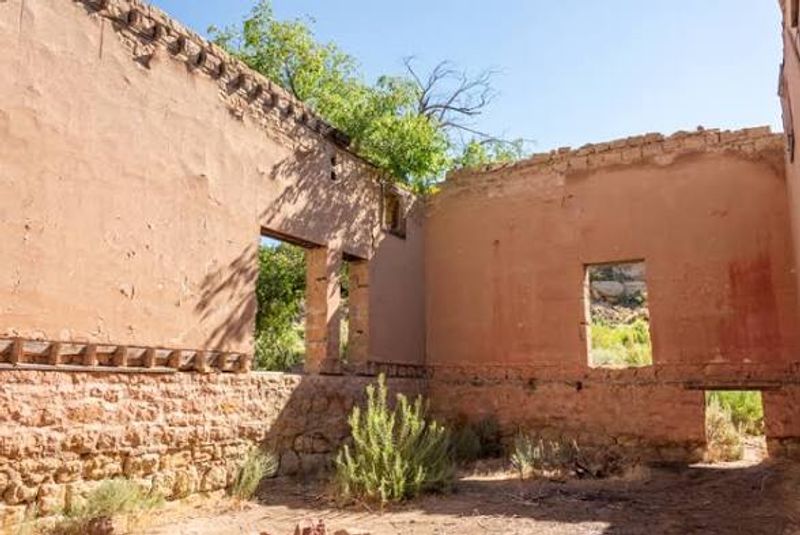
Few places in Utah pack as much into one canyon as Sego does. Most people driving I-70 have no idea it exists just a short detour away.
Located off Sego Canyon Road near Thompson Springs in Grand County, Sego sits accessible from Exit 187 on I-70. It started life in the early 1900s under different names, first Ballard, then Neslen.
The town eventually took the name Sego after Utah’s state flower. It existed entirely to serve the coal mines powering the region’s growing railroad industry.
When mining slowed through the 1940s, residents drifted away steadily. Sego stood completely abandoned by 1955, and the canyon slowly reclaimed its quiet.
The remaining structures, weathered wooden buildings leaning at dramatic angles, create an almost cinematic scene. Sandstone canyon walls rise sharply behind those ruins, adding a striking natural frame to every view.
What truly sets Sego apart from other ghost towns is what surrounds those ruins. Ancient rock art covers the canyon walls above, including Fremont petroglyphs and older Barrier Canyon style pictographs.
Standing between crumbling 20th-century buildings and thousand-year-old rock art creates a genuinely surreal experience. That combination of layered human history is hard to find anywhere else in the American West.
The canyon itself is beautiful in a raw, sun-baked way that rewards time and patience. Visit in spring or fall, since summer heat in Grand County can make long exploration uncomfortable.
Bring sturdy shoes for uneven terrain and take time studying both the ruins and the rock art. Sego is one of those rare spots where multiple eras of human history share the same small canyon.
Every visit here feels genuinely memorable and unlike anything else on this Utah list.
5. Cisco Ghost Town
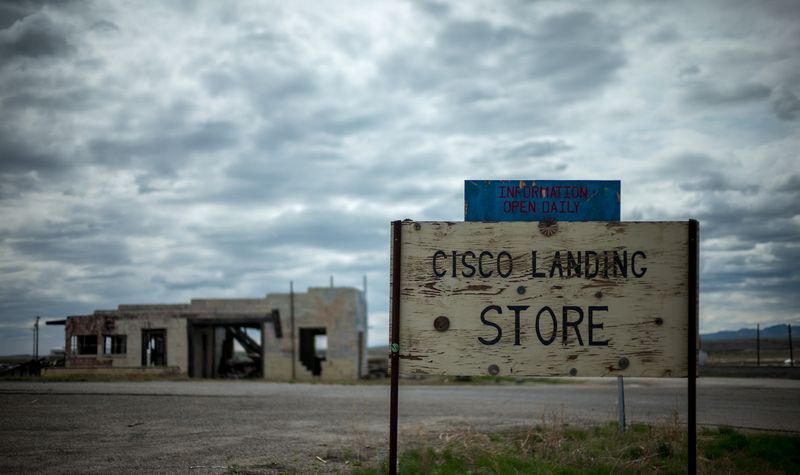
Rust, silence, and miles of open sky greet every visitor who pulls off at Cisco. Take Exit 204 on I-70 in Grand County and see what remains of a town that simply ran out of reasons to exist.
Originally a railroad stop, Cisco later served travelers moving along old US-6. The location gave it purpose, and for several decades through the mid-20th century, that was enough.
When Interstate 70 bypassed the old route and railroad traffic dried up, the town had nothing left to sustain it. No disaster struck, no fire burned through the streets, and no flood carried it away.
Cisco never burned, flooded, or faced demolition. It simply emptied out as people moved on to places with more opportunity and more future.
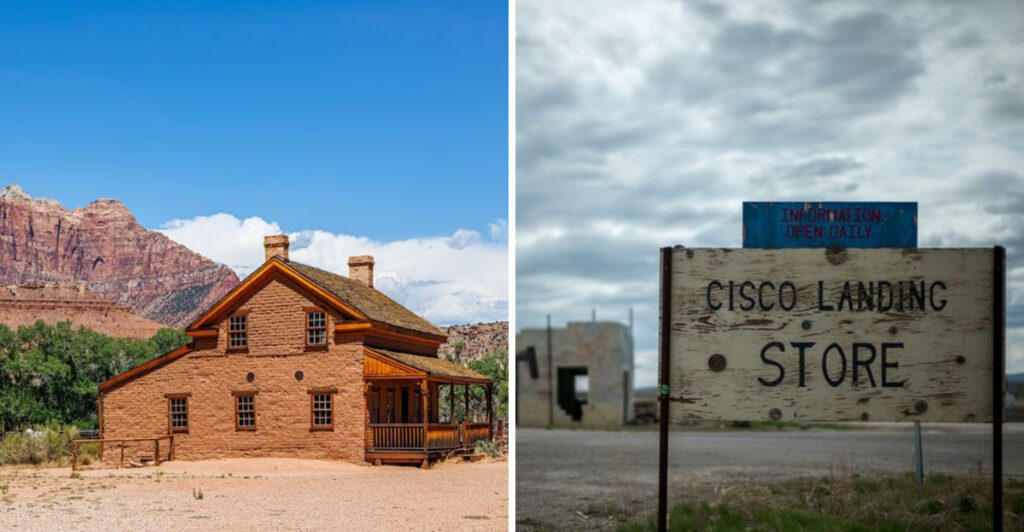
What remains is a striking collection of decaying structures, rusted vehicles, and crumbling storefronts. Frozen relics and broken windows give photographers exactly the raw, unfiltered imagery they come looking for.
The wide-open high desert landscape adds a dramatic backdrop to every single shot. Because Cisco sits just off the interstate, visiting as a quick detour is genuinely easy and requires almost no planning.
There are no entrance fees, no visitor centers, and no guided tours. Just the wind moving through broken walls and a lot of open Utah sky pressing down overhead.
Parts of Cisco sit on private land, so stick to publicly accessible areas throughout your visit. Treat the site with respect, leave everything where you found it, and resist the urge to take souvenirs.
Cisco is not a polished destination, and that is precisely the point. For travelers who appreciate raw, unmediated history, this forgotten railroad town delivers something genuinely hard to replicate.
6. Thistle Ghost Town
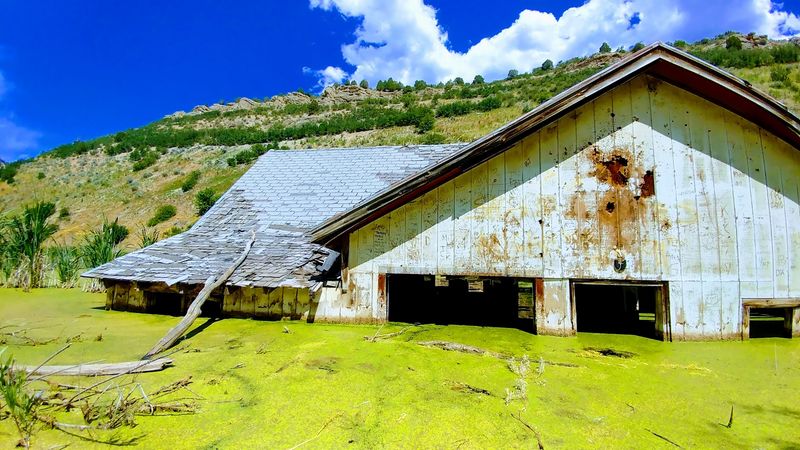
What if an entire town simply vanished underwater, not in legend but in real, documented history? Thistle in Spanish Fork Canyon, Utah County, is that town, and its story is one of the most dramatic in the entire state.
Near US-6, Thistle had a quiet existence as a small railroad and farming community for most of the 20th century. It sat in a narrow canyon that had served as a travel corridor for generations, entirely unremarkable until it was not.
Then came the spring of 1983. An unusually heavy snowpack combined with rapid warming triggered a massive landslide that changed everything.
The slide blocked the Spanish Fork River and created a natural dam that flooded the entire valley. Thistle disappeared beneath the rising water within weeks.
It became one of the costliest landslides in United States history at the time. The federal government eventually drilled a massive drainage tunnel through the surrounding mountain to drain the lake.
What the water left behind was not a town. It left a muddy, ghostly landscape of foundations, debris, and silence where a community once stood.
Today, travelers on US-6 can still see remnants of the story etched into the hillside and valley floor. A drainage tunnel portal remains visible, and interpretive markers along the highway explain what happened here.
Thistle stands apart from every other ghost town on this list because it did not disappear gradually. A sudden, modern disaster erased it within living memory, giving the site a completely different and deeply unsettling emotional weight.
Stopping here, even briefly, connects you to a chapter of Utah history that feels both ancient in consequence and startlingly recent in timing. Thistle is a humbling reminder of how quickly landscapes can erase the communities built within them.
7. Old Iron Town State Park
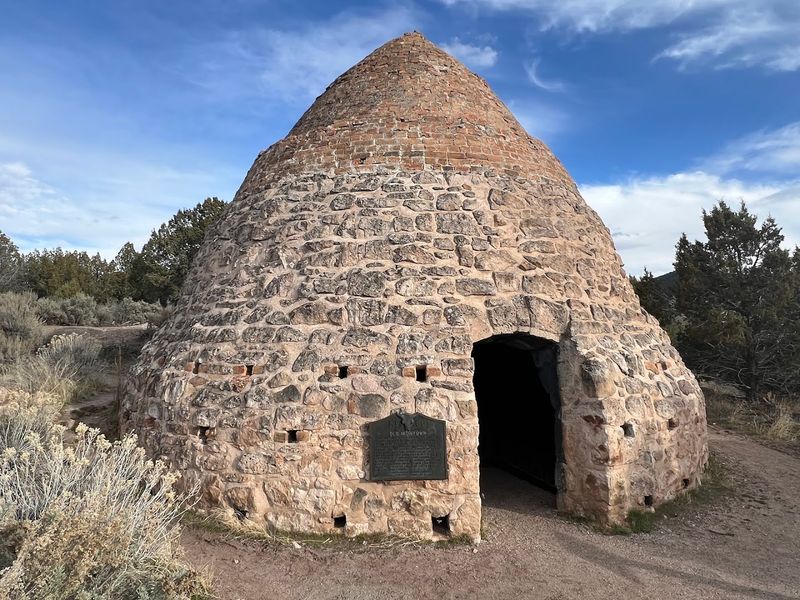
Brigham Young envisioned Utah producing its own iron, and Old Iron Town was the ambitious attempt to make that real. Workers founded the site off SR-56 along Iron Town Road near Cedar City in Iron County in 1868.
The settlement grew quickly, drawing workers and families who believed in the project’s genuine potential. New arrivals brought energy, optimism, and a willingness to build something industrial in the middle of the Utah desert.
Originally called Iron City, the settlement operated as a second attempt to mine iron from nearby Iron Mountain. An earlier mission had struggled to gain traction, making this effort feel both urgent and determined.
A combination of transportation challenges and the financial panic of 1874 made continued operation impossible. Iron City closed in 1876, leaving behind an industrial ghost in the open desert.
What survives today is genuinely fascinating for anyone interested in early American industrial history. The ruins feel substantial and specific rather than vague, which makes exploring them especially satisfying.
The most iconic feature is a beehive-shaped charcoal kiln, built to convert juniper wood into fuel for the iron furnaces. Seeing it stand alone in the open desert feels almost surreal, like industrial archaeology that nobody warned you about.
Frontier Homestead State Park now manages the site, providing real interpretive support for visitors. Trail markers and informational panels walk through the ironworks ruins and explain the process that once took place here.
That interpretive layer makes a real difference compared to ghost towns with no context provided. Visitors leave understanding what they saw rather than just wondering about it.
Old Iron Town is an easy drive from Cedar City and fits naturally into any visit to the area. History here is touchable, and that hands-on connection makes this quiet park genuinely worth the trip.