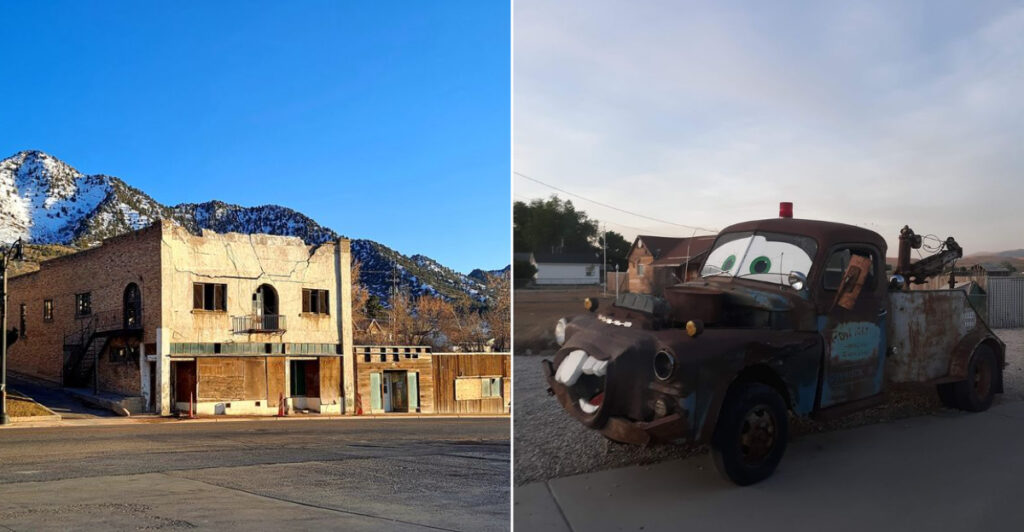
A town does not need to become fashionable to prove it has a future. Sometimes the comeback starts with an old storefront reopening, a mural appearing where paint once peeled, or a historic building finding a second job.
Across smaller communities in Utah, years of railroad changes, mining slowdowns, and bypassed highways left downtowns quieter than they once were. Now the story is changing in unexpected ways.
Artists are filling empty spaces, preservation groups are protecting landmarks, and new energy projects are bringing fresh attention to places many drivers once passed without stopping. The most interesting part is what these towns refuse to erase.
Their past still shows in brick facades, old depots, weathered signs, and streets built for another era. For travelers curious about change beyond the big cities, rural Utah offers proof that a comeback can feel new without sanding away everything that made a town worth remembering.
1. Helper, Carbon County
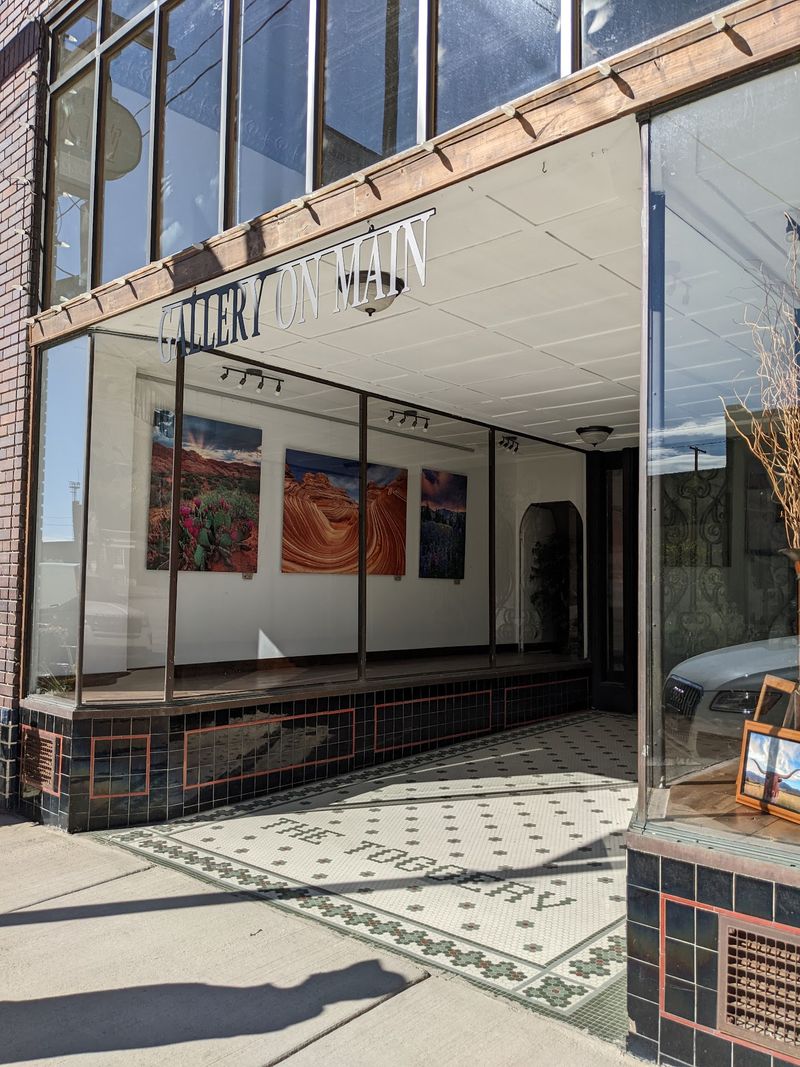
Helper has the rare comeback story where empty storefronts did not stay empty, they got paint, studio lights, and a second career. Once tied tightly to coal mining and the railroad, Helper struggled when those industries shrank, and by the early 1990s much of Main Street had gone quiet.
Artists began moving into the lower-cost historic buildings, and that gradual shift helped turn downtown into a working arts district rather than a museum set. Helper now has galleries, public art, restored storefronts, and events that keep people returning after the novelty wears off, which is a useful test for any revival.
The Helper Arts, Music and Film Festival has reached its thirty-second annual edition, and regular gallery events still give the town a reason to gather. The restored river corridor adds another layer, especially for travelers who like a town with a little grit and not too much polish.
In 2026, Helper remains a Utah Main Street Affiliate community, proof that its recovery is still being managed, not merely remembered. For a road trip through Carbon County, Helper makes old industry feel readable again without handing visitors a homework packet.
2. Spring City, Sanpete County
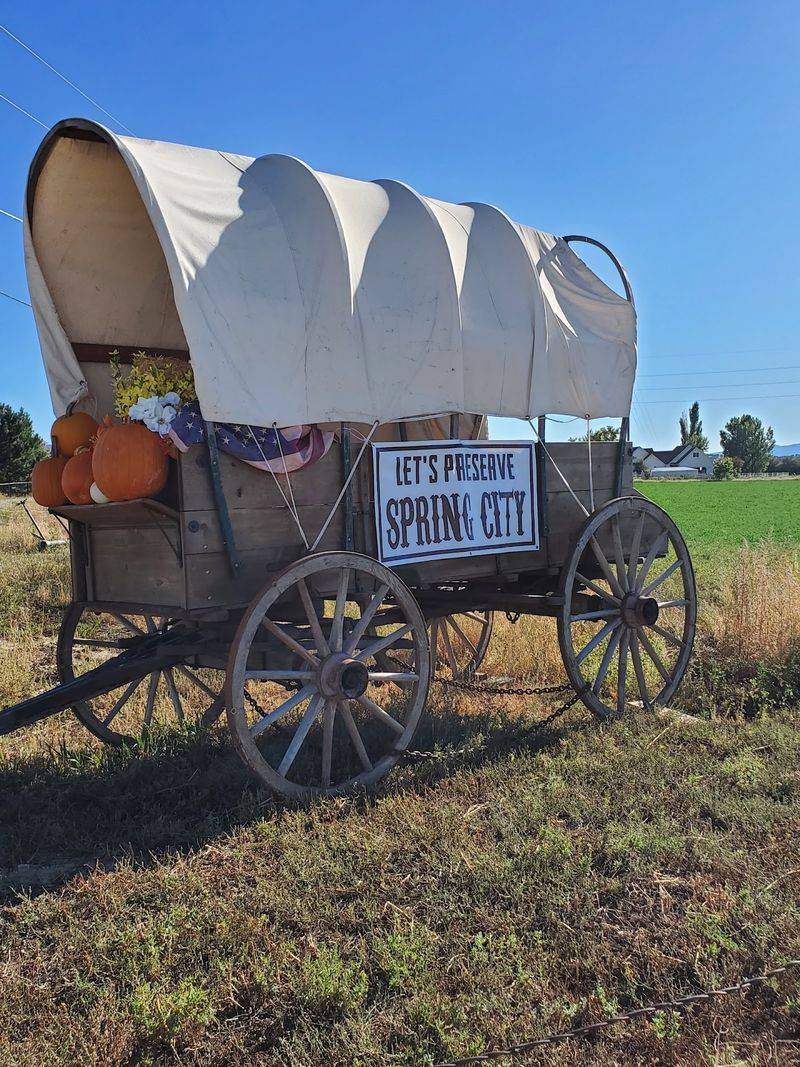
A highway bypass can do strange things to a town. When US-89 bypassed Spring City in 1957, traffic moved on, and the community slipped so far from the main flow that it later appeared in a 1972 book about Utah ghost towns.
That would make a grim final chapter if Spring City had accepted the label. Instead, preservation became the town’s practical engine.
Its historic district is known for nineteenth-century stone buildings, restored civic spaces, and homes that show the craftsmanship of early Sanpete County settlers.
Friends of Historic Spring City received a Preservation Utah award in 2026, a sign that the restoration work is still earning attention. Heritage Day has become a major draw, and the 2025 event sold more than eleven hundred tickets, its highest attendance yet.
Artists and historic-home visitors now bring the kind of traffic the bypass once removed, though with fewer people asking where the next gas station is. Spring City works best for travelers who enjoy architecture, patience, and towns that did not reinvent themselves by pretending to be younger.
Its comeback feels unusually literal: written off, preserved carefully, then noticed again on its own terms.
3. Vernal, Uintah County
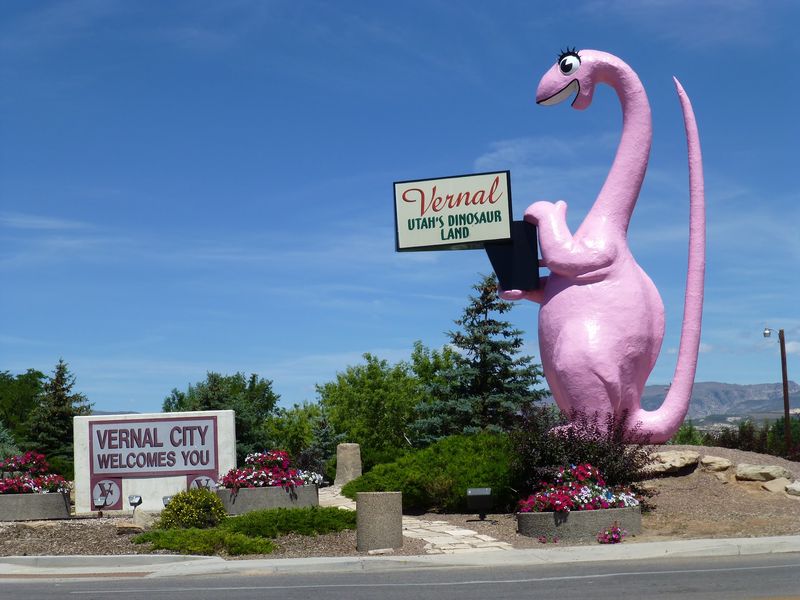
Vernal has always had dinosaurs in its public imagination, but the modern comeback is less Jurassic and more spreadsheet. The city has been working to soften its dependence on the energy boom-and-bust cycle, which is not exactly a bumper-sticker slogan but matters a great deal to real towns.
Recent downtown projects have focused on visible, usable changes: public gathering areas, pedestrian improvements, outdoor commercial space, and upgraded storefronts. Those are the small details travelers notice without always naming them, like whether a block invites a pause or just moves cars along.
City documents released in 2026 reported that downtown sales and transient-room tax revenue had roughly doubled in four years. Property values within the district rose about thirty-eight percent, and more redevelopment phases are moving forward.
That makes Vernal one of the more measurable comeback stories in Utah, not just a place with a nice before-and-after photo. Visitors can still connect the town to nearby Dinosaur National Monument and the Utah Field House of Natural History State Park Museum, but downtown itself is becoming part of the reason to stop.
Vernal’s second act is practical, public-facing, and refreshingly unafraid of capital improvements.
4. Milford, Beaver County
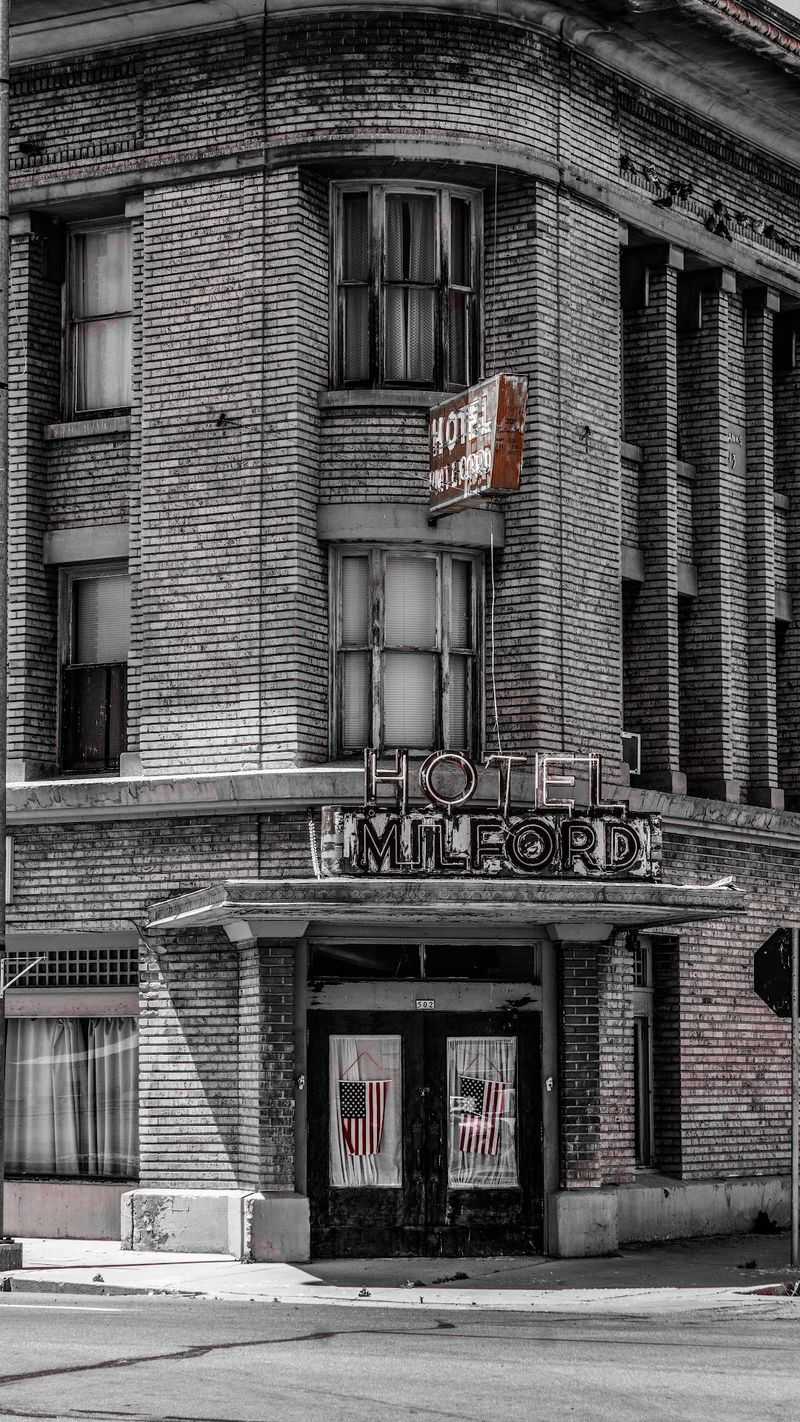
Milford is not the loudest town on a Utah map, which may be part of why its new chapter feels so surprising. The former railroad and mining community remains small, but it now sits near one of the country’s most closely watched geothermal energy developments.
Fervo Energy’s Cape Station project northeast of Milford has hundreds of megawatts under construction, with first power expected in late 2026. The project has brought more than two hundred construction jobs and is expected to create permanent operating positions, which gives Milford a comeback angle rooted in employment rather than postcard nostalgia.
That industrial revival is paired with a quieter downtown effort. Milford joined Utah’s Main Street network as a Promising community, a status meant for places building capacity and planning their next steps.
For travelers, the appeal is not a finished makeover with a ribbon on it. It is seeing a small Beaver County town at the point where old rail and mining history is meeting new energy infrastructure.
Milford also reminds weekend planners that comebacks are not always made of galleries and cafes. Sometimes they arrive in hard hats, engineering reports, and a town meeting where everyone has opinions about parking.
5. Green River, Emery County
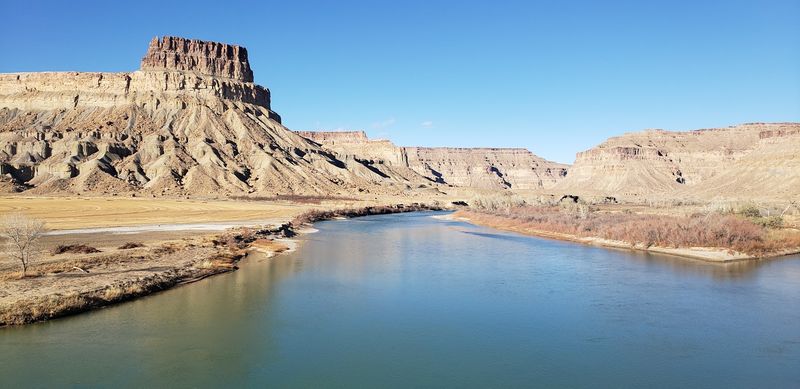
Green River has spent decades watching travelers continue toward Moab, which is a hard fate for any town with its own river, history, and stubborn sense of place. Being treated as a pass-through stop can flatten a community into fuel, snacks, and a restroom key.
Local groups have been pushing back with planning rather than wishful thinking. Epicenter and the city developed a detailed downtown reinvestment plan focused on local businesses, housing, public space, and Green River’s own identity instead of copying resort towns nearby.
That matters because Green River’s best comeback is not about becoming Moab’s overflow parking lot. It is about turning attention toward what already exists: a desert river town, melon-growing heritage, older commercial blocks, and a location where travelers can slow down without needing a packed schedule.
As of 2026, Green River is officially part of Utah Main Street as a Promising community, which gives its plans a formal structure. Readers passing through Emery County should give the town more than a windshield glance.
Green River is still a work in progress, but at least the work has a plan, and that is more than many roadside towns get.
6. Mount Pleasant, Sanpete County
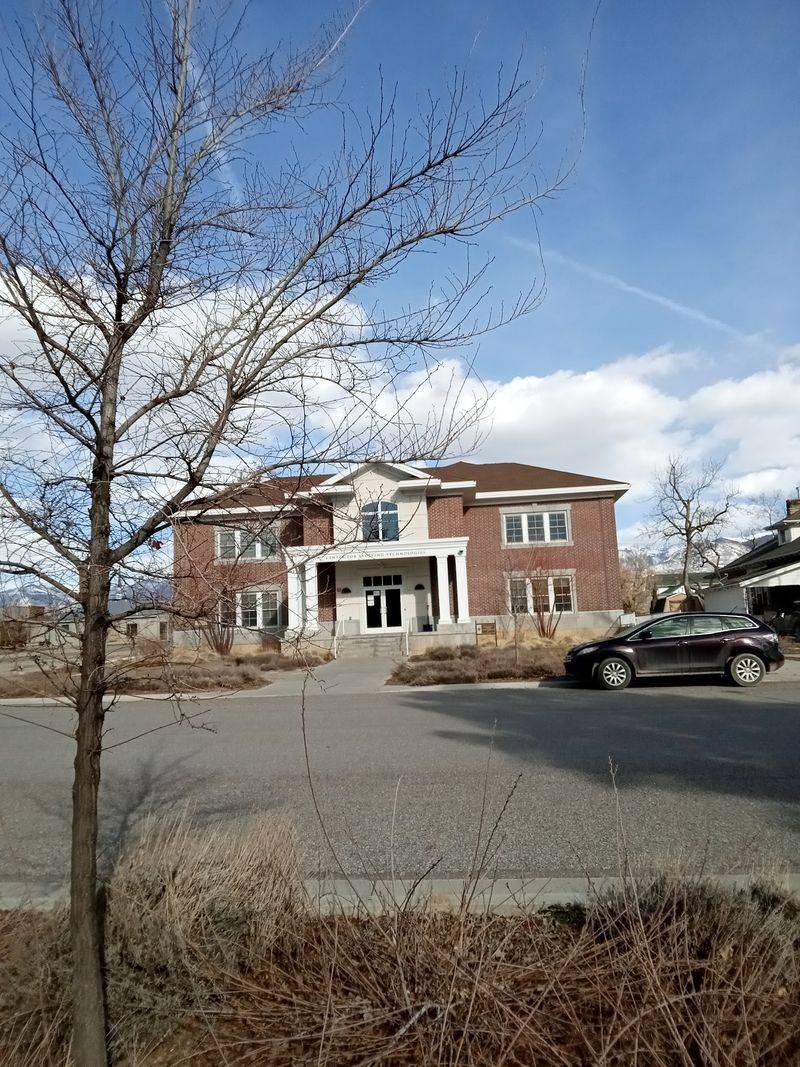
Mount Pleasant has the kind of Main Street where one vacant upper floor can quietly become everyone’s problem. Empty old buildings do not just sit there; they shape how a downtown feels, where businesses choose to open, and whether people believe the next renovation is possible.
Recent work in Mount Pleasant has targeted that exact issue. Utah’s Revive & Reside program awarded funding to rehabilitate Main Street properties for mixed uses, including shops, businesses, and upstairs housing.
The circa-1899 building at 40 West Main, vacant for years, was selected for conversion, and other local properties received additional funding later in 2025.
That approach gives the comeback some useful common sense. A downtown cannot run on decorative facades alone, no matter how nicely the brick photographs.
It needs people upstairs, businesses downstairs, and owners willing to wrestle old buildings back into use. Mount Pleasant remains a Tier Two Utah Main Street Affiliate in 2026, showing that the city is moving beyond talk and into repeatable projects.
For visitors, the reward is watching preservation work as an active civic habit. The town’s historic character is not being sealed behind glass; it is being asked to pay rent again.
7. Gunnison, Sanpete County
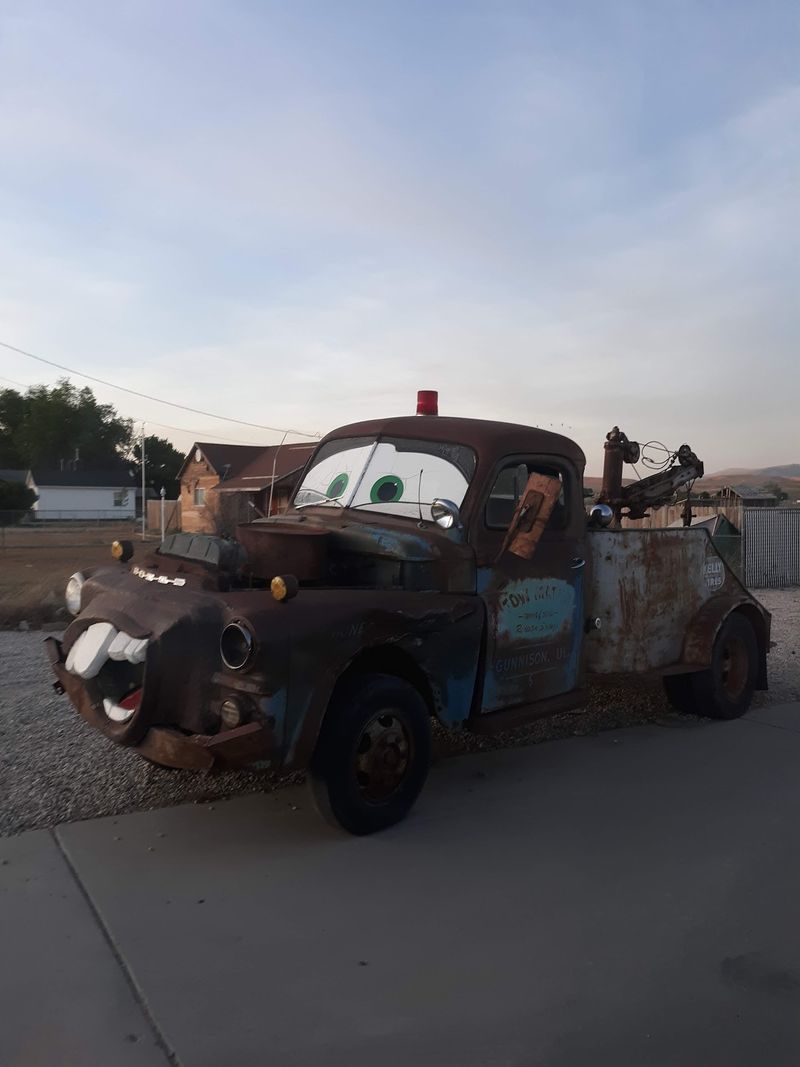
One old theater can carry a surprising amount of downtown confidence. In Gunnison, the Casino Star Theatre sat vacant and deteriorating before a long rehabilitation returned the landmark to use and helped encourage activity around it.
The theater matters because it gives the comeback a visible anchor. People understand a restored marquee faster than they understand a planning document, even when both are important.
Gunnison’s story shows how saving one landmark can make other improvements seem less like daydreaming and more like the next reasonable step.
That next step is already underway. Gunnison joined the current Utah Main Street network, and a downtown facade and reinvestment grant program was accepting applications in summer 2026 for storefront restoration and other visible upgrades.
For travelers, Gunnison is not a big production, which is mildly ironic given the theater angle. It is a small-town rebuilding story with a practical lesson: start where people can see progress, then widen the circle.
A stop here pairs best with curiosity about preservation and rural downtowns rather than a need for nonstop entertainment. The Casino Star Theatre gives Gunnison a comeback symbol with actual bricks behind it.
8. Price, Carbon County
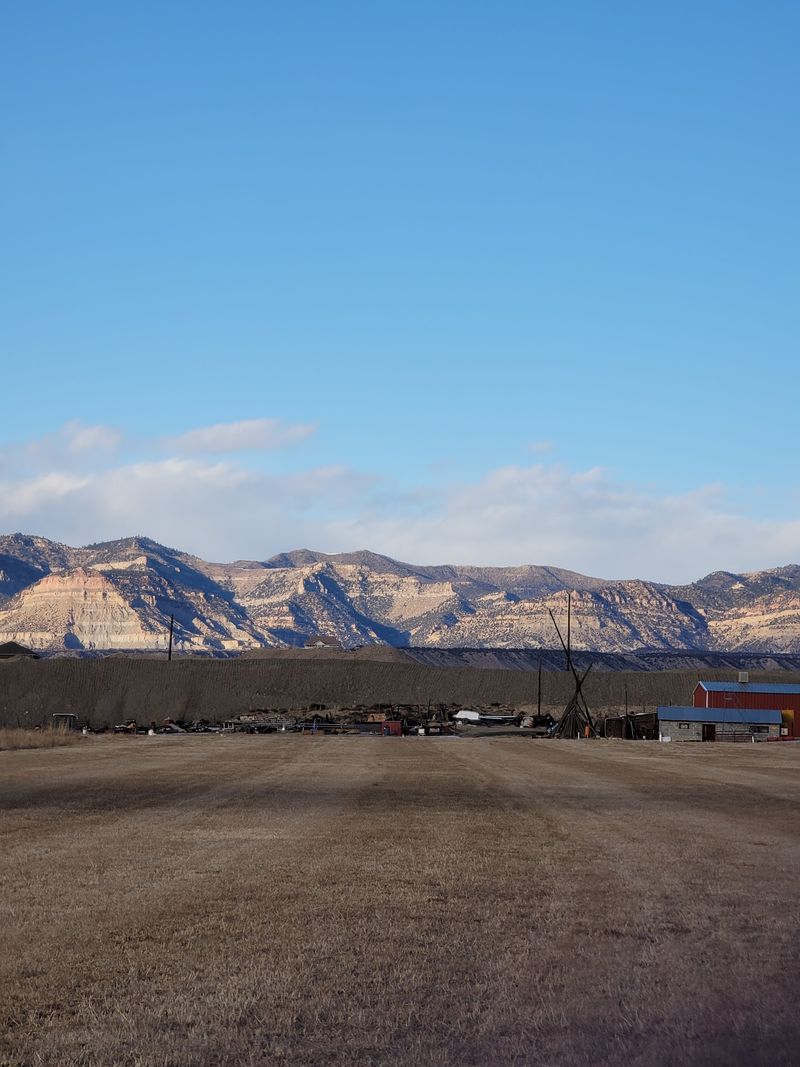
Price shares Carbon County’s coal-country challenges with Helper, but it is not telling the same story in a different hat. The city has leaned more into business development, commercial improvements, and the steady work of filling downtown space.
Current programs include redevelopment grants, an Economic Vitality Fund, and a reimbursement program for commercial improvements. Those tools may sound unromantic, but they are the plumbing of a real comeback.
Without financing, storefront upgrades and new businesses often remain stuck in the hopeful-conversation stage.
Price’s Downtown District is actively working to guide Main Street investment and reduce vacancies, and the city remains a Utah Main Street Affiliate in 2026. Travelers may also connect Price with the Prehistoric Museum, which includes paleontology and archaeology exhibits, giving the town a visitor draw beyond its commercial core.
Still, the downtown revival is the reason Price belongs on this list. It is trying to make its center more useful to residents and more legible to visitors, without pretending the coal transition was painless.
For a practical road trip stop, Price offers a look at how a regional hub adapts when old economic certainties stop acting certain.
9. Parowan, Iron County
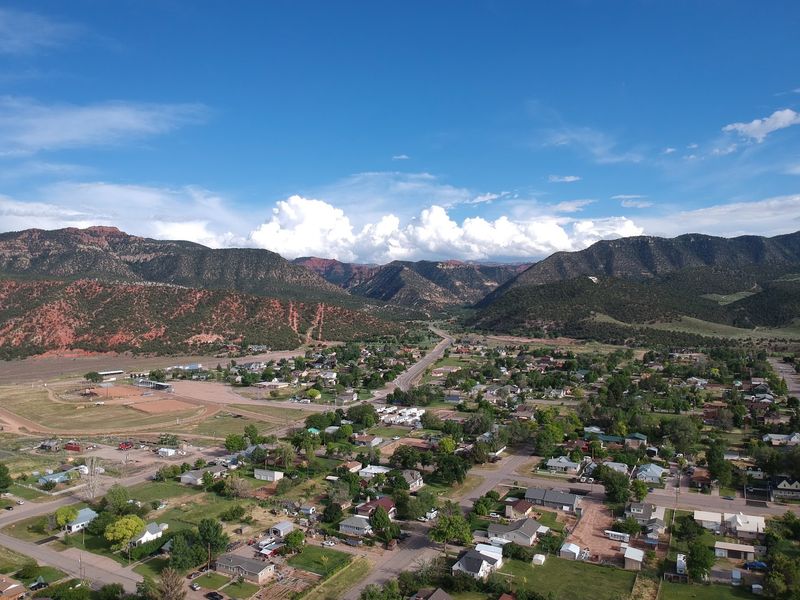
Parowan could have settled for being the name people pass while aiming at louder southern Utah attractions. Instead, the city is using its historic character as an economic tool, which is a polite way of saying old buildings are being put back to work.
In 2026, Parowan is renovating the historic Old Rock Church, improving Main Street pedestrian infrastructure, and pursuing additional community and economic-development projects. The local chamber has reported grants tied to tourism, beautification, and economic development, while Parowan Main Street has reached Tier Two Affiliate status.
That combination gives Parowan a grounded comeback profile. It is not depending on one festival, one building, or one outside investor to do all the lifting.
The strategy is broader: make the historic core easier to use, improve the visitor-facing pieces, and keep local identity visible. For families or couples already moving through Iron County, Parowan offers a slower counterpoint to the region’s bigger-name stops.
The Old Rock Church renovation is especially useful as a symbol because it shows preservation happening in public view. Parowan’s revival is less about sudden reinvention and more about choosing not to be background scenery.
10. Eureka, Juab County
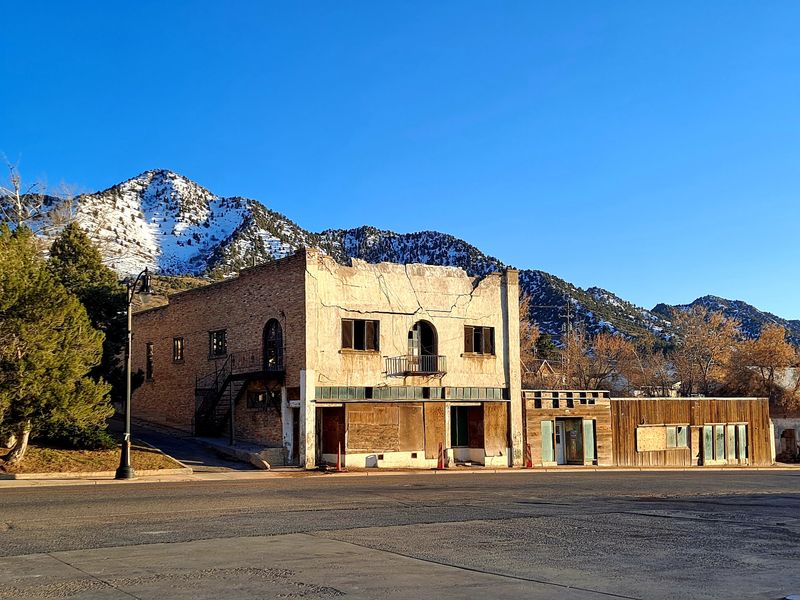
Eureka still looks closely tied to the Tintic mining boom, which gives the town a visual honesty many polished places quietly sand away. Old mining towns can feel frozen, but Eureka is trying to make its history part of a working future.
The city’s current economic-development plan calls for attracting essential shops, promoting the historic downtown, improving visitor gateways, coordinating tourism marketing, and supporting controlled growth. City officials have also noted that the local population is growing, which changes the conversation from preservation for visitors alone to planning for people who actually live there.
That makes Eureka the wildcard on this Utah list. Its comeback is not as tidy as a completed restoration project, and that is exactly why it is interesting.
The town is balancing mining heritage, outdoor recreation potential, tourism, new businesses, and the everyday needs of a small community. Visitors should come with realistic expectations: Eureka is not a theme park version of the past.
It is a Juab County town working through what the next version of itself should be. The old Tintic character gives the place its rough outline, while the current plan suggests Eureka is not content to remain only a photograph of what used to matter.