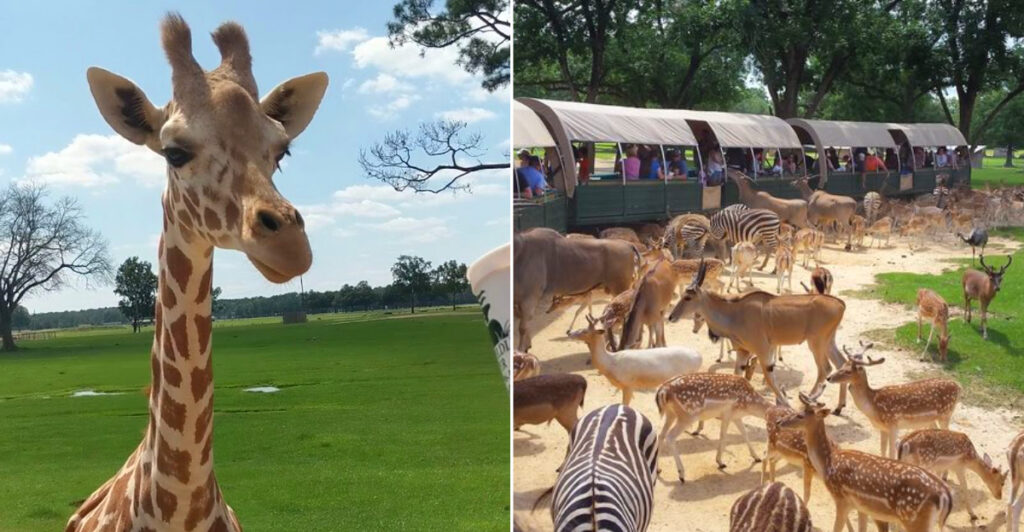
Nothing prepares you for the moment a giraffe leans its entire head through the window of a converted wagon and starts curiously investigating your cup of feed.
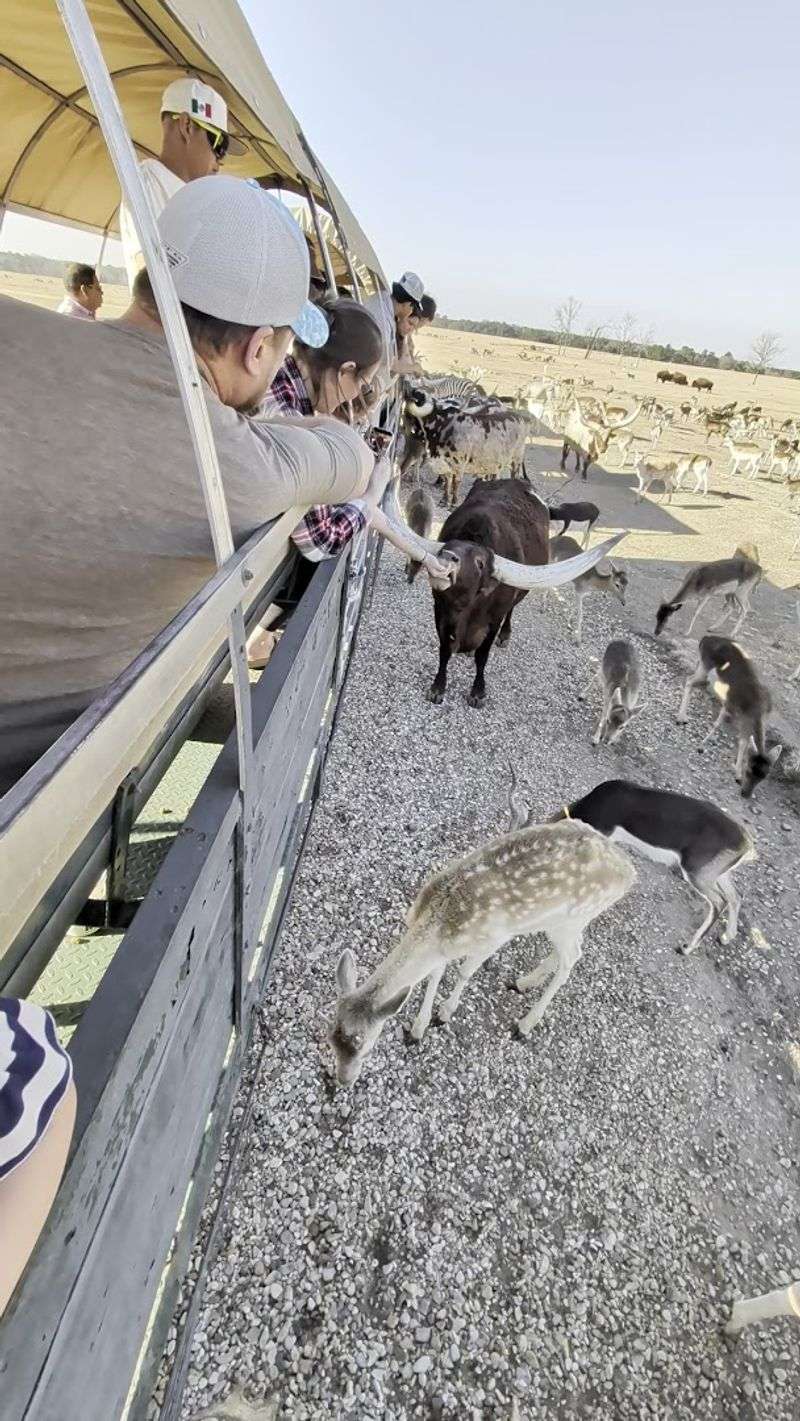
The tour starts slowly, winding past oak-lined pastures where zebras graze alongside cattle, then picks up when the wagon enters a larger enclosure and animals of every size start walking toward the vehicle because they know what the bucket in your hand means. Camels nudge elbows. Elands lean their massive heads over the rail.
The guide narrates each species with the ease of someone who has watched these animals grow up, plus the whole experience feels less like a zoo and more like wandering through an unusually exotic backyard.
You can feed a giraffe by hand, pet a camel on the nose, plus watch a herd of bison thunder past the wagon without leaving the state of Louisiana.
Safari Wagon Journeys
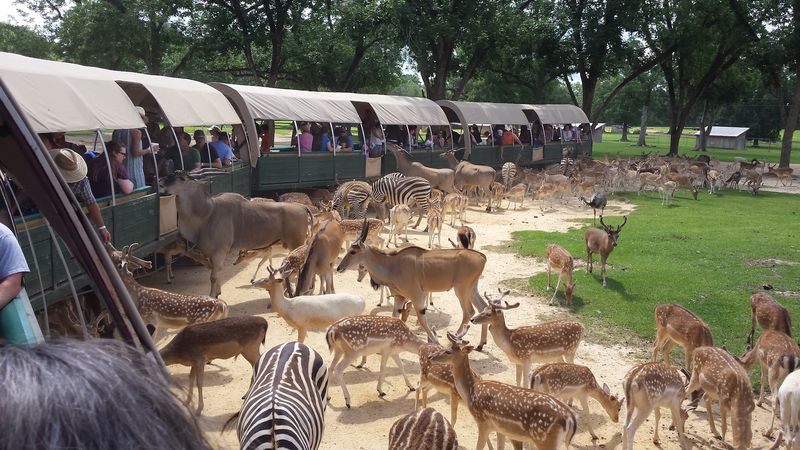
Covered wagons set the rhythm for the classic visit, turning the preserve into a slow-moving outdoor classroom. Guests ride through open fields while guides explain the animals, the route, feeding rules, and the conservation purpose behind the center.
The pace is gentle enough for families, cameras, and first-time visitors who want the broadest view without choosing a private tour.
The wagon format is part of the charm. Instead of walking from enclosure to enclosure, visitors stay seated while the landscape changes around them.
Herds appear in the distance, then drift closer as the vehicle approaches. Some animals wait politely.
Others seem to know exactly where the feed is and waste no time getting near the rail.
That closeness is what makes the tour memorable. You still have the structure of a guided experience, but the animals decide many of the best moments.
A giraffe may dominate one stop, while a crowd of deer or antelope steals the next.
Close Animal Encounters
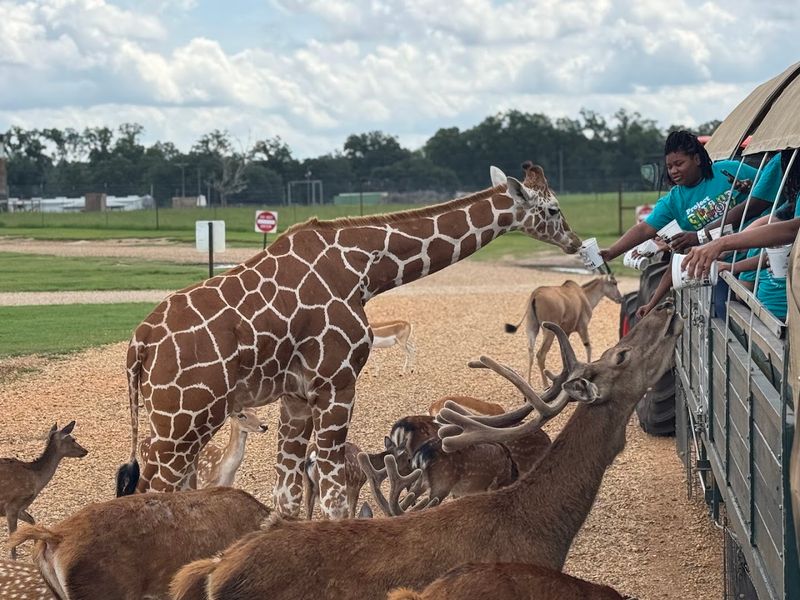
Global Wildlife Center is at 26389 Highway 40 in Folsom, Louisiana, in the rural countryside east of town. Follow Highway 40 toward the preserve and keep the full street address in navigation, since the surrounding roads are lightly developed and offer few major landmarks.
The final approach runs through wooded stretches and open farmland before the wildlife center signs and entrance appear beside the highway. Slow down as you near the property, especially when arriving for a scheduled tour, since missing the turn can mean a lengthy rural detour.
Turn into the preserve and follow the entrance road toward the Visitor Center and designated parking area. After parking, check in for your reserved wagon or private tour; advance booking is strongly encouraged because walk-up seats are not guaranteed.
Behind The Pinz Tour
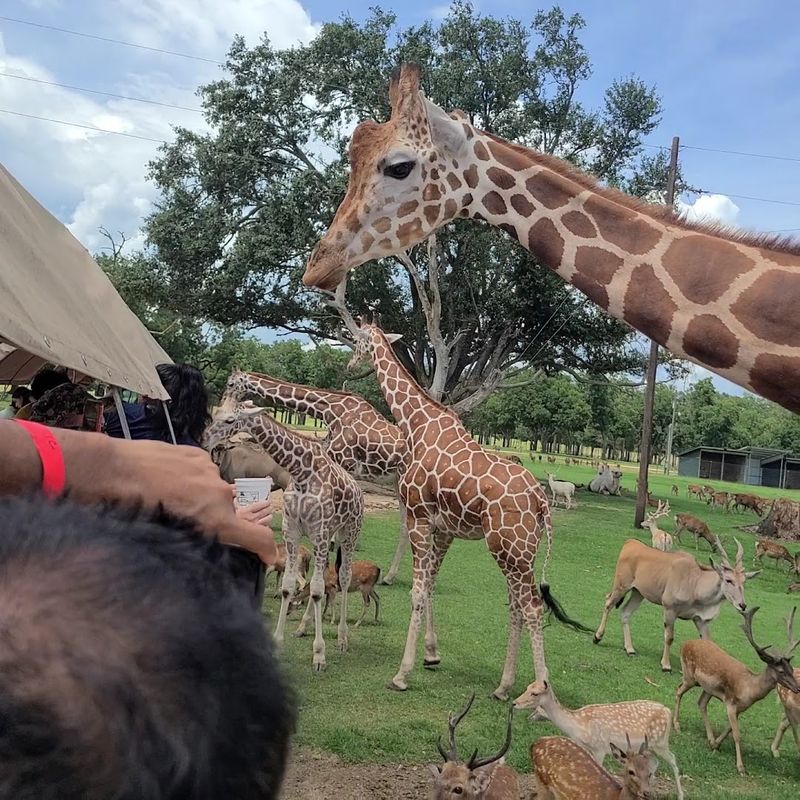
Choosing a Pinz private tour changes the rhythm of a visit from communal to personal and often yields better photo opportunities. These smaller, jeep-like vehicles can approach animals more flexibly, letting guides linger where the action is and tailor stops to guest interests.
Photographers and families seeking directed moments often prefer this option for its intimacy and pace.
Because group sizes are smaller, guides can facilitate repeated feedings of a favored animal, like a curious giraffe. Expect to pay extra, but the payoff is a quieter, more focused encounter where timing and composition for photos feel under your control rather than dictated by a packed wagon schedule.
Conservation At Its Heart
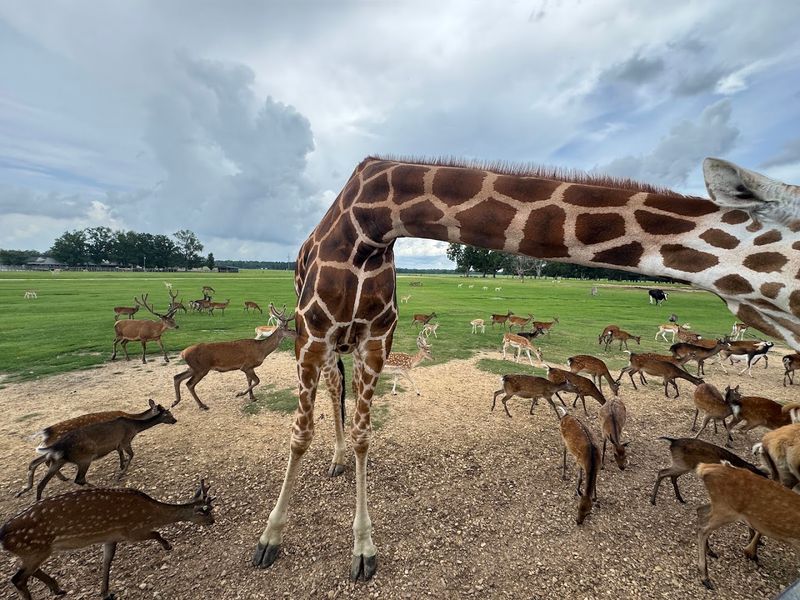
The feeding and photos may be the obvious draw, but the center’s deeper purpose gives the visit more weight. Global Wildlife Center presents itself as a free-roaming wildlife preserve with a conservation and education mission, and that focus matters when guests are interacting with animals from around the world.
Guides help connect the fun parts of the tour to bigger ideas: habitat, breeding, threatened species, animal behavior, and the practical work of caring for large herds. A child may remember feeding a giraffe, but the guide’s explanation can quietly add why that animal matters beyond the day’s entertainment.
That balance is important. The tour does not need to become a lecture to have substance.
The best educational moments happen through observation: seeing how animals move in groups, how different species approach food, how size changes behavior, and how much space matters. The preserve gives visitors a playful experience first, then lets the conservation message settle in through contact, curiosity, and repeated reminders that these animals require real care.
Seasonal Wildlife Spectacles
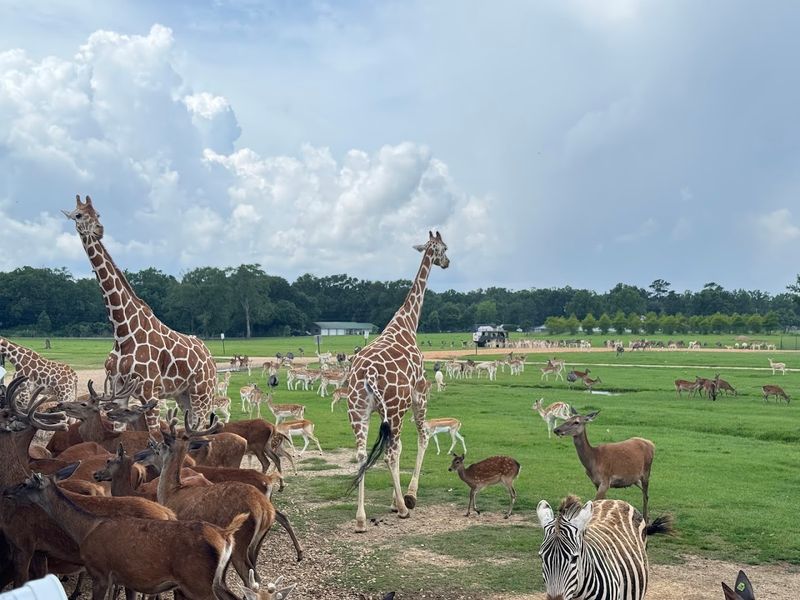
Timing can change what the tour feels like. In spring, young animals may add softness and surprise to the route, with smaller bodies staying close to mothers and turning even a familiar field into something tender.
Guests who love baby animal moments often find this season especially rewarding.
Cooler weather can bring its own advantage. Animals may be more active when the air is less punishing, and feeding stops can feel livelier when heat is not draining everyone’s energy.
Autumn and winter visits may not have the same lush look as warmer months, but they can offer better comfort for guests and more movement from the animals.
Summer requires a different strategy. Morning tours are usually the smarter choice, with sun protection, water, and breathable clothes making the experience easier.
The preserve is open-air, and the animals respond to weather too. A good visit starts with realistic expectations: every season offers something, but no two tours will behave exactly the same.
Feeding The Free-Roamers
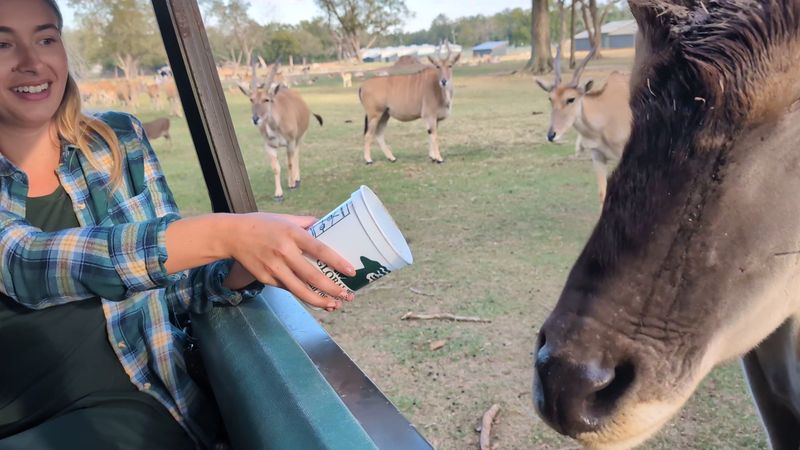
Animal feed is the literal key to most close encounters, and knowing what to buy matters. The center offers souvenir cups, buckets, and larger sacks that vary by price and longevity during the tour; families often find buckets or sacks more economical and satisfying.
Guides explain safe distribution techniques so animals approach calmly and no one gets overwhelmed.
Buy in advance if you want to skip lines, and consider upgrading if you plan to target multiple feeding stops. Using recommended containers reduces mess and ensures animals receive appropriate portions, making feeding fun and controlled for visitors and wildlife alike.
Variety Of Hoofed Friends
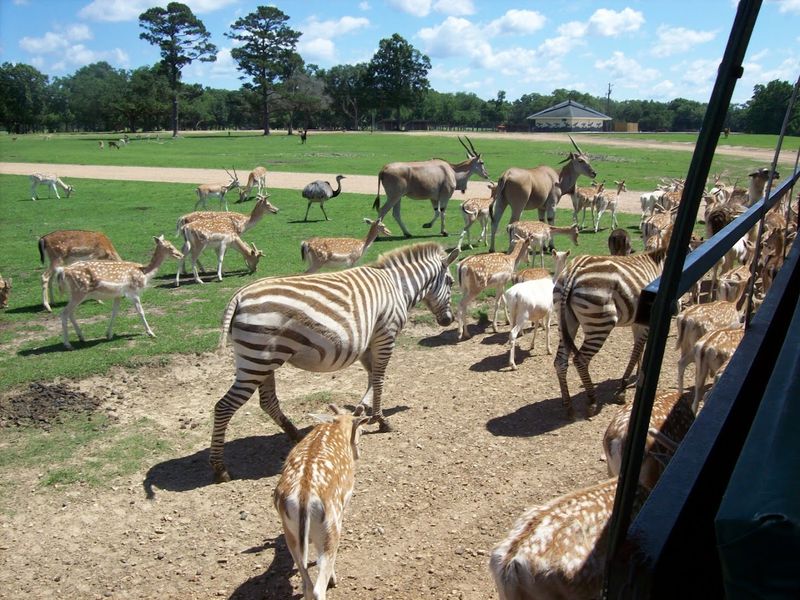
Around each bend there’s a different group of hoofed animals that remind you how diverse global fauna can be in one place. Zebras, elands, Watusi cattle, and various deer species share the preserve with bison and other charismatic ungulates, creating layered groupings that change with the day.
Encounters shift from small, intimate clusters to broad herds depending on where the feed and water are.
Planning Your Safari
Reservations are strongly recommended since popular times and private tours sell out, and arriving early helps smooth check-in. Aim to be at least 10 to 15 minutes before your departure to purchase feed if needed and use clean restrooms.
Tours run rain or shine except during severe storms, so dress for the forecast and bring sun protection or a lightweight poncho on wet days.
If you want prime interactions, book morning tours when animals are more active, and consider a private Pinz for targeted feeding. Planning ahead reduces stress and leaves you ready to savor the experience once the wagon rolls.
Beyond The Main Tour
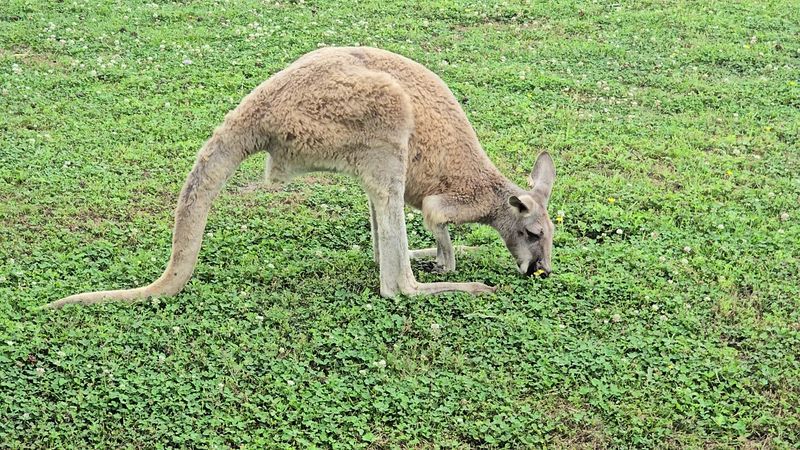
The center offers focused encounters beyond the wagon that deliver distinct hands-on moments, such as the Kangaroo Walkabout and capybara experiences. These smaller activities allow quieter, closer time with specific species and sometimes include unique interactions like artistic activities with capybaras.
They’re ideal for visitors seeking a short, dedicated encounter after the main tour.
Note that some of these extras have limited hours or capacity, so plan accordingly. Combining a main tour with a specialized encounter can round out a day, giving both broad exposure and intimate memories within a single visit.
Expert Guides Share Insights
A good guide keeps the experience from becoming just a parade of cute animal interruptions. The best commentary connects what visitors are seeing to behavior, origin, care, conservation, and safety.
That context matters because the animals are close enough to be exciting, but still large enough to require respect.
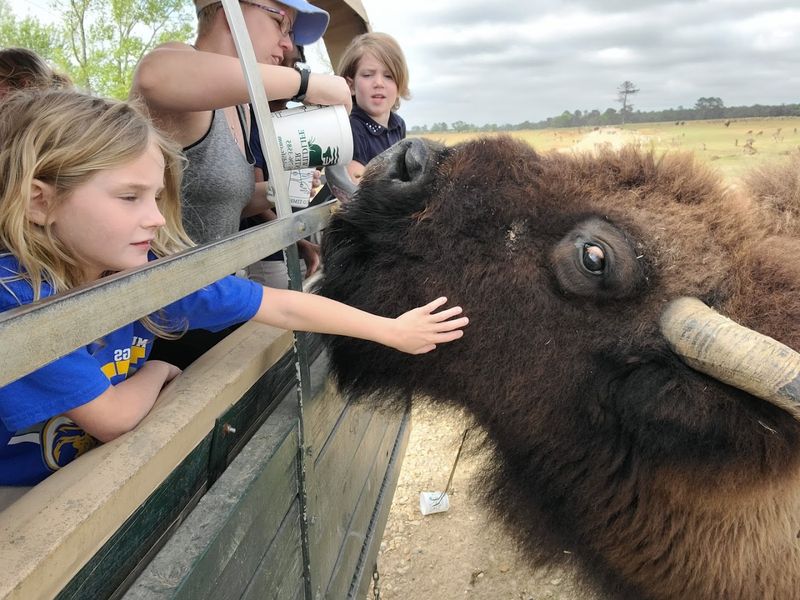
Guides also manage the human side of the tour. They explain when to feed, where to hold cups, which animals may need more caution, and how to enjoy the encounter without overwhelming the wagon or the animals.
That practical instruction keeps the fun from becoming messy.
Questions can make the ride better. Ask about animal personalities, herd behavior, breeding programs, or what changes by season.
Guides often know patterns that visitors would never notice in a single visit. Their stories turn a camel nudge or giraffe feeding into something more memorable because the animal stops being a generic attraction and becomes part of a specific, cared-for community.
A Louisiana Oasis
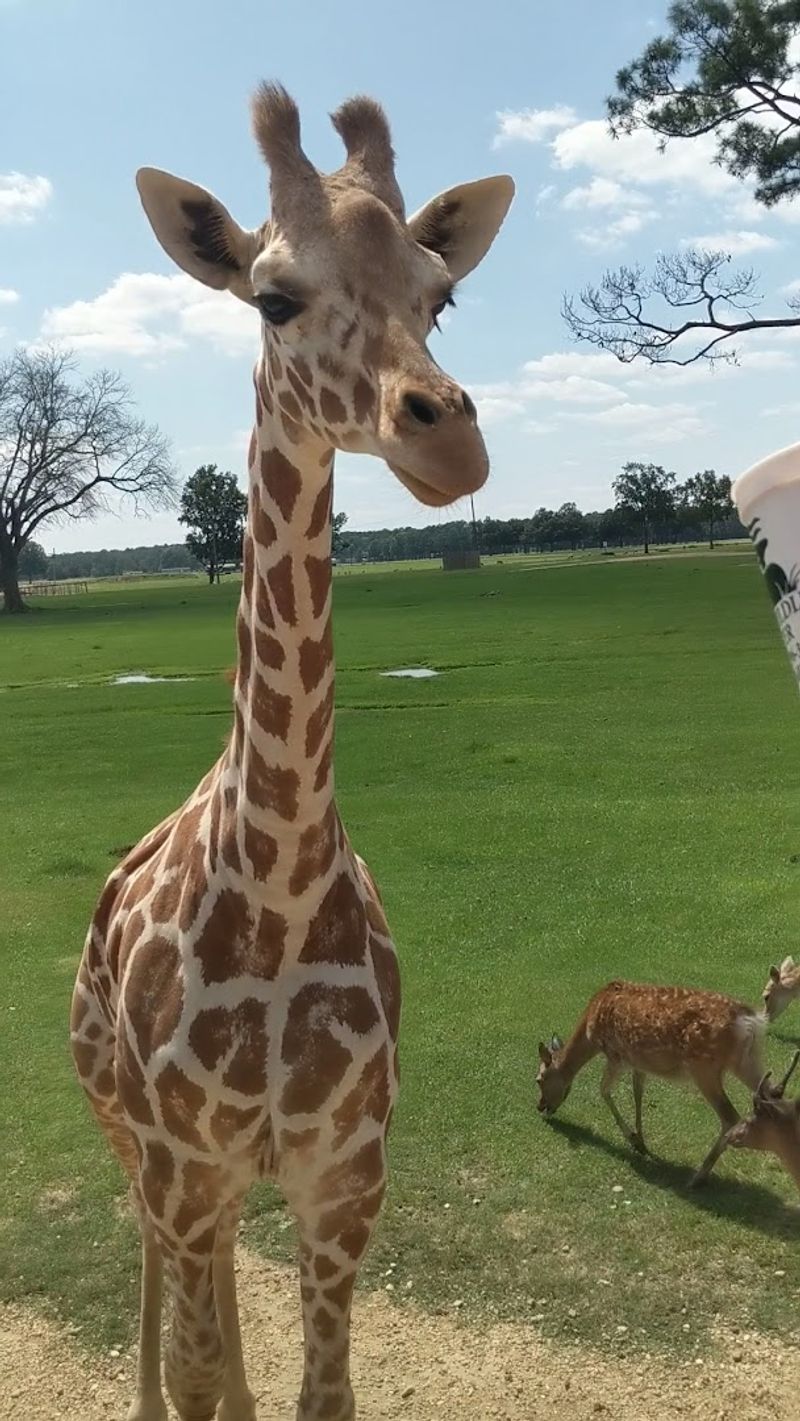
Rolling fields, ponds, tree lines, and open pastures make the preserve feel surprisingly removed from ordinary Louisiana driving. The setting does not imitate a zoo path or a manicured theme park.
It feels more like a managed countryside where unusual animals happen to roam across a Northshore landscape.
That contrast gives the experience its slightly surreal charm. The humidity, light, and Louisiana sky feel familiar, but then a giraffe appears beyond the wagon or a camel wanders over with complete confidence.
The place never lets you forget where you are, yet it briefly rearranges what a Louisiana day trip can look like.
Because the animals move freely across large spaces, no visit is perfectly predictable. Some moments are quiet.
Others are suddenly busy, funny, or loud with movement. That unpredictability is part of the appeal.
Global Wildlife Center works best when visitors stop expecting a scripted attraction and let the preserve feel alive on its own terms.