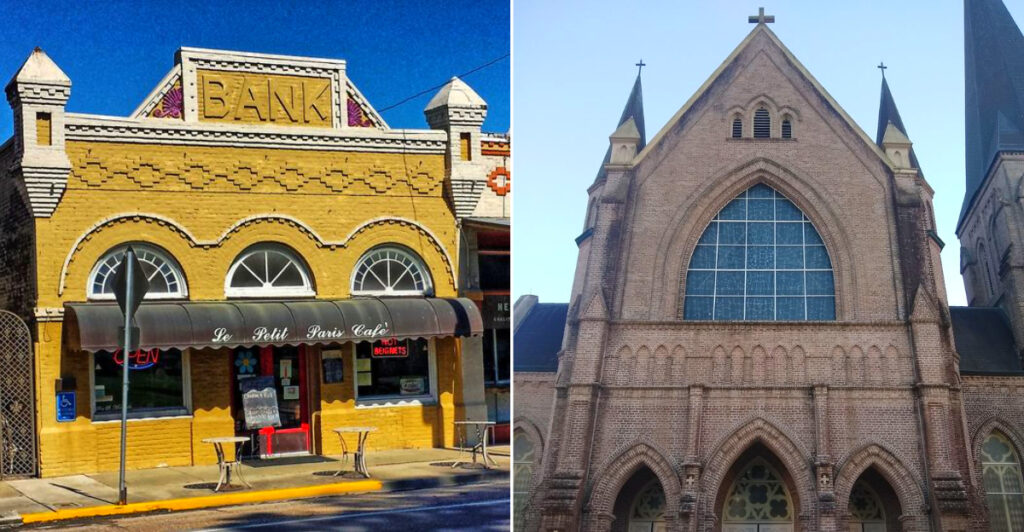
Nobody told me that entire towns in Louisiana still operate in French. Not a few street signs or a festival mascot.
Neighbors chatting on porches in Cajun French, church services that slip between English and French, menus that assume you know étouffée.
These ten towns carry French heritage in their bones. It shows up in the brick-paved riverwalk of the oldest settlement in the Purchase.
In a town square designed by a French priest to mirror a provincial village.
In a community where the phone directory lists residents by nicknames because formal names feel too distant. Each place has its own personality.
Some are known for food, others for music, a few for wild stories. From the oldest settlement in the Purchase to a town that lists residents by nicknames, these places prove that French heritage in Louisiana is not a costume, it is daily life.
10. Natchitoches
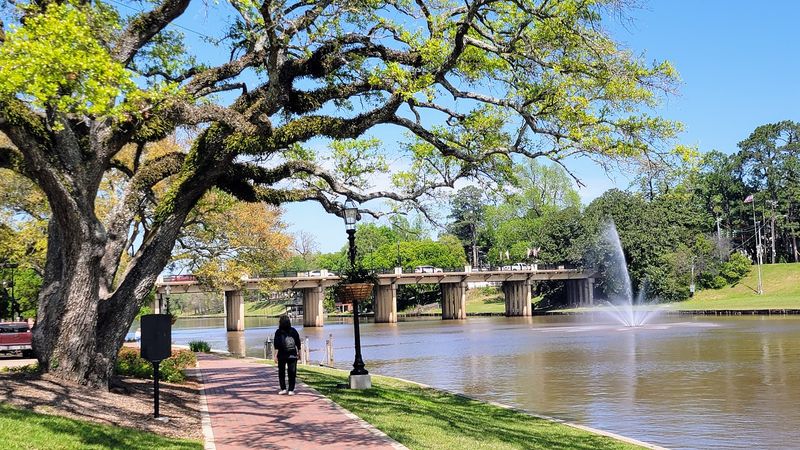
Brick streets and Cane River Lake give this north Louisiana town a polished old-world look before you even reach the museums. Founded by French Canadian Louis Antoine Juchereau de St. Denis in 1714, the settlement became the oldest permanent European community in the territory later included in the Louisiana Purchase.
The French story is easiest to understand at Fort St. Jean Baptiste State Historic Site. The fort visitors see today is a reconstruction, but it represents the military and trading outpost that helped France hold the Red River frontier and maintain relationships with the Natchitoches Caddo.
Downtown adds another layer. The National Historic Landmark District stretches for 33 walkable blocks, mixing historic homes, shops, churches, balconies, and the riverfront.
It feels more like a living town than a preserved set, especially once locals begin filling Front Street restaurants in the evening.
I would start with the fort, then walk downtown slowly enough to notice the architecture instead of treating the riverfront as a photo stop. Natchitoches carries French colonial history more visibly than most Louisiana towns, but its appeal comes from how comfortably later Creole, American, and regional influences settled around that foundation over time.
A second lap rewards you.
9. St. Martinville
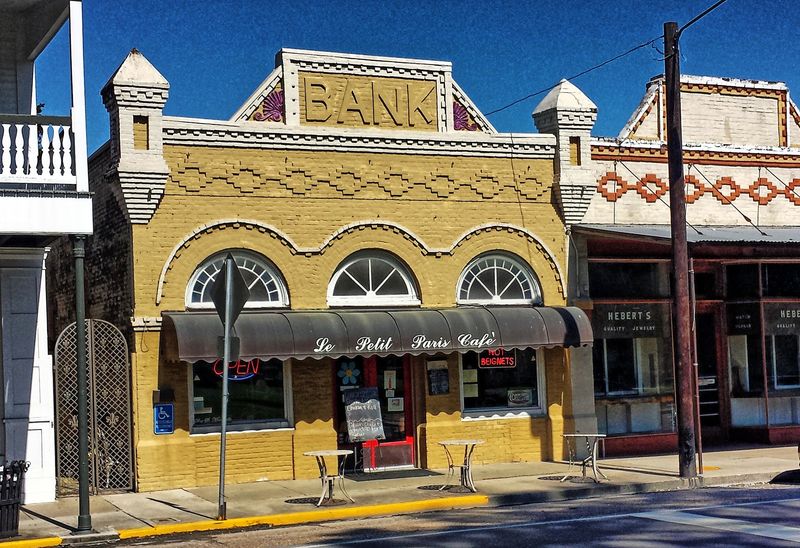
A church square, live oaks, and Bayou Teche give this Acadiana town a quieter kind of grandeur. French and Acadian history overlap here, and St. Martin de Tours Catholic Church remains the clearest landmark, recognized as the Mother Church of the Acadians and listed on the National Register of Historic Places.
One correction matters: French Mass is not simply a routine weekly feature. The church does preserve French-language tradition, including an annual French Mass on July 28, while historic Stations of the Cross carry French inscriptions inside the sanctuary.
Across town, the Acadian Memorial makes the migration story more personal. Bilingual French-English exhibits trace the families forced from Acadie during the Grand Dérangement and later resettled in Louisiana.
The Evangeline story adds a literary layer, but the documented history is powerful enough without leaning too heavily on legend.
Spend time around the church square before walking toward Bayou Teche. The town works best at a slow pace, when plaques, shaded sidewalks, old buildings, and family names begin connecting with one another.
8. Breaux Bridge
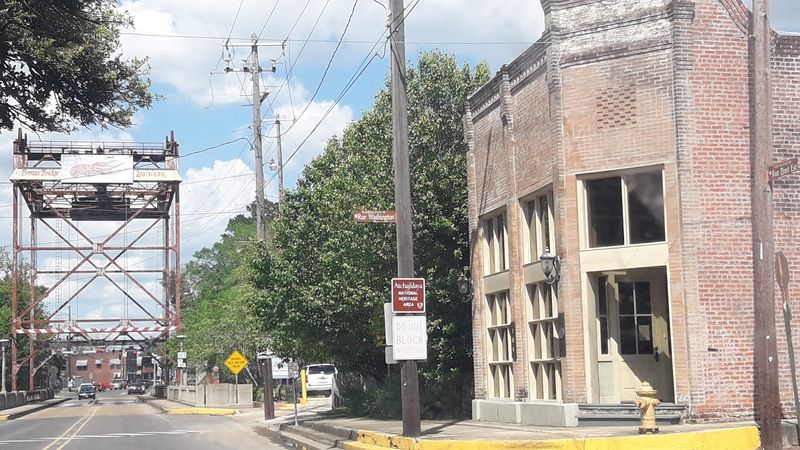
Bayou Teche runs directly through the story here. Acadian settler Firmin Breaux acquired land along the water in the late 1700s and built an early footbridge, while his son Agricole later constructed a bridge sturdy enough for wagons and commerce.
The crossing eventually gave the town its name.
Crawfish now gets most of the attention, and deservedly so. Louisiana lawmakers officially recognized Breaux Bridge as the Crawfish Capital of the World in 1959, helping turn a regional food tradition into part of the town’s public identity.
The Crawfish Festival grew from that same period.
French heritage survives in more than festival branding. Regional tourism sources still describe Breaux Bridge as a bilingual community proud of its Cajun French ancestry, while music, food, family names, and Bayou Teche keep that culture visible in ordinary life.
I would arrive without overplanning. Walk the historic center, cross the bridge, browse local shops, and leave room for a meal that takes longer than expected.
Breaux Bridge is at its best when the day feels social rather than scheduled. The old bridge story, French language, crawfish culture, and waterside setting all point toward the same thing: this has always been a town built around connection.
7. New Iberia
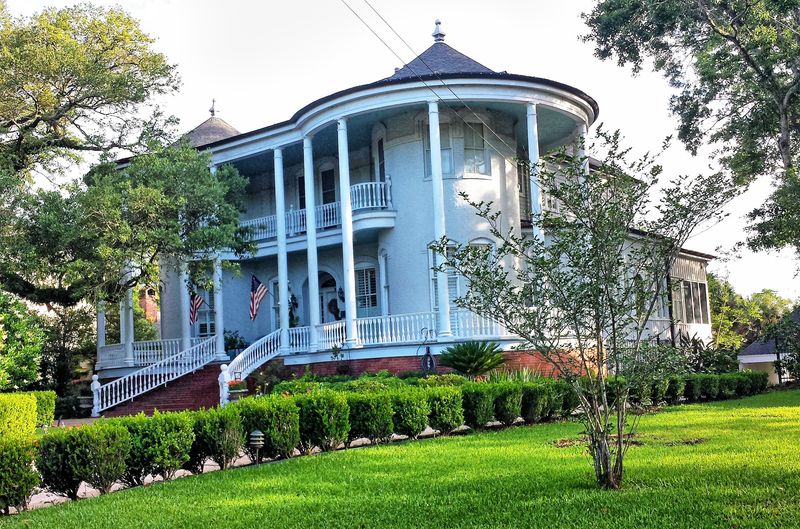
Spanish settlers founded this Bayou Teche community in 1779, so calling New Iberia purely French would flatten the story. Its character grew from Spanish beginnings layered with Acadian, Creole, African, and later American influences, making it a strong place for seeing how Louisiana cultures mixed rather than stayed separate.
French influence became especially important as Acadian families settled the region and developed traditions that would become central to Cajun identity. Food, family names, Catholic customs, music, and Louisiana French all became part of the broader cultural landscape around Iberia Parish.
Downtown gives that history an attractive setting. Historic buildings line walkable streets near Bayou Teche, while the Bayou Teche Museum explains local industries, people, and regional change.
Nearby sites add plantation and agricultural history, which deserves context about slavery and labor alongside architecture.
Start downtown before driving toward the surrounding countryside. The city is large enough to offer museums, restaurants, and shops, but small enough that the bayou still feels central to how the place understands itself.
New Iberia’s charm comes from cultural overlap.
6. Abbeville
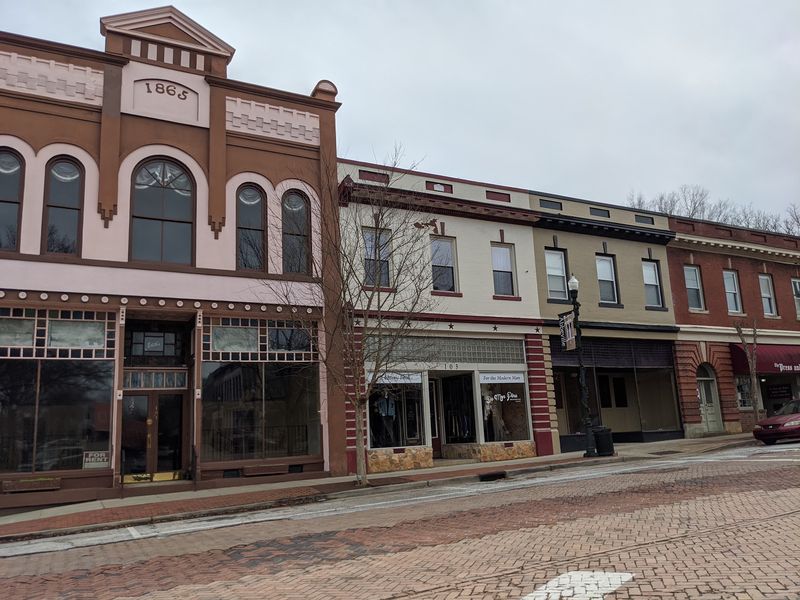
Magdalen Square makes the French influence obvious before you read a single historical marker. Catholic missionary Père Antoine Désiré Mégret founded Abbeville in 1843, named it for his hometown in France, and modeled the settlement around the kind of central square he remembered from French provincial towns.
That plan still gives downtown unusual coherence. Oaks, a gazebo, fountain, civic buildings, and St. Mary Magdalen Church frame a center that feels designed for gathering rather than traffic.
The result is old-world without looking artificially preserved.
French heritage also shows up through food and public celebration. The Giant Omelette Celebration brings together an international fraternity of omelette festivals, with cooks preparing a 5,000-egg omelette in Magdalen Square each November.
It is eccentric, communal, and much more fun than another generic heritage weekend.
Give the square time before wandering surrounding streets. Abbeville works best when you notice how the original layout still influences everyday movement through town.
Shops, churches, festivals, restaurants, and public events keep circling back toward the center.
5. Grand Coteau
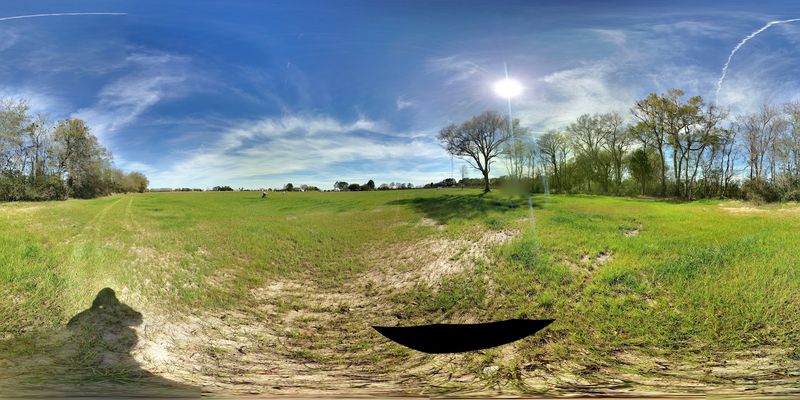
Mature oaks and quiet institutional grounds give this small St. Landry Parish town the atmosphere of a retreat. The French Catholic influence is especially visible through the Academy of the Sacred Heart, founded in 1821 and still operating today.
The school traces its establishment to Religious of the Sacred Heart who came to Grand Coteau under the wider mission begun in America by St. Philippine Duchesne. A local benefactor provided land and a school building, allowing the academy to take root in a rural Louisiana community already shaped by Catholic families and Creole culture.
Historic chapels, cemeteries, old houses, and shaded roads reinforce that continuity. Explore Louisiana describes the academy as the oldest continuously operating Sacred Heart school in the world, which gives the town a direct link between nineteenth-century religious life and the present.
This is not the place for a frantic checklist. Walk, look at the architecture, and let the quiet do some of the work.
Grand Coteau’s French heritage is less about storefront slogans than institutions, faith, education, and family continuity.
4. Arnaudville
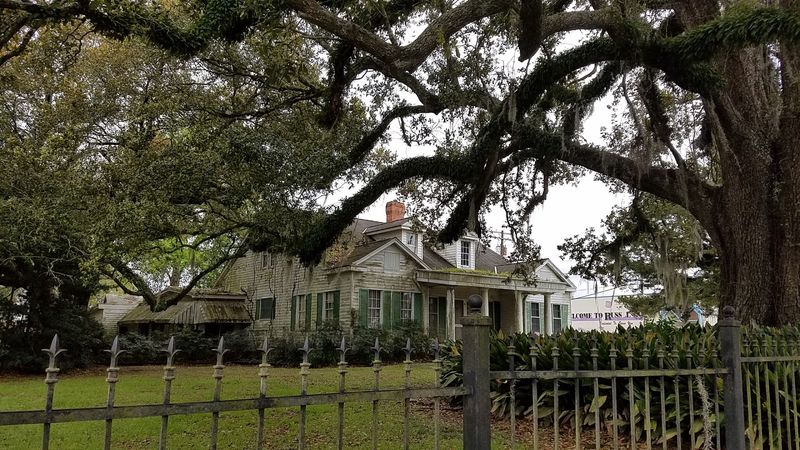
Where Bayou Teche meets Bayou Fuselier, Arnaudville has the kind of setting map lovers dream about. The town began as La Jonction, later took the Arnaud family name, and remains one of the clearest places to see Louisiana’s bilingual culture still working in daily life rather than surviving as decoration.
A large share of residents still speak Cajun French at home, which changes the feel of ordinary errands, greetings, and public events. Local arts spaces and music gatherings help keep that cultural confidence visible, while the annual Etouffee Festival celebrates another part of regional identity.
Bring curiosity more than a checklist here. Arnaudville is less about headline attractions and more about paying attention to storefronts, bayou views, handmade art, and the easy overlap between language, landscape, and community.
It is the town that rewards listening as much as looking closely.
3. Opelousas
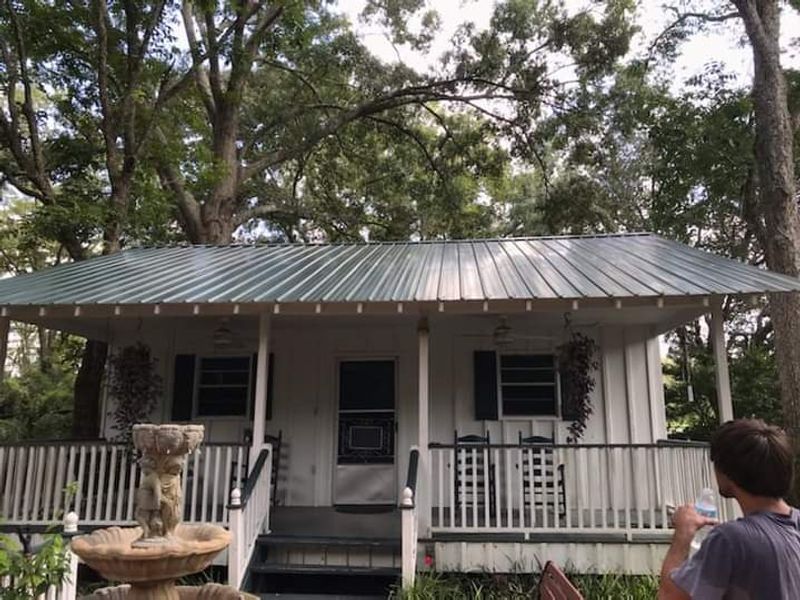
French traders were moving through this area long before Opelousas grew. Around 1720, French authorities established a trading post that connected routes between Natchitoches and New Orleans, building on a landscape already inhabited by the Opelousas people and Indigenous communities.
That early colonial role helps explain the city’s layered character. French Creole, Acadian, African, Native, and later American influences all contributed to local culture, especially through food and music.
Opelousas is the Zydeco Capital of the World, a title rooted in the Black Creole musical tradition that developed across southwest Louisiana.
Le Vieux Village offers a starting point. The heritage park gathers preserved buildings and local exhibits, while the city’s walking tour connects churches, civic sites, and neighborhoods carrying much older stories than the modern commercial strips suggest.
Do not reduce Opelousas to French heritage alone. Its strength lies in overlap.
Catholic records, Creole traditions, Cajun influence, zydeco, trade history, and African American culture all belong in the same conversation.
2. Thibodaux
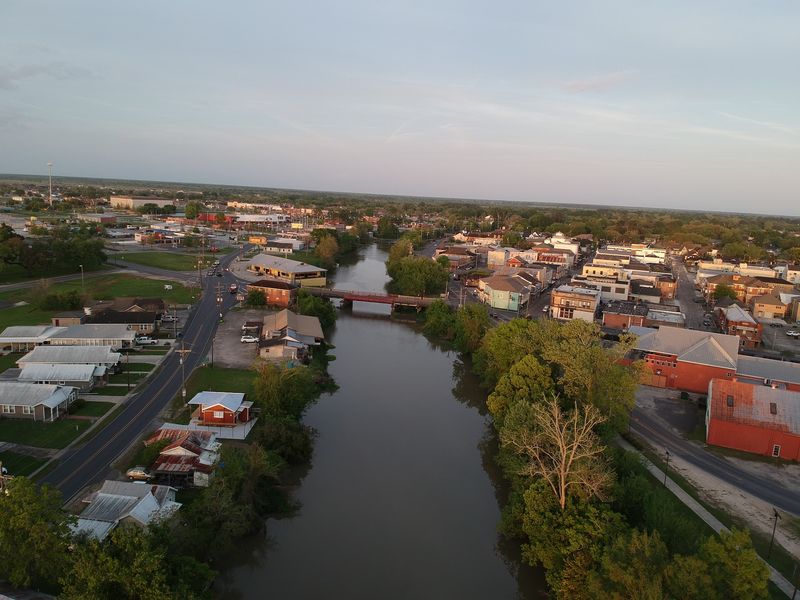
Bayou Lafourche gives this south Louisiana town both its shape and much of its cultural memory. Acadian families settled along the water after exile from Canada, adapting farming, fishing, boatbuilding, foodways, and family life to a landscape where the bayou functioned as road, pantry, workplace, and neighborhood boundary all at once.
The best introduction is the Wetlands Acadian Cultural Center, part of Jean Lafitte National Historical Park and Preserve. Exhibits explain how Acadians became Louisiana Cajuns, while ranger programs connect language and culture to the wetlands themselves.
The center also offers guided boat tours of Bayou Lafourche when scheduled.
Downtown adds historic buildings, churches, shops, and streets that still orient themselves around the water. French heritage is present, but it shares space with Native, African, Creole, Spanish, and American influences that shaped Lafourche Parish over generations.
I would begin at the cultural center, then walk outside with that context still fresh. The bayou stops looking like scenery once you understand how much depended on it.
Thibodaux’s old-world charm is not simply balconies and mossy trees.
1. Donaldsonville
The Mississippi River and Bayou Lafourche meet near a town whose history refuses to fit into one neat category. French colonists knew the broader area as Lafourche-des-Chitimachas, Acadian families later settled nearby, and Englishman William Donaldson purchased land in 1805 from Acadian Marguerite Allain before developing the community that took his name.
French remained deeply embedded even after that transition. The city’s own history notes that its largely French-speaking population called the new settlement La Ville de Donaldson.
Donaldsonville later served briefly as Louisiana’s state capital around 1830, giving the small river town an outsized political chapter.
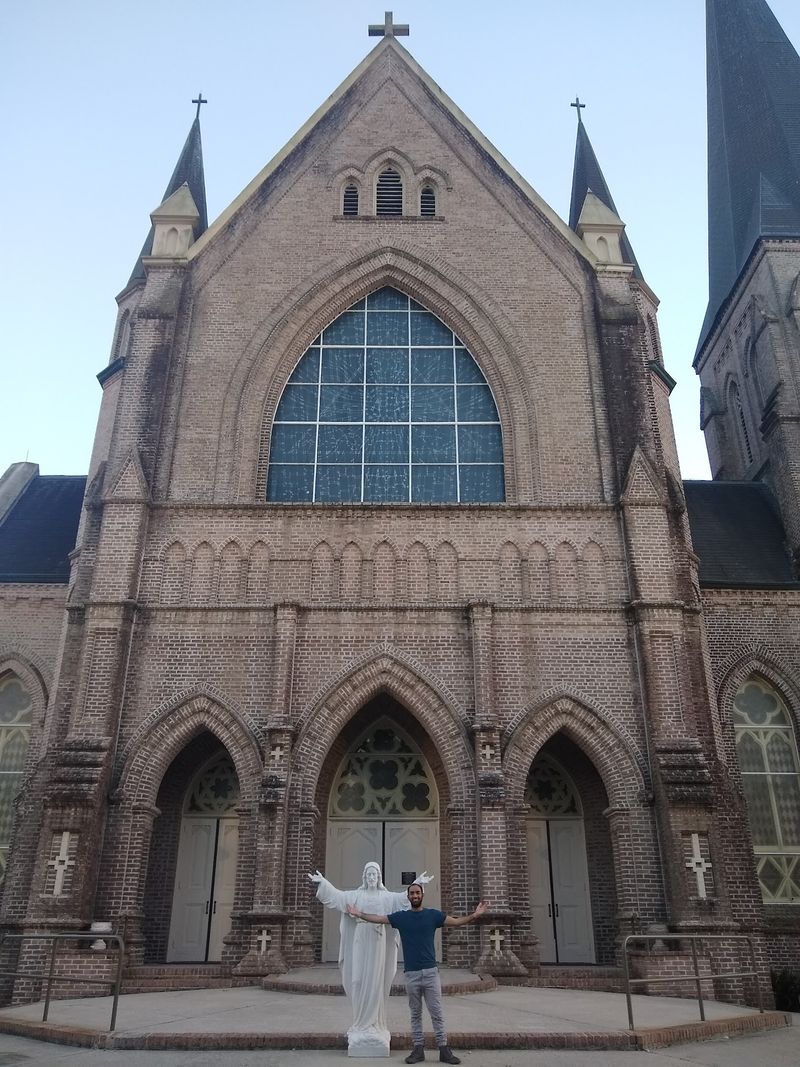
Architecture makes the history unusually visible. The large, remarkably intact historic district contains homes, churches, commercial buildings, and civic structures spanning the nineteenth and early twentieth centuries.
The River Road African American Museum adds essential context about slavery, emancipation, Reconstruction, and Black life in the region.
Walk rather than drive once you reach the historic core. Donaldsonville rewards attention to porches, churches, street patterns, and the relationship between town and river.