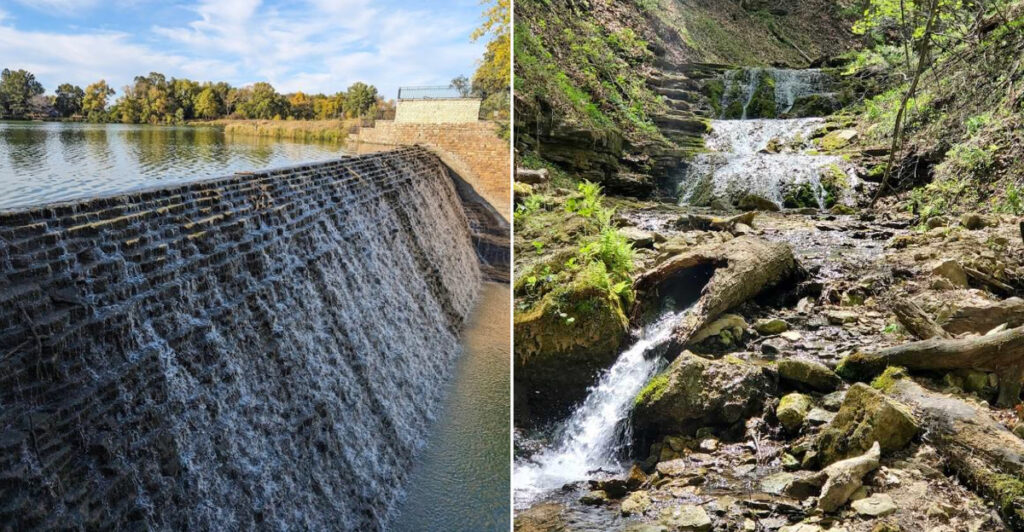
Iowa does not exactly walk around bragging about its waterfalls.
That is probably why finding one feels so satisfying. You follow a trail, hear water before you see it, and suddenly the state looks a little less predictable than it did five minutes earlier.
The best ones do not need a big entrance or a dramatic announcement.
They show up beside limestone bluffs, inside quiet parks, near cold springs, or down paths where the trees seem to know something you do not. A few are easy to reach.
Others make you earn the view just enough to feel clever about it.
These 8 Iowa waterfalls are small surprises with real staying power.
Bring decent shoes. Iowa is about to ruin its own flat reputation.
1. Dunning’s Spring Park, Decorah
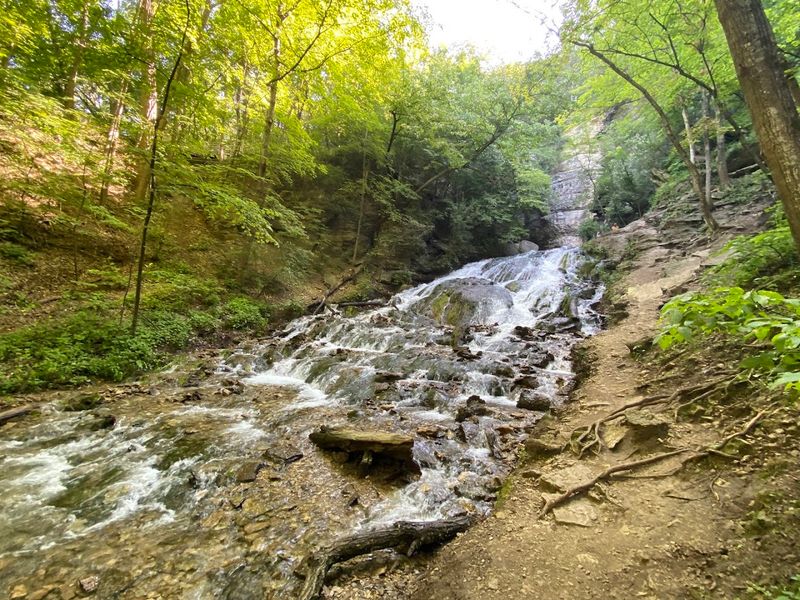
Right at the edge of Decorah, a waterfall drops over a mossy limestone ledge in a way that makes you stop mid-step and just stare.
Dunning’s Spring Park is one of those places that earns its reputation without trying too hard. The waterfall here spills into a small, clear pool, and the surrounding bluffs create a natural amphitheater of greenery that feels almost theatrical.
The trail leading to the falls is short and manageable, making it a great spot for families with younger kids or anyone who prefers a relaxed walk over a serious hike.
Spring and early summer are the best times to visit, when snowmelt and rain push the falls to their most dramatic flow. The park is also connected to a network of trails that wind through the Decorah area, so you can easily extend your adventure if you have the energy.
One of the things I love most about this spot is how accessible it is without feeling crowded or over-developed. There are no entrance fees, no long lines, and no gift shops.
Just water, rock, and trees doing their thing.
Locals often bring their dogs here on weekend mornings, and the vibe is relaxed and welcoming. If you time your visit for a weekday, you might have the whole place nearly to yourself.
Decorah itself is worth exploring before or after your visit, with a charming downtown full of cafes and bakeries.
Dunning’s Spring Park is the kind of place that quietly becomes your favorite without making a big announcement about it.
2. Malanaphy Springs State Preserve, Decorah
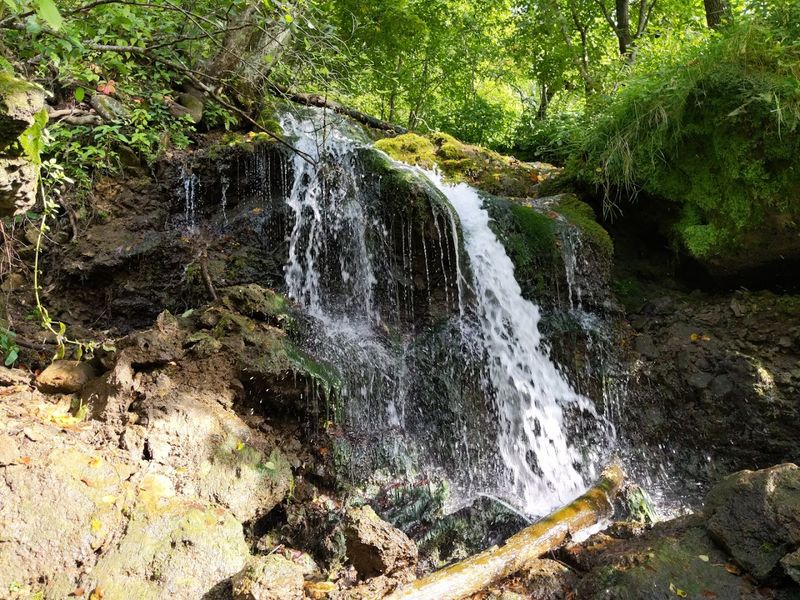
There is something almost otherworldly about a spring that simply appears from the side of a hill, as if the earth decided to share something it had been keeping to itself.
Malanaphy Springs State Preserve, located just outside Decorah along Bluffton Road, is exactly that kind of place.
Water seeps and flows from natural springs along a wooded bluff, creating a series of small cascades that tumble toward the Upper Iowa River below.
The preserve is a designated state natural area, which means it has been protected specifically because of its ecological value.
You will find rare plant species here, including several types of ferns and wildflowers that thrive in the cool, moist microclimate created by the springs.
The trail into the preserve is unpaved and can be muddy after rain, so waterproof footwear is a smart call. The hike is not particularly long, but the terrain has some uneven sections that keep you paying attention to where you step.
I visited on a quiet Tuesday in late May, and the air smelled like damp earth and fresh leaves in the best possible way. The sound of water running over rocks followed me the entire walk, which felt like a natural soundtrack for the whole experience.
Because this is a state preserve rather than a developed park, there are minimal facilities, so come prepared with water and snacks. The lack of infrastructure is honestly part of the charm.
Photographers will find the layered textures of moss, limestone, and flowing water endlessly interesting here. Every angle offers something worth framing.
3. Bridal Veil Falls At Pikes Peak State Park, McGregor
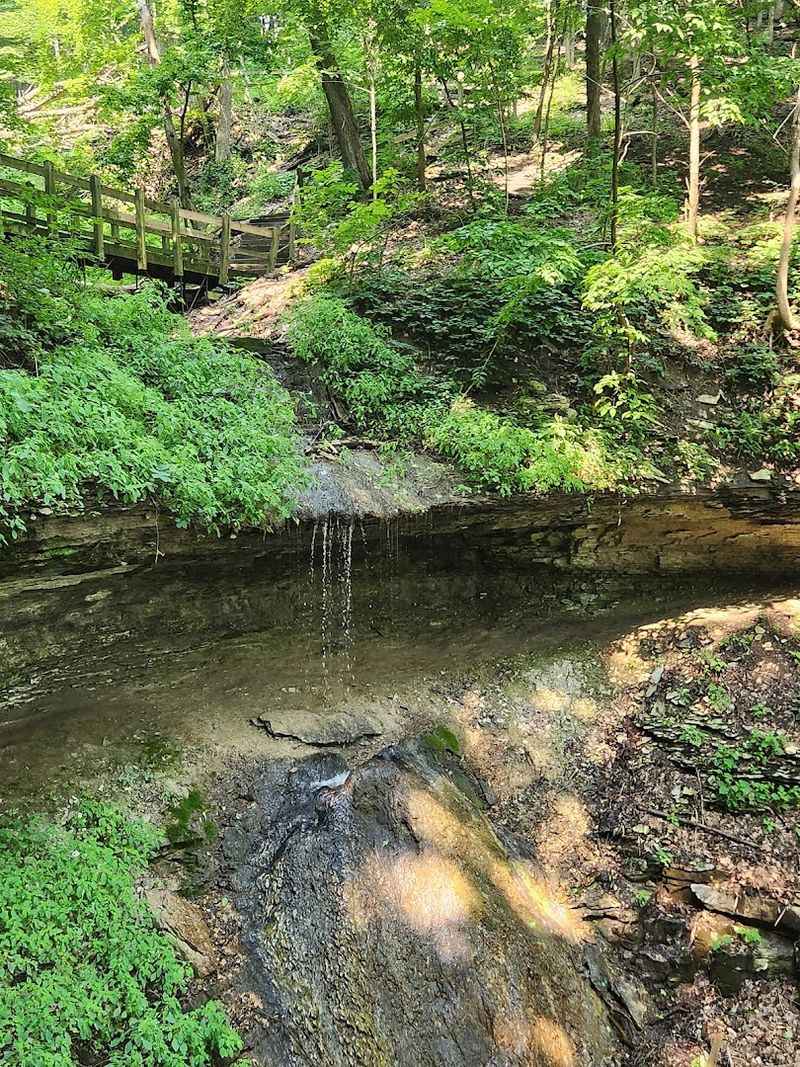
Not every waterfall gets to share its park with a view of the Mississippi River, but Bridal Veil Falls at Pikes Peak State Park near McGregor is not your average waterfall.
The falls themselves drop in a narrow, elegant stream down a limestone face, earning the name Bridal Veil in a way that actually makes sense once you see the delicate, wispy flow up close.
Pikes Peak State Park sits on one of the highest bluffs above the Mississippi River in the entire state, and the overlooks here are genuinely jaw-dropping.
Pairing the waterfall with those panoramic views makes this one of the most rewarding stops on any Iowa outdoor itinerary.
The trail to the falls is a half-mile boardwalk route from the main park area, with steps and wooded scenery along the way. It is short, scenic, and very doable for many visitors, though the stairs can still make the return feel like a real climb.
Fall foliage season transforms this area into something spectacular, with the bluffs turning shades of orange, gold, and deep red that reflect beautifully in the river below.
If you can only visit once, late September through mid-October is a strong argument for that timing.
McGregor itself is a small river town with a friendly, unhurried atmosphere. There are a handful of local restaurants and shops worth checking out after a day on the trails.
Bridal Veil Falls rewards the effort it takes to reach it with a combination of natural beauty and sweeping scenery that is hard to match anywhere in Iowa.
4. Beulah Falls At Spook Cave And Campground, McGregor
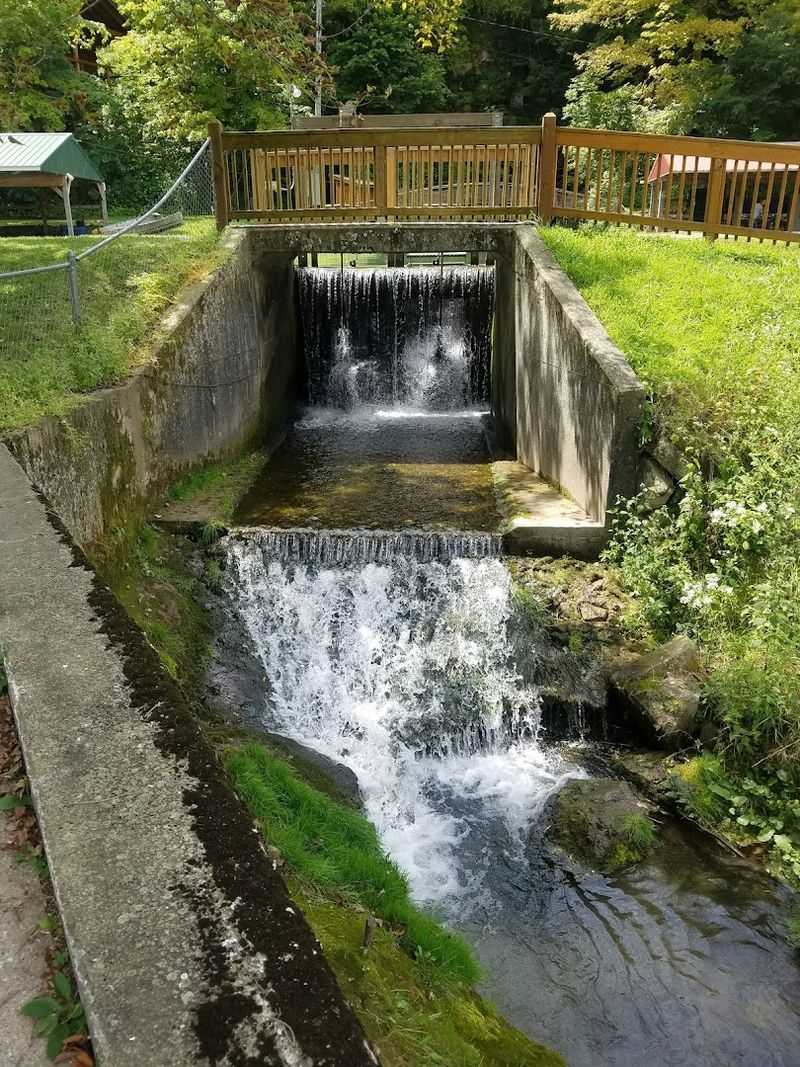
Spook Cave already sounds like the beginning of a great adventure, and the fact that it comes with its own waterfall only adds to the appeal.
Beulah Falls sits inside Spook Cave and Campground on Spook Cave Road in McGregor, Iowa.
The falls are modest in size but carry a lot of personality, flowing through the campground setting and giving visitors another reason to slow down before or after the cave experience.
Most visitors come here primarily for the cave tour, which involves floating through an underground cavern on a small boat, but the waterfall is worth noticing in its own right.
Official visitor information lists Beulah Waterfall as free to visit and open May through October.
The campground setting gives Beulah Falls a relaxed, unhurried quality. If you stay overnight during the operating season, you can visit the falls when the campground is quieter and the day is just getting started.
The combination of cave, falls, campground, and wooded surroundings makes this spot feel like a complete outdoor experience rather than just a single attraction.
Kids absolutely love the dual appeal of a spooky cave and a waterfall, so this is a strong pick for families looking for something that holds everyone’s attention. The campground facilities are well-maintained and the staff are genuinely friendly.
Arriving at Beulah Falls after a cave tour feels like the perfect natural finale to a day that already had plenty of surprises up its sleeve.
5. Big Springs Nature Area, Guttenberg
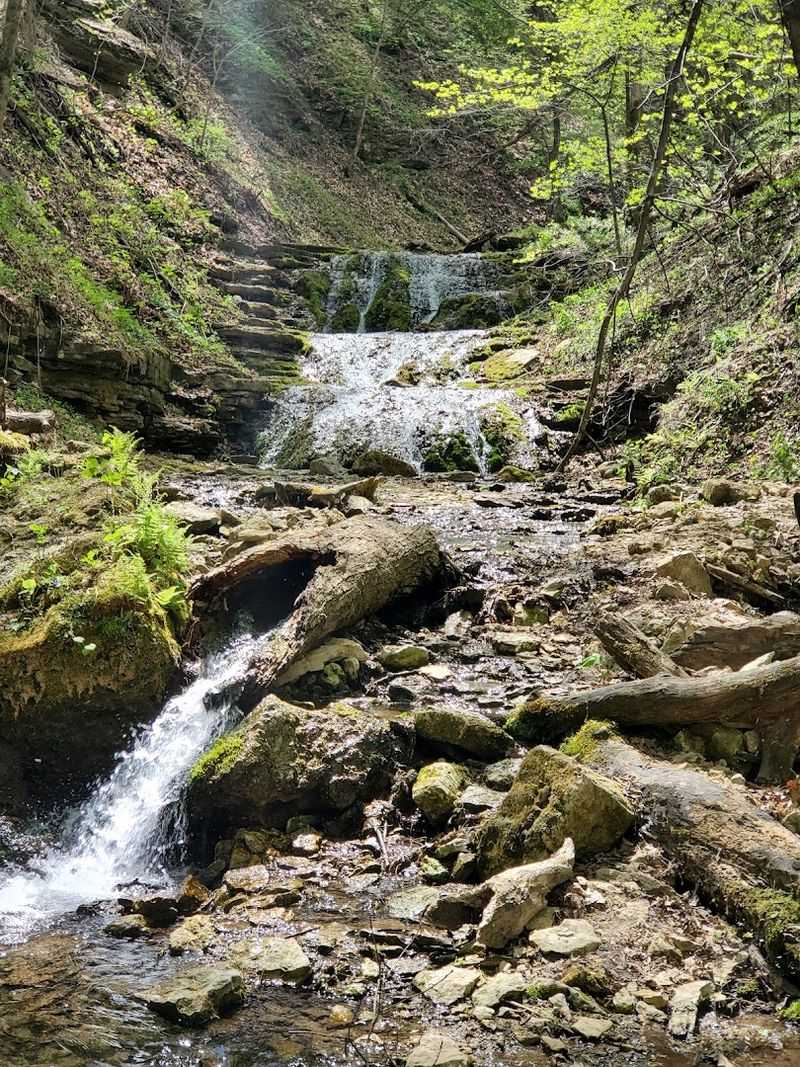
There are springs, and then there are springs that make you question how something so clear and cold can just be sitting there in the middle of the woods waiting for you to find it.
Big Springs Nature Park, located along the Great River Road near Guttenberg in northeast Iowa, is one of the state’s most impressive small spring-and-cascade stops.
Water emerges from the property and moves through a coldwater stream that cascades down limestone bedrock, creating a natural stair-step effect with more than 100 feet of total vertical drop within the 11-acre area.
The limestone geology of this part of Iowa is responsible for the spring’s output, and the water stays cold enough to give the whole place a crisp, refreshing feel even on warm days.
The nature area is relatively undeveloped, which means the experience feels genuinely wild rather than packaged for tourism.
There are no interpretive signs every ten feet or paved walkways guiding you along.
You simply follow the sound of water and let the landscape unfold.
Guttenberg itself sits along the Mississippi River and has a charming small-town character worth exploring. The town’s main street offers a few local eateries and some pleasant river views that complement a day spent in the surrounding countryside.
Early morning visits to Big Springs reward you with the best light for photography, when the sun filters through the canopy and catches the movement of the water at just the right angle.
Big Springs Nature Park is the kind of place that reminds you why protecting natural spaces matters so much, because some things are worth keeping exactly as they are.
6. Duck Creek Waterfall At Devils Glen Park, Bettendorf
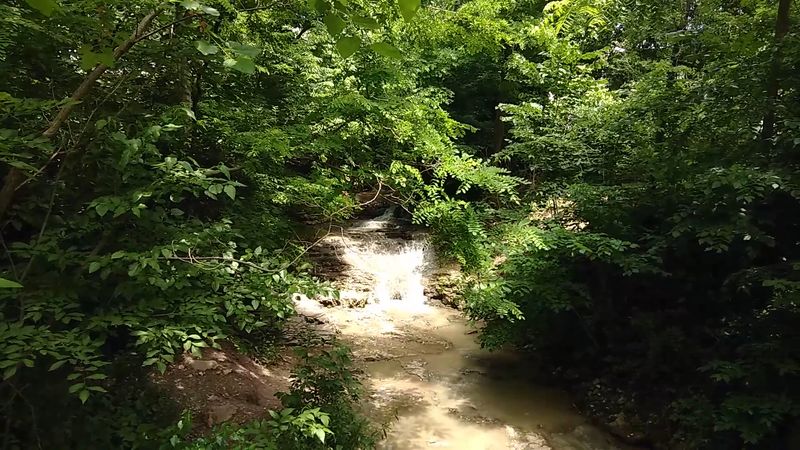
Sometimes a waterfall surprises you not because of its size, but because of where it shows up when you least expect it.
Duck Creek Waterfall at Devils Glen Park on Devils Glen Road in Bettendorf is exactly that kind of surprise.
Nestled inside a wooded ravine within a city park, this small but lively waterfall tumbles over a rocky ledge into a shallow pool, looking almost out of place in such an urban setting.
Devils Glen Park is a popular local destination for hiking, mountain biking, and nature walks, and the waterfall is one of its quieter highlights.
Many people who use the trail system regularly still have not found this particular spot, which keeps it feeling like a genuine discovery.
The park has a well-developed trail network that winds through oak and hickory forest, and the creek trail that leads to the falls is one of the most scenic routes in the system.
Wooden footbridges cross the creek at several points, giving you different perspectives on the water as you move through the park.
Spring is the most dramatic time to visit, when rainfall swells Duck Creek and the falls run with real energy. By midsummer, the flow slows considerably, but the surrounding greenery and the cool air near the water still make it a worthwhile stop.
Bettendorf is part of the Quad Cities area, so there is no shortage of places to eat and explore after your hike. The contrast between the urban surroundings and the wild feeling of the ravine is part of what makes this spot so interesting.
Duck Creek Waterfall proves that you do not always need to drive hours into the countryside to find something worth standing still for.
7. Briggs Woods Park Waterfalls, Webster City
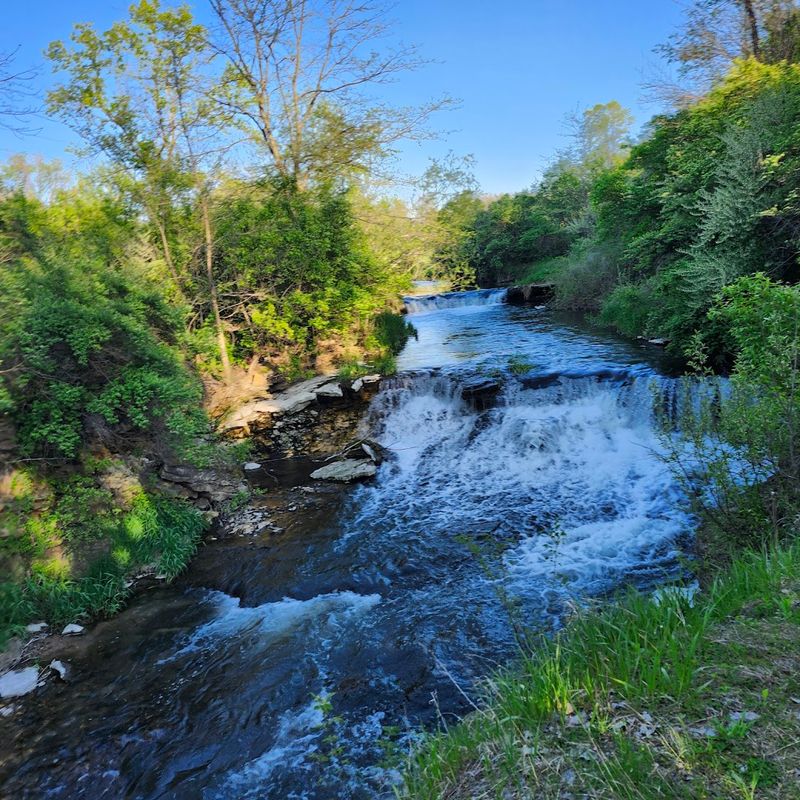
Webster City might not be the first place that comes to mind when you think about Iowa waterfalls, but Briggs Woods Park has been quietly making a case for itself for years.
Located along Briggs Woods Trail, this park includes a beautiful stretch of woodland near the Boone River, and its waterfall area rewards visitors willing to follow the right trail instead of staying only around the main lake and campground areas.
The waterfalls are especially vibrant in spring and early summer when water levels are high. The trailhead for the Waterfall Trail is past the large Red Barn Shelter, with access near the Osprey Trail and the end of the road, according to Travel Iowa’s current listing.
Fall is also a rewarding time to visit Briggs Woods, when the hardwood canopy turns into a full display of amber, russet, and gold.
The waterfalls take on a different character in autumn, framed by color and reflected light in a way that is hard to capture in a photo but easy to remember in person.
The park also has a campground, a golf course, and a lake, making it a versatile destination for a weekend trip. You can easily spend a full day here without running out of things to do or see.
Birdwatchers will find the wooded corridors along the river particularly productive, especially during spring and fall migration when songbirds move through in large numbers.
Briggs Woods Park is the kind of place that locals have been enjoying for generations, and the fact that it remains largely off the tourist radar is, honestly, a big part of its appeal.
8. Beed’s Lake Spillway At Beeds Lake State Park, Hampton
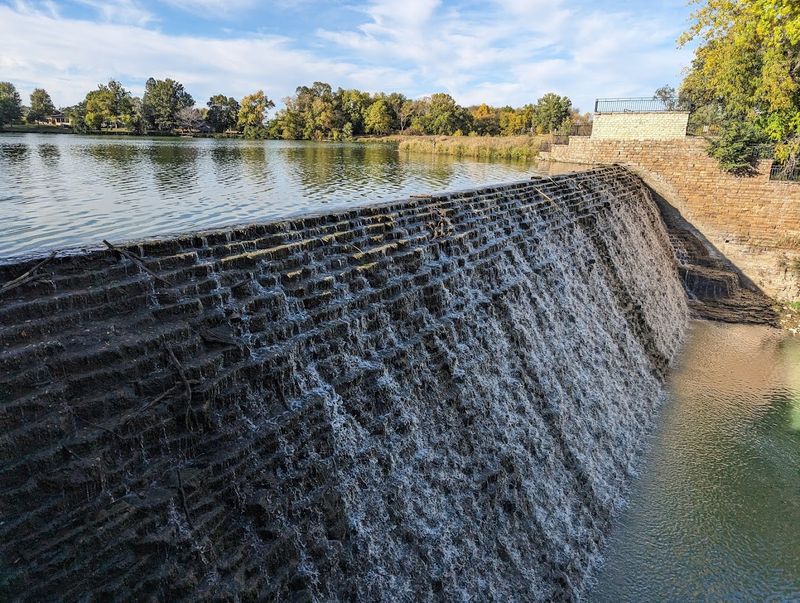
Not all waterfalls are born from springs or snowmelt. Some of the most satisfying ones are the result of human craftsmanship working in harmony with the natural landscape.
The spillway at Beed’s Lake State Park on 165th Street near Hampton is a perfect example of that partnership.
Built in the 1930s by the Civilian Conservation Corps, the stone dam creates a controlled waterfall that spills into the creek below with a steady, rhythmic energy that is strangely calming to watch.
The CCC construction throughout the park gives Beed’s Lake a historic character that sets it apart from more modern facilities.
The stonework is beautifully crafted, and the spillway in particular has a rugged, old-world quality that photographers tend to find irresistible.
The lake itself covers about 100 acres and is popular for fishing, swimming, and paddling, so the spillway waterfall is just one part of a larger outdoor experience.
Camping facilities here are well-maintained, and the park draws a steady crowd of families and outdoor enthusiasts throughout the warmer months.
Winter visits offer a completely different perspective, when cold temperatures cause ice to form around the edges of the spillway and frost coats the surrounding vegetation. The stark, quiet beauty of the park in January is something most visitors never think to experience.
Hampton is a small central Iowa town with a friendly community feel, and the state park is clearly a source of local pride.
The combination of history, natural beauty, and recreational variety makes Beed’s Lake State Park one of the most complete outdoor destinations in the region.
The spillway waterfall may not be the tallest or most dramatic on this list, but it carries a kind of timeless, steady grace that stays with you long after you have driven home.