Some towns do not need filters, fancy angles, or perfect weather to look postcard-ready.
Across Kansas, historic main streets, old storefronts, courthouse squares, and quiet corners still carry the kind of charm that makes a simple visit feel like stepping into a slower chapter.
These are the places where the past does not feel dusty. It feels walkable, welcoming, and surprisingly easy to enjoy.
A good historic town can turn a casual drive into a full afternoon, with local shops, small museums, scenic streets, and the kind of character that newer places try hard to copy.
The best part is how naturally they invite you to linger. More than once, a quick stop for coffee has turned into me wandering block after block, taking photos of buildings I did not plan to notice and leaving with a much better story than expected.
1. Abilene, Dickinson County
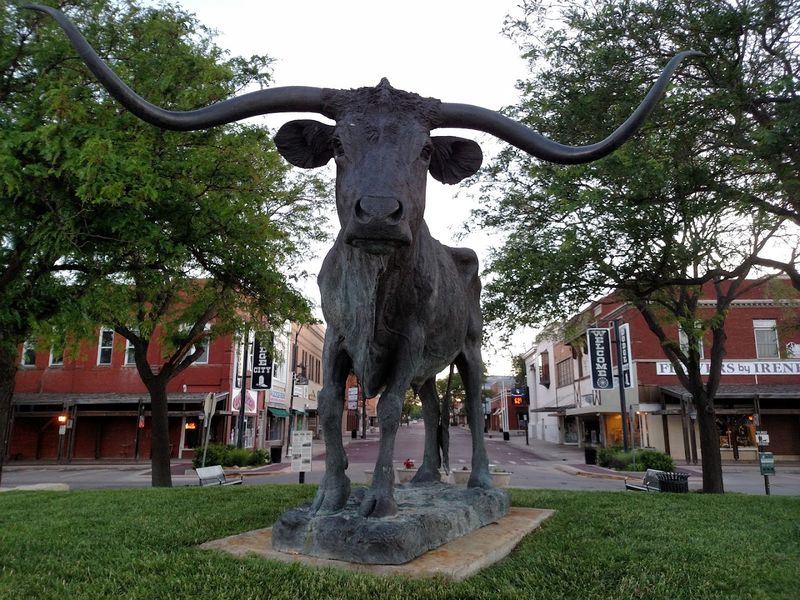
Long before it became famous as the boyhood home of President Dwight D. Eisenhower, Abilene was already earning its place in American legend as the northern terminus of the Chisholm Trail.
Cowboys drove 1.5 million longhorn cattle through this Dickinson County town from 1867 to 1871, and the energy of that era still crackles along its brick-paved streets today.
The Eisenhower Presidential Library and Museum draws history lovers from across the country, offering a deeply personal look at one of America’s most beloved leaders.
Old Abilene Town recreates the Wild West streetscape with impressive authenticity, making it easy to imagine life in the cattle-drive days.
The Dickinson County Heritage Center adds another layer, showcasing a beautifully restored C.W. Parker carousel that has been spinning joy for generations.
Abilene is the kind of place where every corner holds a story, and the friendly, unhurried pace of life makes you want to linger far longer than planned.
2. Dodge City, Ford County
Few place names carry as much Wild West weight as Dodge City, and this Ford County legend earns every bit of its reputation.
Founded in 1872 alongside the Atchison, Topeka and Santa Fe Railway, Dodge City quickly became the rowdiest cattle town on the Great Plains, drawing lawmen like Wyatt Earp and Bat Masterson to keep the peace.
Today, the Boot Hill Museum recreates Front Street with remarkable detail, putting visitors right in the middle of the frontier drama that made Dodge City famous worldwide.
The museum’s costumed interpreters and live performances bring a playful, theatrical energy that families genuinely enjoy.
Beyond the tourist attractions, Dodge City retains a working-town authenticity that feels refreshingly grounded.
The surrounding Ford County landscape stretches wide and golden under enormous skies, reminding you exactly why the pioneers found this land both breathtaking and humbling.
Dodge City rewards curious visitors who slow down long enough to really listen to what its streets are still saying.
3. Atchison, Atchison County
Perched on dramatic bluffs above the Missouri River, Atchison has a commanding presence that very few Kansas towns can match.
Founded in 1854, this Atchison County city played a pivotal role in the territorial conflicts that earned Kansas the nickname Bleeding Kansas, and its streets still feel weighted with that complicated, important history.
Atchison is also the birthplace of Amelia Earhart, the legendary aviator whose spirit of adventure seems entirely at home in a town built on ambition and grit.
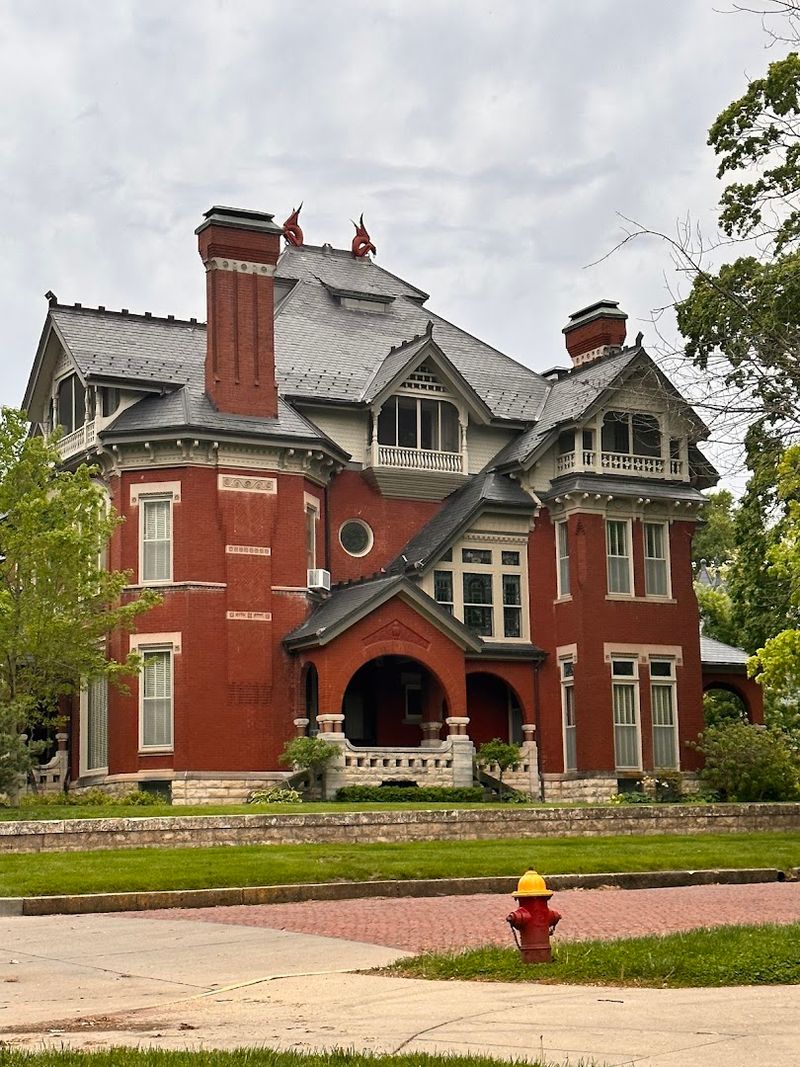
The Amelia Earhart Birthplace Museum offers an intimate, well-curated look at her early life in a beautifully preserved Victorian home overlooking the river.
Beyond Earhart, Atchison is celebrated for its grand collection of 19th-century architecture, including stunning Gothic Revival churches that look like they belong in a European village.
Atchison also leans into its reputation as one of Kansas’s most famously haunted cities, adding a spooky, irresistible layer of intrigue to every visit.
4. Leavenworth, Leavenworth County
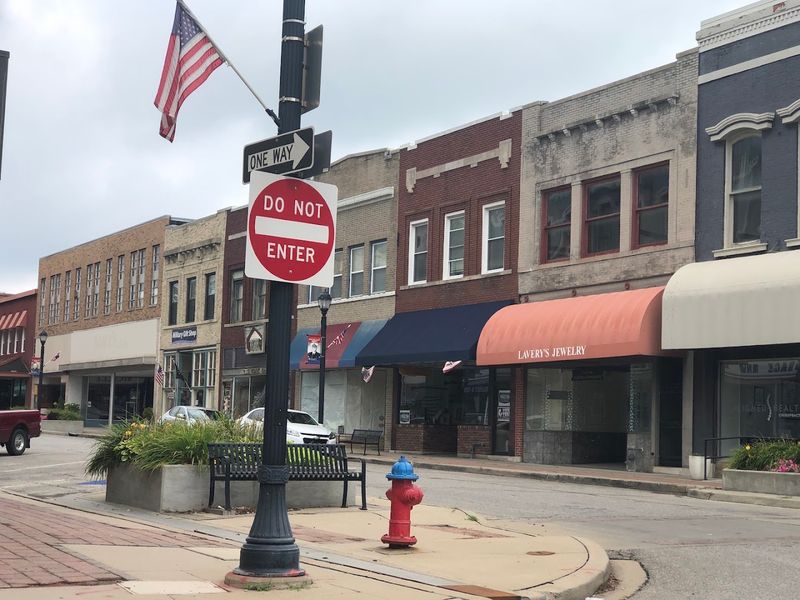
Kansas’s oldest city carries its age with remarkable confidence, and Leavenworth rewards every visitor who takes the time to explore its layered, complex story.
Established in 1854 as the first city in Kansas, Leavenworth grew up near Fort Leavenworth, one of the oldest continuously operating military posts in the United States.
The fort’s history stretches back to 1827, and its Frontier Army Museum does a superb job of chronicling the soldiers, campaigns, and personalities that shaped the American West.
Downtown Leavenworth is a treasure chest of 19th-century commercial architecture, with beautifully restored brick storefronts housing local shops and eateries that feel genuinely rooted in the community.
The city’s position along the Missouri River gave it enormous commercial importance in the mid-1800s, and that river heritage still shapes the local character in meaningful ways.
Walking through Leavenworth feels like flipping through a well-illustrated history book, one where every page offers something unexpected and worth pausing over in each direction.
5. Lindsborg, McPherson County
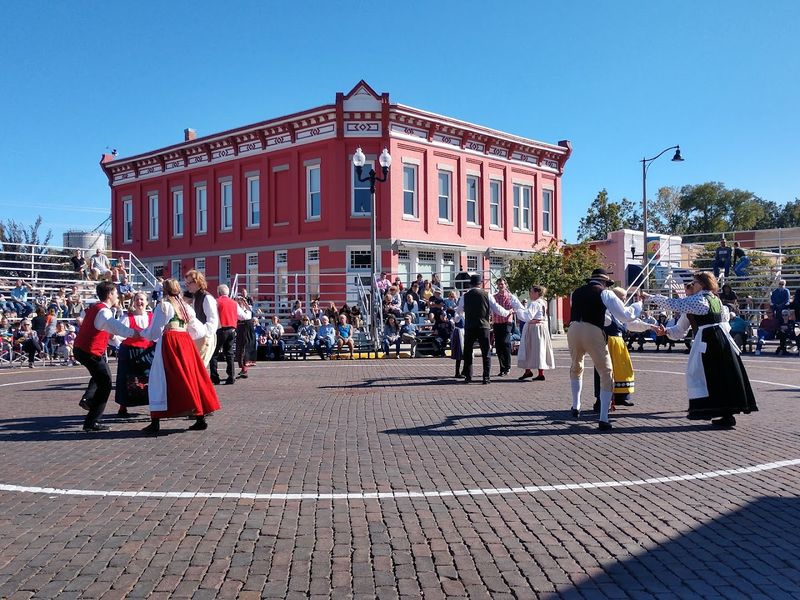
Step into Lindsborg and you might briefly wonder if you have been transported to Scandinavia, because this McPherson County town wears its Swedish heritage with extraordinary pride and flair.
Founded in 1869 by Swedish immigrants, Lindsborg has carefully preserved and celebrated its cultural roots in ways that feel genuine rather than gimmicky.
Colorful Dala horse sculptures stand at nearly every corner, and the downtown storefronts are painted in bright folk-art patterns that make the whole town feel like a festive open-air gallery.
Bethany College, established in 1881, anchors the community intellectually and artistically, hosting the world-famous Messiah Festival of Arts every spring, a tradition dating back to 1882.
The Birger Sandzen Memorial Gallery on the Bethany campus houses an impressive collection of works by the Swedish-American painter, whose bold, colorful landscapes perfectly capture the Kansas plains.
Lindsborg has earned its nickname Little Sweden USA, and a single afternoon wandering its streets will show you exactly why that title fits so perfectly.
6. Council Grove, Morris County
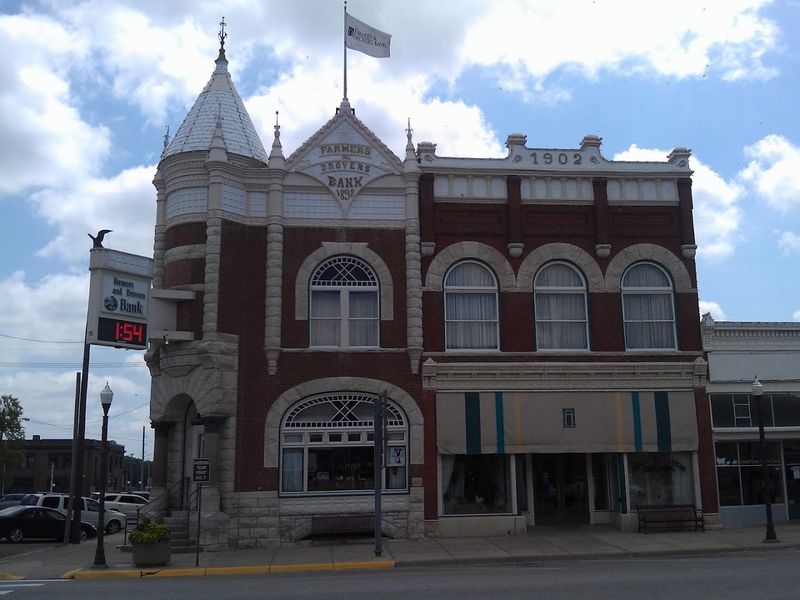
Council Grove holds one of the most significant addresses on the entire Santa Fe Trail, and the town has done a beautiful job of preserving that legacy for modern visitors to appreciate.
In 1825, U.S. commissioners met with Osage Nation leaders beneath a massive oak tree here in Morris County, negotiating the right of safe passage for American traders heading west, an agreement that shaped the future of the entire region.
The town that grew around that historic grove still features more than two dozen nationally recognized historic sites, a concentration that would make any preservation advocate deeply happy.
The Kaw Mission, opened in 1851, stands as one of the most poignant landmarks, telling the complicated story of the Kaw Nation’s relationship with American expansion.
Council Grove’s stone buildings, many constructed from native limestone in the mid-1800s, give the town a sturdy, enduring beauty that photographs can barely do justice.
This is one of those rare places where the history feels alive rather than archived for every thoughtful traveler passing through.
7. Fort Scott, Bourbon County
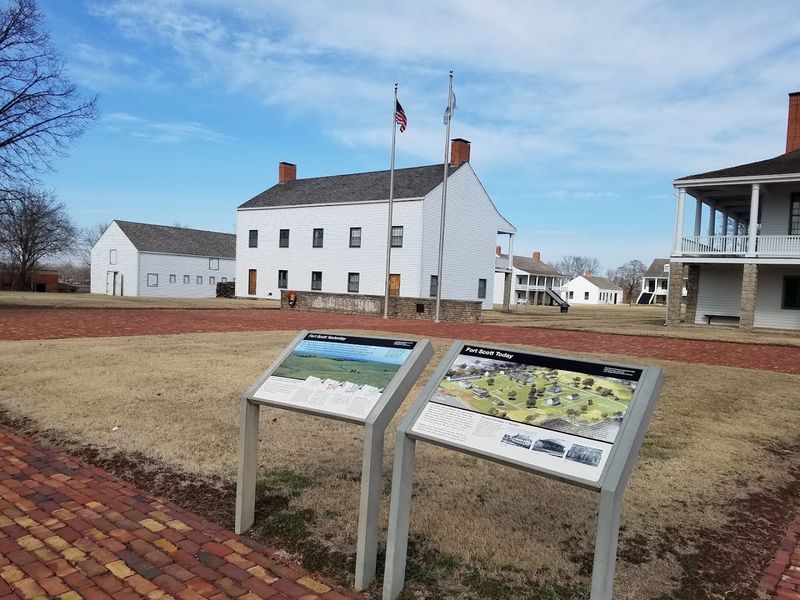
The name Fort Scott carries a certain gravity, and arriving in this Bourbon County city for the first time makes that weight immediately understandable.
Established as a military outpost in 1842, Fort Scott sat at the crossroads of enormous national tensions, serving as a flashpoint during the Bleeding Kansas crisis and later as a major Union Army base during the Civil War.
The Fort Scott National Historic Site preserves twenty original and restored 19th-century buildings arranged around a parade ground, creating one of the most visually complete frontier military landscapes in the entire country.
Costumed living history programs bring the garrison’s daily routines to life with impressive detail, making it easy to connect emotionally with the people who lived and served here.
Beyond the historic site, Fort Scott’s downtown is filled with handsome Victorian commercial architecture and locally owned businesses that give the city a warm, lived-in character.
Fort Scott is the kind of place that changes how you think about American history, quietly and permanently.
8. Cottonwood Falls, Chase County
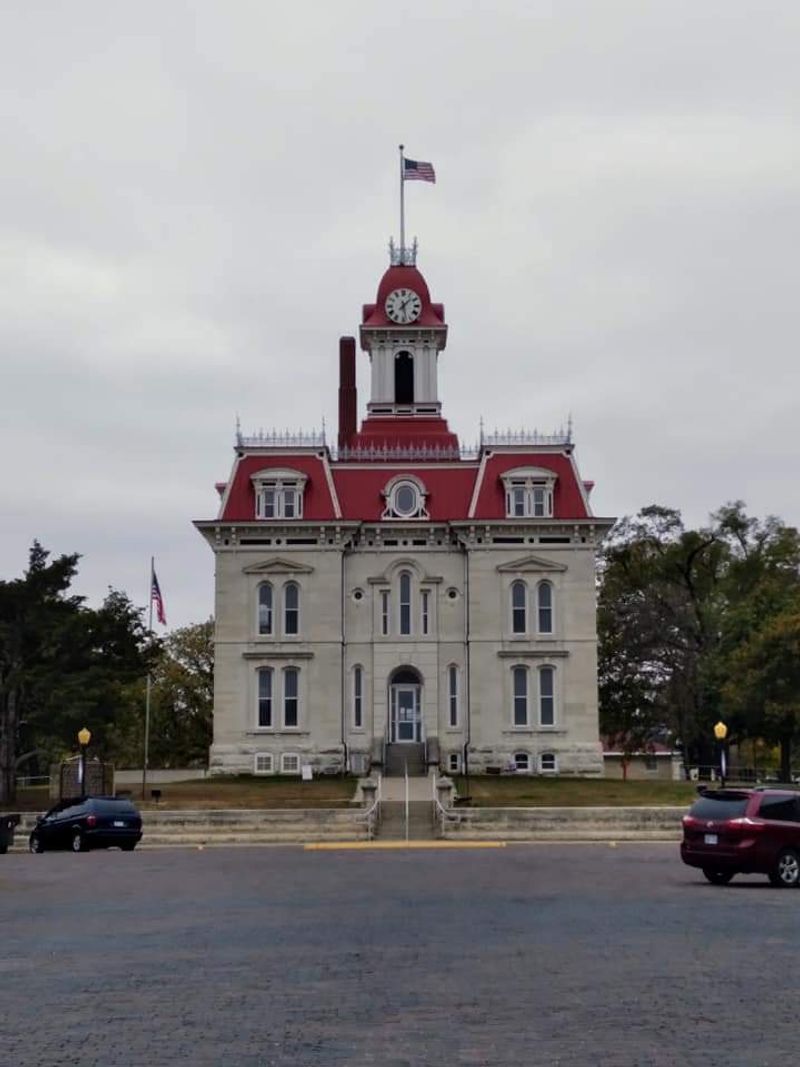
Sitting at the heart of the Flint Hills, Cottonwood Falls is arguably the most scenically positioned small town in all of Kansas, and the view from almost any direction confirms that claim beautifully.
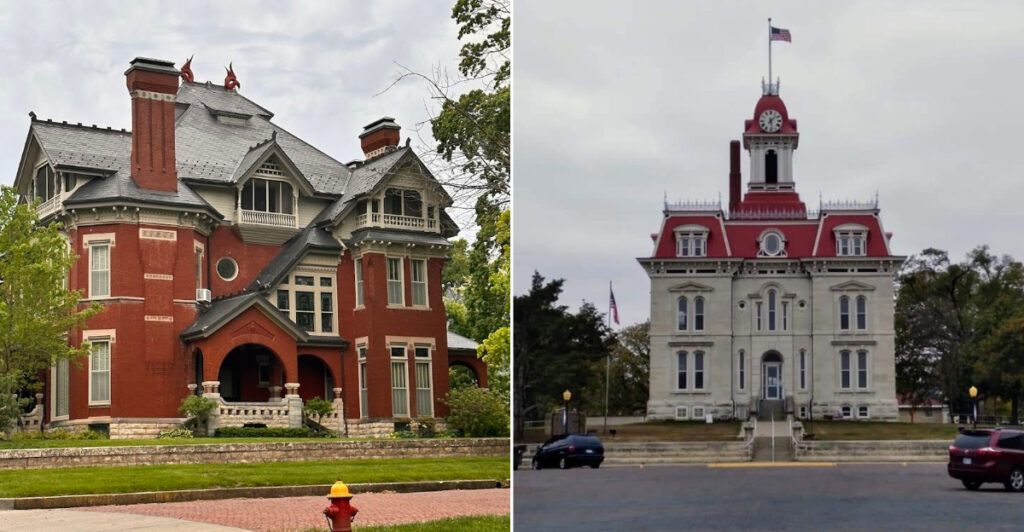
The Chase County Courthouse, completed in 1873, is the oldest operating courthouse in Kansas and one of the most photographed buildings in the state, its French Renaissance limestone tower rising improbably and magnificently above the surrounding prairie.
Cottonwood Falls earned a devoted literary following after writer William Least Heat-Moon featured Chase County in his celebrated 1991 book PrairyErth, introducing readers worldwide to the quiet power of the Flint Hills landscape.
The Tallgrass Prairie National Preserve, just a short drive from town, protects one of the last remaining stretches of true tallgrass prairie on earth, a landscape so vast and subtle it takes time to fully appreciate.
Cottonwood Falls itself is tiny, with a population hovering around 900, but its art galleries, antique shops, and local eateries punch well above that number in charm and quality.
9. Marysville, Marshall County
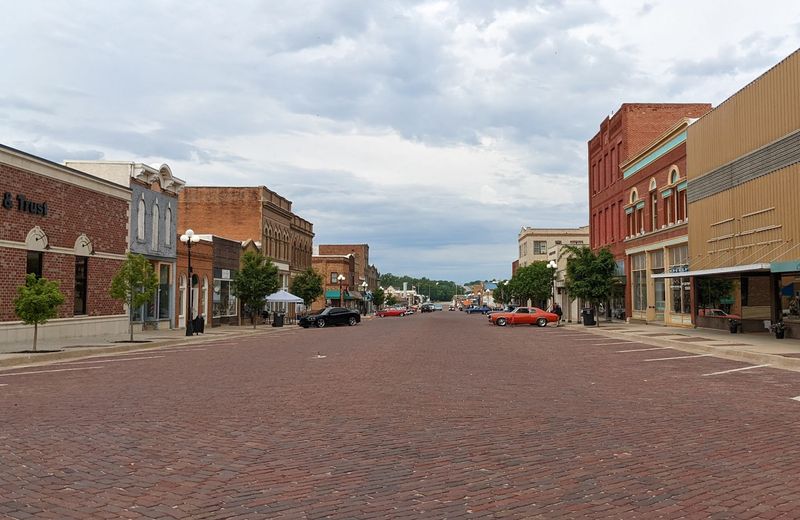
Marysville might be small, but this Marshall County town carries a surprising amount of American frontier history within its friendly, well-kept town streets today.
The town preserves America’s last original Pony Express home station, and the Pony Express Home Station No. 1 Museum, housed in an 1859 stone barn, tells that story with genuine warmth and detail.
Riders heading west from St. Joseph, Missouri, passed through Marysville before pushing further into the unknown, making the town a genuine gateway to the frontier era on the trail’s Kansas side.
Beyond the Pony Express heritage, Marysville is famous across Kansas for its beloved black squirrel population, a quirky local distinction that the town celebrates with a pride that is completely endearing.
The historic downtown is anchored by a beautifully restored 1930s theater and a collection of well-maintained commercial buildings that give Marysville a tidy, prosperous Main Street energy.
Few towns this size manage to pack in this much personality, history, and genuine community spirit all at once.
10. Hays, Ellis County
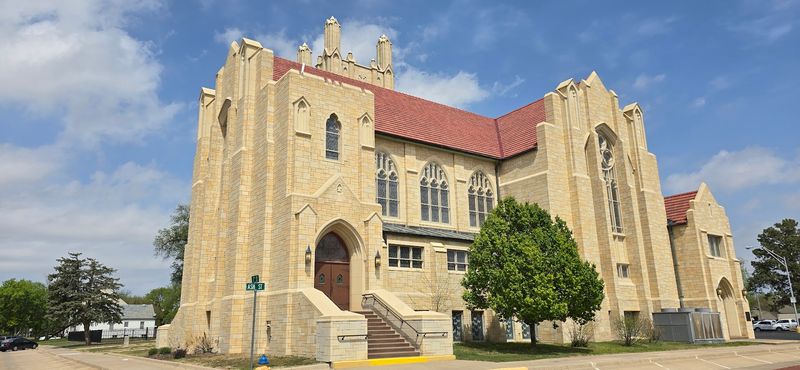
Founded in 1867 to protect workers building the Kansas Pacific Railroad, Hays grew up fast and rough, attracting a cast of frontier characters that reads like a who’s-who of Wild West mythology.
Wild Bill Hickok served as sheriff here in Ellis County for a brief but eventful stretch, and the stories from that period are colorful enough to fill several novels.
Fort Hays State Historic Site preserves four original limestone buildings from the military post, including the blockhouse and the officers’ quarters, offering a tangible connection to the town’s turbulent founding years.
Hays has grown into a vibrant regional city anchored by Fort Hays State University, which gives the community an intellectual and cultural energy that keeps things lively year-round.
The Sternberg Museum of Natural History on the university campus is a genuine standout, housing world-class paleontology exhibits including a remarkable fish-within-a-fish fossil discovered in the region’s ancient seabed.
Hays balances frontier grit with modern vitality in a way that makes every visit feel layered and rewarding.
11. Wamego, Pottawatomie County
There is no place like Wamego, and that is not just a clever nod to its most famous claim to fame.
This Pottawatomie County town of about 5,000 people has built a genuinely charming identity around its connection to L. Frank Baum’s beloved story, and the Oz Museum is the sparkling centerpiece of that celebration.
Wamego’s Oz Museum houses one of the largest collections of Wizard of Oz memorabilia in the world, with artifacts spanning the original 1900 book publication all the way through the iconic 1939 film and beyond.
But Wamego is far more than just Oz, and spending time here reveals a town with deep roots and a strong sense of community pride.
The Columbian Theatre, built in 1895 and restored to its original grandeur, hosts live performances and art exhibitions that draw visitors from across the region.
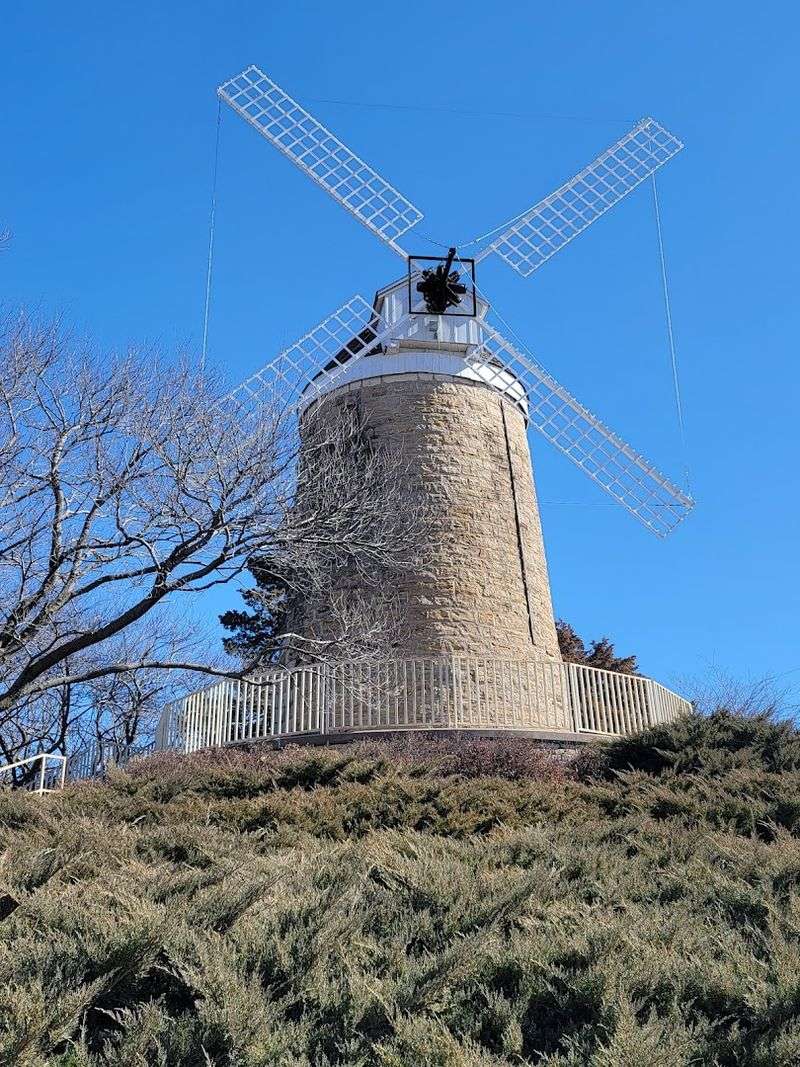
Wamego’s beautifully maintained city park, complete with a historic Dutch windmill built in 1879, adds a storybook quality to the town that feels entirely earned and completely genuine.