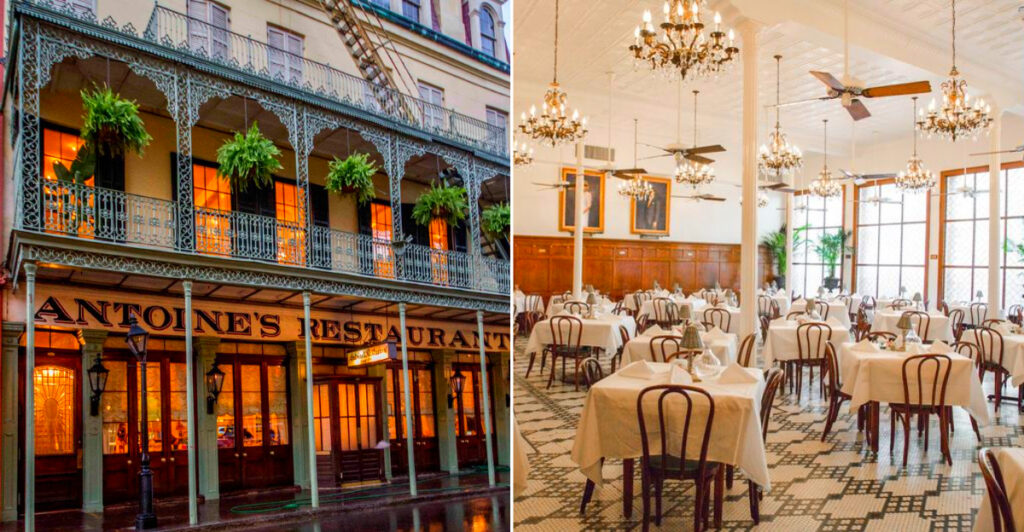
Restaurants that opened last month cannot compete with restaurants that opened before my grandparents were born. There is something about walking through a door that has swung open for over a century that changes the way you taste your food.
The recipes at these places have survived wars, floods, and every trend that promised to reinvent dining. I ordered oysters at a table where the dish was invented. I ate gumbo at a place that has been serving it since the 1800s.
I sat in a courtyard where generations of families have celebrated birthdays and ordinary Tuesday nights. Each restaurant on this list carries the weight of history in its walls and its kitchen. The waiters know the menu by heart.
The recipes are locked in. If you want to taste Louisiana through the centuries, these twelve institutions deliver it plate by plate without compromise.
12. Antoine’s Restaurant
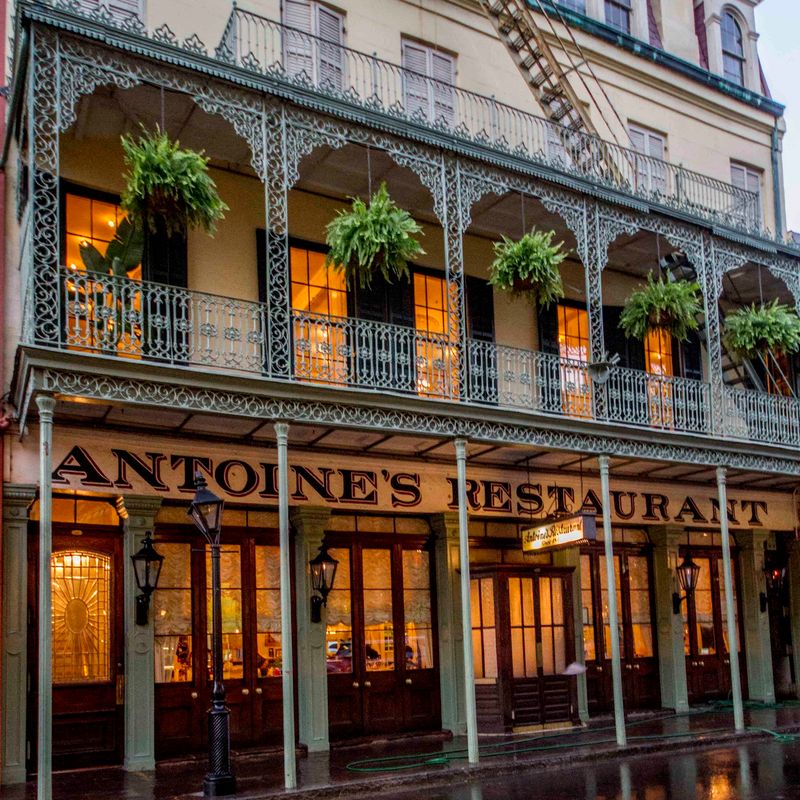
Walking into Antoine’s feels like stepping into a family album that happens to serve oysters. At 713 St. Louis St, New Orleans, LA 70130, the rooms seem to keep their own stories, especially when a server mentions the old Mystery Room and the long apprenticeship behind the polished service.
Order Oysters Rockefeller, created here in 1899, if you want the clearest taste of the house legacy. The rich topping still feels luxurious without turning fussy.
Pompano en Papillote and Eggs Sardou show how confidently the kitchen handles old Creole favorites.
I like coming hungry and unhurried, because Antoine’s rewards slow meals and curiosity. Ask questions, look around, and let the history add flavor instead of treating it like museum wallpaper.
Souffle potatoes arrive as a trick, reminding you technique can outlast fashion.
11. Tujague’s Restaurant
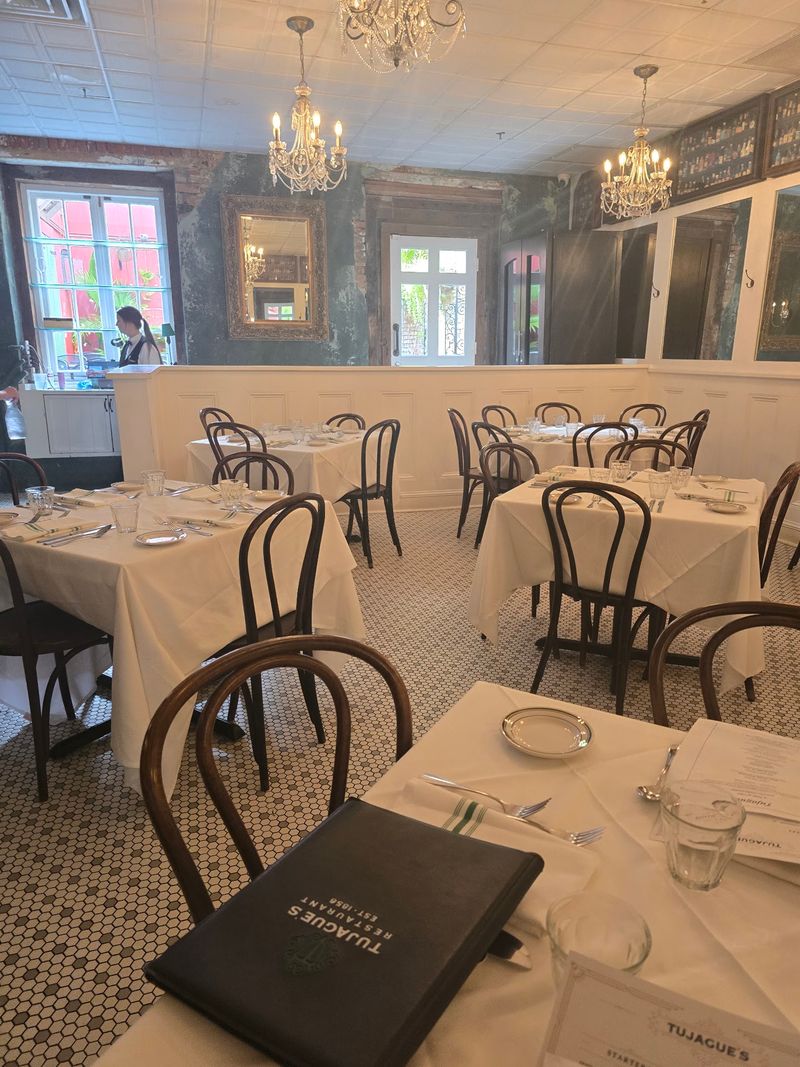
Old New Orleans dining traditions feel unusually direct at 429 Decatur Street, where this restaurant continues a story that began in 1856. The current address is newer than the institution itself, but the kitchen still leans heavily on dishes that helped define its identity over generations.
Boiled beef brisket and shrimp remoulade remain the clearest links to the past. Both were signature offerings long before modern restaurant menus became crowded with reinvention.
In 2026, the restaurant is even marking its 170th anniversary by reviving its historic table d’hôte format during dinner, a structure that once defined the entire experience.
The Grasshopper is another house claim, but I would let the food set the pace first. A meal here works best when you understand that the restaurant grew out of the old French Market world, where butchers and workers gathered for substantial meals rather than delicate tasting menus.
Come for brunch or dinner, ask about the brisket, and leave enough time for dessert or a drink afterward. The charm lies in continuity rather than nostalgia.
Recipes, rituals, and an old restaurant name keep adapting without severing the thread that ties the dining room to nineteenth-century New Orleans to this day.
10. Galatoire’s
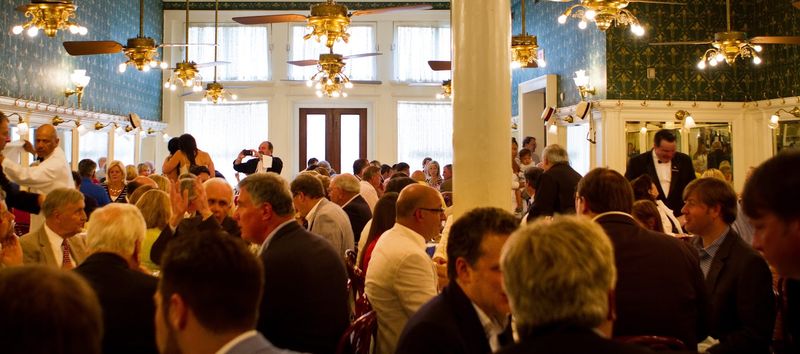
Some dining rooms buzz in a way that makes you sit straighter, and Galatoire’s has that effect. At 209 Bourbon St, New Orleans, LA 70130, mirrored walls, paddle fans, and a bright first-floor room frame a meal that still feels tied to Jean Galatoire’s 1905 vision of French Creole cooking.
Crabmeat Maison with Shrimp Remoulade starts fresh and cool, then a fish in meuniere sauce reminds you how much elegance can come from butter, lemon, and restraint.
There is a famous social rhythm here, but the food never gets lost inside the scene. Oysters Rockefeller appears on many tables for good reason, though lighter fish dishes show another side of the kitchen.
Dress a little nicely, settle in, and pay attention to the old-fashioned service. That is rarer than restaurants admit.
9. Arnaud’s Restaurant
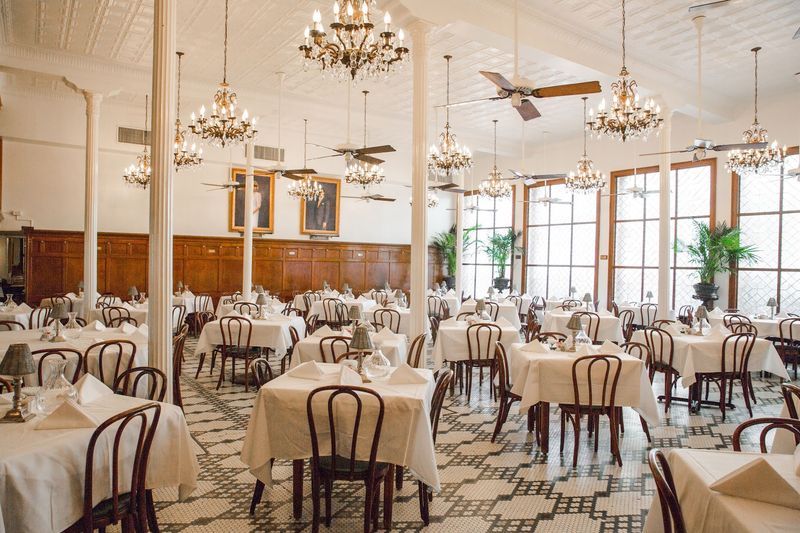
A block of Bienville Street holds more history than the front door suggests. At 813 Bienville Street, this French Quarter institution has served classic Creole cooking since 1918, when Arnaud Cazenave opened a restaurant built around ceremony, hospitality, and a taste for theatrical detail.
Shrimp Arnaud remains one of the signature starters, while soufflé potatoes still deliver that crisp, hollow surprise that older New Orleans dining rooms do so well. The broader menu keeps oysters, Gulf seafood, sauces, and traditional preparations central rather than treating them as nostalgic side notes.
There is plenty to explore beyond dinner. The French 75 Bar gives drinks their own stage, and the Mardi Gras Museum displays costumes and memorabilia connected to the restaurant’s history.
That combination can make the building feel deeply layered.
I would arrive early enough to look around before sitting down. Friday lunch and jazz brunch offer different rhythms from an evening reservation, but all of them depend on the same sense of occasion.
What keeps the restaurant relevant is not simply that it is old. The food, service, rooms, and rituals still work together.
History remains something guests actively participate in over oysters, potatoes, drinks, and a long Creole meal.
8. Commander’s Palace
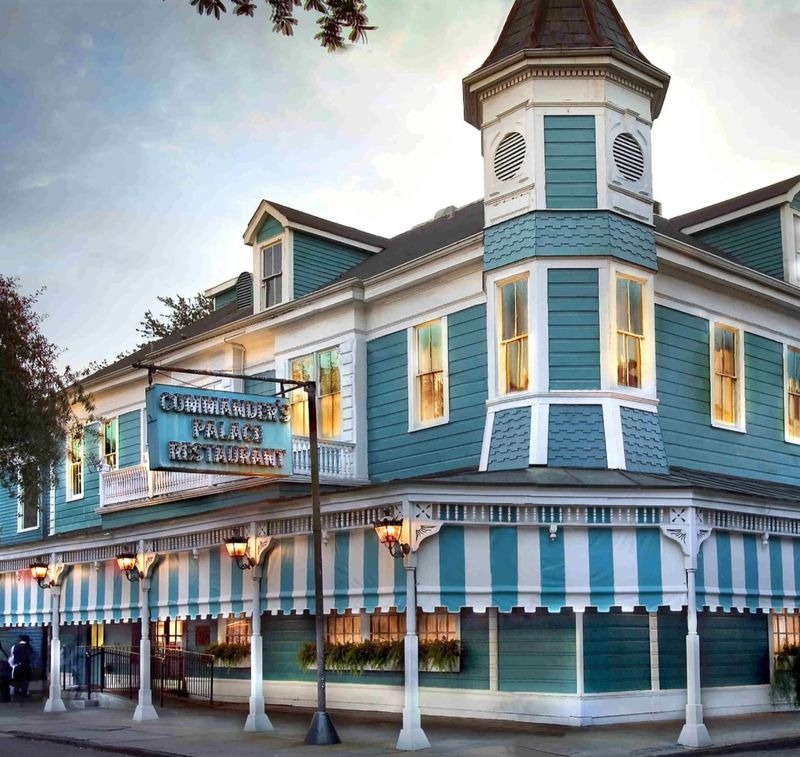
Blue outside and bustling inside, Commander’s Palace feels like a party that learned excellent manners. At 1403 Washington Ave, New Orleans, LA 70130, the Garden District landmark has been around since 1893, yet the kitchen stays lively under a modern New Haute Creole approach.
Turtle Soup au Sherry is the dish that centers the room for me, deep and savory with just enough ceremony in the finish. Bread Pudding Souffle arrives softer and grander than the name suggests, which is part of its charm.
The Brennan family helped make this place internationally known, and you can sense how carefully that legacy is handled. Chef Meg Bickford’s focus on regional sourcing keeps the menu connected to Louisiana rather than trapped in nostalgia.
Book ahead, wear something cheerful, and leave space for dessert. Few historic restaurants feel this awake right through dinner.
7. Dooky Chase’s Restaurant
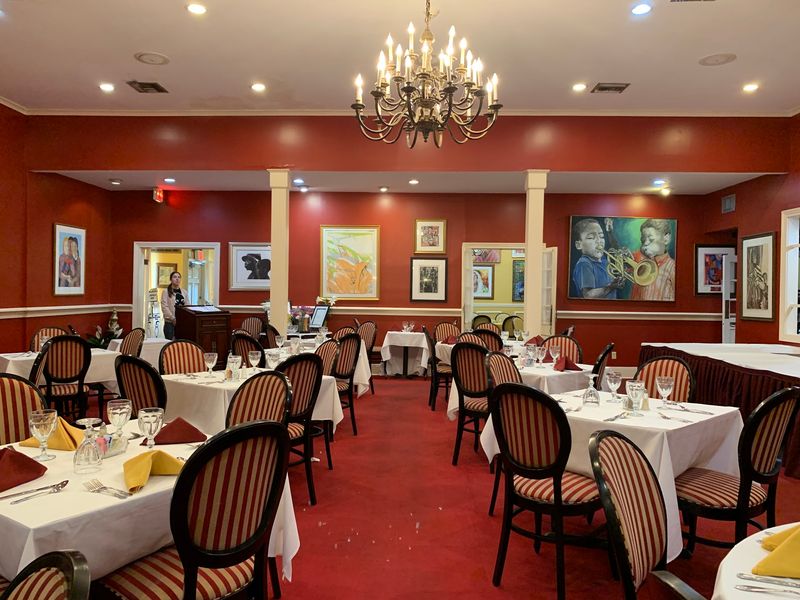
History sits visibly on the walls at 2301 Orleans Avenue, but the kitchen gives the room its heartbeat. The restaurant opened in 1941 and grew from a sandwich shop and bar into a major New Orleans Creole dining room under the influence of Leah Chase and the Chase family.
Fried chicken, gumbo, Shrimp Clemenceau, and red beans and rice remain among the dishes that connect today’s menu to generations of regulars. The food comforts, but little about the restaurant’s legacy is simple.
During segregation, the dining room became a rare meeting place where Black and white civil rights leaders could gather and discuss strategy. Leah Chase also filled the restaurant with African American art, helping turn the space into both a cultural landmark and a showcase for artists who were often excluded elsewhere.
Reservations are recommended, and current service is more limited than many visitors expect, with weekday lunch and dinner only on Friday and Saturday.
I would come for the cooking first and let the history deepen the meal as you sit there. Few Louisiana restaurants connect food, art, politics, family, and community so directly.
Every plate feels grounded in a place that helped nourish far more than appetite.
6. PASCAL’S MANALE
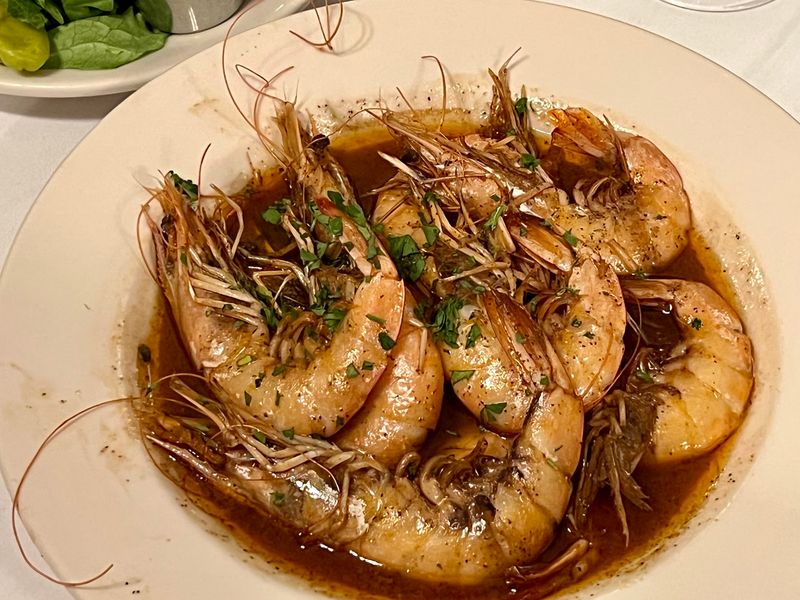
There is no tidy way to eat BBQ shrimp at Pascal’s Manale, which is exactly the point. At 1838 Napoleon Ave, New Orleans, LA 70115, the old Uptown institution still wears its neighborhood character easily, from the lively oyster bar to the walls crowded with long memories.
The famous dish was born here in the 1950s, and it arrives gloriously messy, with unpeeled shrimp in a buttery, peppery sauce that demands bread and both hands. Any first-timer should surrender and mop the plate clean.
The restaurant began as a grocery in 1913 before growing into the place people know now. Italian dishes and steaks have their place, yet the signature shrimp keeps pulling the spotlight back.
Bring napkins, skip any fear of a stain, and lean in. Clean cuffs are not the goal here.
You came for pleasure, not neatness.
5. Napoleon House
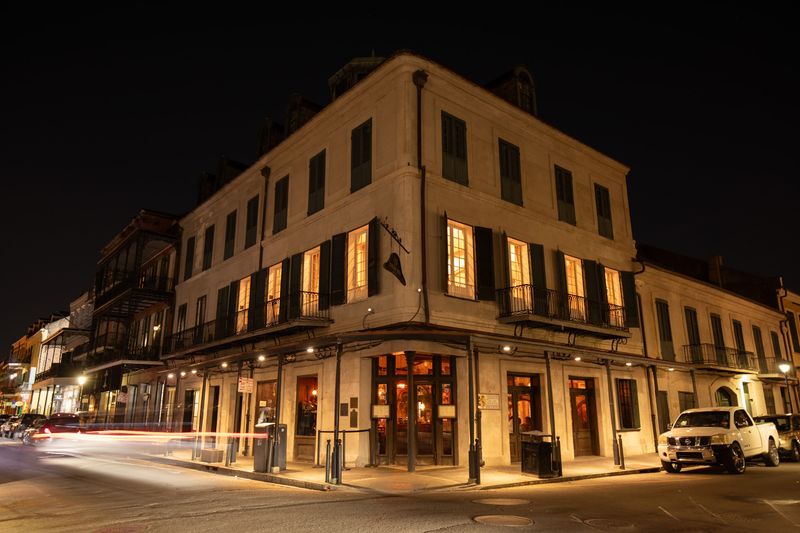
Cracked plaster, classical music, and a warm sandwich make this French Quarter landmark feel wonderfully removed from the street outside. At 500 Chartres Street, the building carries more than two centuries of history, while the restaurant tradition became closely associated with the Impastato family beginning in 1914.
The warm muffuletta is the obvious order. Layers of cured meats, Swiss and provolone cheeses, and house-made olive salad arrive inside a seeded Italian loaf, heated until the flavors soften into one another.
It is hearty enough to share, though sharing becomes less attractive after the first bite.
A Pimm’s Cup remains the classic drink pairing, and the soundtrack of Beethoven and other classical composers reinforces the building’s Napoleon legend without turning the room into a theme park. The restaurant does not take reservations, so walk-ins are part of the experience.
I like coming here when the French Quarter feels especially loud. The worn interior, courtyard, and old-world pace create an immediate contrast to the sidewalks outside.
Nothing needs to be precious. Order the sandwich, settle into the room, and let the building do what it has done for generations: make an ordinary meal feel connected to a much longer New Orleans story.
4. Casamento’s Restaurant
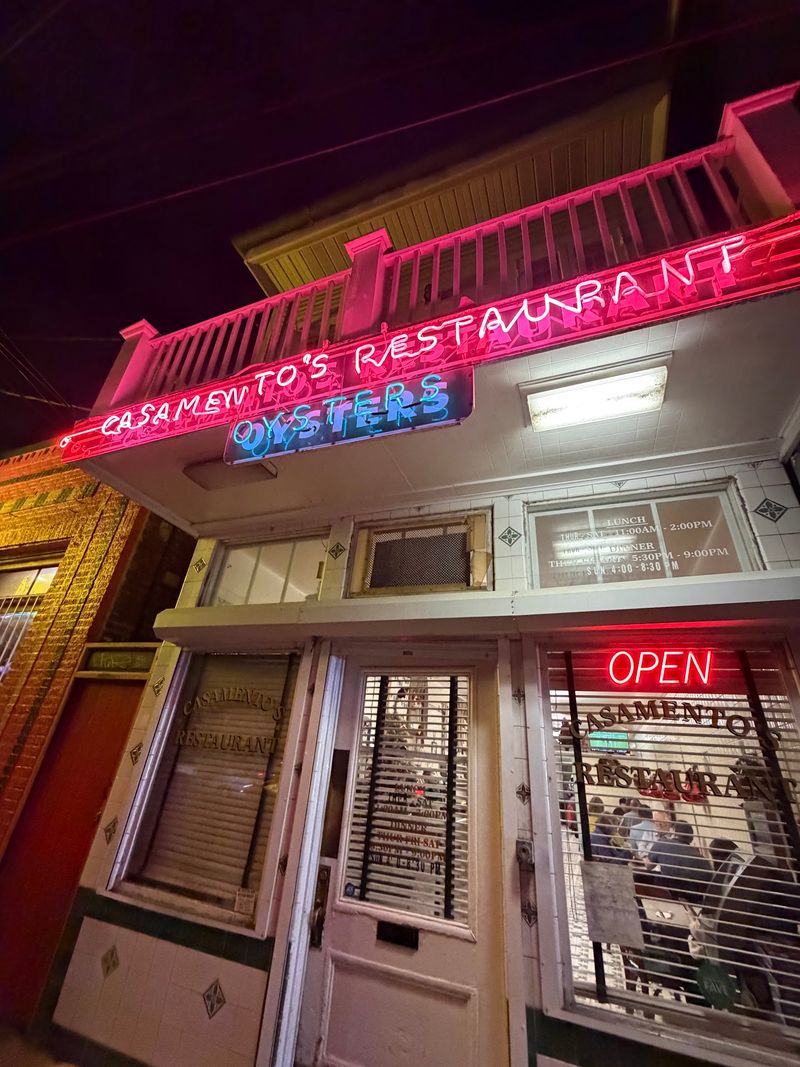
Tile can make a restaurant feel cool before the first oyster even hits the table, and Casamento’s uses that trick beautifully. At 4330 Magazine St, New Orleans, LA 70115, the narrow room gleams with imported Italian tile and a kind of disciplined cleanliness that suits shellfish perfectly.
Raw oysters taste briny and direct, while the oyster loaf turns them crisp and generous inside thick pan bread. That sandwich has a grand, slightly stubborn simplicity I admire.
Joe Casamento opened the place in 1919, and the family has held onto standards that give the restaurant its character, including a summer closure during the warmest months to protect oyster quality. Spaghetti and meatballs remain on the menu, a reminder of Sicilian roots, but seafood is the heartbeat.
Go in oyster season if possible, and keep your order focused. Less really is more.
3. Middendorf’s
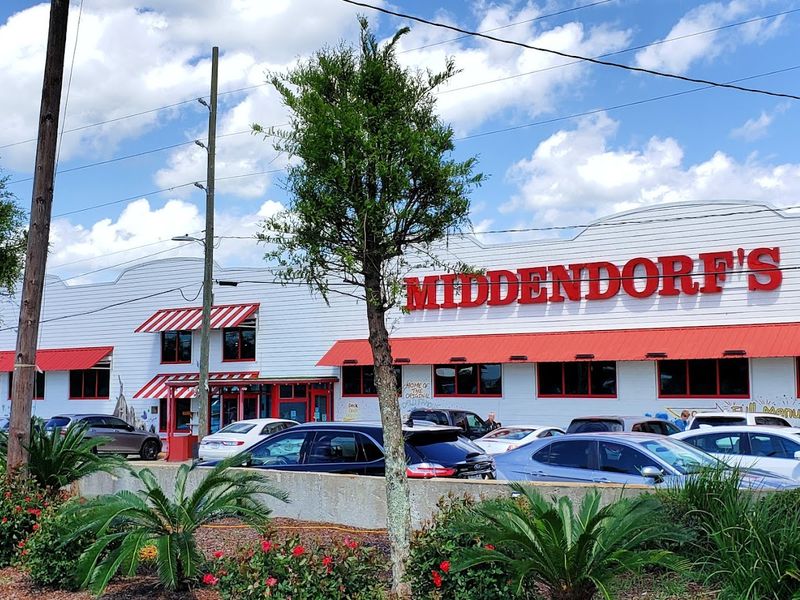
Road trips between New Orleans and Baton Rouge have been stopping for catfish here since 1934. The original Manchac location at 30160 Highway 51 South in Akers remains the place most closely tied to the restaurant’s history and its famous method of slicing catfish exceptionally thin before frying it crisp.
The Special Thin Fried Catfish is still the essential order. Josie Middendorf developed the technique after opening the roadside restaurant with her husband Louis, and the recipe and method have remained central for generations.
The result is more crunch than a standard thick fillet, with delicate pieces that seem to disappear almost as quickly as they arrive.
French fries, coleslaw, and hush puppies complete the familiar platter, while thicker catfish and other seafood are available for anyone who wants comparison.
The restaurant now has a second location in Slidell, but I would choose Manchac for the strongest sense of continuity. Current hours run Wednesday through Sunday, so check the schedule before building a drive around lunch.
What makes the dish endure is its specificity. It is not merely fried catfish.
The thin cut, crisp texture, roadside setting, and decades of family memories have turned one technique into a Louisiana ritual.
2. Herby-K’s
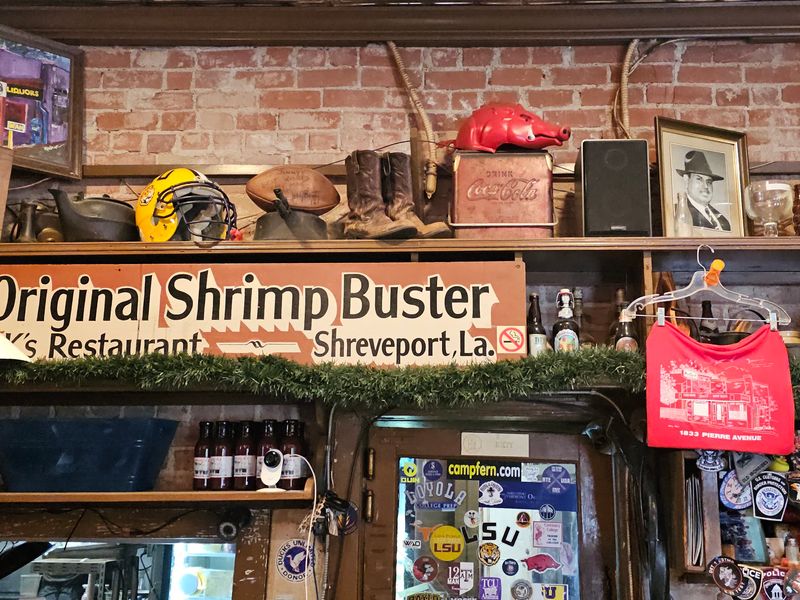
Some places earn affection by refusing to polish away their rough edges, and Herby-K’s is one of them. At 1833 Pierre Ave, Shreveport, LA, the long-running spot has been open since 1936 and still feels wonderfully lived in.
The Shrimp Buster, created in 1945, is the order that explains everything. Jumbo shrimp are pounded flat, fried, stacked on buttered French bread, and finished with slaw, lemon, and that special sauce.
It lands somewhere between po-boy, bar snack, and local obsession.
Cold drinks in heavy goblets fits the mood, though the food keeps the spotlight. I appreciate that Herby-K’s does not pretend to be prettier than it is, because the scruffy comfort is part of the charm.
Come hungry, expect close quarters, and do not overthink the menu. One great sandwich can carry a whole legend.
Few places feel this honest.
1. Don’s Seafood
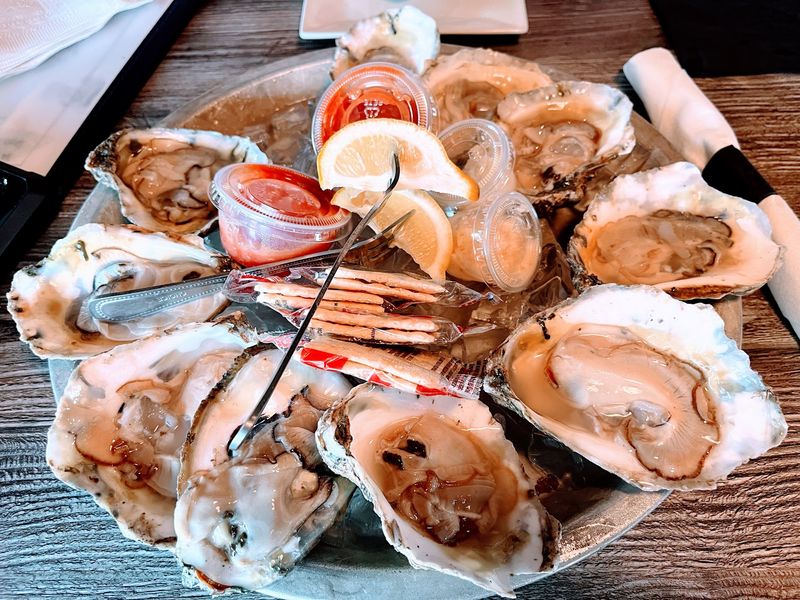
Lafayette knows how to make seafood feel generous rather than showy, and Don’s Seafood understands that instinct well. At 4309 Johnston St, Lafayette, LA, the family business traces back to 1934 and still serves Cajun food with an easygoing confidence.
Seafood gumbo delivers dark roux depth without turning muddy, while crawfish etouffee leans creamy, warm, and familiar in the best sense. If you want something a little flashier, the Jacked-up Oysters give the menu a playful side without abandoning tradition.
What I enjoy most is how broad the menu feels while staying rooted in local taste and Gulf seafood. Four generations of the Landry family have carried the place forward, and that continuity shows in the lack of trend chasing.
Bring a big appetite, order something classic, and notice how comforting straightforward cooking can be on an ordinary evening too.