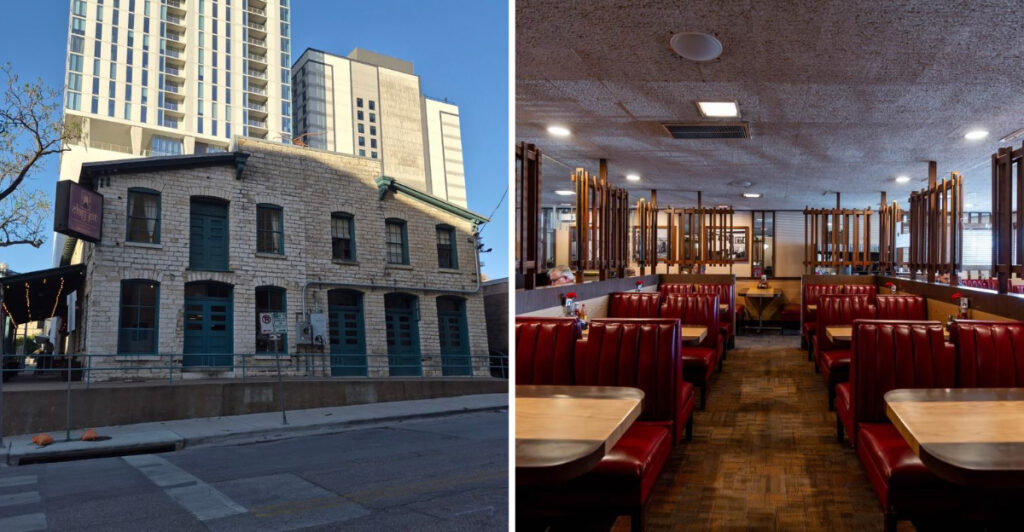
Your lunch table may have survived more Texas history than the highway that brought you there. These rooms never needed fake antiques or a designer’s version of old-time charm.
Their stories come from saddle-shaped stools, working brick pits, worn counters, and buildings that once handled cotton, mail, groceries, or travelers.
You may sit inside a former post office while seafood lands on the table. Another stop lets mesquite flames handle dinner within view. Farther west, a cafeteria line keeps moving as though modern dining trends never filed the proper paperwork.
Texas keeps these places busy instead of sealing them behind velvet ropes. You can order breakfast, split a pie, or claim a booth that has already heard several generations debate what belongs beside barbecue.
The past here is not giving a lecture. It is simply asking whether you want gravy.
1. Fossati’s Delicatessen
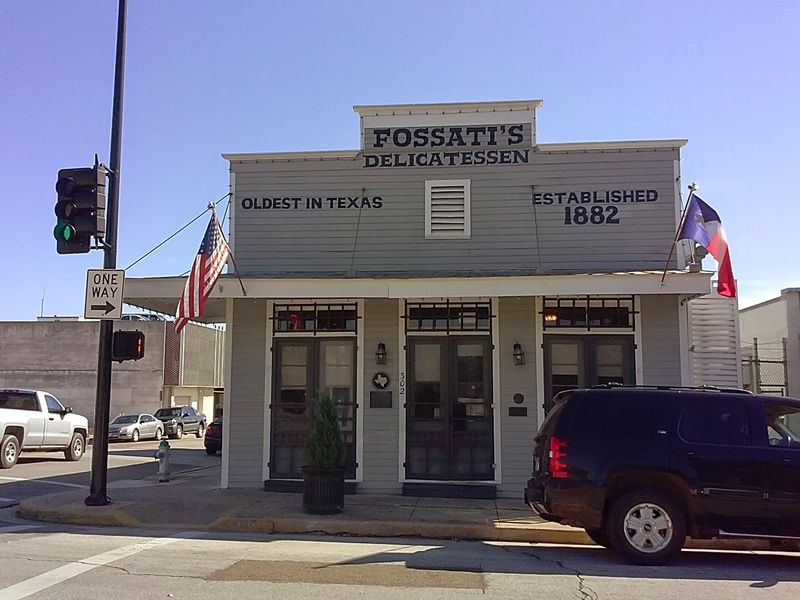
A sandwich shop opened in 1882 and apparently misplaced its retirement paperwork.
Fossati’s Delicatessen began with Italian immigrant Frank Napoleon Fossati and remains a downtown Victoria institution. More than a century of lunches has given the room an authority newer restaurants cannot order from a catalog.
Wooden floors, an old bar, family photographs, and collected memorabilia keep your eyes moving while the counter handles lunch. Nothing needs to announce the history. The room has already spent generations proving it.
The menu stays rooted in deli comfort, with sandwiches, soups, and straightforward plates that suit the setting. You can order quickly, settle in, and realize your table has probably hosted more local stories than most city archives.
Victoria may not dominate every road-trip plan, but Fossati’s gives you a reason to correct the route. One sandwich handles lunch. The dining room handles 1882 through today.
Address: 302 South Main Street, Victoria, Texas.
2. O.S.T. Restaurant
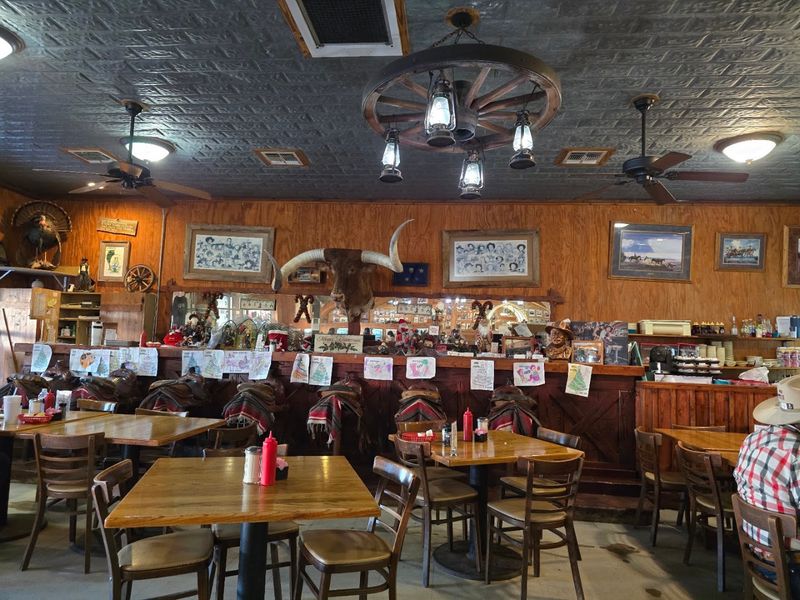
O.S.T. Restaurant has served Bandera since 1921, carrying the city’s cowboy identity straight into the dining room. Saddle-shaped counter seats give first-timers an immediate clue that ordinary furniture has taken the morning off.
Western photographs, ranching memorabilia, and the John Wayne room fill the restaurant with details worth a slow look. That room occupies space once used as a horse corral, giving your chicken-fried steak a backstory few breakfasts can match.
The menu leans into hearty Texas comfort food, with plates built for diners who have no interest in leaving hungry. Homemade pie waits nearby to test every confident claim about being full.
Bandera calls itself the Cowboy Capital of the World. You may leave without boots or trail dust, but the saddle stool has already completed your orientation.
Address: 311 Main Street, Bandera, Texas.
3. Hullabaloo Diner
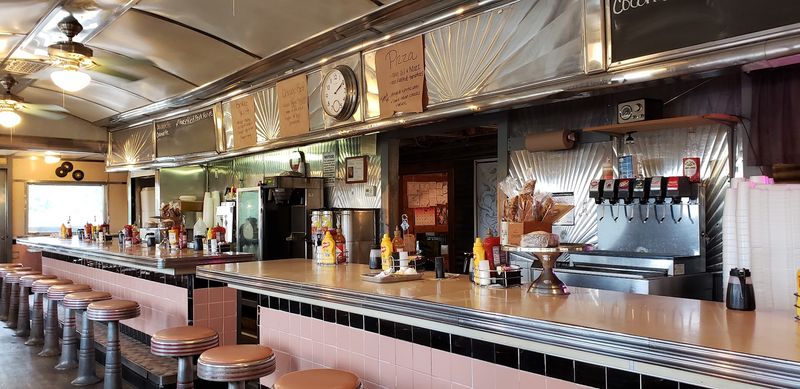
Hullabaloo Diner is an authentic 1950s DeRaffele diner that traveled from New York to the College Station area in 2004. Its stainless-steel exterior, compact booths, curved counter, and classic layout came from the era itself.
College Station recognized the diner with a historic subject designation in 2026, adding a local milestone to a structure that had already traveled roughly 1,800 miles. That journey gives every booth a better travel story than the person sitting in it.
Breakfast plates, burgers, diner staples, and rotating specials keep the menu familiar. The narrow room brings you close to the counter action, where plates move quickly, and conversations overlap without asking permission.
College Station has plenty of campus traditions. Hullabaloo adds chrome, griddle heat, and a building that refused to stay in New York.
Address: 15045 Farm to Market Road 2154, College Station, Texas.
4. Clay Pit
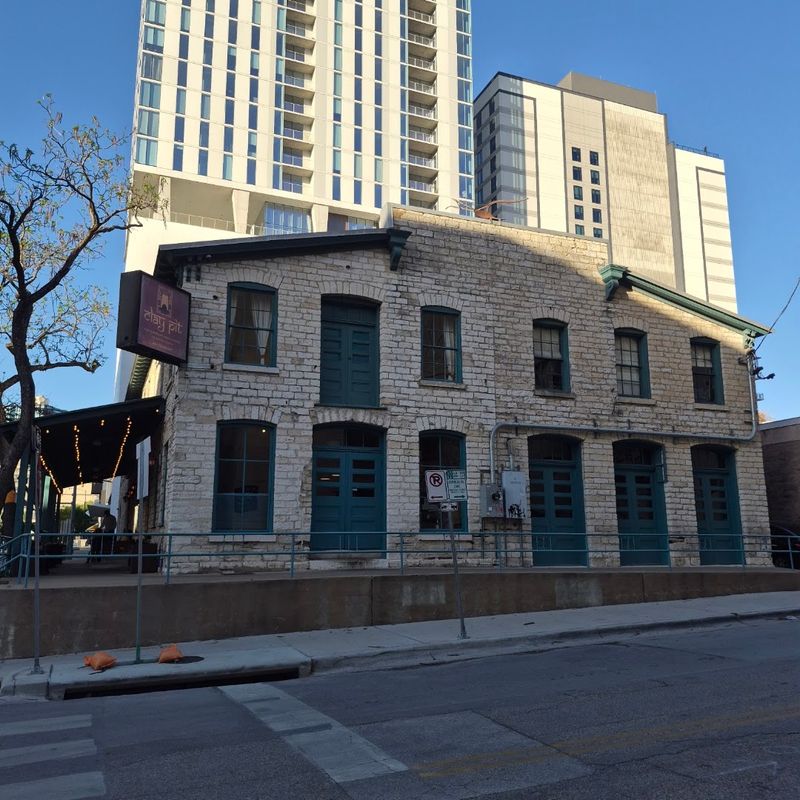
Butter chicken inside an 1870s mercantile building is the sort of Austin pairing nobody predicts correctly.
Clay Pit occupies the historic Bertram Building near the University of Texas campus. Thick walls, tall ceilings, old brick, and deep-set rooms separate dinner from the traffic moving along Guadalupe Street.
The kitchen heads in a completely different direction from the building’s original mercantile life. Curries, tandoori dishes, biryani, and house specialties fill rooms that once served nineteenth-century commerce.
That contrast gives the restaurant its strongest personality. You are not eating a historical imitation of frontier food. You are watching an old Austin structure continue working through an entirely new chapter.
Look up between bites. The arches and brickwork remind you that the room was never designed for identical locations.
Austin loves reinvention, but Clay Pit serves it with naan and considerably better timing.
Address: 1601 Guadalupe Street, Austin, Texas.
5. McAdoo’s Seafood Company
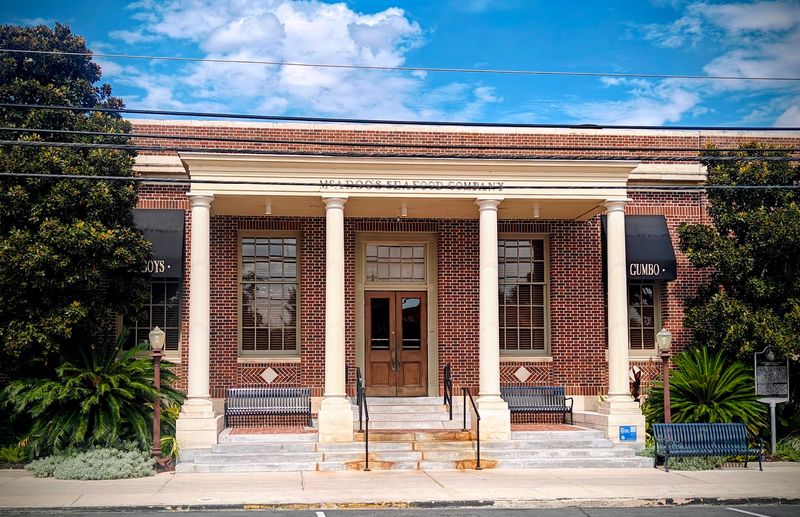
The old post office stopped sorting letters and started sending shrimp toward your table.
McAdoo’s Seafood Company occupies New Braunfels’ first federally built post office, completed in 1915. Restoration returned the building to active use while preserving postal-era details that give each dining area a distinct character.
The former government rooms now hold Texas Creole dishes, Cajun favorites, seafood, and Gulf-inspired plates. Sturdy architecture and high ceilings keep the space grand without making dinner overly formal.
You may notice old equipment, construction photographs, or the way the dining rooms follow the earlier layout. Those touches make the history easy to absorb without slowing the meal.
New Braunfels carries deep German roots, so a seafood restaurant inside a former post office adds an enjoyable local plot twist.
Your order no longer needs a stamp. McAdoo’s still knows how to deliver.
Address: 196 North Castell Avenue, New Braunfels, Texas.
6. Clear Springs Restaurant
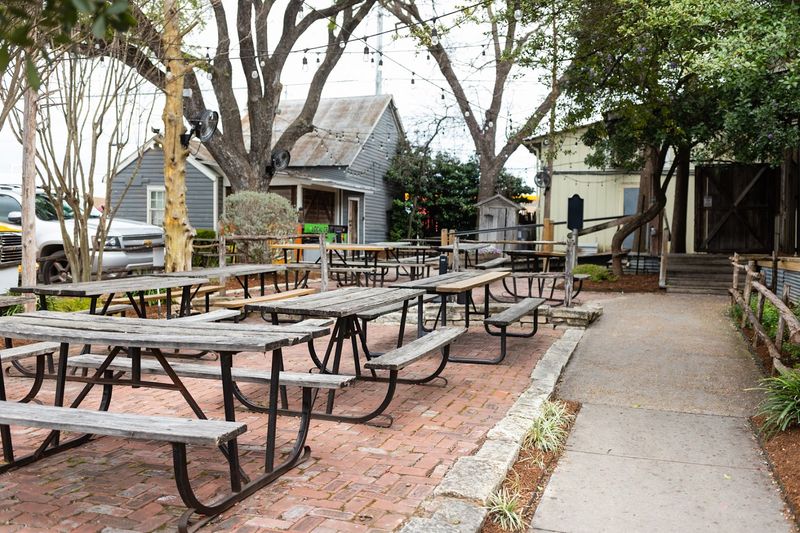
Clear Springs Restaurant occupies the Clear Springs Hall and Store, built in 1873 for storing and weighing cotton. The building also served as a community gathering place and dance hall.
The old hall provides plenty of scale for the restaurant’s generous plates. Fried catfish and onion rings lead the menu, supported by seafood, steaks, and comfort-driven choices that suit a building accustomed to feeding crowds.
Heavy timbers, broad spaces, and the practical shape of the former store make the history visible before anyone explains it. The room looks earned because it is.
State Highway 46 sends drivers past the property every day. Many see only another roadside restaurant and keep moving.
Pull in, and the building quickly corrects that assumption. The cotton trade left long ago, but the catfish inherited an excellent address.
Address: 1692 State Highway 46 South, New Braunfels, Texas.
7. Paris Coffee Shop
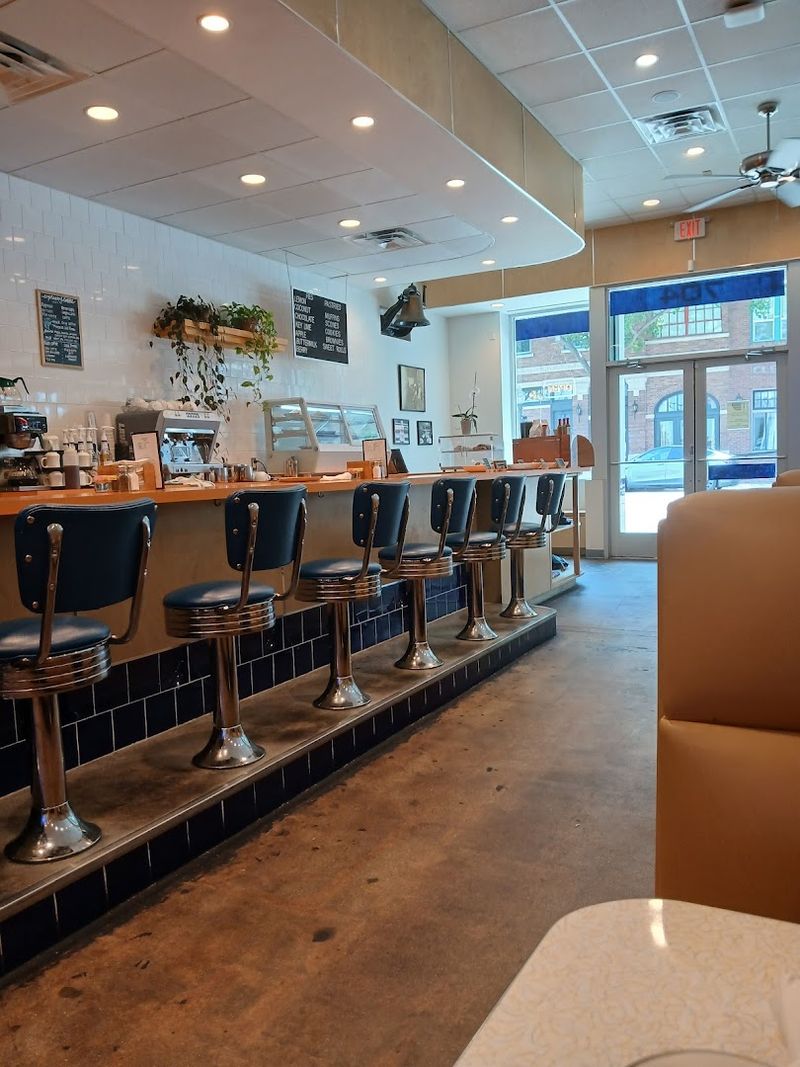
Fort Worth has been debating breakfast since 1926, and this dining room keeps taking attendance.
Paris Coffee Shop began on Magnolia Avenue nearly a century ago and moved into its present building in 1974. A later renovation used historical photographs and period details to refresh the room while keeping its earlier character close.
The result remains practical rather than precious. Booths fill with regulars, coffee keeps moving, and breakfast arrives without requiring a special occasion.
Biscuits, eggs, pancakes, lunch specials, and pie give you familiar choices with very little risk of menu paralysis. The strongest challenge may come from deciding whether dessert belongs after lunch or immediately after breakfast.
Magnolia Avenue has changed around the restaurant, but Paris Coffee Shop still functions as a neighborhood anchor.
Order the biscuits before beginning a local-history conversation. An empty plate has never made a convincing argument.
Address: 704 West Magnolia Avenue, Fort Worth, Texas.
8. Dunston’s Steakhouse
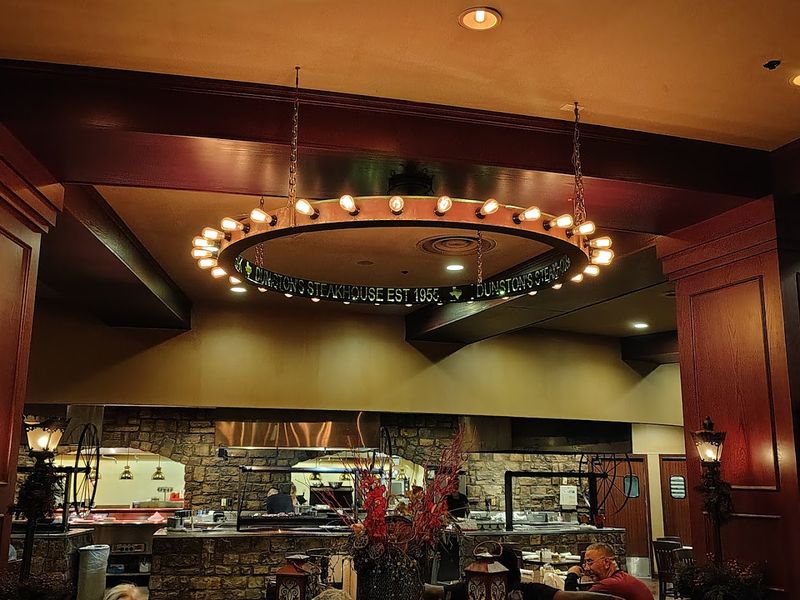
The flames are not hiding in the kitchen. They are sitting in the middle of your dinner plans.
Gene Dunston opened the Wheel-in Drive-In on Harry Hines Boulevard in 1955. A decade later, mesquite cooking pits helped transform the business into Dunston’s Steakhouse and gave the dining room its defining feature.
You can smell the fire before the steak reaches the table. Watching the grill changes the meal because the cooking method becomes part of the room rather than a secret behind swinging doors.
Aged steaks and mesquite-grilled dishes keep the menu focused on the fire. The building has evolved, but the open-pit character still gives the restaurant its old-school Dallas confidence.
Harry Hines Boulevard has changed enormously since the drive-in years. Dunston’s keeps answering with smoke, char, and plates that need no decorative towers.
Dallas loves a dramatic entrance. Here, the mesquite makes one for every steak.
Address: 8526 Harry Hines Boulevard, Dallas, Texas.
9. Barbecue Inn
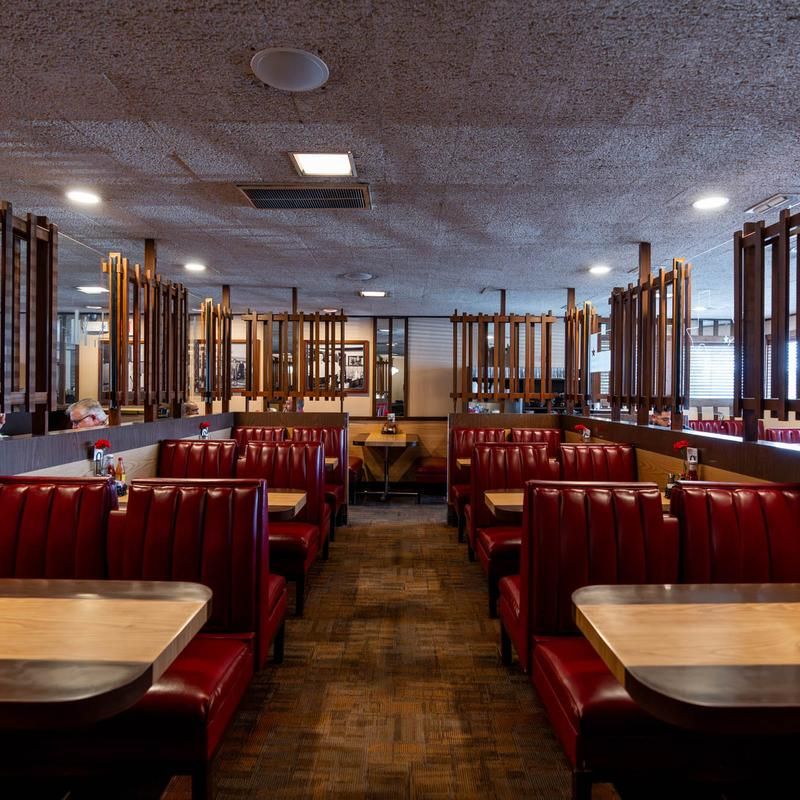
Barbecue Inn has served Houston from West Crosstimbers Street since 1946. Red booths, an old-school family-restaurant layout, and a steady dining-room rhythm give the place character without asking nostalgia to perform extra shifts.
The restaurant serves barbecue, yet made-to-order fried chicken remains one of the biggest reasons diners settle into those booths. Fried shrimp and comfort plates give the table additional options.
The wait for chicken is part of the experience. You know the crust is not sitting beneath a heat lamp, counting the minutes until your arrival.
Houston has grown into one of the country’s most varied dining cities, but Barbecue Inn never needed to chase each new idea. Its strength comes from repeating the right ones.
The red booths have watched the city expand. They still know exactly where to place the fried chicken.
Address: 116 West Crosstimbers Street, Houston, Texas.
10. Pizzitola’s Heritage BBQ
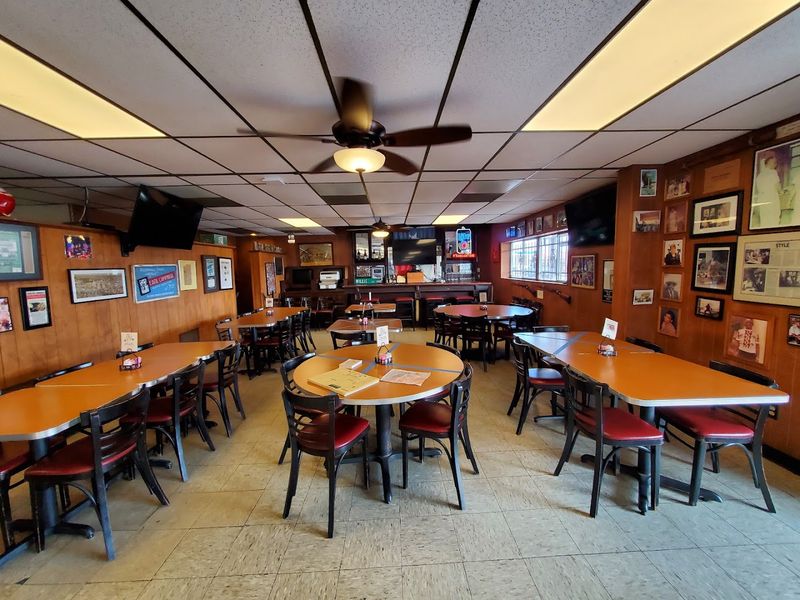
This story began in 1935 with Shepherd Drive Bar-B-Q, where John and Leila Davis built brick pits that remain central to the restaurant now known as Pizzitola’s Heritage BBQ. The business moved to its present address in 1963.
Those pits still work with Texas post oak, giving the dining room a direct connection to Houston barbecue history. Smoke, heat, and decades of seasoning made the brick structures more than kitchen equipment.
Ribs lead the experience, while brisket, sausage, and sides give you reasons to return. The operation changed hands and names while the pits kept doing the work that built the reputation.
You can sit near a piece of history that still produces dinner instead of posing behind a rope.
The bricks have heard every argument about smoke and tenderness. Their answer keeps arriving by the rack.
Address: 1703 Shepherd Drive, Houston, Texas.
11. Price’s Chef
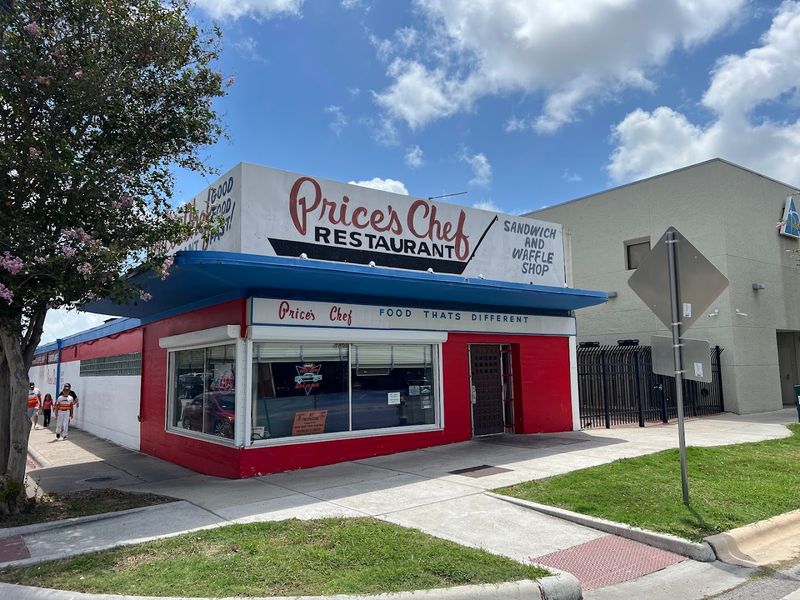
The counter has watched Corpus Christi wake up since 1940, and it still knows who needs coffee first.
Price’s Chef began downtown under founder Dan Price before becoming a familiar Six Points fixture. The South Alameda Street diner continues serving breakfast and lunch with the rhythm of a neighborhood place that knows hesitation only makes the eggs cold.
Counter seats and booths keep the room close to the action. Breakfast plates, burgers, sandwiches, and homestyle lunches cover choices regulars can order before fully waking up.
Corpus Christi’s beaches may claim most visitor attention, but Price’s Chef tells a different city story. Workers, families, and longtime customers have used the diner as a meeting point through decades of change.
Slide onto a stool, order something familiar, and watch the room begin another day.
The Gulf can wait. Price’s Chef already put breakfast on the griddle.
Address: 1800 South Alameda Street, Corpus Christi, Texas.
12. Country Tavern Barbecue
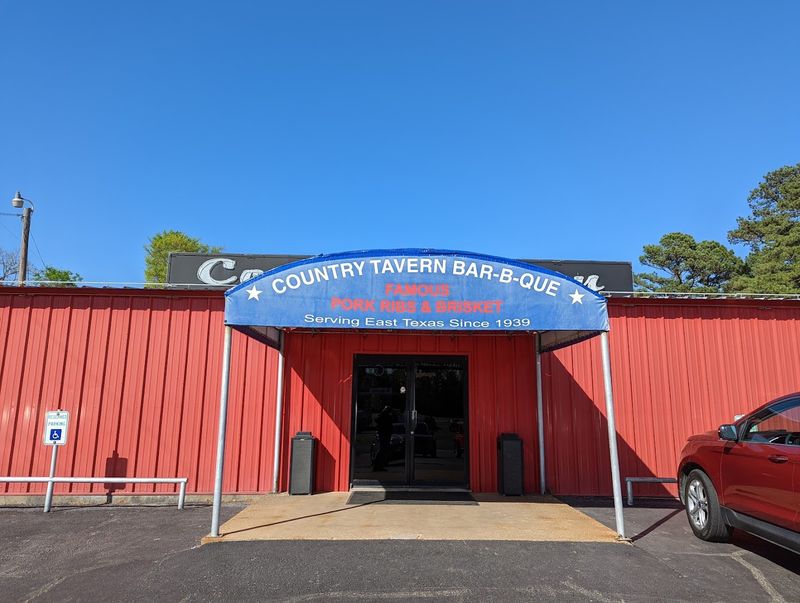
The ribs built the reputation, and the roadside address handled the advertising.
Country Tavern opened near Kilgore in 1939 during the East Texas oil boom. Generations of diners have followed Farm to Market Road 2767 for pork ribs, brisket, sausage, beans, potato salad, and cobbler.
The dining room keeps attention on the food. You do not come for a downtown stroll or dramatic skyline. You come because smoke has been giving directions for decades.
East Texas ribs bring a distinct personality, with tenderness and seasoning carrying the plate before the sauce joins the discussion. Ordering them first saves you from pretending the decision remained open.
The surrounding Piney Woods give the drive a slower rhythm than a city barbecue crawl. By arrival, your appetite has usually stopped negotiating.
Country Tavern does not need the center of town. The ribs made the outskirts famous.
Address: 1526 Farm to Market Road 2767, Kilgore, Texas.
13. Blue Bonnet Cafe
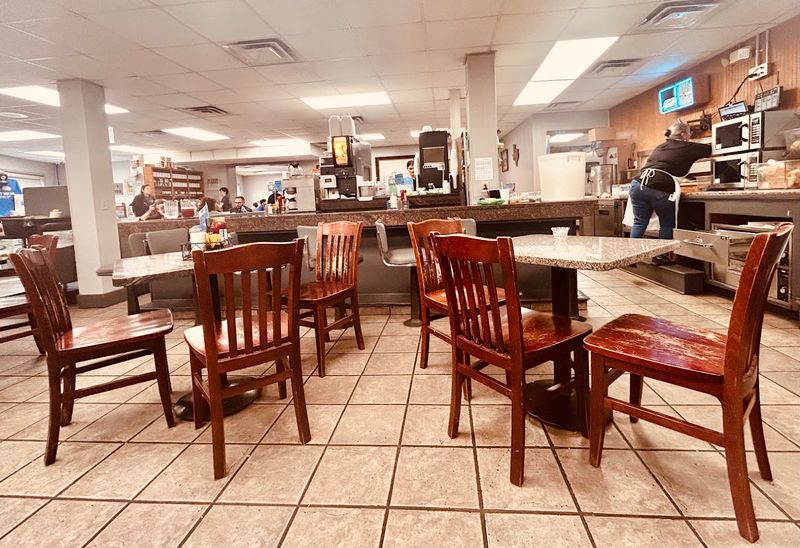
Blue Bonnet Cafe opened in Marble Falls in 1929 and moved to its current Highway 281 home in 1946. The Kemper family took ownership in 1981, continuing a cafe tradition built around breakfast, daily specials, chicken-fried steak, and pie.
The dining room expanded over the years, allowing more travelers and locals to join a routine that began long before the Hill Country became a weekend obsession.
Pie remains the strongest distraction. Cream, fruit, and meringue varieties wait near the entrance, making dessert planning unavoidable before the main plate receives a fair hearing.
Highway 281 keeps sending new diners through Marble Falls, while regulars treat the cafe as part of the route.
You may enter discussing eggs or chicken-fried steak, but the pie case has already amended the agenda.
Address: 211 North United States Highway 281, Marble Falls, Texas.
14. Underwood’s Cafeteria
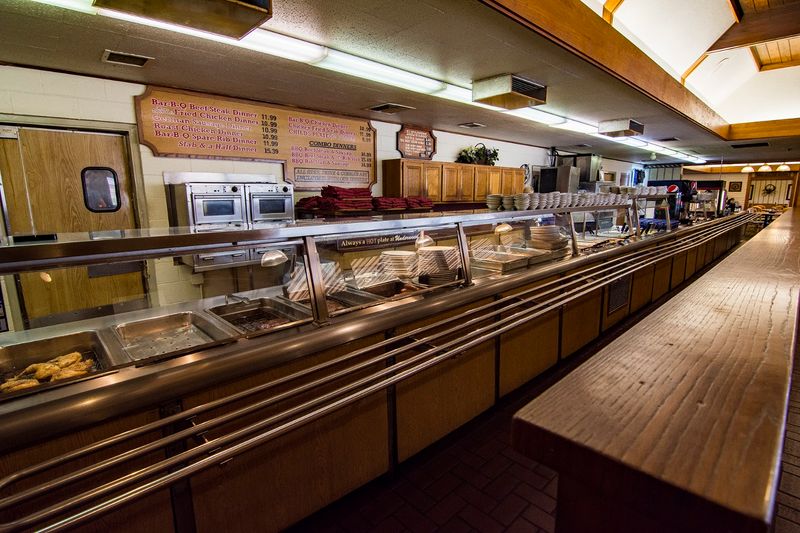
Grab a tray. The serving line has been practicing longer than most restaurant chains survived.
The Underwood family’s barbecue story began during the Depression, when M.E. Underwood sold cooked meat door to door. The Brownwood restaurant opened after World War II and developed the cafeteria format that still defines the experience.
Smoked meats, sausage, sides, rolls, and cobbler wait along a line designed to test every claim about restraint. Each pan creates another decision before the tray reaches the cashier.
The room turns dinner into a small procession. Families, travelers, and longtime customers follow the same route and reach their tables carrying evidence of several quick decisions.
Cafeterias disappeared from many towns, but Underwood’s keeps the format useful rather than ceremonial. You choose what looks good, keep the line moving, and discover that the roll occupied more tray space than expected.
Underwood’s hands you the tray, and self-control remains strictly self-service.
Address: 402 West Commerce Street, Brownwood, Texas.