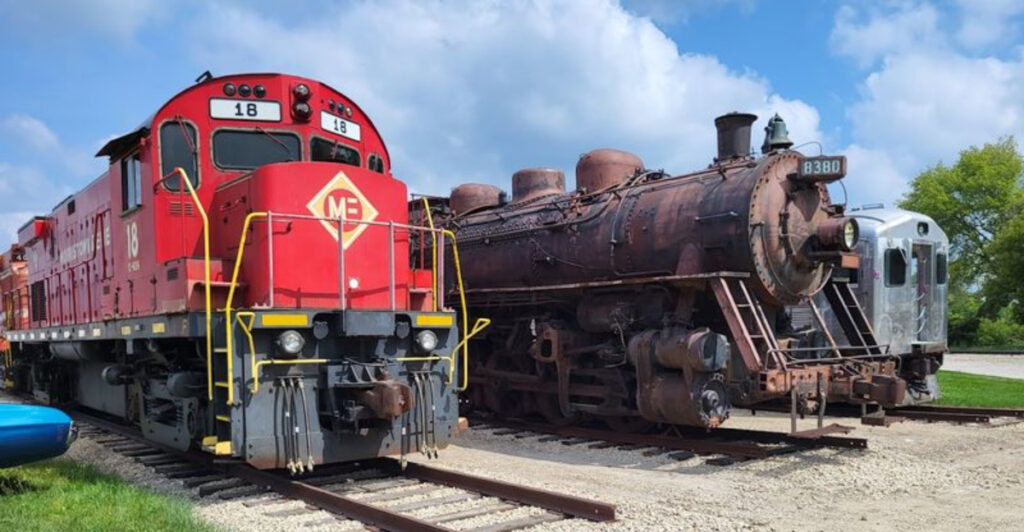
Some places surprise you the moment you arrive, and this is one of them. Illinois hosts the largest railway museum in the country, and the experience is far more immersive and exciting than expected. Massive historic locomotives, hands-on exhibits, and real train rides make it unlike a typical museum visit.
Every corner is thoughtfully designed to engage visitors of all ages, including train enthusiasts and the casually curious. Surprises pop up at every turn, making the visit memorable from start to finish. It’s a day trip that’s both educational and fun, earning a spot on any must-see list.
Walking through the exhibits, it quickly becomes clear that every corner has been thoughtfully designed to engage and inspire. By the time you leave, you’ll understand why so many families and travelers make this museum a must-see stop.
The First Glimpse Makes This Place Feel Much Bigger Than Expected
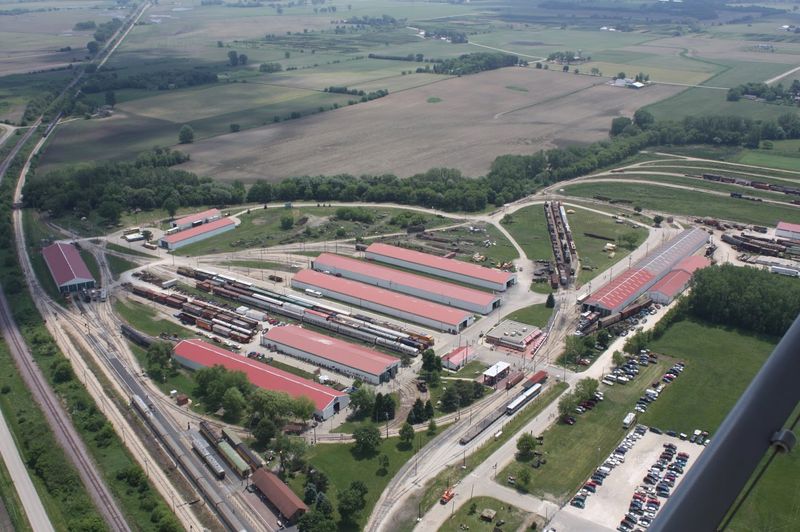
Nothing really prepares you for the sheer scale of it. Arriving at 7000 Olson Rd, Union, IL 60180, it hit me that I had completely misjudged what this museum has to offer.
Spanning over 50 acres, the grounds reveal locomotives on outdoor tracks as soon as you step out of the car.
The Illinois Railway Museum holds the title of the largest electric railway museum in the United States, and you feel that immediately. Nine massive barns house thousands of pieces of rolling stock.
Sleek interurban cars sit alongside hulking diesel engines that look ready for a cross-country run. There is no single entrance point that neatly summarizes what you are about to experience.
What hit me first was the sound. Somewhere across the property, a train was moving. That low rumble and the faint clang of metal on rail set a tone that no brochure could replicate.
Visitors around me were already pulling out cameras and pointing at things before they had even bought their tickets. The anticipation felt real and earned.
This was not going to be a quick walkthrough kind of afternoon.
Why This Museum Feels Like A Full Day Trip Instead Of A Quick Stop
A lot of museums can be wrapped up in an hour or two if you move at a decent pace. The Illinois Railway Museum is not one of those places.
I arrived when the gates opened and still felt like I was rushing by the time the afternoon rolled around. There is simply too much to absorb in one casual sweep.
The nine exhibit barns alone could keep a curious visitor busy for hours. Each one holds a different collection, and the variety is staggering.
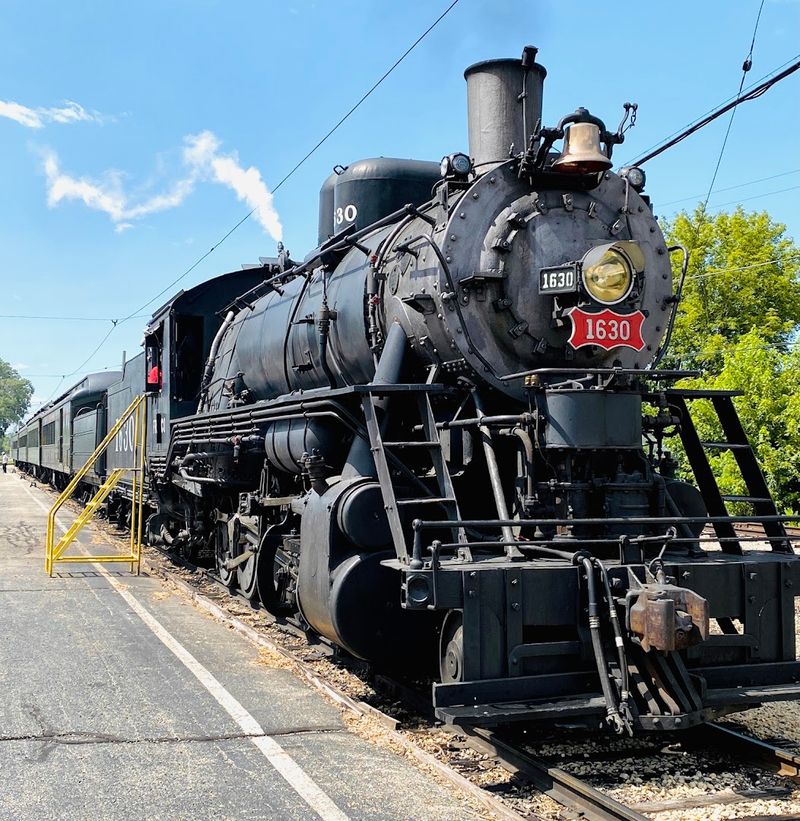
You go from early electric streetcars to full-sized mainline steam locomotives within the span of a short walk. The outdoor tracks add another layer entirely, with operating trains running throughout the day depending on the event schedule.
Illinois offers a lot of day trip options, but few that pack this kind of density into a single location. The museum also has a gift shop, a playground for younger kids, and food available during events.
Families with children told me their kids were still asking questions on the drive home.
Adults who came for a casual look ended up staying until closing. The pacing here is entirely your own, which makes the experience feel personal rather than rushed.
Plan for at least four to five hours if you want to do it justice.
The Historic Trains Here Are The Real Stars Of The Show
I have seen train displays at science museums and transportation centers before, but nothing compares to what the Illinois Railway Museum has assembled.
The collection includes steam locomotives, diesel engines, electric interurbans, and elevated railway cars. It also features commuter coaches and freight equipment spanning over a century of American railroad history. Each piece comes with a placard that tells you where it ran, what it carried, and why it mattered.
Some of the trains are in a state of active restoration, which is actually fascinating to observe.
Volunteers work on the trains openly. If you catch the right moment, someone will explain what they’re doing and why each part matters to the locomotive. That kind of access is rare at any museum, let alone one of this size.
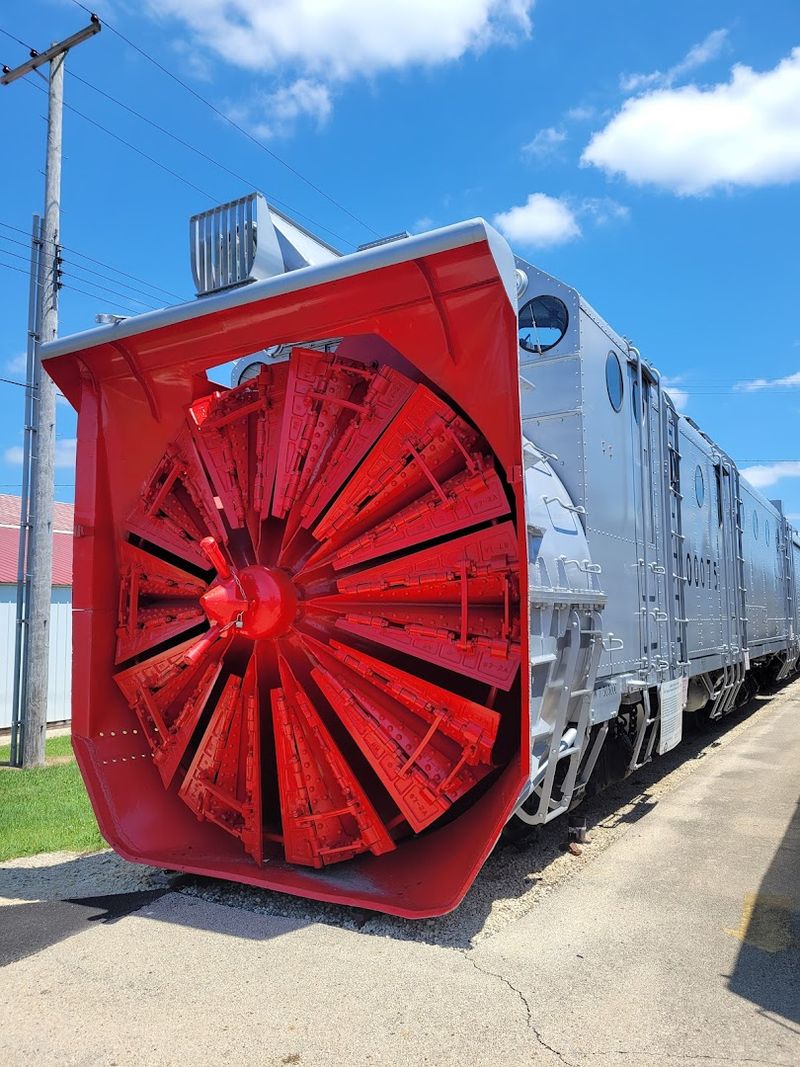
What struck me most was the color. Old trains were not always the utilitarian gray and black we associate with freight rail today.
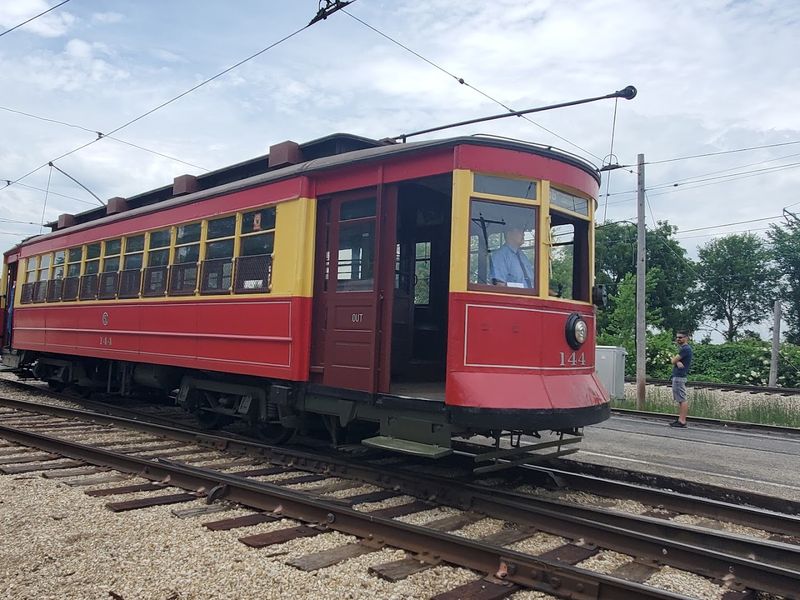
Many of these restored cars wore vivid reds, greens, creams, and golds that made them look almost theatrical against the industrial backdrop of the barns.
One visitor near me said it best: modern trains are functional, but these old ones had personality. Standing next to a machine built in the early 1900s and still intact, you cannot argue with that.
Riding A Vintage Train Changes The Whole Experience
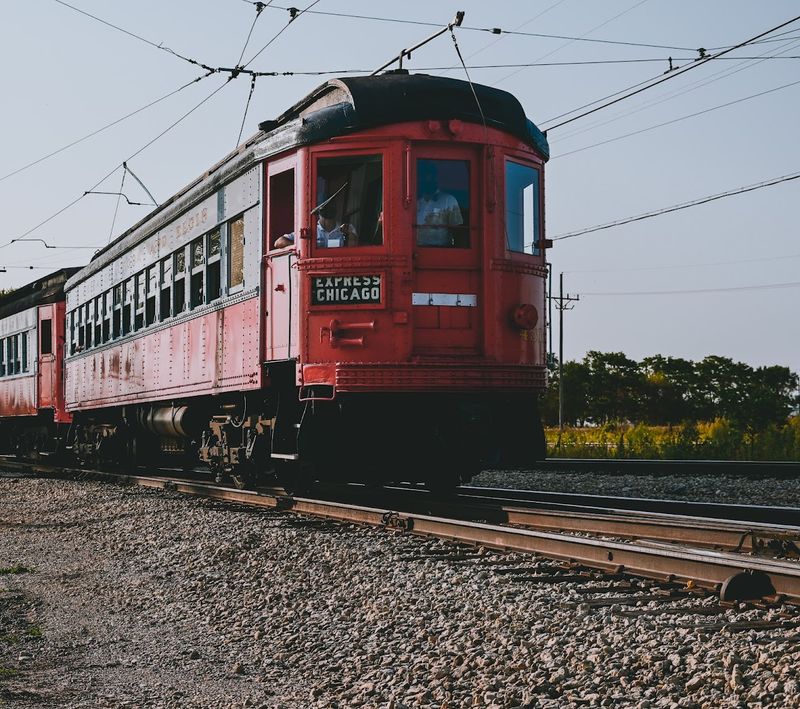
Reading about old trains is one thing. Riding one is something else entirely.
Admission to the Illinois Railway Museum includes train rides. That simple addition turns the visit from passive observation into a truly participatory experience.
Riding a vintage streetcar along the museum track felt entirely unlike any modern transit experience.
The ride itself is not long, but it does not need to be. The rhythm of the car, the wheels on old rails, and the view from a century-old vehicle create a lasting sensory memory.
During special events like Diesel Days, the number of operating trains increases dramatically. Visitors can see up to 29 different train combinations running throughout the day.
For an additional fee, some events offer the chance to ride in the cab or even operate a locomotive under supervision. That option tends to sell out quickly, so checking the museum’s event calendar ahead of time is a smart move.
Even the standard included rides drew genuine reactions from adults who clearly were not expecting to enjoy themselves quite so much. There is something about motion and machinery working together in a historic vehicle that bypasses cynicism entirely.
Every Corner Of The Grounds Has Something Worth Slowing Down For
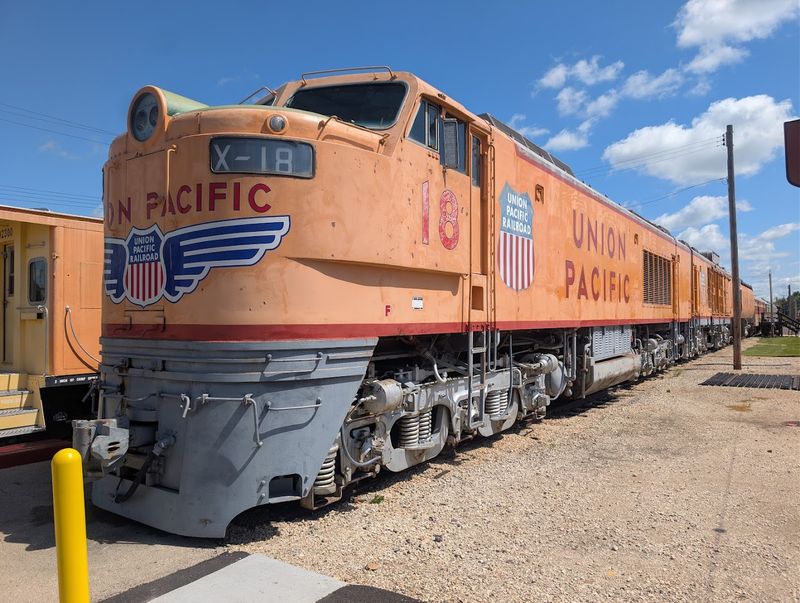
The barns get most of the attention, and rightfully so, but the outdoor areas of the Illinois Railway Museum deserve just as much time. Between the buildings and along the tracks, a layered collection of railway artifacts waits, often unnoticed by visitors.
Vintage wigwag crossing signals, old station signage, and historic track switches line the pathways. Outdoor-stored equipment adds to the display throughout the property.
I spent nearly twenty minutes standing near a cluster of old crossing signals that were actually operational. Watching those mechanical arms swing back and forth while a train approached on the nearby track felt like a small piece of living history.
One regular visitor said the wigwag signals alone kept her coming back, as they are becoming increasingly rare.
The grounds also include a playground area for younger children, which gives families a natural break point during a long visit. Parents can sit nearby while kids burn off energy before heading back into the barns.
The layout of the museum encourages wandering rather than following a strict route, and that freedom pays off. Some of my favorite moments came from turning a corner and finding something unexpected parked quietly between two buildings, waiting to be noticed.
This Collection Brings Railroad History To Life In A Way Books Never Could
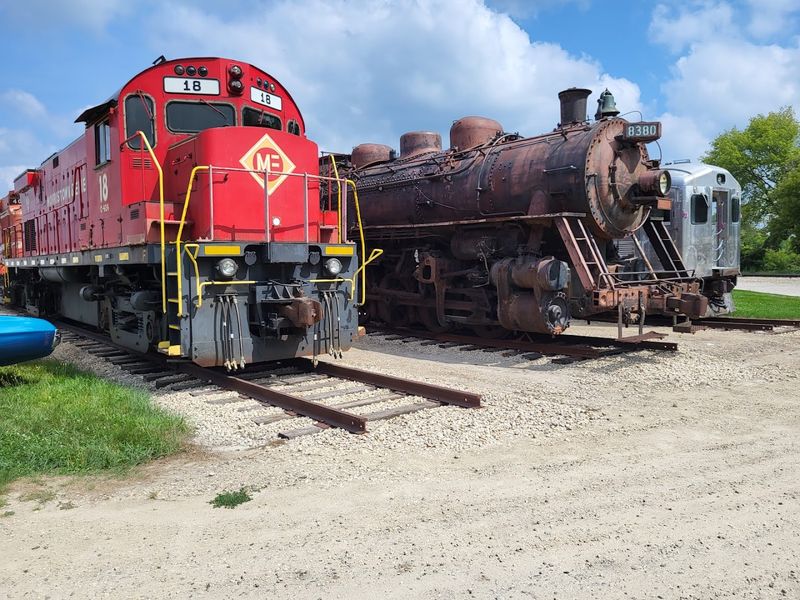
Railroad history in the United States is enormous in scope, and most people only know fragments of it. The Illinois Railway Museum serves as a living encyclopedia. Visitors can walk through, interact with certain exhibits, and even ride some of the trains.
The depth of the collection is what separates it from every other transportation museum I have visited.
Inside the barns are vehicles from Chicago’s elevated railway, commuter lines, long-distance passenger trains, and industrial freight operations.
Each type of railroading reveals how cities grew, goods moved, and technology evolved from steam to electric to diesel over the decades. The placards are written clearly enough for casual visitors but detailed enough to satisfy enthusiasts.
Volunteers stationed throughout the museum add a layer that no written display can replicate. Most of them have professional railroad backgrounds or decades of personal research behind them, and they genuinely enjoy sharing what they know.
I asked one volunteer about a particular Chicago elevated car, and he spent fifteen minutes walking me through its entire service history. That human knowledge, combined with seeing the actual vehicle, creates an educational experience no book or documentary can match.
Illinois holds a remarkable piece of transportation heritage right here.
Why The Illinois Railway Museum Appeals To More Than Just Train Fans
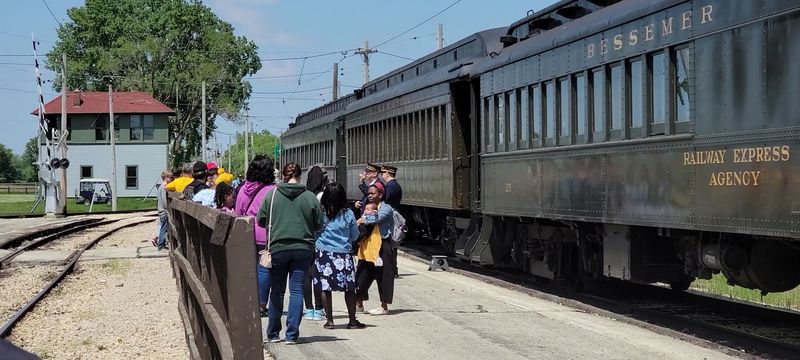
Before I visited, I assumed this was a destination primarily for railfans and history buffs. I was wrong.
Visitors ranged from families and couples to grandparents with grandchildren, including many who had never thought much about trains before.
The museum earns broad appeal because it delivers spectacle alongside substance.
Anyone would be impressed by the sheer visual drama of the collection. Colorful vintage cars from Chicago’s old transit lines and massive steam engines with their complex pipes and valves fill the space.
The active motion of operating trains throughout the day makes the environment feel alive rather than archaic.
Even visitors who came mainly for a holiday event, like the Santa Train or the Day Out with Thomas weekend, ended up exploring more than they expected. Many spent hours visiting parts of the museum they hadn’t planned to see.
The model train layouts draw many adults, who watch the miniature trains with the same focus as the children beside them. Families return yearly for holiday events, enjoying the warmth of a volunteer-run museum that commercial attractions rarely achieve.
In Illinois, this museum has become a multigenerational tradition for many families, and that kind of loyalty says everything about what the place gets right.
By The End Of The Visit, I Understood Why People Keep Coming Back
I left the Illinois Railway Museum tired in the best possible way. My feet ached, my camera roll was full, and I learned more about American railroad history in one afternoon than in years of casual reading. That kind of outcome is rare for a day trip.
What kept surfacing in conversations I had throughout the day was the word “return.” Nearly every person I spoke to either mentioned a previous visit or was already planning their next one.
Some came back for specific events like Diesel Days or the holiday train rides. Others simply wanted to explore parts of the grounds they had missed the first time.
The collection is large enough that repeat visits genuinely reveal new things.
The museum runs almost entirely on volunteers, and that human element gives it a soul that is hard to manufacture. People who work here do so because they care about preserving this history, and that passion shows in every interaction.
Illinois is lucky to have a place like this, and anyone within driving distance who has not yet made the trip is missing something genuinely worth their time. I am already thinking about going back for a different event season, and I suspect that is exactly the reaction this museum is built to create.
Hop on and explore! History and adventure ride together on every train.