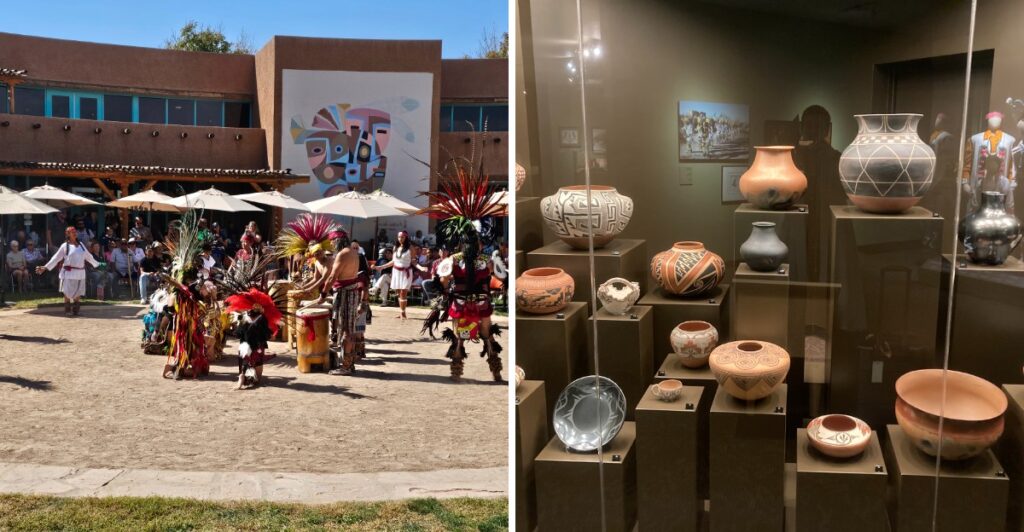
Drums were the first thing I heard, drifting across a parking lot I almost drove past on my way to lunch. What looked like a quiet museum from the street turned out to be one of the most moving afternoons I have spent in New Mexico.
Nineteen Pueblo nations share their history here, and they do it in their own voices, not through an outsider’s lens. Come hungry, too, because the kitchen inside has a way of turning a quick stop into a full day.
A Gateway Owned by 19 Nations
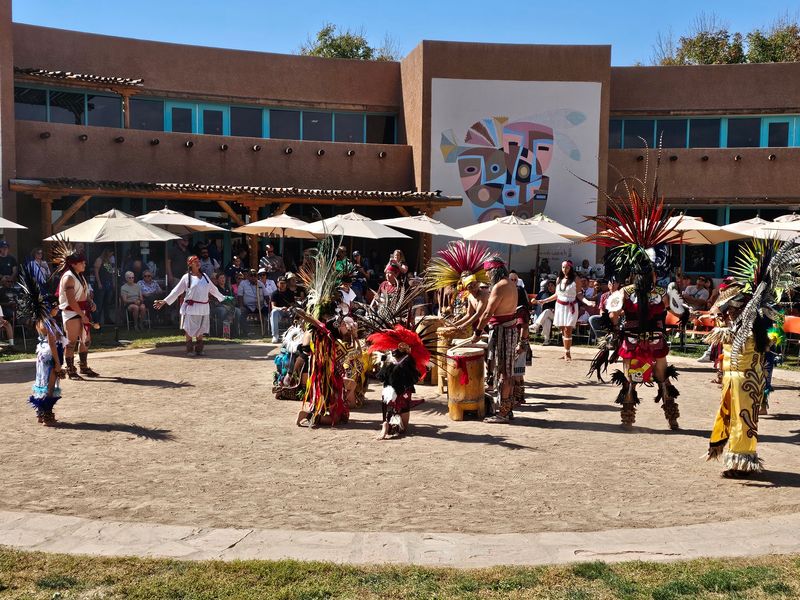
Right off 12th Street NW in Albuquerque sits a campus that locals call the Gateway to the 19 Pueblos of New Mexico. The Indian Pueblo Cultural Center is owned and operated by those sovereign nations themselves, which changes everything about how the stories inside are told.
Founded in August 1976, the center runs as a non-profit dedicated to preserving and carrying forward Pueblo culture, history, and art. Its goal is simple but powerful: help people understand the accomplishments and evolving history of Pueblo communities, presented with respect and accuracy.
You will find a museum, gallery spaces, a gift store stocked with handmade work, a library and archives, an education department, and a restaurant focused on Indigenous foodways. Weekends bring dancers into the central courtyard, and on market days artists set up booths to sell their jewelry and crafts directly.
Beyond the exhibits, the center also supports economic opportunity for Pueblo artists and local communities. That means your ticket, your lunch, and that pair of earrings you could not resist all help keep the place thriving.
Newcomers and lifelong New Mexicans alike tend to walk away surprised by how much fits under one roof.
Historic Ground and a 50-Year Milestone
Few visitors realize the land beneath their feet carries its own heavy chapter. The campus stands on property that once belonged to the Albuquerque Indian School, a site tied to a complicated era for Native families across the Southwest.
Building a Pueblo-owned cultural center on that same ground feels meaningful. Where young people were once separated from their traditions, their descendants now gather to celebrate language, art, and community on their own terms.
History keeps moving here, too. In 2026, the center marks its 50th anniversary, and the exhibition 50 for 50: Indian Pueblo Cultural Center, 1976-2026 looks back across five decades of growth, artists, and milestones.
For anyone who likes a little backstory with their visit, this anniversary year is a great excuse to go. The retrospective offers a sense of how a modest idea in the 1970s grew into a campus with galleries, a restaurant, an education program, and regular public dances.
Staff members are known for being friendly and happy to answer questions, so feel free to ask about the land and the anniversary. Their answers often add depth you will not find on any wall plaque, and they make the history feel close and personal.
We Are of This Place, the Heart of the Museum
Voices matter in the permanent exhibition, We Are of This Place: The Pueblo Story. Instead of a distant narrator, the galleries share a legacy of resilience through the words of Pueblo people themselves.
Visitors often describe the layout as well organized and detailed without feeling crushing. One common observation is that the displays give just enough information to keep you curious, so you avoid that tired, museum-overload feeling by the last room.
Expect historical pieces, artifacts, and stories from artisans and community members across the 19 Pueblos. Topics range from traditions and languages to ongoing challenges, which gives the exhibit a present-day pulse rather than a dusty, finished feel.
How long should you plan? Guests say it can be as quick or as thorough as you like.
Some breeze through in under an hour, while others spend well over that and still wish they had more time.
Guided tours run at noon and 2 PM, and people who join them rave about guides who explain cultural details in an engaging way. If you enjoy context and conversation, time your arrival around one of those slots.
It turns a good visit into a truly memorable one.
Clay Vessels, Murals, and Rotating Shows
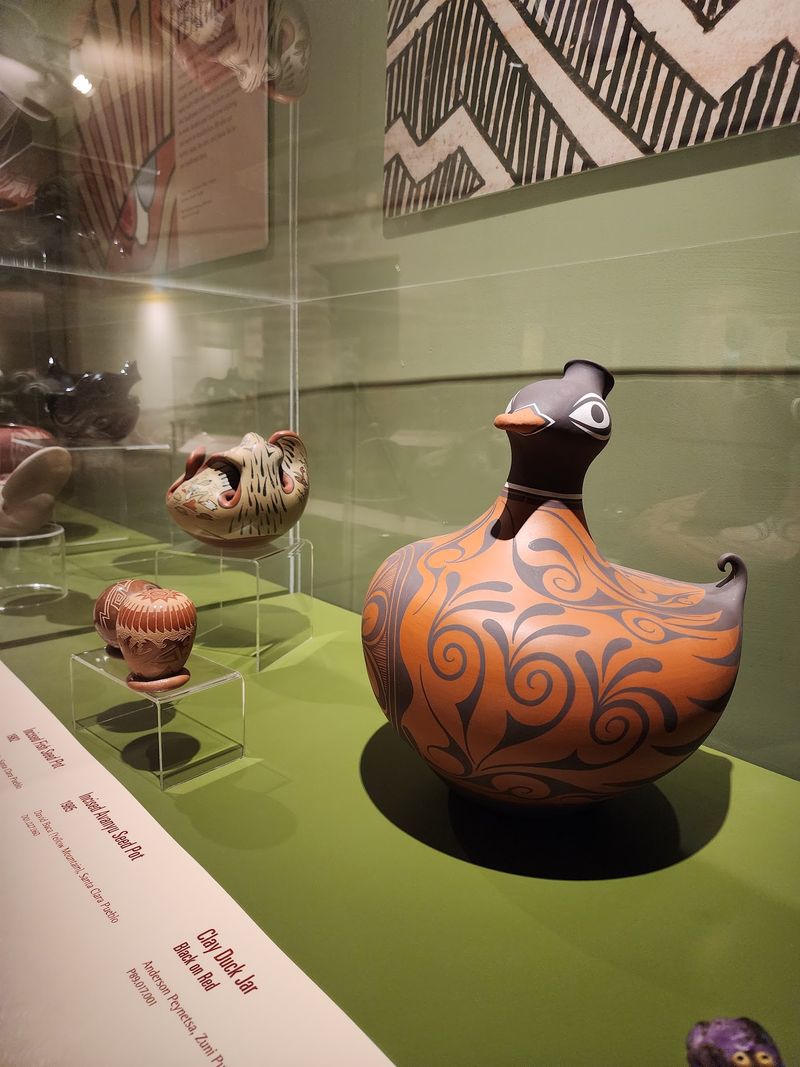
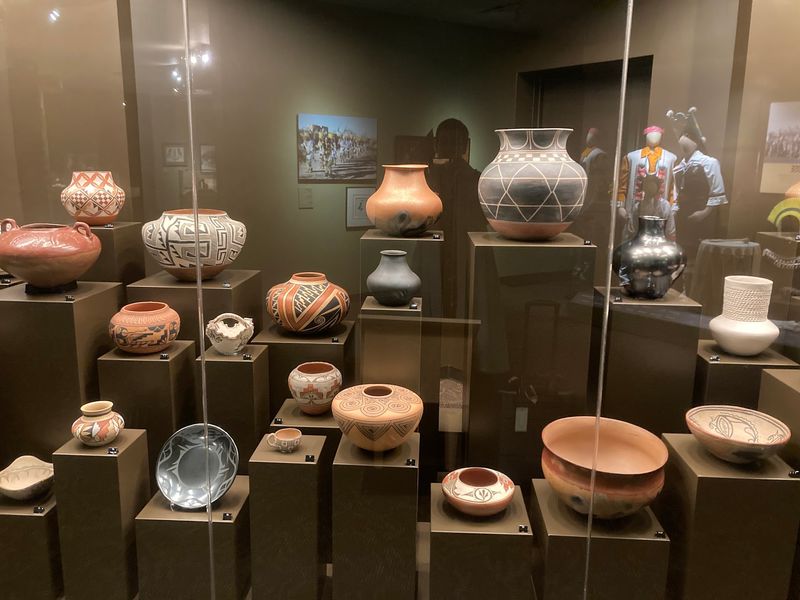
Pottery gets people talking more than almost anything else at the center. The exhibition Grounded in Clay: The Spirit of Pueblo Pottery treats each vessel as a carrier of community knowledge, not just a pretty object behind glass.
Look closely and you begin to notice how designs, shapes, and techniques differ from one Pueblo to another. Each pot hints at a family, a place, and generations of learning passed hand to hand.
Temporary shows keep things fresh between visits. Recent offerings have included The Old Road alongside the anniversary retrospective, and returning guests mention looking forward to whatever new exhibit is going up next.
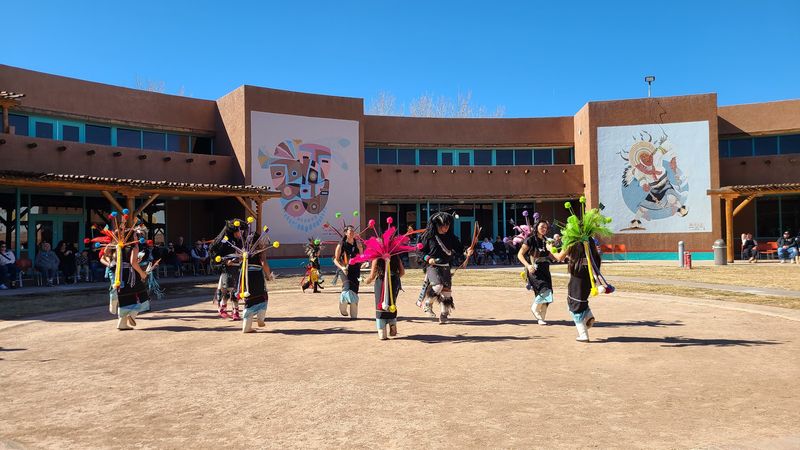
Walls deserve your attention as well. A collection of murals painted by Pueblo artists brings bold color and storytelling to the campus, and many visitors pause longer than expected in front of them.
Here is a small tip: bring your phone charged but try to spend a few minutes just looking before you snap photos. The details in the brushwork and clay surfaces reward slow eyes.
Art lovers, history buffs, and even kids who swear they are bored of museums often find something here that grabs them.
Weekend Dances in the Courtyard
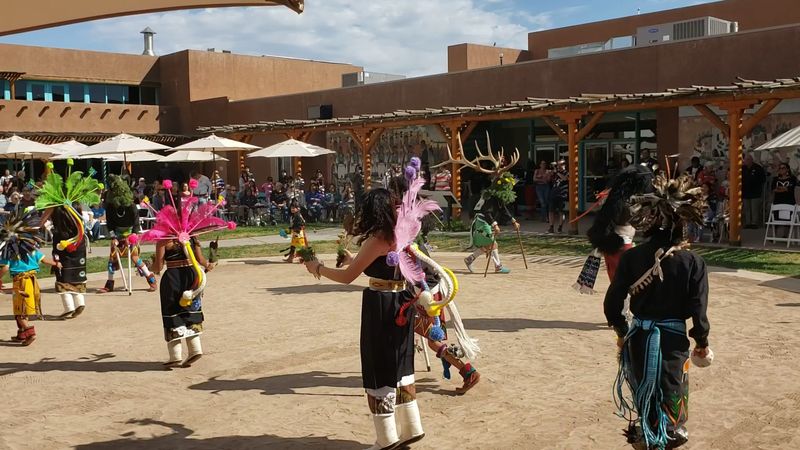
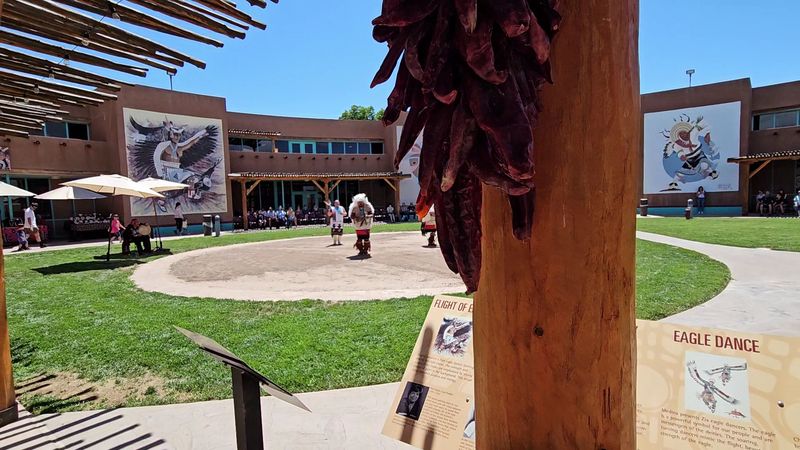
Drumbeats rolling across the courtyard are usually the moment visitors remember most. Cultural dance programs happen regularly, and guests note that dancing takes place on weekends, so plan a Saturday or Sunday if you can.
Groups vary from visit to visit. Some guests have watched family troupes where children danced alongside watchful elders, while others caught the Cellicion Zuni Dancers or a skillfully performed harvest dance.
Parents especially light up describing these moments. One family had spent weeks watching video clips of dance groups at home, and seeing the performers in person made their kids whisper with pure excitement.
Remember that these are cultural presentations, not just shows. Watching respectfully, listening to the introductions, and following any guidance about photos keeps the experience meaningful for everyone.
Summer sun can get intense out in that open courtyard. A hat, sunscreen, and a water bottle will make a big difference, and several visitors mention ducking inside to the galleries once the heat builds.
Even if you do not fully understand every story being told through movement, people say you can feel it. That sense of connection tends to linger long after the final drumbeat fades.
Indian Pueblo Kitchen and Its Famous Taco
Hungry travelers, listen up. The Indian Pueblo Kitchen might be the sneakiest reason to visit, and plenty of guests admit they came for the museum but left talking about lunch.
Built as both a teaching kitchen and a restaurant, it focuses on Indigenous foodways and what it calls Native Fusion cuisine. The Indian taco on flatbread shows up again and again in visitor chatter, earning a loyal following of its own.
Surprises pop up on the menu, too. One solo traveler swore the burger was the best she had eaten in ages, and another guest happily ate there two days in a row.
Service gets warm praise, with hosts described as gracious and welcoming. The dining room is a full cook-to-order spot that often buzzes with happy diners, so a lunchtime rush is common.
Opinions on cost differ. Some find the prices reasonable, while a few budget-minded visitors felt things ran a bit high.
Grabbing just a coffee and a cookie is an easy way to sample the place if you are watching your wallet.
For New Mexico food lovers who think they know every local plate, this kitchen offers a fresh perspective worth tasting.
Shumakolowa Native Arts and Artist Markets
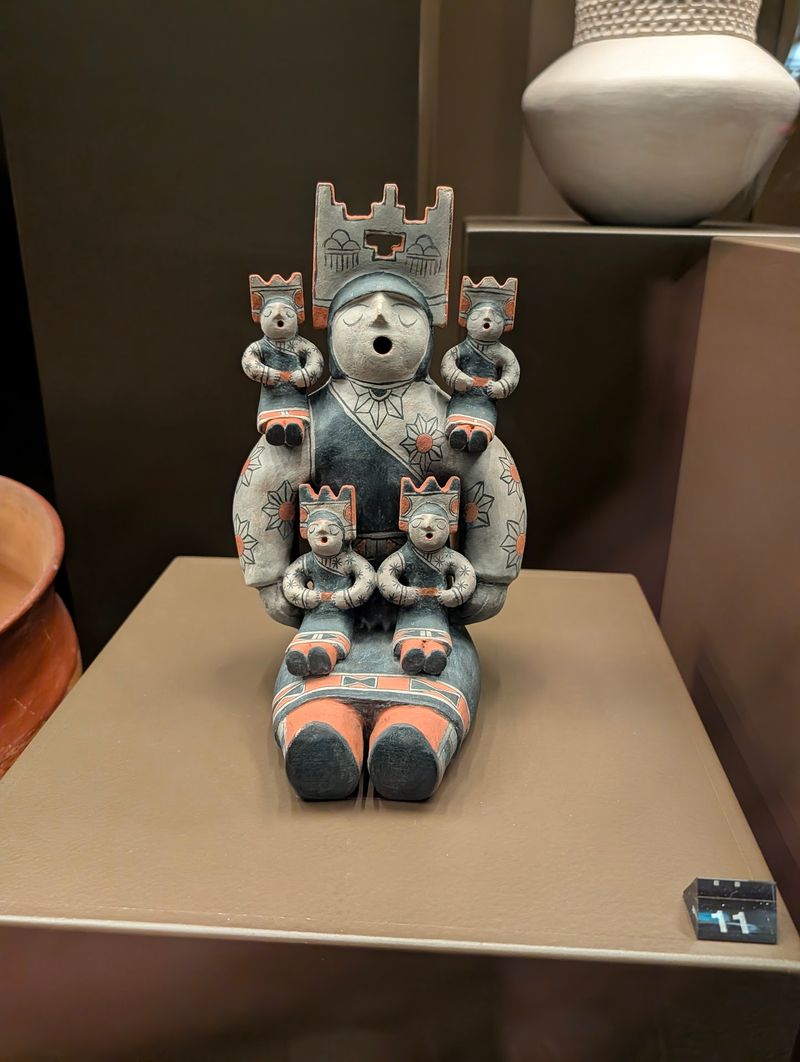
Shopping here feels different from grabbing a souvenir at a roadside stand. The Indian Pueblo Store, also called Shumakolowa Native Arts, is stocked with handcrafted jewelry, pottery, rugs, books, and artwork from talented Native artists.
Visitors frequently call the shop lovely and packed with wonderful pieces. Because the work comes from Pueblo makers, each purchase supports the artists and communities behind it.
Timing can double the fun. During events such as the American Indian Week Spring Arts Market, the courtyard fills with vendor booths, and guests describe meeting artists who generously explained their techniques and inspirations.
Talking directly with a jeweler or potter adds a story to whatever you bring home. That bracelet stops being a trinket and becomes a small connection to a real person and place.
Budgets vary, and a few shoppers mention prices on the higher side. Handmade, authentic work usually is, so set a spending range before you start browsing those glittering cases.
Market days can also draw big crowds, and parking may fill up quickly. Arriving early gives you first pick of the booths and a calmer stroll before the afternoon heat and foot traffic roll in.
Learning Spaces for Curious Minds of All Ages
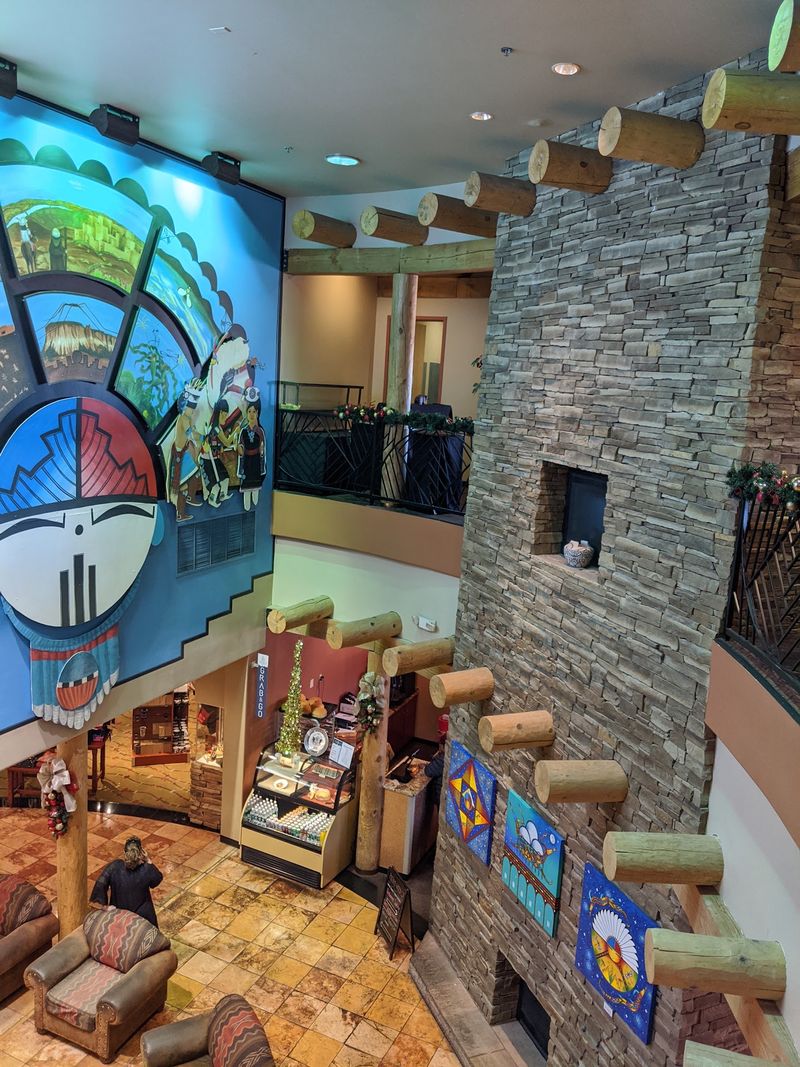
Kids who roll their eyes at the word museum often change their tune here. The education department runs workshops, summer camps, and family-friendly craft days that mix hands-on fun with real learning.
Programs carry thoughtful names and goals. Pueblo SEEDSS, short for Sowing Ecological Education for Delivering Sustainable Stewardship, teaches care for land and environment, while the Indigenous Wisdom Curriculum shares knowledge rooted in Pueblo ways of life.
One family who stopped by during a kids craft day walked away learning about environmental challenges facing certain tribes. Moments like that show how the center links past traditions to issues communities still navigate today.
Researchers and deep-divers get their own treat. A library and archives are available for study, and at least one guest singled them out as a special highlight of the whole visit.
Parents appreciate how the setting encourages questions without overwhelming young visitors. Short displays, lively dances, and hands-on activities keep attention spans happy.
Teachers, homeschool families, and grandparents looking for a meaningful outing will find plenty to build a day around. Checking the website ahead of time helps you catch workshops or camps that match your schedule.
Hours, Tickets, and a Parting Word
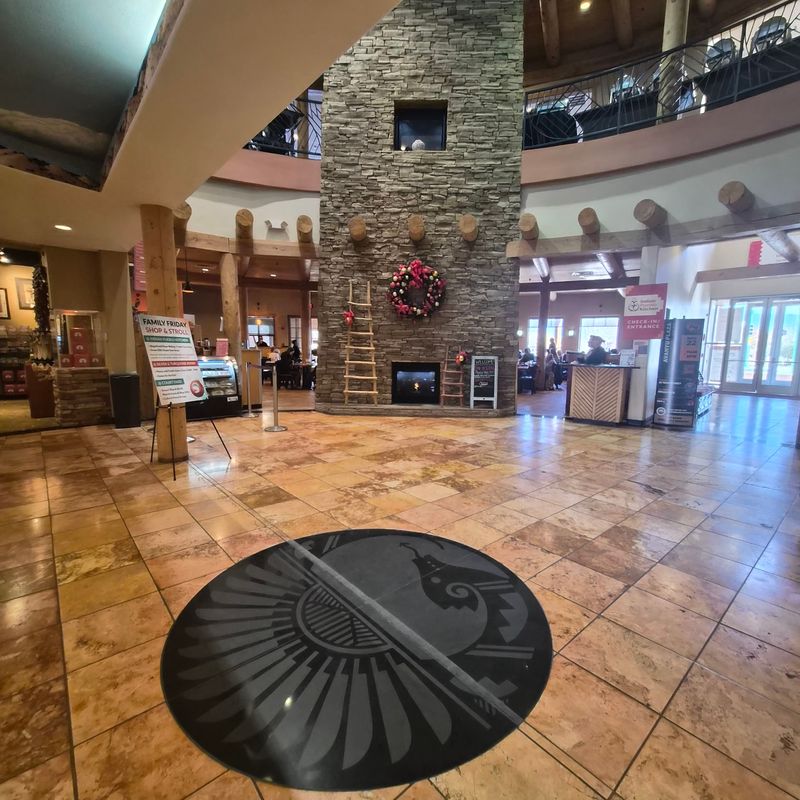
Good news for planners: the center keeps steady hours, open 9 AM to 5 PM every single day of the week. You can reach staff at 505-843-7270 or check indianpueblo.org for event schedules.
Tickets can be purchased online or at the entrance. One visitor reported paying about 15 dollars, and regulars point out a handy perk, two-for-one Tuesdays, which makes a midweek trip friendlier on the budget.
Find the campus at 2401 12th St NW in Albuquerque, just north of downtown and an easy hop from Old Town. Parking can get tight during big weekend events and markets, so arriving early is wise.
Plan your day around the noon or 2 PM tours, a weekend dance, and lunch at the kitchen. Many guests say you could easily fill an entire day here without running out of things to do.
So is it worth the stop? For anyone who wants to understand New Mexico beyond the postcards, the answer leans strongly toward yes.
The stories come straight from the people who live them, and that honesty sticks with you.
Come curious, stay for lunch, and leave feeling like you finally met the heart of the state.