Iowa has a way of surprising people. Most folks picture flat cornfields stretching to the horizon, but the truth is this state hides dramatic bluffs, sparkling rivers, ancient caves, and charming small towns that feel like stepping back in time.
I have packed my car and hit the road across Iowa more times than I can count, and every single trip has handed me something worth remembering.
These 12 day trips are the ones that stuck with me the longest, the kind where your kids are still talking about what they saw weeks later, and honestly, so are you.
1. Effigy Mounds National Monument, Harpers Ferry
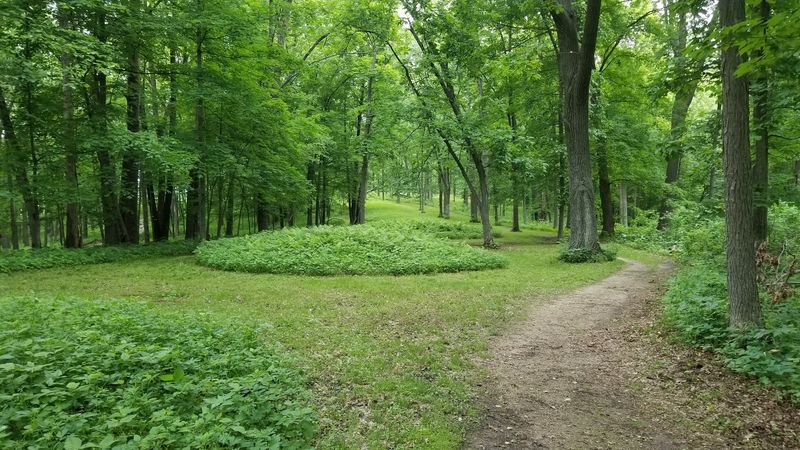
Few places in the entire Midwest carry as much quiet power as this extraordinary site perched above the Mississippi River in Harpers Ferry, Iowa.
Effigy Mounds National Monument preserves more than 200 prehistoric mounds built by Native American cultures between 500 BCE and 1200 CE, many of them shaped like bears and birds when viewed from above.
The trails here wind through dense hardwood forest and open onto breathtaking bluff-top views of the river valley below.
The Great Bear Mound, one of the largest effigy mounds in the country, stretches nearly 137 feet long and is genuinely awe-inspiring to stand beside.
The visitor center does a wonderful job of explaining the cultural significance of the mounds without making it feel like a school lecture.
Plan for a half-day at minimum because the trails are worth every step, especially in fall when the leaves turn gold and red along the bluffs.
Pack a picnic, wear sturdy shoes, and bring the whole family. This is history you can actually walk through.
2. Backbone State Park, Strawberry Point
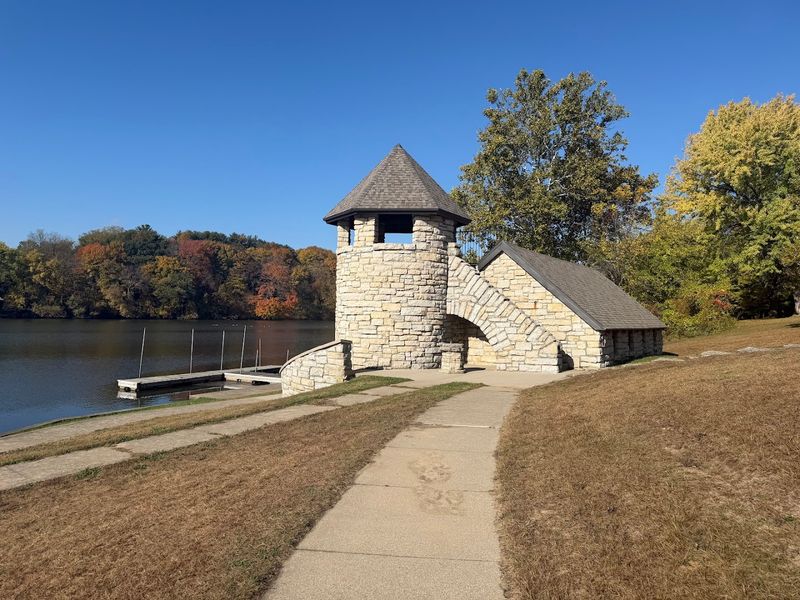
Iowa’s oldest state park has a name that sounds tough, and it absolutely delivers on that promise.
Backbone State Park near Strawberry Point gets its name from a narrow limestone ridge that rises sharply above the Maquoketa River, looking genuinely dramatic against the surrounding forest.
The park offers 21 miles of trails ranging from easy lakeside strolls to challenging climbs up to the ridge itself, where the views are worth every bit of effort.
The lake is stocked with fish, there are cabins and campsites for overnight stays, and the swimming beach is a summer favorite for families.
What sets Backbone apart from other Iowa parks is the sheer variety packed into one location. You get rugged terrain, calm water, dense woodland, and open sky all at once.
Spring brings wildflowers carpeting the forest floor, while autumn turns the whole park into a patchwork of amber and crimson.
Go early on weekends because this park draws crowds, especially in September and October. The ridge walk at sunset is something your kids will genuinely remember.
3. Maquoketa Caves State Park, Maquoketa
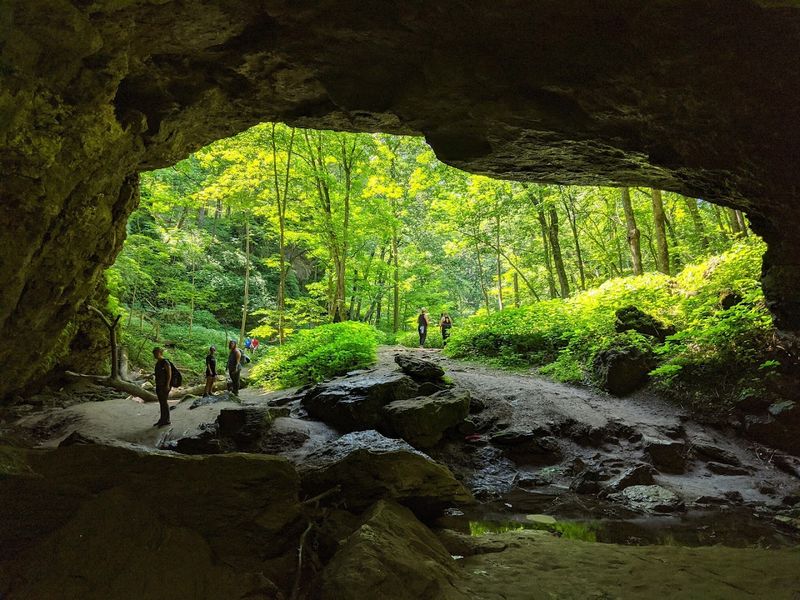
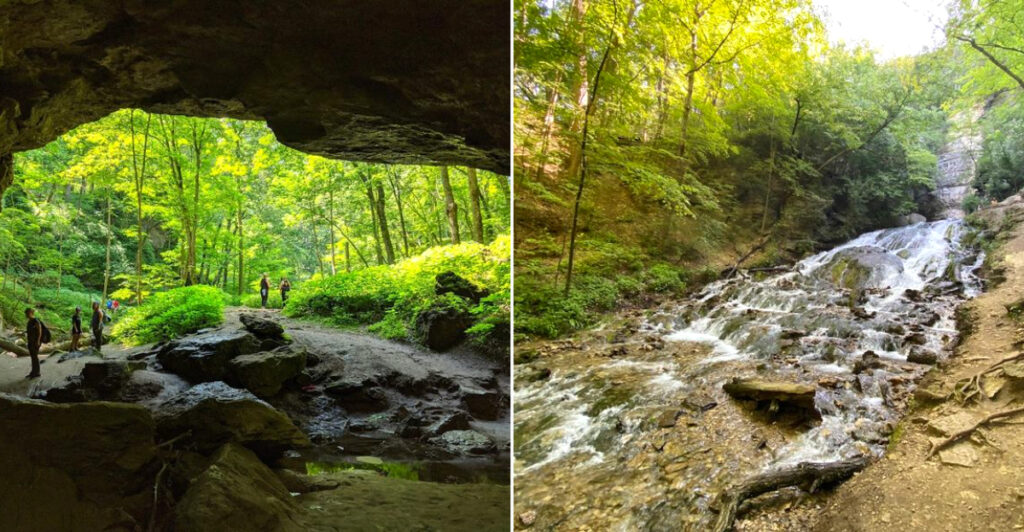
Somewhere between a geology lesson and a genuine adventure, Maquoketa Caves State Park near the town of Maquoketa delivers one of the most unique outdoor experiences in the entire state.
The park contains the highest concentration of caves open to the public in Iowa, with 13 named caves ranging from walk-through passages to tight crawl spaces that will test your flexibility and your sense of humor.
Dancehall Cave is the star attraction, a massive 1,100-foot-long cave you can walk straight through without any special equipment.
Natural Bridge, a 50-foot-wide limestone arch carved by centuries of water erosion, is another highlight that photographers absolutely love.
The surface trails connecting the caves pass through wooded ravines and across wooden bridges, making the journey between caves just as enjoyable as the caves themselves.
Bring a flashlight, wear clothes you do not mind getting a little dirty, and pack snacks because you will want to spend several hours here.
This park rewards curious families who love getting hands-on with nature. The caves feel like a secret the rest of the world has not found yet.
4. Loess Hills Scenic Byway, Western Iowa
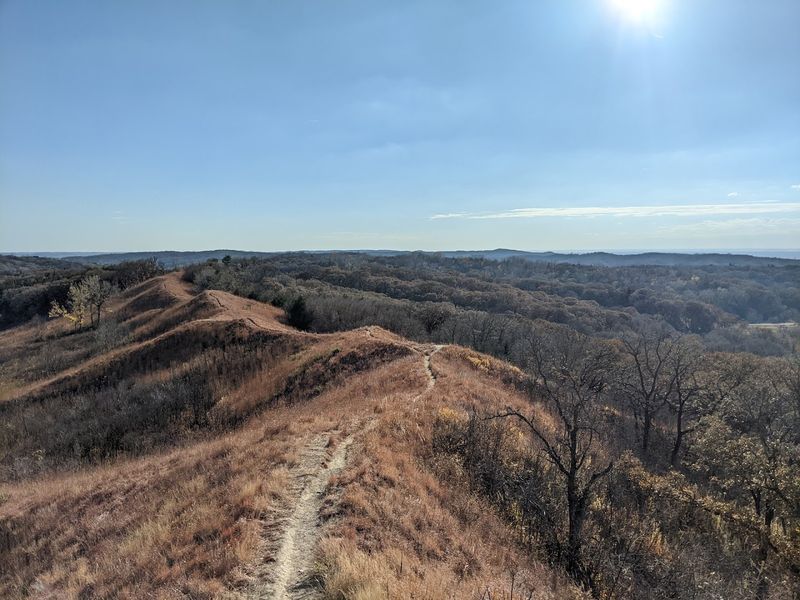
There is nowhere else in Iowa quite like the Loess Hills of the western edge of the state, and that is not an exaggeration.
These windblown ridges of fine glacial silt rise sharply from the Missouri River floodplain and stretch for roughly 200 miles along Iowa’s western border, creating a landscape that looks more like the American West than the Midwest.
The Loess Hills National Scenic Byway follows a 220-mile main route through this remarkable terrain, with optional excursion loops that give travelers even more chances to explore overlooks, prairies, oak savannas, and small farming towns.
The hills are globally significant because only China has taller loess formations, and western Iowa’s ridges also protect rare prairie habitats and species that make the whole drive feel genuinely special.
Spring and fall are the best seasons to visit, when wildflowers or turning leaves add color to the already dramatic ridgelines.
Stop at the Loess Hills State Forest near Pisgah for a hike that puts you right on top of the ridges with nothing but sky and rolling hills in every direction.
This drive rewards slow travelers. Roll down the windows and take your time.
5. Pikes Peak State Park, McGregor
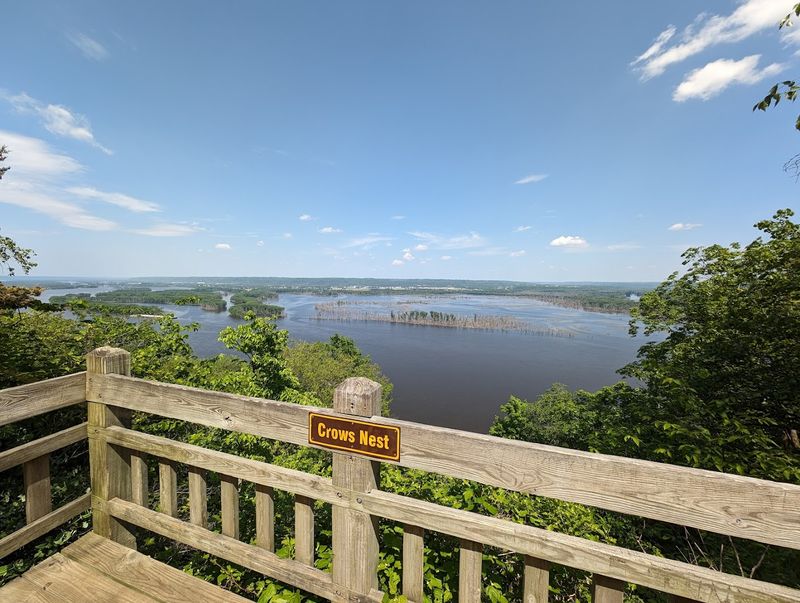
Named after the famous Colorado mountain but offering a completely different kind of drama, Pikes Peak State Park in McGregor sits on one of the highest bluffs above the Mississippi River and the view from the top is genuinely jaw-dropping.
On a clear day, you can see for miles across the river into Wisconsin, with the broad Mississippi curving through the valley below like a silver ribbon.
The park sits within the Driftless Area, a region that escaped glaciation and retained a rugged, hilly character unlike most of Iowa’s terrain.
Bridal Veil Falls, a delicate cascade tucked into a wooded ravine within the park, adds a lovely contrast to the grand bluff-top scenery.
The trails here vary in difficulty, making it accessible for families with young children as well as hikers looking for a more vigorous workout.
Fall foliage season transforms this park into something almost unreal, with layers of color stacking up across the bluffs and river valley.
McGregor itself is a charming river town worth exploring after your hike. Small shops, river views, and a relaxed pace make it the perfect way to end the day.
6. Ledges State Park, Boone
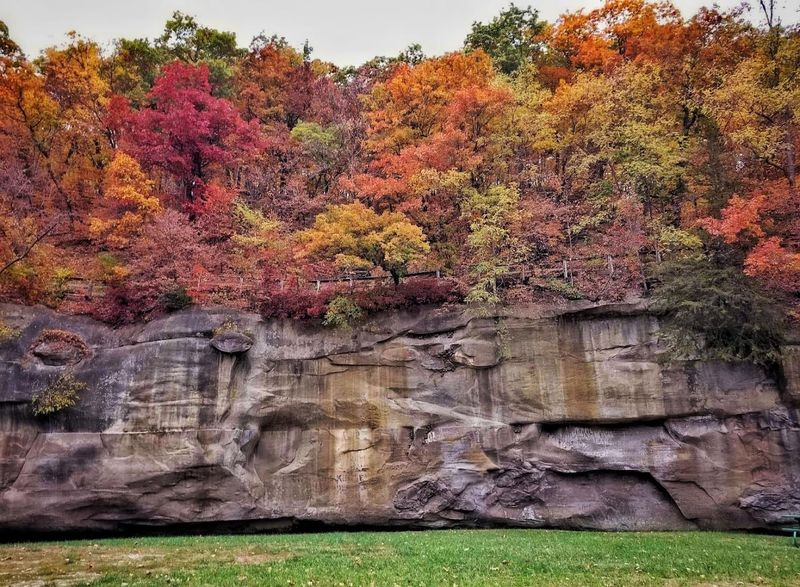
Central Iowa does not typically get credit for dramatic scenery, but Ledges State Park near Boone makes a very convincing argument that it should.
The park’s most striking feature is a series of towering sandstone ledges rising up to 100 feet above the Des Moines River, carved over thousands of years and now draped in ferns and mosses that glow an almost electric green after rain.
The canyon trail winds along the bottom of these rock walls, passing a small creek and offering constant close-up views of the layered stone formations above.
In spring, the canyon fills with the sound of rushing water and birdsong, while autumn turns the surrounding forest into a blaze of orange and yellow that reflects off the sandstone in beautiful warm tones.
Ledges is one of Iowa’s most beloved state parks, and the crowds on fall weekends confirm that reputation enthusiastically.
Arrive early if you visit during peak season, because the lower canyon parking area fills up fast.
The upper park area offers picnic shelters, open meadows, and river access that make for a full and satisfying family day outdoors.
7. Yellow River State Forest, Harpers Ferry
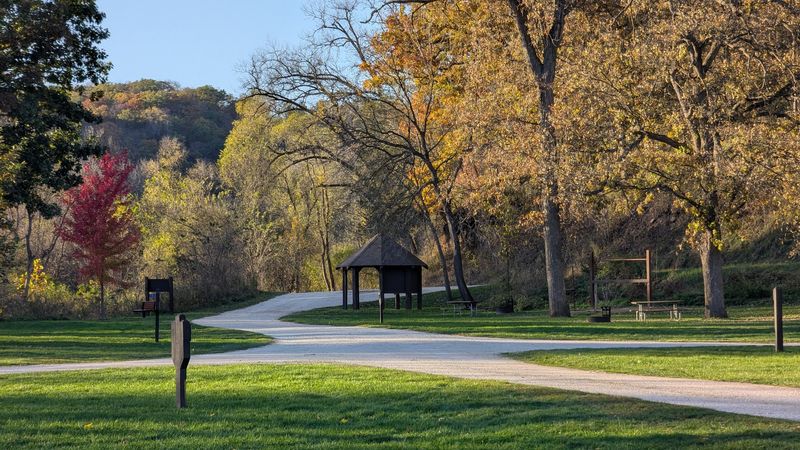
Just a short drive from Effigy Mounds, Yellow River State Forest covers more than 8,500 acres of rugged northeast Iowa terrain and feels like a genuinely wild escape from everyday life.
The forest is threaded with over 45 miles of trails used by hikers, horseback riders, mountain bikers, cross-country skiers, and snowmobilers, and the variety of landscapes packed into one area is remarkable.
Cold, clear trout streams cut through limestone valleys, dense oak and hickory canopies shade the ridgelines, and open hillside prairies offer long views across the rolling countryside.
Big Paint Creek and Little Paint Creek are both popular with trout anglers and add a lovely soundtrack of moving water to any hike along their banks.
The forest is lightly visited compared to some of Iowa’s more famous parks, which means you can find genuine solitude here even on weekends.
Wildlife sightings are common, including wild turkey, white-tailed deer, and a variety of hawk species riding the thermals above the ridges.
Pack a trail map from the forest office because cell service is limited and the trail network is extensive enough to get confusing. Getting lost here would be a beautiful problem to have.
8. Starved Rock-Inspired: Wildcat Den State Park, Muscatine
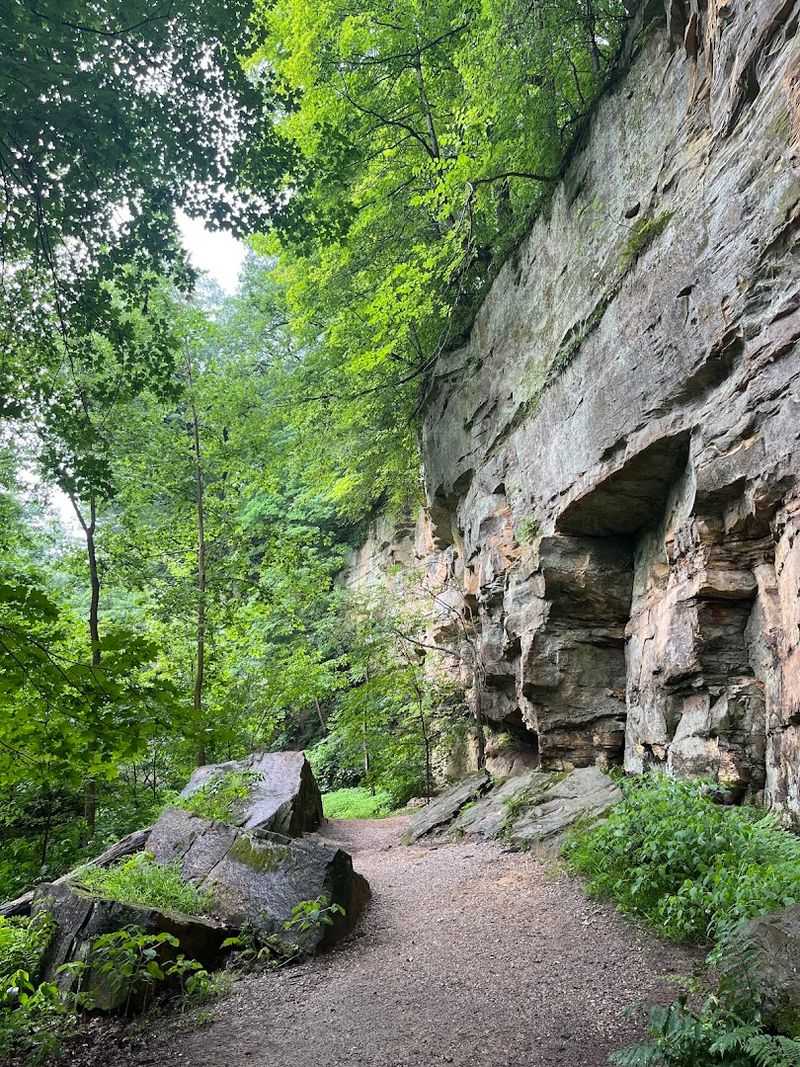
Tucked into the bluffs above the Mississippi River near Muscatine, Wildcat Den State Park is the kind of place that makes you stop and ask why you have never heard of it before.
The park features dramatic sandstone formations, a historic grist mill dating back to 1848, and the Pine Mill Bridge, a historic truss bridge that adds even more character to the area around the mill.
The canyon trails pass through narrow rock passages, over wooden footbridges, and alongside a small creek that feeds a series of pretty little cascades after heavy rain.
The combination of natural beauty and preserved history gives Wildcat Den a personality that is hard to match anywhere else in the state.
Pine Creek Grist Mill, one of Iowa’s oldest surviving mills, sits at the heart of the park and offers a fascinating glimpse into 19th-century frontier life along the river.
The trails are short enough for young children but interesting enough to hold the attention of adults who appreciate geology and history in equal measure.
Visit in early May when the wildflowers are at their peak and the canyon walls are draped in green. The whole park feels like a living painting at that time of year.
9. Lake Macbride State Park, Solon
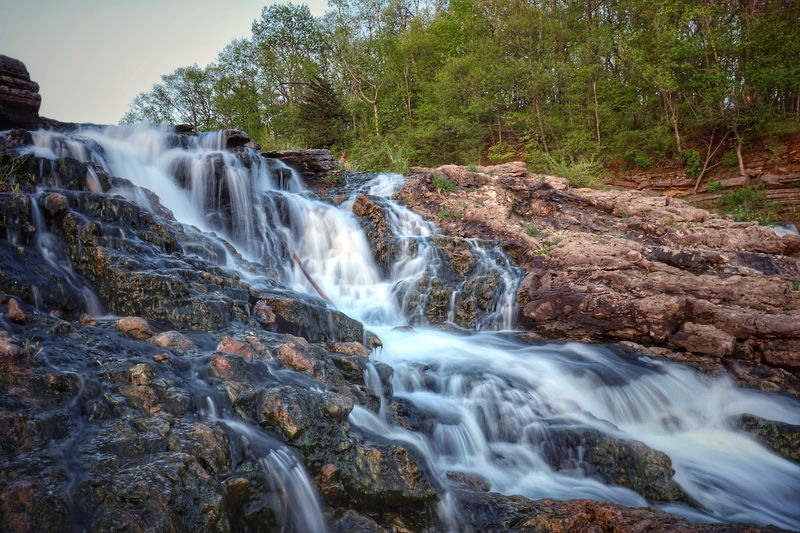
Water-lovers in eastern Iowa have a go-to destination, and its name is Lake Macbride State Park near Solon.
The 812-acre lake at the center of the park draws boaters, kayakers, paddleboarders, anglers, and swimmers in impressive numbers every summer weekend.
The surrounding park offers hiking trails, a sandy beach, boat rentals, and some of the best birdwatching in the region, particularly during spring and fall migration when the lake attracts large concentrations of waterfowl.
The Iowa Raptor Project at nearby Macbride Nature Recreation Area is a highlight for families with kids, offering a chance to learn about raptors in a setting that pairs well with a park visit.
Fishing is excellent on the lake, with walleye, channel catfish, muskie, and other species represented, and boat rentals are available if you did not bring your own.
The park connects to the Coralville Reservoir area, giving adventurous visitors even more shoreline and woodland to explore.
Sunset over the lake from the eastern shore is a simple pleasure that never gets old. Bring a blanket, find a good spot, and let the evening do its thing.
10. Dunning’s Spring Park and Ice Cave, Decorah
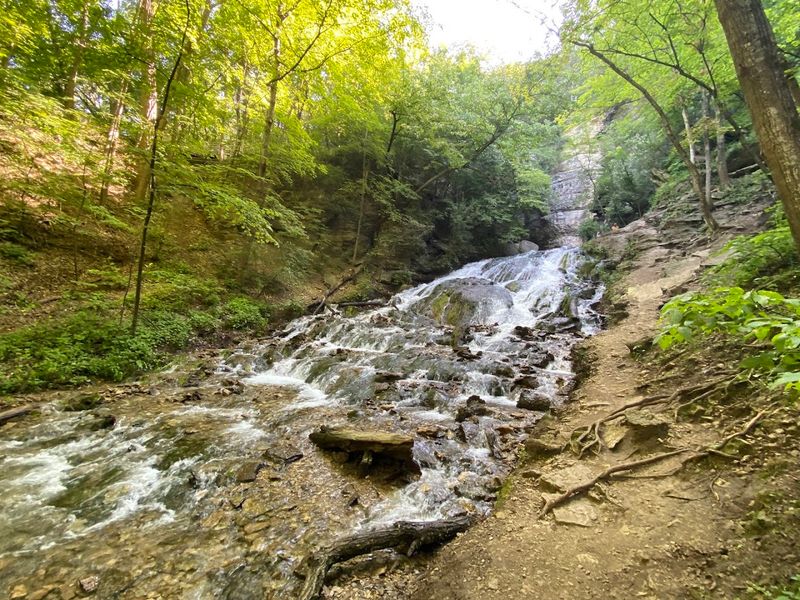
Decorah is already one of the most charming small cities in Iowa, and Dunning’s Spring Park gives you a reason to lace up your hiking shoes the moment you arrive.
A 200-foot waterfall pours over a dramatic limestone cliff at the heart of the park, feeding a crystal-clear stream that winds through a shaded ravine below.
The nearby Ice Cave adds a genuinely cool experience to the visit. Cold air seeps through cracks in the limestone bedrock, keeping the cave entrance icy even in midsummer and creating a natural air conditioner that hikers appreciate on hot July days.
The trail connecting the waterfall, the cave, and the broader Phelps Park area is well-maintained and suitable for families with kids of most ages.
Decorah itself rewards exploration after your hike, with a vibrant downtown, the Vesterheim Norwegian-American Museum, and the Upper Iowa River running right through town.
The Decorah Eagles nest cam has made this area internet-famous among bird enthusiasts, and the real-life eagles soaring above the bluffs are even more impressive than any screen can convey.
Come hungry. Decorah’s local restaurants and bakeries will take care of the rest of the afternoon very happily.
11. Cedar Falls and the Ice House Museum, Cedar Falls
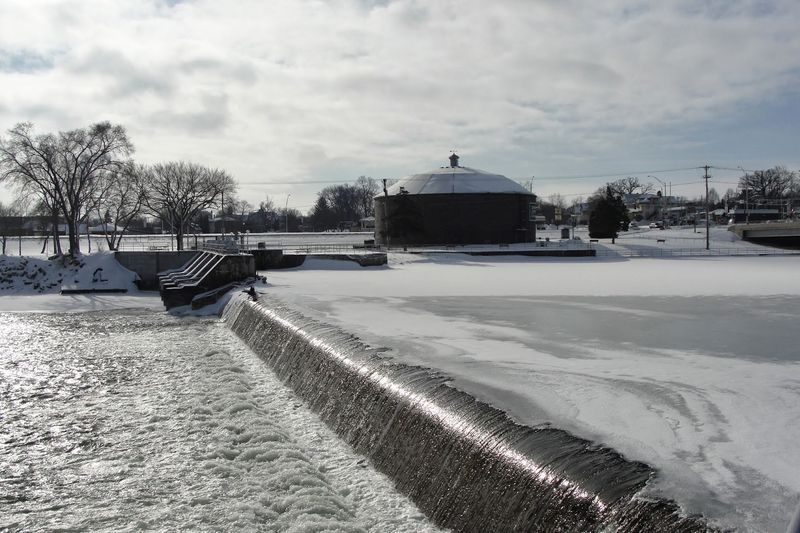
History and scenery team up beautifully in Cedar Falls, a city that punches well above its weight when it comes to day-trip appeal.
The Ice House Museum, housed in a beautifully preserved 1921 ice storage facility beside the Cedar River, tells the surprisingly fascinating story of the natural ice harvesting industry that once employed thousands of Iowans during winter months.
The museum is quirky, well-curated, and affordable, with seasonal hours and a small admission fee for adults, while children 12 and under can visit free.
The Cedar Valley Nature Trail runs through the broader area, offering a multi-use path that connects Cedar Falls and Waterloo with miles of additional Iowa scenery.
George Wyth State Park, located within the city limits, adds lakes, forest trails, and fishing spots to the day-trip itinerary without requiring any extra driving.
Downtown Cedar Falls has a lively arts and culture scene, with independent shops, coffee houses, and the Oster Regent Theatre adding an urban energy that feels welcoming rather than overwhelming.
The combination of outdoor recreation, local history, and walkable downtown charm makes Cedar Falls one of the most well-rounded day trips in the state. Plan for a full day and you still might wish you had more time.
12. Bellevue State Park, Bellevue
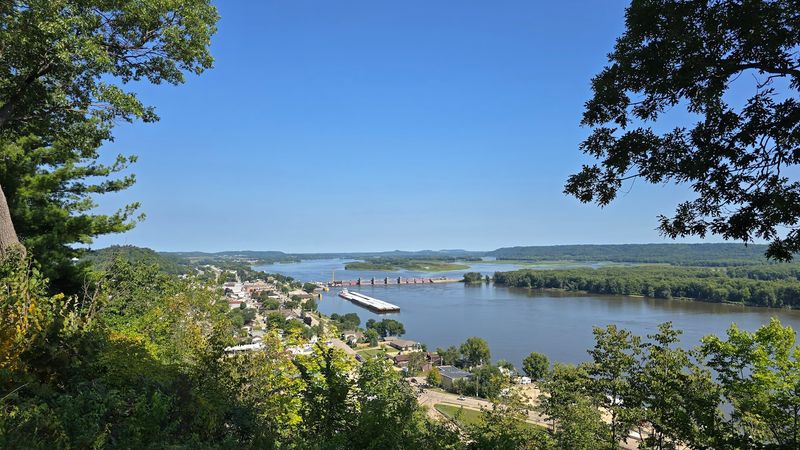
Sitting right on the banks of the Mississippi River in the small town of Bellevue, this state park offers some of the most spectacular river views you will find anywhere along Iowa’s eastern border.
The Nelson Unit of Bellevue State Park rises steeply from the river on a series of limestone bluffs, and the overlook at the top rewards the climb with a panoramic view of the Mississippi that stretches for miles in both directions.
The Nelson Unit also features the butterfly garden, nature center, restored prairie, and trails that make this part of the park especially rewarding for families and slower-paced visitors.
Bellevue the town is equally worth your time, with a historic main street that still has the unhurried feel of a classic river community.
Lock and Dam Number 12, visible from the bluffs above, is fascinating to watch as barges and recreational boats navigate the river’s controlled water levels.
Spring brings migrating warblers and shorebirds to the park in impressive numbers, making it a favorite stop on the birding circuit.
Bellevue packs a lot of beauty into a small package. It is the kind of place you tell friends about and then immediately regret because everyone will want to come with you next time.