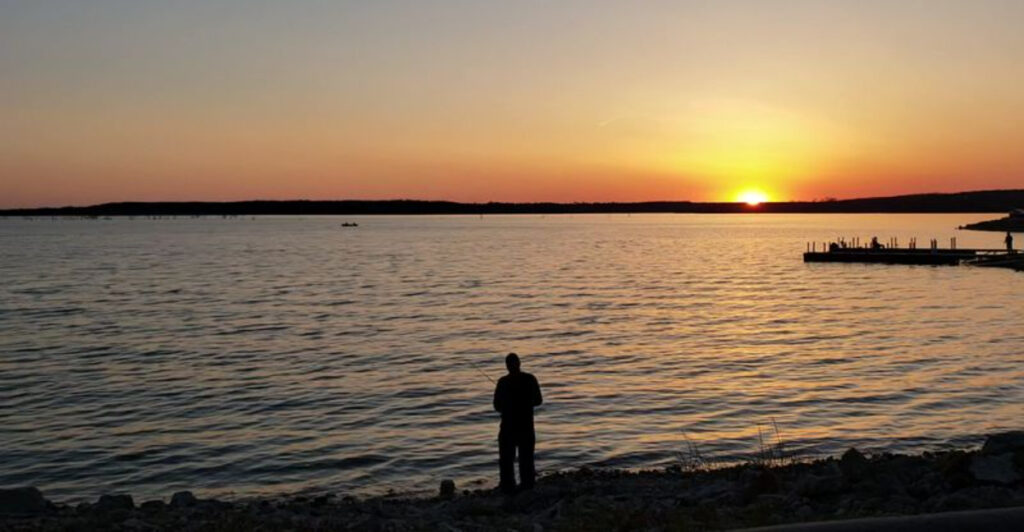
The best fishing spots are often the ones people hesitate to mention. Kansas has plenty of lakes where anglers can enjoy a quieter day on the water, but some locations have earned a reputation among locals who know exactly where to cast. These are the kinds of places where patience pays off and a peaceful morning can turn into a memorable catch.
Part of the fun of fishing is the search itself. Finding a spot that feels less crowded and more personal can make the entire experience better. The excitement is not just in what you catch, but in discovering a place that feels like your own little victory.
I have always enjoyed the mystery that comes with fishing recommendations. Someone saying, “I know a spot,” immediately makes me curious. I once followed a tip that sounded almost too casual to matter and ended up having one of the most relaxing mornings I could remember. Sometimes the best discoveries start with a simple suggestion and a little patience.
1. Wilson Lake, Russell And Lincoln County, Kansas
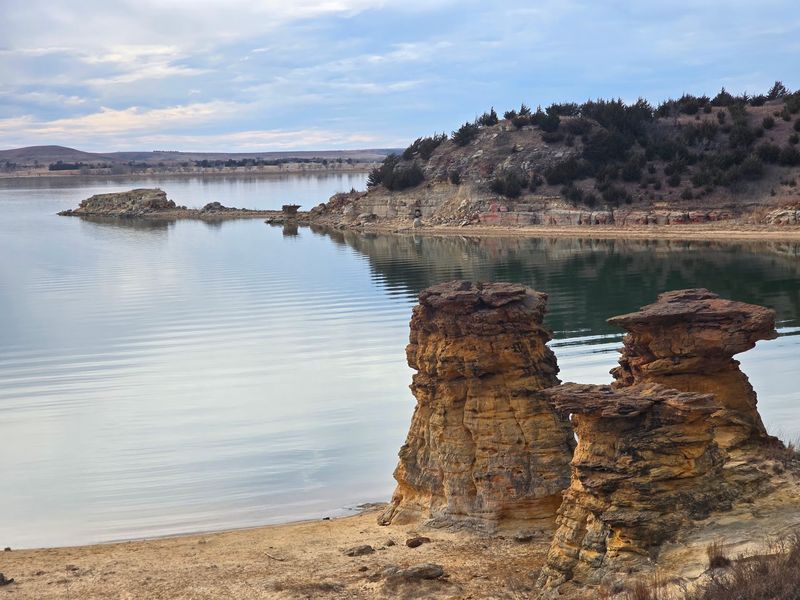
Clear water and rock walls make this one look more like Utah than the plains.
Wilson Lake sits between Russell and Lincoln County, and it has earned the nickname of the clearest lake in Kansas. That clarity matters, because striped bass here hunt by sight and feed hard along the rocky points early and late in the day.
The striper fishing is the headline act. Anglers troll deep in summer and chase surface feeding schools in fall, when shad get pushed up against the dam and the water boils.
Walleye and smallmouth bass round out the roster, and the smallmouth stack up around the riprap near the state park causeway.
Shoreline access is genuinely good here, which is rare. Rocky Ridge and Hell Creek areas both let you walk out and cast without a boat, though sturdy shoes help on those broken limestone edges.
Wind is the honest challenge at Wilson Lake, since there is very little tree cover to slow it down. Morning trips usually beat afternoon chop.
You will find the lake north of Interstate 70 near Wilson, Kansas, with the main park entrance off K-232 at 3 miles north of Wilson.
2. Milford Lake, Junction City, Kansas
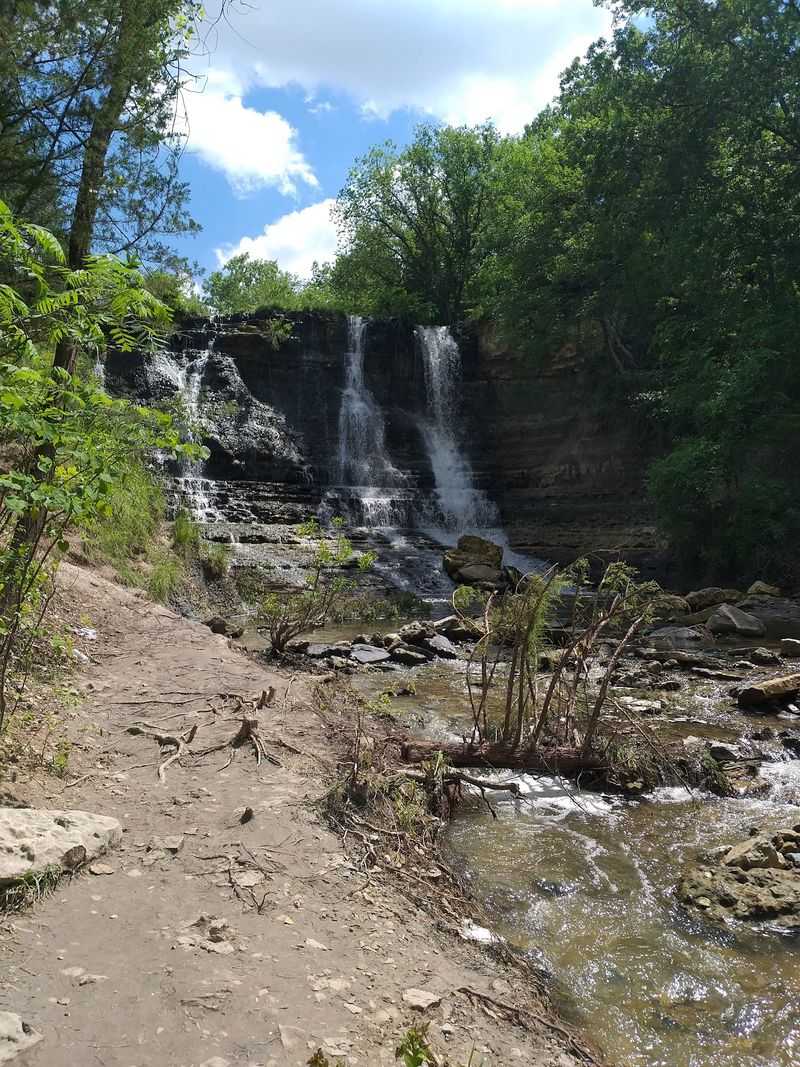
Kansas calls this one the Fishing Capital of the state, and the title fits.
Milford Lake spreads across roughly 16,000 acres near Junction City, making it the biggest reservoir in Kansas. Size means variety, and anglers here chase blue catfish, channel cats, crappie, white bass, and wipers without leaving the same body of water.
The blue catfish get serious attention. Fish over 40 pounds come out of the deeper channels below the dam and around the old river bed, especially when cut shad is on the hook.
Crappie hunters work the brush piles that wildlife crews sink around the coves, and those structures are marked on state fishing maps if you know to look.
Spring is prime time. White bass run up the Republican River arm in April, and locals line the banks near the upper end while the boat crowd stays south.
The Milford Nature Center and hatchery near the outlet is a decent stop if the bite goes cold and you have kids along.
Look for Milford Lake just northwest of Junction City, Kansas, with the state park entrance off K-57 near Milford.
3. El Dorado Lake, El Dorado, Kansas
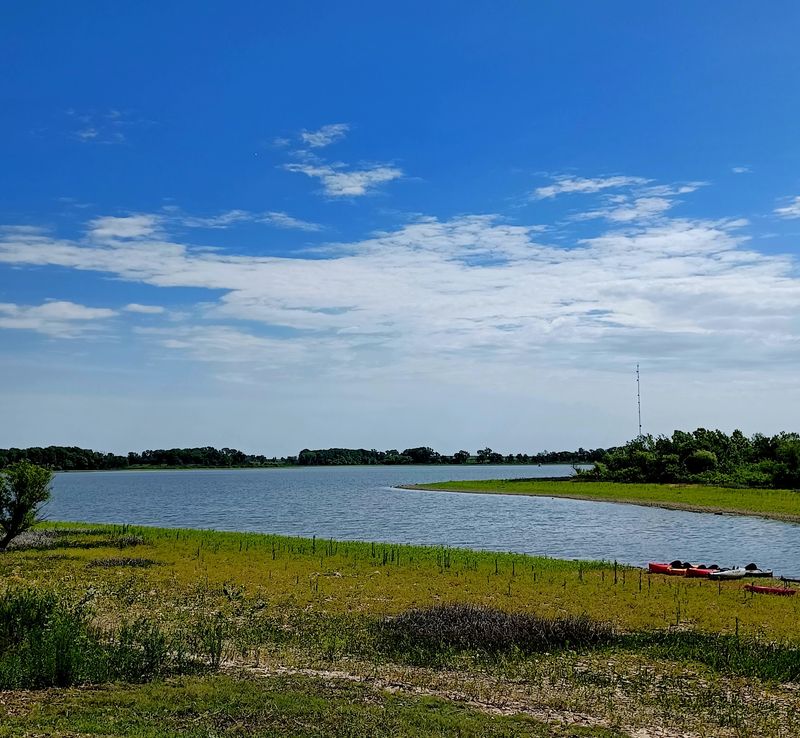
Flooded timber and quiet coves keep bass anglers coming back year after year.
El Dorado Lake covers about 8,000 acres in Butler County, just outside the town of El Dorado. The upper arms hold standing timber and brushy flats, and largemouth bass tuck into that cover through spring and early summer.
Wipers are the local specialty. Also called hybrid striped bass, they school and chase shad hard in open water, and watching a school surface is a genuine thrill.
Walleye fishing has improved steadily here too, with anglers working the main lake points after dark in the warm months.
Shoreline anglers get real options at El Dorado Lake. The Bluestem Point and Boulder Bluff areas offer walk-in access, and there are fishing docks that work well for families.
Fall might be the smartest time to visit, when the water cools, the crowds thin, and the cottonwoods along the shore turn gold.
The lake sits just north of El Dorado, Kansas, with the main state park entrance on Highway 177 about 4 miles north of town.
4. Clinton Lake, Lawrence, Kansas
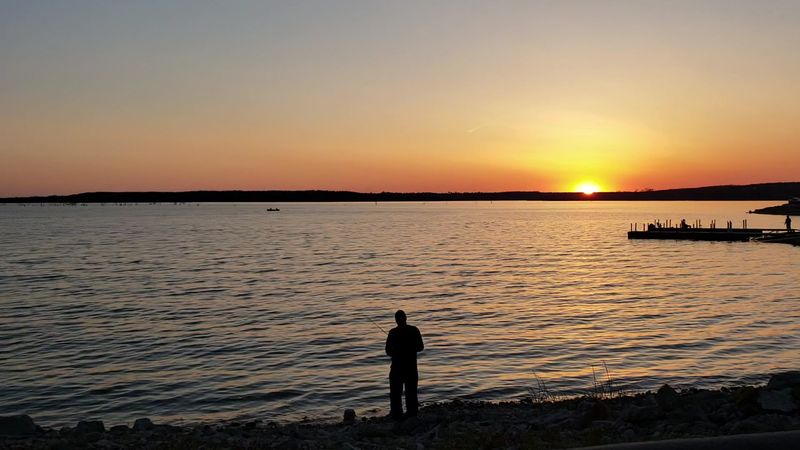
Oak and hickory woods ring this water, which is unusual for a Kansas reservoir.
Clinton Lake sits minutes from Lawrence, and the forested hills around it create shaded coves that hold crappie and largemouth bass through the heat of summer.
Crappie fishing is the main draw. Spring pushes them shallow into the brushy shoreline, and by June they slide back onto submerged trees in 15 to 20 feet of water.
Blue catfish have taken hold here in a big way over the last decade, and drifting cut bait across the flats produces steady action.
What makes Clinton Lake handy is how close it is to town. You can fish a morning bite and be eating lunch in downtown Lawrence within twenty minutes.
Bank anglers do well near the marina and along the dam, and the Corps areas offer plenty of parking without a fee in most spots.
Wind matters less here because the trees break it up, so afternoon trips stay comfortable more often than on the open prairie lakes.
Find Clinton Lake just southwest of Lawrence, Kansas, with the state park entrance off Clinton Parkway heading west.
5. Waconda Lake, Glen Elder, Kansas
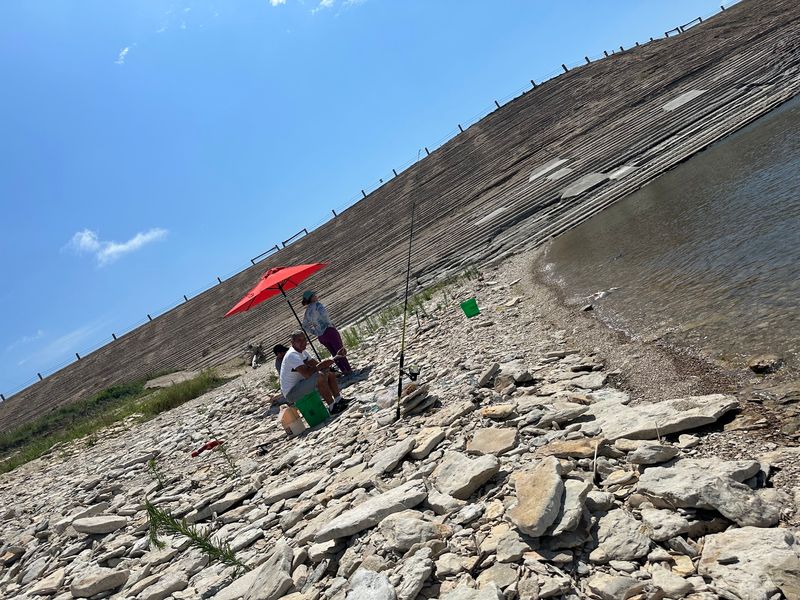
Walleye anglers in north central Kansas guard this one closely.
Waconda Lake, also known as Glen Elder Reservoir, stretches across roughly 12,500 acres near the town of Glen Elder. The walleye population here is among the strongest in the state, and spring brings serious effort along the rocky shorelines and points.
White bass and wipers add to the fun. When shad school in late summer, surface feeding frenzies pop up across the main lake and you can cast into chaos.
Channel catfish are almost too easy in the shallow upper arms during June, which makes this a solid pick for anyone teaching a beginner.
The name Waconda comes from a mineral spring that once sat in the valley before the reservoir filled, and that history gives the place a quiet weight.
Facilities at Glen Elder State Park include boat ramps, cleaning stations, and camping right on the water, so weekend trips are simple to plan.
Waconda Lake lies along US-24 just west of Beloit, Kansas, with the park entrance at Glen Elder.
6. Cedar Bluff Reservoir, Trego County, Kansas
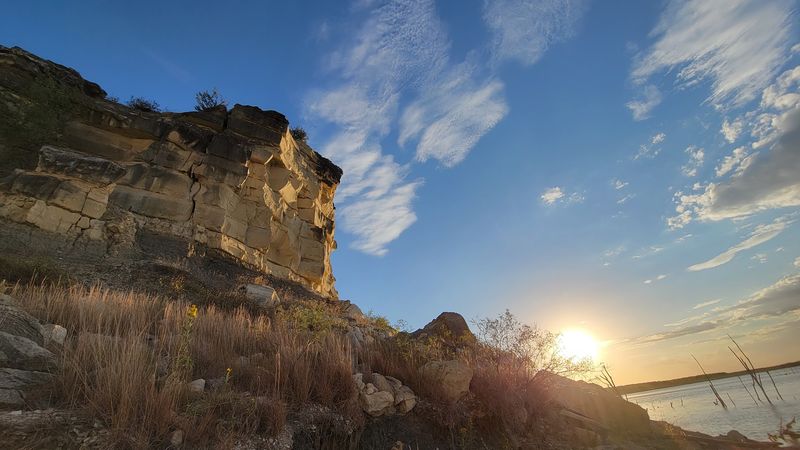
Chalk bluffs rise straight out of the water on the western Kansas high plains.
Cedar Bluff Reservoir sits in Trego County, and the scenery alone justifies the drive. The white cliffs along the north shore glow at sunset and give the place a look nothing else in the state matches.
Water levels fluctuate here more than at most reservoirs, which shapes the fishing. When levels are up, walleye and white bass thrive and the shallow flats fill with baitfish.
Crappie hold tight to the rocky points and any submerged structure, and locals mark their favorite brush piles carefully.
Wipers cruise the open water in summer, and trolling crankbaits along the old river channel is a reliable approach.
Because Cedar Bluff Reservoir sits far from any major city, the crowds stay light even on holiday weekends. That solitude is half the appeal.
Bring shade and water. Tree cover is limited and the western Kansas sun does not negotiate.
The reservoir is roughly 13 miles south of Interstate 70, reached by taking the Ogallah exit and heading down K-147 in Trego County, Kansas.
7. Hillsdale Lake, Paola, Kansas
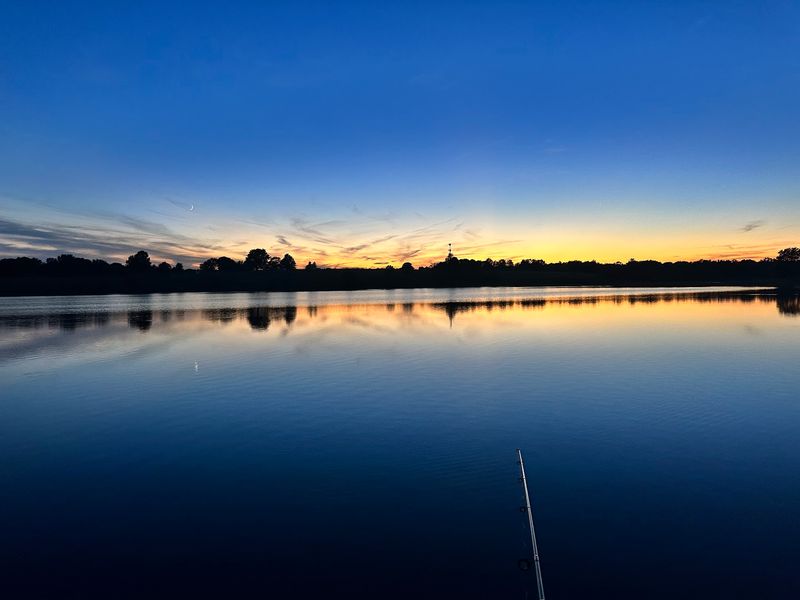
Bass tournaments run here for a reason, and it is not the parking.
Hillsdale Lake near Paola holds around 4,500 acres of water lined with timber, creek arms, and rocky points. Largemouth bass are the star, and the lake regularly produces fish in the four to six pound range.
The creek arms are where local knowledge pays off. Wolf Creek and Big Bull Creek both hold submerged timber that shelters bass and crappie through most of the season.
Crappie fishing peaks in April when fish move into two to six feet of water around brush and standing trees.
Blue catfish and channel cats work the main lake flats, and drifting is the common approach after dark in July and August.
Hillsdale Lake sits close enough to the Kansas City metro that morning trips are easy, yet the far coves still feel remote once you idle back into them.
Trails and camping at the state park make it a decent overnight option if the bite is worth staying for.
You will find the lake west of Hillsdale off Highway 169, near Paola in Miami County, Kansas.
8. Marion Reservoir, Marion, Kansas
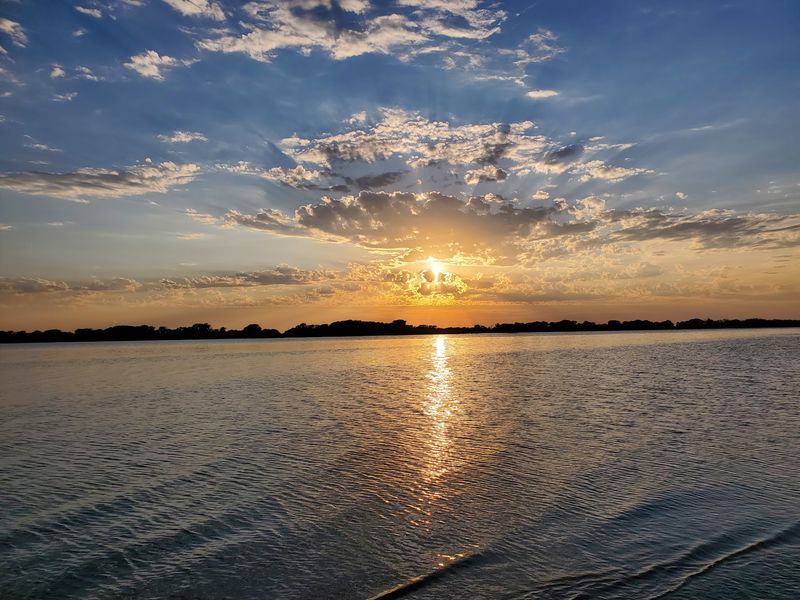
Small enough to learn in a weekend, generous enough to keep you busy.
Marion Reservoir covers about 6,000 acres in the Flint Hills region near Marion. What it lacks in size it makes up for in consistent white bass and walleye action.
Spring white bass runs up the Cottonwood River arm are the local highlight. Anglers wade the shallows with small jigs and rarely go home empty handed.
Channel catfish are abundant and cooperative, especially along the riprap and near the dam where current stirs things up.
Crappie hold around the sunken structures placed by wildlife crews, and those spots are worth marking on your electronics before the season warms.
Water clarity at Marion Reservoir can turn murky after heavy rain, which actually helps catfish anglers while making bass fishing tougher.
Cottonwood Point and Marion Cove both offer camping, ramps, and easy shoreline access for anyone fishing without a boat.
Sunsets across this stretch of prairie are worth staying late for, even when the fish quit biting.
The reservoir sits about 3 miles northwest of the town of Marion, Kansas, off Highway 256 in Marion County.
9. Lovewell Reservoir, Webber, Kansas
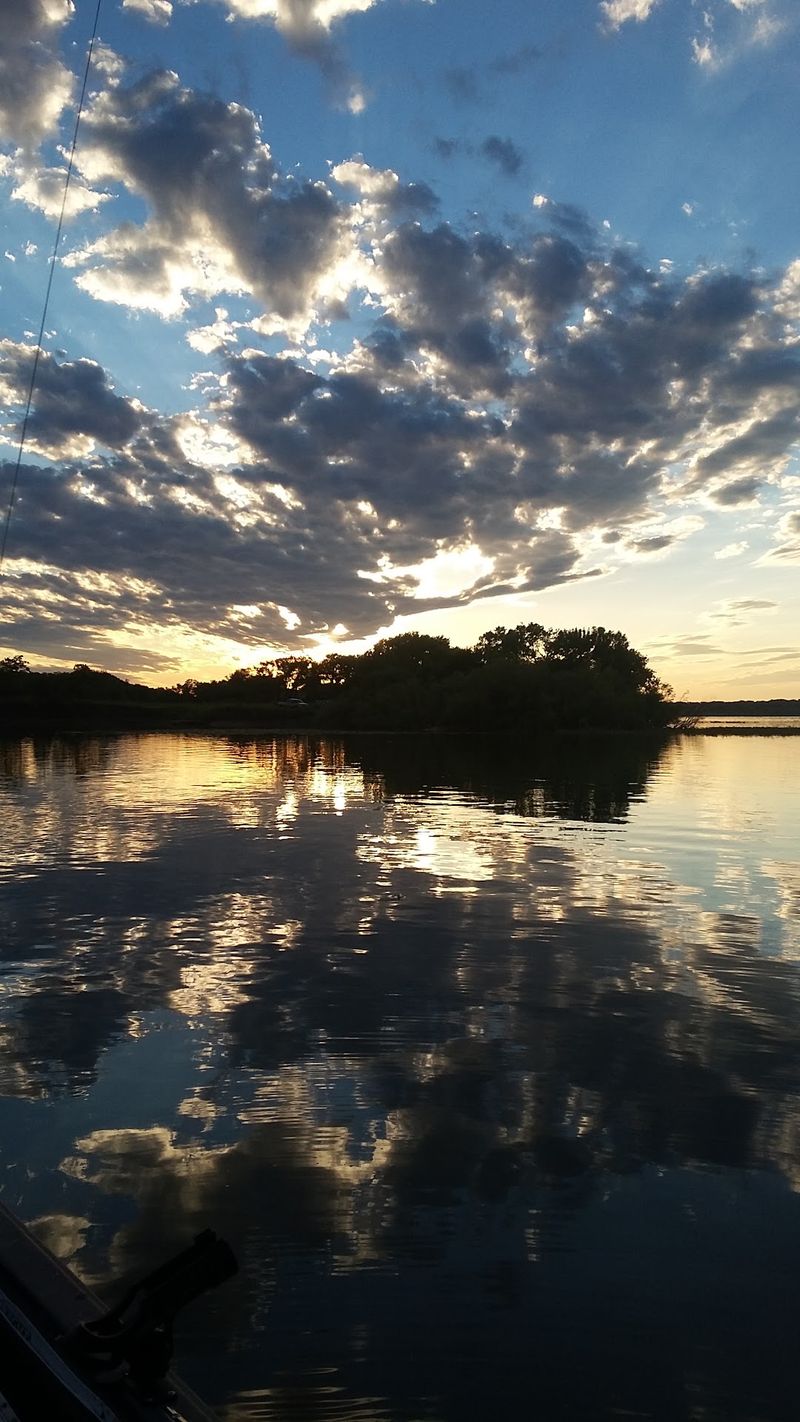
Way up near the Nebraska line, this water flies under the radar.
Lovewell Reservoir sits close to Webber in Jewell County, and its remote location keeps pressure surprisingly low. Walleye are the reason serious anglers make the drive north.
Spring walleye fishing along the rocky points and windblown shorelines can be excellent, particularly in April and May when fish move shallow.
White bass and wipers show up in summer, chasing shad across the main lake and giving light tackle anglers plenty of action.
Crappie hold around the sunken cedar structures, and channel catfish patrol the shallow upper end where the creek comes in.
The state park at Lovewell Reservoir has campsites right along the water, plus ramps and cleaning stations that make multi-day trips practical.
Wildlife watching is a bonus here. Deer, turkey, and plenty of birds move through the surrounding grassland, and mornings on the water are genuinely quiet.
Pack what you need before arriving, since services in the area are limited and the nearest sizable town takes a while to reach.
Lovewell Reservoir is located near Webber, Kansas, roughly 12 miles east of Superior along local county roads.
10. John Redmond Reservoir, Burlington, Kansas
Catfish rule this shallow, stained water in eastern Kansas.
John Redmond Reservoir near Burlington runs shallow and often murky, conditions that flathead and channel catfish absolutely love. Anglers here regularly land flatheads that stretch past 30 pounds.
The Neosho River flows through the reservoir, and the inflow area holds the strongest current and the hungriest fish after a rain.
Crappie fishing picks up in spring around the flooded timber, and white bass push up the river arm about the same time.
Because the water stays shallow, it warms fast in spring, which means the bite often starts earlier here than at deeper Kansas reservoirs.
The Flint Hills National Wildlife Refuge borders John Redmond Reservoir, so bird watching runs alongside the fishing, especially during migration seasons.
Bank access below the dam is a local favorite, and the tailwater produces catfish and white bass with steady reliability.
Bring a headlamp if flatheads are the goal, since the best action happens well after sunset on warm summer nights.
The reservoir sits just northwest of Burlington, Kansas, in Coffey County, reachable off Highway 75 and local park roads.