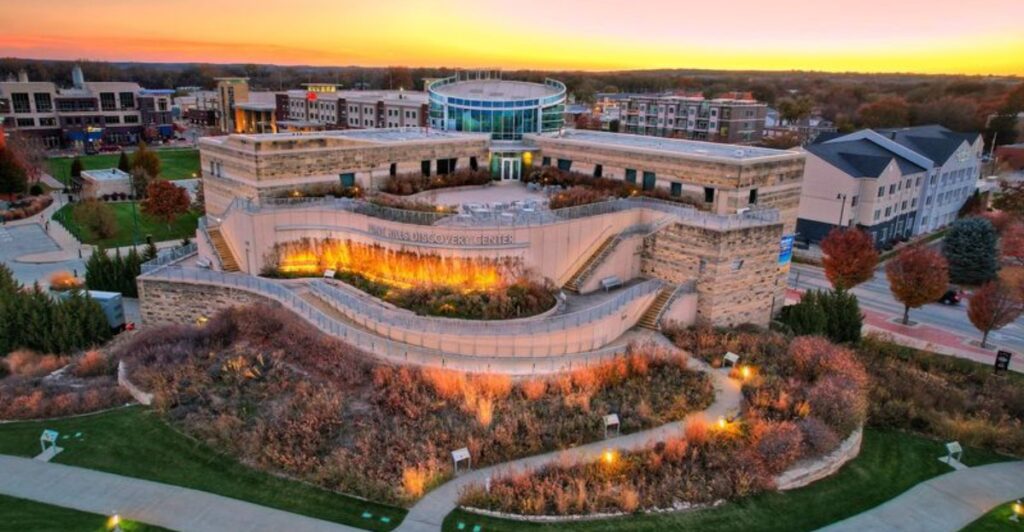
Push a button, launch something across the room, and suddenly nobody is asking when the museum trip will be over.
That is the sweet spot these Kansas science centers and hands-on museums hit.
Instead of keeping visitors at arm’s length, they invite you to test ideas, make a little noise, and learn by actually doing something.
The result is a day that works for curious kids, patient adults, and anyone who gets bored reading every wall label in order.
I like places where learning sneaks up on you. Years ago, I spent far too long at an interactive exhibit because I was determined to beat my own score, then realized I had accidentally learned the science behind it while competing with myself.
That is exactly the kind of museum visit I remember. If I leave with one new fact, a ridiculous photo, and the urge to try the experiment again, the day has already earned its place on the calendar.
1. Exploration Place, Wichita, Kansas
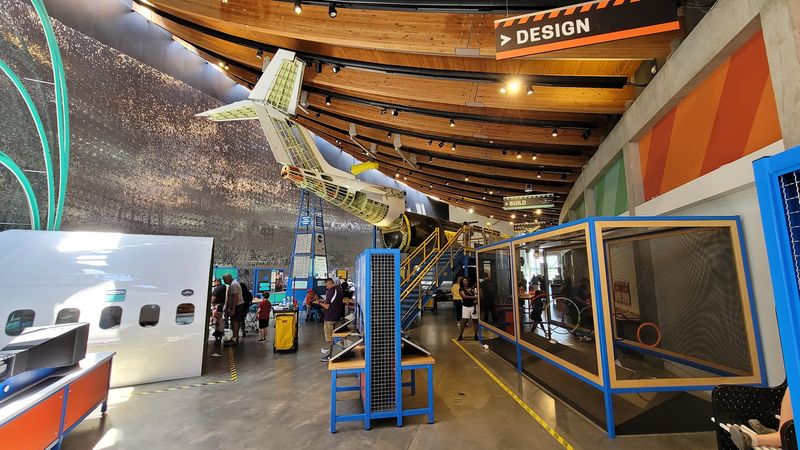
Few buildings let you spin up a tornado and then explore aviation in one hour.
Exploration Place sits right on the bank of the Arkansas River in Wichita, Kansas, and the curvy building is a clue about what waits inside. Nothing here asks you to stand still.
Kids gravitate to the EF1 tornado experience, science stations, and Design Build Fly, where they can rivet an airplane wing and test landing gear.
Grown-ups usually end up in the aviation section, since Wichita earned the nickname Air Capital of the World for good reason.
Exploration Place runs its dome theater on a schedule, and planetarium programming gives everyone a chance to sit down and breathe.
Kansas in Miniature is an indoor animated model of 1950s Kansas, while the six-acre Adventure Playscape adds an outdoor space for climbing, running, and exploring.
My advice is simple: arrive early on a weekday if you want elbow room, and pack a snack, because curiosity burns energy fast.
Traveling exhibits rotate through regularly, so a repeat visit rarely feels like a rerun. You can find Exploration Place at 300 North McLean Boulevard, Wichita, Kansas, with parking close to the front doors.
2. Cosmosphere, Hutchinson, Kansas
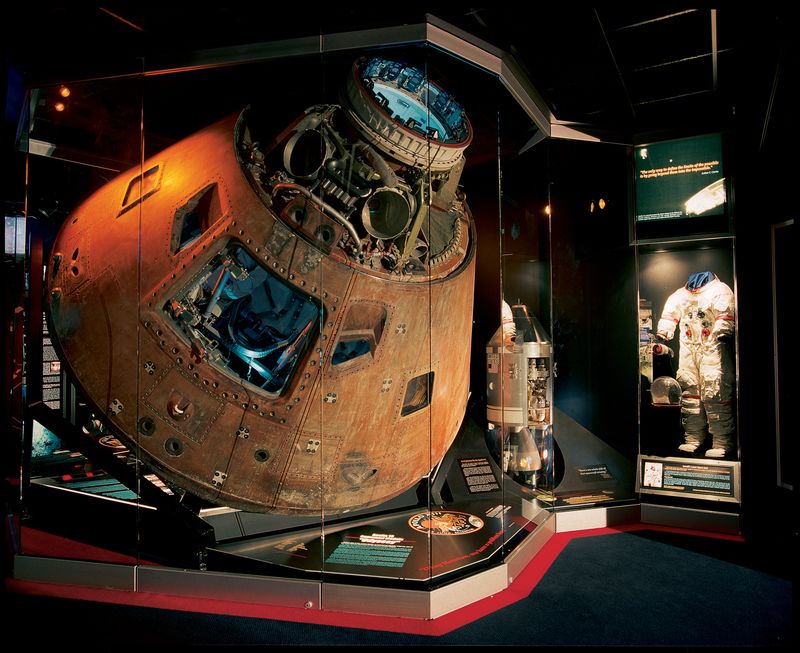
A real rocket engine hangs overhead here, and the room smells faintly of history.
Cosmosphere in Hutchinson, Kansas, holds one of the largest collections of space artifacts in the country, which surprises almost everyone expecting a modest small-town display.
The Hall of Space Museum walks you through early rocketry, the Cold War space race, and the Apollo years. Standing beside the Apollo 13 command module Odyssey is the sort of moment that quiets a loud group of eighth graders.
Liberty Bell 7, recovered from the ocean floor, sits nearby, and an SR-71 Blackbird stretches across the entry gallery.
Live demonstrations in Dr. Goddard’s Lab involve fire, smoke, and a fair amount of controlled chaos, which is exactly why the seats fill up.
Plan at least three hours, and add the digital dome theater if your legs can handle it.
Hutchinson sits about an hour northwest of Wichita, making Cosmosphere an easy day trip for anyone already exploring central Kansas.
Souvenir shopping leans heavily toward astronaut ice cream, and nobody seems to mind.
Cosmosphere is at 1100 North Plum Street, Hutchinson, Kansas, and the parking lot is free, which never hurts.
3. Kansas Children’s Discovery Center, Topeka, Kansas
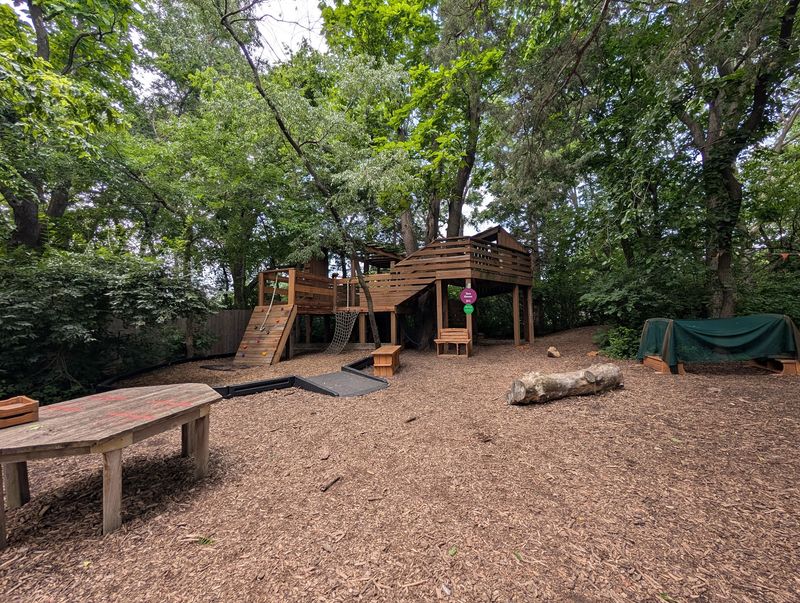
Some museums whisper politely, while this one giggles, splashes, and squeals happily.
Kansas Children’s Discovery Center in Topeka, Kansas, was built for small hands and big questions, with exhibits aimed at children roughly ten and under. Everything is designed to be grabbed, poured, stacked, or climbed.
Indoors you get a water play area, an art studio stocked with real supplies, and a pretend market that turns toddlers into serious shoppers.
Outside, Discovery Woods spreads across several acres with a treehouse, a stream, mud kitchens, and trails short enough for tired legs.
Bring a change of clothes. I mean it, because the water table wins every single time.
Weekday mornings belong to preschool crowds, so mid afternoon tends to be calmer for families with older siblings.
Kansas Children’s Discovery Center also sits near Gage Park, which means a zoo visit or a carousel ride can round out the day without much driving.
Staff hand out simple challenge cards, and kids take them far more seriously than expected.
You will find the Kansas Children’s Discovery Center at 4400 Southwest Tenth Avenue, Topeka, Kansas, with a large lot out front.
4. Flint Hills Discovery Center, Manhattan, Kansas
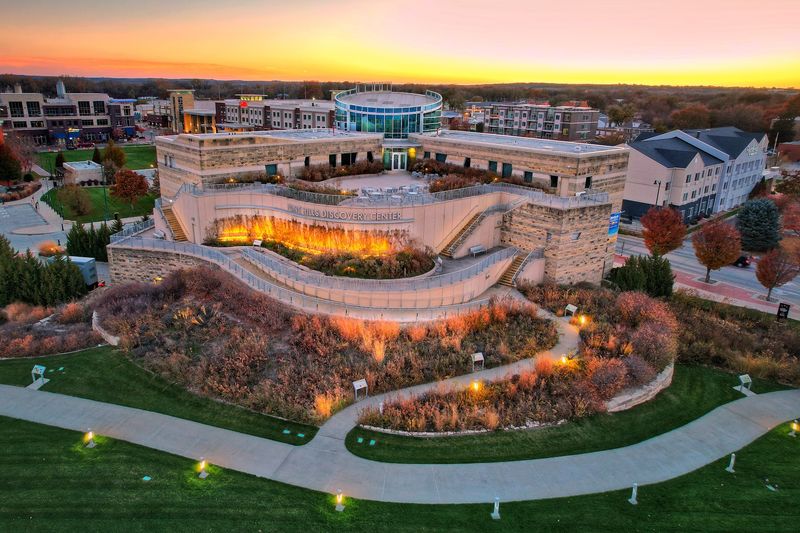
Wind rushes through the theater seats here, and yes, the smoke effects are intentional.
Flint Hills Discovery Center in Manhattan, Kansas, exists to explain a landscape most travelers speed past without noticing. The tallgrass prairie turns out to be far stranger and deeper than it looks.
The Underground Forest exhibit reveals what happens below the prairie, where roots help explain how this ecosystem survives.
The immersive Experience Theater adds wind, smoke, and other 4D effects to a short film about prairie fire and renewal, which lands better than any textbook chapter.
Upstairs, kids explore the hands-on Prairie Playscape while older visitors linger over exhibits about ranching, history, and Kansas geology.
Time your trip for late spring if you want the real prairie in bloom just outside town.
Flint Hills Discovery Center connects easily to Manhattan’s downtown shops, so parking once covers lunch and the museum.
Rotating traveling exhibits keep the second floor fresh, and admission stays modest enough that a family membership can pay for itself quickly.
Look for Flint Hills Discovery Center at 315 South Third Street, Manhattan, Kansas, right beside Blue Earth Plaza.
5. Sternberg Museum Of Natural History, Hays, Kansas
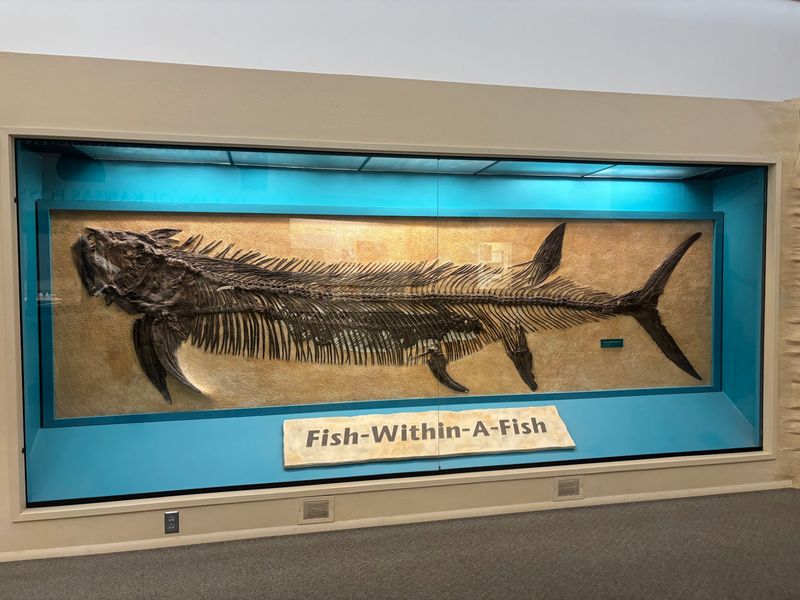
Kansas once sat beneath a shallow inland sea, and the proof hangs on a wall in Hays.
Sternberg Museum of Natural History, run by Fort Hays State University in Hays, Kansas, is famous for a fossil nicknamed the fish-within-a-fish.
One large Xiphactinus swallowed a smaller fish, and both were preserved together for roughly eighty million years.
The permanent Fossil Gallery displays that specimen alongside Kansas state fossils, while a Cretaceous diorama recreates the Western Interior Seaway and its shoreline life.
Tylosaurus and Pteranodon fossils anchor the collection, and live rattlesnakes occupy displays nearby for anyone who prefers their animals breathing.
Sternberg Museum also hosts fossil digs and science camps, a solid option for a kid who cannot stop asking about rocks.
Other permanent exhibits cover the Ice Age, earth science, and fossil evolution, replacing the article’s outdated pioneer-history and animatronic-dinosaur description.
Hays sits along Interstate 70, making the museum an easy stop on a long westward drive. Give yourself two hours, and check the current temporary exhibitions first today.
The round building is hard to miss at 3000 Sternberg Drive, Hays, Kansas.
6. Kansas Aviation Museum, Wichita, Kansas
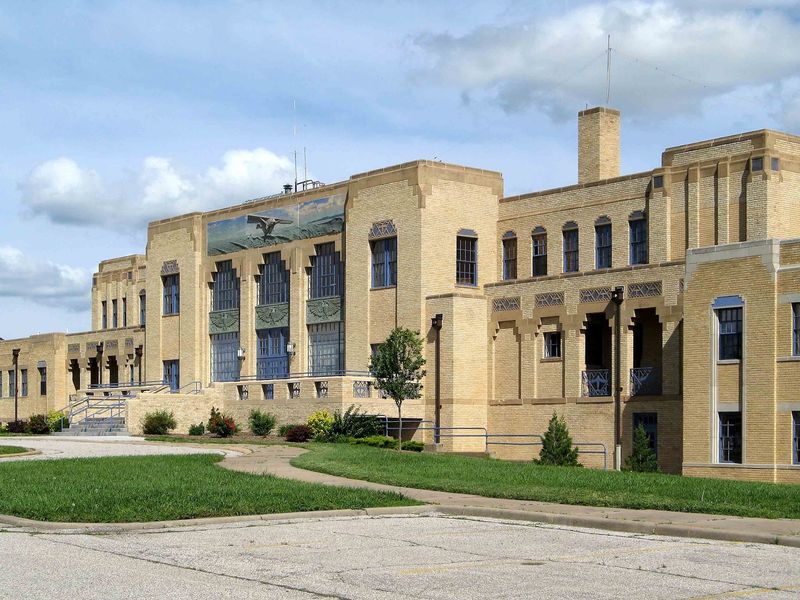
Amelia Earhart and Charles Lindbergh both passed through this old Wichita terminal.
Kansas Aviation Museum occupies the original Wichita Municipal Airport building, a 1935 art deco landmark in Wichita, Kansas.
Marble floors, brass details, and a historic 1941 control tower give the place a distinctly retro mood.
Climbing into the tower is the highlight for visitors, since McConnell Air Force Base sits next door and aircraft still pass nearby.
Outside, a B-47 Stratojet and other large aircraft rest on the apron where passengers once boarded.
Inside, aviation exhibits explain why Wichita became the center of American aircraft manufacturing, while education spaces add hands-on activities.
Volunteers here restore historic aircraft and contribute aviation knowledge, and their work is part of the museum’s continuing story.
Kansas Aviation Museum can get warm in summer, so morning visits are more comfortable, especially for the outdoor aircraft.
Photography is welcome, and the tower view over the runways is worth every stair.
Kansas Aviation Museum also hosts presentations and special events, so checking the calendar before driving over pays off. Head to 3350 South George Washington Boulevard, Wichita, Kansas.
7. Museum Of World Treasures, Wichita, Kansas
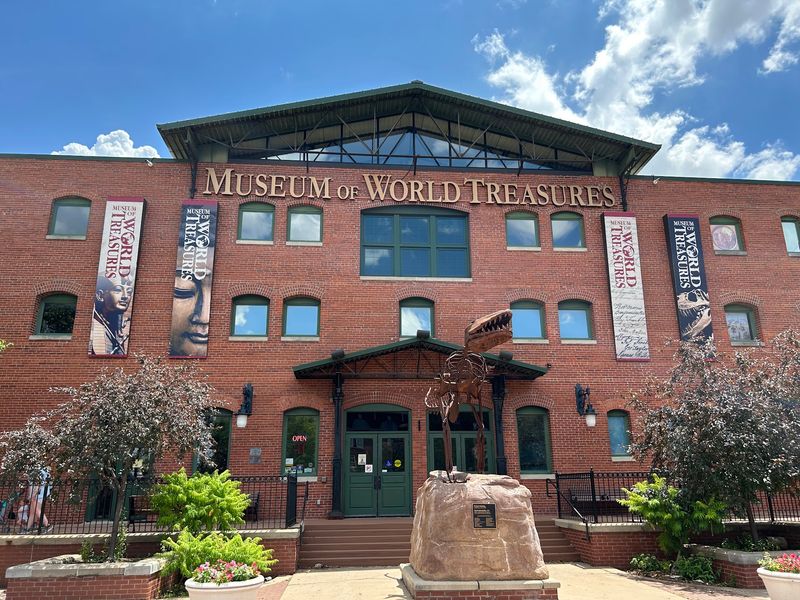
A Tyrannosaurus rex named Ivan greets guests before they even reach the second floor.
Museum of World Treasures in downtown Wichita, Kansas, packs three floors with objects that have almost nothing in common, and somehow that is the charm.
Dinosaurs share a building with Egyptian mummies, ancient coins, and artifacts spanning civilizations and centuries.
Digital scavenger hunts send families searching through exhibits, while the optional Hands-On History program lets guests handle fossils and artifacts with staff.
Upper floors lean historical, with sections on military history, America’s founding, royal documents, and life across centuries.
Museum of World Treasures works beautifully on a hot or rainy day, and two hours covers it without rushing.
The Old Town district surrounds the building, which means restaurants and ice cream are a short walk away.
Small oddities are the real reward, including shrunken heads alongside dinosaurs, mummies, weapons, and documents that spark long conversations in the car afterward.
Weekend programming can add tours and demonstrations, so checking the calendar before arriving can add more to the visit.
Museum of World Treasures sits at 835 East First Street North, Wichita, Kansas.
8. Rolling Hills Zoo And Wildlife Museum, Salina, Kansas
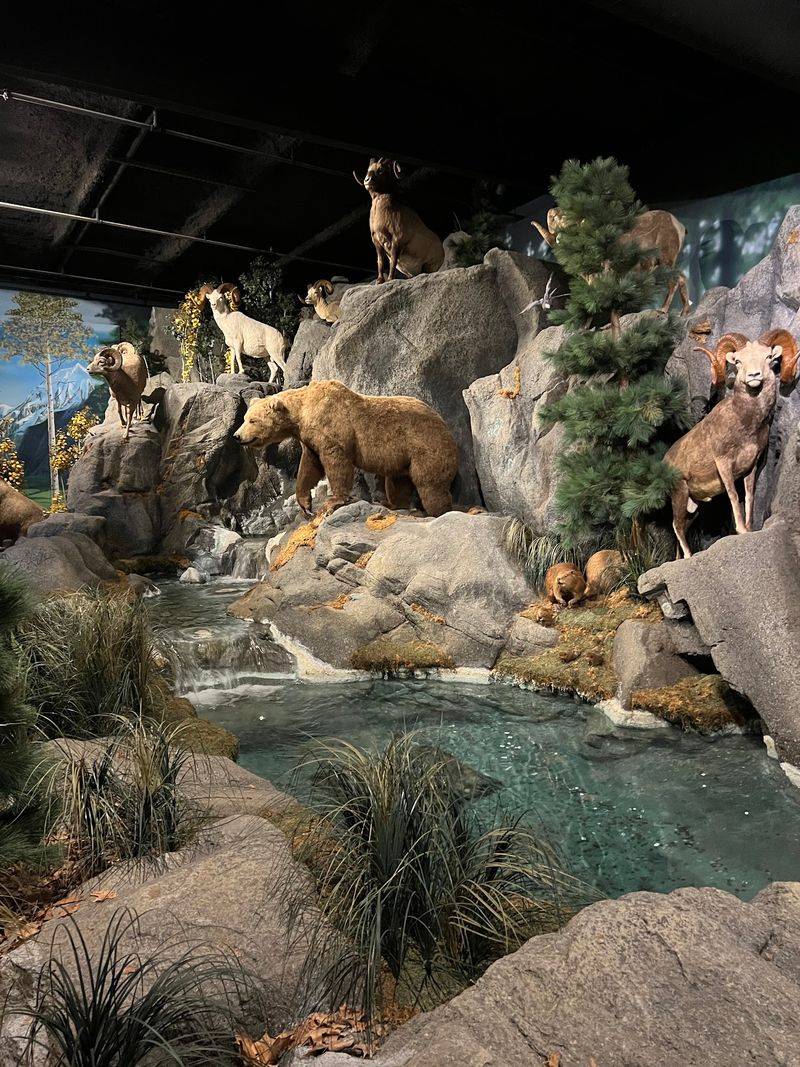
Two attractions share one ticket here, and the second one surprises almost everybody.
Rolling Hills Zoo and Wildlife Museum near Salina, Kansas, pairs a well spaced animal park with an indoormuseum full of detailed habitat displays.
Current residents include white rhinos, giraffes, chimpanzees, and Amur tigers, though the Cat Loop is closed for Tiger Falls construction.
Trams run on a seasonal schedule, with weekend-only service after Labor Day through early October.
The museum side uses lifelike sculpted animals and painted backdrops to show environments most Kansans never see, including Arctic ice and African plains.
Rolling Hills Zoo and Wildlife Museum tends to be quietest early in the day, when the animals are most active anyway.
Spring and fall bring the best walking weather, and summer visits work better before eleven in the morning. Strollers, water bottles, and sunscreen belong in your bag, since shade comes and goes along the trails.
Keeper chats, feedings, and meet-and-greets run seasonally, so check the day’s schedule when you arrive.
Admission covers both sides, and the museum makes a fine finish once walking wears everyone down. The address is 625 North Hedville Road, Salina, Kansas.
9. Old Cowtown Museum, Wichita, Kansas
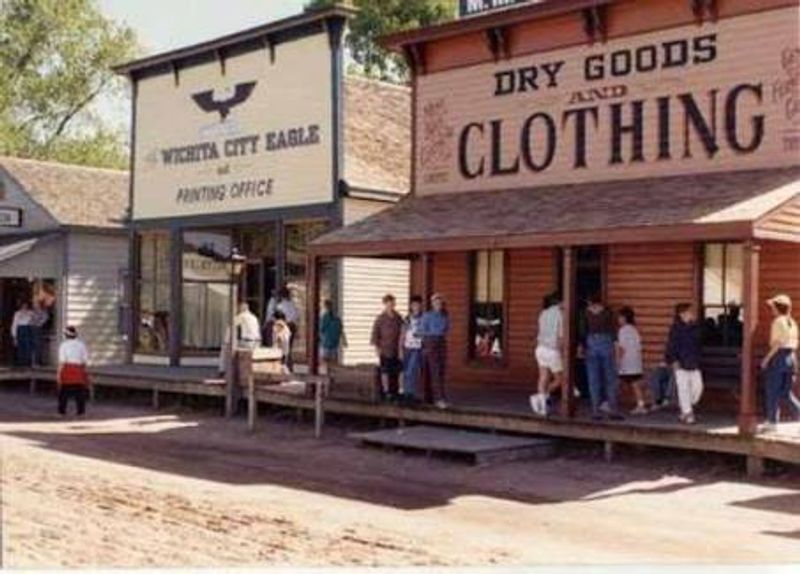
Boardwalks creak underfoot here, and the blacksmith is usually hammering during regular-season demonstrations.
Old Cowtown Museum recreates Wichita, Kansas, as it looked in the late 1860s and 1870s, using 54 historic and reconstructed buildings spread across a walkable village.
Twenty-seven are original buildings from Kansas sites.
Costumed interpreters discuss everyday frontier life, while the blacksmith and printer demonstrate their crafts in working historic spaces during the regular season.
School groups may try period activities such as laundry and butter churning, while general visitors explore homes, businesses, farms, and workshops.
Special events bring additional reenactments and performances on selected dates rather than every weekend.
Old Cowtown Museum sits along the Arkansas River near Exploration Place, so ambitious families sometimes stack both into one day.
Wear closed shoes, because the paths are gravel and dirt rather than polished floors.
Seasonal events fill the calendar, especially in autumn and around the winter holidays, when the village decorates in period style.
History lands differently when you can smell the forge and hear a real anvil. Find Old Cowtown Museum at 1865 West Museum Boulevard, Wichita, Kansas, and check hours by season.
10. Boot Hill Museum, Dodge City, Kansas
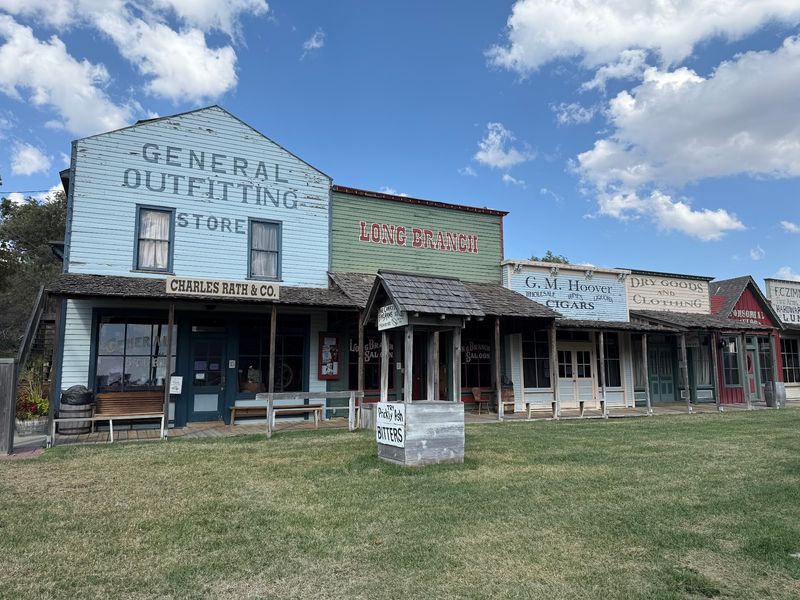
A recreated 1870s Front Street sits here, plank sidewalks and storefronts included.
Boot Hill Museum in Dodge City, Kansas, keeps the cattle drive era close at hand, with artifacts and a replica street you can walk straight down.
The Long Branch Variety Show brings music, dancing, drama, and comedy during summer, while live gunfights add another theatrical piece.
Galleries hold guns, saddles, tools, and photographs of the lawmen and cowboys who made Dodge City famous around the world.
Kids can explore the one room schoolhouse, historic storefronts and interactive exhibits that make local history more tangible today.
Boot Hill Museum runs gunfight reenactments during its summer experience, with 2026 dates extending into September.
Summer offers the fullest schedule, while off-season visits trade performances for quieter galleries and shorter hours.
Dodge City itself deserves an extra hour, since Trail of Fame markers run through the downtown sidewalks.
The Marshal Pass covers museum admission, gunfights, a country dinner, and the Long Branch Variety Show on available dates.
Boot Hill Museum stands at 500 West Wyatt Earp Boulevard, Dodge City, Kansas.