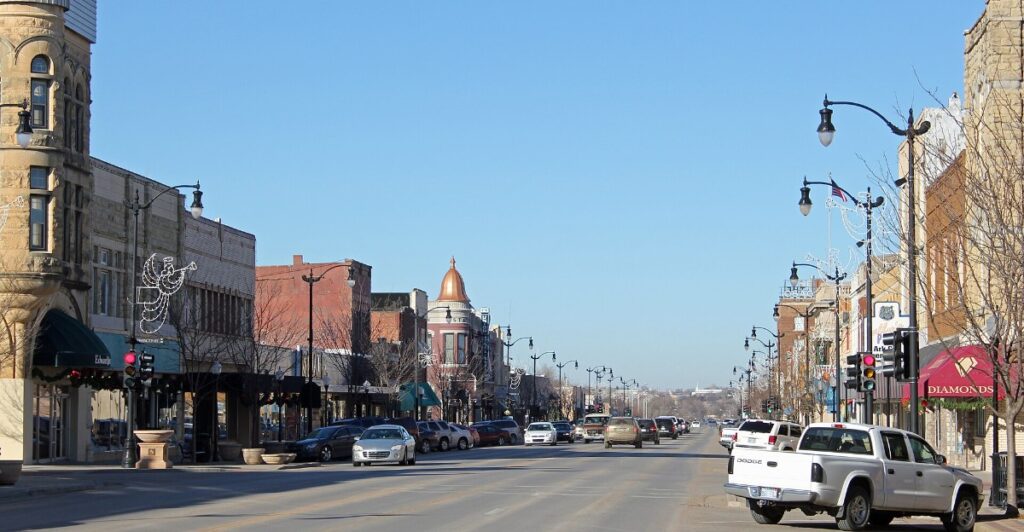
Population decline rarely announces itself with a dramatic moment.
It shows up slowly, in a quieter main street, a school with fewer students, or a familiar storefront that never reopens.
Some Kansas towns are feeling that shift more than others as younger residents move away and older generations make up a larger share of the population.
The changes can affect local businesses, housing, services, and the general rhythm of daily life.
These communities still carry plenty of history and loyalty, but the numbers suggest their next chapter may look very different from the one before it.
I noticed that kind of change once while revisiting a small town I had known years earlier. The streets looked familiar, but the energy had shifted.
I stopped for coffee, talked with a longtime resident, and heard more about who had moved away than who had arrived.
I remember driving out afterward and thinking how quietly a town can change before most outsiders ever notice.
1. Hutchinson, Kansas
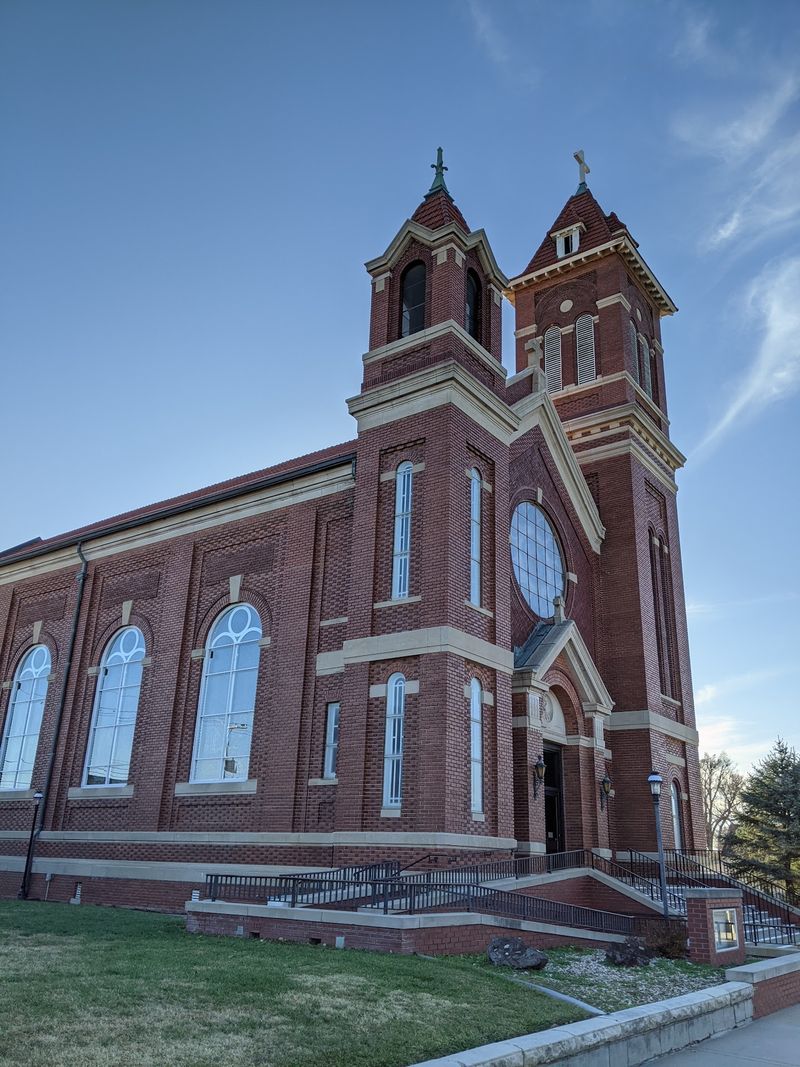
Salt runs deep in this town, and so does a population that has been slowly trimming down.
Hutchinson, Kansas, sits in Reno County in the heart of the state, and it is famous for the salt mines beneath its streets.
Census numbers show the city has lost residents over recent decades while its share of older adults has grown.
That shift comes from a familiar pattern. Many young adults leave for jobs in Wichita or beyond, while retirees choose to stay close to family and friends.
The good news is that Hutchinson still offers plenty to see. Strataca, the underground salt museum, lets visitors ride an elevator hundreds of feet down into an old mine.
The Cosmosphere is another big draw, with real space artifacts that surprise first-time guests.
The Kansas State Fair also lands here every September, bringing crowds that briefly make the town feel huge again.
For travelers, an aging town can mean calm streets, friendly locals, and easy parking. If you want a taste of classic central Kansas, Hutchinson is worth a weekend.
City offices are found at 125 E Avenue B, Hutchinson, KS 67501, right in the middle of the action.
2. Salina, Kansas
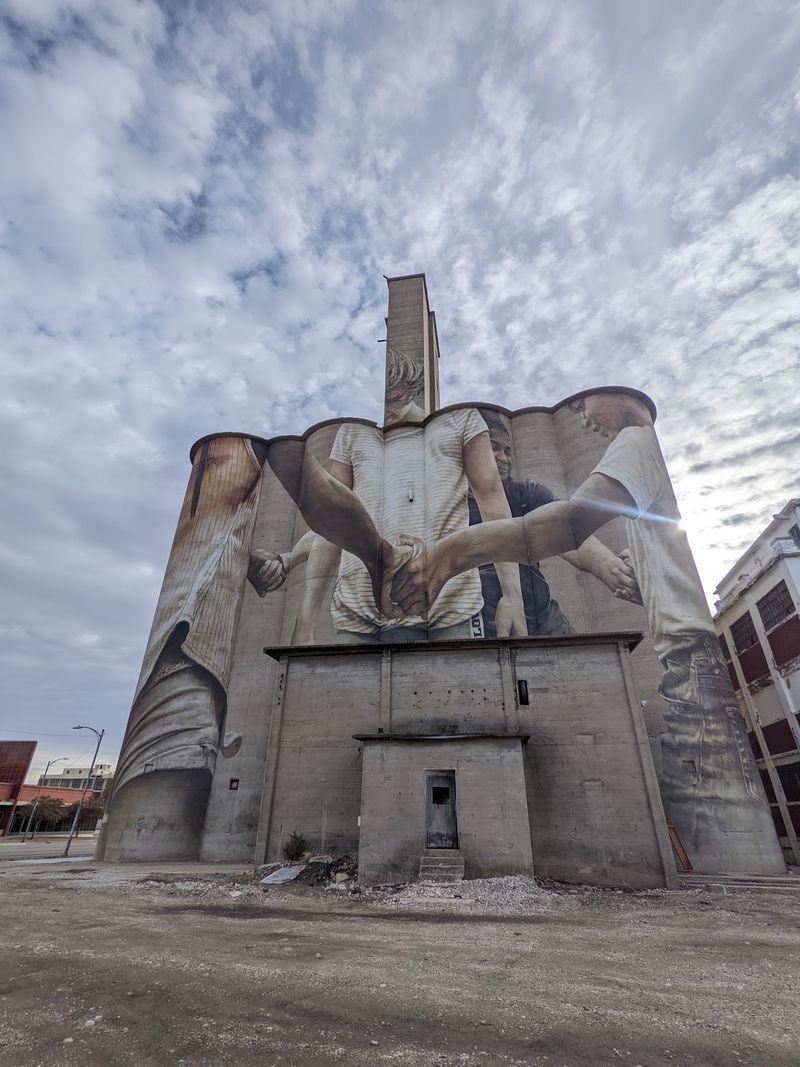
Crossroads towns usually grow fast, but this one has been quietly holding its breath lately.
Salina, Kansas, sits where Interstate 70 meets Interstate 135 in Saline County.
Its location is great for trucks and travelers, yet recent Census estimates show small population dips and a rising median age.
Part of the story is simple math. Fewer babies are being born, and more residents are reaching retirement age each year.
Still, Salina has worked hard to keep its downtown lively. Santa Fe Avenue got a big makeover, and the SculptureTour Salina program places new outdoor art along the sidewalks.
The Rolling Hills Zoo just west of town is a fun stop for families. The Smoky Hill River Festival in June fills the city with music, crafts, and food stands.
Retirees here often stay involved through volunteer groups and church events. That gives Salina a warm, neighborly feel that newcomers notice right away.
If you ever need a break from the long I-70 drive, Salina makes a pleasant pit stop. The city building is at 300 W Ash St, Salina, KS 67401, a short walk from the main shopping strip.
3. Independence, Kansas
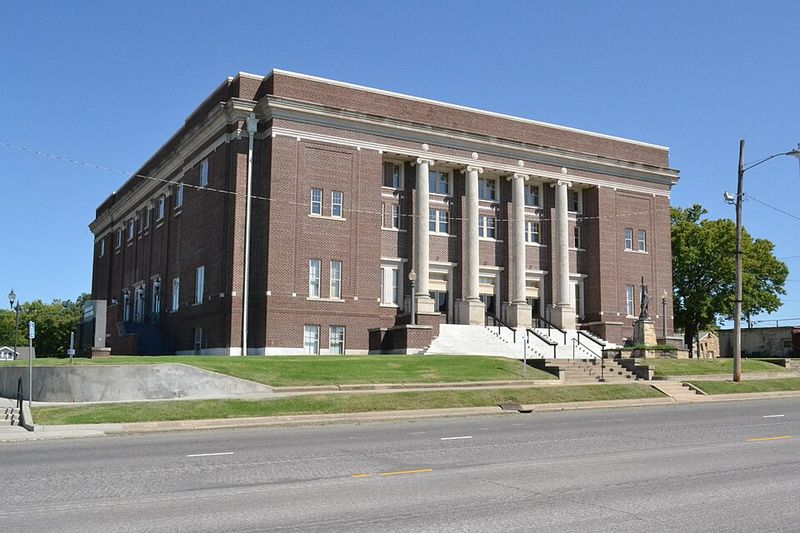
Laura Ingalls Wilder fans might recognize this corner of Kansas before they spot it on a map.
Independence, Kansas, rests in Montgomery County in the southeast part of the state.
The Little House on the Prairie Museum sits a short drive southwest of town, near where the Ingalls family once lived.
Like many towns nearby, Independence has seen its population shrink over the years. Census data shows a steady decline, along with a growing number of residents over sixty-five.
Oil and gas once brought jobs and energy to the area. When those booms faded, many families moved on to find work elsewhere.
Yet the town still has spirit. Neewollah, which is Halloween spelled backward, is a huge fall festival that started in 1919 and still draws big crowds each October.
Riverside Park also features a small zoo and a classic carousel. Those spots make Independence a fun place for grandparents to bring visiting grandkids.
A slow pace and friendly faces are part of the charm. City Hall stands at 120 N 6th St, Independence, KS 67301, near the heart of downtown.
4. Coffeyville, Kansas
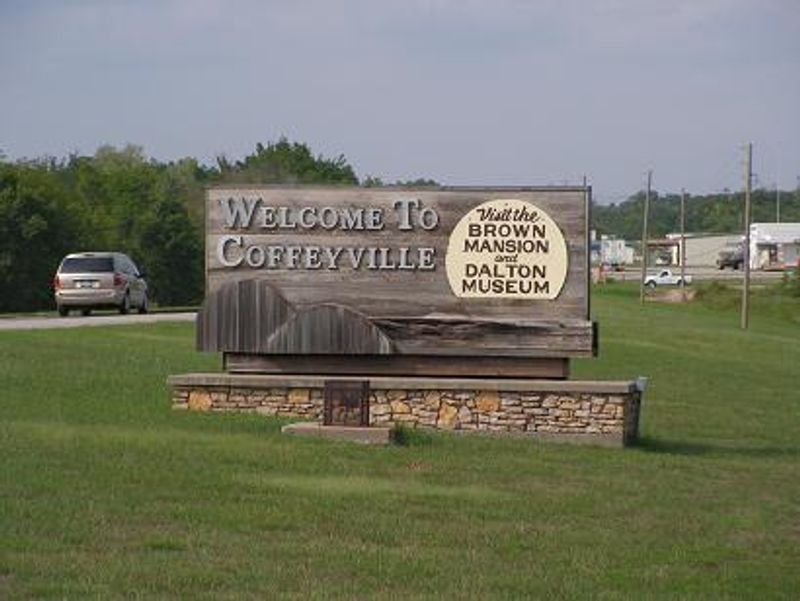
Wild West history fans know this place for one very famous and very failed bank robbery.
Coffeyville, Kansas, sits in Montgomery County right near the Oklahoma line. In 1892, the Dalton Gang tried to rob two banks here at once, and local citizens stopped them.
Today, the bigger story is quieter. Coffeyville has lost thousands of residents since its peak, and its population keeps trending older.
Factory closures over the years hit the town hard. When good jobs leave, younger workers often follow, leaving longtime residents behind.
Visitors can still step back in time at the Dalton Defenders Museum. Old brick streets and historic buildings give the downtown a strong sense of character.
Each October, Dalton Defenders Days celebrates the town’s role in that famous showdown. It is a fun way to see the community come together.
For history buffs, Coffeyville delivers a story that feels ripped from a cowboy movie. City Hall is located at 102 W 7th St, Coffeyville, KS 67337, so you can start your stroll right there.
5. Parsons, Kansas
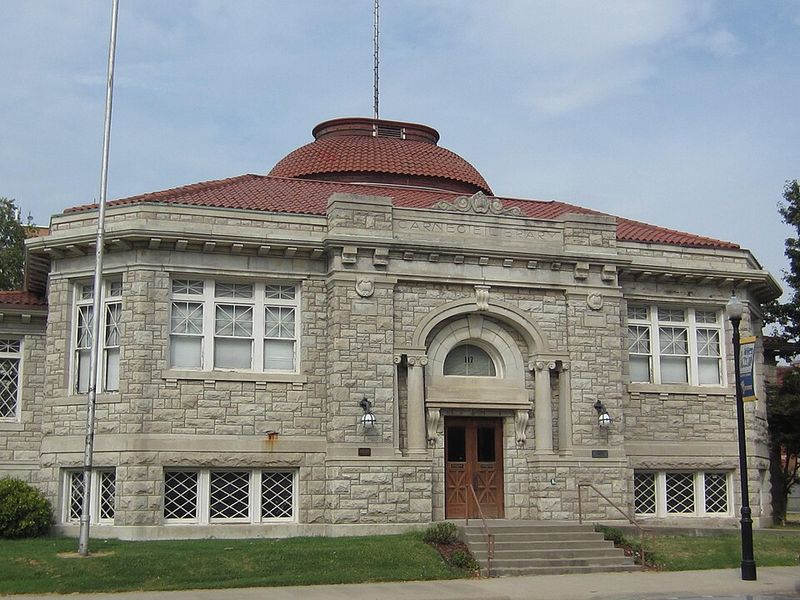
Railroads built this town, and the slow fade of rail jobs helps explain where people went.
Parsons, Kansas, is in Labette County in the southeast corner of the state. It grew up as a hub for the Missouri-Kansas-Texas Railroad, known to locals as the Katy.
As rail work shrank, so did the town. Census figures show Parsons has been losing residents for decades, and its median age has crept upward.
Many older residents remember when trains rolled through day and night. Those memories live on at the Parsons Historical Society and the Iron Horse Museum.
Outdoor lovers can head to Lake Parsons for fishing and picnics. It is a peaceful spot where you might hear more birds than cars.
Small towns like this often reward curious travelers. Chatting with locals at a downtown cafe can teach you more history than any plaque.
Parsons may be smaller now, but its railroad pride is still full steam. City offices sit at 112 S 17th St, Parsons, KS 67357, where visitors can grab local info.
6. Fort Scott, Kansas
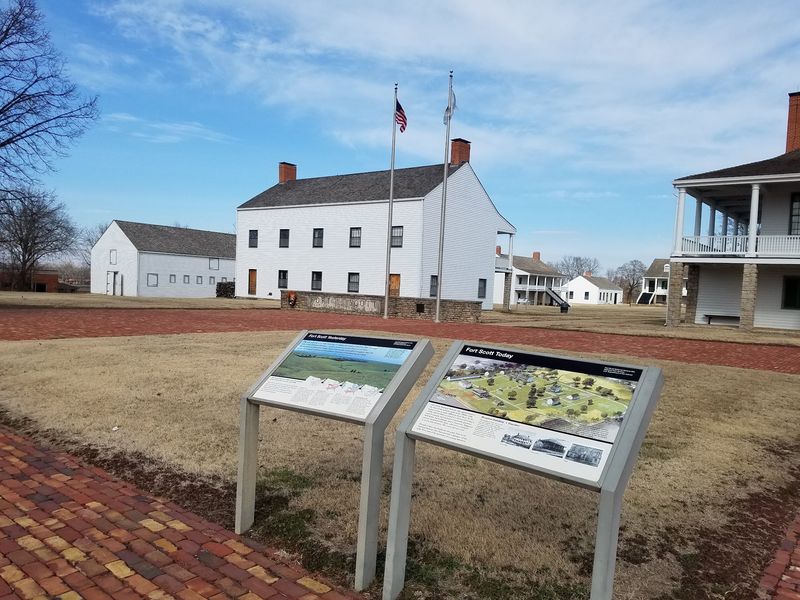
Frontier soldiers once marched across these grounds long before Kansas was even a state.
Fort Scott, Kansas, sits in Bourbon County near the Missouri border. The Fort Scott National Historic Site preserves buildings from the 1840s and tells stories of the frontier and the Civil War era.
The modern town tells a different tale. Its population has slowly declined, and a large share of residents are now retirees.
Fewer local jobs and limited housing options make it tough to keep young families around. Still, community leaders keep working on new ideas to bring people back.
Visitors love the historic downtown with its old brick buildings and small shops. Trolley tours roll through town and point out Victorian homes and historic sites.
Gordon Parks, the famous photographer and filmmaker, grew up here. A museum at Fort Scott Community College honors his life and work.
History feels close enough to touch in this town. Begin your visit near 123 S Main St, Fort Scott, KS 66701, and let the old streets guide you.
7. Wellington, Kansas
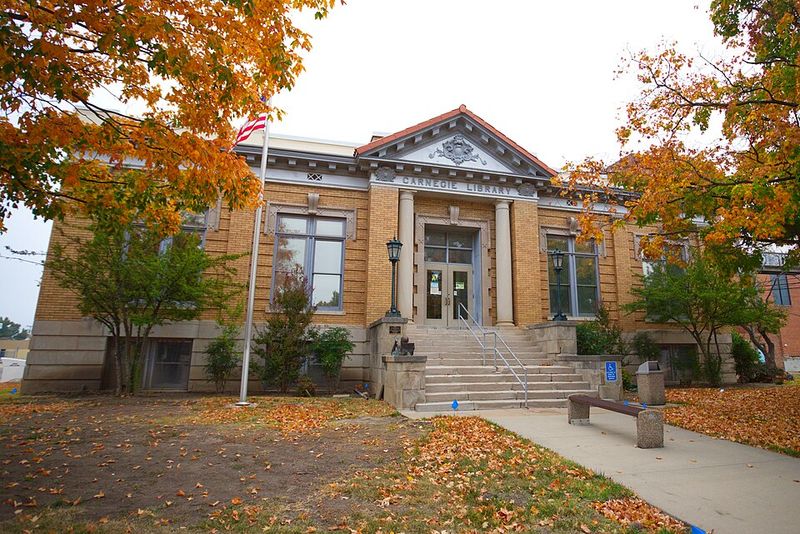
Wheat waves for miles around here, which is why folks proudly call it the Wheat Capital.
Wellington, Kansas, is the county seat of Sumner County, south of Wichita. Farming shaped its history, and harvest season still matters a lot to local families.
Over time, though, Wellington’s population has slipped. Census numbers show fewer residents and a growing group of older adults.
Modern farming needs fewer workers than it used to. Many young people now commute to Wichita or move there for good.
Each July, the Kansas Wheat Festival brings the town to life with a parade, games, and plenty of local pride. It is a cheerful reminder of what keeps this place going.
The Chisholm Trail Museum is another fun stop. It shares stories about cattle drives, pioneers, and early town life.
Quiet streets and big skies make Wellington a relaxing escape from city noise. Swing by 317 S Washington Ave, Wellington, KS 67152, to see the heart of this harvest-loving community.
8. Winfield, Kansas
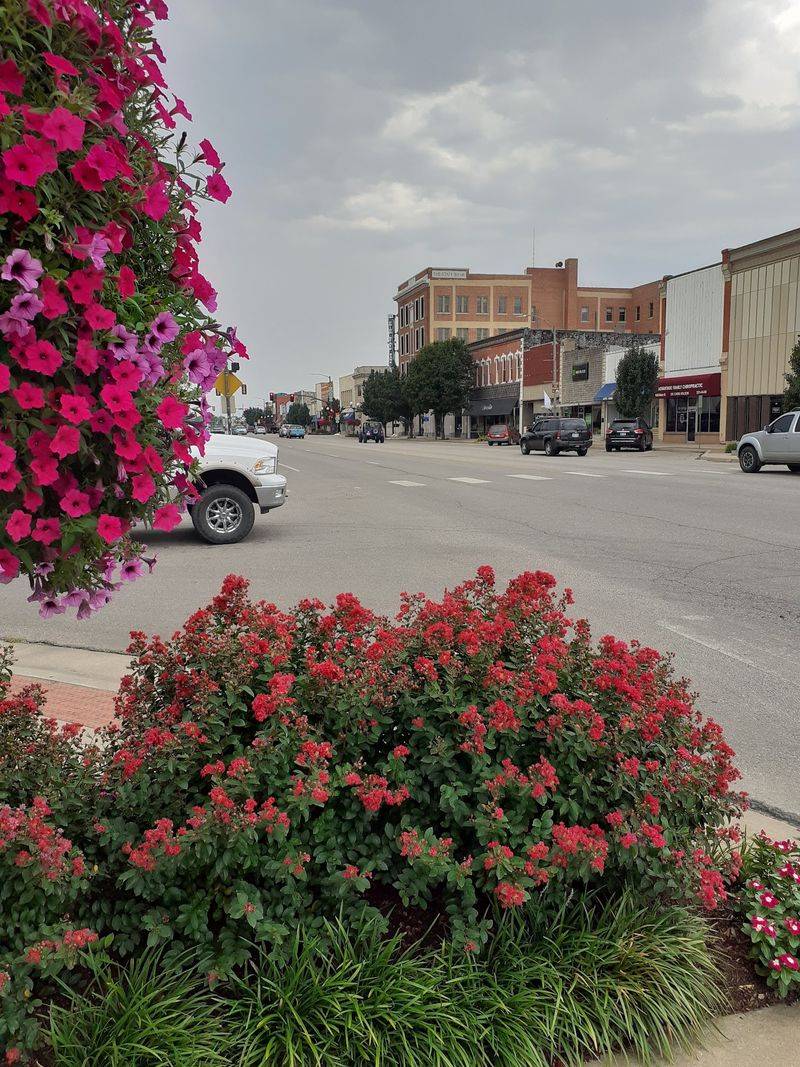
Banjos, fiddles, and guitars take over this town every September, and the sound is pretty sweet.
Winfield, Kansas, sits along the Walnut River in Cowley County. It hosts the Walnut Valley Festival, a famous bluegrass event that draws music fans from all over.
Outside festival week, the town has been slowly shrinking. Census figures point to small population drops and an older median age.
Southwestern College helps keep some young energy in town. Even so, many graduates move away once they finish school.
Island Park is a lovely spot for walking, fishing, and picnics. Downtown also has local shops and cafes that feel welcoming and easy to explore.
Retirees often enjoy Winfield’s calm pace and strong sense of community. Volunteers help run many local events and keep traditions alive.
Plan a trip during festival time if you love live music and lively crowds. City Hall stands at 200 E 9th Ave, Winfield, KS 67156, close to everything downtown has to offer.
9. Larned, Kansas
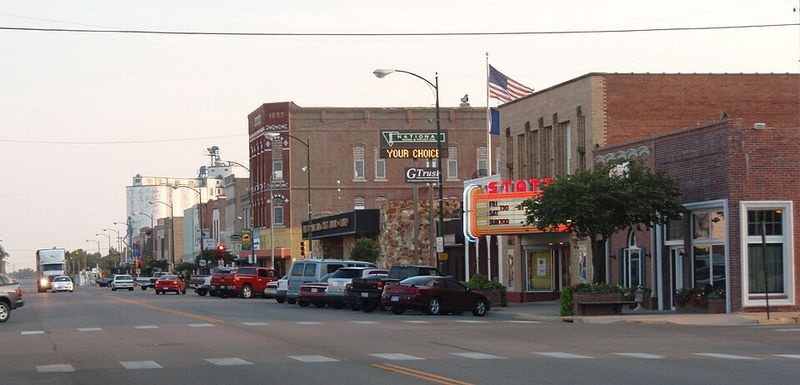
Santa Fe Trail history runs through this town, and the population numbers tell a quieter modern story.
Larned, Kansas, is the county seat of Pawnee County in the central part of the state. The city had 4,054 residents in 2010, 3,769 in 2020, and the 2024 ACS estimate was 3,423.
The population loss has continued steadily across more than a decade.
The age trend fits too. The 2024 median age was 46.3, well above the Kansas figure and higher than Larned’s 2020 median.
History still gives travelers plenty of reasons to stop. Fort Larned National Historic Site, six miles west of town, preserves original frontier-era buildings along the Santa Fe Trail.
The Santa Fe Trail Center also explores wagon travel, settlement, and life on the plains. Nearby trail ruts make that history easier to picture.
A slower pace and strong local roots give Larned plenty of small-town character. You can start downtown, then head west toward the museums and fort.
City Hall is at 417 Broadway, Larned, KS 67550, close to the center of town.
10. Arkansas City, Kansas
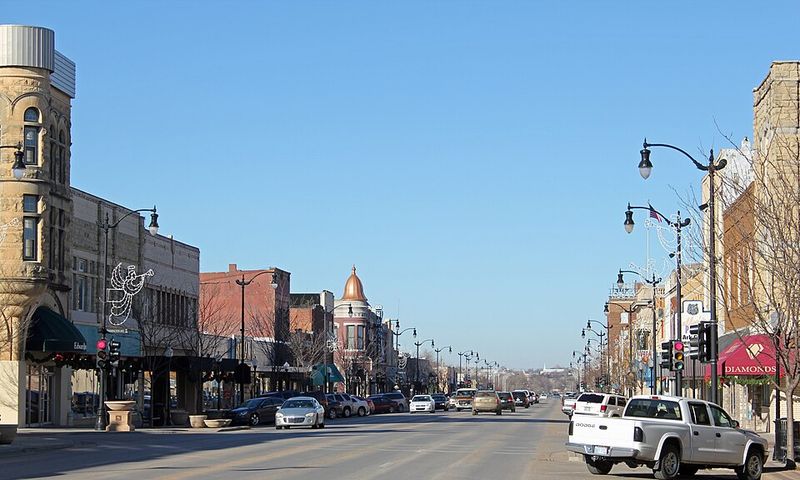
Land-run history and a college campus give this southern Kansas town an unusual mix of old stories and young faces.
Arkansas City, Kansas, sits in Cowley County near the Oklahoma line. Census figures show its population falling from 12,415 in 2010 to 11,974 in 2020, with a 2025 estimate of 11,800.
The long decline is easy to see.
The age trend is moving upward too. Data USA reports a 2024 median age of 37.1, an increase from the previous year.
Cowley College keeps students in the center of town, with its main campus spread through downtown. That presence adds activity even as the broader population declines.
History fans can visit the Cherokee Strip Land Rush Museum, which explores the 1893 land rush and the region’s pioneer past. The museum also offers information connected to nearby Etzanoa.
Downtown still has brick buildings and local businesses that reflect the city’s railroad-era growth.
City Hall stands at 118 W Central Ave, Arkansas City, KS 67005, near the historic downtown district.