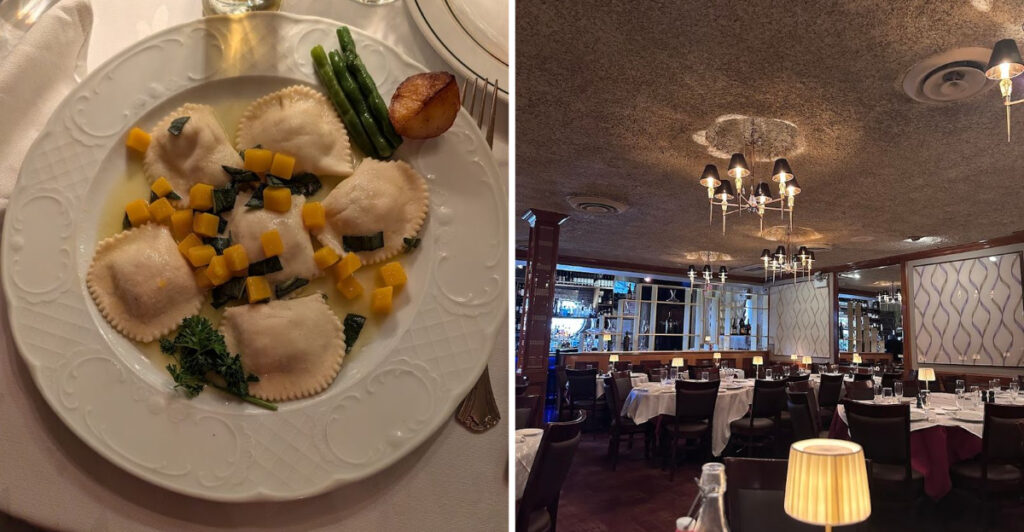
Somewhere in Brooklyn, a plate of chicken parmigiana is making Manhattan look underqualified.
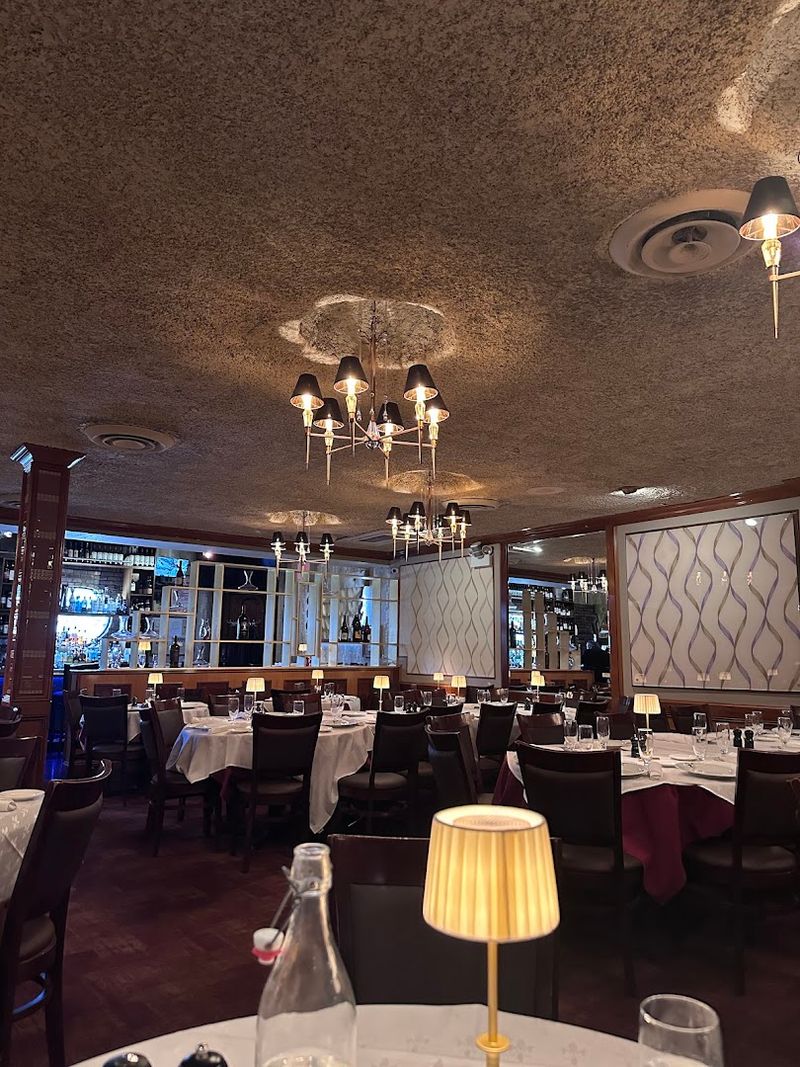
The room brings old-school confidence, and every classic arrives ready to defend its reputation.
New York diners know the difference between nostalgia and a kitchen still earning applause. Here, lasagna does not coast on memory. Ravioli refuses to play delicate, and chicken parmigiana treats restraint like a rumor.
You may arrive expecting dinner and leave with a new argument against crossing a bridge for Italian food. Even dessert behaves competitively once tiramisu enters the conversation.
New York keeps plenty of famous tables under bright lights. This one lets three generations and sixty years of sauce do the talking.
Manhattan can keep the spotlight. Brooklyn already served the final word with melted mozzarella.
Marine Park Keeps Manhattan Looking Over Its Shoulder
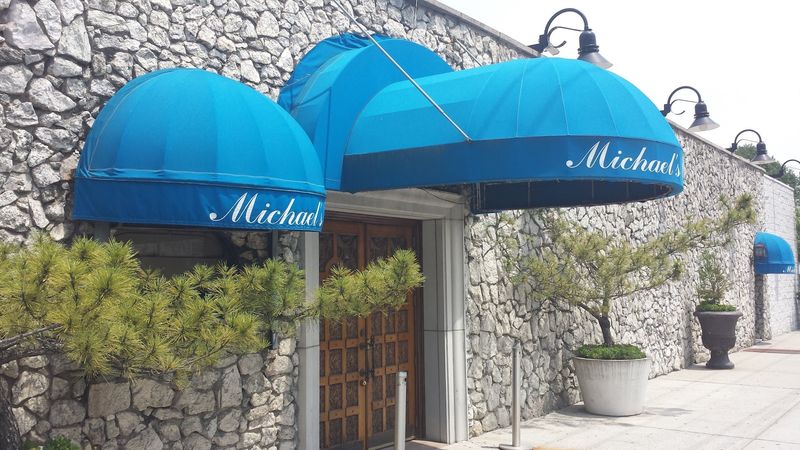
Manhattan has the fame. Avenue R has the sauce receipts.
Michael’s of Brooklyn opened in 1964 as a small pizza place and grew into a full-scale Italian restaurant in Marine Park.
The location sits well beyond the sightseeing circuits that pull many visitors toward Manhattan and northern Brooklyn, which gives the dining room a neighborhood-first personality.
You do not arrive because a landmark makes you pass the door. You make the trip because dinner earned the destination. That difference becomes clear when local families settle into tables with the confidence of people who already know what comes next.
Marine Park also gives the restaurant room to operate on its own terms. The menu does not chase a neighborhood trend, and the dining room does not need a dramatic reinvention each season. More than six decades have already established the point.
The restaurant’s classic dining room gives Avenue R more presence than many addresses with better publicity. Its long history carries the atmosphere without asking the neighborhood to become part of the tourist rush.
The tourist map may stop early, but the marinara keeps going.
Three Generations Keep The Family Name At The Table
Three generations at one restaurant can settle a family argument before the appetizers arrive.
The Cacace family has owned Michael’s since the beginning, carrying the business from its 1964 opening into a third generation.
That continuity matters because the restaurant’s identity is not stored in a logo or framed anniversary poster. It remains connected to people who grew up with the kitchen, the dining room, and the customers.
The restaurant stands at 2929 Avenue R, Brooklyn, New York, where the family has turned one neighborhood address into a long-running destination for classic Italian cooking.
Family recipes form the backbone of the menu, while different generations have handled the front of the house, the kitchen, and the restaurant’s expansion. The result is history with working hours rather than history sealed behind glass.
You can sense that continuity in the menu’s confidence. Classics stay available because they still matter, not because nobody thought to update the page. Newer specialties can appear without pushing lasagna, ravioli, or parmigiana into retirement.
A long family run also creates accountability. When the surname on the business matches the people guiding dinner, every plate carries more than tonight’s order.
The Sauce Built Its Own Brooklyn Side Career
Most restaurants guard their sauce recipe. This one gave it a national shipping schedule.
Michael’s makes and jars its sauces on the premises, connecting the restaurant kitchen with a retail line sold far beyond Avenue R. This gives the sauce unusual credibility. The same address serving pasta also prepares jars designed for home kitchens.
The restaurant offers several tomato-based dishes, including tomato sauce, marinara, tomato and basil, and Bolognese. Each gives pasta a different route without abandoning the family style that helped establish the business.
You notice the sauce most clearly when it has nowhere to hide. A plain pasta order leaves every weakness exposed, while chicken parmigiana asks the sauce to balance fried breading and melted cheese.
Lasagna demands enough body to hold its layers together without turning the plate into soup.
That versatility explains why the sauce became more than a restaurant detail. It works as the common thread connecting many orders while still letting each dish keep its own character.
Lasagna And Ravioli Put Shortcuts On Trial
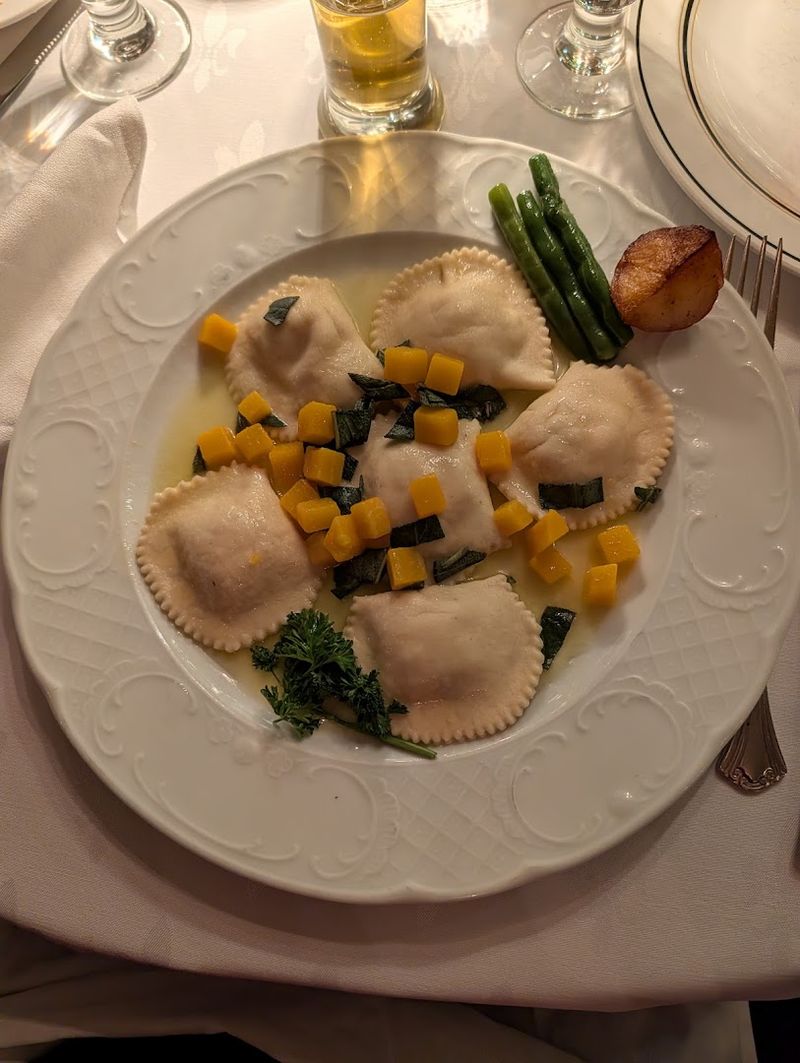
Lasagna is where kitchen shortcuts go to get exposed.
Michael’s keeps lasagna and cheese ravioli on its regular menu, placing two familiar dishes beside a much larger selection of pasta choices.
fthe combFamiliarity raises the stakes. You already know what these plates should deliver, so weak structure or forgettable sauce has nowhere to hide.
Lasagna brings the heavier argument. Layers, cheese, pasta, and sauce must stay distinct enough to reward each forkful while still behaving like one complete dish. The first cut should reveal dinner, not trigger a small landslide.
Cheese ravioli takes the quieter route. The pasta creates neat pockets for filling, while the sauce supplies contrast and keeps the plate moving. It is the kind of order that seems simple until somebody nearby asks for a taste and returns for a second one.
Bolognese offers another classic path for diners wanting a meatier sauce, and the menu lets you choose among several pasta shapes for many preparations. That flexibility gives you control without turning dinner into a complicated design project.
Lasagna builds the case in layers, and ravioli closes it one pocket at a time.
Chicken Parmigiana Makes Restraint Miss Its Cue
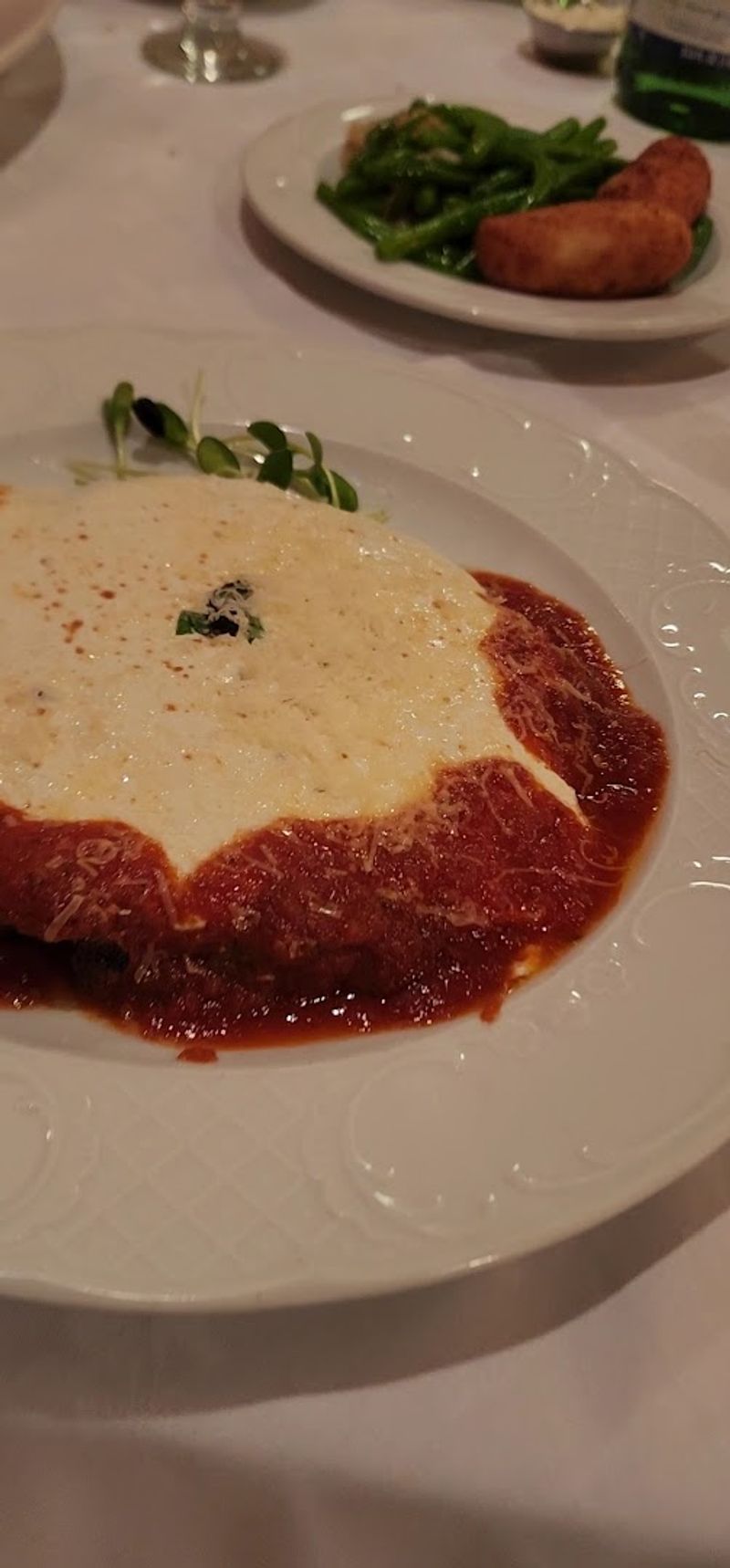
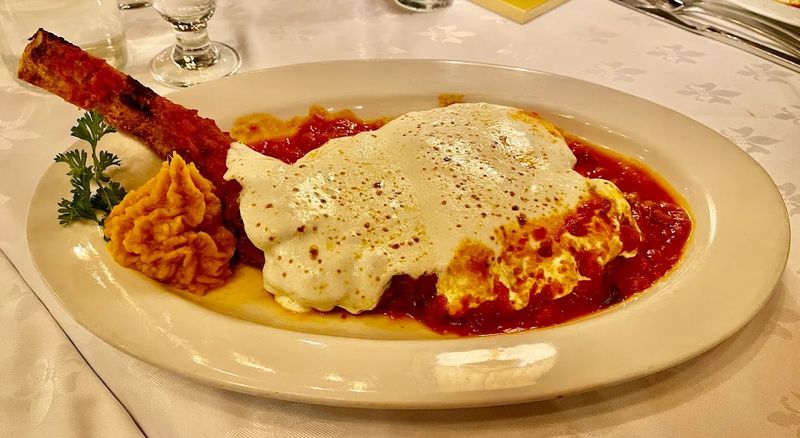
Chicken parmigiana has one job: make your fork ignore every other plan.
Michael’s prepares the dish by breading and frying the chicken, then covering it with tomato sauce and mozzarella.
The combination is familiar, but that only makes balance more important. Too much sauce can erase the crust, while too little leaves the cutlet carrying the entire meal alone.
Here, the appeal comes from the three parts working together. The breaded chicken supplies structure, tomato sauce brings acidity and depth, and melted mozzarella finishes the plate with the richness everyone expected when they ordered it.
Veal parmigiana follows the same classic framework and gives you a second route through the restaurant’s sauce-and-cheese tradition. Choosing between them may depend less on logic than on which plate passes your table first.
Both dishes also reveal why a long-running Italian restaurant can remain relevant without rebuilding its identity around novelty. A properly handled parmigiana does not need a stunt. It needs heat, timing, and enough sauce to make the final corner worth defending.
The Specials Menu Brings Reinforcements
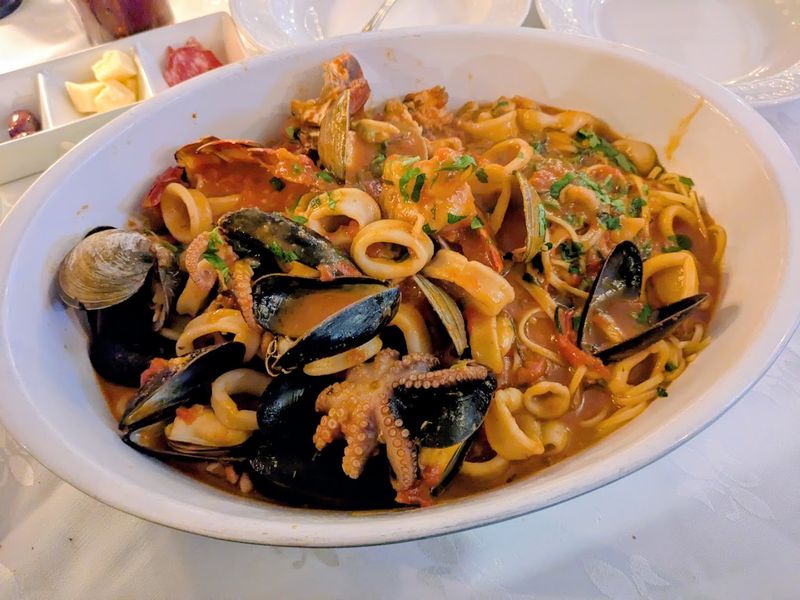
Then the specials arrive carrying enough material for a second dinner debate.
Michael’s offers a broad specials selection that extends well beyond a token dish or two. The lineup can include fried lobster served with shrimp or rice balls.
That breadth keeps repeat visits unpredictable without weakening the classics. You can order the chicken parmigiana that brought you back, then spend ten minutes wondering whether fried lobster has just changed the evening’s chain of command.
The specials also show the kitchen’s range. Delicate seafood, slow-cooked meats, stuffed vegetables, and substantial chops require different timing and technique. A restaurant serving them beside a large regular menu must keep several culinary gears moving at once.
You do not need to order the most dramatic option to enjoy the restaurant. Still, hearing The Smash Job announced beside your quiet ravioli can test even the strongest resolve.
The regular menu came prepared. The specials brought backup.
Dessert Gives Avenue R The Final Word
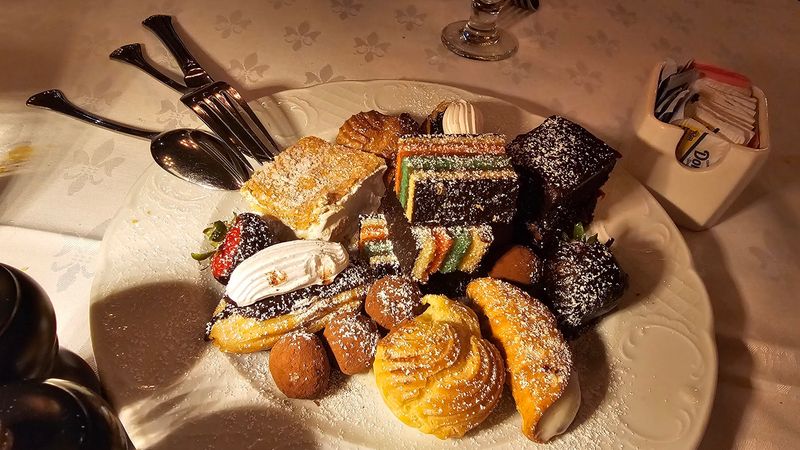
Saving room sounds responsible until tiramisu notices your table.
Michael’s dessert menu keeps the Italian ending broad, with tiramisu, homemade spumoni, house tartufo, profiteroles, cakes, cookies, sorbet, and warm baked sweets among the choices.
After a substantial entrée, ordering dessert becomes less about hunger and more about refusing to end on an unfinished sentence.
Tiramisu offers the obvious classic, balancing cream, coffee flavor, and soft layers in a form that disappears faster than its size suggests. Spumoni brings a colder finish, while tartufo turns the final course into a compact project for spoon and fork.
Cookies create the most practical temptation because they look shareable. That illusion lasts until the first pignoli cookie disappears and everyone begins tracking the box with unnecessary attention.
Dessert also provides the cleanest summary of the restaurant. Michael’s respects tradition, keeps choices generous, and allows familiar dishes to earn attention without dressing them as something else.
You may arrive thinking Manhattan owns New York Italian dining. One long meal on Avenue R makes that claim harder to repeat with confidence.