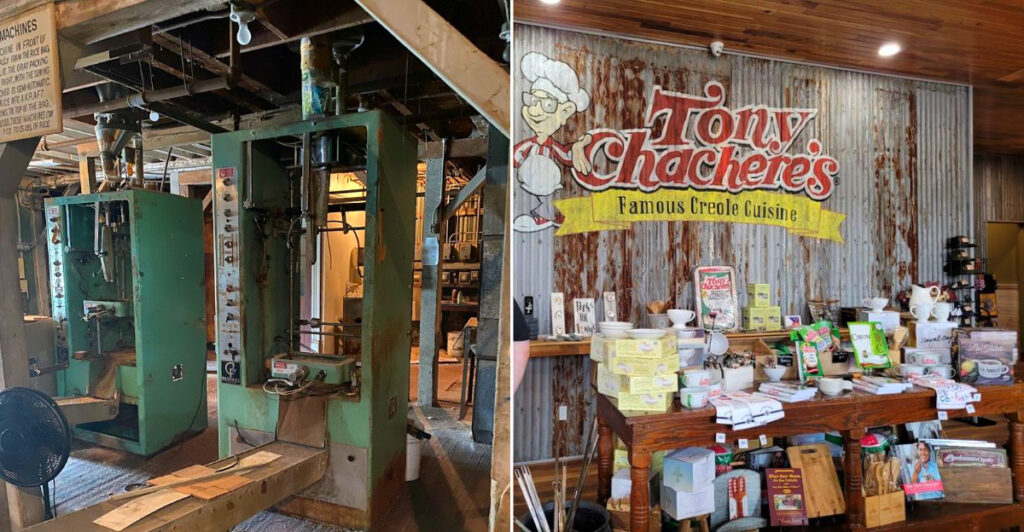
Louisiana factories do not just make things: they invite you inside to watch.
Behind doors you would normally drive past, workers are bottling hot sauce by the gallon, stitching floats from fiberglass plus paint, pressing rice into packaging that ships worldwide, and building accordions by hand one key at a time.
Cotton gins still spin, waterworks pumps from a century ago still function, plus oil rig decks sit waiting for visitors to climb aboard and understand what life offshore really looks like.
These ten tours pull back the curtain on industries most people only experience as a label on a shelf or a float in a parade.
Some walks last twenty minutes, others fill an entire afternoon, plus every single one answers questions you did not think to ask about things you use daily. Factory tours across Louisiana turn a day off into a behind-the-scenes look at what keeps the state running.
10. TABASCO Brand Factory Tour & Museum
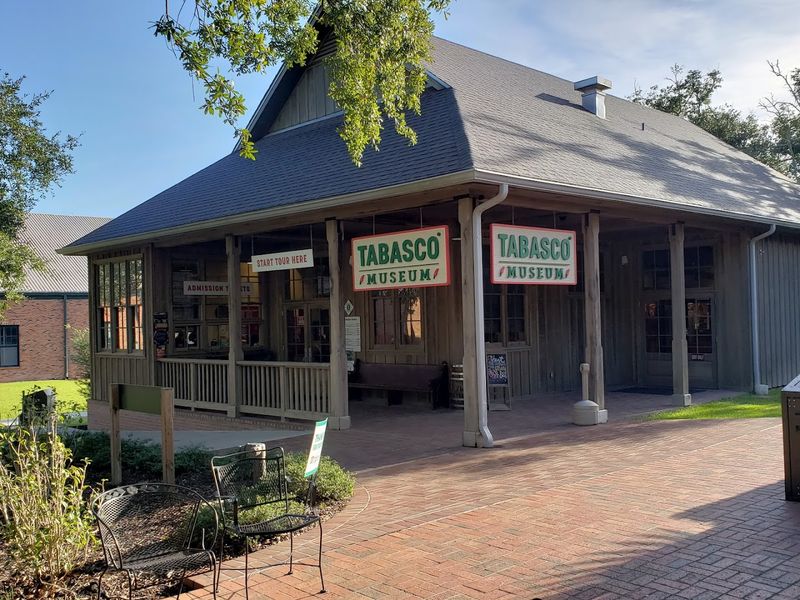
Avery Island turns one of Louisiana’s most familiar pantry staples into a full behind-the-scenes experience. The self-guided TABASCO Brand Factory Tour begins near 32 Wisteria Road and follows ten stops through the company’s history, pepper greenhouse, barrel-aging warehouse, blending area, museum, and country store.
Viewing windows reveal parts of the active production process, although what visitors see depends on the work underway that day.
The most memorable stage may be the barrel warehouse, where pepper mash ages in repurposed oak barrels before it is blended with salt and vinegar. Exhibits explain the McIlhenny family’s history, the island’s natural salt deposits, and the way a regional recipe became a global brand.
The visitor experience operates daily from 9 a.m. to 4 p.m., with reservations recommended and cash currently not accepted. A tasting stop introduces sauces and island-exclusive products that rarely appear in ordinary supermarkets.
Plan more than an hour. Jungle Gardens, the 170-acre botanical and wildlife preserve nearby, can extend the visit into a half-day outing.
Restaurant 1868 serves Cajun dishes seasoned with TABASCO products from 10:30 a.m. to 2:30 p.m., so eat before exploring the gardens if lunch is part of the plan without rushing through the exhibits or tastings.
9. Tony Chachere’s Production Facility & Country Store
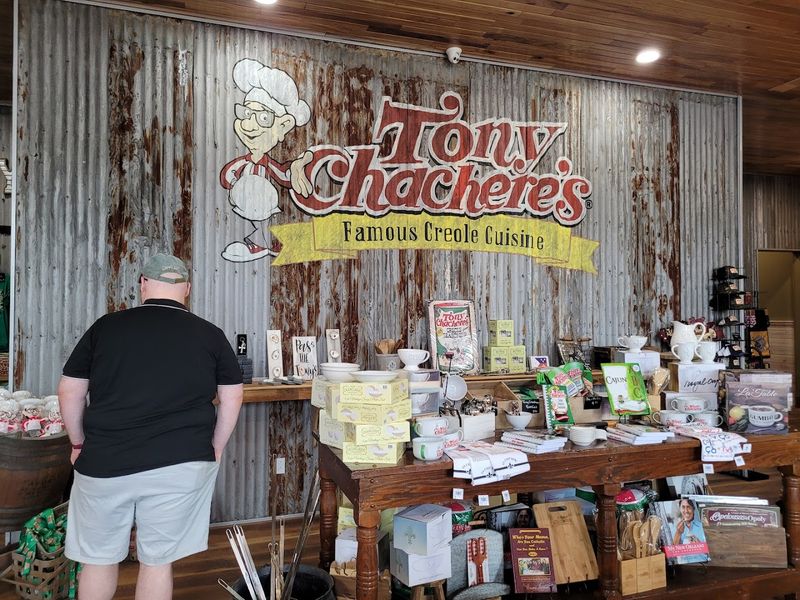
At 5604 I-49 North Service Road in Opelousas, Tony Chachere’s Country Store offers a compact look at how one of Louisiana’s best-known seasoning brands moves from family recipe to supermarket shelf. The stop is smaller than a traditional factory tour, but it gives curious visitors a useful glimpse into the company’s history and modern production.
Complimentary films introduce Tony Chachere, the chef and cookbook author whose Creole seasoning became the foundation of a much larger food business. Groups of ten or fewer can use the self-guided production-viewing area to watch parts of the packaging process, while larger groups can arrange a guided visit in advance.
Production viewing is generally available Monday through Thursday, and the country store is open Monday through Friday from 9 a.m. to 4 p.m. Calling ahead is wise because manufacturing schedules determine whether the line is active during a particular visit.
The store carries seasoning blends, marinades, dinner mixes, injectables, cookbooks, kitchen accessories, and branded merchandise. That shopping section makes the stop especially useful for travelers building a Louisiana food itinerary.
Pair it with downtown Opelousas, a local meat market, or lunch nearby, then leave with enough seasoning to test a few Creole recipes at home.
8. Conrad Rice Mill And KONRIKO Company Store
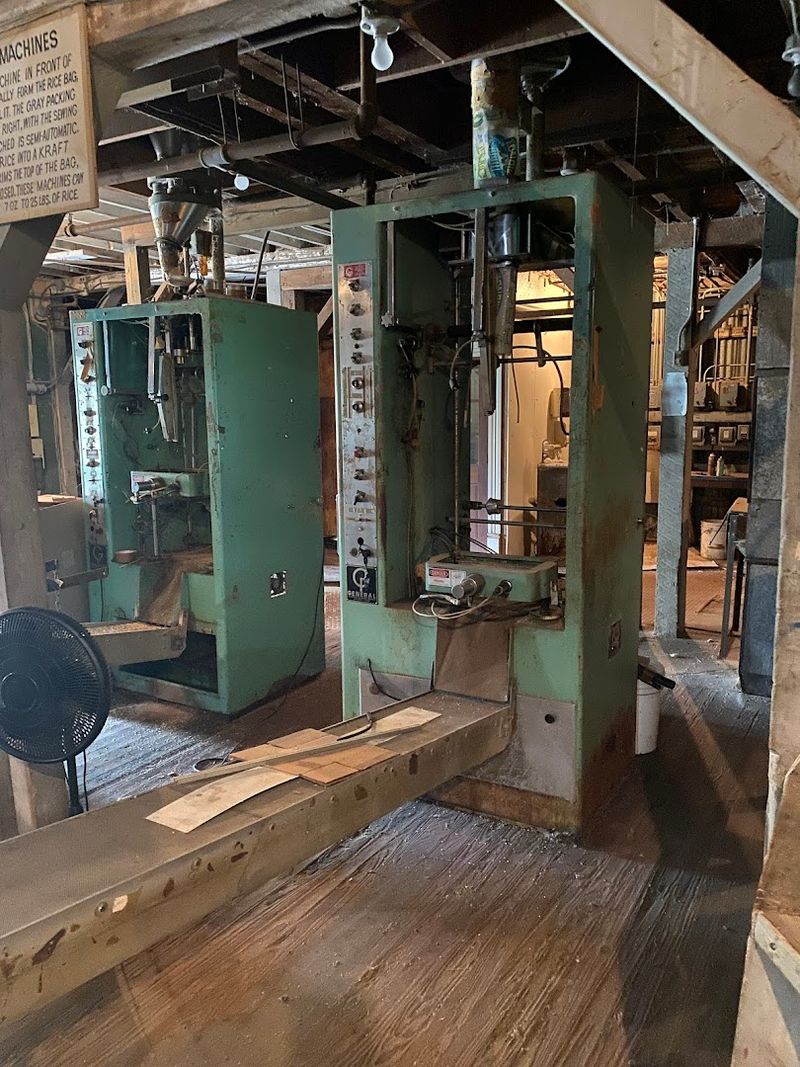
At 309 Ann Street in New Iberia, Conrad Rice Mill preserves an industrial story inseparable from Acadiana’s fields, kitchens, and economy. Founded in 1912, the mill is recognized as America’s oldest operating rice mill, and its tours focus as much on historic machinery as on the finished products sold under the KONRIKO name.
Visitors move through a building filled with belts, conveyors, wooden bins, metal equipment, and worn surfaces that reveal how physical rice processing once was. Guides explain how harvested rice is cleaned, hulled, sorted, and prepared for sale, connecting each machine to the agricultural work happening beyond the mill walls.
Tours are currently scheduled Monday through Saturday at 10 and 11 a.m., then again at 1, 2, and 3 p.m. Because hours and production activity can change, confirming the schedule before traveling remains sensible.
The adjacent KONRIKO Company Store extends the experience from machinery to the dinner table. Shelves hold rice, seasonings, mixes, kitchen products, local foods, and regional gifts.
The contrast makes the stop memorable: industrial equipment sits only steps from neatly packaged products ready for gumbo, jambalaya, rice dressing, or everyday meals. Comfortable shoes help on the historic floors, and technical questions are welcome for generations.
7. Mardi Gras World
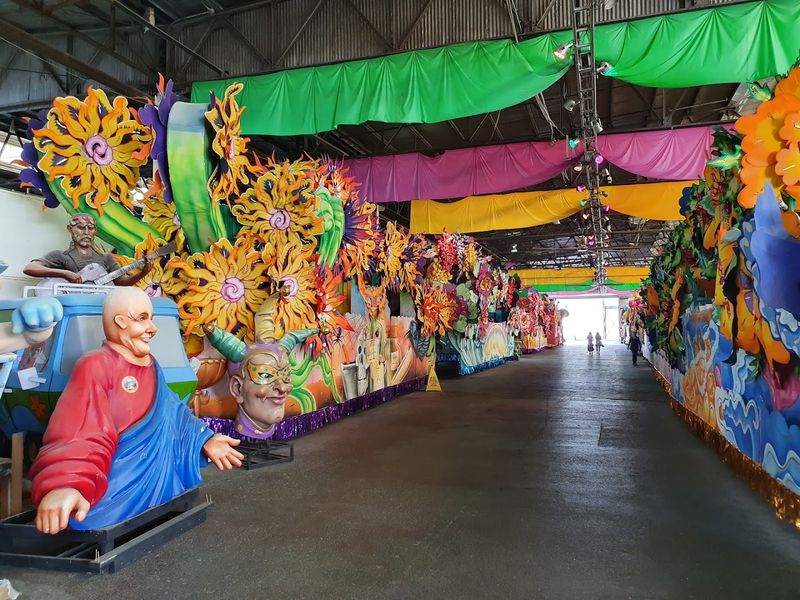
At 1380 Port of New Orleans Place, Mardi Gras World turns Carnival preparation into a year-round factory-floor attraction. The enormous warehouse belongs to Kern Studios, where artists, sculptors, carpenters, welders, painters, and other craftspeople create floats and oversized parade figures for many of New Orleans’ krewes.
Tours begin with an introduction to Mardi Gras history before moving into active work areas. Unfinished foam sculptures, partially painted faces, reused decorative elements, and completed float components reveal how an idea grows from a sketch into something large enough to roll through city streets.
Because the studio remains active, the scenery changes throughout the year. A visit months before Carnival may reveal artists carving new figures, while another period may emphasize painting, repairs, or storage.
The tour therefore feels more like entering a working production environment than viewing a finished museum.
Mardi Gras World is open seven days a week from 9 a.m. to 5:30 p.m., with first admission at 9:30 and final admission at 4:30. Tours typically last about an hour.
Photography is encouraged, and shoes are useful inside the building. Leave time afterward to revisit props and appreciate the logistics behind a celebration that appears effortless from the parade route.
6. Martin Accordions
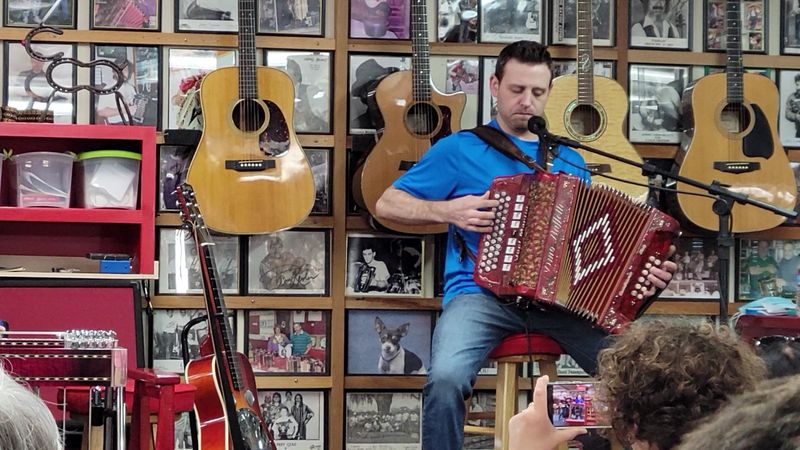
At 2143 W. Willow Street in Scott, Martin Cajun Accordions shows what manufacturing looks like when nearly every decision still passes through human hands.
The workshop produces one-row diatonic accordions associated with Cajun and zydeco music, using wood, reeds, buttons, bellows, hardware, decorative details, and tuning rather than an automated assembly line.
A visit may reveal instruments at several stages of construction. Wooden cases are shaped and finished, reeds are installed and adjusted, bellows are fitted, and each accordion must be tested until its response and pitch feel right.
Small differences in materials and tuning can change the instrument’s character.
This is an active family workshop rather than a scheduled museum with hourly departures. Visitors should contact the business before arriving, especially when hoping for an explanation of the process or a musical demonstration.
Production work comes first, and availability can vary.
The shop is generally open on weekdays and Saturday mornings. Even a visit offers a deeper understanding of why handmade instruments cost more and carry personality.
Hearing an accordion played in the room where it was built completes the experience. The sound connects the workshop to dance halls, festivals, family gatherings, and the musical traditions of southwest Louisiana.
5. New Orleans Glassworks & Printmaking Studio
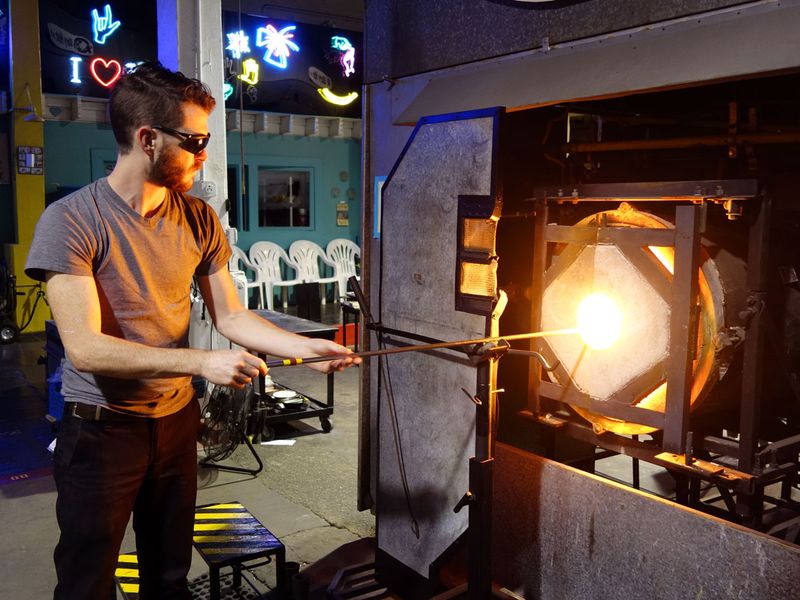
At 727 Magazine Street in New Orleans, Glassworks & Printmaking Studio places several kinds of skilled production under one roof. The first impression usually comes from the glassblowing arena, where molten material glows orange at the end of a pipe and changes shape through breath, gravity, tools, heat, and coordinated teamwork.
Free demonstrations allow visitors to observe working artists rather than simply study completed pieces in a gallery. Torchwork, metal sculpture, and printmaking add different rhythms to the experience.
One area may be loud and intensely hot, while another centers on ink, rollers, carved surfaces, paper, and the measured pressure of a printing press.
Hands-on programs take the visit further. Depending on the schedule, participants can register for short workshops, longer courses, or projects involving paperweights, drinking glasses, pendants, and sculptural objects.
Advance booking is important for anyone determined to make something.
This is not a conventional high-volume factory. Its value lies in seeing how repeatable techniques still leave room for individual judgment and artistic risk.
Check the studio calendar before visiting because demonstrations, classes, and youth programs affect which spaces are active. The front gallery provides a look at what these demanding processes can produce when mastered over years.
4. Frogmore Cotton Plantation & Gins
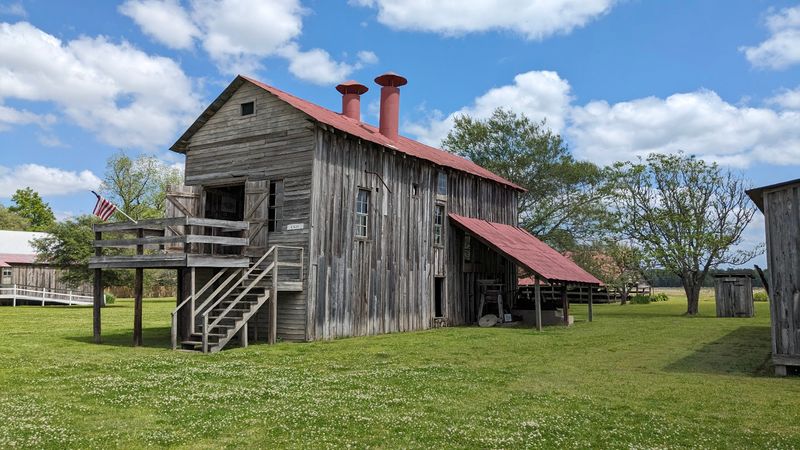
At 11656 U.S. Highway 84 near Ferriday, Frogmore Cotton Plantation and Gins examines cotton as an industrial product and a system shaped by slavery, agricultural labor, technology, and ownership.
The guided experience moves through buildings, fields, tools, a steam-powered gin, and modern equipment rather than presenting cotton as a simple farm-to-fabric story.
Interpreters use archival research and accounts from formerly enslaved people to discuss plantation life and the human cost behind the crop’s profitability. That history is contrasted with later sharecropping, mechanized harvesting, and computerized ginning, showing how technology changed the work without erasing the system’s consequences.
Seasonal timing matters. Spring hours generally run Monday through Friday, with limited Saturdays during part of the season.
Summer hours are shorter, and winter visits may require advance arrangements. Visitors should arrive at least 90 minutes before closing because the tour cannot be rushed.
The October Picking and Ginning program offers the strongest opportunity to connect mature cotton in the fields with modern processing. Comfortable shoes and weather protection are essential because part of the experience is outdoors.
Frogmore works best as a historical and industrial site. The machinery matters most when connected to the people whose lives made the cotton economy possible.
3. Southern Forest Heritage Museum
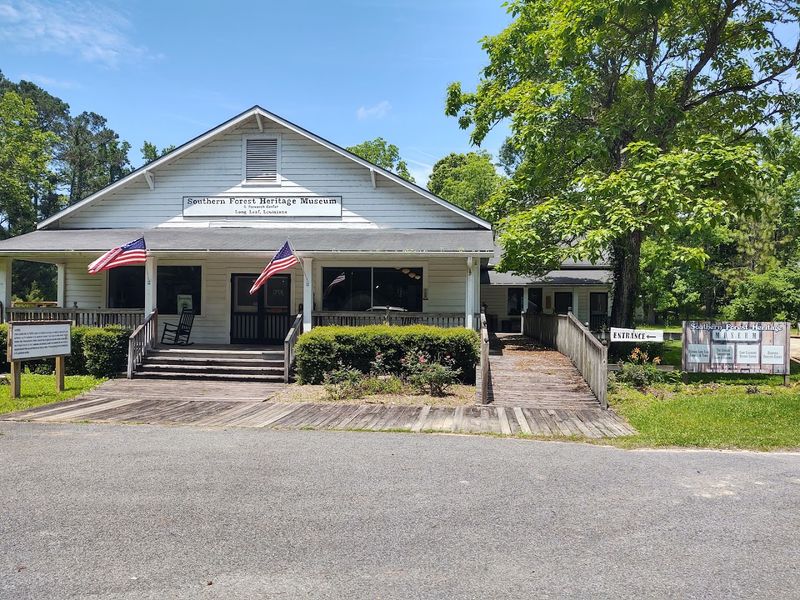
At 77 Longleaf Road in Long Leaf, the Southern Forest Heritage Museum preserves a lumber complex on a scale that makes display cases feel inadequate. Sawmill buildings, rail equipment, locomotives, tools, workshops, company structures, and industrial machinery remain spread across the grounds, allowing visitors to move through an entire production landscape.
The site explains how longleaf pine traveled from forest to rail line, mill, and finished lumber. Saws and heavy equipment reveal the danger and physical force involved, while surviving company-town structures broaden the story beyond machinery.
Workers and their families needed housing, stores, transportation, schools, and community institutions around the mill.
That context prevents the museum from becoming a simple celebration of industrial power. Exhibits also encourage visitors to consider the ecological consequences of intensive logging and the later development of more sustainable forestry practices.
The museum is open Wednesday through Saturday from 9 a.m. to 4 p.m., excluding major holidays. Admission and train rides are ticketed separately, and special events may alter the schedule.
Wear sturdy shoes and allow several hours. Walking between the preserved buildings is part of understanding how many linked systems were required to turn a living forest into building material shipped across the country.
2. Shreveport Water Works Museum
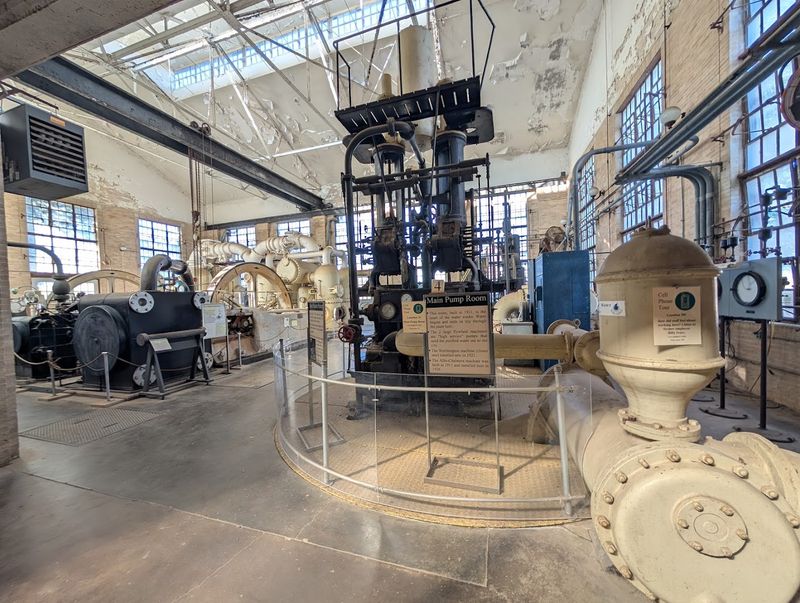
At 142 N. Common Street in Shreveport, the Water Works Museum preserves the heart of a city that once depended on steam-powered pumps for safe, reliable water.
The brick complex contains engines, filters, pipes, controls, flywheels, and other equipment left close to where workers operated it.
The station began serving Shreveport in the nineteenth century and evolved as the city expanded and water-treatment standards improved. New machinery was added while older systems often remained in place, leaving visitors with a timeline of changing engineering rather than a reconstructed display.
Guided or self-guided visits explain how water was drawn, filtered, pumped, and distributed before electric systems became standard. The scale of the cast-iron equipment makes municipal infrastructure feel less abstract, especially when compared with the ease of turning on a tap today.
Admission is free, and group tours can be requested. Published schedules have varied between official and tourism listings, so checking current opening days before traveling is important.
The neighboring Shreveport Railroad Museum can extend the industrial-history theme without another drive.
This stop is rewarding for visitors interested in engineering, architecture, or public health. The deeper story concerns how reliable water transformed neighborhoods, businesses, fire protection, and everyday urban life.
1. Mr. Charlie Oil Rig Museum
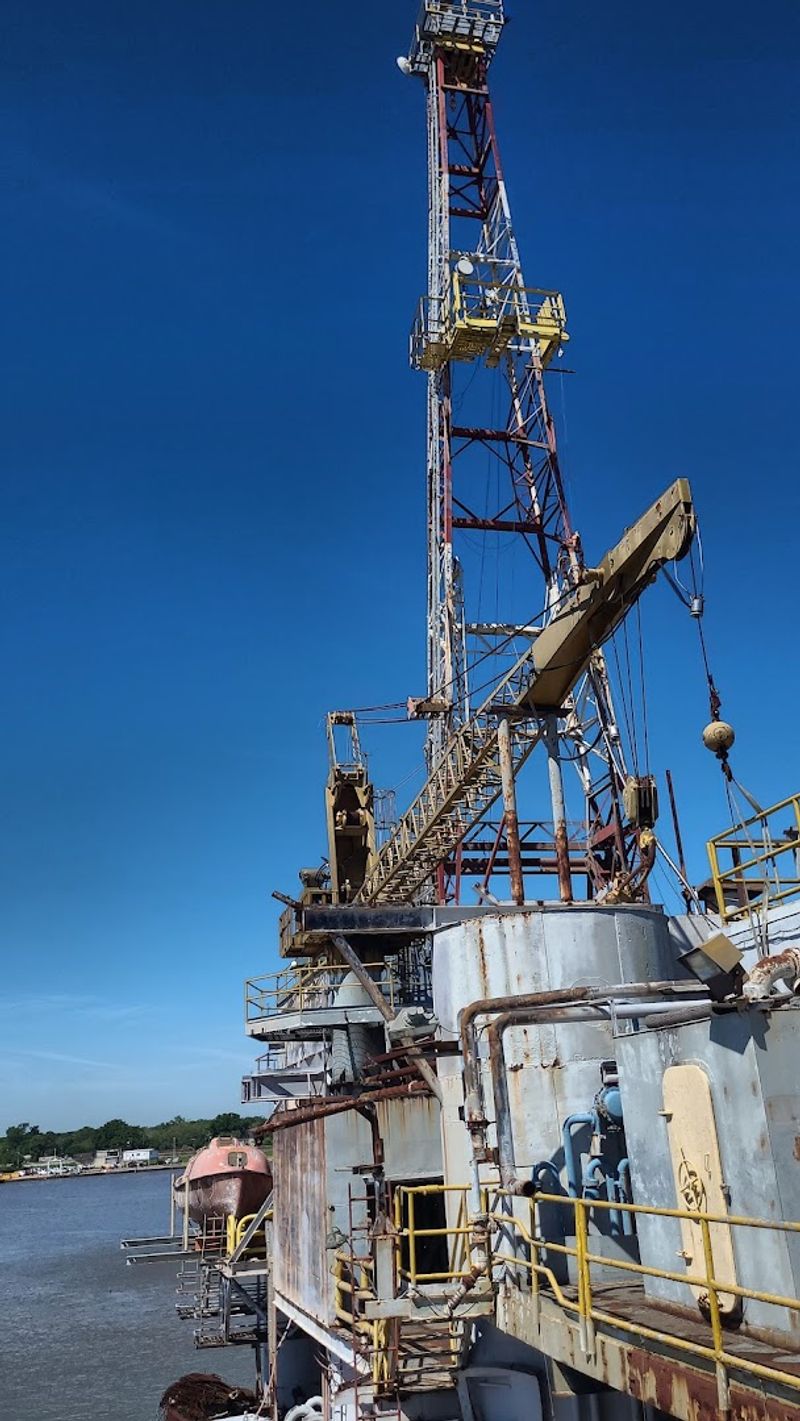
At 111 First Street on the Morgan City riverfront, Mr. Charlie offers the chance to board an offshore drilling rig without traveling into the Gulf of Mexico. Built in 1953, the platform helped pioneer submersible drilling and later became the centerpiece of the International Petroleum Museum and Exposition.
Guided tours climb through work areas, machinery spaces, decks, control points, and crew facilities while explaining how drilling operations functioned. The scale is difficult to understand from photographs.
Steel structures rise above the water, walkways expose the height beneath your feet, and living areas reveal how crews worked and rested in an isolated environment.
The museum covers engineering, offshore life, safety, employment, and the development of Louisiana’s petroleum industry. The experience is strongest when it acknowledges both technological achievement and offshore extraction’s economic and environmental legacy.
Tours are generally offered Monday through Saturday at 10 a.m. and 2 p.m., weather permitting. Most last around an hour, although questions can extend the visit.
Closed-toe shoes are practical, and visitors should expect stairs, uneven industrial surfaces, and outdoor exposure. Anyone uncomfortable with heights or limited mobility should contact the museum before arriving.
For engineering-minded travelers, few Louisiana attractions feel this immediate or physically convincing.