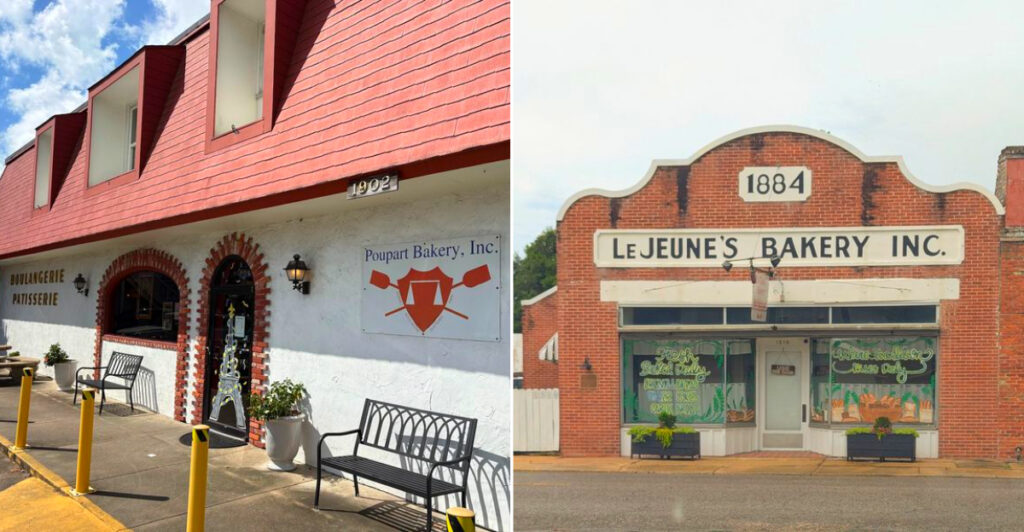
Bread has been the daily rhythm of this state since the first French bakers set up shop in the eighteenth century. A handful of bakeries have been keeping that rhythm alive for well over a hundred years. One of them still uses the same brick ovens that its founder fired up in the 1880s.
Another created the original po-boy loaf that defined a sandwich style for an entire city. A Sicilian gelato parlor that opened in the early 1900s still scoops from behind the same marble counter.
The youngest on this list has already won a national award, proving that tradition and innovation can coexist under the same roof.
From New Orleans institutions to Acadiana mainstays, these ten Louisiana bakeries have earned every wrinkle in their aprons, every line out the door on a Saturday morning, and every customer who keeps coming back year after year.
10. LeJeune’s Bakery
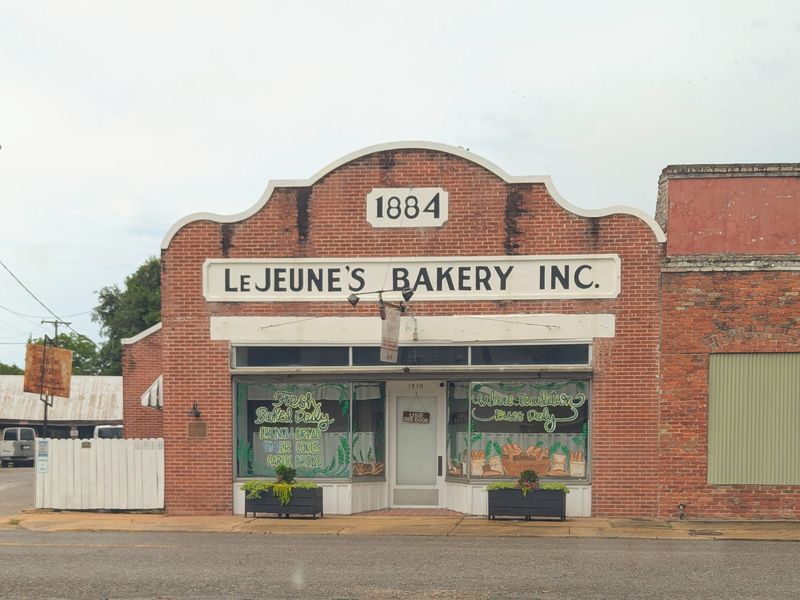
Warm yeast and ginger greet you before the display case does at 1510 Main Street, Jeanerette, LA 70544. Founded in 1884 as the Old Reliable City Bakery, this family business has become one of Louisiana’s longest-running baking traditions, with generations of LeJeunes continuing to make French bread and ginger cakes using recipes rooted in the bakery’s early years.
The bread is the essential purchase. Its soft crust and slightly sweet character distinguish it from the cracklier New Orleans style, while the dense ginger cake travels beautifully and keeps its old-fashioned appeal.
The current bakery still emphasizes the same two signatures that built its reputation, which makes ordering wonderfully simple.
History is visible beyond the food. The bakery building is listed on the National Register of Historic Places, and much of the operation still feels connected to an earlier era of neighborhood baking.
Tours may be available by appointment, so calling ahead is worthwhile if you want more than a quick counter stop.
Arrive early, especially if bread is the mission. Fresh loaves can disappear quickly, and this is one Louisiana bakery where buying an extra loaf for later feels less like overdoing it and more like very sensible planning indeed.
9. Haydel’s Bakery
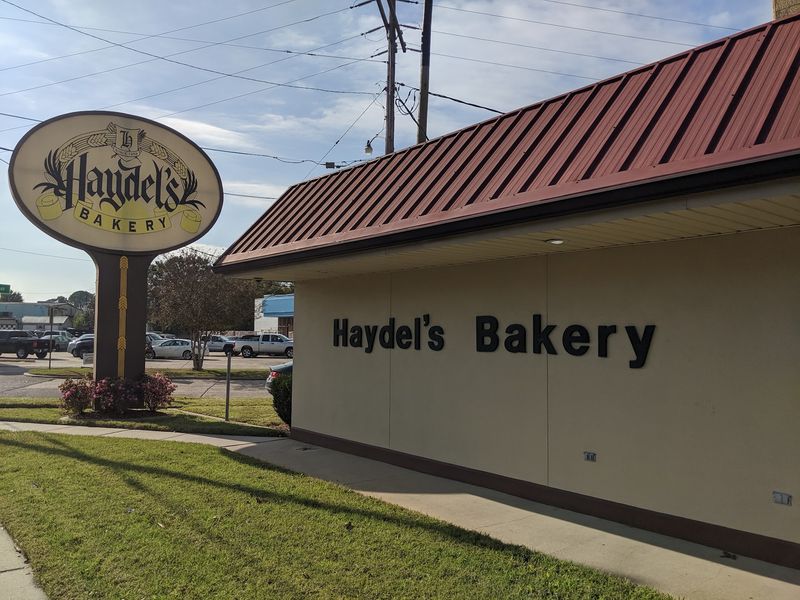
King cakes may bring the biggest crowds, but the everyday pastry case gives this Jefferson bakery its staying power. Haydel’s has been baking since 1959, and the current shop at 4037 Jefferson Highway, New Orleans, LA 70121, still turns out cakes, pastries, hand pies, cookies, and seasonal specialties for customers who know exactly what box they want.
Carnival is naturally the loudest season. Traditional king cakes share attention with filled versions, while the bakery’s familiar purple, green, and gold packaging has become part of the ritual for many Louisiana families.
Outside Mardi Gras, however, there is plenty worth ordering, from almond pastries and petit fours to custom cakes and sweet breakfast options.
The operation remains family centered, and the retail shop keeps practical morning hours Tuesday through Saturday. That schedule matters if you are building a bakery crawl, because Sunday and Monday are currently closed.
I would come early, order something flaky for immediate eating, then add one item sturdy enough to survive the drive home. Coffee makes the stop easier to stretch, but the real pleasure is watching regulars move through the line with practiced confidence.
They already know that one good pastry is almost never enough there either.
8. Leidenheimer Baking Co.
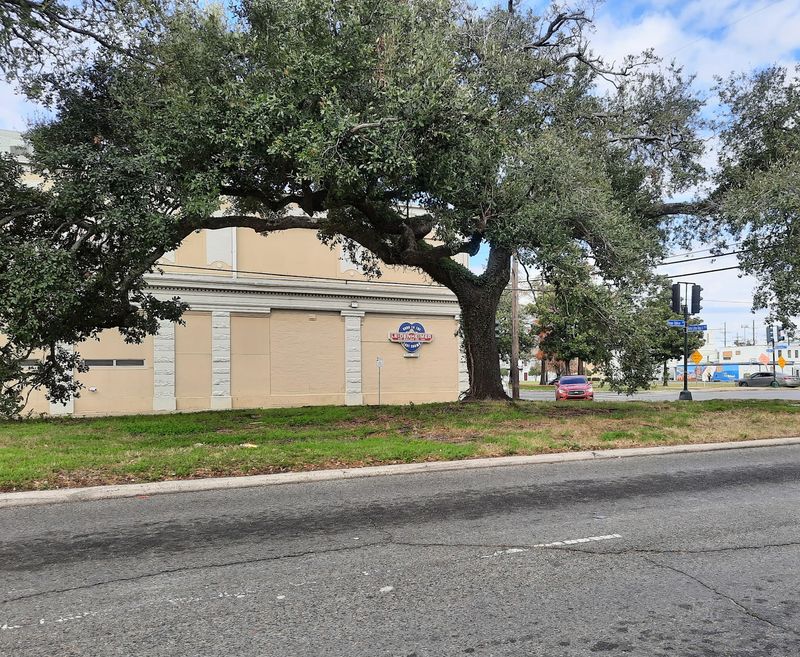
Po-boy bread is the entire reason this wholesale bakery belongs on a list about Louisiana baking history. Founded in 1896 by German immigrant George Leidenheimer, the company moved to 1501 Simon Bolivar Avenue, New Orleans, LA 70113, in 1904 and still operates from that brick building under later generations of the family.
The loaf looks simple until you eat it correctly. A thin, crisp crust gives way to a light interior that can absorb roast beef gravy, fried seafood juices, and sandwich dressings without immediately collapsing.
That particular texture helped make Leidenheimer bread synonymous with New Orleans po-boys and remains the bakery’s defining contribution to the city’s food culture.
Do not arrive expecting croissants, coffee, or a retail pastry counter. This is a working wholesale bakery supplying restaurants and stores, so the practical way to taste the bread is through a neighborhood po-boy shop or grocery that carries it.
I like that distinction. Not every historic bakery needs to become a tourist attraction to matter.
Here, the legacy travels through the city in paper-wrapped sandwiches every day. Order a messy roast beef po-boy somewhere that uses the bread, and the bakery’s century-plus story starts making complete culinary sense right there.
7. John Gendusa Bakery
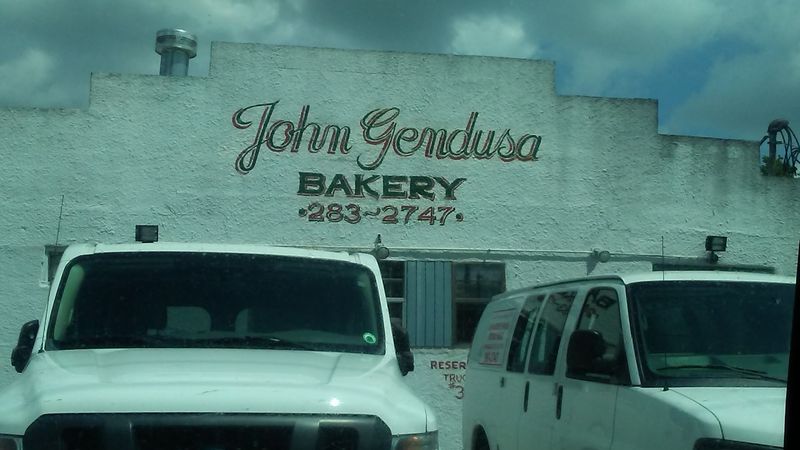
One of New Orleans’ most important breads was shaped around a labor strike, and the story still leads back to this family bakery. John Gendusa Bakery opened in 1922 and today continues operating as a wholesale producer in New Orleans, baking po-boy loaves, pistolettes, and muffuletta bread from its founder’s original formula.
By the end of the 1920s, restaurateurs Bennie and Clovis Martin needed an economical sandwich for striking streetcar workers. Working with baker John Gendusa, they developed a long, uniform loaf that avoided the tapered ends of traditional French bread and made portioning easier.
That practical solution helped create the recognizable poor-boy sandwich shape.
The bakery remains family run after four generations, which gives the story unusual continuity. It is not a polished café or pastry destination, so visitors should not expect an espresso bar or a case of individual sweets.
The bread is made for restaurants and food businesses throughout the city.
Taste it where it is meant to work: wrapped around fried seafood, roast beef, or another classic po-boy filling. The real achievement is structural as much as culinary.
A century later, one efficient loaf still shapes how New Orleans eats one of its most famous sandwiches.
6. Keller’s Bakery Downtown
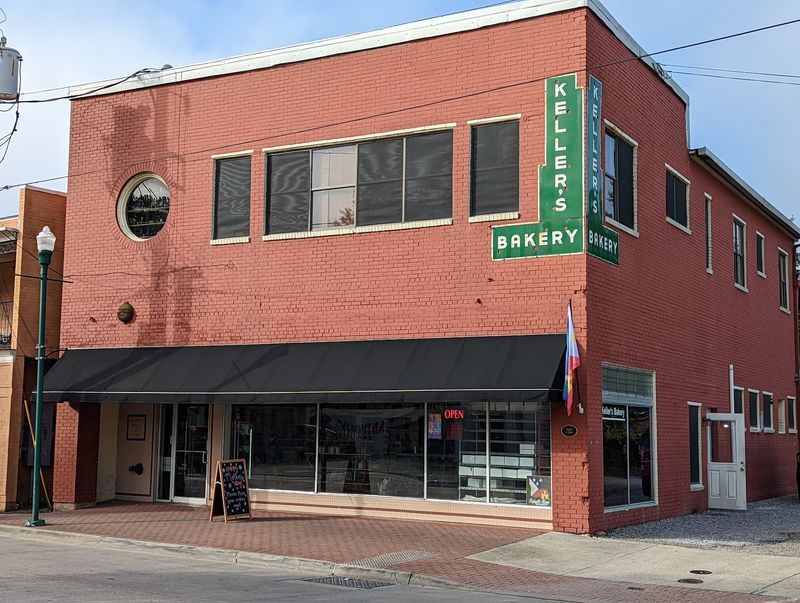
Cinnamon and butter have been drawing people toward this Lafayette storefront for generations. Keller’s Bakery Downtown opened in 1929 and still operates at 1012 Jefferson Street, Lafayette, LA 70501, carrying forward a family baking story that began when Victor Keller opened the original Keller’s Bakery in Abbeville in 1895.
King cakes naturally dominate Carnival season, with traditional cinnamon-butter versions joined by richer filled options. The rest of the year gives you more room to notice cinnamon rolls, pecan rolls, petit fours, cookies, cakes, and pastries that regular customers buy without needing a holiday excuse.
The current downtown bakery remains under Keller family ownership, and the building retains much of its midcentury appearance. That continuity makes the stop feel genuinely old without becoming staged.
Current hours run Tuesday through Saturday from 7 a.m. to 4 p.m. and Sunday from 7 a.m. to 2 p.m., with Monday closed.
Morning is the right time to visit. The case is fuller, the bakery smell does most of the convincing, and you can make decisions before popular items thin out.
I would leave with one pastry for the car and petit fours for later, assuming they actually survive long enough to reach the kitchen intact.
5. Poupart Bakery
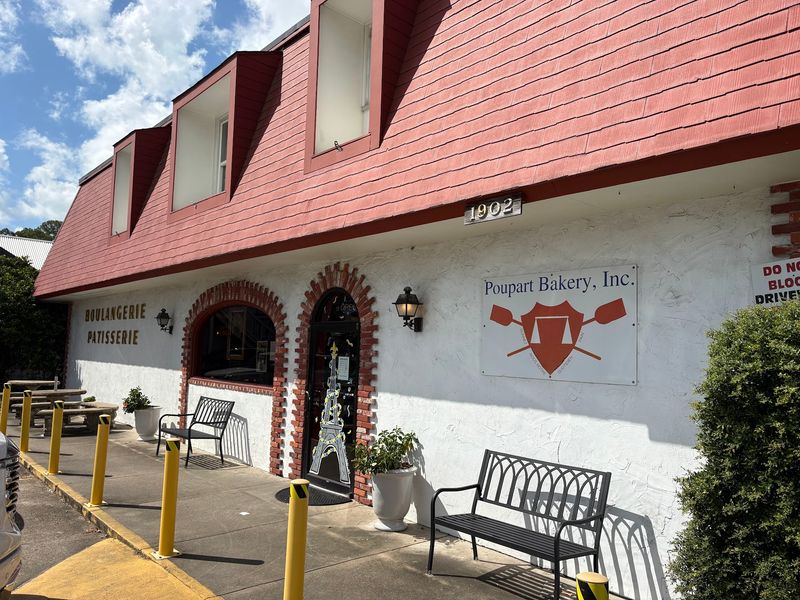
French technique found an unusually comfortable home in Acadiana when François and Louise Poupart opened their Lafayette bakery in 1967. The family business still operates at 1902 West Pinhook Road, Lafayette, LA 70508, serving French breads, pastries, cakes, beignets, sandwiches, soups, and Louisiana specialties from the same broad baking tradition.
The pastry case is where indecision begins. Éclairs, fruit tarts, cakes, and other sweets sit beside baguettes and Old World loaves, making it easy to arrive for bread and leave carrying dessert. Hot beignets and French roast coffee give early visitors an immediate reward, while lunch adds savory reasons to stay longer.
Current hours run Tuesday through Saturday from 7 a.m. to 5:45 p.m. and Sunday from 7 a.m. to 4 p.m., with Monday closed. Weekend mornings can get busy, so earlier is better when a specific pastry matters.
What I appreciate most is the cultural overlap. The bakery is unmistakably French in technique, yet it has spent decades serving Lafayette rather than existing as a transplanted Parisian fantasy.
Order something laminated, something crusty, and something sweet. The combination explains why this family bakery has remained useful to Acadiana through nearly six busy, flour-dusted decades of distinctive French-meets-Louisiana baking traditions.
4. Dong Phuong Bakery
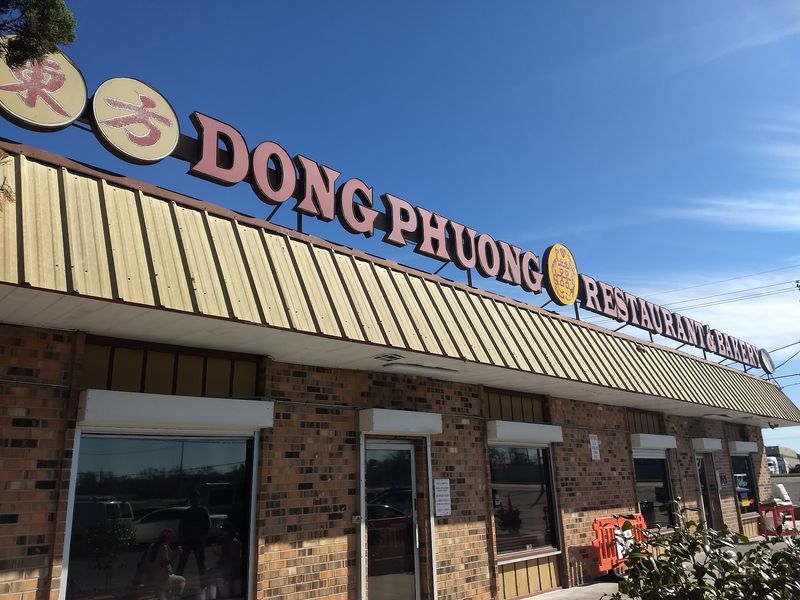
New Orleans baking history is not only French, German, or Sicilian, and this New Orleans East institution makes that beautifully clear. De and Huong Tran founded Dong Phuong Bakery in 1982, and the family business at 14207 Chef Menteur Highway, New Orleans, LA 70129, grew from serving the local Vietnamese community into one of the city’s most celebrated bakeries.
Baguettes remain central to the operation. Light, crisp loaves supply bánh mì sandwiches at the bakery and at restaurants around the region, while the retail cases add Vietnamese pastries, mooncakes, savory baked goods, and sweets.
During Carnival, the bakery’s brioche-style king cakes create their own annual frenzy.
National recognition arrived in 2018 when the James Beard Foundation named Dong Phuong an America’s Classic. The award acknowledged both food quality and the bakery’s deep connection to its community, especially after the family rebuilt and expanded following Hurricane Katrina.
Come outside king-cake season if you want a calmer introduction. Order a bánh mì, add a pastry you cannot immediately identify, and take home extra bread.
The best part is seeing Louisiana traditions overlap naturally. French colonial baking techniques, Vietnamese flavors, New Orleans sandwich culture, and family persistence all meet in one busy bakery.
3. Gambino’s Bakery
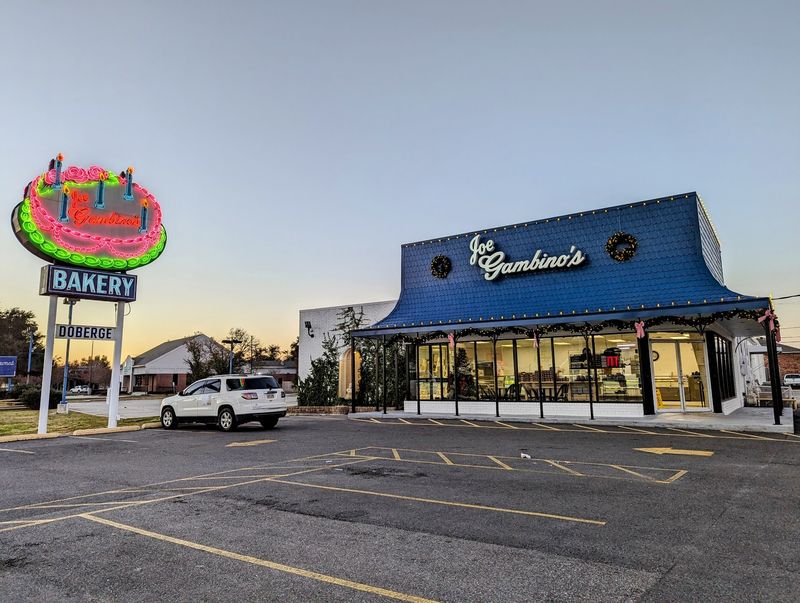
Doberge cake gives this Metairie bakery its strongest link to old New Orleans pastry history. Joe Gambino’s Bakery has operated under its current name since 1949, and the location at 4821 Veterans Memorial Boulevard, Metairie, LA 70006, continues selling cakes, pastries, breads, and seasonal specialties tied to generations of local celebrations.
The deeper story begins with Beulah Ledner, who created the New Orleans doberge by adapting European Dobos cake into thin layers filled with custard and covered with buttercream and fondant. Joe Gambino purchased her retail bakery and recipes in 1946, then reopened under his own name three years later.
The company still makes Ledner’s original doberge recipe by hand.
Chocolate and lemon remain the classic flavors, and choosing a half-and-half cake neatly solves the problem of picking one. King cakes dominate Carnival, while birthday, wedding, and specialty cakes keep the bakery busy year-round.
I would come for doberge first because that is where the history becomes edible. Plenty of bakeries sell layered cakes, but few can trace the recipe through the person who created a distinctly New Orleans dessert.
One thin slice shows why patience, custard, and careful layering can outlast almost every passing pastry trend imaginable even today.
2. Randazzo’s Camellia City Bakery
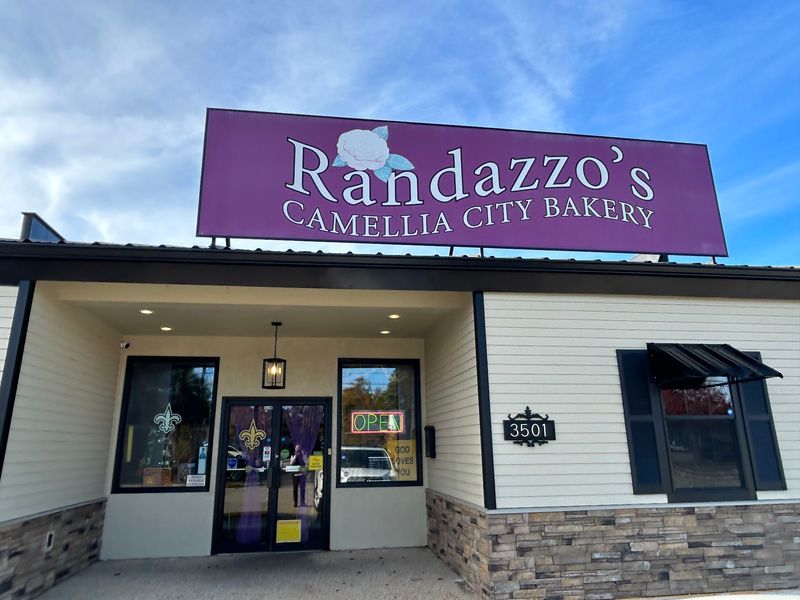
King cake tradition defines this Slidell bakery, but August is not the time to expect an open storefront. Randazzo’s Camellia City Bakery is based at 3501 Pontchartrain Drive, Slidell, LA 70458, and its official site currently says the retail shop is closed until December before the next Carnival season.
The family baking tradition dates to 1965, while this branch has built its reputation around handmade king cakes braided from scratch. Cinnamon remains the foundation, with filled versions adding cream cheese, pecan praline, strawberry, and other richer directions once Carnival arrives.
That seasonal rhythm is important because it makes the bakery different from year-round pastry shops on this list. Shipping and pickup become central during king cake season, when demand increases dramatically and advance ordering becomes the sensible strategy.
I would keep the bakery on a historic Louisiana sweets list, but I would not send anyone there in August expecting a pastry case. Plan for December or Carnival instead.
When the storefront returns, order early and choose the filling according to appetite rather than restraint. The braided structure gives every slice plenty of cinnamon, icing, and filling, which explains why generations keep turning the same family recipe into an annual ritual.
1. Angelo Brocato
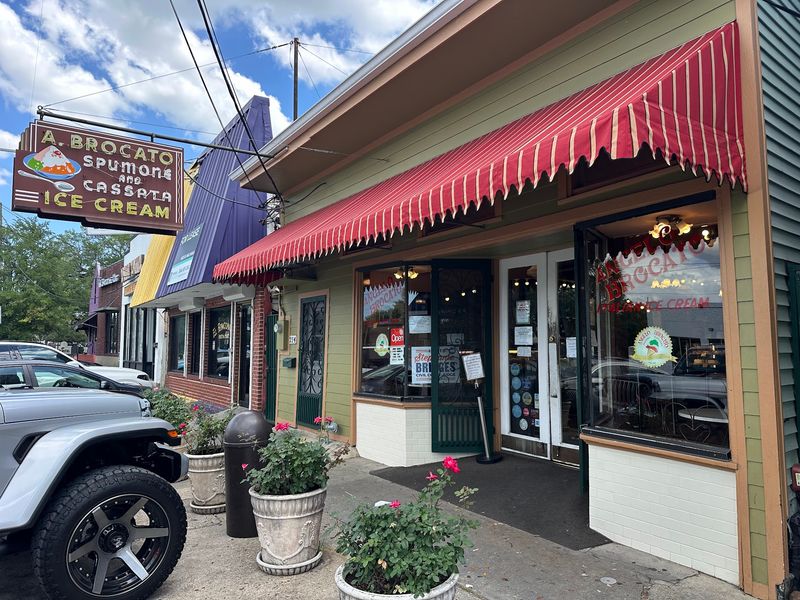
Marble, tile, gelato, and cannoli make this Mid-City institution feel like a surviving piece of old Sicilian New Orleans. Angelo Brocato opened his first shop in 1905 after learning the confectionery trade in Sicily, and the family business now operates at 214 North Carrollton Avenue, New Orleans, LA 70119.
Frozen desserts remain essential. Spumoni combines pistachio almond, tutti frutti, and lemon with almond whipped cream, while gelato and Italian ice fill the cold cases with flavors that feel especially persuasive in Louisiana heat.
Cannoli, biscotti, fruit tarts, and other pastries give anyone who prefers flour and ricotta plenty of alternatives.
The current shop stays open into the evening Tuesday through Sunday, which makes it unusually useful as a post-dinner dessert stop. Monday is closed.
Hurricane Katrina severely damaged the Mid-City location, and its 2006 reopening became an important neighborhood milestone.
I would order cannoli and one frozen specialty rather than trying to choose between them. The appeal is bigger than nostalgia.
More than a century after the original French Quarter shop opened, the family still sells Sicilian sweets in a city where Italian food traditions became deeply local. Few dessert counters connect histories so deliciously after more than a century.