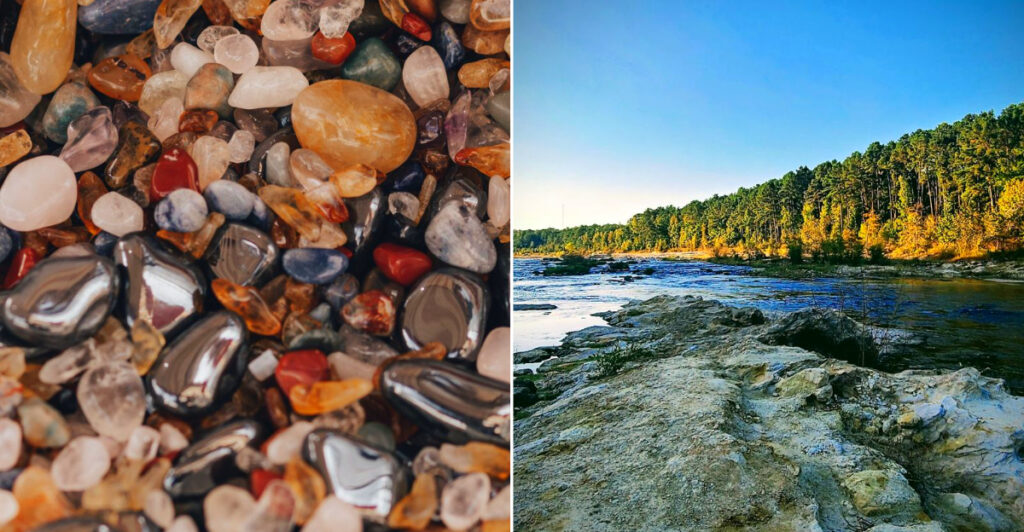
Most people drive past the gravel bars without a second glance. Rockhounds do the opposite: they pull over, kneel down, plus start sorting through polished stone plus fossil fragments.
Louisiana does not advertise its fossil beds or its mineral corridors, but the state sits on formations that have been producing agates, petrified wood, plus marine fossils for longer than anyone has been keeping records.
The Catahoula Formation runs through the center of the state, yielding chert plus quartz in creek beds you can wade across. Gravel bars along the Mississippi plus Red Rivers hide coral fragments plus petrified wood that eroded out of the banks after the last flood.
The best finds happen on public land inside Kisatchie National Forest, where trails cut through sandy soil releasing ancient seabed pieces with every rainstorm. Louisiana gravel bars and creek beds still yield agates and petrified wood for anyone willing to crouch down and look.
12. Denham Springs
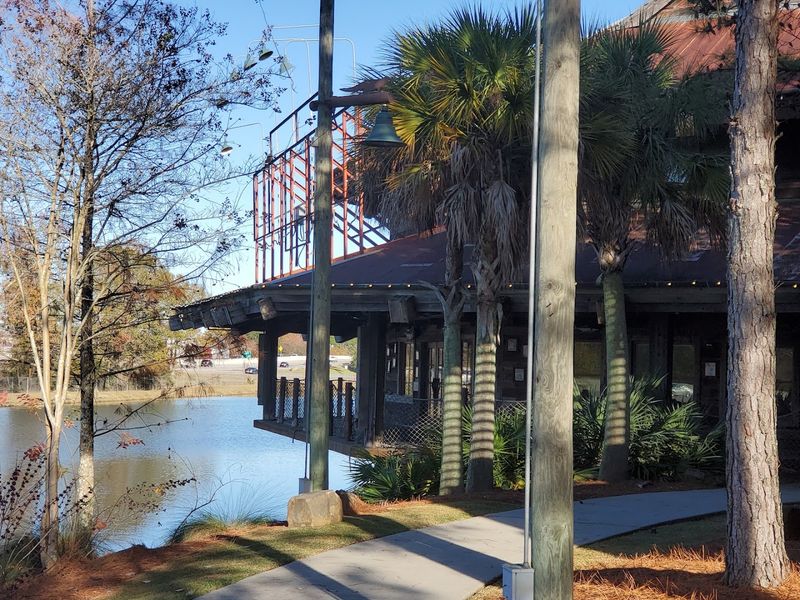
Broad gravel bars near the Amite River make this Livingston Parish area a good beginner stop for learning how Louisiana’s moving water sorts stone.
The best finds are usually modest: chert, quartz, jasper-colored pebbles, iron-stained pieces, and occasional agate-like surprises that have been carried, rounded, and concentrated by current.
Nothing here feels like a dramatic mine site, which is part of the appeal. You search by kneeling, rinsing, turning, and training your eye to separate texture from mud.
After high water, the river can rearrange the bars and expose fresher material, though safety matters more than curiosity. Stick to legal public access, avoid private banks, and never dig into unstable edges.
The Amite’s gravels also have archaeological significance, so do not disturb artifacts or cultural material if you notice anything worked by human hands. Treat this as a slow scouting area, not a guaranteed treasure field.
Patience, low water, and good light usually do most of the work here for careful searchers. Bring a hand lens for tiny textures, too.
11. Hammond
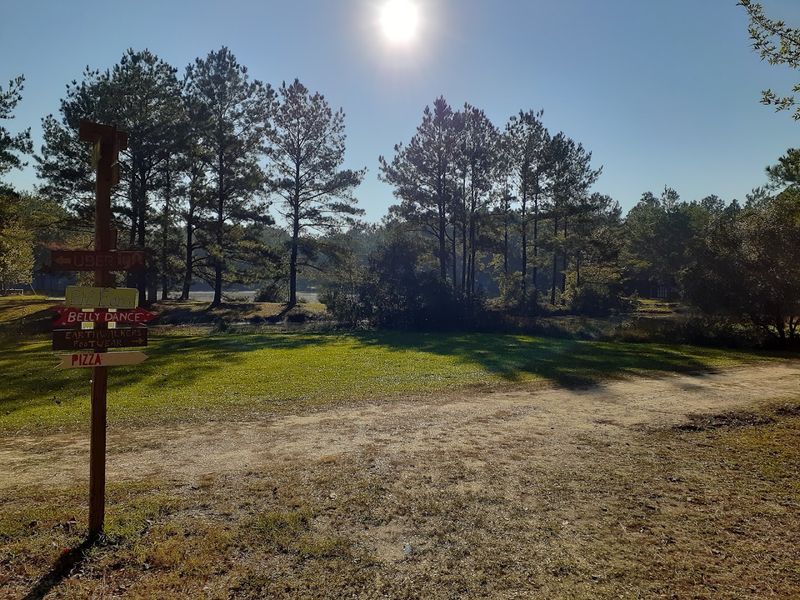
Small flashes in the Tangipahoa River gravel are what make the Hammond area worth a careful stop.
Southeastern Louisiana looks soft and green, but streams can still carry harder material from older deposits farther north, leaving chert, quartzite, quartz, jasper-like pebbles, and occasional agate pieces among ordinary stones.
The trick is accepting that most of the bar will look plain at first. Once your eye adjusts, waxy surfaces, banding, and sharper colors begin to stand out under shallow water.
Recent rain can help by washing silt from gravel, but high water can make banks dangerous and should be avoided. Favor legal public access points, inside bends, and exposed coarse patches rather than muddy slopes.
Good shoes matter because the riverbanks can be slick, soft, and messier than they appear. This is not a place for dramatic collecting claims.
It is better as a quiet, low-pressure search where one interesting pebble can make the whole stop feel worthwhile after an hour of looking. Expect subtle finds, not instant trophies, most days.
10. Bogue Chitto State Park
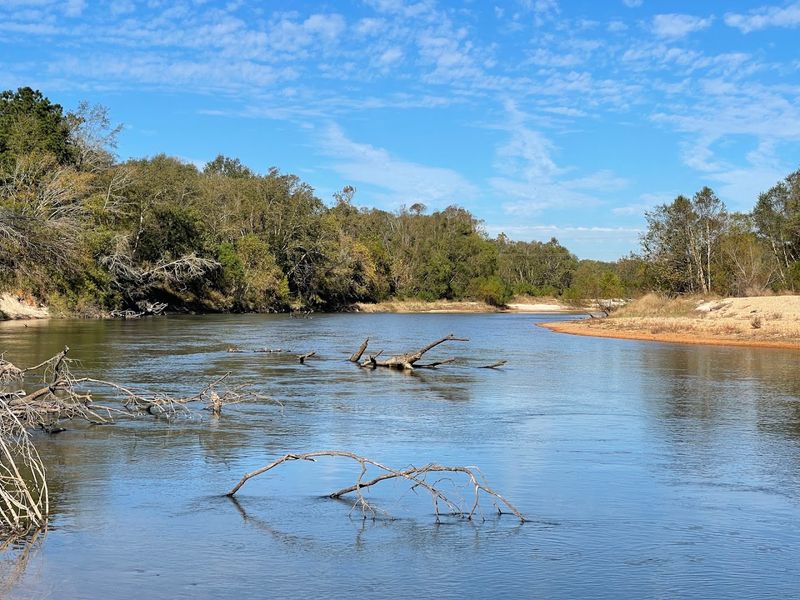
Clear water and pale gravel give this park a rockhound’s visual pleasure even when your best move is looking rather than taking.
The Bogue Chitto River area is known among Louisiana searchers for small agates, chert, quartz pebbles, and fossil bits in regional gravels, but state park rules and preservation concerns mean visitors should check current regulations before collecting anything.
That caution does not ruin the experience. It sharpens it. Walking the river edge teaches you how to read gravel bars, spot heavier stones, and notice where current has recently cleaned the surface. The park also offers enough scenery that an observing day still feels satisfying.
Sandy banks, water movement, and wooded edges create the kind of place where slow looking becomes its own reward. If permission or posted rules allow limited collecting, take only modest surface pieces and leave the site cleaner than you found it.
If not, photograph your finds in place and enjoy the river as a geology lesson with excellent scenery around you on foot carefully.
9. Pearl River
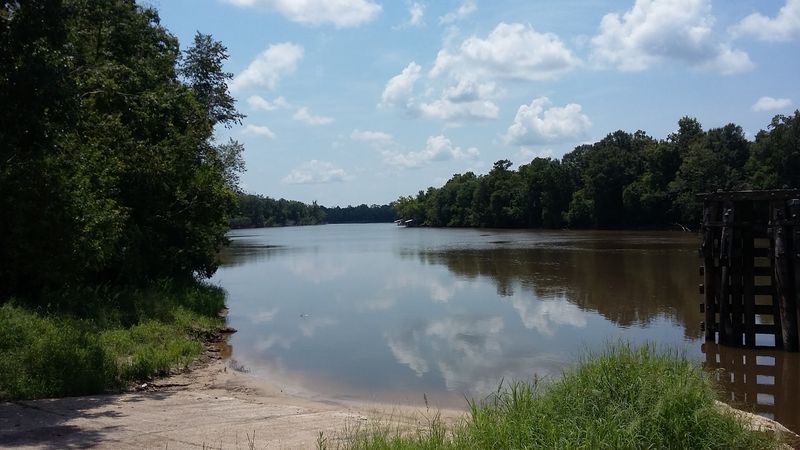
Branching water makes the Pearl River area feel less like one destination and more like a network of possibilities.
Around legal access points near the Old Pearl River and nearby tributaries, gravel bars can hold chert, quartz, fossil fragments, jasper-toned pebbles, and occasional agate or chalcedony pieces moved through the drainage over time.
The best search often happens where smaller creeks meet larger channels, because mixed currents can gather different material in one readable patch. Water level is the controlling factor.
Low, safe conditions expose bars and let you study stones before mud clouds the view. Higher water makes the same places risky and less productive.
Private land, refuge rules, and changing access points all matter, so do not assume every tempting bank is open to collecting. This area rewards careful scouting, not trespassing.
Bring a small bag, leave cultural objects alone, and treat each exposed bar as temporary. The river rewrites its shelves constantly, which is exactly why patient return visits can pay off after every safe low-water spell.
8. St. Francisville
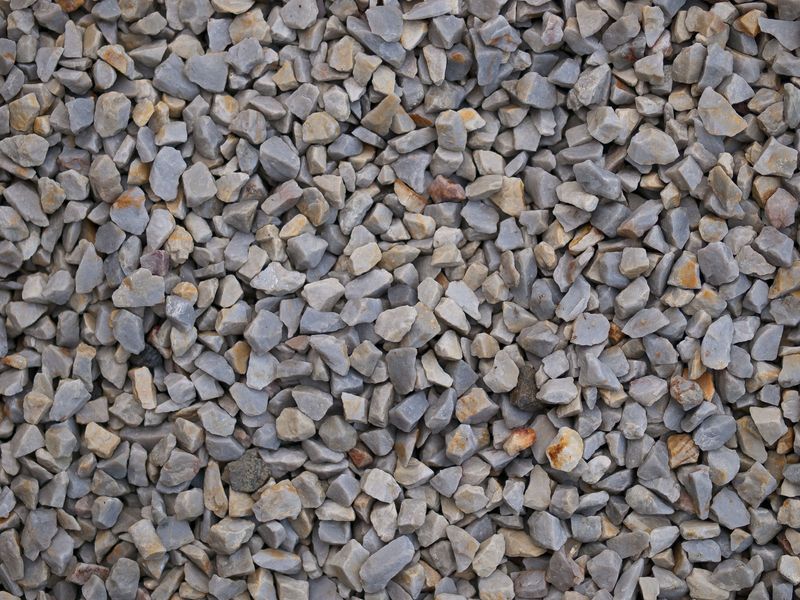
Ravines around the Tunica Hills give the St. Francisville area a different geological mood from flatter parts of Louisiana. Loess bluffs, eroded slopes, sandy beds, and small streams can expose fossil traces, ironstone, chert, and gravel pieces that feel more varied than the town’s polished surface suggests.
This is not a casual shovel-and-bucket destination. Slopes can be unstable, land ownership changes quickly, and some sensitive natural areas protect rare habitats.
The best approach is observant and light-footed: look along legal trails, creek edges where collecting is allowed, and washed gravel that can be studied without damaging banks. Small finds are more realistic than spectacular ones.
A shell impression, a worn fossil fragment, or an interesting piece of chert may say more about the region’s past than a dramatic trophy ever would. Pair the search with the landscape itself.
The hills, shade, and sudden drop-offs make this area feel rugged for Louisiana, and that setting is half the discovery already. Look carefully, but leave fragile exposures better than you found them.
7. Lake Providence
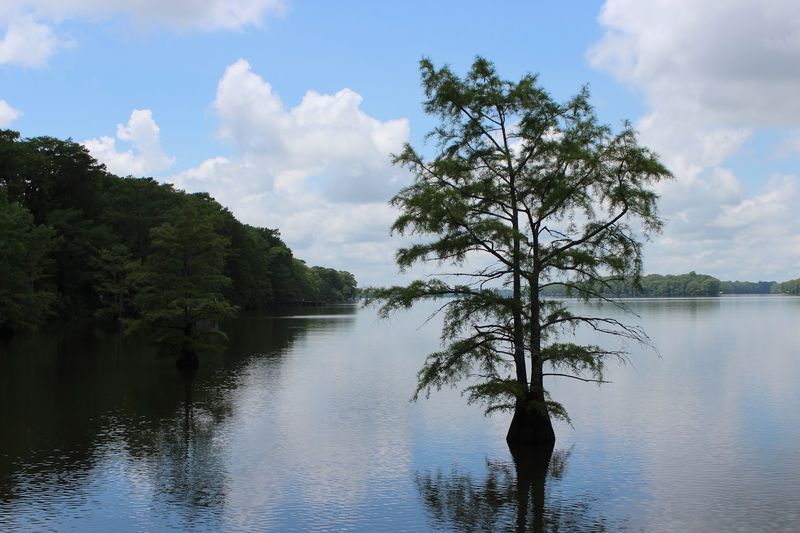
The Mississippi River gives Lake Providence its rockhounding logic. Local geology may look flat and quiet, but the river has carried stone from far upstream for ages, mixing outside material into bars, banks, and coarse deposits along its broad corridor.
That means chert, quartz, jasper-colored pebbles, agate-like pieces, and petrified wood fragments can appear in places where Louisiana itself did not originally make them. The river is the collector and sorter.
Search only where access is legal and safe, because Mississippi River stages can change quickly and banks can be treacherous. Low water exposes the most readable gravel, especially where finer silt has washed away and heavier pieces remain.
Do not rush past dull stones. Petrified wood and chert can blend into ordinary brown or gray gravel until a broken edge, waxy surface, or grain pattern gives them away.
The Delta setting adds its own stark beauty: wind, sky, water, and one massive river quietly rearranging the evidence. Search slowly, and let the river’s long-distance cargo surprise you quietly today.
6. Natchitoches
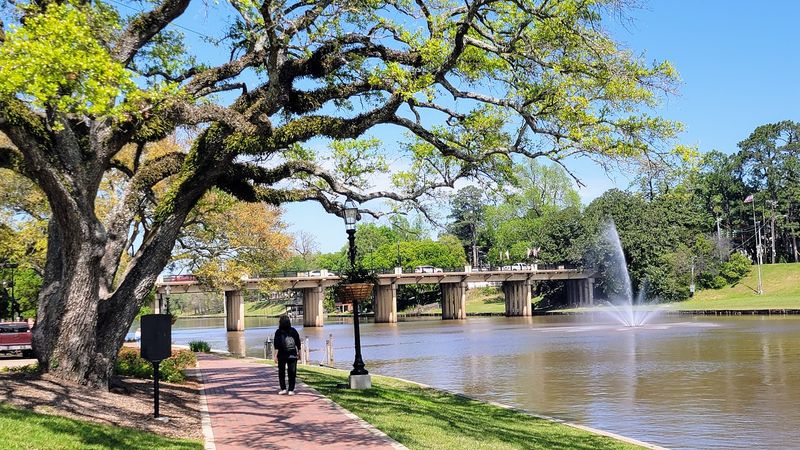
History gets most of the attention in Natchitoches, but the waterways around Cane River Lake and the Red River add a quieter reason to look down. Transported gravels can include chert, quartzite, quartz, agate-like nodules, and petrified wood pieces moved from older source areas beyond the immediate town.
The best searching usually follows the water rather than the postcards. Low stages reveal bars, inside bends, and coarser patches where heavier material has settled after current slowed.
Late summer and early fall can be useful if water levels cooperate, though every season depends on rain and river behavior. Stick to legal access and avoid private banks, protected sites, or unstable edges.
This is a patient search area, not a guaranteed collecting pit. The reward is the mix: a historic town above, an active river system below, and gravel that carries evidence from places far beyond the city’s brick streets.
One small polished piece can feel like a souvenir from several landscapes at once. That mix makes each find feel traveled anyway.
5. Monroe
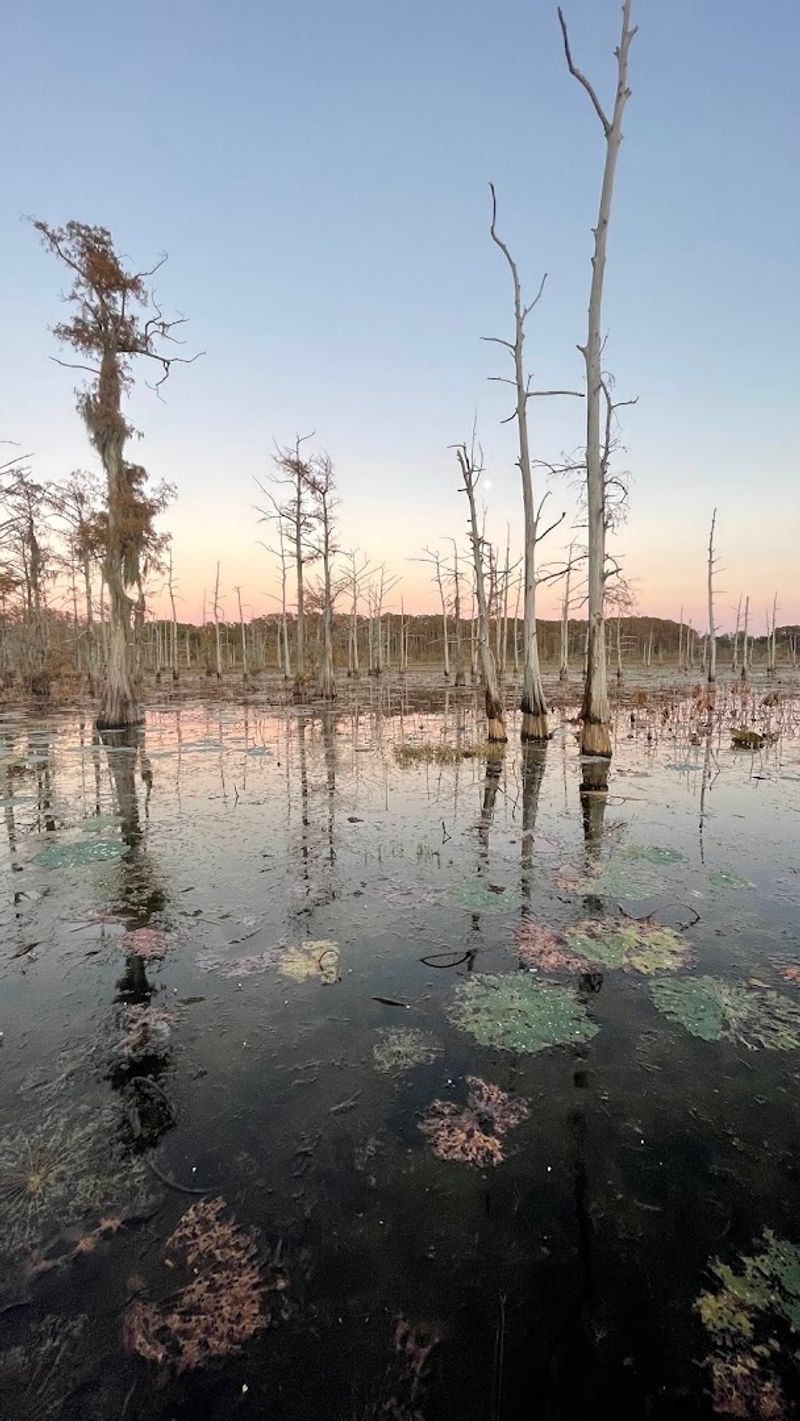
The Ouachita River gives Monroe its best rockhounding argument. Along legal public access points and nearby gravel bars, searchers may encounter petrified wood, chert, jasper-toned stones, quartz pebbles, and occasional agate-like material shaped by transport and flooding.
Petrified wood is the piece many people hope for, but it often hides in plain sight. Water-polished fragments can look like ordinary brown stones until grain, texture, weight, or a broken face reveals the older plant structure inside.
Flood cycles matter here. After safe high-water events, bars can be rearranged and new material exposed, while long dry periods can make the same ground feel picked over.
Move slowly and scan coarse gravel rather than soft mud. The best pieces are not always the brightest.
Some are subtle, heavy, and easy to overlook. Monroe works well as a practical search area because the river keeps doing the sorting.
Respect property lines, skip unstable banks, and let the Ouachita’s rhythm decide when the search is worth your time after storms have passed and levels fall.
4. Toledo Bend Reservoir
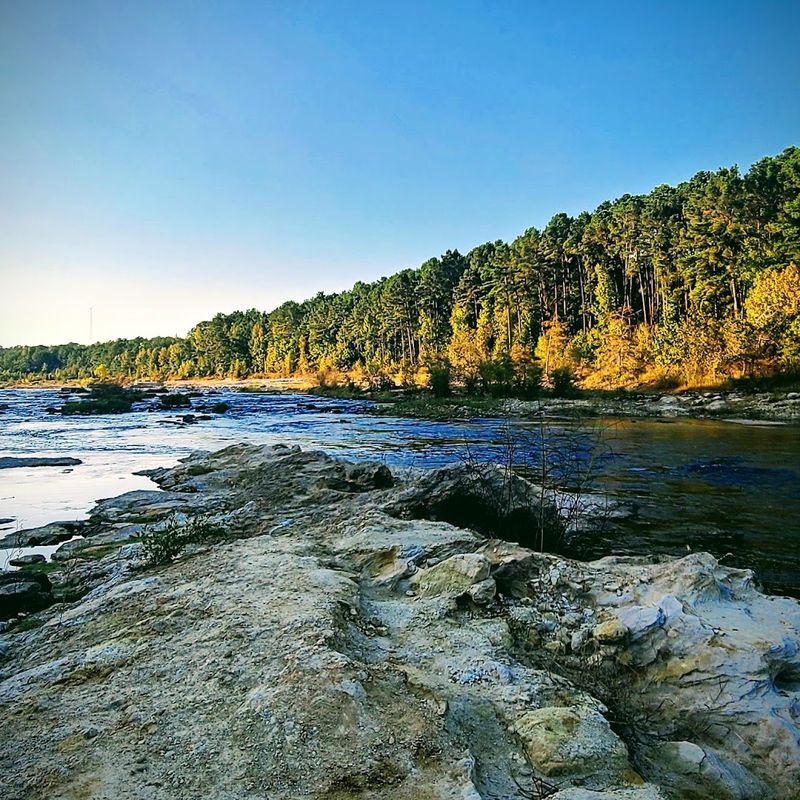
Long shorelines make Toledo Bend feel generous, especially when water levels expose fresh banks, points, and gravelly pockets along the Sabine system. Searchers look here for quartz, chert, jasper-like pieces, agate-like nodules, petrified wood, and Louisiana’s most recognizable prize, petrified palmwood.
Because palmwood is the state fossil, even a small patterned fragment can feel more exciting than its size suggests. Low water is the practical key.
When lake edges pull back, more surface material becomes visible, and recent wave action may leave heavier pieces where careful eyes can find them. Legal access matters because the reservoir has parks, private property, boat launches, and managed areas with different rules.
Do not assume every shoreline is open for collecting. This is also a good place to learn what silicified wood looks like before polishing.
Wet surfaces often reveal structure better than dry ones, especially the dot-like vascular pattern that distinguishes palmwood from ordinary stone. Bring patience, sun protection, and realistic expectations on Louisiana days especially when breezes keep the shore comfortable enough.
3. Pollock
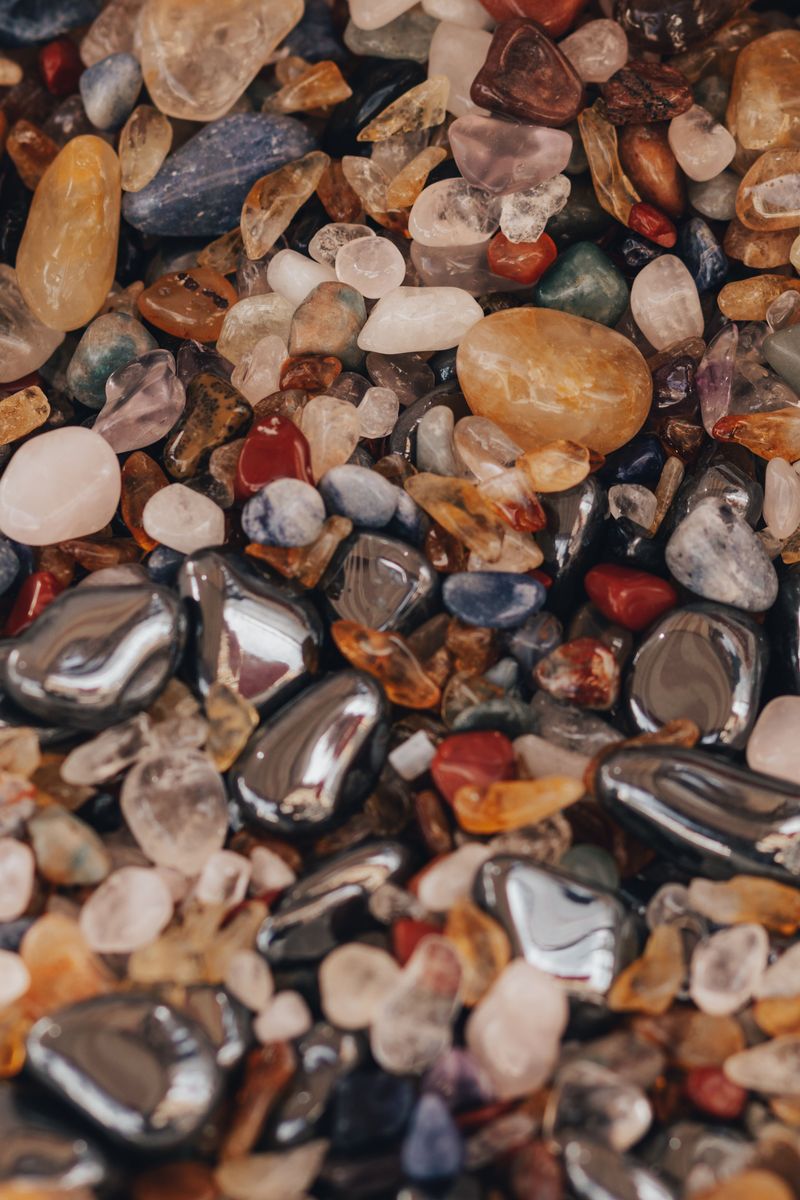
Forest-edge drainages around Pollock make the search feel subtle rather than spectacular. Grant Parish sits close to parts of Kisatchie National Forest, where eroded creek beds, sandy cuts, and washed gravel can reveal chert, chalcedony, jasper-like pebbles, agate-like pieces, and occasional petrified wood.
Finds are usually small, which makes attention more important than luck. This is the kind of place where one waxy fragment, one patterned chip, or one heavier-than-expected piece can justify a slow afternoon.
Check current National Forest rules before collecting, and keep any allowed personal take modest and surface-based. Avoid digging into banks, disturbing cultural material, or wandering onto private land near forest boundaries.
After rain, the ground can be muddy but newly rinsed, which often improves visibility. Light also matters; low sun can catch translucent edges that flat midday glare misses.
Pollock works best for rockhounds who enjoy scouting, walking, and reading the landscape patiently instead of expecting a famous marked site with obvious specimens waiting. The quieter the search feels, the more details begin appearing.
2. Jena
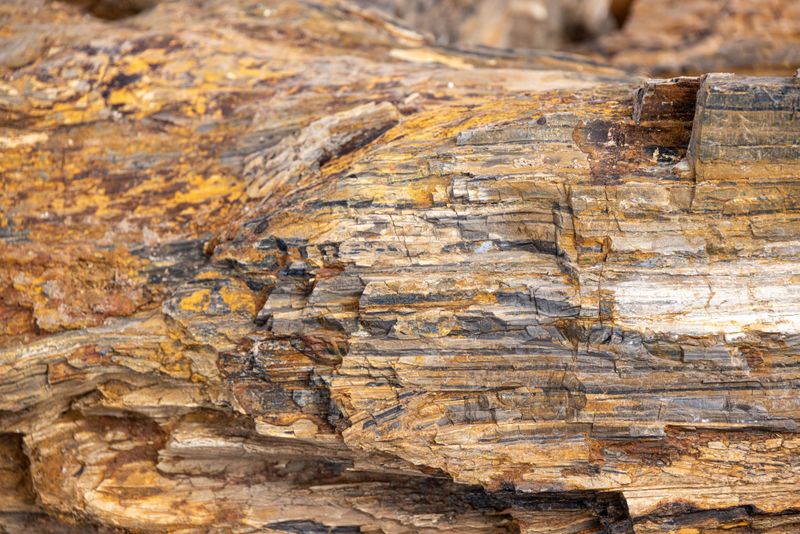
Central Louisiana’s petrified palmwood story becomes especially convincing around Jena and nearby Catahoula Formation exposures.
The formation is known for sandstone, quartz sand, volcanic ash, clays, and local petrified wood, which helps explain why rockhounds watch creek gravels, eroded hillsides, and fresh exposures so carefully here.
Palmwood has a distinctive look once you learn it: small dark vascular bundles scattered through a lighter silicified matrix, sometimes visible only after the surface is wet. The area around Highway 84 is often mentioned by collectors, but roadcuts are not casual playgrounds.
Traffic, unstable slopes, and property rules make safety and permission essential. Creek gravels and legal surface finds are a calmer way to search.
Look after runoff has washed lighter sediment aside, then study pieces slowly before dismissing them as plain. The best finds may not look polished or dramatic in the field.
They may look like dull fragments until pattern, density, and texture reveal the fossil wood inside the stone. A spray bottle can help patterns show without damaging anything nearby.
1. Leesville
Upland terrain around Leesville gives Vernon Parish a stronger rockhounding feel than many flatter Louisiana areas.
Nearby creeks, forest roads, and Kisatchie National Forest edges can expose gravels where searchers look for quartz, chert, agate-like nodules, chalcedony, and petrified palmwood fragments tied to older sedimentary deposits and silica-rich groundwater history.
The appeal is variety, not certainty. One drainage may show only ironstone and common quartz, while another may reveal a small waxy pebble or wood-textured fragment after rain.
Legal access is the first rule, especially around forest boundaries, military lands, private property, and managed recreation areas. On National Forest land, follow current rules for casual personal collecting and avoid any archaeological or vertebrate fossil material.
Leesville is best approached as a wandering day with multiple short stops rather than one magic coordinate. Watch creek crossings, eroded shoulders, and gravel patches where harder pieces resist weathering.
When surfaces are damp, subtle banding and palmwood textures become much easier to recognize properly. A simple field guide or reference photo helps confirm possibilities.