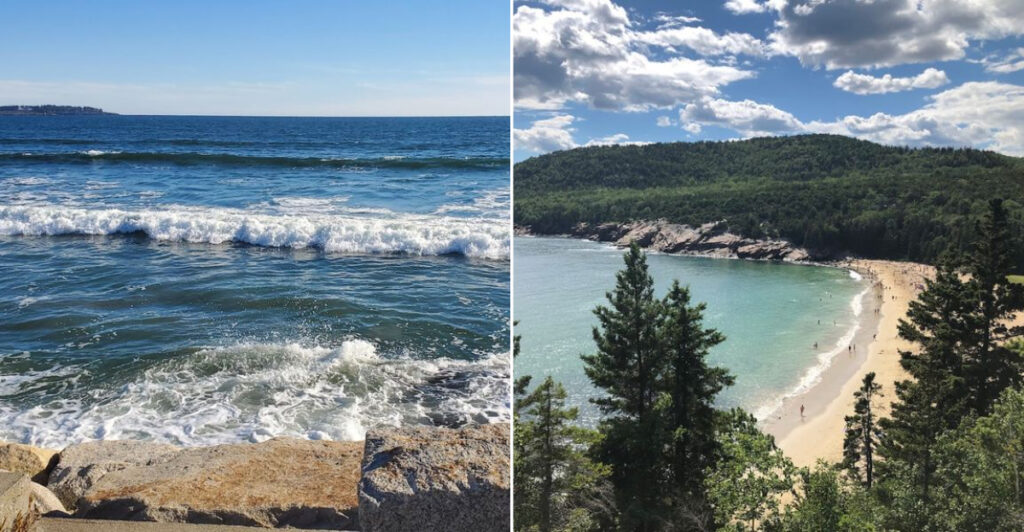
Maine turns a simple beach walk into something a lot more exciting when sea glass is part of the plan. The coastline is long, varied, and full of places where the next colorful find could be waiting right near the shore.
That little flash of blue, green, or white in the sand can change the whole mood of the day fast. One piece leads to another, and suddenly you are scanning every patch of pebbles and every stretch of tide line with full focus.
That is part of the fun. It is relaxing, a little addictive, and just unpredictable enough to keep things interesting.
Maine gives this kind of coastal treasure hunt plenty of room to shine, with beaches that offer beautiful views and the chance to spot something worth taking home. Bring a bag, keep your eyes down, and make time for a slower kind of adventure.
A great sea glass hunt can turn an ordinary day by the water into one you will be talking about long after the sand is gone from your shoes.
1. Ogunquit Beach
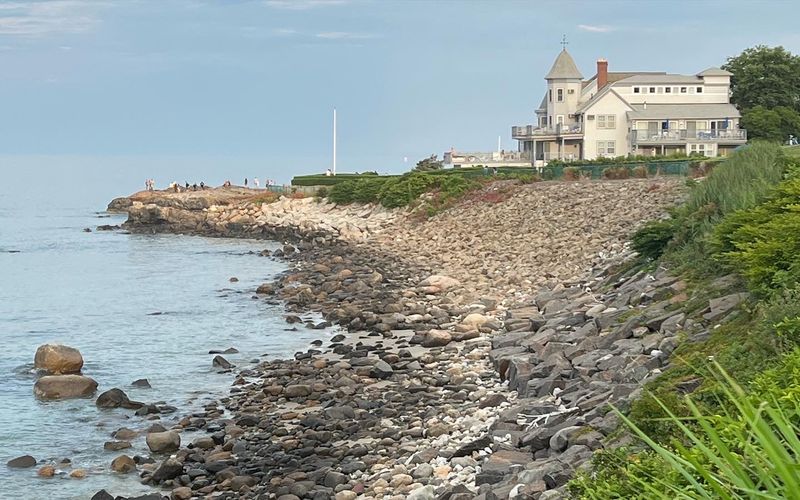
Few beaches in Maine balance beauty and bounty quite like Ogunquit Beach.
Stretching nearly three miles along the southern Maine coast, this wide sandy shore is one of the most popular destinations in the state, and for good reason.
The beach sits where the Ogunquit River meets the Atlantic Ocean, creating a mix of sand and rocky outcroppings perfect for sea glass hunting.
The northern end of the beach, near Perkins Cove, tends to collect more glass because of how the currents move along the rocks.
Plan your visit around low tide. That is when the water pulls back and reveals the most ground to search.
Early morning walks before the crowds arrive give you first pick of whatever the tide brought in overnight.
Ogunquit is also a lively little town with great restaurants and art galleries, so you can make a full day of it.
Walk the Marginal Way cliff path after your beach hunt for stunning ocean views.
The path runs about 1.25 miles and hugs the rocky coastline in a way that feels completely cinematic.
Sea glass colors to watch for here include green, brown, and white, which are the most common.
If you spot a piece of red, orange, or blue, consider yourself very lucky.
Those rare colors come from old decorative bottles and specialty glass that rarely made it to the ocean floor.
2. Old Orchard Beach
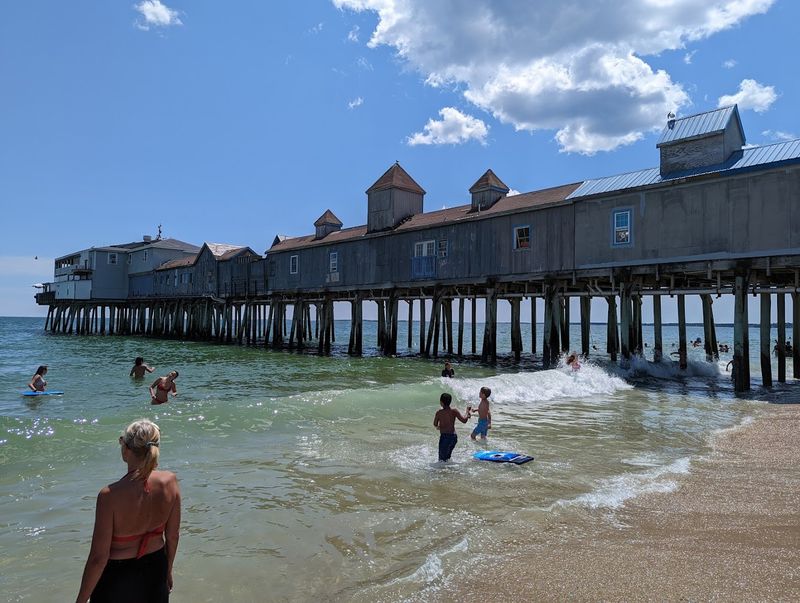
Old Orchard Beach is the kind of place that has been drawing visitors for over a century, and it still delivers.
Known for its long, flat stretch of sand and lively pier, this beach in York County, Maine, is also a surprisingly productive spot for sea glass collectors.
The beach runs about seven miles, giving you plenty of ground to cover.
Head toward the quieter ends of the beach, away from the main pier area, where foot traffic is lighter and the glass has more time to sit undisturbed.
Old Orchard has a history of maritime activity dating back to the 1800s.
Old ships, fishing operations, and coastal dumping from earlier eras left behind a rich layer of glass that the ocean has been tumbling into treasures ever since.
That history shows up in the variety of colors and shapes you can find here.
Brown and green sea glass are common finds, but pieces of aqua and cobalt blue have been spotted along this stretch.
Aqua glass often comes from old Mason jars, which were widely used in the 19th and early 20th centuries.
The beach is family-friendly with restrooms, food vendors, and easy parking.
3. Popham Beach
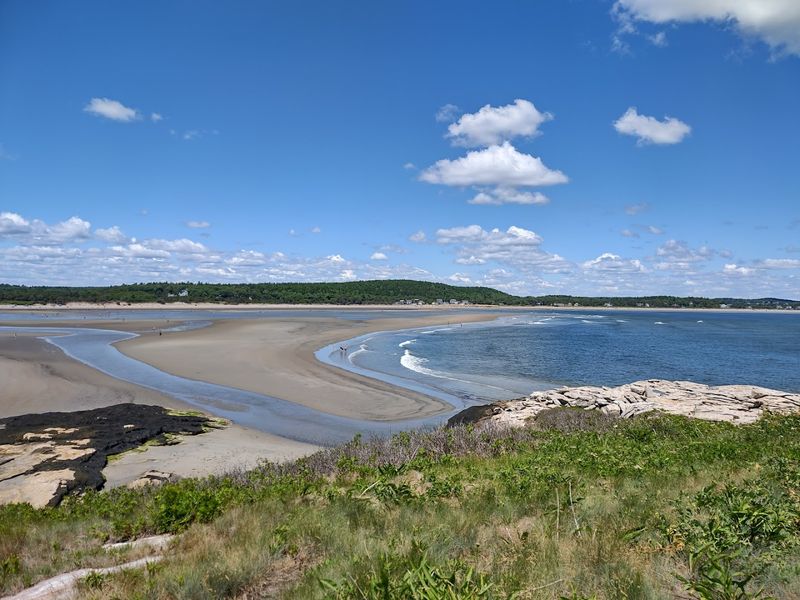
Popham Beach State Park sits at the mouth of the Kennebec River in Phippsburg, Maine, and it is one of the most dramatic beaches in the entire state.
Wide sandbars, shifting tidal pools, and rocky outcroppings make this place feel like it was designed specifically for treasure hunters.
The river mouth here has been a site of human activity for hundreds of years.
European settlers attempted one of the first English colonies in North America near this very spot in 1607.
That long history means there is a lot of old material that has made its way into the water over the centuries.
Sea glass hunting at Popham is best done along the rocky sections at either end of the beach.
Rocks trap glass and hold it in place, which means more pieces accumulate over time. Look carefully in the crevices between boulders at low tide.
The tidal range here can be dramatic, sometimes exposing large areas of sand and gravel that are completely underwater at high tide.
That means your hunting territory changes every single visit, keeping things fresh and exciting.
White, brown, and green glass are reliable finds.
Pieces of old pottery and ceramic fragments, called sea pottery, also show up here and are equally prized by collectors.
4. Crescent Beach
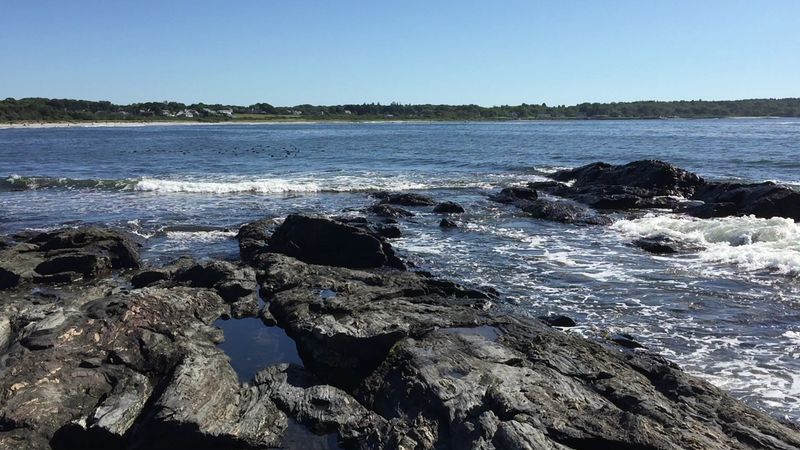
Crescent Beach State Park in Cape Elizabeth, Maine, lives up to its name.
The beach curves in a graceful arc just south of Portland, making it one of the most picturesque spots on the southern Maine coast.
It is also one of the most rewarding places to search for sea glass.
Cape Elizabeth has a rugged, rocky coastline that borders the sandy beach on both ends.
Those rocky borders act like natural funnels, collecting sea glass as it washes in with the tides.
The mix of sand and gravel near the rock formations is where most serious hunters focus their attention.
The proximity to Portland matters here.
The city has been a major port for centuries, and old maritime activity left behind glass debris that the ocean has been polishing ever since.
Pieces of old bottle glass, window glass, and even old tableware have been found along this stretch.
Crescent Beach is a state park, so there is an entry fee.
That fee helps keep the beach clean and well-maintained, which actually works in your favor as a visitor. Fewer crowds at the park entrance mean a more peaceful hunting experience.
Sunrise visits are especially magical here.
The light hits the wet sand and makes sea glass pieces practically glow, which makes spotting them much easier. Bring a small bag or container to carry your finds.
5. Reid State Park Beach
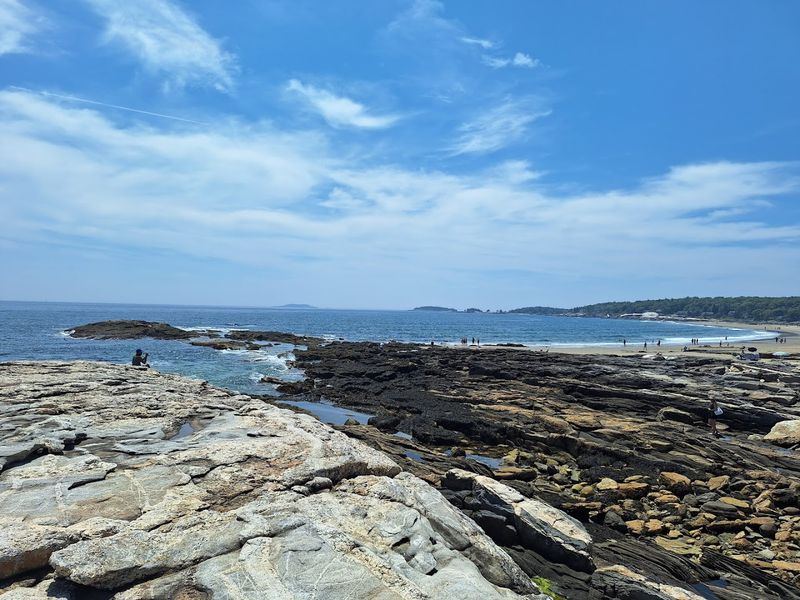
Reid State Park Beach in Georgetown, Maine, is a mid-coast treasure that many visitors overlook in favor of more famous spots.
That is exactly what makes it so good for sea glass hunting. Fewer people means more glass left behind for those who make the trip.
The park features two connected beaches, Mile Beach and Half Mile Beach, separated by a rocky headland.
Both stretches offer productive hunting, but the area around the headland is particularly rich.
Rocks slow the glass down and let it accumulate in pockets that are easy to explore at low tide.
Reid State Park was the first saltwater beach in Maine to become a state park, established in 1946. The relatively undeveloped surroundings mean the beach has stayed wild and natural, which is perfect for a quiet, focused hunt.
The water here is cold, even in summer, because of the Gulf of Maine currents.
That keeps swimming crowds lighter and leaves more space for people who are there to walk and search rather than splash around.
Green and brown glass are common at Reid, but pieces of purple glass occasionally surface here. Purple sea glass gets its color from manganese in old glass formulas that reacts to sunlight over many years.
Finding a purple piece is like holding a small piece of chemistry history in your hand.
6. Sand Beach

Sand Beach inside Acadia National Park near Bar Harbor, Maine, is one of the most photographed beaches in all of New England.
Surrounded by pink granite cliffs and ocean mountains, it looks like something off a postcard.
It also happens to be a fascinating spot for sea glass hunters.
The beach is small, only about 290 yards long, which means every square foot counts.
The sand here is actually made partly from crushed shells and marine organisms, giving it a pinkish hue that makes colorful sea glass stand out beautifully against the pale background.
Because Sand Beach sits inside a national park, rules are strict.
You are not allowed to remove natural materials, but sea glass is considered man-made debris, so collecting it is generally permitted.
Always check current park regulations before your visit to stay on the right side of the rules.
The rocky edges of the beach, especially near the boulder fields on both sides, are the most productive hunting zones.
The boulders catch and hold glass that would otherwise wash back out with the tide.
Getting here requires either a park entrance fee or an America the Beautiful pass.
The Island Explorer shuttle bus also runs to Sand Beach during the summer season, making it easy to arrive without driving.
The views from the surrounding Ocean Path trail are spectacular.
Combine your sea glass hunt with a walk along the path for one of the most scenic mornings you will ever spend on the Maine coast.
7. Wells Beach
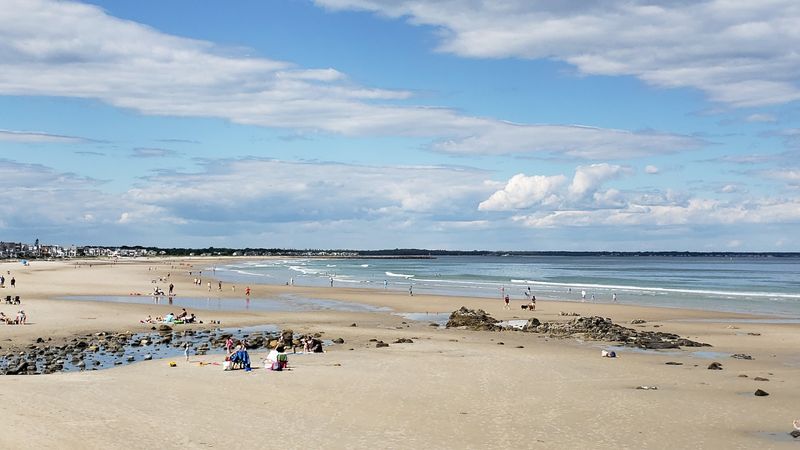
Wells Beach in Wells, Maine, is a laid-back, no-fuss kind of beach that rewards patient hunters.
It stretches along the southern Maine coast just north of Ogunquit, and its flat, wide shoreline makes walking and searching easy for people of all ages.
The town of Wells has been a fishing and farming community since the 1600s.
That deep history means the offshore areas have accumulated centuries of discarded glass, and the tides have been delivering polished pieces to the beach ever since.
History literally washes up here. Wells Beach is especially good for beginners.
The flat sand makes it easy to spot glass without having to climb over rocks or wade through tidal pools.
Just walk slowly along the waterline and scan the wet sand where the waves just pulled back.
Mornings after a storm are the absolute best time to hunt.
Rough surf stirs up the ocean floor and pushes fresh glass onto the beach. Locals know this trick well, so set your alarm and get there before everyone else does.
The beach has a small, friendly village nearby with shops and casual dining.
Wells is also home to the Rachel Carson National Wildlife Refuge, which borders the beach area.
The combination of natural beauty and hunting potential makes Wells Beach a complete coastal day trip worth planning around.
8. Scarborough Beach
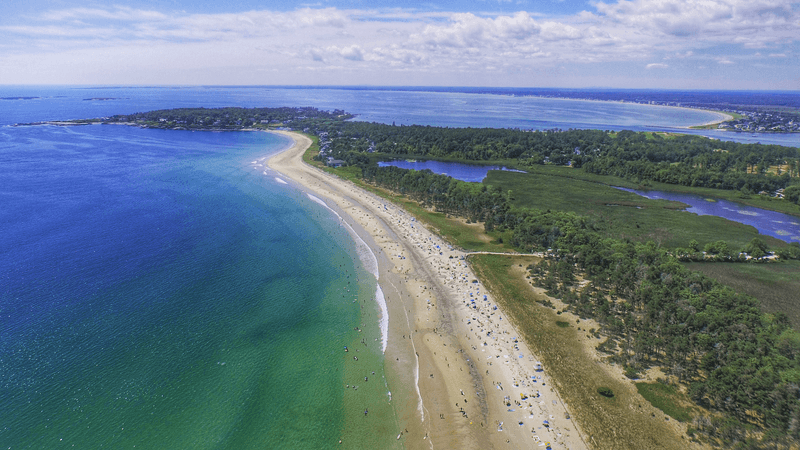
Scarborough Beach State Park sits in Scarborough, Maine, just south of Portland, and it packs a serious punch for sea glass hunters.
The beach is wide, the waves are active, and the combination of sand and rocky edges creates ideal conditions for glass to collect and stay put.
The park is managed by the state and draws a mix of swimmers, surfers, and beach walkers.
The surfing crowd actually helps you out here because surfers tend to congregate near the break zone, leaving the quieter ends of the beach less traveled and more productive for hunting.
Scarborough has a long history as a coastal community with active fishing and shipping industries. Older glass pieces, including rare colors like orange and red, have been found along this stretch over the years.
Those colors come from specialty glass used in old signal lanterns and decorative items.
The best hunting spots are near the rocky areas at the northern end of the beach.
Bring a small mesh bag to carry your finds, and wear comfortable shoes you do not mind getting wet. The tidal zone can be slippery near the rocks.
Parking at the state park requires a fee during peak season.
The park has restrooms and changing facilities, which makes it easy to spend the whole day here without needing to leave.
9. Goose Rocks Beach
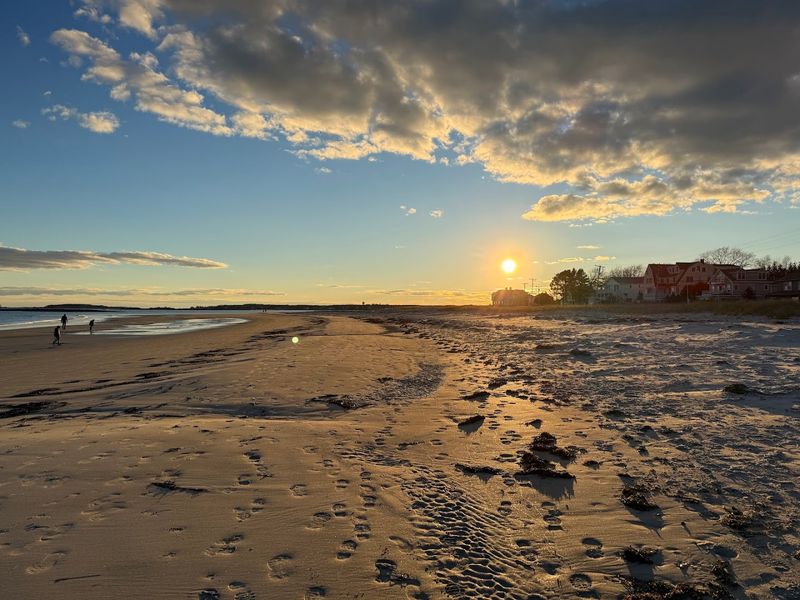
Goose Rocks Beach in Kennebunkport, Maine, has a reputation as one of the quieter, more residential beaches in southern Maine.
That low-key vibe is exactly what makes it special for sea glass hunters.
Fewer crowds, longer stretches of undisturbed shoreline, and a mix of sand and pebbles create conditions that glass collectors dream about.
The beach runs for about two miles and faces Goose Rocks, a series of small islands just offshore. Those islands break up the wave patterns and cause glass to settle in interesting spots along the beach, particularly near the tidal pools that form on the flatter sections of shore.
Kennebunkport is famous for being the summer home of the Bush family, but the town has a much deeper maritime history than most visitors realize.
Old fishing vessels and coastal trade routes once made this area busy with boat traffic, leaving behind a legacy of discarded materials that eventually became sea glass.
The pebble patches near the waterline are the most productive spots.
Kneel down and look closely, because smaller pieces of glass hide easily among the stones. Pieces of old pottery and ceramic also show up here regularly.
The surrounding neighborhood is charming and walkable.
10. Higgins Beach
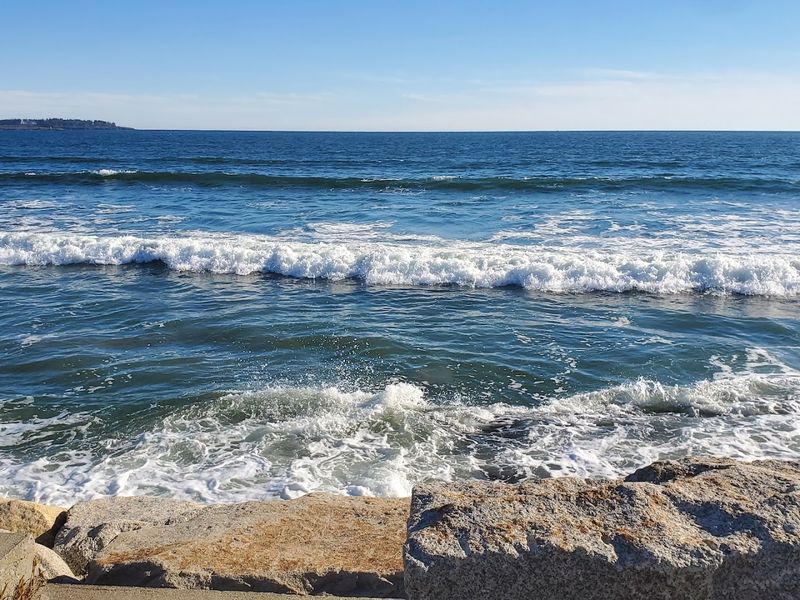
Higgins Beach in Scarborough, Maine, is a small, residential beach that flies under the radar compared to its more famous neighbors.
That is a big advantage if you are serious about finding sea glass.
The beach has a loyal local following but rarely gets overwhelmed by tourist crowds, which means the glass gets left alone between visits.
The beach is narrow and backed by dunes and a quiet neighborhood of summer cottages.
It has a nostalgic, unhurried feel that makes spending a morning here genuinely relaxing.
You can walk the full length of the beach in about 15 minutes, but serious hunters take much longer because there is so much to look at.
Higgins Beach faces south, which means it catches swells from a wide range of directions.
That varied wave exposure keeps the beach active and constantly refreshed with new material from the ocean floor.
After a northeast storm, the pickings can be remarkable. The mix of sand and gravel here is ideal for sea glass.
Gravel slows the glass down and prevents it from being buried too quickly.
Look for clusters of small pebbles just above the waterline, because glass tends to settle with similarly sized material.
Higgins Beach wraps up this list on a quiet, beautiful note. Sometimes the best treasures are found in the places that most people drive right past.