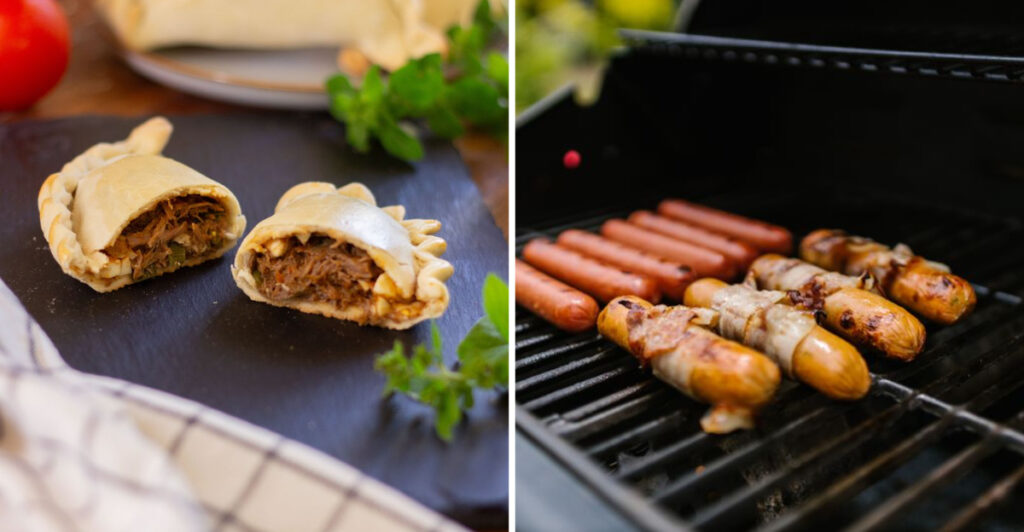
Michigan lunch comes with an occasional side of “Wait, how do you say that?”
Some food names look innocent until you try saying them out loud. Others borrow their pronunciation from the communities that brought them here, then dare newcomers to figure it out without help.
That little language puzzle follows you through Michigan. A bakery order can become a quick pronunciation lesson, while a road trip may introduce a place name that looks nothing like it sounds.
Luckily, nobody is grading lunch.
Get close, learn the local version, and enjoy whatever is waiting on the other side of the word.
So, which Michigan food name do you think would trip you up first?
1. Paczki
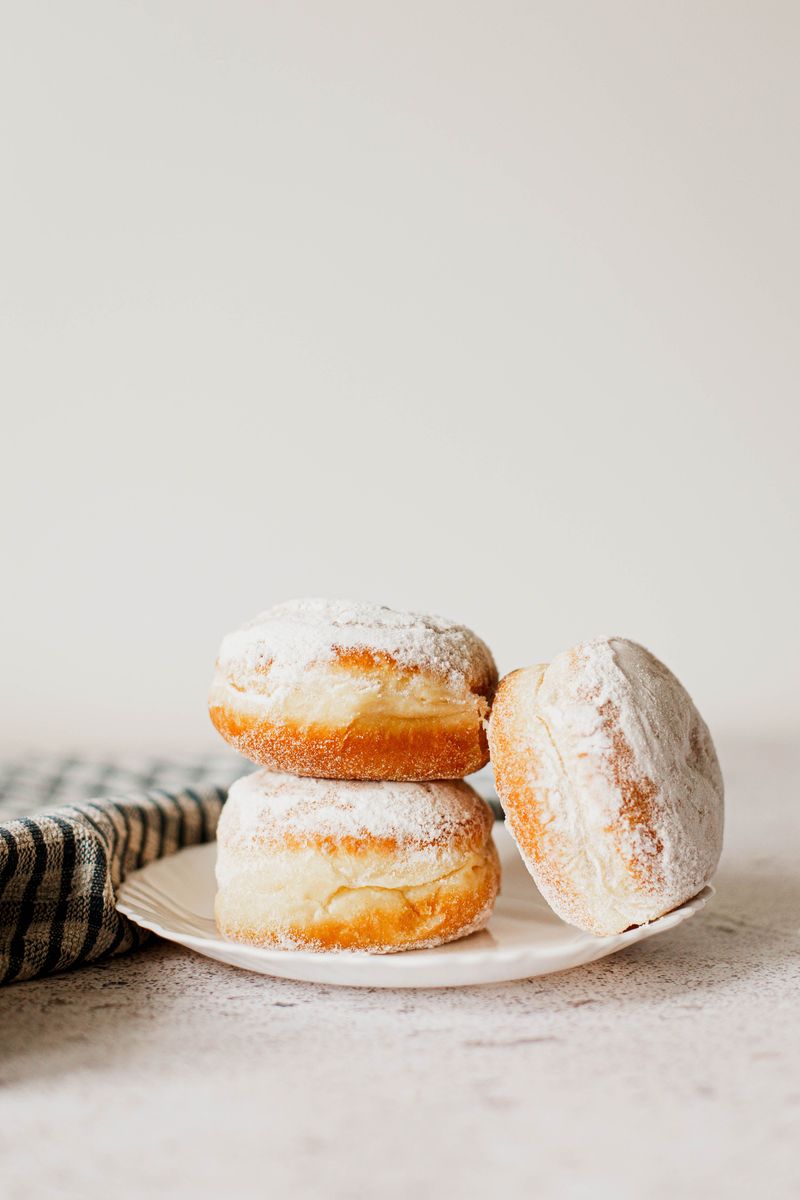
Ask for one of these pastries around Fat Tuesday and the spelling may be more intimidating than the filling. Pączki is pronounced roughly POONCH-kee, with the singular form written as pączek.
Michigan’s connection to the pastry runs especially deep in Hamtramck, where Polish immigrant families helped shape the city’s cultural and culinary life.
The tradition eventually spread far beyond one community, and bakeries around the state now prepare large batches as Fat Tuesday approaches.
A traditional pączek starts with rich sweet yeast dough rather than the lighter base of an everyday doughnut. Raspberry, lemon, apricot, blueberry, prune, and custard can all appear inside, while sugar or glaze finishes the outside.
Their place on the calendar is not accidental. The pastries developed as a way to use rich ingredients before the traditional Lenten fast, giving an indulgent bakery run a much older history.
Ordering several brings one more useful detail: “pączki” is already plural. You can concentrate on choosing the filling instead of adding another ending to the word.
Once POONCH-kee sticks, the difficult part is over. Picking between fruit and custard may take considerably longer.
2. Pasty
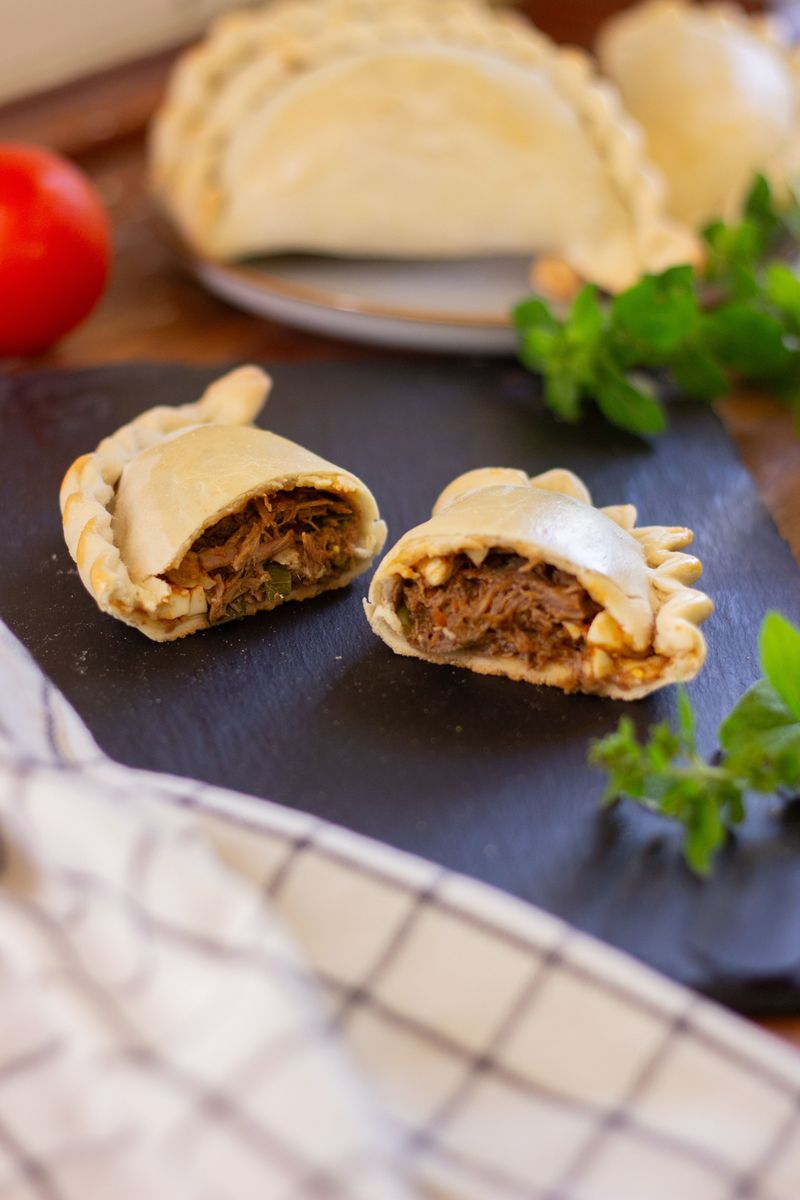
Picture a nineteenth-century miner carrying lunch underground in Michigan’s Upper Peninsula. Inside the sturdy pastry shell was meat, vegetables, and enough substance to get through a long workday.
That portable meal was the pasty, brought into Michigan mining country through Cornish immigration. The name is pronounced PASS-tee, which can surprise anyone tempted to read it like “paste-y.”
Recipes vary, but traditional Michigan versions commonly combine beef, pork, potato, rutabaga, carrot, and onion. The thick folded crust keeps everything together, which is part of what made the food so practical in the first place.
Pasties survived long after their mining-era beginnings. Dedicated shops, bakeries, restaurants, and roadside businesses still sell them across the U.P., making them an easy addition to a northern Michigan drive.
Then comes the condiment decision. Gravy has its supporters. Ketchup has plenty too.
Others would rather leave the crust and filling alone.
You can eat one at a table or carry it along for later, which preserves the same practicality that helped establish the food generations ago.
Remember PASS-tee and you have the pronunciation handled. What goes on top is another matter entirely.
3. Mackinac Island Fudge
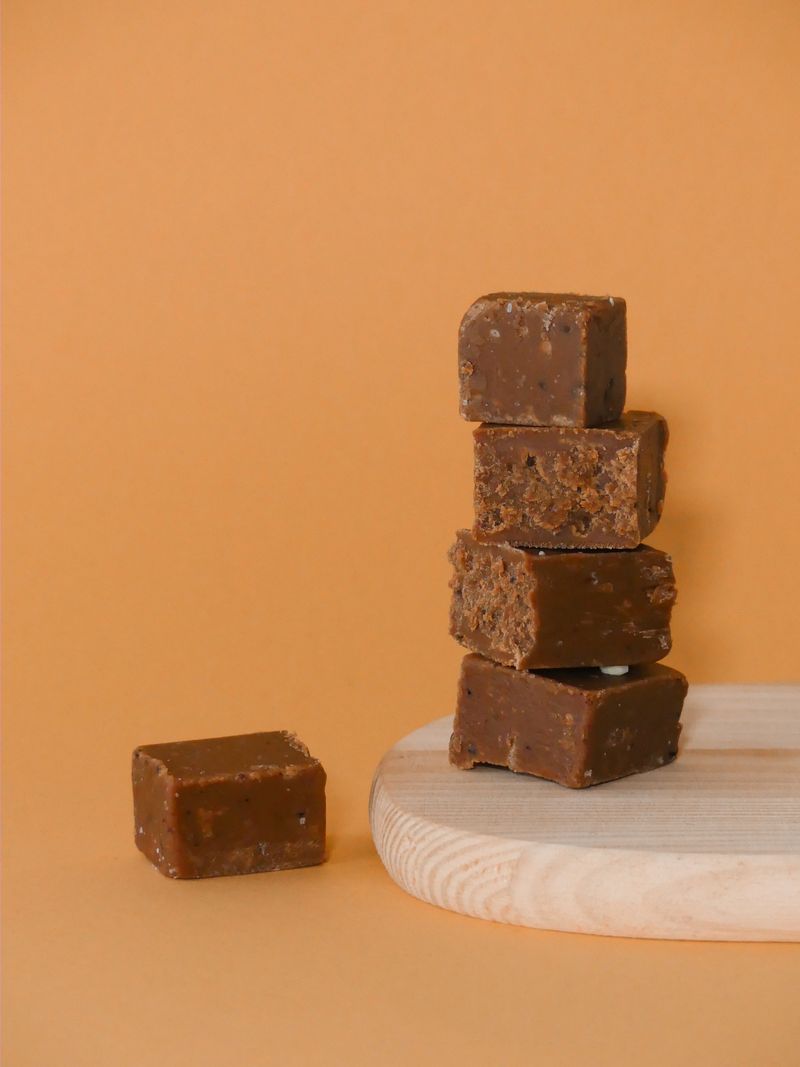
The ferry ride may be over before you notice the smell of warm sugar drifting from downtown candy shops. Watching fudge spread across a marble slab has become part of a Mackinac Island visit in its own right.
First, though, the island name needs one small adjustment. Mackinac is pronounced MACK-in-aw. That final “c” never gets the sound its spelling seems to promise.
Fudge has been connected with the island for well over a century. Its first candy shop appeared in the late nineteenth century, and makers eventually began preparing batches where customers could watch the pouring, cooling, folding, and shaping process.
That tradition remains visible today. Numerous shops operate around the downtown area, offering familiar chocolate alongside flavors such as maple, peanut butter, vanilla, and nut combinations.
The island’s relationship with fudge became strong enough to produce its own nickname. Visitors have long been called “fudgies,” a playful reference to the quantities of candy carried away from the island.
A thick slice also makes a practical souvenir. Share it while exploring, save it for the ferry, or pack several flavors for home.
Just do not let that final letter fool you. It is MACK-in-aw from the first bite to the last.
4. Sault Ste. Marie Whitefish
Three letters do most of the work in one of the Upper Peninsula’s more imposing place names: Soo.
That is how the opening word in Sault Ste. Marie sounds. Put together, the city name comes out roughly SOO SAINT muh-REE, which explains why residents and businesses so often shorten it to “the Soo.”
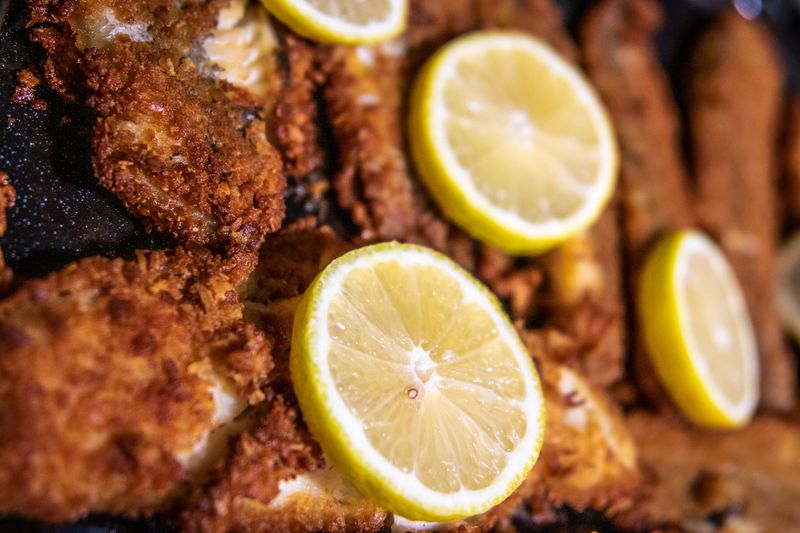
Great Lakes whitefish gives you something easier to tackle once lunch arrives. The city sits along the St. Marys River between Lake Superior and the lower Great Lakes, and whitefish remains part of the regional dining scene.
Restaurants around Sault Ste. Marie continue serving the fish in sandwiches and plated meals. Depending on the kitchen, it may be fried, broiled, grilled, or handled with another preparation that leaves its mild flavor at the center.
One downtown restaurant sits across from the Soo Locks and serves fresh whitefish, so a meal can easily share the day with watching freighters pass through the lock system.
That makes the city a useful place to connect two Upper Peninsula signatures: Great Lakes shipping and Great Lakes fish.
If the written word “Sault” keeps pulling you toward “salt,” ignore it. Soo is all you need to get started.
5. Charlevoix Cherry Treats
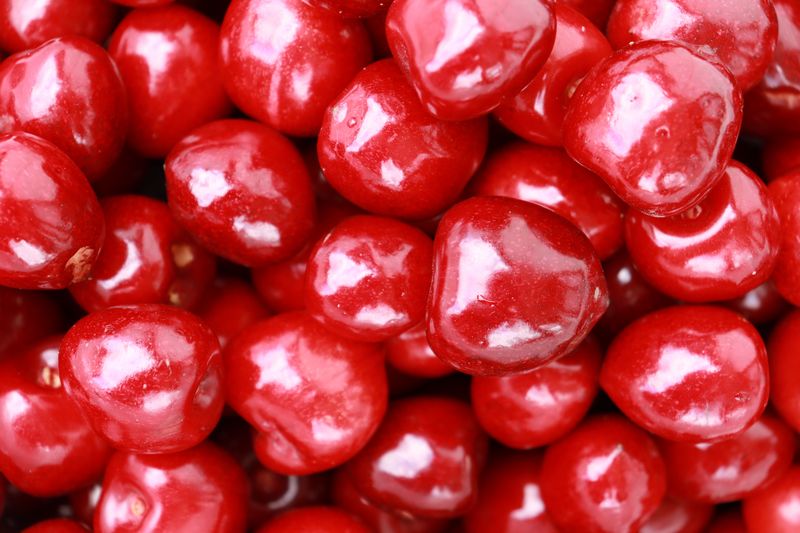
Cherry season gives northern Michigan plenty of excuses for pie, jam, candy, baked goods, and baskets of fresh fruit. Around this Lake Michigan community, it also provides a good reason to master an unusual town name.
Charlevoix is pronounced roughly SHAR-luh-VOY. The “x” at the end stays completely quiet.
The area’s cherry history includes a particularly oversized chapter. In 1976, Charlevoix baked a 17,420-pound cherry pie that became a world record at the time, and the enormous pie pan remains part of the community’s story.
You do not need a record-setting dessert to taste the connection today. Downtown shops carry Michigan cherry products, while orchards and farm markets around the region sell fresh fruit and seasonal baked goods.
Chocolate-covered cherries are easy to carry on a road trip. Jam lasts long after the visit. Fresh cherries offer the simplest option when harvest season is underway.
There is no single required way to turn the fruit into a Charlevoix food stop, which makes browsing part of the fun.
The pronunciation is more specific. Say SHAR-luh-VOY, leave the final letter alone, and concentrate on deciding what belongs in the bag.
6. Grand Marais Smoked Fish
Lake Superior does most of the talking around this small Upper Peninsula community. The water sits beside town, Pictured Rocks National Lakeshore stretches nearby, and whitefish still finds its way onto local menus.
Grand Marais adds the linguistic twist. Say it roughly GRAND muh-RAY, allowing the final “s” to disappear.
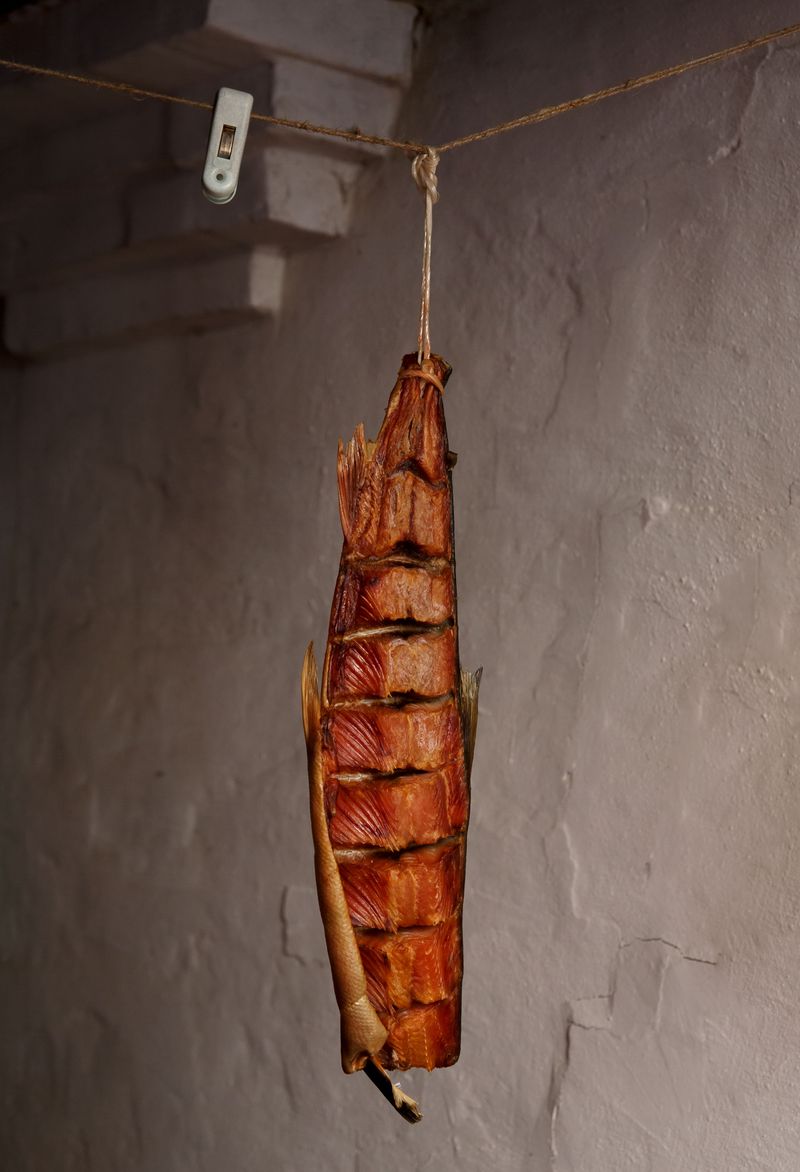
Current dining options in the community continue serving Lake Superior whitefish, giving you a regional meal without having to leave the village for a larger town.
Its mild flavor can work in a sandwich or a plated preparation, depending on what the restaurant is serving. That versatility makes whitefish particularly common around Great Lakes communities where the fish already has a long culinary history.
A meal here can fit between stops at Sable Falls, beaches, trails, or other sights on the eastern side of Pictured Rocks. You may spend more time looking at Lake Superior than sitting at the table.
That is part of what gives the food context. The whitefish does not arrive attached to an abstract regional label. The lake is right there.
GRAND muh-RAY is the part to remember when someone asks where you ate afterward.
7. L’Anse Pasties
Two pronunciations can collide in a single bakery order here.
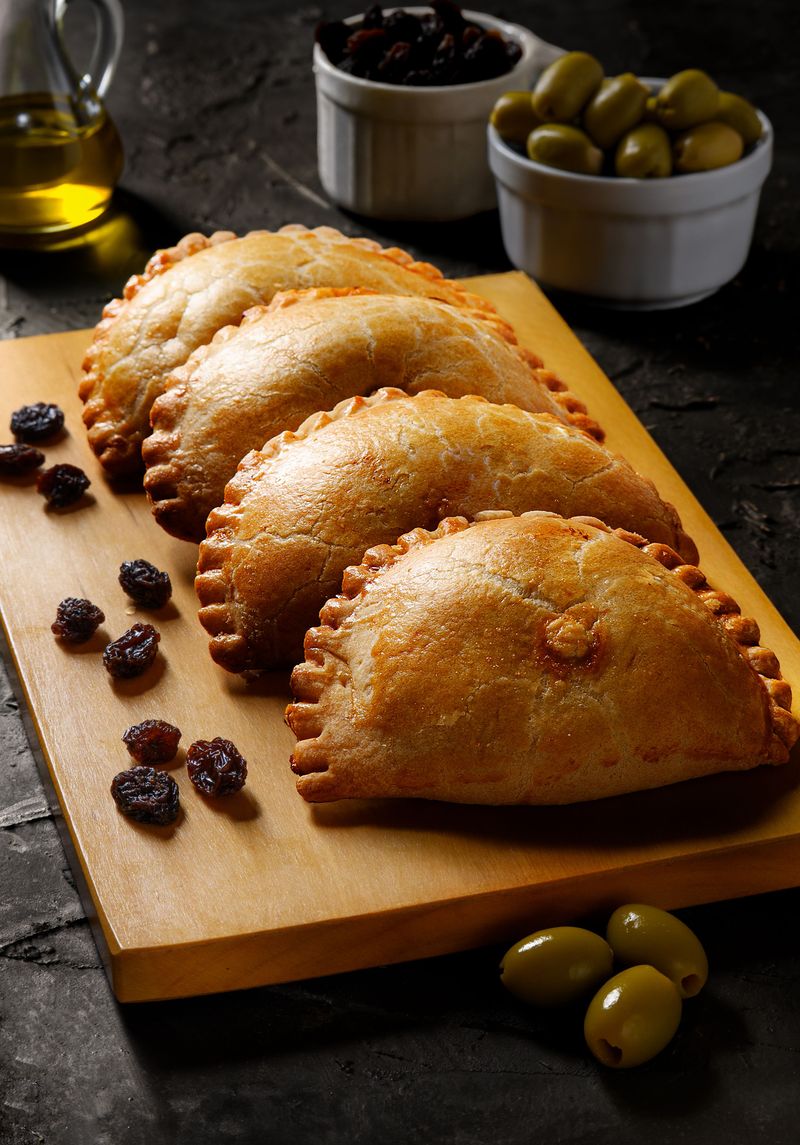
The village is L’Anse, said roughly LANSS. The food is the pasty, pronounced PASS-tee. Put them together and you have a compact Upper Peninsula language lesson before lunch has even started.
Silver River Bakery keeps the food side of that combination current. Its beef pasty contains potato, onion, rutabaga, and carrot, while a breakfast version switches to sausage, egg, cheese, onion, and hash brown potatoes.
That gives the familiar regional pastry two noticeably different personalities. One stays closer to the meat-and-vegetable combinations associated with the U.P.’s mining heritage. The other borrows the same portable shape for a morning meal.
L’Anse sits along Keweenaw Bay in Baraga County, so a bakery stop fits naturally into a western Upper Peninsula drive.
You can eat the pasty nearby or take it along when the road is calling again. Portability is one of the qualities that helped the food endure in the first place.
Try saying LANSS and PASS-tee together before ordering. After that, deciding between beef and breakfast becomes the only real puzzle.
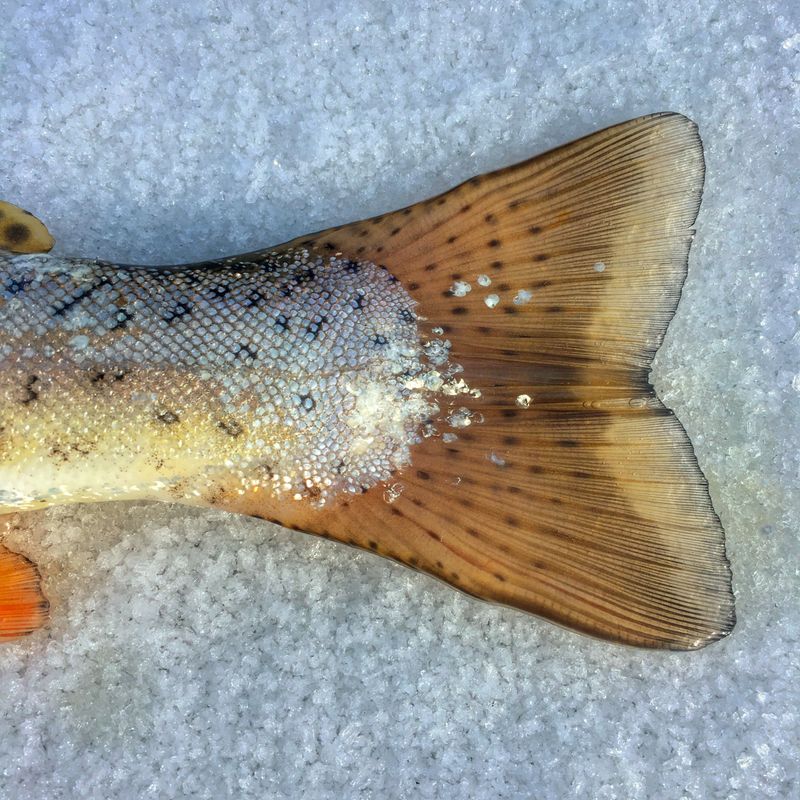
8. Au Sable Trout
Iron Mountain contributes a food word that does not need a tricky town name attached to it. Cudighi creates enough pronunciation work all by itself.
Say KOO-duh-ghee.
The seasoned sausage became closely associated with the Iron Mountain area through the Upper Peninsula’s Italian immigrant history. It developed into a regional specialty rather than simply becoming another name for ordinary Italian sausage.
Restaurants can serve cudighi in different ways, but sandwiches are a familiar format. The sausage may be formed into a patty and paired with sauces, cheese, peppers, onions, or other toppings depending on the kitchen.
That makes the experience less standardized than ordering a famous national sandwich. Part of the appeal is seeing how an individual Upper Peninsula restaurant handles the same regional sausage.
Cudighi also broadens the food story of Michigan’s mining country. Cornish influence helped establish pasties, while Italian communities contributed a completely different set of flavors.
You may see the spelling long before you hear someone say it aloud. Fortunately, KOO-duh-ghee is easier to remember than the written word initially suggests.
Once Iron Mountain is on the route, the sandwich gives you a good excuse to practice.
9. Bois Blanc Island Fudge And Snacks
Getting here takes more preparation than ordering once you arrive. Bois Blanc Island sits in Lake Huron east of Mackinac Island, with limited services and a much quieter commercial scene than its famous neighbor.
The name comes with two accepted Michigan pronunciations: BOB LO and BOIZ BLANK. The Bob-Lo form has been used as a familiar nickname for the island for generations.
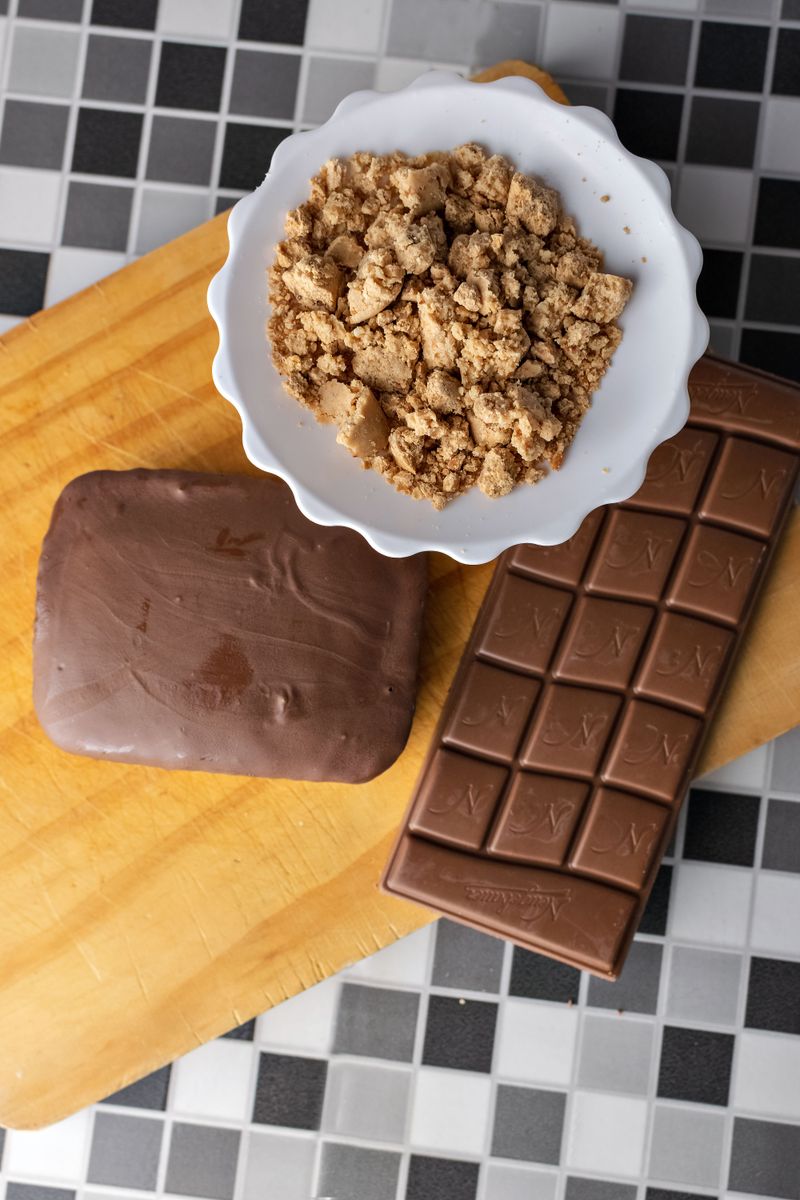
During the operating season, The Outpost provides one of the island’s practical gathering points. The general store and restaurant carries groceries, coffee, baked goods, deli sandwiches, everyday supplies, and Michigan-made ice cream.
A scoop makes sense after time outside without pretending Bois Blanc has the extensive confectionery culture found on Mackinac Island.
The limited services are part of what separates the two places. On Bois Blanc, knowing where to find food, supplies, and something cold to eat can matter more than comparing dozens of shops.
You can pick up what you need, grab an ice cream, and return to exploring the island.
The pronunciation remains the most unusual part of the order. Choose BOB LO or BOIZ BLANK and you are using a recognized Michigan version either way.
10. Koegel’s Hot Dogs
Open a grocery cooler around Flint and one Michigan surname may be more familiar than its spelling initially suggests.
Koegel’s is pronounced roughly KOH-gulls.
The company began in Flint in 1916 after Albert Koegel entered the meat business following training through a German apprenticeship. More than a century later, the operation remains based in Flint and continues producing an extensive range of meat products.
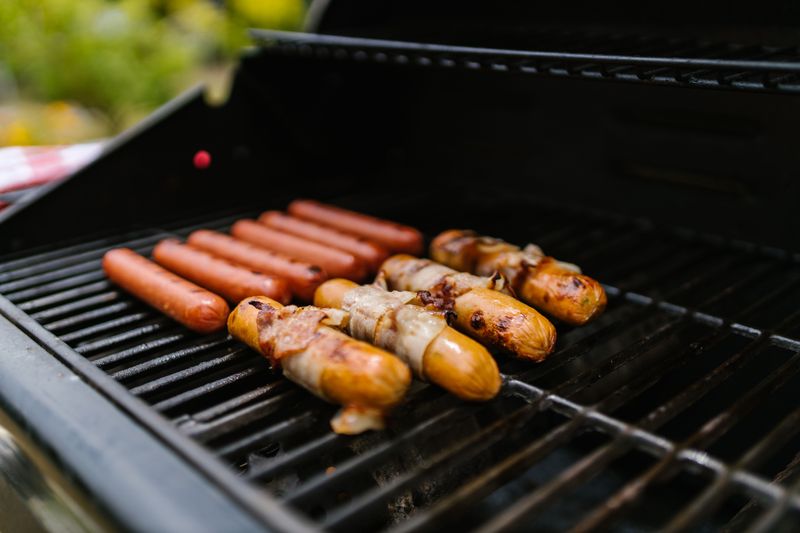
Viennas are among the company’s most recognizable offerings. The natural-casing hot dogs have particularly strong ties to Michigan Coney-dog culture, where they can be topped with meat sauce, mustard, and onions.
They do not require Coney treatment, though. The same Viennas can go directly onto a grill and into a bun for a much simpler meal.
Most Koegel products are still distributed within Michigan, with a smaller portion reaching surrounding states. That strong in-state presence has helped the brand remain closely tied to Flint and Michigan food culture.
By this point, KOH-gulls may be one of the easier pronunciations on the list.
After POONCH-kee, PASS-tee, MACK-in-aw, GRAND muh-RAY, and KOO-duh-ghee, a hot dog might be exactly the break your vocabulary needs.