I wish “mortgage paid off” meant the house stopped sending bills.
In Michigan, it does not quite work that way.
Property taxes keep showing up. Insurance still wants a seat at the table. Utilities, heating costs, and certain housing fees can turn a mortgage-free home into a monthly expense that still needs real breathing room.
And the difference from one community to another can be bigger than you might expect.
Some places on this list push ongoing housing costs into four figures. Others leave more room in the budget for everything retirement has to cover next.
That is where the comparison gets useful.
A paid-off house may sound settled, but in Michigan, the monthly cost of keeping it can tell a very different story.
1. Ann Arbor
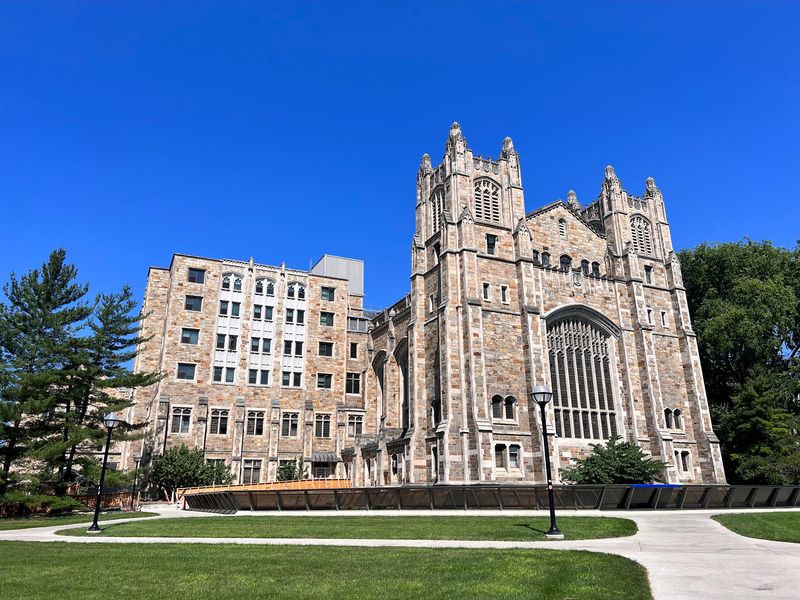
Start with the expense that can surprise someone who has already paid off a house. In Ann Arbor, median monthly owner costs for mortgage-free households still sit in the four-figure range.
Owners carrying a mortgage face a considerably larger monthly burden, while owner-occupied home values are among the higher ones represented on this list.
Those costs matter because homeownership expenses extend well beyond principal and interest. Property taxes, insurance, utilities, fuels, and certain required housing fees remain part of the equation even after the mortgage disappears.
Ann Arbor also has a younger age profile than most communities here. About 12.9 percent of residents are 65 or older, and fewer than half of occupied housing units are owner-occupied.
That gives the city a different housing mix from several heavily owner-occupied suburbs elsewhere on this list.
For someone approaching retirement with substantial equity, the choice may come down to lifestyle versus carrying cost.
Staying preserves access to the city’s cultural, educational, shopping, and medical resources, but the house still needs a meaningful place in the budget after the loan is gone.
Run those continuing expenses beside your other expected costs rather than assuming a paid-off house has become nearly free to maintain.
Address: 301 E Huron St, Ann Arbor, MI 48104.
2. Grosse Pointe Farms
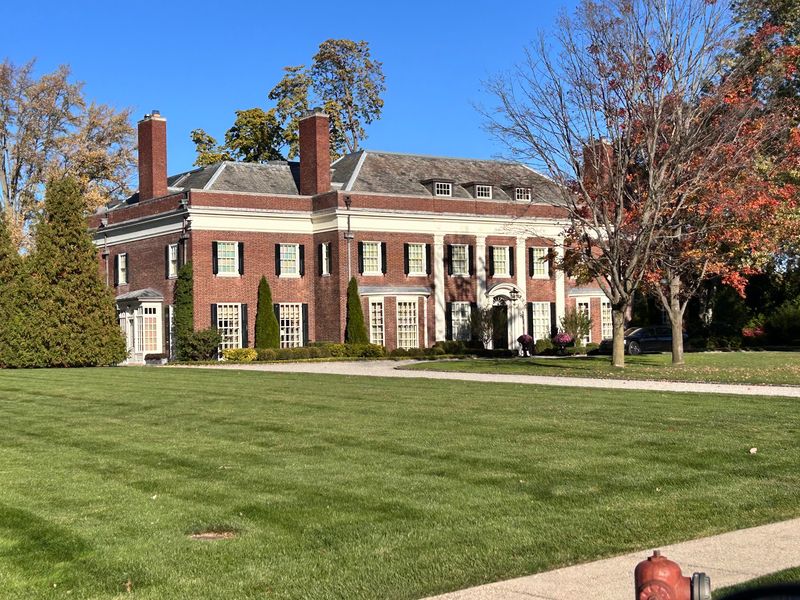
Nearly every occupied home here belongs to its resident. The owner-occupancy rate is exceptionally high, while nearly a quarter of the population is age 65 or older.
That combination puts homeownership costs near the center of retirement planning in Grosse Pointe Farms. Housing values are among the higher ones on this list, and households carrying mortgages face substantial monthly owner costs.
Removing the mortgage still leaves a four-figure monthly median.
That does not include every repair or household expense. It does, however, reflect recurring categories such as real estate taxes, property insurance, utilities, fuels, and certain required housing fees.
For a longtime homeowner, the property may hold considerable equity while still demanding a sizeable amount of cash every month. That is where retirement math can become less simple than the phrase “mortgage-free” suggests.
A smaller house somewhere else might reduce some expenses, but selling and moving create costs of their own. Staying can make just as much sense when the budget comfortably handles the ongoing bills.
The useful comparison is not paid-off versus unpaid. It is the full cost of the home you already have compared with the realistic expense of whatever would replace it.
Address: 90 Kerby Rd, Grosse Pointe Farms, MI 48236.
3. Grosse Pointe Park
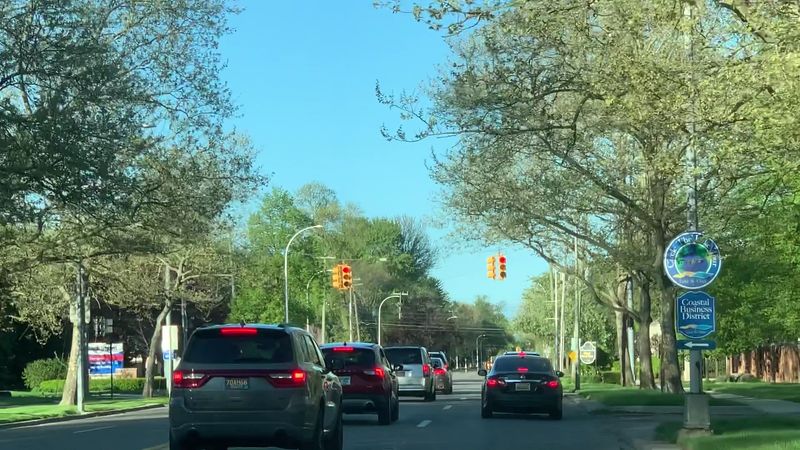
Mortgage-free ownership is particularly expensive here compared with the other communities on this list. Median monthly owner costs remain well into four figures even without a home loan.
Grosse Pointe Park also has some of the highest owner-occupied housing values in the group. Households with mortgages face considerably higher monthly expenses.
About one-fifth of residents are age 65 or older, so the question of what it costs to remain in a longtime home is relevant to a sizeable part of the community.
A paid-off property can be a major financial advantage, but it does not erase the expenses attached to the address. Taxes, insurance, utilities, fuels, and qualifying housing fees continue month after month.
Think of that ongoing four-figure burden as a reminder to budget for the house as an active expense rather than a completed purchase. Repairs and maintenance can sit on top of those recurring costs depending on the property.
For someone deciding whether to stay, downsize, or relocate, home value tells only half the story. The other half is cash flow.
Grosse Pointe Park offers high-value housing and a strong owner base, but keeping a home here can still claim a notable share of monthly retirement income even when no mortgage payment remains.
Address: 15115 E Jefferson Ave, Grosse Pointe Park, MI 48230.
4. Grosse Pointe
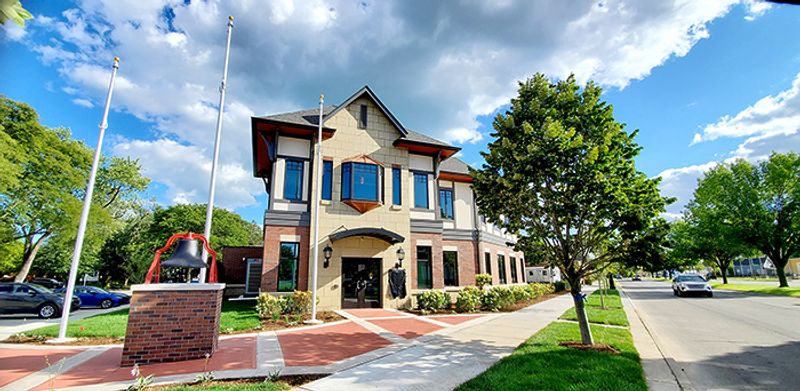
Your biggest decision may be whether the equity in the house is worth the monthly cost of keeping it.
In Grosse Pointe, owner-occupied home values sit toward the upper end of this list. Households carrying mortgages face substantial monthly housing costs, while those without one still have expenses comfortably within the four-figure range.
The city is heavily owner-occupied, and nearly a quarter of residents are age 65 or older.
Those numbers make the stay-versus-move calculation especially relevant. A homeowner may be sitting on a valuable property and still need to budget a significant amount every month for taxes, insurance, utilities, fuels, and applicable fees.
Downsizing is not automatically the cheaper answer. A replacement home can come with purchase costs, moving expenses, new taxes, association charges, or higher-than-expected housing expenses.
One easy route is to compare the current house with two realistic alternatives rather than one idealized cheaper option. Put the recurring costs beside each other and include the expenses that continue after a mortgage ends.
The goal is not simply to minimize the housing line. It is to leave enough room for the rest of retirement without giving up a home or community you still value.
Address: 17147 Maumee Ave, Grosse Pointe, MI 48230.
5. Grosse Pointe Woods
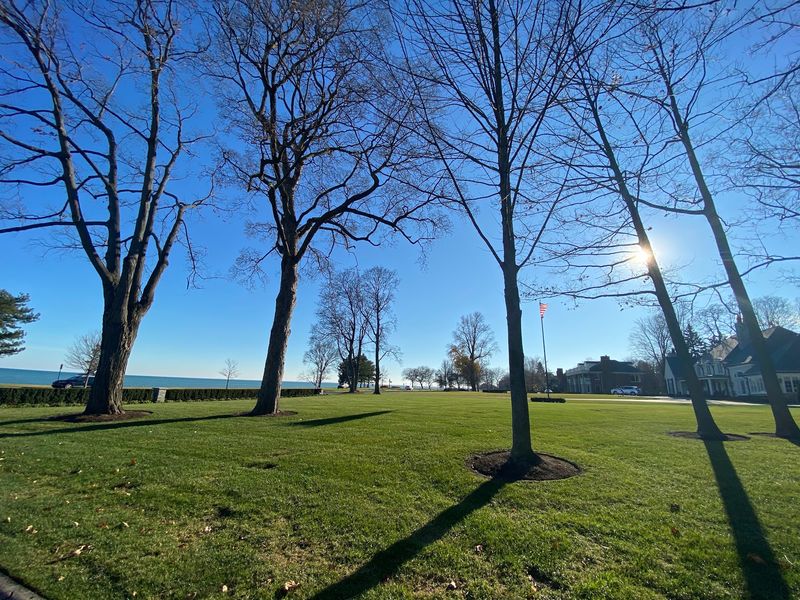
Your biggest decision may be whether the equity in the house is worth the monthly cost of keeping it.
In Grosse Pointe, owner-occupied home values sit toward the upper end of this list. Households carrying mortgages face substantial monthly housing costs, while those without one still have expenses comfortably within the four-figure range.
The city is heavily owner-occupied, and nearly a quarter of residents are age 65 or older.
Those numbers make the stay-versus-move calculation especially relevant. A homeowner may be sitting on a valuable property and still need to budget a significant amount every month for taxes, insurance, utilities, fuels, and applicable fees.
Downsizing is not automatically the cheaper answer. A replacement home can come with purchase costs, moving expenses, new taxes, association charges, or higher-than-expected housing expenses.
One easy route is to compare the current house with two realistic alternatives rather than one idealized cheaper option. Put the recurring costs beside each other and include the expenses that continue after a mortgage ends.
The goal is not simply to minimize the housing line. It is to leave enough room for the rest of retirement without giving up a home or community you still value.
Address: 17147 Maumee Ave, Grosse Pointe, MI 48230.
6. Northville
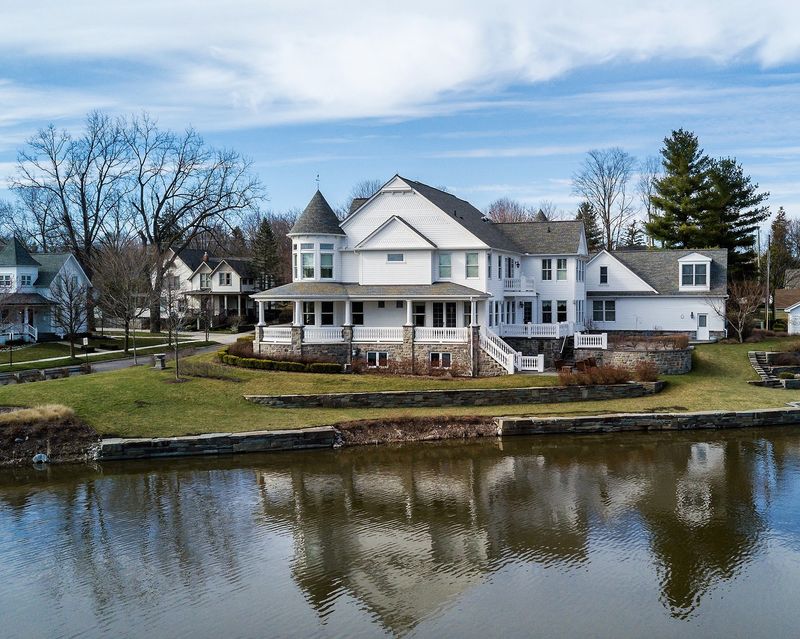
Historic streets and a compact downtown may shape the lifestyle, but the housing numbers deserve equal attention.
Northville has some of the highest owner-occupied home values among the communities on this list. Most occupied housing units belong to their residents, and roughly one-fifth of the population is age 65 or older.
Homeowners carrying mortgages face a sizeable monthly burden. Even without a mortgage, median owner costs remain above the four-figure mark.
That continuing expense can change the way downsizing looks. Someone with a fully paid house may have substantial equity, but keeping that property still requires room for taxes, insurance, utilities, fuels, and applicable housing fees.
Before deciding that a smaller home is automatically the answer, compare what the move would actually change. A less expensive property can lower costs, but association fees, a different tax bill, or transaction expenses can narrow the savings.
The same logic works in reverse. Staying in Northville may be financially comfortable when income and savings easily cover the monthly carrying cost.
A retirement budget works better when the house gets its own realistic line rather than disappearing from the plan once the final mortgage payment clears.
Address: 215 W Main St, Northville, MI 48167.
7. Farmington Hills

Owning and renting create two very different sets of expenses here, and both deserve attention.
Rent in Farmington Hills can represent a sizeable monthly commitment, while mortgage-free homeowners generally face lower recurring housing costs. Owners still carrying a mortgage have a much larger monthly burden.
Home values sit around the middle of this group, and nearly two-thirds of occupied housing units are owner-occupied. Residents age 65 and older account for more than one-fifth of the population.
For someone considering selling a longtime home and renting instead, those differences make comparison essential. A sale may release equity, but the next monthly housing bill does not disappear simply because ownership does.
Put three scenarios on the same page: keep the current paid-off house, purchase another property, or rent. Then add transportation, utilities, taxes, insurance, and any new fees that come with the alternative.
Farmington Hills illustrates why downsizing is not always synonymous with spending less. It can reduce responsibility, free equity, or simplify maintenance while still producing a substantial recurring housing expense.
Choose the option that creates the budget you actually want, not simply the one with the smallest house attached to it.
Address: 31555 W 11 Mile Rd, Farmington Hills, MI 48336.
8. Livonia
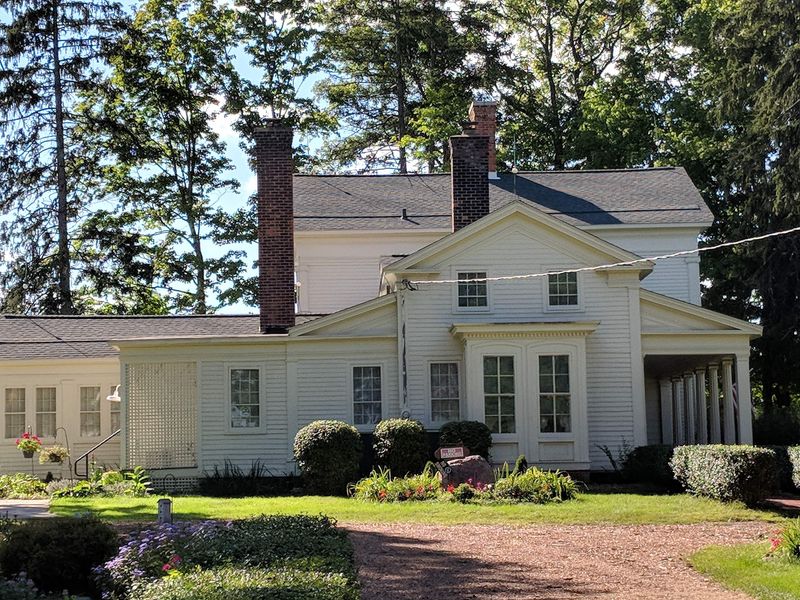
Few communities on this list are as ownership-heavy. Nearly nine in ten occupied housing units in Livonia are owner-occupied, while more than one-fifth of residents are age 65 or older.
The housing expenses are noticeably lower than in several communities above. Mortgage-free owners face the lowest median monthly carrying costs among these ten places, while households with a mortgage still spend considerably more.
Livonia’s owner-occupied home values also sit toward the lower end of the group.
That does not make a house free once the loan disappears. Several hundred dollars in recurring monthly costs can still go toward real estate taxes, insurance, utilities, fuels, and qualifying housing fees.
For someone planning to age in place, that lighter carrying cost can be an important advantage. Staying in a familiar home may compare favorably with purchasing another property or taking on current rental expenses elsewhere.
The calculation still belongs beside the rest of the retirement budget. Health care, transportation, food, home repairs, and everyday spending all compete for the same income.
Livonia shows how much variation exists even within metropolitan Detroit. A mortgage-free homeowner here can face a very different monthly burden from someone in one of the more expensive Grosse Pointe communities.
Address: 33000 Civic Center Dr, Livonia, MI 48154.
9. Petoskey
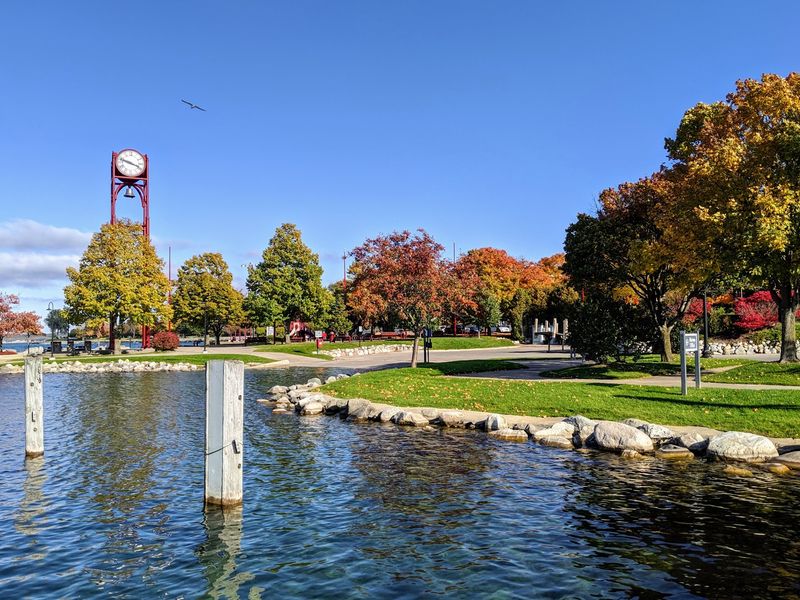
A lake view does not remove the monthly expense of keeping a house.
In Petoskey, mortgage-free homeowners generally face several hundred dollars in recurring monthly owner costs. Households carrying a mortgage spend considerably more.
More than one-fifth of residents are age 65 or older, one of the larger senior shares on this list. Owner-occupied home values sit in the middle-to-upper part of the group, while a little over half of occupied homes belong to their residents.
The mortgage-free figure includes categories such as property taxes, insurance, utilities, fuels, and certain required housing fees. That makes it useful for anyone planning to remain in northern Michigan after the loan is finished.
Seasonal climate belongs in the personal budget too. Utilities and home upkeep can vary from property to property, so your own bills may matter more than any citywide median once you start making a decision.
Not in the mood for a major move? Price the home you already have first. Add the recurring housing expenses to the rest of your expected retirement spending and see what remains.
Petoskey may still fit easily. The point is to make the scenery and lifestyle part of the same calculation as the bills rather than treating them as separate conversations.
Address: 101 E Lake St, Petoskey, MI 49770.
10. St. Joseph
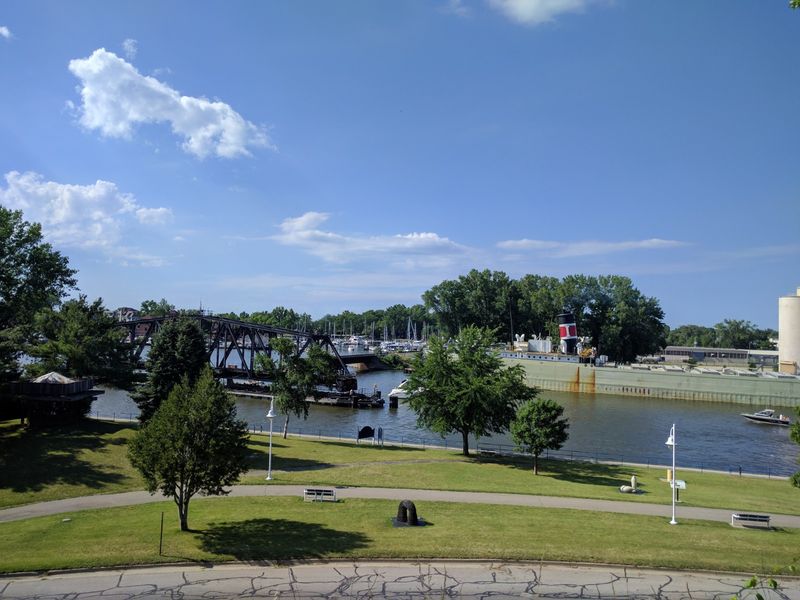
The largest senior share among these ten communities appears in St. Joseph, where nearly a quarter of residents are age 65 or older.
Housing costs sit below several of the higher-priced Detroit-area entries. Owner-occupied home values are comparatively moderate, while households with mortgages still face a meaningful monthly expense.
For mortgage-free owners, the median burden falls into the several-hundred-dollar range.
That amount still belongs in the retirement budget. Property taxes, insurance, utilities, fuels, and applicable housing fees continue after the final mortgage payment, and maintenance can add another layer depending on the property.
The comparatively lower figure may make staying attractive for someone who already owns a home and wants to remain near Lake Michigan. Another household may prefer to release home equity and move somewhere with even lower recurring expenses.
Your biggest decision may have less to do with the value of the house than with the lifestyle the monthly cost supports.
Housing that leaves enough room for travel, health care, hobbies, family, and everyday flexibility can be more useful than simply owning the most valuable property possible.
Look past the purchase price and ask what the address costs to keep. That is the number retirement has to live with month after month.
Address: 700 Broad St, St. Joseph, MI 49085.