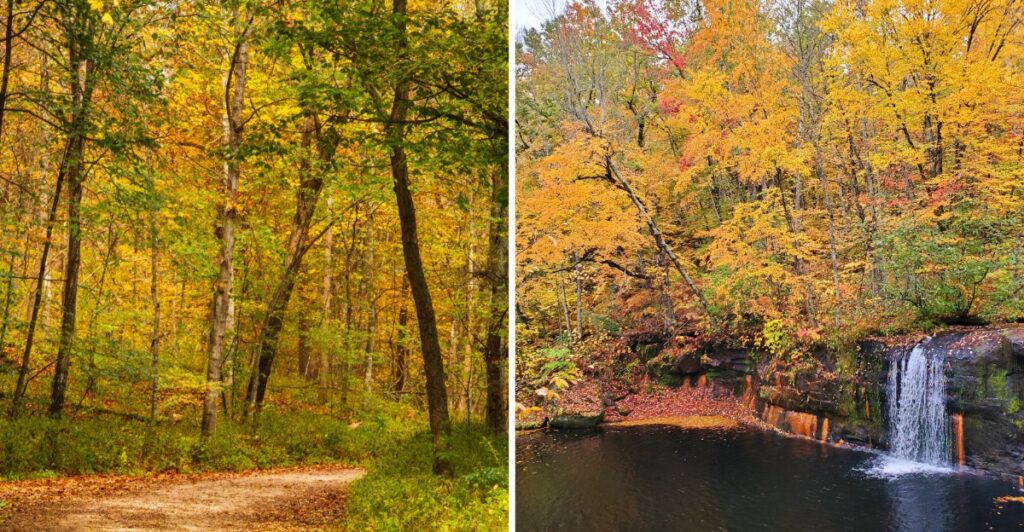
One Minnesota park has towering bluffs where the Mississippi River looks tiny from above, and the climb to the overlooks is worth every step.
Honestly, I’d climb every one of those steps just to stand where they looked.
Another river gorge lets you peer into the deepest explored glacial pothole in the world. A different valley holds a bison herd, two waterfalls, and a stone flour mill finished in 1864.
Now add autumn to the mix. The maples, oaks, and birches go red, orange, and gold from bluff top to riverbank, and the water doubles the show. The trees handle the hard part, so your only job is picking a valley.
Which trail gets your boots first?
1. Whitewater State Park
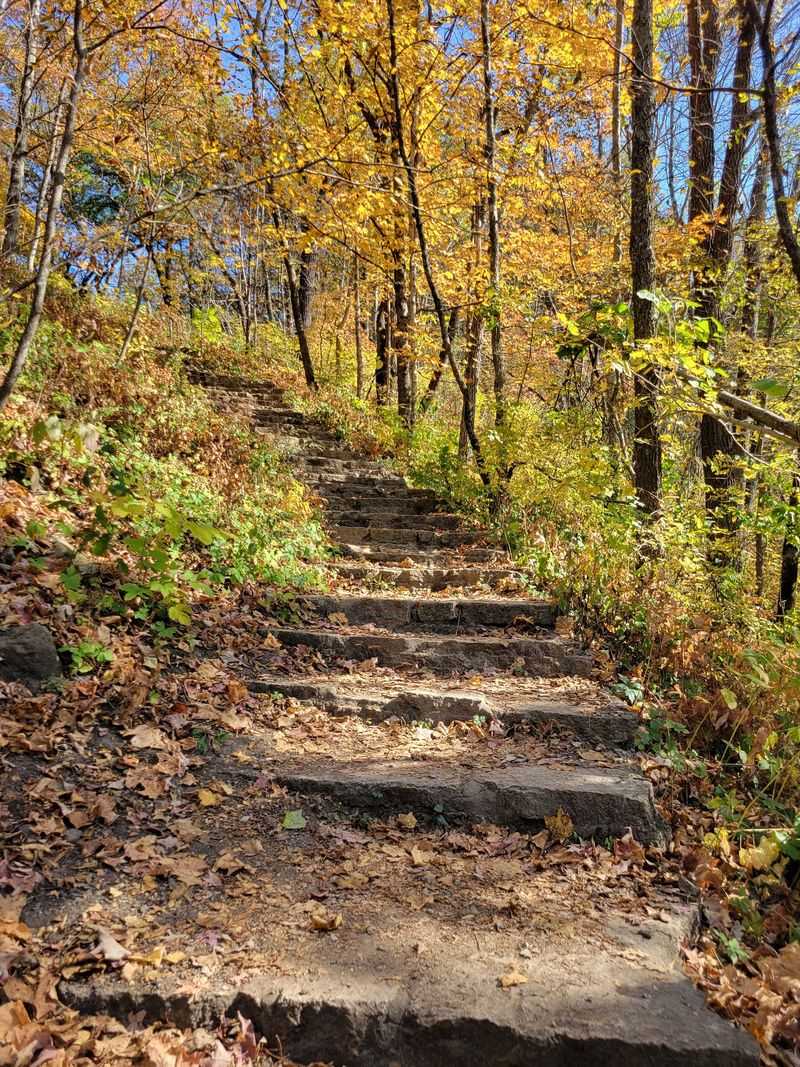
Somebody should tell the river it doesn’t have to follow you everywhere. At Whitewater, the stream snakes through the park and often tags along beside the trails.
The Dakota called this area Minneiska, meaning white water. Clay deposits once turned the river a milky white, which explains the name.
Giant limestone bluffs and deep ravines frame the Whitewater River Valley. In fall, those walls of trees light up above the water.
Chimney Rock Trail weaves along the bluffs for views worth the climb. Trails range from easy strolls to leg-burning challenges, so pick your pace.
Anglers get their own reason to visit. The spring-fed Whitewater River and Trout Run Creek hold brook, brown, and rainbow trout.
History runs deep here too. Citizens pushed for the park in 1919 because of flooding tied to land use.
A major flood in 2007 damaged much of the park and changed the river’s course. The valley you see today still carries that story.
The year-round visitor center has an amphitheater and an interactive area about the river. Stop in before you hike, and you’ll know what you’re looking at.
Cell service is spotty, so download a trail map ahead of time. Consider it a free break from your phone.
Cabins and camping areas sit within the park’s 2,700 acres. Grab a site, and you can catch the bluffs at sunrise.
Address: 19041 MN-74, Altura, MN 55910.
2. Interstate State Park
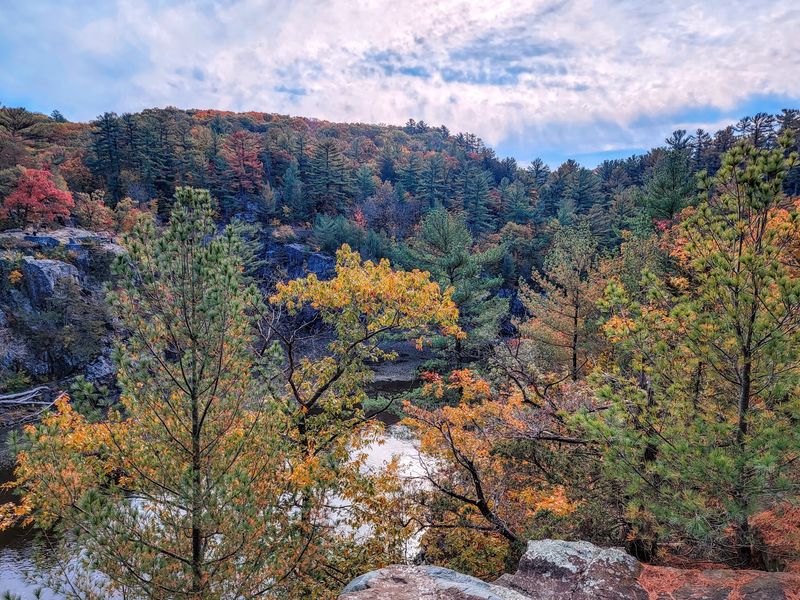
Lava and glaciers teamed up on a river gorge, and the result is one of the strangest parks around. Interstate sits right on the St. Croix River at Taylors Falls.
The star attraction is the Glacial Potholes area. You can peer into the world’s deepest explored pothole and stand on ancient lava.
Those potholes were scoured into the rock above the gorge. Fall adds a frame of gold and red leaves around the stone.
Roughly 5 miles of trails follow the river and climb the rocky edges. Start at the south unit and tackle the Hiking Club trail for potholes and rapids.
Fun twist: there are two Interstate State Parks. Wisconsin has its own, right across the St. Croix.
Want to see the color from water level? The south entrance offers canoe access, and canoe rentals make it easy.
Climbers can scale the rock with a free permit. Watching from the trail counts as cheering, too.
The north entrance has an indoor interpretive center. It’s a smart stop for kids who ask how a hole got into a rock.
Saturday afternoons tend to be the busiest stretch. Midweek visits usually give you more elbow room near the potholes.
From the Twin Cities, Interstate makes an easy Minnesota day trip. Camping is available if one day isn’t enough.
Picnic tables and a playground round out the setup. Pack lunch and let the river handle the entertainment.
Address: 307 Milltown Rd, Taylors Falls, MN 55084.
3. Jay Cooke State Park
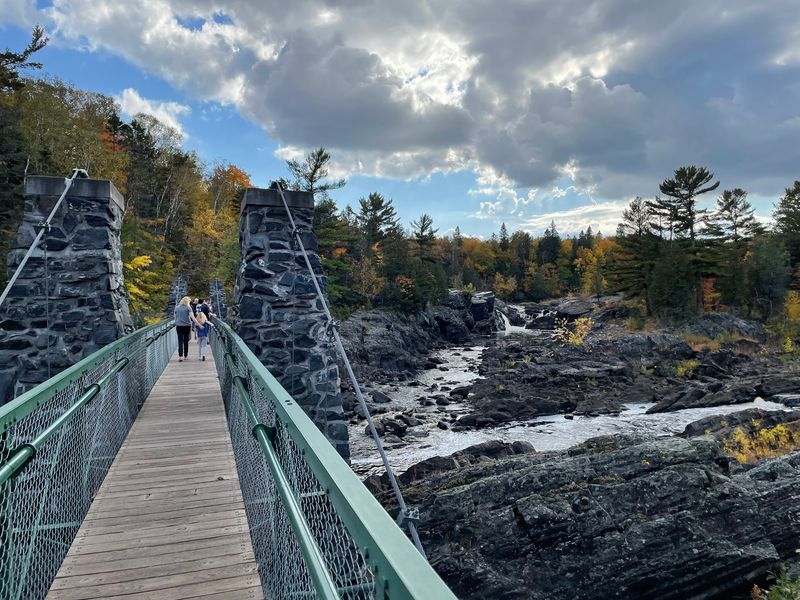
Few things test your nerves like a bridge that sways a little. Jay Cooke’s swinging bridge crosses the St. Louis River, and fall color crowds both banks.
The river carved a dramatic, rocky gorge here near Carlton. When leaves turn, the valley looks freshly painted.
Don’t rush the drive in. The road through the park is a scenic treat on its own.
A visitor center greets you at the start. Grab maps and ask about trails that match your energy level.
Hiking and biking trails cover a range of skill levels. Beginners and seasoned trail fans can both find a route that fits.
The bridge is wheelchair accessible, which opens the view to more visitors. That’s a big deal in a park built around a gorge.
The park also holds a historic cemetery. It adds a quiet, reflective stop between scenic views.
Campers get wooded, private sites and nice bathrooms. Sleeping under turning leaves beats a hotel ceiling any day.
The park offers fun classes, too. Check the schedule before you go, since a program can make a hike more memorable.
Weekend afternoons draw the biggest crowds. Weekday mornings are your best shot at a quieter bridge crossing.
Winter brings cross-country skiing, so the park stays busy after the leaves drop. Still, autumn might be its finest Minnesota moment.
Bring a camera with a fully charged battery. The views from the bridge deserve more than one shot.
Address: 780 E Hwy 210, Carlton, MN 55718.
4. Frontenac State Park
Bald eagles treat this park like a highway rest stop. Frontenac sits on the Mississippi Flyway, and eagles migrate through in spring and fall.
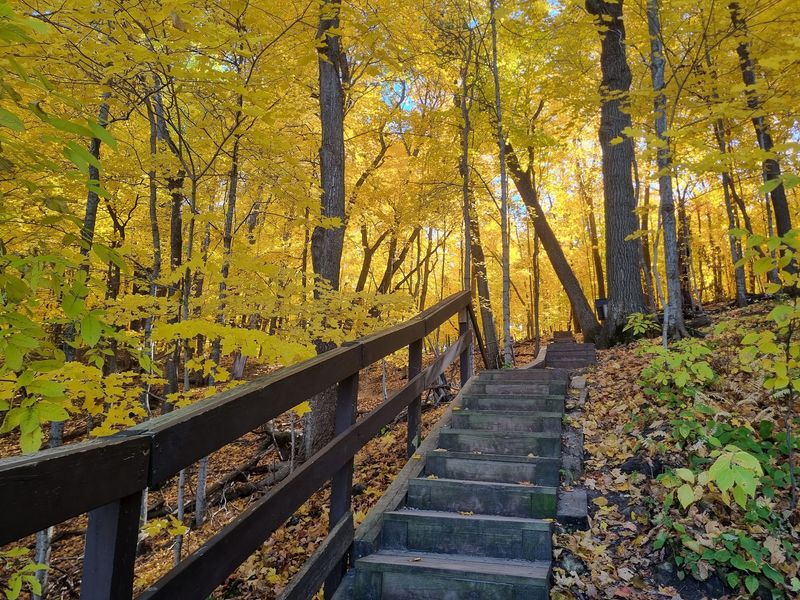
The views stretch across Lake Pepin, a wide part of the Mississippi River. In autumn, wooded slopes blaze above the blue water.
You get 13 miles of hiking trails to choose from. The paved Riverview Trail runs along the upper bluff and keeps things easy.
Feeling bold? The Bluffside Trail drops about 425 feet using stairs and switchbacks to Lake Pepin.
Remember, what goes down must come back up. Your thighs will have opinions about that climb.
Make time for In Yan Teopa, the park’s iconic rock. It’s a fun target when you want a hike with a payoff.
History fans should try the Self-guided Interpretive Trail. It passes remnants of a rock quarry from the late 1800s.
Camping options cover nearly any style. Choose from drive-in, electric, cart-in, backpack, accessible, and group sites.
Canoe rentals are available for Pleasant Valley Lakelet. Paddling a quiet lakelet makes a nice break from bluff climbing.
Signs are easy to follow, and restrooms stay clean. Those small things matter after a long day on the trails.
Bring binoculars, even if you’ve never birded before. Spotting an eagle over Lake Pepin might change that.
Dogs are welcome on the trails, so your pup can join the leaf hunt. Just keep a leash handy and the snacks closer.
Address: 29223 County 28 Blvd, Frontenac, MN 55026.
5. Great River Bluffs State Park
Half a billion years is a long time to prepare for a fall color show. The bluffs here formed from sedimentary rock about 500 million years ago.
An ancient Mississippi River carved them, and recent glaciers missed this Driftless area. Now the bluffs rise up to 500 feet above the river.
The King’s Bluff Trail is the signature hike. It leads to a sweeping overlook of the Mississippi River valley.
Good news for casual hikers: many trails here are short. You get big views without spending the whole day on your feet.
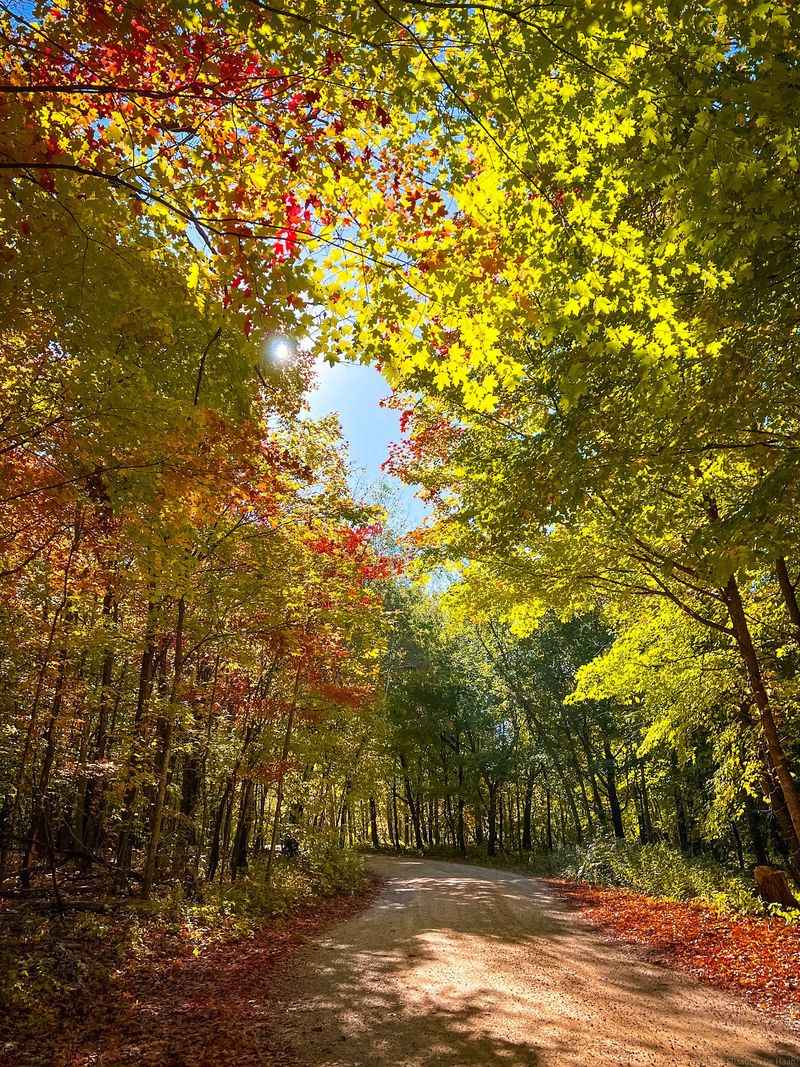
Hardwood forests, savannas, and prairies share the park. That mix means autumn color comes in layers, from treetops to prairie.
King’s and Queen’s Bluffs are Scientific and Natural Areas. They protect rare native plants, so stick to the trail.
Birders, take note of the migratory flyway overhead. Eagles, hawks, and waterfowl move through the river valley.
The park started in 1963 as O.L. Kipp State Park. It moved to this spot in 1971 and later took its current name.
Campers can choose cart-in sites with fire rings, grills, and tent pads. The main campground adds showers for those who like a rinse.
Weekend afternoons see the most traffic. Wednesday nights tend to be the quietest time to roll in.
Pack a picnic for the overlooks. Few lunch spots in Minnesota come with a river this big as the backdrop.
Address: 43605 Kipp Dr, Winona, MN 55987.
6. Banning State Park
A whole town once lived off this river gorge, then packed up and left. From 1896 to 1912, Banning was a busy quarry town supplying sandstone to the railroad.
After the quarry closed, the town was abandoned. Ruins of its historic buildings still stand inside the park.
The 2.5-mile Quarry Loop Trail passes those remains. A self-guided tour explains how sandstone mining shaped the area.
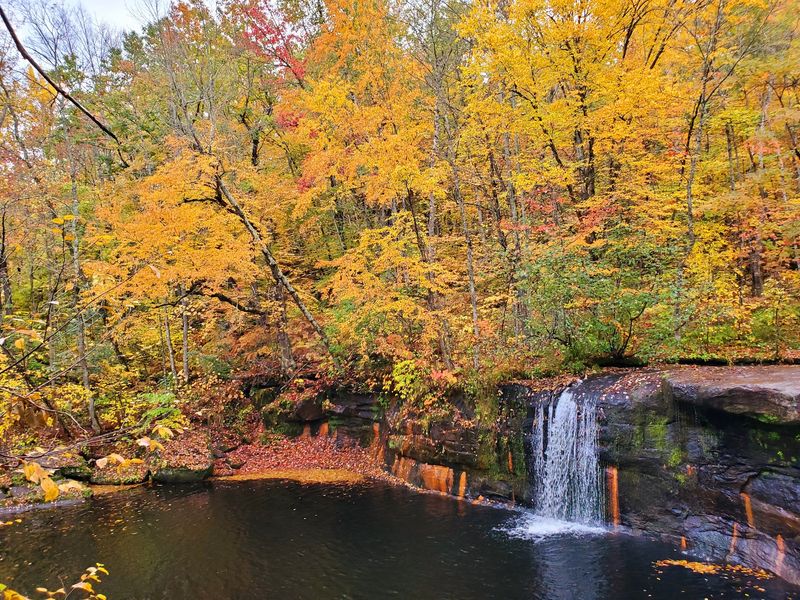
The park stretches along 10 miles of the Kettle River. Fall is a popular season, and the gorge shows why.
Sandstone cliffs, rock formations, and rapids line the river. Moss coats the trees and rocks, adding green to the autumn reds and golds.
Paddlers know the Kettle for its whitewater. Canoeing and kayaking the rapids is a real thrill, so know your skill level.
Prefer staying dry? Find a rock by the river, sit down, and let the water do the talking.
Waterfalls and glacial potholes add more surprises along the way. A small section on a back road in Sandstone has gorgeous falls of its own.
There’s also a little beach and a swimming area. Picnic areas make it easy to stretch a visit into an afternoon.
Banning State Park’s campground is closed for construction through the 2027 camping season, with reopening expected in 2028. Bring layers, since fall mornings in Minnesota can surprise you.
Plan an extra hour for the ruins. Reading about a lost town hits differently when the walls are right in front of you.
Address: 61101 Banning Park Rd, Sandstone, MN 55072.
7. Minneopa State Park
Bison and waterfalls in one park sounds like a made-up brag. Minneopa delivers both, just outside Mankato.
The Dakota name means water falling twice. Minneopa Creek drops over an upper and lower waterfall, and a paved sidewalk leads you there.
Fall paints the creek gorge in fresh shades around the falls. It’s an easy walk with a big reward.
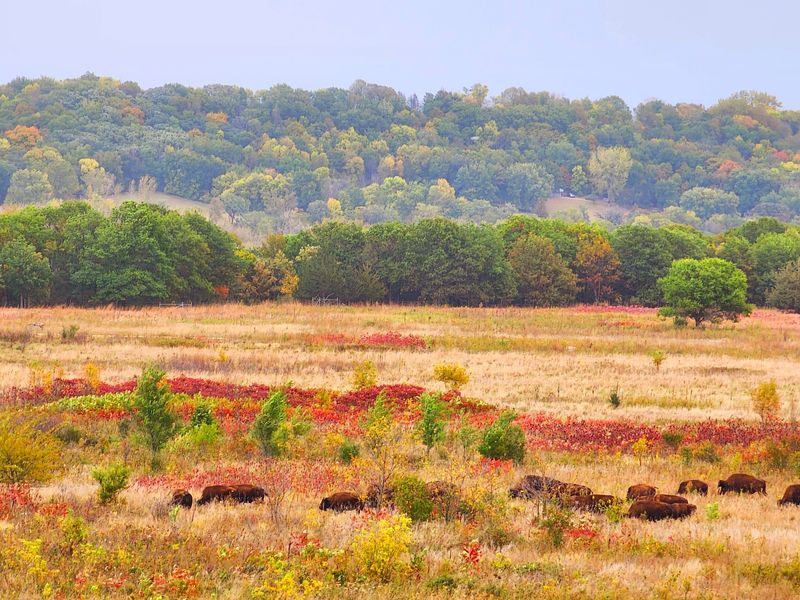
Then comes the bison. A herd of American Plains Bison roams a 325-acre prairie enclosure that visitors can drive through or hike around on trails outside the fence.
Bison Drive hours change by season, and it closes Wednesdays for maintenance. Check before you go so you don’t miss the herd.
History sits on a hill here, too. The Seppmann Mill, a 32-foot stone flour mill, was completed in 1864.
The mill is listed on the National Register of Historic Places. Its stone walls make a striking photo against autumn skies.
Founded in 1905, Minneopa is Minnesota’s third oldest state park. That’s over a century of fall seasons in the Minnesota River Valley.
Trails wind through oak savanna, native prairie, and river views. Pick a loop and let the scenery change around you.
Campers get electric hookups and hot showers. Wooded, well-spaced sites make it easy to stay another night.
Mankato is close by if you forget something. Still, the falls and the herd make leaving tough.
Saturday and Sunday afternoons fill up fastest. A weekday trip gives you more space near the falls.
Address: 54497 Gadwall Rd, Mankato, MN 56001.
8. William O’Brien State Park
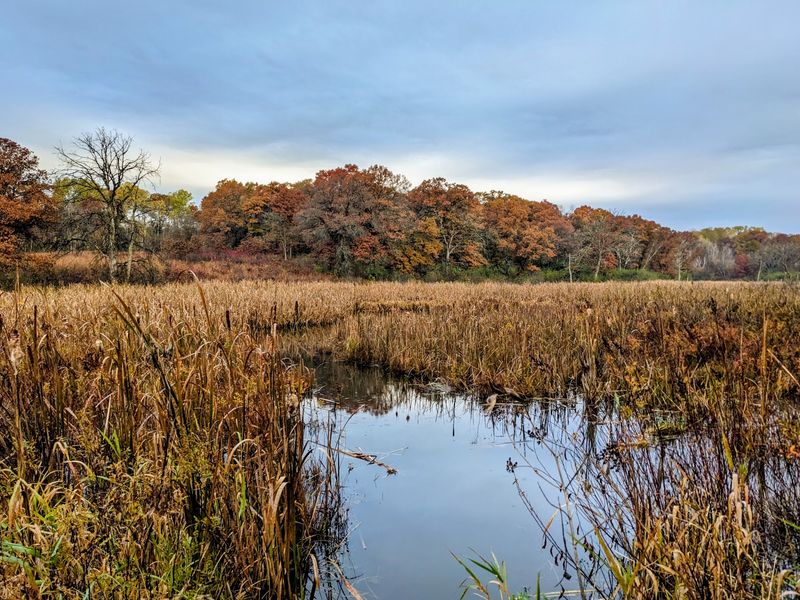
Century-old pines and a river that doubles as a bird highway set the scene here. William O’Brien sits right on the St. Croix River.
Rolling, wooded hills fill the park. Come fall, those hills turn into a patchwork above the valley.
The Prairie Overlook Trail leads to a view of the St. Croix Valley. It’s the spot to aim for when the color peaks.
For an easier outing, try the Riverside Trail. The accessible, self-guided path passes the river, Lake Alice, and 100-year-old pines.
Anglers can work the river channels for northerns, walleye, bass, and trout. A fishing dock adds another option.
Canoes and kayaks are available to rent. Paddling past autumn trees beats scrolling photos of them.
The St. Croix also serves as a migratory pathway. Keep your eyes up and your binoculars close.
Camping options run deep, with 124 campsites, 4 group camps, and 4 camper cabins. Some cabins have heat and electricity, a nice perk on chilly nights.
Lake Alice offers a sandy swimming beach for summer visits. Horseshoe pits keep the competitive types busy.
Getting there along scenic MN-95 is part of the fun. Take the long way and enjoy the trees.
Friday evenings and Saturday afternoons get busy. Friday mornings are usually the quietest window.
This Minnesota park works for nearly any group. Families, paddlers, and quiet walkers can each claim a corner.
Address: 16821 O’Brien Trl N, Marine on St Croix, MN 55047.
9. Wild River State Park
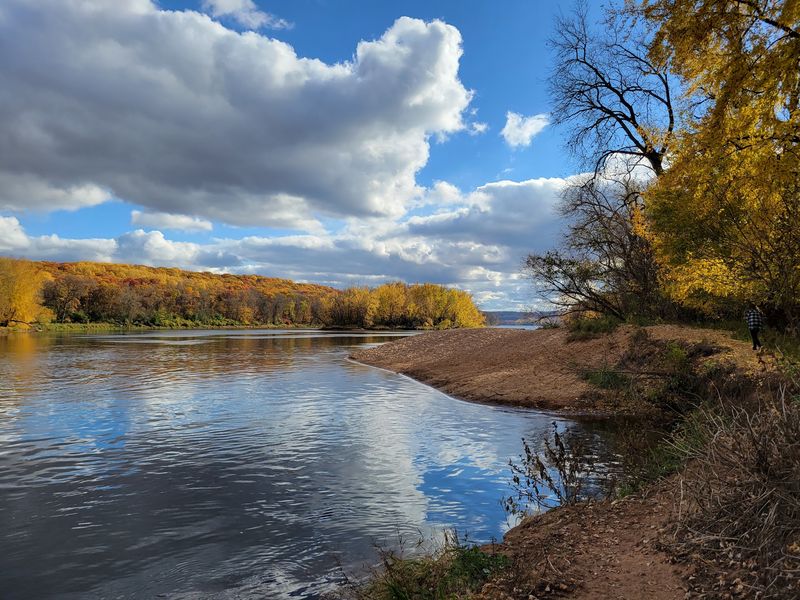
Deer, otters, foxes, turkeys, and even bears share this stretch of riverbank. Wild River lives up to its name along the St. Croix.
The St. Croix is a National Scenic Riverway. Here, forest lines the valley for mile after mile of trail.
Over 30 miles of hiking and cross-country ski trails wind through the park. You can rack up serious mileage without repeating a path.
Head to the White Pine Ridge Trail for a scenic overlook. The river valley spreads out below in a sweep of autumn color.
History runs along the Deer Creek Loop. Part of it follows the old Point Douglas to Superior Military Road.
Another loop is named Mitigwaki, an Ojibwe word for oak woods. Oak leaves make that name extra fitting in fall.
Canoeing the St. Croix gives you a different angle on the trees. The river is a migratory pathway, so listen for sounds overhead.
Camper cabins sit up above the river. That’s a pretty great view to wake up to.
The rustic Snake River Campground stays open from early May to late November. It requires same-day reservations.
Backpackers can claim backcountry sites instead. A horse camp and visitor center round out the options.
Wednesdays tend to be the quietest days. Weekend evenings draw the biggest crowds.
Pack a snack and a little patience for wildlife watching. The animals keep their own schedule, not yours.
Wear bright colors on the trail during fall. You’ll stand out nicely against the leaves in photos.
Address: 39797 Park Trail, Center City, MN 55012.
10. Beaver Creek Valley State Park
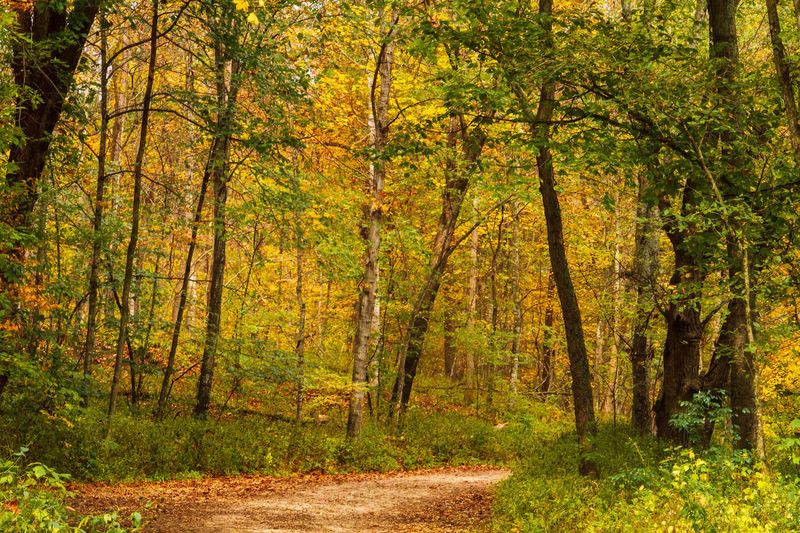
Down in Minnesota’s southeast corner, a clear trout stream runs through a forested bluffland valley. Beaver Creek Valley packs 1,200 acres of it.
Bluffs wrap around the valley floor. In autumn, the slopes fill with color from top to bottom.
Hiking trails climb steeply to the top. The view up there is the payoff for those burning calves.
Kids can handle the challenge, too. The hike is tough enough to feel like an adventure but still fits young legs.
Anglers come for challenging stream trout fishing. The water is crystal clear, so the fish can probably see you coming.
Birdlife is abundant here. Bring ears as well as eyes, since birdsong fills the quiet valley.
The picnic area is a standout. Fire rings and swinging grill grates make lunch feel like a camp cookout.
A playground and swings keep younger visitors happy. Parents get a break while the leaves do their thing.
Camping is available for a longer stay. Falling asleep in a bluff-lined valley sounds like a solid plan.
The secluded setting is part of its charm. Fewer distractions leave more time for the trees and the stream.
Dogs are allowed, so your four-legged hiking buddy can come along. Save your last view of the day for this valley.
Wear sturdy shoes for the climbs. Steep trails and slick leaves make a tricky combo in October.
Caledonia is the nearest town for supplies on the way in. Fill up before you lose yourself in the bluffs.
Address: 15954 County Rd 1, Caledonia, MN 55921.