One small New Mexico town throws a fall festival where pumpkins get launched across a field for fun. I love that kind of small-town weirdness.
It also turns out that towns like that are quietly gaining new neighbors.
A tech giant built a massive data center in a village that used to be known for farms and a train stop. A desert border town now sits beside a racetrack and a mountain topped with a huge statue.
I’d say these aren’t the places most people picture when they think of growth.
I like how the reasons change from town to town. Some draw folks with jobs and a short commute.
Others offer open land, rodeo-country charm, and room to breathe. So which one would tempt you to pack a moving truck?
1. Los Lunas
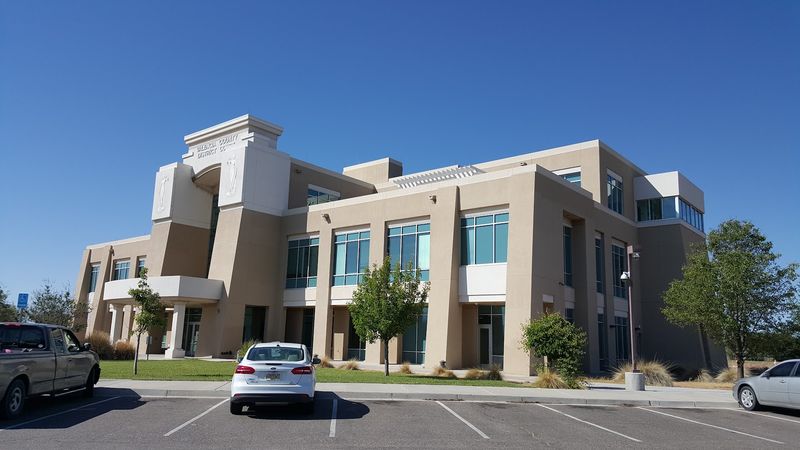
Few villages can say a company tied to Facebook picked them for a giant data center. Los Lunas can, and that’s only one reason people keep showing up.
The 2020 census counted 17,242 residents here. That’s a big number for a place that still calls itself a village.
So what’s the draw? Location does a lot of the heavy lifting.
Downtown Albuquerque sits roughly 20 to 25 minutes north. The Albuquerque airport is even closer, which helps if you travel for work.
Jobs matter too, and the village has landed some big names. Meta runs its data center here, and Niagara Bottling and a Walmart distribution center add more work.
Hate long commutes? Okay, maybe not hate, but you get it.
The Los Lunas Rail Runner station lets you ride the train toward Albuquerque and skip some traffic.
Outdoor time comes easy here. El Cerro de Los Lunas Preserve offers trails across a volcanic landscape with big views of the valley.
History fans get a treat, too. The Los Lunas Museum of Heritage and Arts shares local stories and art.
Then there’s the famous puzzle on Hidden Mountain. The Los Lunas Decalogue Stone carries an old inscription, and people still argue about who carved it and when.
Want a fun weekend plan? Hike, visit the museum, then grab a meal on Main Street at Teofilo’s Restaurante.
New housing keeps popping up, too. Neighborhoods like Las Maravillas and Tesoro have added newer homes for families moving in.
Growth like this can feel fast. Still, the village keeps a strong small-town identity rooted in the Rio Grande Valley.
If you’re house hunting in New Mexico, this one deserves a look. You get trains, trails, and a mystery rock, which is a pretty fun combo.
2. Moriarty
Gliders, old cars, and Route 66 neon all share one small town east of Albuquerque. Moriarty packs a lot of fun into a modest map.
The 2020 census counted 1,939 residents. More recent estimates show that number climbing past 2,000.
That might sound tiny, but percentage-wise it adds up. About a hundred new neighbors can make a noticeable difference in a small town.
Interstate 40 runs right through, making the drive to Albuquerque pretty simple. You can work in the city and come home to wide-open plains.
Now for the fun stuff. The U.S.
Southwest Soaring Museum showcases gliders and sailplanes, which is a rare focus for any museum.
Why gliders here? The open skies and steady winds of the Estancia Valley have long attracted soaring pilots.
Car lovers, you’re covered too. The Lewis Antique Auto and Toy Museum holds a big collection of old vehicles and Route 66 memories.
History buffs can stop by the Moriarty Historical Museum. It shares stories about local farming and life along the old highway.
Speaking of which, Route 66 still shapes the town’s look. Keep your camera handy for vintage signs along the main drag.
The town got its name from Michael Moriarty, an Irish settler who arrived in the late 1800s. Not the name you’d expect in central New Mexico, right?
Newer homes have been going up for folks seeking space. Lots tend to be roomier than what you’d find in the city.
Winters can be chilly, so plan on a good jacket. Summer evenings out here make up for it.
If you crave big skies and quirky museums, Moriarty fits the bill. Just don’t be shocked when you start looking up for gliders.
3. Rio Rancho
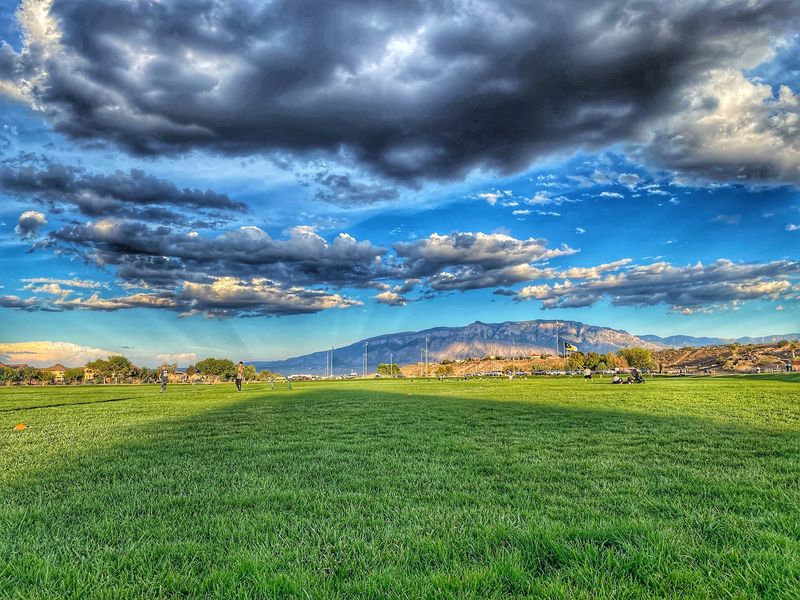
Back in the 1960s, much of this area was open desert sold off in lots by a land company. Today Rio Rancho ranks as the third-largest city in New Mexico.
The 2020 census counted more than 104,000 people here. Not bad for a city that only incorporated in 1981.
Big employers help explain the jump. Intel has a major campus here, and it’s one of the best-known names in town.
Housing is another magnet. Newer neighborhoods like Vista Montebella and Lomas Encantadas keep adding homes as families arrive.
You’ll also notice the view. The Sandia Mountains glow pink at sunset, and the city gets a front-row seat.
Got kids, or just love a good playground? A Park Above was designed so kids of all abilities can play together.
Big shows and games land at the Rio Rancho Events Center. Concerts, sports, and family events keep the calendar busy.
Bookworms have a solid option, too. The Loma Colorado Main Library hosts programs for families and readers of different ages.
Quiet streets are part of the appeal. The city often lands on lists of the safer places to live in the state.
Need more nature? Petroglyph National Monument sits nearby on Albuquerque’s west side, with thousands of images carved into volcanic rock.
Neighboring Corrales adds farm-country charm just down the road. Its growers’ market runs seasonally and is a fun stop.
Of course, a growing city brings growing pains. Roads and schools keep expanding to keep up with new arrivals.
Still, Rio Rancho shows how a desert sales pitch turned into a real city. Somebody back then made a very good bet.
4. Sunland Park
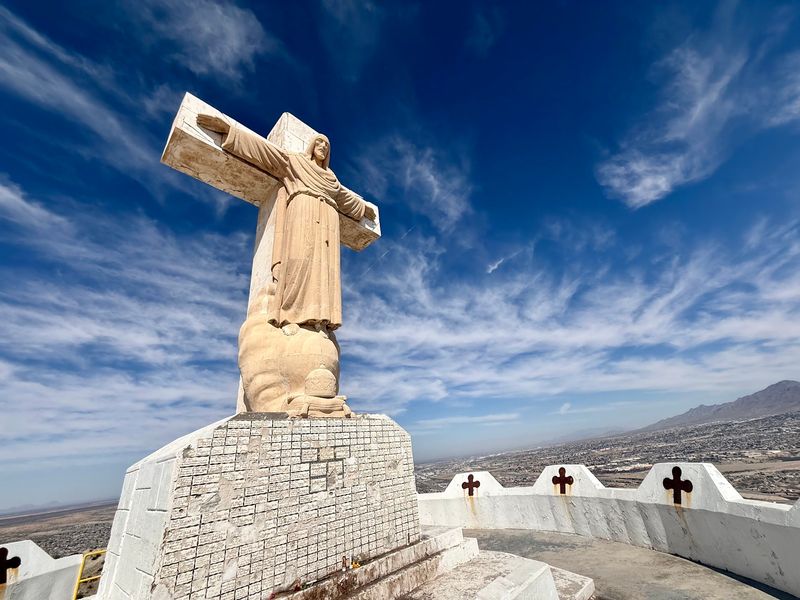
How many towns touch two states and another country? Sunland Park sits right where New Mexico meets Texas and Mexico.
That border spot makes it a true binational community. The 2020 census counted 16,702 residents here.
El Paso sits right next door. That means big-city jobs and shopping are just minutes away.
Newer neighborhoods have been spreading across the desert. Many include parks and walking paths, which helps when the sun drops and evenings cool off.
Look up and you’ll spot Mount Cristo Rey. A large statue of Christ stands on top, and pilgrims hike up the mountain each year.
Like outdoor adventures? The desert landscape around Sunland Park offers mountain views and opportunities to explore the area’s distinctive terrain.
Food history runs deep here, too. Ardovino’s Desert Crossing has served guests since 1949, and it also hosts a seasonal farmers’ market.
Fresh produce under desert skies? That’s a pretty great way to spend a summer morning.
The city has also grown its parks. Spots like the Sunland Park Sports Complex give local teams room to play.
A river trail along the Rio Grande has been in the works. Once finished, it should add even more outdoor options.
Sunland Park only incorporated in 1983, so it’s still a young city. That gives it room to shape what comes next.
Families here often live in two languages and two cultures. That mix gives the town a personality you won’t find many other places.
Desert, mountain, river, and border all in one small area. It’s a lot of geography for one zip code.
5. Estancia
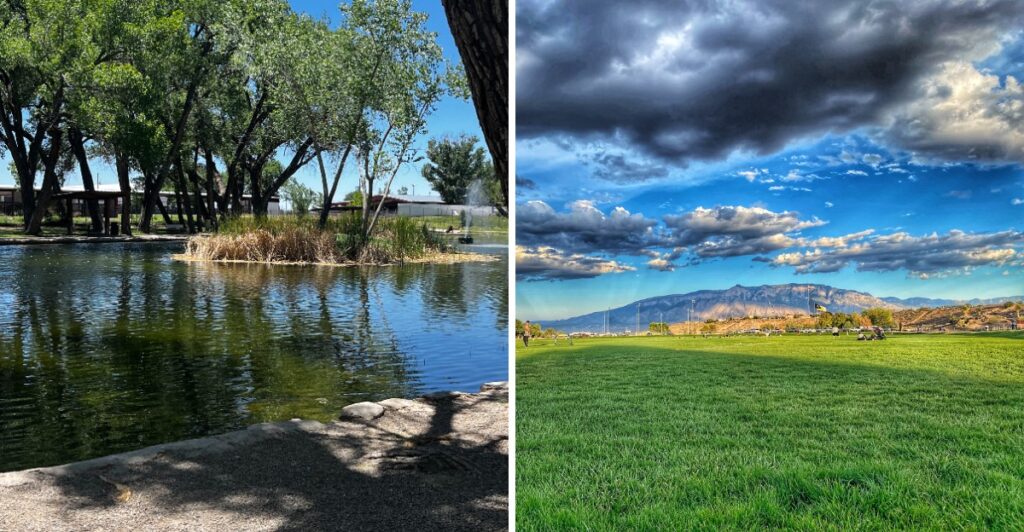
Pumpkins flying through the air might be the most fun reason to visit a county seat. Estancia hosts a Punkin Chunkin event as part of its fall fun.
Yes, people build machines just to launch gourds. It’s silly, loud, and exactly the kind of tradition small towns do best.
Estancia serves as the county seat of Torrance County. It sits in a wide valley with the Manzano Mountains rising to the west.
The area grew up around ranching and farming. You can still feel that rural backbone in the open land around town.
So why are newcomers interested? Lower living costs and roomy lots are a big part of the pitch.
Some folks want a few acres and a quieter pace. Estancia offers that while staying within driving range of Albuquerque.
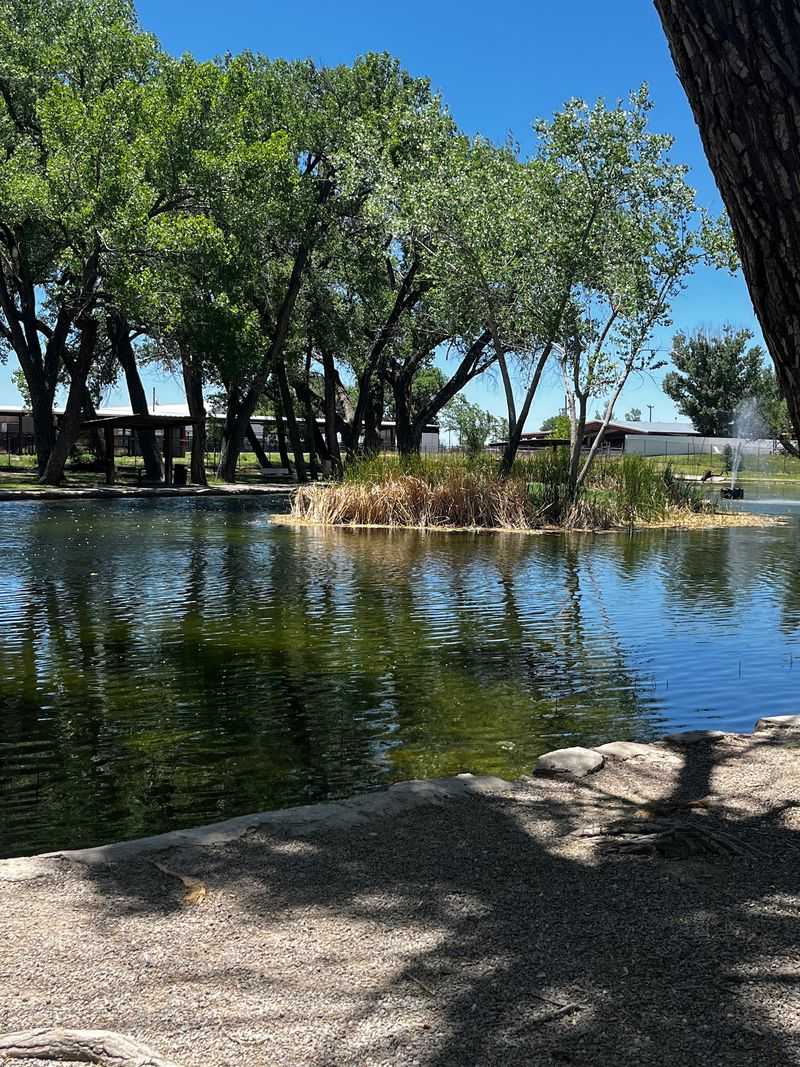
Arthur Park gives locals a green spot to gather. It has picnic areas, a playground, and a small pond.
Hot summer day? The Estancia Aquatic Center has provided a place for families to cool off, although repairs and water-storage issues kept it closed for the 2026 summer season.
Winter brings its own cheer. Holiday events like a craft fair and a lights parade help bring neighbors together.
History is close by, too. The Salinas Pueblo Missions National Monument protects old mission churches and pueblo ruins in the region.
Those sites are a short drive away and worth a slow afternoon. The stone walls tell stories that stretch back centuries.
Life here moves at a gentler speed. That’s exactly what many newcomers are hoping to find.
Small town, big sky, and pumpkins in orbit. Honestly, what more could you ask for in rural New Mexico?
6. Peralta
Peralta didn’t even become an official town until 2007. For a place with deep farming roots, that’s a pretty recent birthday.
The 2020 census counted about 3,300 residents. Recent estimates show slow, steady gains since then.
Steady might not sound exciting. In a small farming town, though, a few new families each year really adds up.
Albuquerque sits roughly a half hour north. That makes Peralta a good fit if you want the city close but not on top of you.
The Rio Grande runs nearby, and the cottonwoods along it turn gold in fall. That river setting gives the area much of its charm.
Faith and history meet at Our Lady of Guadalupe Church. The old adobe church is a well-loved landmark in the community.
Up for a short climb? Tomé Hill sits just south and offers sweeping views of the valley.
The hill also draws pilgrims during Holy Week. It’s a tradition that connects many local families to the land.
Need room for horses or a big garden? Some lots in Peralta give you space to spread out.
Newer homes are mixing in with older farm properties. You’ll see fresh rooftops next to fields that have been worked for generations.
Neighbors Los Lunas and Bosque Farms sit close by. That gives you more shopping and dining without a long drive.
Peralta keeps things simple. Fields, river, church bells, and mountains on the horizon.
If quiet country living sounds dreamy, put this town on your list. Just don’t be surprised if you start waving at tractors.
7. Bosque Farms
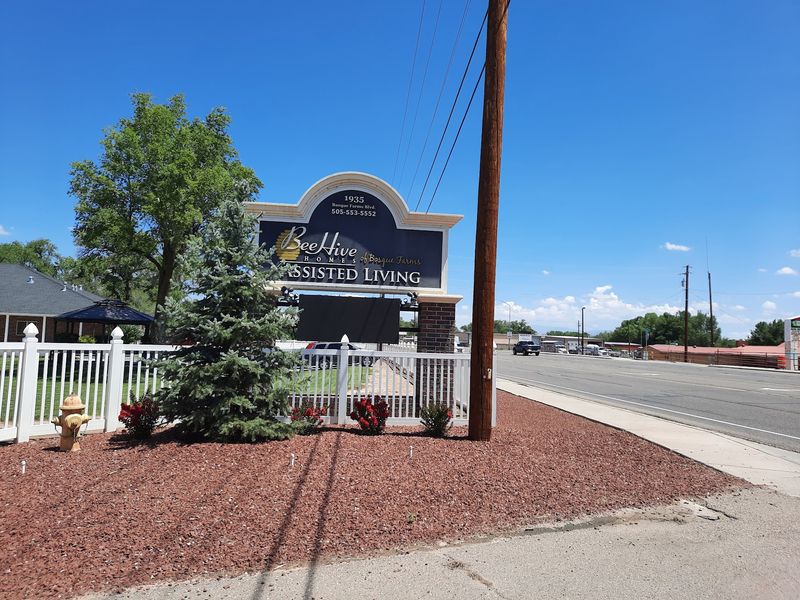
Back in the 1930s, the federal government turned this stretch of land into a New Deal farming project. Families arrived to build new lives, and the village grew from there.
Bosque Farms became an incorporated village in 1974. Today it still mixes farm life with suburban comfort.
The name means forest farms in English. It fits, since cottonwood forests line the nearby Rio Grande.
Albuquerque sits about 20 minutes away. You can head to work in the city and come home to pastures.
Got a soft spot for fresh food? The Bosque Farms Growers Market features produce and homemade goods from Valencia County.
Then there’s De Smet Dairy, a working farm that sells raw milk. It’s one of the more unusual stops you’ll find in central New Mexico.
The village’s parks give families room to play. Local events often bring neighbors out to gather.
A public library and community center add more ways to connect. Those spots help newcomers feel part of things quickly.
Horse lovers tend to feel at home here. Many properties have space for animals and gardens.
Growth here is gentle, not explosive. That steady pace helps the village keep its country feel.
Newer homes are available for folks moving in. They sit near farms and fields that give the area its character.
Need more trails? Los Lunas is next door with extra parks and walking paths.
Bosque Farms proves farm life never really went out of style. It just picked up a shorter commute and a few more neighbors along the way.