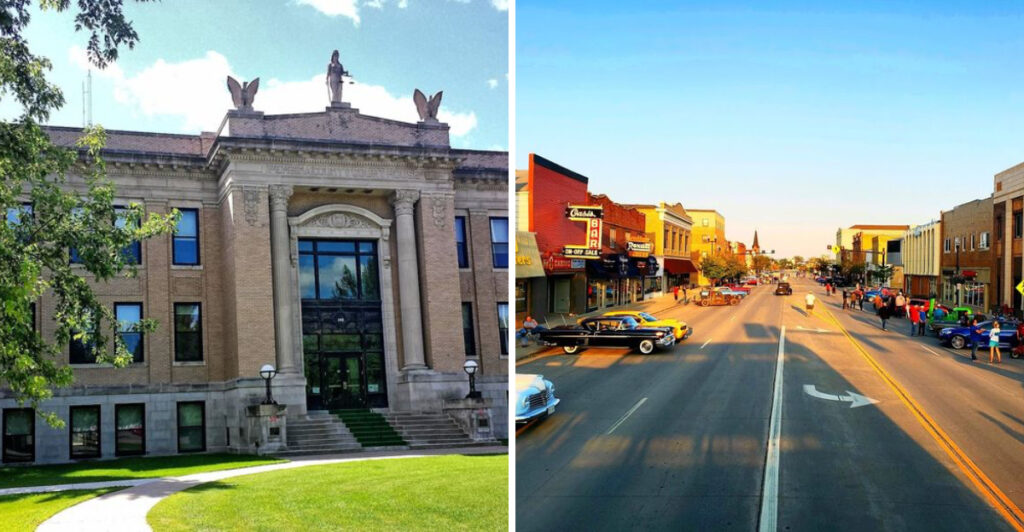
There is a version of North Dakota that most road trip guides rarely bother to map. Wooden boardwalks, stone obelisks and log trading posts from the 1840s.
Towns that look almost exactly the way they did a century ago, except with better coffee. The people who live in these places did not preserve them on purpose.
They just never stopped.
Spending even a few hours inside one of them quietly recalibrates your whole sense of what a day is supposed to feel like.
North Dakota keeps these nine towns at a pace the modern world has mostly forgotten. Old courthouses still doing their job.
Historic sites that have never been dressed up or polished over. Each one earns its own chapter.
1. Medora
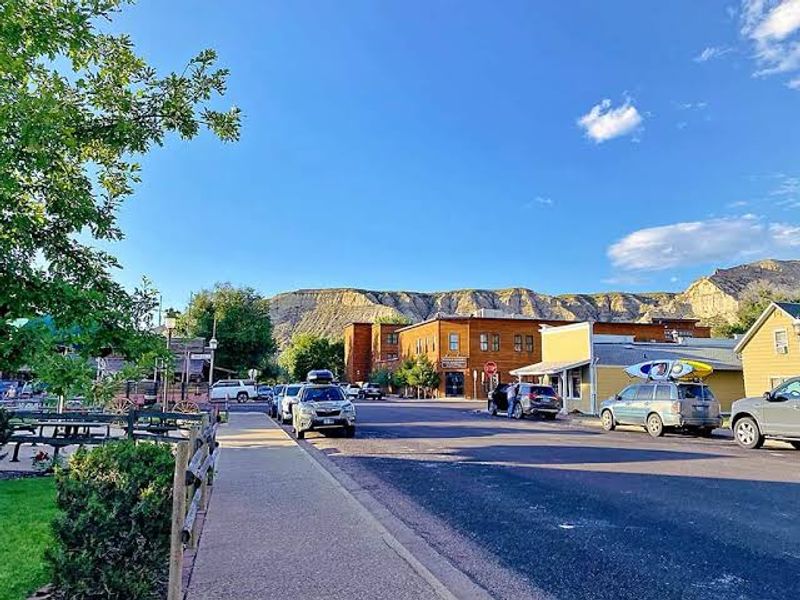
Forget theme parks. Medora is the real deal, and it has been since 1883.
This tiny town in western North Dakota was founded by a French nobleman, the Marquis de Mores, who built a 26-room summer home here that still stands today as the Chateau de Mores State Historic Site.
Walk down the wooden boardwalks and you will feel the Wild West pressing in from every direction.
The Badlands rise dramatically around the town, looking almost exactly as they did when Theodore Roosevelt first rode through and fell in love with the landscape.
Medora also serves as the gateway to the South Unit of Theodore Roosevelt National Park, making it a perfect base for exploring the rugged terrain nearby.
The historic buildings are well-preserved, the streets are unhurried, and the whole town carries the spirit of 19th-century frontier life without trying too hard.
Stop by the Rough Riders Hotel, which has been welcoming travelers for generations, and take time to visit the outdoor Medora Musical, a beloved summer tradition.
Medora is the kind of place that makes you want to slow your pace, sit on a porch, and just take it all in.
2. Walhalla, North Dakota
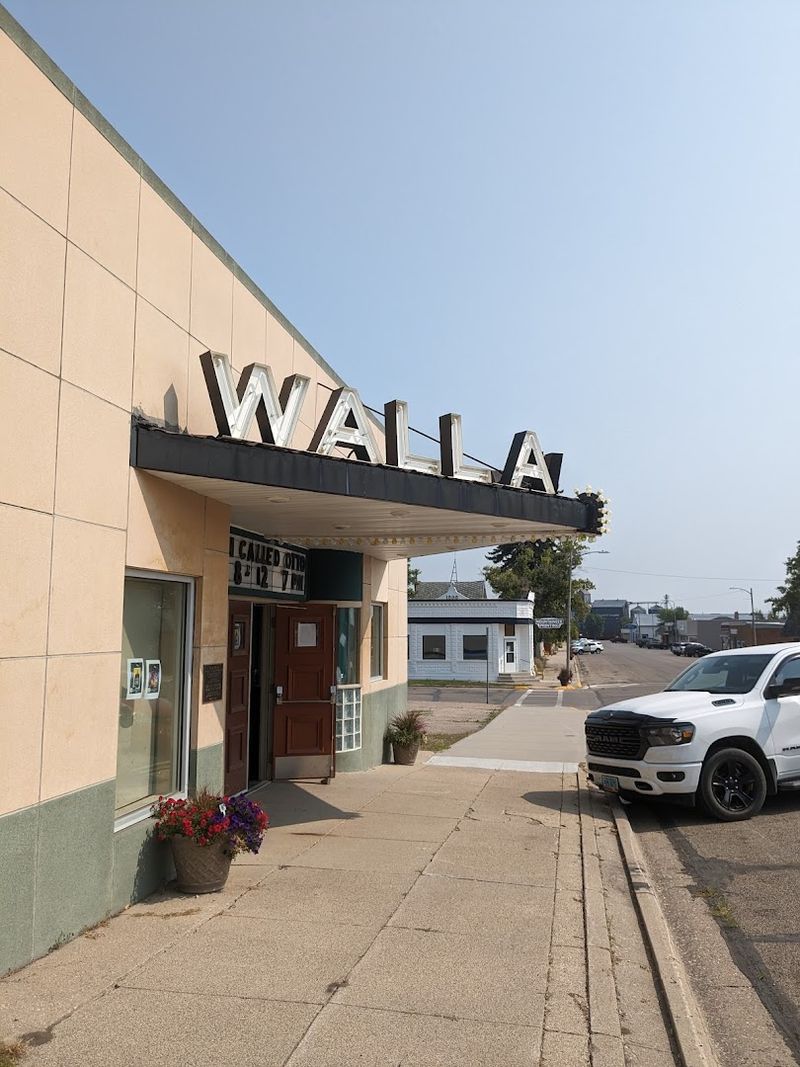
How old is old? In Walhalla, North Dakota, old means 1845, making it one of the earliest established towns in the entire state.
Tucked near the Pembina Gorge in the northeastern corner of North Dakota, Walhalla carries a layered history that most visitors never expect to find in such a quiet, peaceful setting.
The Gingras Trading Post State Historic Site is the crown of the town’s heritage.
Built by Métis trader Antoine Blanc Gingras, the site gives a vivid window into the fur trade era of the 1840s, with original log structures still standing on the grounds.
The Kittson Trading Post is considered the oldest surviving building in the entire state, and just being near it feels like brushing up against something rare.
Walhalla sits in a lush river valley that softens the wide prairie around it, giving the town a sheltered, almost hidden quality.
The surrounding Pembina Gorge State Recreation Area adds outdoor appeal, with trails winding through forested hills that look nothing like the flat plains most people associate with North Dakota.
Walhalla rewards the curious traveler who takes the time to look closely at what history has quietly left behind.
3. Cavalier, North Dakota
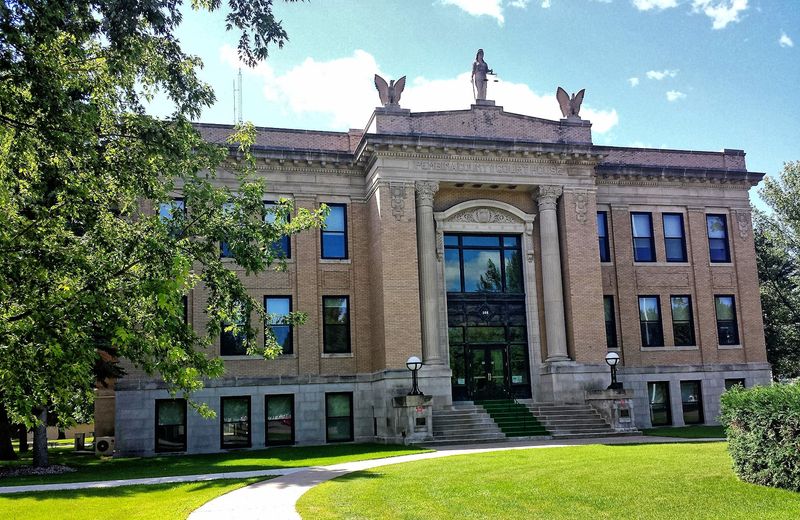
Right up near the Canadian border, Cavalier, North Dakota sits with the kind of calm confidence that only old towns carry well.
As the county seat of Pembina County, Cavalier has long served as a quiet hub for the surrounding farmland communities, and its character reflects that steady, rooted identity.
The town’s streets are broad and unhurried, lined with buildings that have seen generations come and go without losing their original bones.
Cavalier is home to Icelandic State Park, one of the most underrated parks in the region, where the Tongue River winds through rolling terrain and offers camping, fishing, and a genuine sense of northern solitude.
The park also preserves a piece of the Icelandic immigrant heritage that shaped this corner of North Dakota, with a reconstructed pioneer village that tells the story of those early settlers in honest, grounded detail.
Downtown Cavalier still has the feel of a working small town rather than a polished tourist stop, and that authenticity is exactly what makes it worth visiting.
Local events and seasonal gatherings keep the community tight-knit and welcoming to outsiders who show up with genuine curiosity.
Coming here feels less like sightseeing and more like being quietly invited into someone’s long family history.
4. Valley City, North Dakota
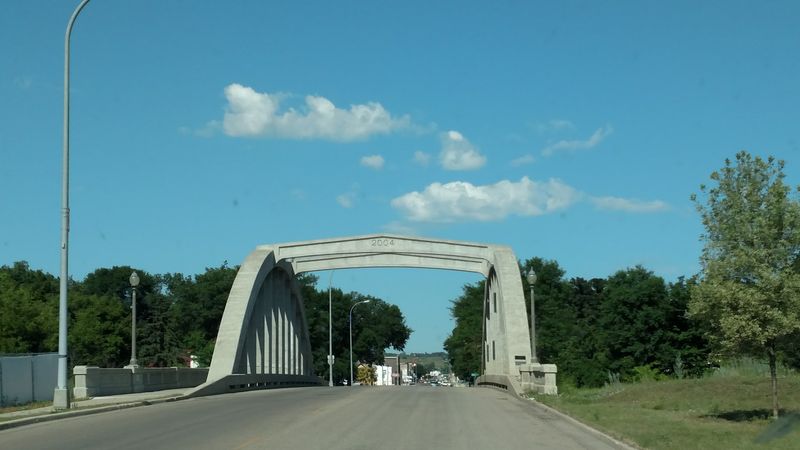
Valley City earned its nickname the City of Bridges, and once you see it, you will understand why that title sticks.
Founded in 1874 along the Sheyenne River in southeastern North Dakota, this town is home to more than a dozen bridges, each one carrying its own chapter of local engineering and community history.
The Hi-Line Bridge, built between 1906 and 1908, is the showstopper.
It stretches high above the valley floor and represents the kind of bold infrastructure that early 20th-century builders threw themselves into with full confidence and very few safety nets.
Beyond the bridges, Valley City’s historic downtown is lined with beautifully preserved brick buildings that now house boutiques, antique shops, and cozy cafes without losing their original architectural character.
The Sheyenne River Valley itself adds a natural softness to the town, with wooded slopes and quiet water that make the setting feel almost storybook.
Valley City State University brings a gentle academic energy to the community without overwhelming its small-town pace.
The Barnes County Museum offers a well-curated look at the region’s past, from early settlement to agricultural growth.
Valley City is the kind of place that surprises you, because it offers far more texture and story than its modest size would ever suggest.
5. Rugby, North Dakota
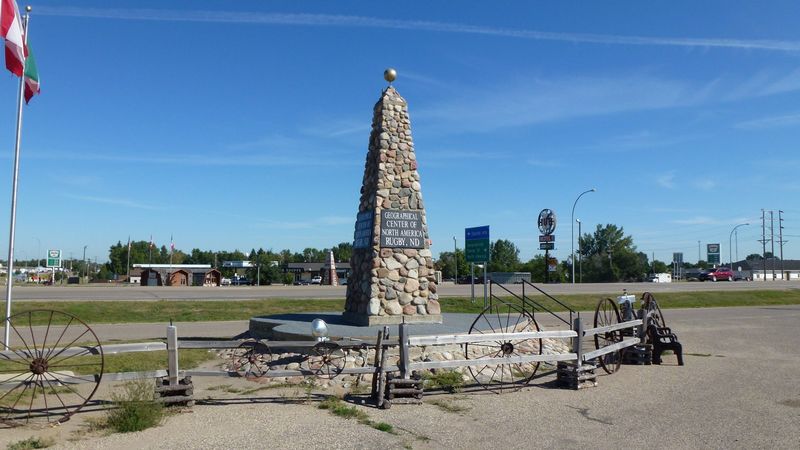
Rugby, North Dakota holds a title that no other town in the country can claim: it sits at the geographic center of North America.
That distinction alone gives this small Pierce County town a quirky, one-of-a-kind identity that draws curious travelers from surprisingly far away.
A stone obelisk monument marks the spot, and yes, people do drive hours just to stand next to it and take a photo.
But Rugby is more than a geographic footnote.
The town’s historic downtown retains much of its original prairie-era character, with storefronts and community buildings that speak to a time when this area was actively being settled and shaped.
The Geographical Center Pioneer Village and Museum is the real cultural anchor here, featuring reconstructed pioneer buildings and a wide collection of artifacts that document life on the northern plains in the late 1800s and early 1900s.
The museum gives Rugby a depth that goes well beyond its famous coordinates.
Surrounding farmland stretches in every direction, reminding visitors just how vast and open this part of North Dakota truly is.
Rugby is the kind of stop that starts as a curiosity on a road map and ends as one of the most memorable detours of a Great Plains road trip.
6. Linton, North Dakota
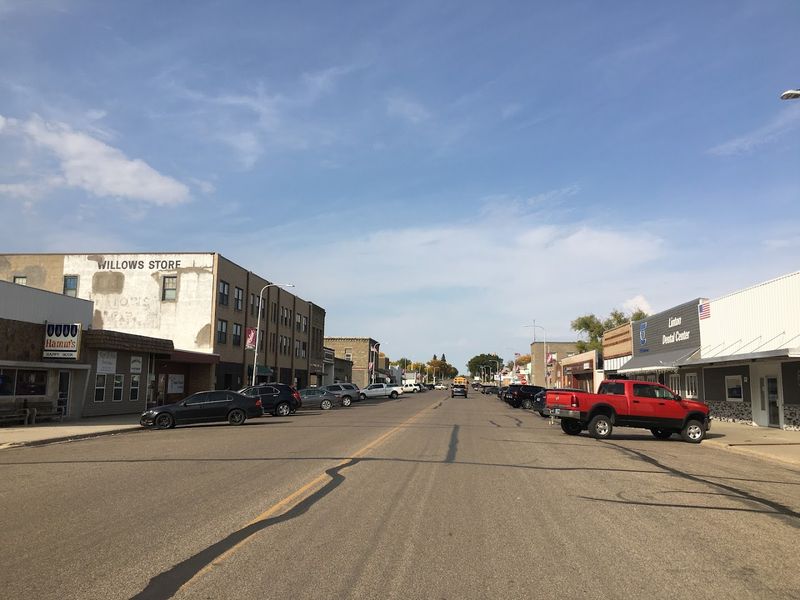
Linton moves at its own pace, and that pace has not changed much in over a century.
As the seat of Emmons County in south-central North Dakota, Linton carries the steady, unpretentious character of a true prairie town built by German-Russian immigrant communities who arrived in the late 1800s and shaped everything from the local architecture to the food traditions still found here today.
That cultural heritage gives Linton a flavor that feels distinct from other small towns in the region.
The downtown area is compact and genuine, with brick storefronts and local businesses that have served the surrounding farming community for generations without chasing trends or reinventing themselves.
Lake Hoskins, located just outside town, offers a peaceful outdoor retreat with fishing and picnicking that locals have been enjoying for decades.
The Emmons County Courthouse stands as a proud architectural centerpiece, built in a classical style that feels almost surprising given the wide-open prairie surrounding it.
Linton is also close to the Missouri River corridor, which adds a layer of natural drama to the otherwise flat landscape nearby.
Visiting here feels like reading a handwritten letter instead of a text message, slow and personal and full of details that reward your attention.
7. Wahpeton, North Dakota
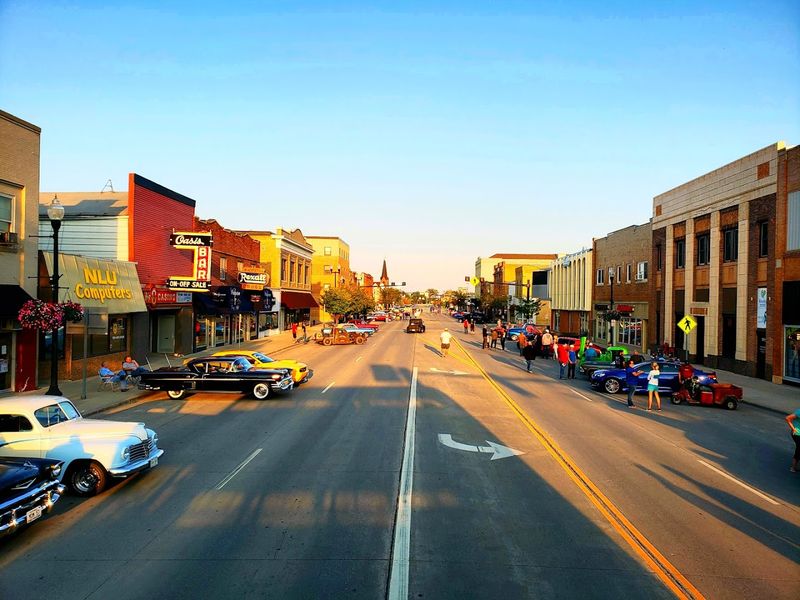
Sitting right on the Red River of the North along the Minnesota border, Wahpeton is a town with more going on beneath its calm surface than most visitors initially realize.
Founded in the 1870s in the rich farmland of the Bois de Sioux Valley, Wahpeton developed as both an agricultural center and a community shaped by strong educational and cultural roots.
The town is home to the Chahinkapa Zoo, one of the few small-town zoos in the region that has been delighting families for decades with a surprisingly diverse collection of animals.
Right next door, Chahinkapa Park stretches along the riverbank with mature trees, walking paths, and a carousel that has been spinning since the 1920s, making it one of the most nostalgic spots in southeastern North Dakota.
The downtown area holds a mix of historic commercial buildings and local shops that give the streets a lived-in, authentic feel.
Wahpeton is also known for its strong Native American heritage, particularly its connection to the Sisseton Wahpeton Oyate, a history that adds meaningful cultural depth to the community.
The Richland County Historical Museum fills in the regional backstory with well-organized exhibits on early settlement and river trade.
Wahpeton rewards visitors who take time to look past the surface and appreciate what generations of community-building actually looks like.
8. Mandan, North Dakota
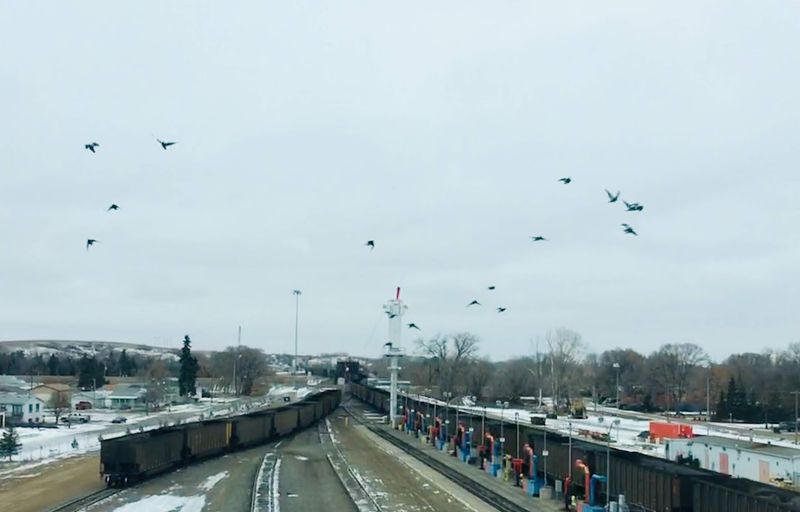
Mandan sits just across the Missouri River from Bismarck, and its history runs deeper than almost anywhere else in the state.
Named after the Mandan people who lived along the Missouri River for centuries before European contact, this town in Morton County carries a cultural weight that you feel from the moment you start learning its story.
Fort Abraham Lincoln State Park is the crown jewel of the area, featuring reconstructed Mandan earth lodge villages on the bluffs above the river alongside the preserved military fort where Lieutenant Colonel George Custer was stationed before his famous campaign westward.
The combination of Indigenous and frontier military history on a single site is genuinely rare and makes for a visit that is both educational and quietly moving.
The park’s setting above the Missouri River is stunning, especially at dusk when the light turns the water gold and the plains stretch out in every direction.
Downtown Mandan has held onto its historic commercial character with brick storefronts and local businesses that keep the old-town feel intact.
The Mandan Depot, a beautifully restored railroad station, speaks to the town’s role as a vital stop on the Northern Pacific Railway during the settlement era.
Mandan is history you can stand inside, and that makes all the difference.
9. Jamestown, North Dakota
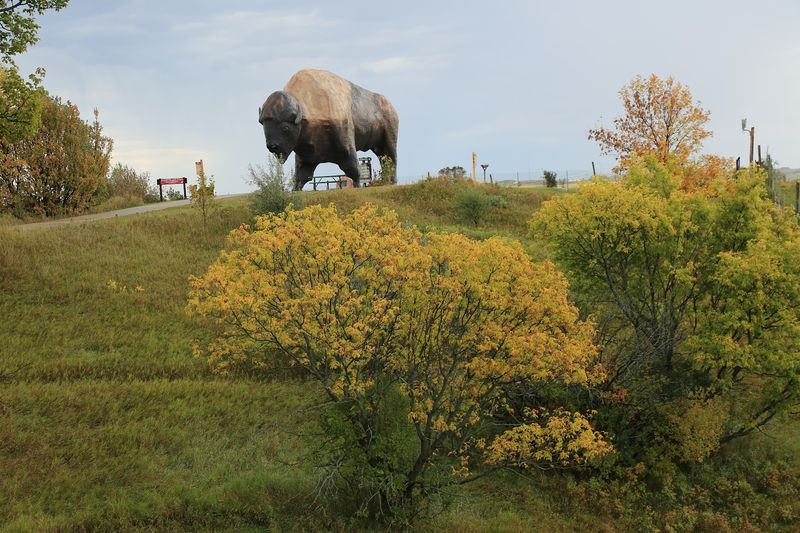
Jamestown is the kind of town that greets you with a 60-ton concrete bison on a hill, and somehow that feels completely appropriate.
Located in south-central North Dakota along the James River, Jamestown was founded in 1872 and grew into one of the state’s most historically layered communities, shaped by railroad expansion, military presence, and the relentless determination of prairie settlers.
The National Buffalo Museum sits near that famous statue and tells the story of the American bison with genuine depth, including the dramatic near-extinction of the species in the 19th century and the conservation efforts that followed.
The museum’s live bison herd, including a rare white buffalo, adds a living, breathing dimension to the history that no exhibit alone could match.
Fort Seward, established in 1872, was one of the key military installations protecting early settlers in the region, and the historic site still carries the quiet gravity of that era.
Downtown Jamestown blends its historic past with an active present, featuring preserved architecture alongside local restaurants and shops that keep the town feeling alive rather than frozen.
The Stutsman County Courthouse is a stunning piece of late 19th-century civic architecture worth pausing in front of.
Jamestown does not just remember its past; it genuinely inhabits it every single day.