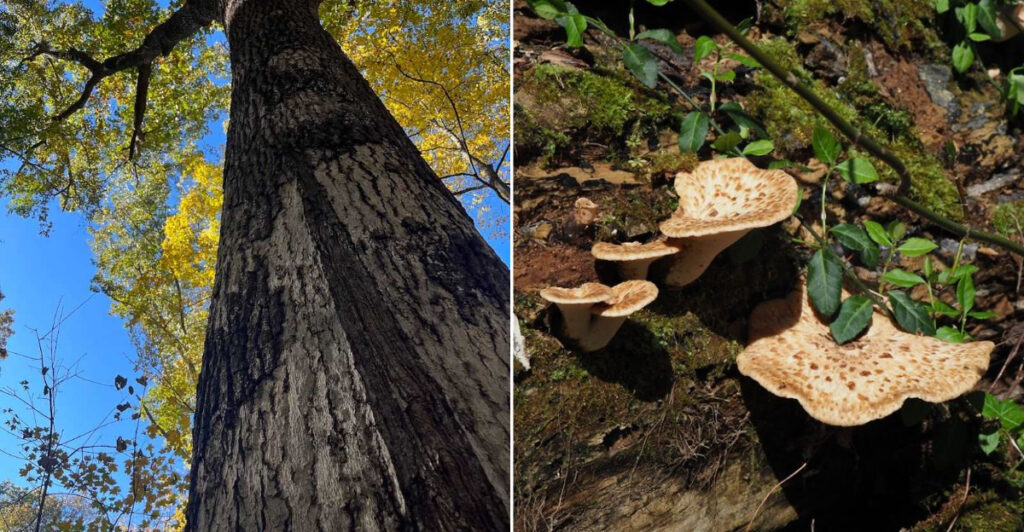
Some trees were already standing before the United States even existed. That fact alone is enough to stop you for a second. There is still a place in Indiana where trees estimated to be around 400 years old continue to rise above the forest floor.
They preserve a part of the natural world that has become increasingly rare. These are not just big trees or old trees by local standards. They are part of one of the last remaining examples of a much older landscape.
That same kind of forest once covered huge parts of the country before logging and development changed it for good. Walking among them is not about chasing flashy views or checking off another stop.
It is about seeing something that has lasted through centuries of storms, seasons, and human change. Very few experiences make time feel this real. If you want a closer look at a part of the natural world that has almost disappeared, this is one destination worth putting on your list.
Why This Is Not Your Typical Midwestern Forest
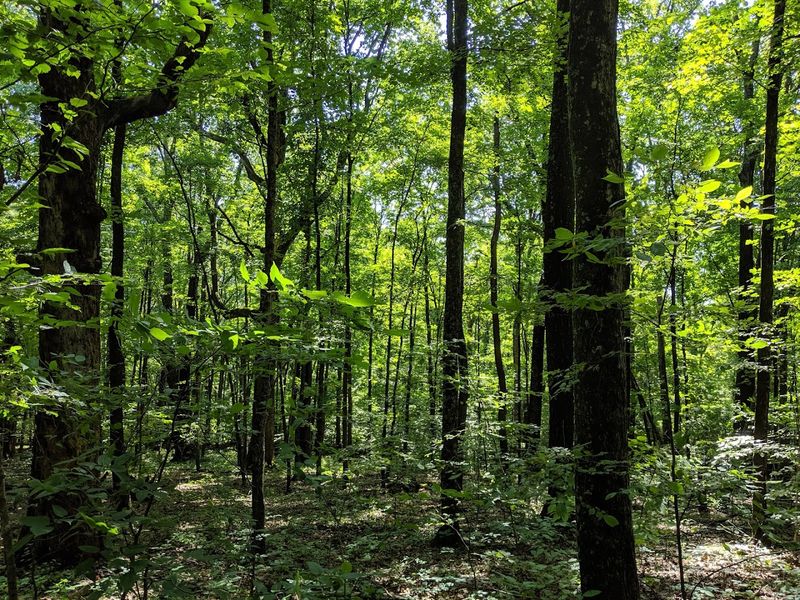
Old-growth forests are not just old trees. They represent ecosystems that have never been cleared, logged, or replanted by humans.
Pioneer Mothers Memorial Forest is one of the last true old-growth forests remaining in Indiana, and it carries that distinction with quiet dignity.
The forest covers roughly 88 acres within the Hoosier National Forest in Orange County. Some of the trees here are over 400 years old, meaning they were already mature when European settlers first arrived in North America.
That kind of age is almost impossible to find anywhere in the eastern United States.
What separates this forest from a regular hiking trail is the sense of ecological completeness. The canopy, understory plants, fallen logs, and wildlife all function together in a connected system.
Managed forests rarely recreate that same level of natural balance.
You are not just looking at big trees. You are looking at a living system that has been building itself for centuries without interruption.
Pay attention to the layers as you walk. Notice how the light changes from the upper canopy down to the ground.
That complexity is the whole point.
What The Name Reveals About The Past
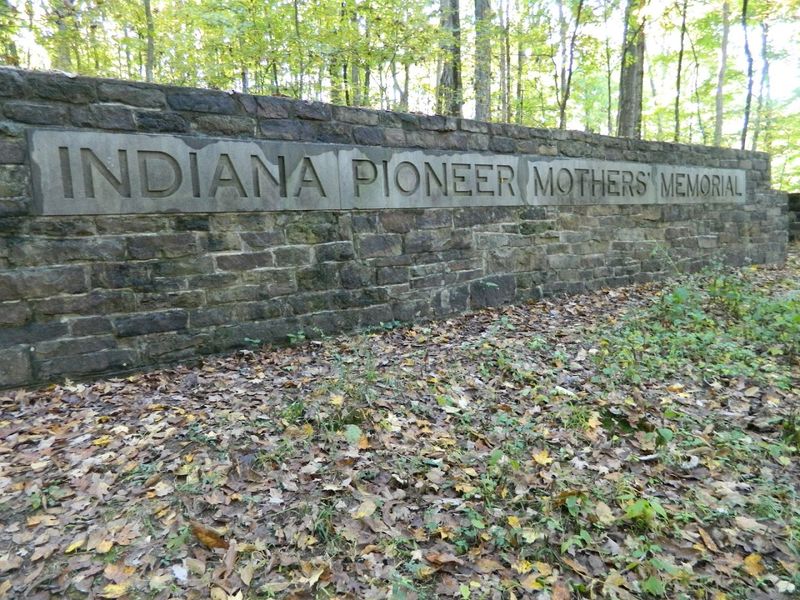
The forest did not get its name by accident. Pioneer Mothers Memorial Forest was dedicated as a tribute to the women who helped settle southern Indiana in the 18th and 19th centuries.
The National Society Daughters of the American Revolution played a key role in preserving and dedicating the land as a living memorial.
Honoring pioneer mothers through a forest makes a certain kind of sense. These women endured hard lives on the frontier, raising families in a landscape that was wild and unpredictable.
Preserving a piece of that original wilderness in their name feels like an honest tribute.
The dedication happened in the early 20th century, at a time when conservation awareness was growing across the country.
Preserving old-growth land was not a common priority back then, which makes this effort even more remarkable in hindsight.
The people who fought to protect this forest understood a simple truth. Once a 400-year-old tree is cut down, another one cannot be replaced within a human lifetime.
That logic still holds today.
Understanding the history behind the forest adds a layer of meaning to every step you take on the trail. You are walking through a decision someone made generations ago to save something irreplaceable.
The Trees You Will Actually See On The Trail
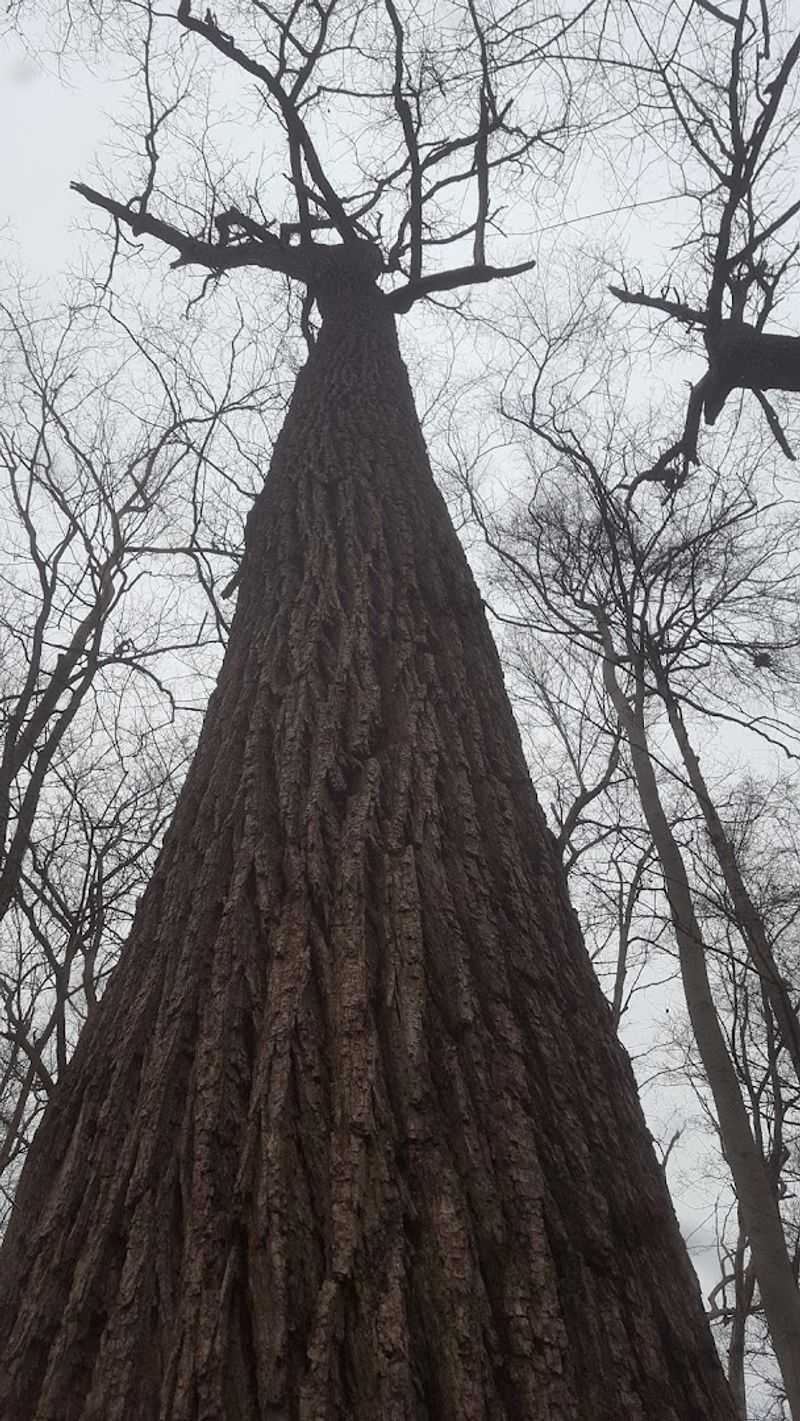
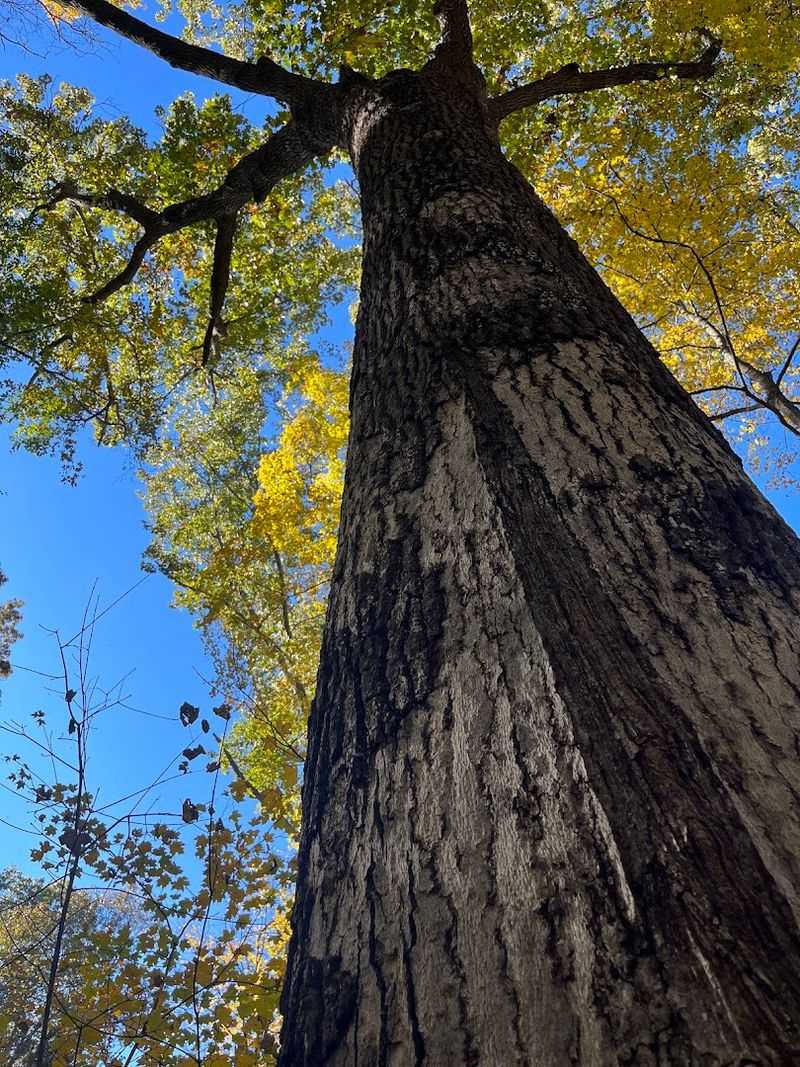
The dominant species in Pioneer Mothers Memorial Forest include white oak, tulip poplar, beech, and sugar maple. These are not the skinny second-growth trees you see along most Indiana roadsides.
Some of the trunks here are wide enough that two adults with outstretched arms could not reach around them.
Tulip poplars are especially striking. They grow tall and straight, pushing up toward the light with trunks that can reach several feet in diameter.
White oaks spread wide and low, their thick bark deeply furrowed from centuries of growth.
Beech trees are smoother and often show carvings left by visitors decades ago, though adding new ones is discouraged.
This mix of species helps show what the Midwest’s original hardwood forests looked like before widespread clearing began in the 1800s. Most of that landscape is long gone.
What remains here is a reference point, a baseline for what a healthy, undisturbed hardwood forest can become over time. Look up when you walk the trail.
The canopy height alone is worth the visit.
Bring a camera and take your time at the base of the larger trees, because the scale is hard to appreciate without standing right next to them.
The Natural Force Running Through This Forest
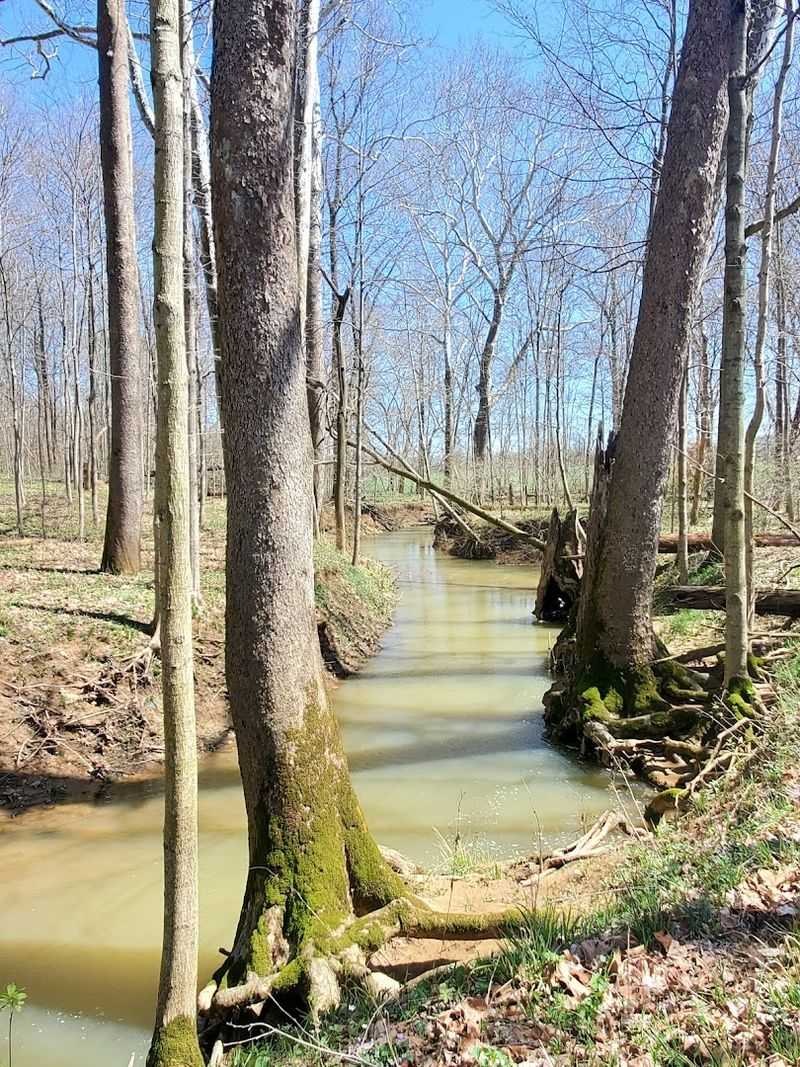
Lick Creek runs through Pioneer Mothers Memorial Forest, and its presence changes the entire character of the place. Water brings movement, sound, and life to a forest that might otherwise feel still.
The creek twists and turns between the old trees, creating small pools and riffles that attract birds, insects, and amphibians throughout the year.
Streams like Lick Creek also play a structural role in old-growth ecosystems. They carry nutrients, shape the soil, and provide habitat for species that depend on both land and water.
The combination of ancient trees and a living creek makes this one of the most ecologically rich spots in southern Indiana.
If you visit after a rain, the creek runs fuller and the forest floor smells earthy and clean. Some visitors say hearing the rain hit the leaves while standing near the water is one of the most calming experiences they have had outdoors.
That is not an overstatement. Sound and smell matter just as much as what you see in a place like this.
Pause near the creek for a few minutes instead of rushing past. Watch the water move.
Notice what is living in and around it. That kind of slow attention is what separates a real outdoor experience from just checking a location off a list.
Planning Your Visit Starts Here
The official address for Pioneer Mothers Memorial Forest is 1 S Triangle Rd, Paoli, IN 47454. It is within the Hoosier National Forest in Orange County, about 10 miles northwest of Paoli.
You can also reach it off US Highway 37, which runs through that part of southern Indiana.
Parking is limited, and that is probably the most practical thing to know before you go. The main lot off Triangle Road has only a handful of official spaces.
There is a second lot accessible from Highway 37, and some visitors park there and walk the half-mile paved road up to the trailhead. Arriving early on weekends is a smart move, especially in fall when leaf color draws more visitors.
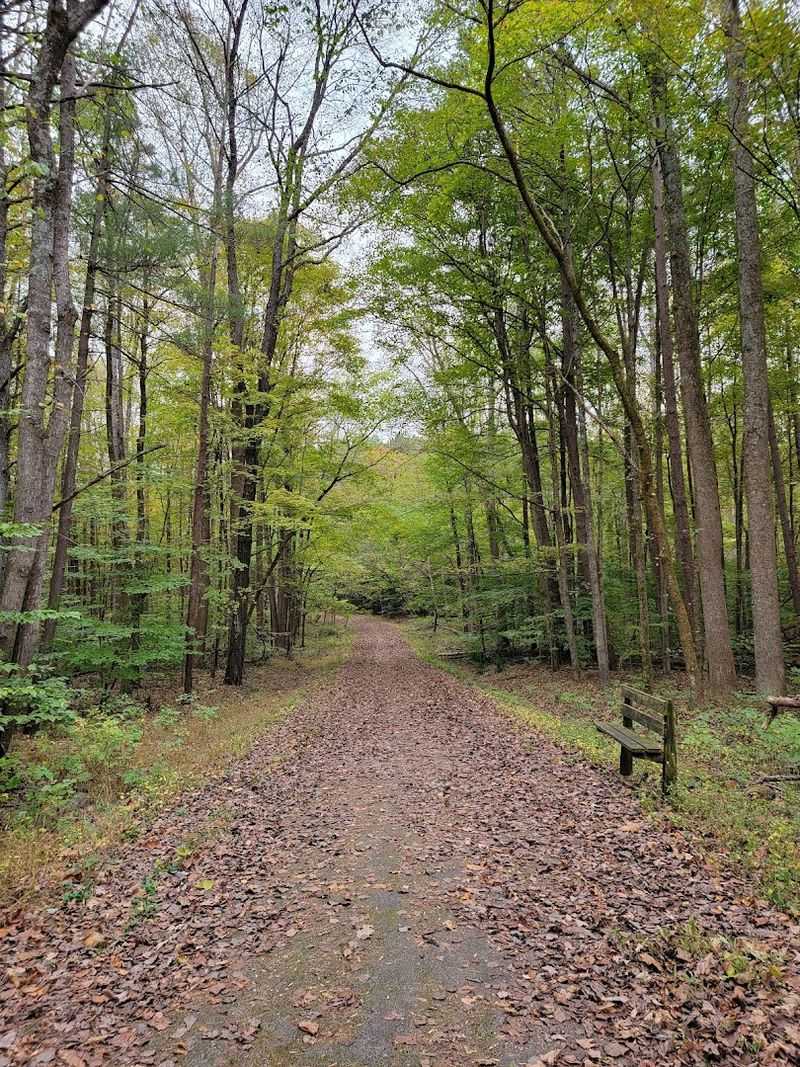
The trail itself runs about two miles total, connecting both parking areas.
The terrain is manageable for most hikers, including beginners and families with older kids. You do not need special gear, but wearing sturdy shoes is a good idea since parts of the trail can get muddy after rain.
There are no restroom facilities on site, so plan accordingly. Cell service can be spotty in this area of Indiana, so downloading an offline map before you leave is worth the two minutes it takes.
Call ahead if you have questions.
Why Preserving Old-Growth Forest Matters
Less than one percent of the original old-growth forests in the eastern United States still exists. That number is not a scare tactic.
That simple fact explains a lot. It is one reason places like Pioneer Mothers Memorial Forest draw researchers, conservationists, and nature lovers from across the country.
Old-growth forests store enormous amounts of carbon in their large trunks, roots, and soil. They provide habitat for species that cannot survive in younger, managed forests.
They filter water, stabilize soil, and support biodiversity in ways that take centuries to develop. Cutting one down and replanting does not create the same ecosystem.
It just creates a younger forest.
Scientists use old-growth sites as reference points to study how forests naturally function without human interference. The data gathered in places like this helps land managers make better decisions about forests across the region.
Visiting a site like Pioneer Mothers Memorial Forest is not just a pleasant afternoon hike. You are spending time in a place that has real scientific and ecological value.
That context makes the experience richer. Next time you stand beside a tree wider than your armspan, think about all it has survived and supported over four centuries.
That perspective tends to stick with you long after you leave the trail.
Wildlife And Sounds That Remind You This Forest Is Alive
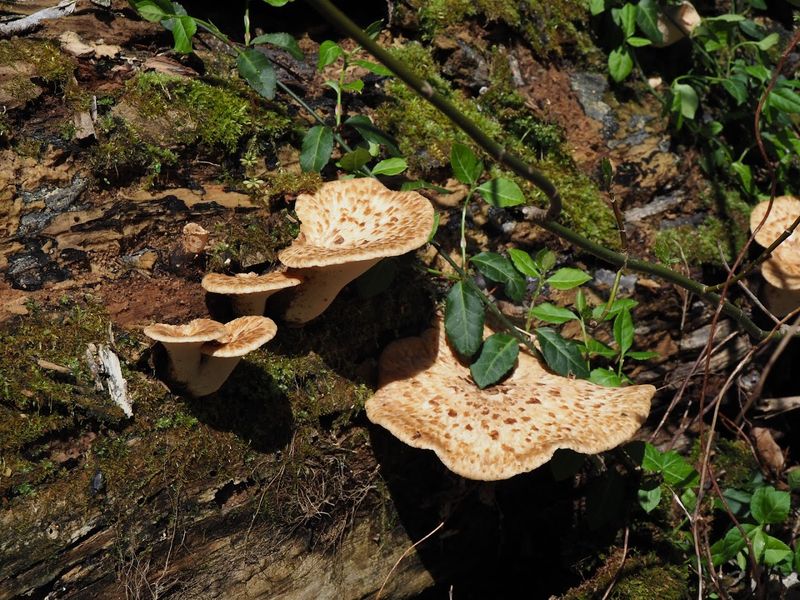
Spending time in Pioneer Mothers Memorial Forest means sharing the space with a wide range of wildlife. Birdsong is constant here, especially in spring and early summer.
Warblers, woodpeckers, and thrushes use the old-growth canopy as nesting and foraging habitat.
The presence of large dead standing trees, called snags, makes this forest especially attractive to cavity-nesting birds.
White-tailed deer move through the understory regularly, and small mammals like squirrels and chipmunks are easy to spot along the trail.
Visitors have also reported seeing snakes, which is a good sign. Snakes indicate a healthy, functioning food web.
They are not a threat if you stay on the trail and pay attention to where you step.
Amphibians love the moist soil near Lick Creek, and spring brings out salamanders and frogs in numbers that might surprise you. The forest floor itself is full of insect life that supports everything above it.
One of the most rewarding things you can do on this trail is stop walking and simply listen. Close your eyes for thirty seconds and count how many distinct sounds you can identify.
Most people are surprised by how much is happening around them when they slow down enough to notice. That kind of sensory experience is hard to find in a world full of screens and noise.
A Better Way To Experience This Rare Forest
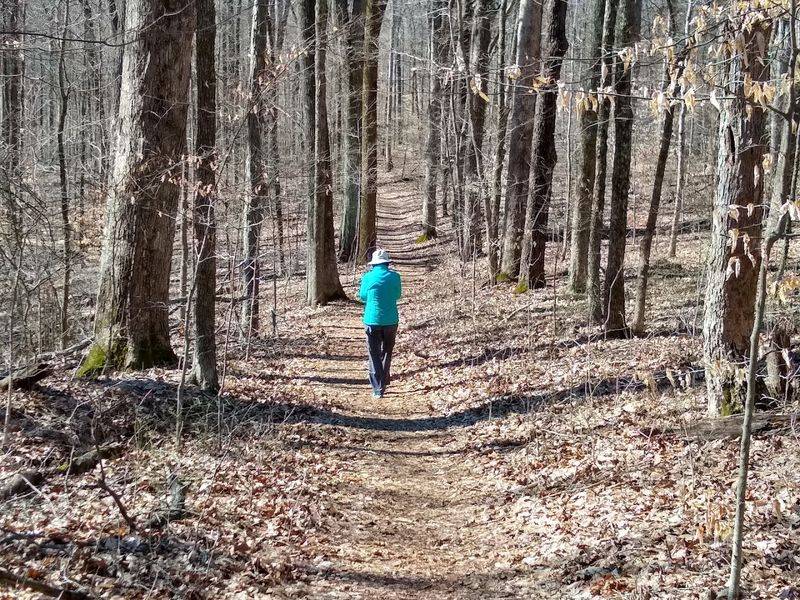
Timing your visit can make a big difference. Fall brings stunning color as the oaks and maples turn, usually peaking in mid to late October in this part of Indiana.
Spring is quieter and green, with wildflowers appearing on the forest floor before the canopy leafs out. Avoid visiting right after heavy rain if you want dry footing, though the forest does smell incredible after a storm.
Bring water, especially if you plan to walk both directions of the two-mile trail. There are no vendors or facilities on site.
A small backpack with water, a snack, and a light layer for cooler mornings is all you need. Binoculars are a worthwhile addition if you enjoy birds.
Photography works best in early morning or late afternoon when the light is softer and angled. The canopy filters harsh midday sun, but the low-angle light of golden hour adds depth and warmth to shots of the large trunks.
If you bring kids, give them a simple challenge like finding the widest tree or identifying three different leaf shapes. It keeps them engaged and builds a real connection to the place.
Leave the trail cleaner than you found it and stick to marked paths to protect trees that have been growing since before the American Revolution. That care is how this place survives for the next 400 years.
Go see it with care and curiosity, because places this old and this rare deserve a place in your memory.