A steakhouse earns its reputation the slow way, one properly cooked dinner and one very opinionated regular at a time.
Oregon has several places where decades of consistency carry more weight than trendy plating or a clever social media campaign.
Some have served generations of families, while others became local legends by doing one thing exceptionally well and refusing to complicate it.
The best part is that you do not need a formal invitation or expert knowledge to appreciate them.
You only need an appetite and enough confidence to order the cut you actually want.
Oregon diners have kept these restaurants busy through changing tastes, shifting neighborhoods, and countless debates over the correct level of doneness.
1. RingSide Steakhouse
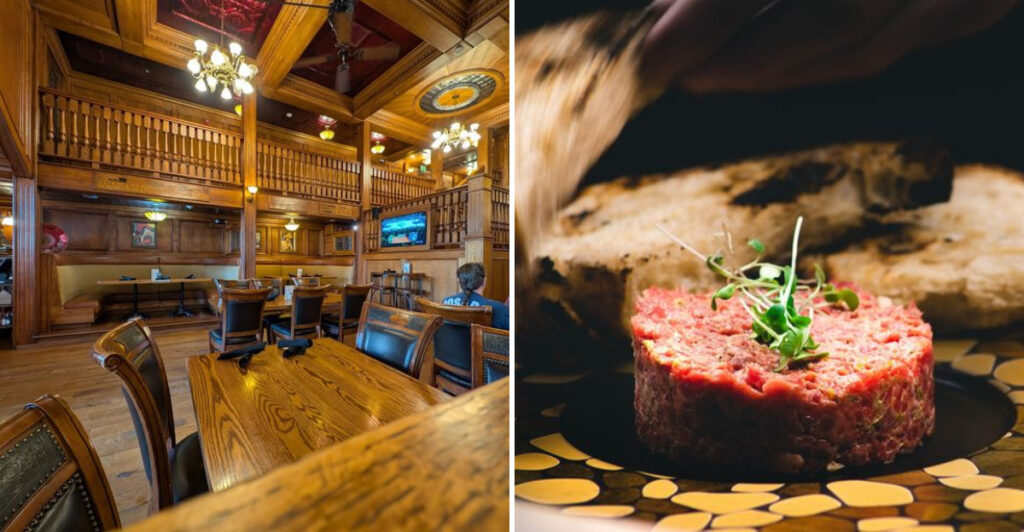
Portland diners have spent more than 80 years circling back for another steak dinner.
Since 1944, RingSide Steakhouse has combined consistent cooking, prime rib, and famous onion rings.
Prime rib anchors the menu and carries much of the restaurant’s reputation. Slow roasting gives the beef a tender texture and a rich, concentrated flavor.
The onion rings have developed a following of their own. Sharing sounds sensible until the first crisp bite reaches the table.
You can find RingSide Steakhouse at 2165 W Burnside St, Portland.
Dry-aged beef gives steak lovers another reason to pay attention. The process deepens the flavor while producing a firmer, more tender bite.
Filets, bone-in steaks, and other classic cuts round out the selection. The kitchen keeps the preparation straightforward, allowing the quality of the beef to lead.
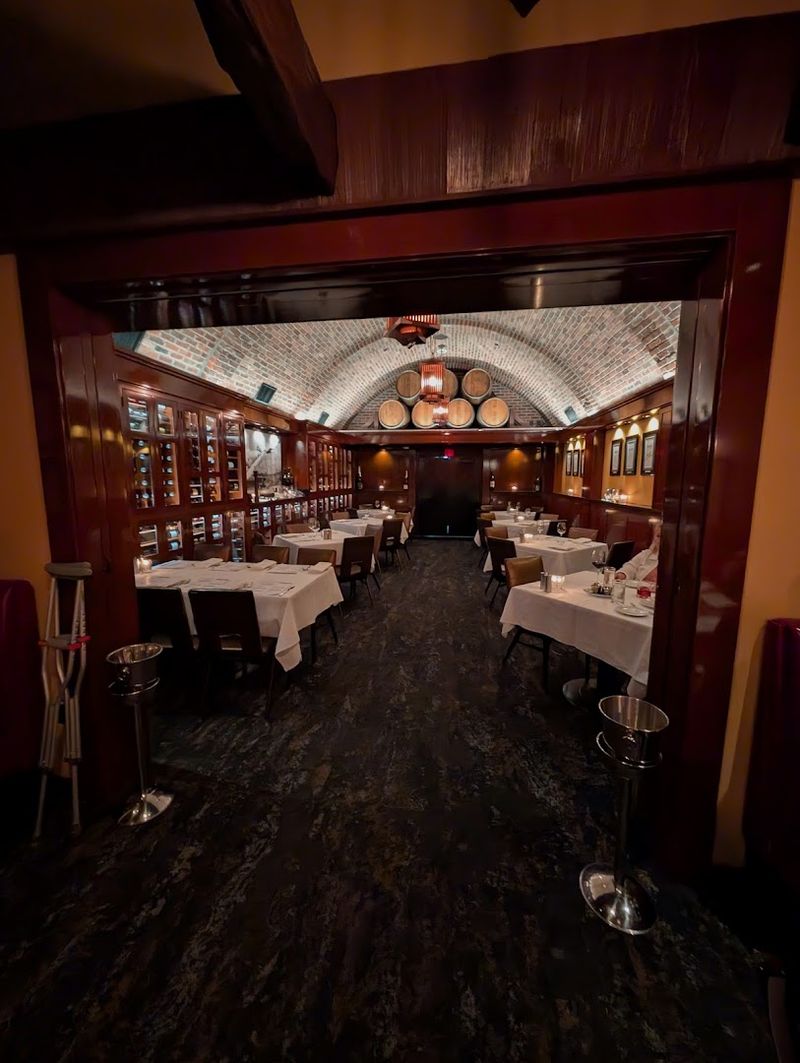
The dining room has hosted birthdays, business dinners, and ordinary evenings that became memorable. Longevity gives the space character that cannot be installed during a redesign.
Portland embraces new restaurant ideas quickly, yet RingSide has never needed to reinvent itself every season. Consistency has carried it through decades of changing tastes.
A properly cooked steak and a basket of famous onion rings make a persuasive pair. Complicated concepts can keep their diagrams.
RingSide Steakhouse built its reputation slowly, one dinner at a time. After more than 80 years, the restaurant has little left to prove.
2. Sayler’s Old Country Kitchen
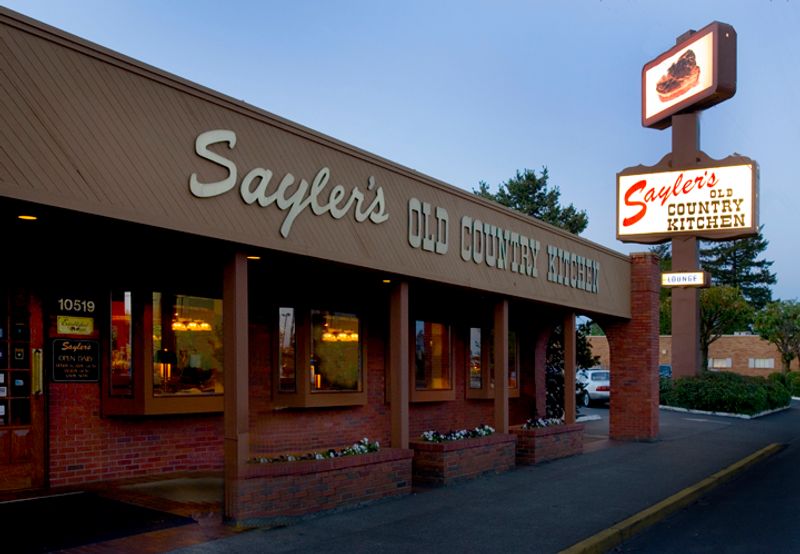
No mis-steak about it: ordering 72 ounces of beef requires confidence and very forgiving plans afterward.
Sayler’s Old Country Kitchen has also served sensible portions since 1947.
The restaurant is best known for its 72-ounce steak challenge. Finishing the entire meal within the time limit turns dinner into a test of appetite and questionable confidence.
The challenge may attract attention, but the regular menu gives the restaurant its staying power. Steaks come in several sizes, including options that do not require a recovery plan.
Classic side dishes support the beef without competing for attention. The formula is familiar, satisfying, and refreshingly direct.
Sayler’s carries the spirit of a mid-century American steakhouse. The dining experience values hearty food over passing trends or elaborate presentation.
Portland has changed dramatically since the restaurant opened. The kitchen’s focus on large cuts and traditional preparations has stayed remarkably consistent.
That stability gives longtime diners a reliable sense of familiarity. Returning after several years should not require studying an entirely new concept.
The 72-ounce challenge adds a playful layer to the restaurant’s identity. Most guests will wisely choose a smaller steak and enjoy watching someone else attempt history.
Nearly eight decades in business is a stronger endorsement than any temporary dining craze. Sayler’s earned its reputation through repetition, patience, and plenty of beef.
You can find Sayler’s Old Country Kitchen at 10519 SE Stark St, Portland.
3. Bos Taurus
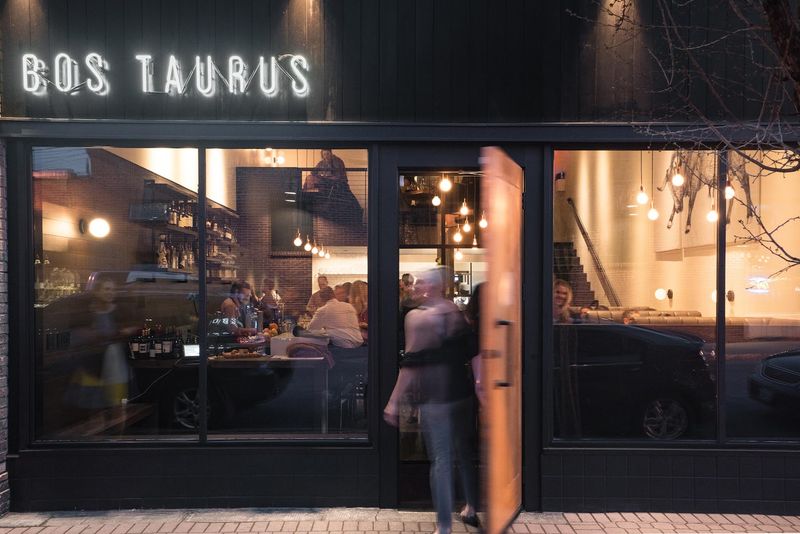
Dry-aged beef can completely change a night out in downtown Bend. Bos Taurus pairs serious sourcing with precise cooking for diners who judge steaks by more than size.
You can find Bos Taurus at 163 NW Minnesota Ave, Bend, in the heart of downtown.
Dry aging concentrates flavor and changes the texture of the meat. The result is a richer steak with a firmer, more tender bite.
The menu shifts according to available cuts and sourcing. That keeps the selection connected to what the kitchen can serve at its strongest.
Prime beef leads the experience, while house-prepared sides round out the meal. Nothing on the plate needs to compete with the steak for attention.
Charcuterie and other starters give diners a reason to slow down before the main course. Patience becomes easier once the first steak reaches the table.
Bend may be famous for outdoor adventures, but dinner here can become the evening’s main event. Hiking boots have no objection to a properly cooked ribeye.
The restaurant pays close attention to where its beef comes from. That focus helps each cut arrive with a clearer sense of quality and purpose.
A mountain town steakhouse could lean entirely on atmosphere. Bos Taurus builds its reputation in the kitchen instead.
Bos Taurus proves Bend’s dining scene can hold its own beside the scenery. The dry-aged beef makes a strong case for staying in town after sunset.
4. Laurelhurst Market
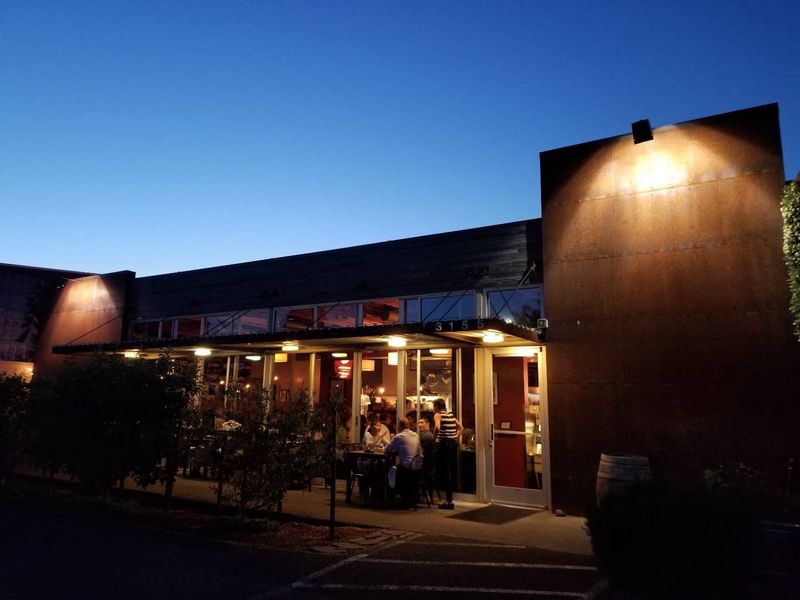
Laurelhurst Market began with a butcher’s understanding of beef. That foundation still shapes how the kitchen chooses, cuts, and serves every steak.
The restaurant and butcher shop operate side by side. That connection gives the dining room direct access to carefully handled meat and house-made charcuterie.
Steak selections rotate according to what the butcher case provides. Repeat visits can bring different cuts without making the menu seem unfocused.
You can find Laurelhurst Market at 3155 E Burnside St, Portland.
Whole-animal butchery guides much of the kitchen’s work. Using more of each animal supports a broader range of cuts and preparations.
Charcuterie is one of the restaurant’s strongest specialties. Cured meats and house-prepared starters make waiting for the steak considerably easier.
The dual setup is more than a clever concept. Butcher expertise carries directly into the dining room, where sourcing and preparation stay closely connected.
Portland diners often ask where their food comes from. Here, the answer is visible before the plate reaches the table.
A rotating steak menu rewards curiosity. Choosing an unfamiliar cut may lead to the best decision of the evening.
Laurelhurst Market has built its reputation by knowing beef before it reaches the grill. That knowledge gives every steak a stronger beginning.
5. Chateaubriand 36
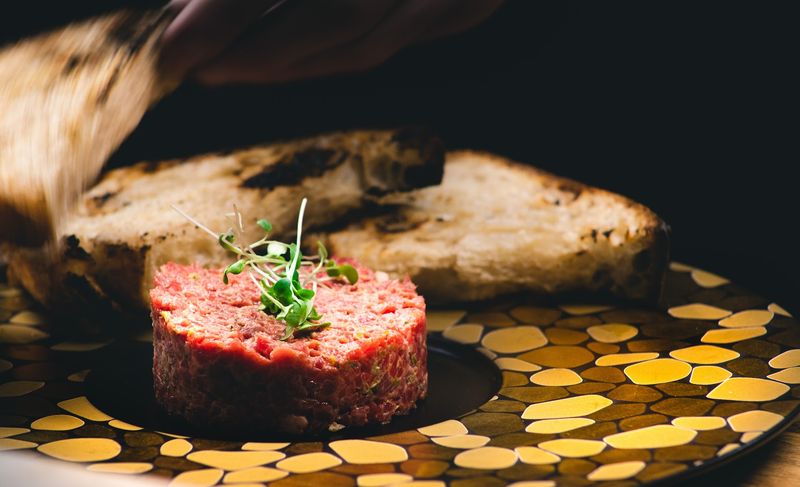
A center-cut tenderloin can turn an Ashland dinner into a proper occasion.
Chateaubriand 36 uses French technique to create a steakhouse experience suited to this famous theater town.
You can find Chateaubriand 36 at 36 S 2nd St, Ashland.
The restaurant takes its name from the traditional center-cut beef tenderloin roast. That preparation is often served for two, which gives dinner an immediate sense of occasion.
Tenderloin is prized for its soft texture and mild flavor. Careful cooking is essential because the cut has little room for error.
The menu leans toward familiar steakhouse preparations with thoughtful French touches. Strong technique keeps the dishes composed without making them overly complicated.
Ashland is widely known for the Oregon Shakespeare Festival. A serious steak dinner makes a convincing second act after an evening at the theater.
Southern Oregon has fewer steakhouses than Portland, so this level of focus stands out. The kitchen gives local diners a reason to stay close to home.
The restaurant’s name creates a bold promise. Fortunately, the beef carries enough confidence to support it.
Sharing chateaubriand sounds romantic until both diners reach for the final slice. Good table manners may require negotiation.
Chateaubriand 36 has built its reputation through focused cooking and a clear identity. Ashland supplies the drama, while the steak handles the applause.
6. Hamley Steakhouse & Saloon
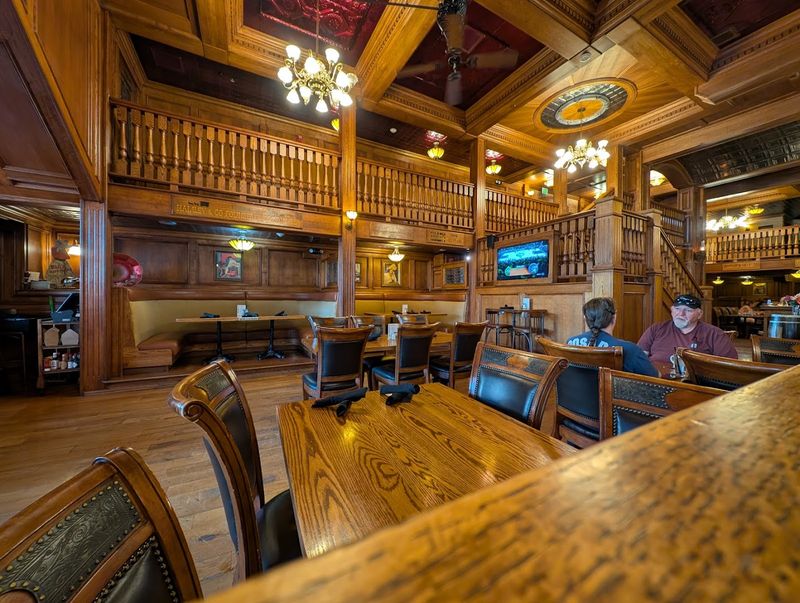
Boots are optional, but a serious appetite fits right in.
At this spot, diners get Pendleton ranching history without a Western costume show.
The steakhouse belongs to the larger Hamley complex, which includes a historic Western store and saddlery. That connection gives the dining room genuine regional character.
Beef cuts lead the menu with hearty portions and familiar preparations. The kitchen keeps the focus on flavor instead of elaborate presentation.
Eastern Oregon’s ranching culture shapes the experience. Steak here fits the local story as naturally as boots at a rodeo.
Pendleton is home to the nationally known Pendleton Round-Up. The city’s connection to ranching and rodeo continues throughout the year.
Western details fill the dining room without turning the space into a stage set. Much of the character comes from Hamley’s own history.
The menu favors direct steakhouse cooking. A well-prepared cut arrives ready to satisfy, with no speech required from the plate.
Local history gives dinner extra weight, but the beef still has to deliver. Fortunately, the kitchen understands which part diners came to test.
A restaurant surrounded by saddlery history should know how to handle a serious steak. Hamley has had plenty of time to practice.
You can find Hamley Steakhouse & Saloon at 8 SE Court Ave, Pendleton, in the center of the city’s historic downtown.
7. Ox
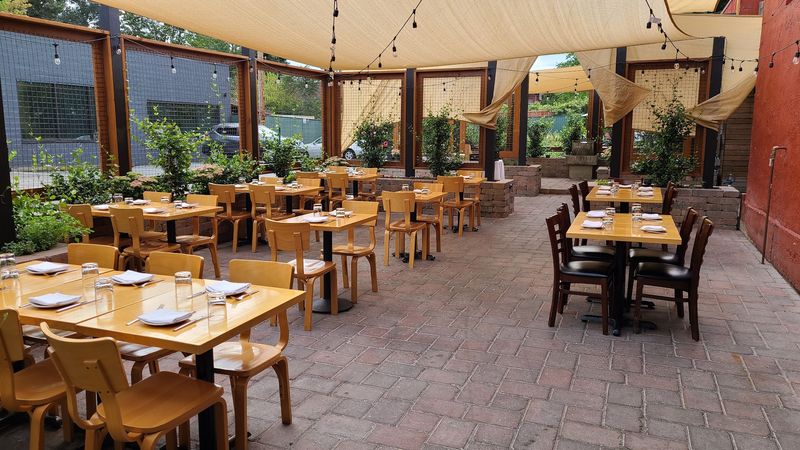
Ox built its Portland reputation around Argentine-inspired wood-fire cooking. The open grill drives the menu instead of serving as decoration.
The kitchen draws from Argentina’s asado tradition, where beef cooks slowly over wood or charcoal. That method gives each cut a deeper, smokier character.
Seasonal Pacific Northwest ingredients bring a local edge to the approach. Vegetables and seafood also take on the flavor of the fire.
You can find Ox at 2225 NE Martin Luther King Jr Blvd, Portland.
Beef remains the main attraction for many diners. Live-fire cooking creates crisp edges, tender centers, and a flavor conventional ovens struggle to match.
The grill demands steady attention and precise timing. Fire has little patience for hesitation, and neither does a good steak.
The Argentine influence stays clear throughout the menu. It shapes the cooking method, seasoning, and rhythm of the meal.
Ox gained attention well beyond Portland for its focused approach. The restaurant’s identity stays specific instead of borrowing loosely from several traditions.
Watching the flames adds energy to dinner, but the technique does the real work. Smoke and heat leave their mark on every plate.
Ox proves a steakhouse can respect tradition while still reflecting Oregon. The fire may be ancient, but the result tastes entirely current.
8. Cowboy Dinner Tree
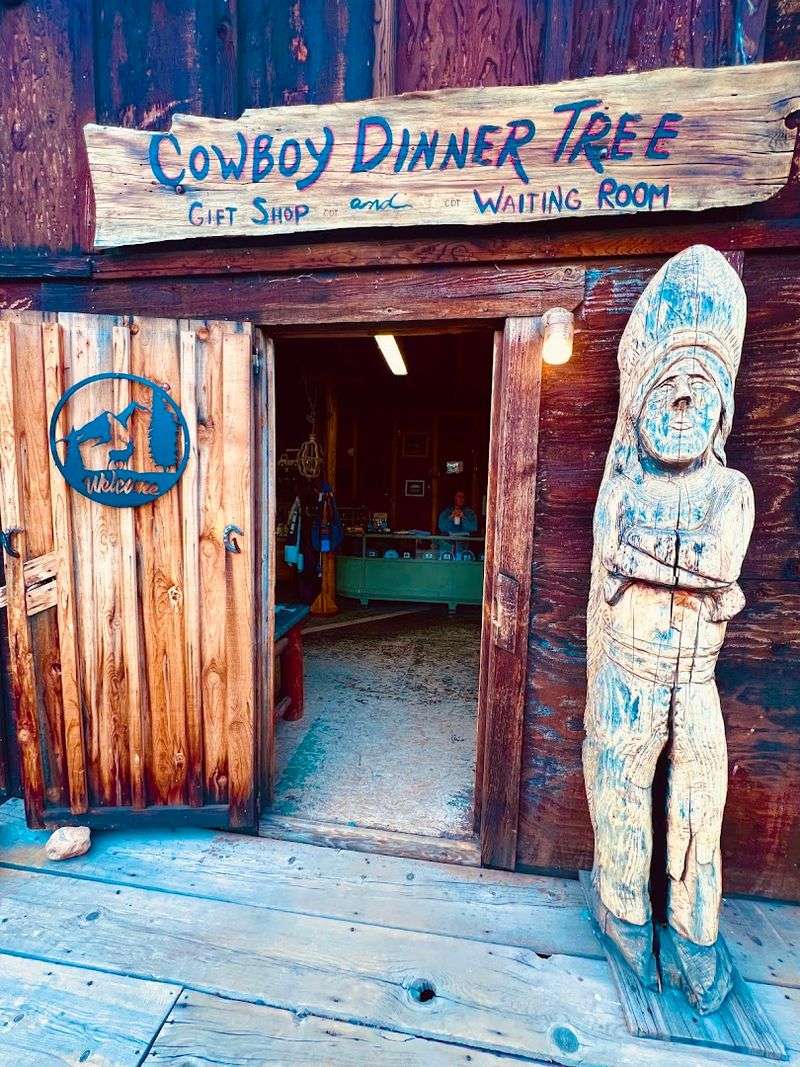
The steaks are high, and the drive is long. At Cowboy Dinner Tree, careful planning leads to a 26-ounce cut and a full ranch-style meal.
The menu keeps choices simple with a whole roasted chicken or a 26-ounce steak. Indecision does not get much room at this table.
You can find Cowboy Dinner Tree at 50836 E Bay Rd, Silver Lake.
Each meal includes soup, beans, bread, and dessert. The portions reflect ranch cooking built for people with serious appetites.
Reservations are required because the restaurant follows a limited schedule. Arriving without one would make the long drive considerably less charming.
The ranch-style building has welcomed diners since the 1990s. Its straightforward character suits the surrounding open landscape.
The steak arrives without complicated presentation. Size, careful cooking, and a hearty collection of sides provide plenty of drama already.
Oregon’s high desert stretches widely around the restaurant. Long roads and broad views make the destination seem even farther from everyday routines.
A 26-ounce steak is not an order made casually. It is the sort of dinner that encourages comfortable clothing and realistic dessert expectations.
Cowboy Dinner Tree earned its reputation by offering an experience few restaurants can copy. The journey is long, the menu is brief, and the meal is impossible to call small.
9. Haines Steak House
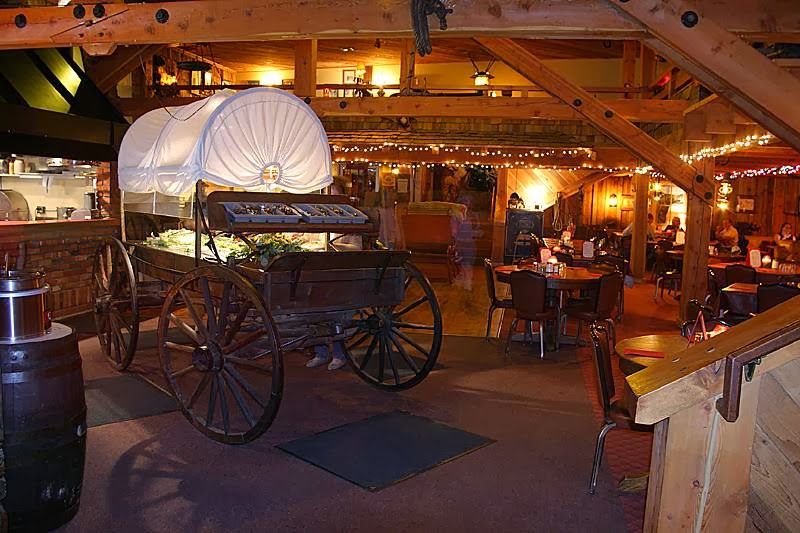
Some steak dinners begin with a reservation; this one may also require checking the fuel gauge. Diners travel to tiny Baker County for Haines Steak House’s generous cuts.
Locally raised beef gives the menu a clear regional identity. The connection between the kitchen and nearby ranches is part of the restaurant’s long-standing appeal.
Steaks arrive in generous portions with classic preparation. The kitchen focuses on cooking the beef properly instead of chasing elaborate trends.
That straightforward approach suits the setting. A rural steakhouse does not need theatrical plating when the main cut already has plenty to say.
Haines is a small Baker County community, but the restaurant attracts diners from beyond town. Travelers make the detour because the beef has earned a reputation of its own.
The menu keeps familiar steakhouse traditions intact. Large cuts, hearty sides, and confident cooking create the kind of dinner people remember.
Simplicity requires precision. When there are fewer distractions on the plate, every detail of the steak becomes easier to judge.
The restaurant’s local roots give the experience more character than a generic chain can offer. Dinner here belongs specifically to Eastern Oregon.
A long drive for steak may sound ambitious. One properly cooked cut can make the mileage seem like excellent planning.
You can find Haines Steak House at 910 Front St, Haines.
10. Clyde’s Prime Rib Restaurant
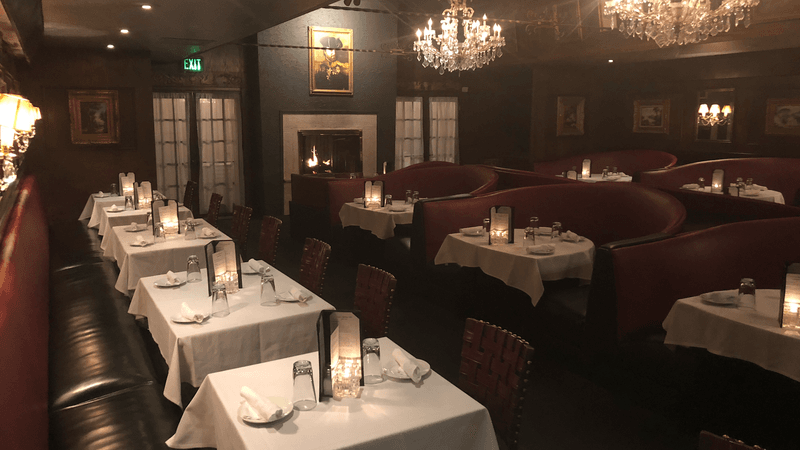
Portland has treated prime time as dinner time here for decades.Here, diners still get slow-roasted beef and tableside carving in classic supper-club style.
You can find Clyde’s Prime Rib Restaurant at 5474 NE Sandy Blvd, Portland, in the Hollywood District.
The beef is slow-roasted to preserve tenderness and deepen its flavor. Diners can choose among several portion sizes, including a king cut for especially serious appetites.
Au jus, creamed horseradish, and baked potatoes complete the traditional presentation. The sides support the prime rib without stealing its spotlight.
Tableside carving adds a little theater to dinner. A rolling cart approaches, the knife comes out, and suddenly everyone nearby remembers why they ordered beef.
That style of service connects Clyde’s to classic American supper clubs. Few Portland restaurants still preserve the ritual with this much confidence.
Prime rib demands patience and accurate timing. The kitchen must roast slowly, rest the meat properly, and carve each portion at the right moment.
Portland’s dining trends have changed repeatedly, yet Clyde’s has kept its central idea intact. The restaurant knows what its regulars expect and delivers it consistently.
A carving cart may look nostalgic, but the appeal is practical. Guests can see the cut before it reaches the plate, which adds anticipation to the meal.
Clyde’s built its reputation without chasing every new idea. A tender slice of prime rib has carried the conversation for decades.