
A proper Pennsylvania comfort food should confuse an outsider for five seconds and win them over in ten.
Pot pie arrives without a crust. Scrapple looks deeply unpromising until the edges hit the frying pan. Shoofly pie sounds like kitchen pest control, but tastes like molasses decided to show off.
Pennsylvania families did not need food trends to tell them what worked. They had crowded tables, hungry relatives, and recipes measured with instructions such as “you will know when it is ready.”
That confidence still shows up on every plate. Pierogies start arguments over fillings. Cheesesteaks can turn a cheese choice into a civic debate. One soft pretzel rarely survives the walk home.
Pennsylvania comfort foods are practical, filling, and completely uninterested in behaving politely.
The first one cannot even follow the basic rules of pie, which is exactly why it deserves to go first.
1. Dutch Chicken Pot Pie
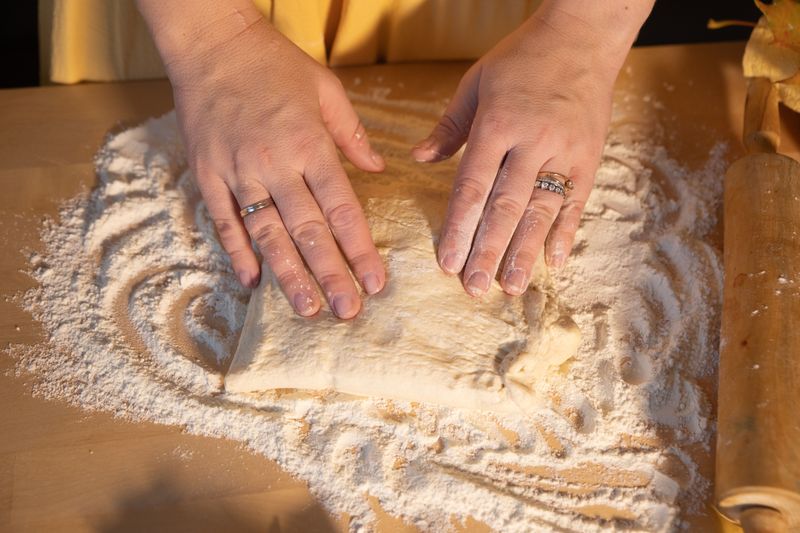
Pot pie without a crust sounds like somebody forgot an important step. Pennsylvania Dutch cooks would strongly disagree.
This version replaces the pastry shell with thick, flat dough squares that simmer directly in the broth. They absorb the chicken flavor while keeping enough structure to make every spoonful substantial.
Pennsylvania Dutch families have prepared the dish for generations, although the exact recipe changes from one kitchen to another.
Chicken, broth, potatoes, and flat dough squares usually form the base. Carrots, celery, parsley, onions, and other additions depend on the cook.
Those dough squares are the feature that separates this dish from the baked pot pies found elsewhere. Homemade versions can be thick and chewy, giving the bowl a heartiness that ordinary noodles rarely manage.
The dish remains unconcerned with presentation. It arrives looking humble and quietly makes a second helping feel inevitable.
Call it stew if the lack of crust bothers you. Just do not expect anyone at the table to surrender the final spoonful.
2. Pierogies
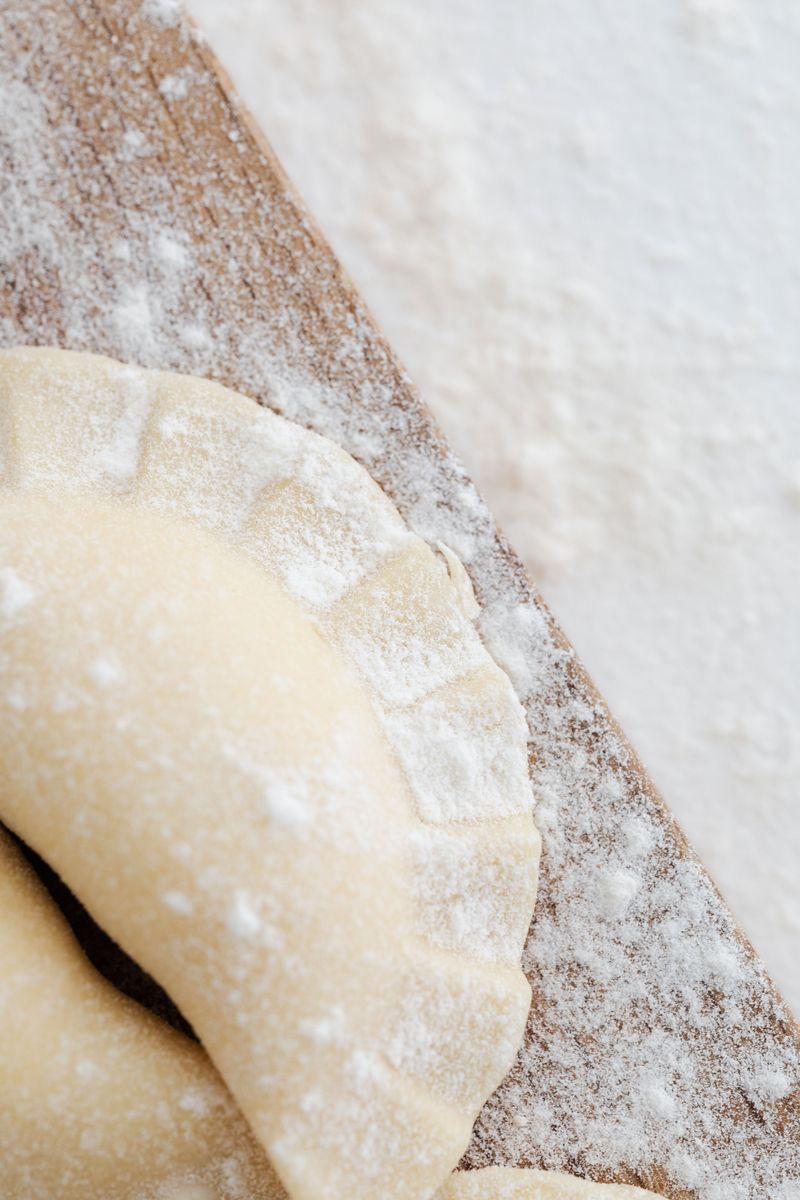
Pittsburgh could probably settle on one spelling before it settles on one favorite pierogi filling.
These Eastern European dumplings became deeply rooted in the city through communities that settled in its industrial neighborhoods.
Today, pierogies remain such a Pittsburgh staple that they appear at restaurants, food trucks, church events, festivals, and even baseball games.
Potato and cheese may be the familiar favorite, but fillings vary widely. Farmer cheese, sauerkraut, mushrooms, and other combinations all have loyal supporters.
One popular preparation begins by boiling the dumplings and then finishing them in a pan with butter and onions. The soft dough picks up lightly browned edges while the onions turn sweet and golden.
Many western Pennsylvania families have inherited recipes that come with firm opinions and suspiciously vague measurements.
“Enough flour” is apparently a perfectly acceptable instruction when the cook has made the dish for forty years.
Commercial versions are easy to find, but homemade pierogies carry a different kind of authority.
Add sour cream, extra onions, or nothing at all. Somebody nearby will still explain you why their family does it better.
3. Scrapple
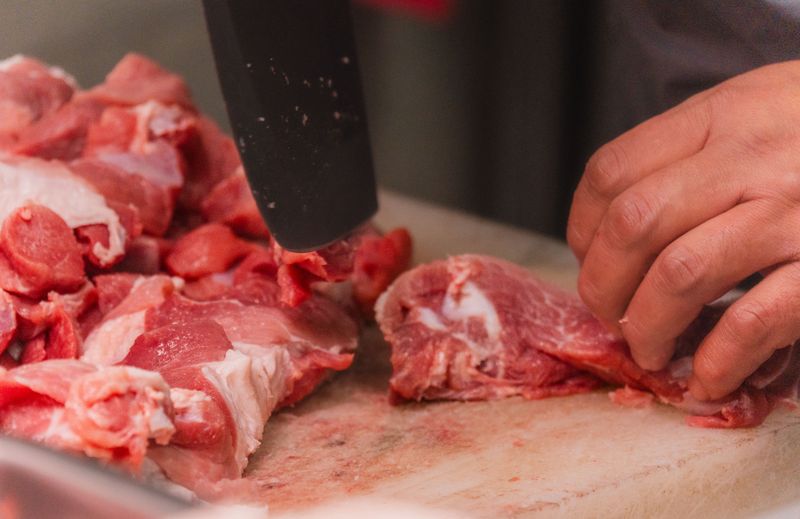
Scrapple has never hired a publicist. It simply shows up at breakfast and lets the frying pan make its case.
Its roots reach back to German panhaas, a pork-and-grain tradition that German-speaking settlers adapted in the Mid-Atlantic. Pork scraps or trimmings are cooked, combined with cornmeal or wheat flour, seasoned, and formed into a loaf.
That loaf may not win any beauty contests in its uncooked state. Slice it, fry it, and the situation changes quickly.
The outside develops a deeply browned crust while the middle remains soft and savory. Cutting into it too early risks losing the crisp exterior, so patience matters more than the ingredient list might suggest.
Toppings invite their own small arguments. Maple syrup gives the salty pork a sweet contrast. Ketchup has loyal defenders.
Apple butter, mustard, and plain scrapple also have supporters who see no reason to negotiate. It is practical food built around using what was available rather than wasting it.
Scrapple does not need to look glamorous. Breakfast already knows who is doing the heavy lifting.
4. Chipped Chopped Ham Barbecue Sandwiches
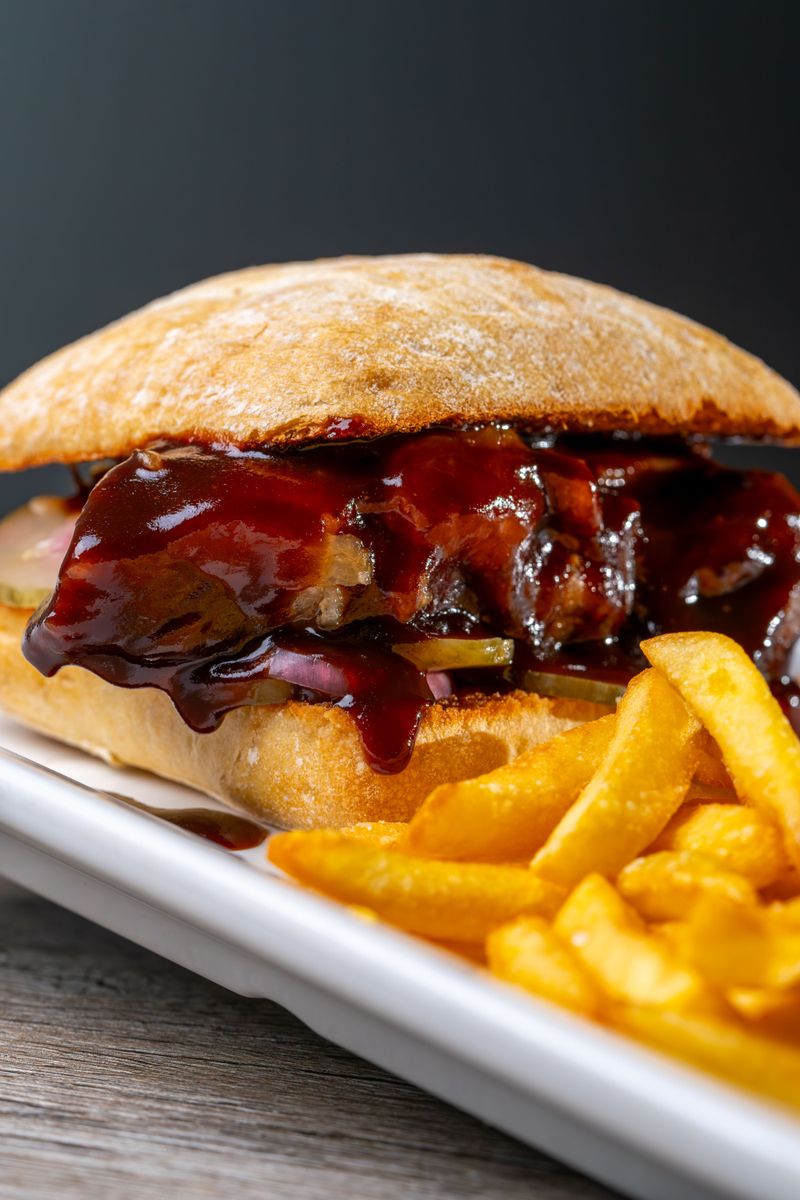
One soft bun, a pile of paper-thin ham, and enough sauce to possibly stain your shirt. Pittsburgh nostalgia rarely arrives this efficiently.
Chipped chopped ham begins as a seasoned loaf made with chopped ham and trimmings. The meat is then shaved extraordinarily thin, a process known locally as chipping.
Isaly’s helped turn the product into a western Pennsylvania institution. Families brought the ham home from the deli counter, warmed it in a sweet barbecue sauce, and spooned it onto plain buns.
The sandwich required little time, few ingredients, and absolutely no concern for appearing sophisticated. That simplicity made it useful for weeknight meals, parties, and any occasion when several hungry people needed feeding quickly.
The thin slices absorb the sauce without losing their texture. Once piled onto the bun, they create a sandwich that is slightly messy and much harder to stop eating than its appearance suggests.
Nobody needs tweezers or a dramatic plate reveal here. You need napkins. One sandwich feels sensible, and the second usually arrives disguised as quality control.
5. Chicken Corn Soup With Rivels
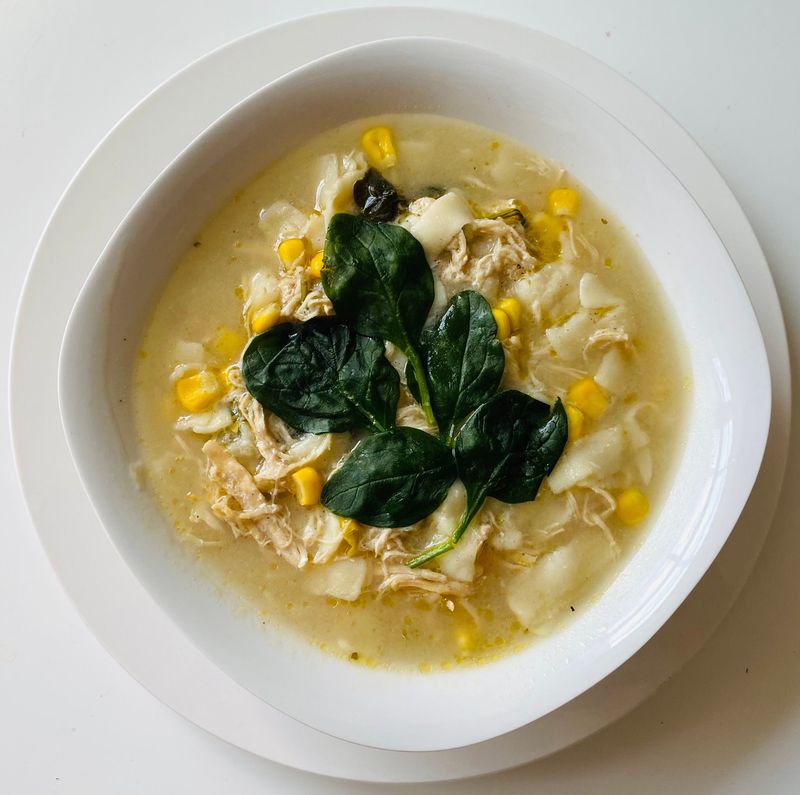
Rivels look like tiny dumplings that missed a meeting about uniformity. Fortunately, soup has never cared about symmetry.
These small pieces of dough are usually made from flour and eggs, then dropped into simmering chicken broth. Their rough shapes help them absorb the liquid and give the soup a pleasantly chewy texture.
Chicken, corn, and savory broth form the foundation. Some versions also include hard-boiled eggs, herbs, or vegetables, depending on the family or region.
The corn adds sweetness while the shredded chicken makes the bowl filling enough to stand on its own. Then the rivels arrive and turn a familiar soup into Pennsylvania Dutch cooking.
This is the sort of dish that scales easily for community meals and family gatherings. A large pot can feed plenty of people without requiring anyone to perform complicated kitchen gymnastics.
It also smells like dinner before dinner has officially started. This may be its most effective trick.
Rivels may not photograph beautifully, but they know their job. They thicken the bowl and make your ordinary crackers feel unnecessary.
6. Dutch Ham Balls
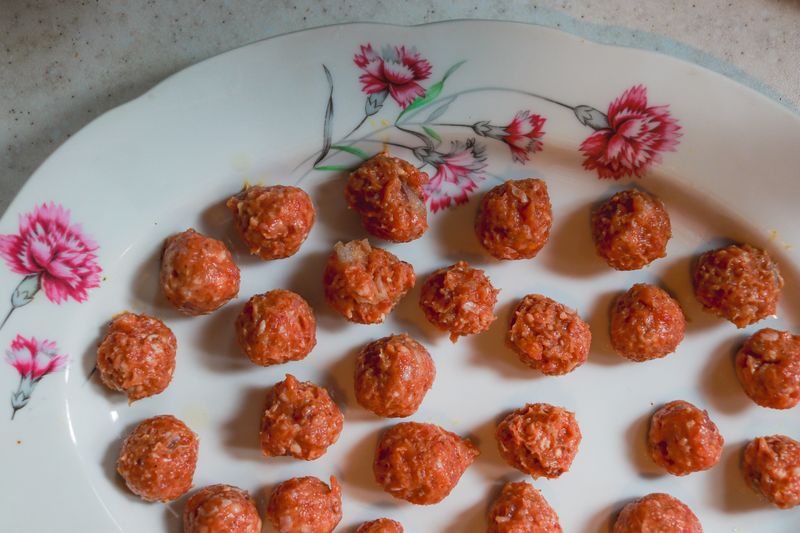
Ham balls rarely receive applause when they enter the room. Then the glaze starts bubbling.
Ground ham and pork are mixed with binding ingredients, shaped into generous rounds, and baked until tender. A glaze often includes brown sugar, mustard, and vinegar, but recipes vary from one cook to another.
The result lands somewhere between a meatball and glazed ham. The pork brings richness, while the glaze adds enough acidity and sweetness to keep the dish from becoming too heavy.
Ham balls also understand the practical side of comfort food. They can be prepared in large batches, transported without much trouble, and reheated when the table is ready.
That makes them a natural fit for gatherings and buffet tables where the serving spoon never seems to rest.
The scent of the glaze caramelizing in the oven tends to reach the room before the dish does. By then, pretending you only want one has already become unrealistic.
They may not be famous outside the region, but they have never had trouble finding an empty spot on a local plate.
7. Haluski
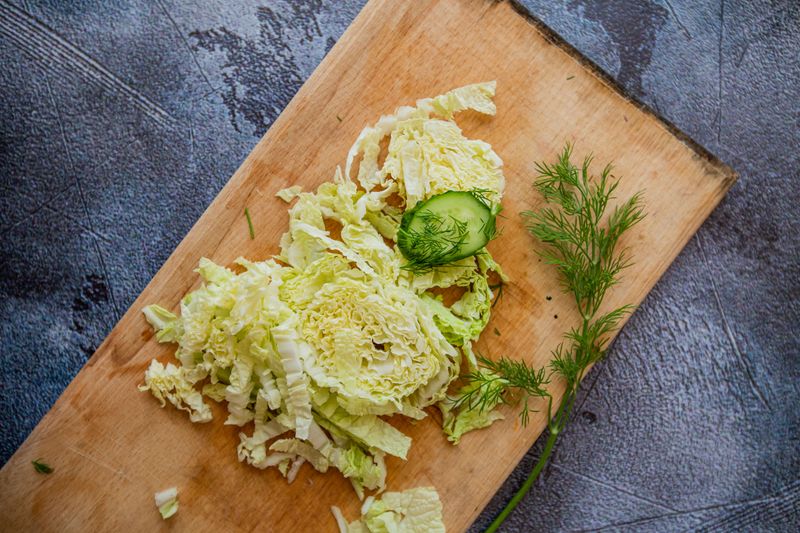
Cabbage and noodles should not be this exciting. Butter clearly has excellent negotiation skills.
In western Pennsylvania, haluski commonly refers to egg noodles cooked with cabbage, onions, and plenty of butter. The cabbage softens and sweetens in the pan while the onions cook down into the background.
Once the noodles join the mixture, they collect the buttery flavor and turn four humble ingredients into a dish that feels much richer than its shopping list suggests.
The name connects to several Central and Eastern European food traditions. In parts of Europe, similar words can describe dumpling-based dishes rather than the egg-noodle version familiar around Pittsburgh.
Communities adapted those traditions over generations, and the cabbage-and-noodle preparation became firmly established in western Pennsylvania cooking.
Local versions may include kielbasa or bacon. Others keep the dish simple with nothing more than noodles, cabbage, onions, butter, salt, and pepper. No garnish is required. Nobody is waiting for microgreens.
Haluski arrives beige, buttery, and completely confident that appearance is not the reason you invited it.
8. Pork And Sauerkraut
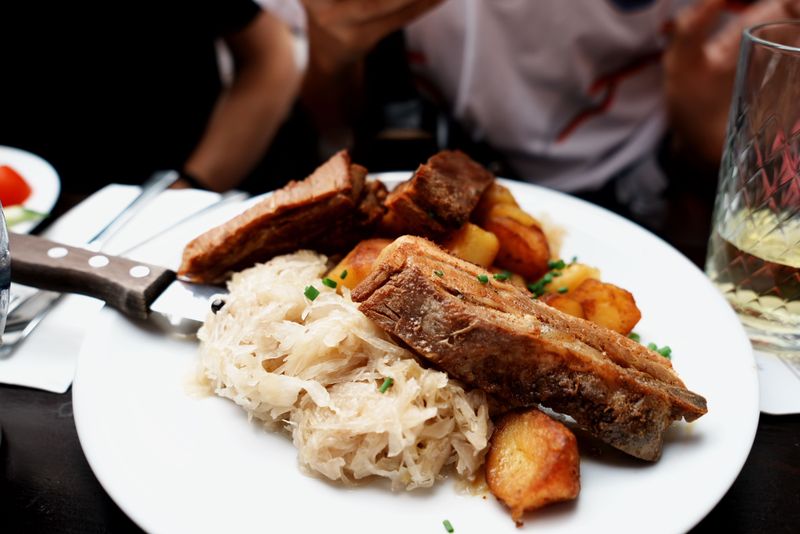
January 1 arrives with resolutions, optimism, and a pork roast that has been given serious responsibility.
Many Pennsylvania families serve pork and sauerkraut on New Year’s Day in hopes of bringing good luck and prosperity into the months ahead.
The tradition draws on Germanic customs carried into the state. Pork became associated with forward movement because pigs root ahead as they forage. Sauerkraut and cabbage became symbols of prosperity and good fortune.
Luckily, the meal does not survive on symbolism alone. Slow cooking tenderizes the pork while the sauerkraut absorbs the savory juices. The finished dish balances rich meat with bright acidity.
It makes the combination taste more carefully planned than its short ingredient list suggests.
Different households use pork loin, shoulder, ribs, sausage, or other cuts. Potatoes, dumplings, and pierogies may also appear beside the main dish.
Skipping it does not guarantee twelve months of chaos, of course. Still, you don’t want to be the one who tests that theory.
When tradition tastes this good, arguing with superstition seems like unnecessary work.
9. Philly Cheesesteaks
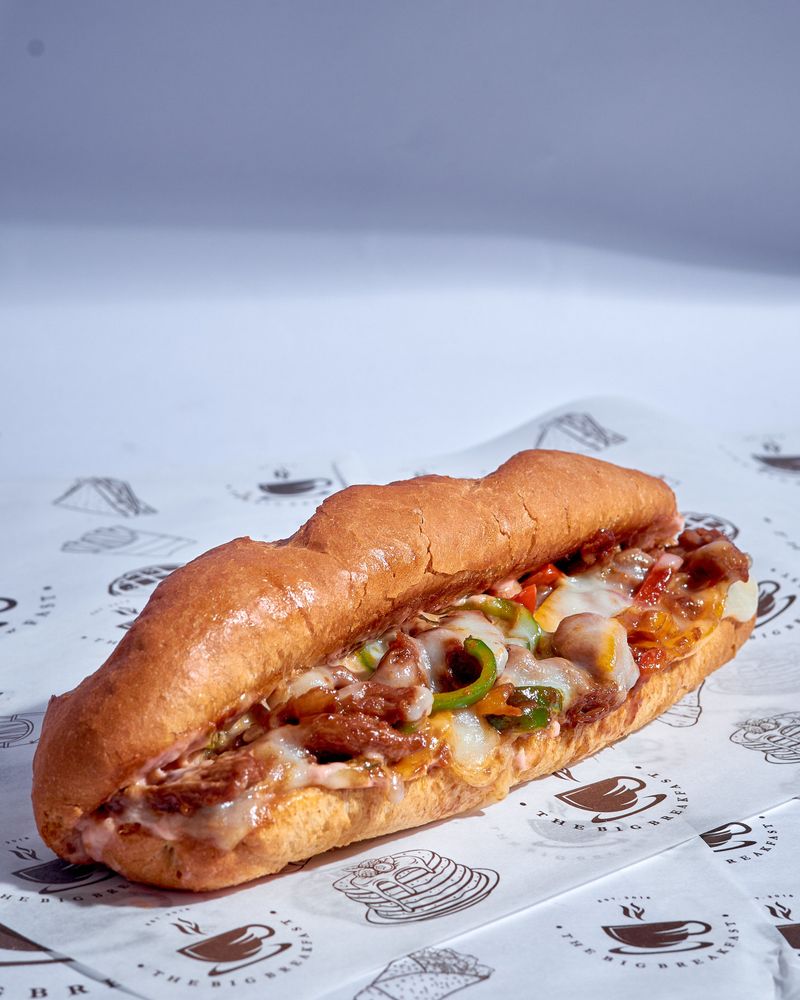
Philadelphia can debate three cheese options for several decades and still consider the conversation unfinished.
A classic cheesesteak starts with thinly sliced beef cooked quickly on a flat griddle and tucked into a long roll. Ribeye and top round are common choices, although individual shops follow their own methods.
The roll matters nearly as much as the meat. Amoroso is a famous Philadelphia bakery associated with cheesesteaks, but shops also rely on bread from other local producers.
Then comes the question that can delay an order and start an argument: Cheez Whiz, provolone, or American?
Each has defenders. Fried onions introduce another decision, commonly reduced to the wonderfully efficient choice of “with” or “without.”
For locals, the cheesesteak is not limited to tourist stops or special occasions. It can be quick takeout, a post-game meal, or the sandwich attached to one neighborhood shop and one highly specific family order.
Loyalty runs deep because the details matter. You may believe you are merely choosing lunch. Philadelphia knows you are quietly declaring an allegiance.
10. Philly Soft Pretzels
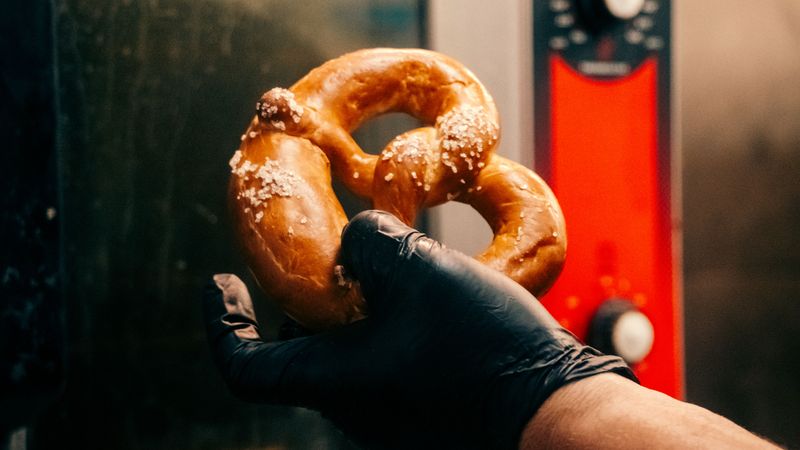
A Philadelphia soft pretzel looks like the regular pretzel’s longer, flatter cousin who has stopped trying to impress anyone.
The city’s version is traditionally dense and chewy rather than puffy like the oversized ones sold at malls. The exterior browns in the oven, while salt melts slightly against the surface.
Philly pretzels may be baked and sold in connected rows, creating the satisfying experience of pulling one away from its neighbors before eating it.
Yellow mustard remains the classic partner. The sharpness cuts through the mild dough and gives the snack more personality without turning it into a complicated production.
For generations, pretzels have appeared at neighborhood bakeries, street stands, and sporting events. Their appeal came partly from being affordable and easy to eat while going somewhere else.
A napkin is negotiable since the salt on your shirt is simply evidence.
Freshness matters though. A warm Philly pretzel has very little in common with one that has spent several lonely hours in plastic.
11. Shoofly Pie
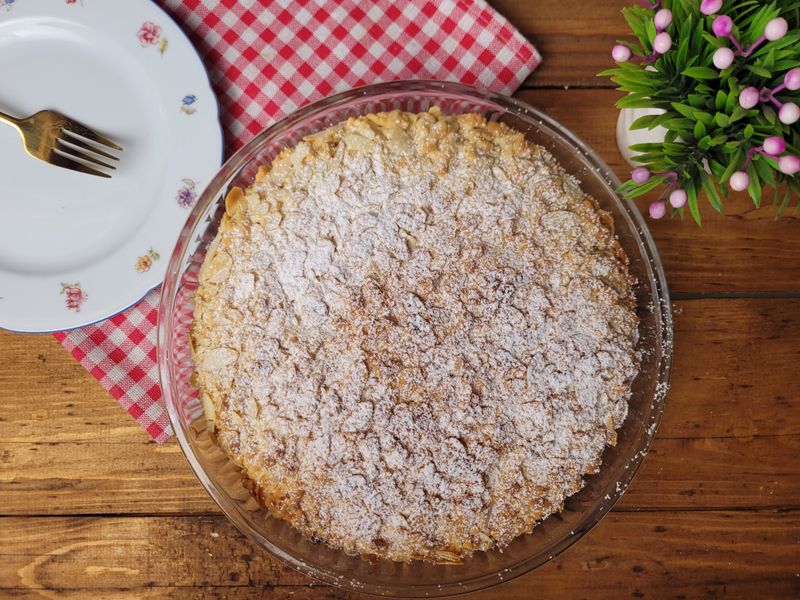
Shoofly pie sounds like an instruction shouted across a kitchen. The flavor is much more welcoming.
This Pennsylvania Dutch specialty combines molasses, pastry, and a crumb topping. Wet-bottom versions retain a gooey molasses layer beneath the crumbs. Dry-bottom pies bake into a firmer, more cake-like texture.
The molasses gives the dessert a deep sweetness with slightly bitter, almost smoky notes. That intensity explains why a modest slice can feel more than adequate.
Shoofly pie became closely associated with Pennsylvania Dutch country, particularly Amish, Mennonite, and Moravian communities.
Its unusual name does not have one conclusively proven explanation. A familiar story claims bakers had to shoo flies away from the sweet filling. Another theory connects the name to an old brand of molasses.
Both stories are more entertaining than “molasses crumb pie,” so the mystery has done the dessert a favor.
Serve it at room temperature with coffee. The pie brings enough personality for both of them.
12. Whoopie Pies
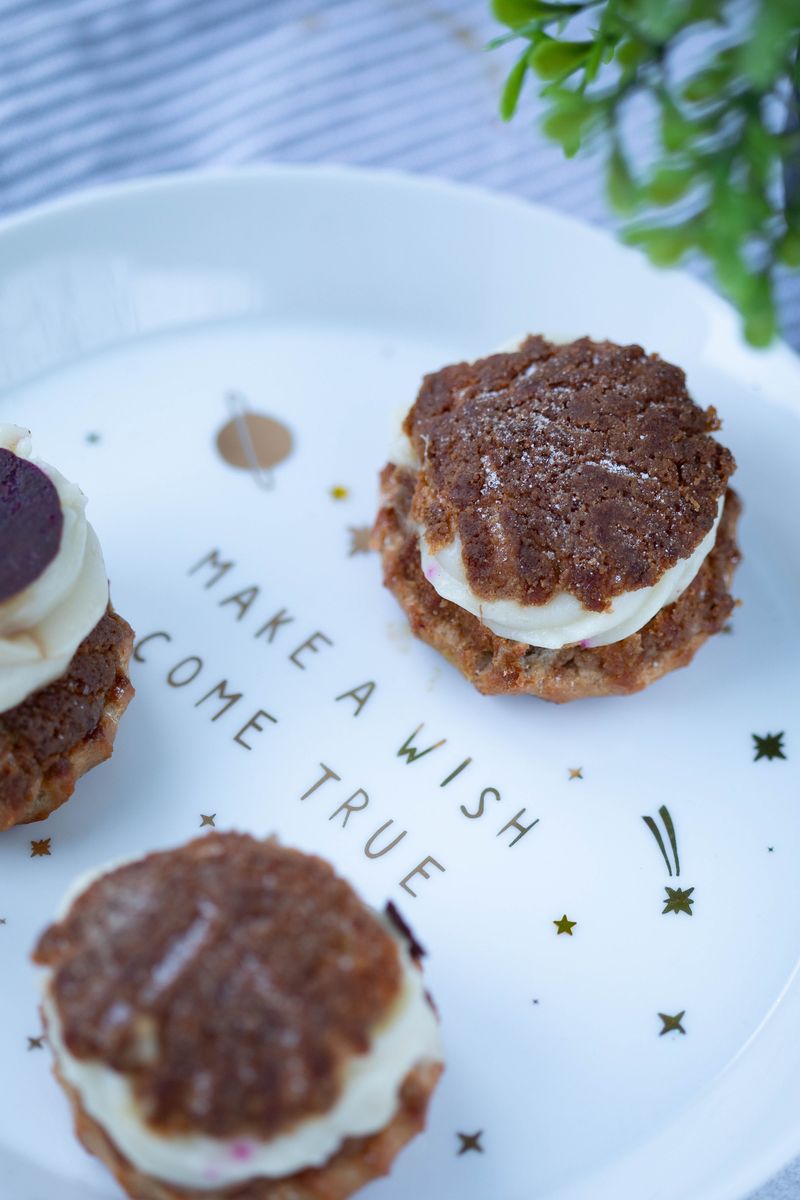
The first design flaw becomes obvious after one bite: the filling has nowhere to go except sideways.
Whoopie pies sandwich a thick layer of sweet cream between two rounds of soft cake, usually chocolate. The result sits somewhere between a cookie, a small cake, and a dessert that refuses to remain tidy.
Lancaster County and Pennsylvania Dutch bakeries have a deep connection to the treat, but the exact birthplace remains disputed. Maine and Massachusetts also make historical claims.
The filling varies by baker. It may be made with shortening-based cream, buttercream, marshmallow cream, or cooked frosting. Each version produces a slightly different texture, but all of them eventually attempt an escape through the edges.
One popular naming story says children or farmers shouted “whoopie” after discovering the cakes in their lunchboxes. It is a cheerful explanation, though not a conclusively documented one.
Modern bakeries offer pumpkin, red velvet, peanut butter, and other flavors. The chocolate-and-cream combination remains the best-known classic.
Choose whichever flavor you like. Graceful eating was never part of the arrangement.